
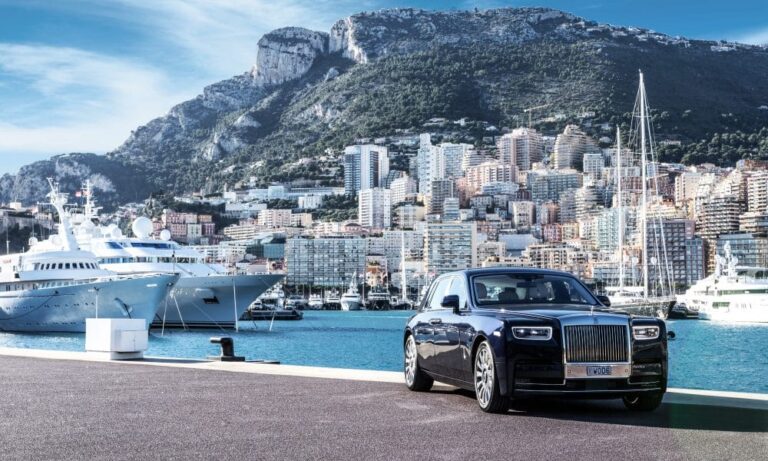
Luxury cars are no longer just about leather seats and polished wood trim. The modern high-end automobile has become a rolling showcase of engineering, comfort, technology, status, and performance all wrapped into one machine. Car manufacturers are competing harder than ever to build vehicles that feel special the moment you open the door and sit behind the wheel.
But here is the reality most buyers eventually discover. A luxury badge alone does not guarantee a great ownership experience. People spending serious money on premium vehicles expect more than just a fancy logo. They want refinement, reliability, cutting-edge technology, exceptional craftsmanship, strong resale value, and an experience that justifies the price tag.
That competition has pushed luxury automakers into an entirely different league over the past few decades. Interiors now rival five-star hotels. Engines produce supercar-level performance while remaining whisper quiet. Advanced driver assistance systems practically transform long-distance travel into a stress-free experience.
Some brands focus heavily on comfort and prestige. Others lean toward performance and driver engagement. A few attempt to blend both worlds together. The best luxury automakers manage to create vehicles that feel timeless rather than trendy.
So which manufacturers truly sit at the top of the luxury automotive world?
These five companies continue to define what premium motoring looks like, whether you are interested in handcrafted British luxury, German engineering precision, or ultra-exclusive hypercars built for billionaires and collectors.
Why Luxury Cars Cost So Much in the First Place
Before getting into the brands themselves, it helps to understand what separates a genuine luxury car from an ordinary vehicle with a higher price tag.
People often assume luxury cars are expensive simply because of branding. Branding absolutely plays a role. But a large part of the cost comes from engineering, materials, craftsmanship, and technology that mainstream vehicles simply do not offer.
Take something as simple as cabin noise. In a regular vehicle, you hear tire roar, wind turbulence, and engine vibration constantly. Luxury automakers spend enormous amounts of money reducing those sounds. They use acoustic glass, specialized insulation materials, active noise cancellation systems, and suspension tuning specifically designed to isolate passengers from the outside world.
Then there is ride quality.
A premium luxury car is expected to glide over rough roads while remaining stable at highway speeds. Achieving that balance takes sophisticated air suspension systems, adaptive dampers, advanced chassis tuning, and years of development.
Interior craftsmanship also plays a huge role in the pricing. Hand-stitched leather, real wood veneers, aluminum trim, wool carpeting, ambient lighting systems, massage seats, and custom personalization options all add significant cost.
And then there is performance.
Many modern luxury cars can accelerate faster than dedicated sports cars from just a decade ago. Some luxury sedans now produce over 600 horsepower while still delivering a smooth and quiet driving experience.
That level of engineering is expensive to develop and manufacture properly.
When buyers pay six figures for a vehicle, they are paying for the complete experience, not just transportation.
Mercedes-Benz: The Benchmark for Modern Luxury

There is a reason Mercedes-Benz remains one of the most recognized luxury car brands on the planet. The company has spent decades building a reputation around refinement, innovation, comfort, and prestige.
Karl Benz founded the company in the late 19th century, and Mercedes-Benz has remained at the forefront of automotive development ever since. Many features drivers now take for granted actually appeared first in Mercedes vehicles.
Things like anti-lock brakes, traction control systems, electronic stability control, and advanced airbag technology were heavily developed and refined by Mercedes long before they became industry standards.
But technology alone is not what makes Mercedes special.
The brand understands how to make a car feel expensive in a way that immediately stands out. Sit inside an S-Class sedan and you understand exactly where a large portion of the money went. The cabin is designed to feel calm, isolated, and effortlessly elegant.
The seats are exceptionally comfortable. The ride quality feels almost disconnected from the road surface. Ambient lighting wraps around the cabin in customizable colors. Even the way the doors close feels carefully engineered.
Mercedes-Benz Models That Define Luxury
Mercedes has an unusually broad lineup compared to many luxury competitors. That is one reason the company appeals to such a wide range of buyers.
Popular luxury-focused models include:
- S-Class: The flagship luxury sedan and often considered the benchmark for executive cars.
- G-Class: A luxury SUV with genuine off-road capability and enormous celebrity appeal.
- Maybach S-Class: An ultra-luxury version of the S-Class focused on rear-seat comfort.
- GLE and GLS: Premium SUVs that combine comfort with practicality.
- AMG models: High-performance versions built for buyers who want speed alongside luxury.
One thing Mercedes does particularly well is offering multiple levels of luxury depending on budget.
Someone shopping for an entry-level luxury sedan can buy a C-Class or CLA. Buyers with far larger budgets can step into a fully loaded Maybach that costs several times more.
What Mercedes-Benz Does Better Than Most Brands
Mercedes has mastered the balance between comfort and technology.
The company consistently introduces advanced driver assistance systems years before many competitors catch up. Features like adaptive cruise control, lane centering assistance, augmented reality navigation, and voice-controlled cabin systems are deeply integrated into modern Mercedes vehicles.
And then there is the driving experience.
Mercedes vehicles generally prioritize smoothness over aggressive handling. They are designed to make long drives relaxing rather than exhausting.
That philosophy is exactly why the S-Class remains one of the most respected luxury sedans in the world.
BMW: Where Luxury Meets Performance
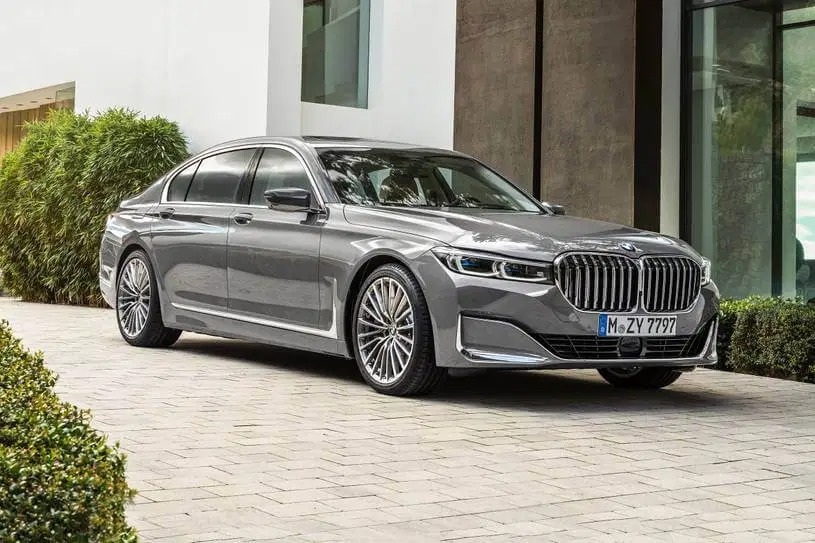
If Mercedes-Benz focuses heavily on comfort and refinement, BMW approaches luxury from a different angle. BMW builds premium cars for people who still genuinely enjoy driving.
The company was founded in 1916 and has grown into one of the most influential luxury automakers in the world. BMW built its reputation around performance-oriented engineering while still delivering upscale interiors and advanced technology.
There is a phrase commonly associated with BMW: “The Ultimate Driving Machine.” That slogan has shaped the brand’s identity for decades.
Even BMW luxury sedans tend to feel more athletic and responsive than many rivals. Steering is sharper. Suspension tuning is firmer. Acceleration feels aggressive. BMW vehicles often encourage spirited driving in ways competitors do not.
The BMW 7-Series and Modern Executive Luxury
The BMW 7-Series represents the brand’s flagship luxury offering.
This sedan competes directly against the Mercedes S-Class and Audi A8. But BMW approaches luxury differently. The 7-Series still prioritizes comfort, but it also emphasizes driver involvement and performance.
Current models offer:
- Advanced digital displays
- Rear executive lounge seating
- Massaging seats
- Gesture-controlled infotainment systems
- Powerful turbocharged engines
- Plug-in hybrid options
And then there is the M760i, which combines limousine-level comfort with astonishing acceleration.
That balance between luxury and speed is exactly why BMW attracts buyers who want refinement without sacrificing excitement.
BMW SUVs Changed the Luxury Market
BMW also deserves credit for helping reshape the luxury SUV segment.
The X5 was one of the vehicles that proved luxury SUVs could be genuinely fun to drive. Before that, many SUVs felt bulky and disconnected from the road.
Modern BMW SUVs continue that philosophy. Vehicles like the X5, X7, and XM combine high-end interiors with impressive performance capabilities.
For buyers who want one vehicle capable of family duty, long-distance comfort, and strong acceleration, BMW has become one of the strongest options available.
The Downsides of BMW Ownership
Luxury performance comes with trade-offs.
BMW vehicles can be expensive to maintain once they age. Complex electronics, turbocharged engines, and advanced suspension systems require proper upkeep.
Anyone considering a used BMW should pay close attention to maintenance history. Skipping service intervals on a BMW often becomes very expensive later.
Still, for many enthusiasts, the driving experience is worth it.
Rolls-Royce: The Definition of Ultimate Luxury
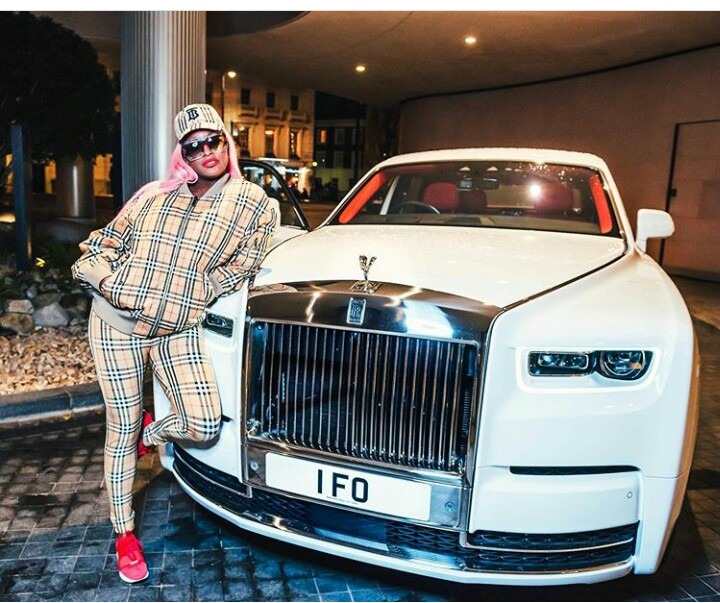
There is luxury. And then there is Rolls-Royce.
Very few brands carry the same level of prestige and exclusivity. Rolls-Royce vehicles are designed for buyers who want the absolute best regardless of price.
The company was founded in 1904 and quickly established itself as one of the most respected luxury manufacturers in automotive history. Today, Rolls-Royce sits near the very top of the ultra-luxury market.
Driving a Rolls-Royce feels fundamentally different from driving a typical luxury car. The experience is focused almost entirely on isolation, comfort, and craftsmanship.
Road imperfections practically disappear beneath the suspension. Cabin noise is almost nonexistent. Materials feel handcrafted because they often are handcrafted.
Why Rolls-Royce Costs So Much
People unfamiliar with the ultra-luxury market sometimes struggle to understand why Rolls-Royce vehicles cost several hundred thousand dollars.
Much of that price comes from personalization and craftsmanship.
Rolls-Royce buyers can customize nearly every aspect of the vehicle:
- Custom paint colors
- Unique interior materials
- Hand-embroidered details
- Personalized wood veneers
- Bespoke seating layouts
- Custom starlight headliners
Some buyers even commission one-off vehicles designed specifically for them.
That level of customization takes enormous amounts of time and labor.
Rolls-Royce Models That Stand Out
Several modern Rolls-Royce vehicles have become icons within the luxury market.
- Phantom: The flagship sedan focused on ultimate comfort and presence.
- Ghost: A slightly more understated luxury sedan.
- Cullinan: The brand’s ultra-luxury SUV.
- Spectre: Rolls-Royce’s fully electric luxury coupe.
The Phantom remains one of the most prestigious luxury sedans ever built.
Owners are not simply buying transportation. They are buying status, exclusivity, and craftsmanship at the highest level.
The Real-World Ownership Experience
Rolls-Royce ownership is extremely different from owning a mainstream luxury vehicle.
Most owners do not drive their cars daily. These vehicles are often chauffeur-driven, stored in climate-controlled garages, and maintained meticulously.
And despite the massive engines under the hood, performance is not the primary focus. Smoothness is.
The goal is effortless movement, not aggressive acceleration.
Bentley: Luxury With a Sporting Personality
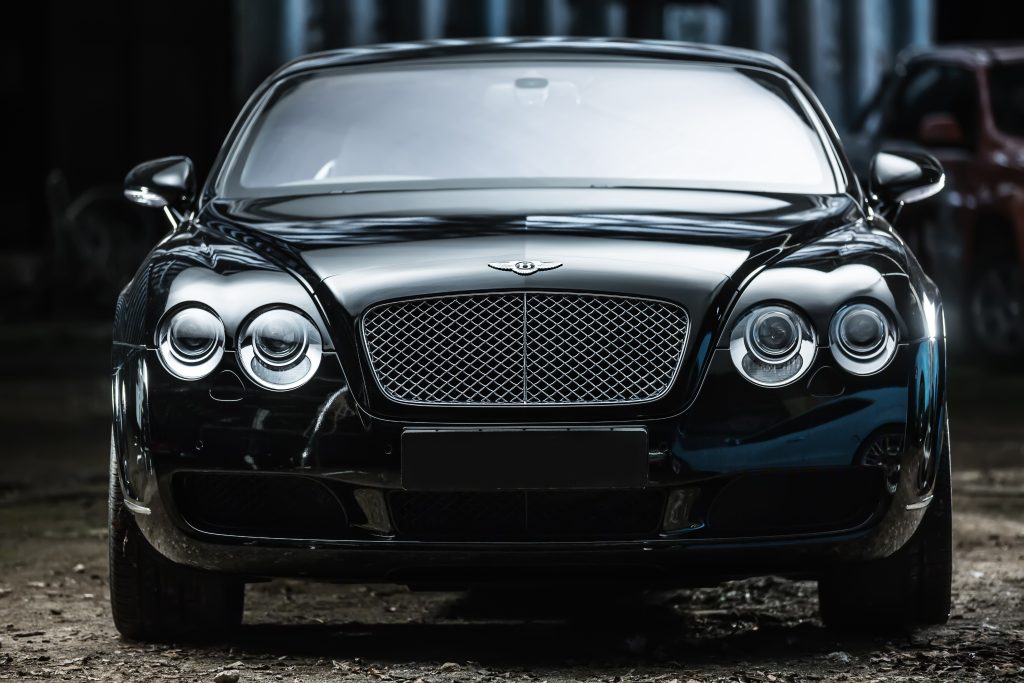
Bentley occupies a fascinating position in the luxury automotive world because it blends traditional British luxury with serious performance capability.
The company was founded in 1919 by W.O. Bentley and quickly built a reputation around speed and endurance racing success. That racing heritage still influences Bentley vehicles today.
Unlike Rolls-Royce, which focuses heavily on isolation and comfort, Bentley vehicles often feel more engaging and performance-oriented.
You still get handcrafted interiors and premium materials. But you also get massive horsepower figures, aggressive acceleration, and sharper handling.
Bentley Models That Define the Brand
Bentley currently offers several highly respected luxury models.
- Continental GT: A grand touring coupe combining speed with luxury.
- Flying Spur: A high-performance luxury sedan.
- Bentayga: One of the fastest and most luxurious SUVs available.
- Mulsanne: Bentley’s former flagship luxury sedan.
The Continental GT deserves special attention because it perfectly represents Bentley’s identity.
This car can cruise quietly across entire countries in complete comfort while still accelerating like a supercar when pushed hard.
That dual personality is difficult to engineer properly. Bentley manages it exceptionally well.
Why Buyers Choose Bentley Over Rolls-Royce
Many buyers cross-shop Bentley and Rolls-Royce. But the brands attract slightly different personalities.
Rolls-Royce buyers often prioritize ultimate comfort and prestige.
Bentley buyers frequently want luxury with a stronger emphasis on performance and driving enjoyment.
A Bentley tends to feel more athletic behind the wheel while still delivering a highly luxurious experience.
That balance has helped Bentley remain incredibly successful within the premium automotive market.
Bugatti: Where Luxury Meets Extreme Performance
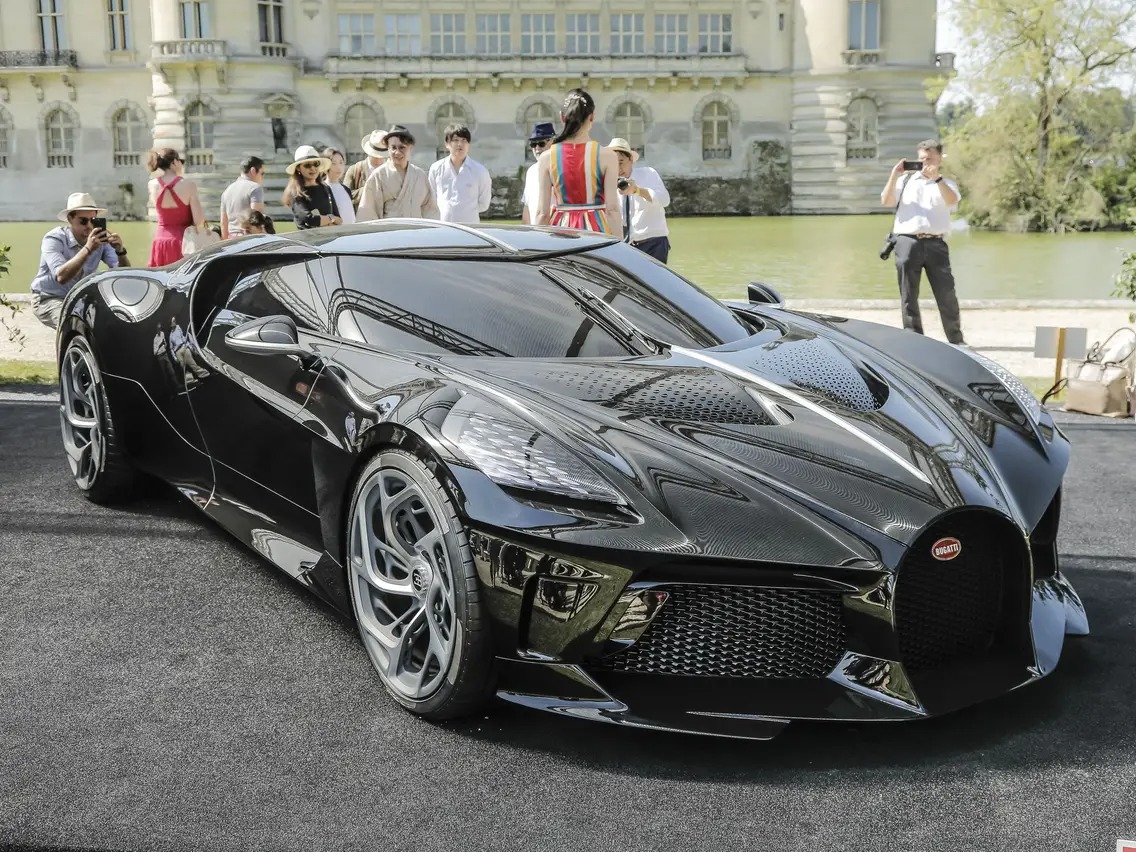
Bugatti exists in a category almost entirely by itself.
The company does not simply build luxury cars. It builds some of the fastest and most technically ambitious road cars ever created.
Founded in France in 1909, Bugatti has become synonymous with extreme performance, exclusivity, and engineering excess.
Vehicles like the Veyron and Chiron completely redefined what road cars were capable of achieving.
For perspective, the Bugatti Chiron produces over 1,400 horsepower and can exceed 260 mph under the right conditions.
That level of performance is difficult enough to achieve on its own. Doing it while maintaining luxury-level refinement and reliability is even harder.
Bugatti Is About More Than Speed
People often focus entirely on Bugatti’s speed figures. But these cars are also deeply luxurious.
The interiors feature premium leather, precision-machined aluminum, handcrafted details, and obsessive attention to quality.
Bugatti owners are not simply buying a fast car. They are buying a rare engineering masterpiece.
Production numbers are extremely limited, and many vehicles are customized extensively for individual buyers.
Some Bugatti models spend years in development and assembly before reaching customers.
The Chiron and La Voiture Noire
The Chiron remains one of the most famous hypercars in the world.
Its quad-turbocharged W16 engine represents one of the most complex production car engines ever built.
Then there is La Voiture Noire.
This one-off Bugatti became one of the most expensive new cars ever sold. It combines dramatic styling with handcrafted exclusivity in a way very few vehicles can match.
These are not ordinary luxury cars. They are collector-grade machines built for an incredibly small group of buyers.
Other Luxury Car Brands Worth Mentioning
Limiting the conversation to only five brands leaves out several major players that also deserve recognition.
Manufacturers like Ferrari, Lamborghini, Audi, Lexus, Maserati, Jaguar, Cadillac, Porsche, Aston Martin, and Tesla all contribute heavily to the luxury automotive landscape in different ways.
Ferrari and Lamborghini
These brands focus heavily on exotic performance and emotional driving experiences. Their interiors have become increasingly luxurious over the years, but performance remains the primary mission.
Lexus
Lexus built its reputation around reliability and comfort. Buyers who want luxury without excessive maintenance costs often gravitate toward Lexus models.
Audi
Audi combines modern design, advanced technology, and strong performance. The company’s interiors are widely considered among the best in the industry.
Tesla
Tesla changed the luxury market by proving electric vehicles could compete directly against traditional premium automakers. The instant acceleration and technology-heavy cabins helped redefine modern luxury expectations.
What Buyers Should Consider Before Purchasing a Luxury Car
Buying a luxury vehicle is very different from buying a mainstream car.
Purchase price is only part of the equation.
Potential buyers should also think carefully about:
- Maintenance costs
- Insurance premiums
- Fuel requirements
- Tire replacement costs
- Warranty coverage
- Resale value
- Parts availability
A luxury vehicle can become very expensive if maintenance is neglected.
For example, replacing air suspension components on some high-end sedans can cost thousands of dollars. Specialized tires for performance luxury vehicles are also significantly more expensive than ordinary tires.
That said, many buyers consider the ownership experience well worth the additional cost.
The Shift Toward Electric Luxury Cars
The luxury market is rapidly changing as electric vehicles become more common.
Mercedes-Benz now offers the EQS luxury sedan. BMW has expanded its electric i-series lineup. Rolls-Royce launched the Spectre. Bentley plans to move heavily toward electrification over the coming years.
Electric powertrains actually suit luxury cars extremely well because they deliver smooth, silent acceleration. That refinement aligns perfectly with what luxury buyers expect.
But there are still challenges involving charging infrastructure, battery weight, and long-distance travel convenience.
The next decade will likely reshape the luxury automotive market dramatically as manufacturers continue transitioning toward electrification.
Which Luxury Brand Is Actually the Best?
That depends entirely on what you value most.
If you want cutting-edge technology and broad model variety, Mercedes-Benz remains one of the strongest choices.
If driving enjoyment matters just as much as comfort, BMW stands out.
If ultimate prestige and handcrafted luxury are your priorities, Rolls-Royce dominates that space.
If you want luxury blended with strong performance character, Bentley delivers something uniquely appealing.
And if you want one of the most extreme and exclusive road cars ever built, Bugatti sits in its own category.
The interesting part is that luxury buyers today have more choices than ever before. Competition between automakers keeps pushing comfort, technology, and performance higher every year.
And that means the next generation of luxury vehicles will likely be even more advanced, more refined, and more capable than anything currently on the road.