
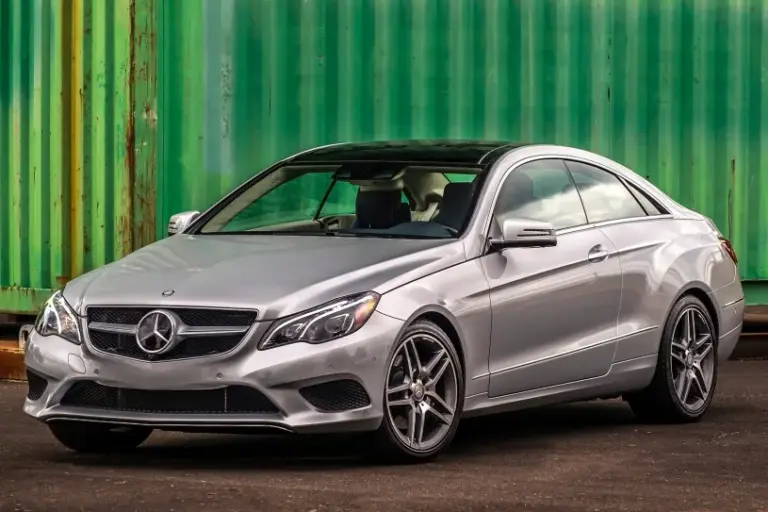
The 2014 Mercedes-Benz E350 is a genuinely impressive car. It delivers a refined driving experience, strong performance from its twin-turbocharged engine, and a level of interior quality that makes every drive feel like an event. But after a decade on the road, these vehicles have accumulated enough real-world ownership history to reveal a consistent set of problems that buyers and current owners should understand clearly.
This is not a vehicle that will fall apart on you, but it does require informed ownership. Knowing what tends to go wrong, what it looks like when it starts happening, and how to address it properly is the difference between a car that keeps performing beautifully and one that becomes a source of frustration and unexpected expense.
2014 Mercedes E350: A Quick Overview Before We Get Into the Problems
The 2014 E350 was offered in sedan, coupe, cabriolet, and wagon body styles. The base sedan uses a 3.5-liter naturally aspirated V6 producing 302 horsepower. The performance-oriented E350 BlueTEC and the 4MATIC all-wheel drive variants were also part of the lineup. The standard transmission is a seven-speed automatic (7G-Tronic) that Mercedes developed internally.
The driving modes available include Eco, Comfort, Sport, and Sport+, each adjusting throttle response, transmission shift points, and suspension behavior to match driver preference. These systems add sophistication to the driving experience but also add complexity, and complexity always means more potential points of failure over time.
Common Problems With the 2014 Mercedes E350
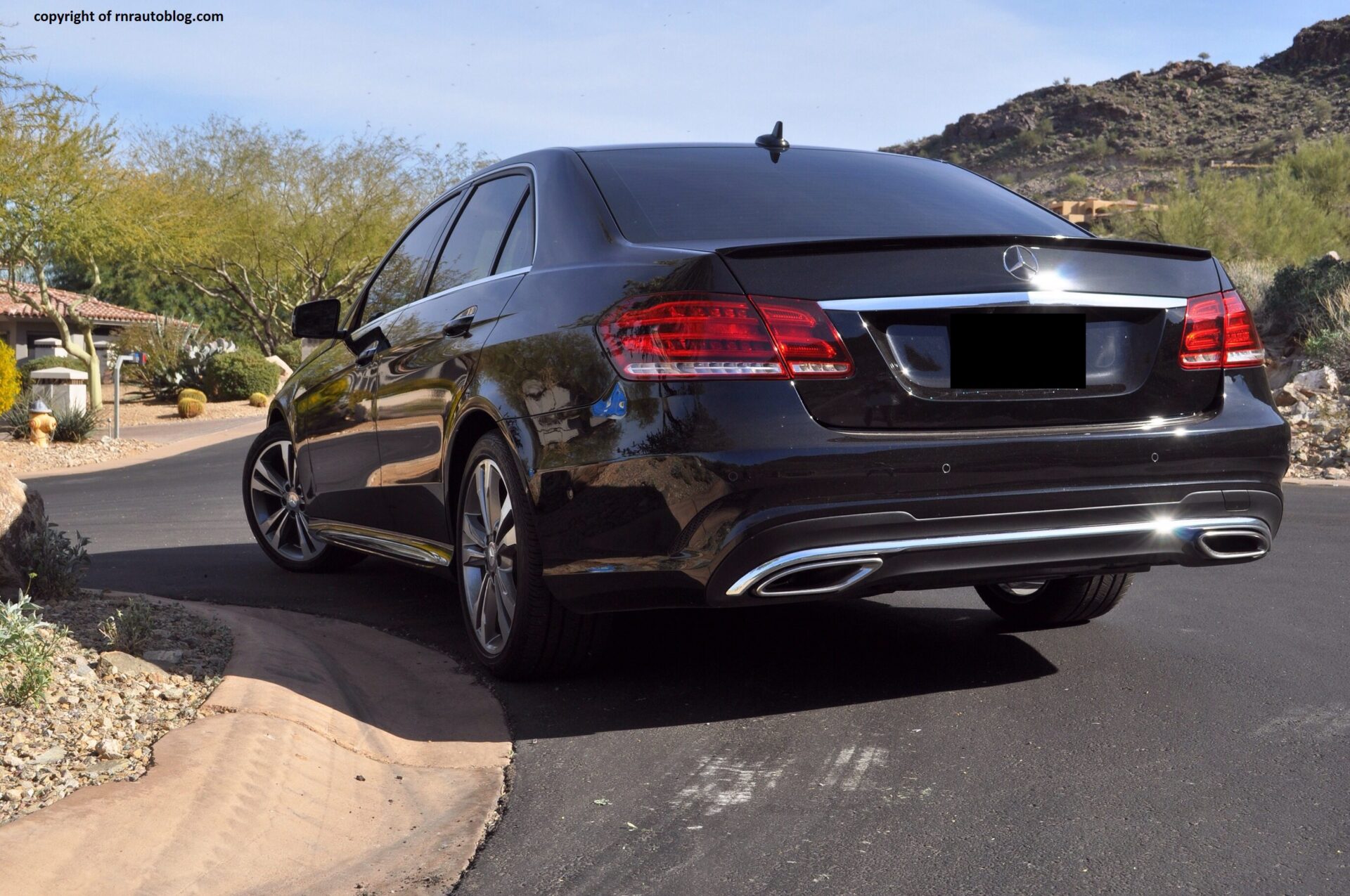
1. Transmission Conductor Plate Failure
This is the most frequently reported and most consequential problem on the 2014 E350, and it is important to understand it thoroughly if you own or are considering buying one of these cars.
The 7G-Tronic transmission uses an internal conductor plate, sometimes called a mechatronic unit or ETC (Electronic Transmission Control) board. This is a circuit board located inside the transmission that manages the solenoids responsible for controlling hydraulic pressure and gear selection. Unlike most modern transmissions where the control module is external, Mercedes integrates this electronics directly inside the transmission housing, where it is submerged in transmission fluid throughout its service life.
Over time, the conductor plate develops cracks in its solder joints or circuit traces from thermal cycling and vibration. When those cracks develop, the electrical signals to one or more solenoids become unreliable or fail completely. The symptoms that follow are hard to miss:
- Erratic or unpredictable gear changes, particularly at highway speed
- The transmission refusing to shift out of a specific gear
- Harsh clunking shifts that feel nothing like the smooth changes the car is capable of
- A transmission that is stuck in limp mode, typically second or third gear
- The check engine light, often with transmission-specific fault codes
This problem typically emerges between 80,000 and 120,000 miles, though some owners encounter it earlier. The fix involves replacing the conductor plate, which requires dropping the transmission oil pan, removing the old plate, and installing a new one. It is a specialized repair that requires familiarity with Mercedes transmission systems.
The repair cost ranges from $800 to $2,500 depending on the shop and whether additional components like the transmission fluid temperature sensor or the valve body solenoids need attention at the same time. The transmission fluid and filter should be replaced during this repair regardless, since the old fluid has likely accumulated metallic particles from the plate’s deterioration.
Do not confuse this repair with a full transmission rebuild. In most cases where the conductor plate is the only failed component and the mechanical transmission internals are intact, a plate replacement restores completely normal operation. However, diagnosing the specific failure correctly before authorizing repairs is essential.
2. Acceleration Hesitation and Throttle Lag
A number of 2014 E350 owners have reported a specific and frustrating acceleration behavior. When attempting to merge onto a highway, pass another vehicle, or accelerate briskly from a stop, the car seems to hesitate momentarily. The power appears to drop off briefly, giving the sensation of coasting or being in the wrong gear, before the engine responds and acceleration resumes.
This can have several causes:
- Driving mode selection: In Eco mode, the throttle mapping is deliberately softened to prioritize fuel economy. The delayed throttle response some owners describe as a problem is actually the Eco mode doing exactly what it is programmed to do. Switching to Comfort or Sport mode produces a noticeably more immediate throttle response and often eliminates the complaint entirely.
- Early signs of conductor plate issues: Before the transmission symptoms become severe, erratic gear selection or delayed downshifts can manifest as what feels like an acceleration problem. If the hesitation is accompanied by a sensation of the wrong gear being selected, transmission diagnosis is warranted.
- Dirty throttle body or mass airflow sensor: Carbon buildup on the throttle body or contamination of the MAF sensor can reduce the accuracy of the engine’s air-fuel calculations and cause hesitation under load. A throttle body cleaning and MAF sensor service is a reasonable maintenance item on any E350 approaching 80,000 miles.
- Spark plug condition: Worn or fouled spark plugs on the 3.5-liter V6 reduce combustion efficiency. At higher loads like highway merging, the difference between fresh and worn plugs becomes more noticeable. Mercedes recommends spark plug replacement at 60,000-mile intervals.
3. Vibrations During Acceleration or at Highway Speed
Vibrations in the 2014 E350 that appear during acceleration or at specific highway speeds have been reported by multiple owners, and this symptom has several possible origins that require different fixes:
- Tire and wheel issues: Before investigating mechanical components, check tire condition and balance. Tires that have developed flat spots from extended parking, lost balance weights, or developed uneven wear from improper inflation or alignment will produce speed-specific vibrations. A tire rotation, balance, and alignment check is always the starting point for vibration diagnosis.
- Driveshaft imbalance or flexible disc failure: The E350 uses a two-piece driveshaft with a center bearing and a flexible disc at the differential end. The flexible disc, sometimes called a guibo or flex disc, is a rubber-metal coupling that dampens driveline vibration. These degrade over time, and a deteriorating flex disc is a well-documented cause of driveline vibration on Mercedes vehicles of this generation. Visual inspection can sometimes reveal cracks or separation in the rubber. Replacement is moderate in cost and completely resolves the issue when this is the cause.
- Engine or transmission mount deterioration: The rubber in engine and transmission mounts hardens and cracks with age. Failed mounts allow drivetrain movement that transmits directly to the cabin as vibration, particularly under throttle load. On a 10-year-old vehicle, mount condition should be inspected if vibration is present.
- Wheel hub bearing failure: A bearing beginning to fail often produces a speed-dependent drone or vibration. As vehicle speed increases and the bearing load changes through cornering, the vibration may intensify or shift direction. A hub bearing on the verge of failure can also produce a grinding sound in more advanced stages of deterioration.
4. Power Steering System Issues
The 2014 E350 uses an electro-hydraulic power steering system that has a known weakness: the power steering fluid reservoir can crack, leading to fluid leaks. This is a problem that Mercedes-Benz has acknowledged indirectly through technical service bulletins, and it appears more frequently on vehicles in hotter climates where the temperature cycling stresses the reservoir plastic more aggressively.
Signs of a cracking reservoir include:
- A low power steering fluid level at routine checks with no obvious spill location
- A faint burning smell from the engine bay, which is hydraulic fluid contacting hot surfaces
- A visible sheen of fluid on and around the reservoir or on the engine bay floor beneath it
- Increased steering effort or a groaning sound from the steering pump as the fluid level drops
Addressing this early, before the level drops to the point of pump damage, is important. A replacement reservoir is not expensive, but a power steering pump that has been run with low fluid requires replacement and that cost is significantly higher. If the fluid level is consistently low and no other leak source is identified, the reservoir is the first place to look on this vehicle.
5. Central Gateway Module Software Issues
The central gateway module (CGW) in the 2014 E350 acts as a communications hub between the vehicle’s various electronic modules. Early production examples of this model year had software vulnerabilities in the CGW that could cause erratic behavior across multiple vehicle systems. Symptoms might include warning lights appearing without apparent cause, comfort systems not responding correctly, or intermittent electronic faults that do not point consistently to a single component.
Mercedes-Benz addressed these issues through software updates applied at dealerships. If your 2014 E350 has never had a dealership software update and you are experiencing unexplained electronic behavior, checking whether applicable software revisions are available for your specific VIN is worth doing. A dealership or a shop with Star Diagnostic (XENTRY) access can check this.
6. Advanced Lane-Keeping System Faults
The Active Lane-Keeping Assist on the 2014 E350 uses a forward-facing camera to monitor lane markings and provide corrective steering inputs when the system detects the vehicle drifting without an active turn signal. Some owners have reported the system activating unexpectedly, providing unwanted steering corrections in situations where no intervention was needed.
This can happen for a few reasons. The windshield camera requires a clean, clear view forward to function correctly. A dirty or contaminated windshield in the camera’s field of view, or worn lane markings on the road, can cause the system to misread its environment. The system can be manually disabled from the instrument cluster controls if it is causing interference. Persistent malfunctions with the system that persist after windshield cleaning should be diagnosed with the Star Diagnostic tool to check for camera faults or calibration issues.
NHTSA Recalls: What You Need to Check
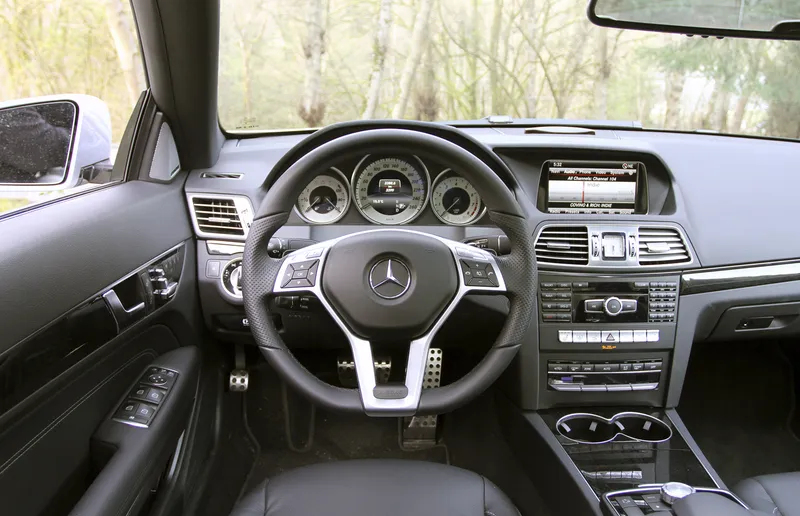
The 2014 E350 has been subject to several NHTSA recalls over its production life, addressing issues including electrical system faults, wheel and hub components, and interior accessory failures. As a current or prospective owner, verifying recall status on your specific vehicle is essential.
You can check recall status for free using the NHTSA’s vehicle identification number lookup tool at NHTSA.gov. Enter your 17-digit VIN and the system will show you every open recall, including whether remedies are still available and whether your vehicle has already had the recall work completed. Recall repairs are performed at no cost at authorized Mercedes-Benz dealerships.
If you are purchasing a used 2014 E350, verifying recall completion is part of responsible due diligence. An open recall on a vehicle you are buying becomes your problem once the title transfers.
Driving Modes Explained: Why Mode Selection Matters for Problem Diagnosis
Understanding what each driving mode does helps separate normal mode-specific behavior from actual faults. Many owner complaints on the 2014 E350, particularly around throttle response and shift behavior, turn out to be the car behaving exactly as intended in a specific mode.
| Driving Mode | What It Does | Expected Behavior Change |
|---|---|---|
| Eco | Prioritizes fuel economy | Softer throttle response, earlier upshifts, reduced power sensation |
| Comfort | Default balanced mode | Normal throttle response, smooth shift behavior |
| Sport | Heightened performance response | Sharper throttle mapping, later upshifts, firmer suspension |
| Sport+ | Maximum performance emphasis | Most aggressive throttle and shift response, firmest suspension |
If you are driving in Eco mode and the throttle response feels sluggish, that is not a fault. Switch to Comfort and retest. If the problem persists across all modes, then it is worth investigating further.
Maintenance Items That Prevent the Bigger Problems
A lot of the issues that develop on the 2014 E350 are directly connected to deferred maintenance. These are not cars that tolerate extended service intervals well, particularly at higher mileages.
- Transmission fluid: Mercedes originally specified the 7G-Tronic as using “lifetime” fluid that never needed changing. This has proven to be optimistic in real-world use, particularly on vehicles with conductor plate issues. Most Mercedes specialists recommend a transmission fluid and filter service every 40,000 to 60,000 miles. Fresh fluid reduces conductor plate wear and extends transmission life meaningfully.
- Spark plugs: Replace at the 60,000-mile interval or sooner if acceleration concerns develop. The V6 in the E350 uses iridium plugs that are not inexpensive, but delaying replacement causes real performance degradation.
- Power steering fluid: Check the level and condition at every oil change and inspect the reservoir for any evidence of seepage. Addressing a cracking reservoir early costs a fraction of what a failed pump costs.
- Air filter and cabin filter: Standard 15,000 to 30,000-mile intervals depending on driving conditions. A restricted air filter affects throttle response and fuel economy.
- Tire rotation, balance, and alignment: Every 7,500 to 10,000 miles for rotation, with balance and alignment checked whenever vibration symptoms develop or tires are replaced.
Finding a Qualified Shop for 2014 E350 Repairs
The 2014 E350 requires a shop that either has access to Mercedes-Benz Star Diagnostic (XENTRY) software or an equivalent professional-grade tool that can fully communicate with Mercedes modules. A generic OBD-II scanner will read generic powertrain codes but will miss the manufacturer-specific fault codes that are often essential for diagnosing transmission, electrical, and safety system issues on this vehicle.
Dealerships are the most complete option for software updates and recall work, but they are also the most expensive for routine repairs. Independent shops that specialize in European or specifically Mercedes vehicles can often perform the same repairs with the same quality of parts for meaningfully lower labor rates. The conductor plate replacement, in particular, is a job that many independent Mercedes specialists handle routinely and charge significantly less for than a main dealer.
Ask any prospective shop whether they have XENTRY or a compatible diagnostic system, and whether they have experience specifically with the 7G-Tronic transmission. Those two questions quickly separate qualified shops from those that will struggle with the complexity of this vehicle.
The 2014 Mercedes E350 is a car worth owning properly. Its problems are real and documented, but they are also manageable with informed ownership. Stay current on the transmission fluid, keep the power steering reservoir inspected, address vibrations before they progress to bearing or driveshaft failures, and have the electrical system properly diagnosed when warning lights appear rather than cleared and ignored. Do those things and this car will deliver the driving experience it promises for years beyond what neglected examples achieve.