

Your Dodge Ram is shifting rough, hesitating between gears, or the check engine light just came on with a transmission-related code. Maybe the truck jerks when you accelerate, or it seems to rev high before finally dropping into the next gear. Any of these symptoms can point to a shift solenoid problem, and on the Dodge Ram, this is one of the more common transmission issues owners run into.
The good news is that shift solenoid problems are well understood, and in many cases, a proper diagnosis followed by a targeted repair can save you from a far more expensive transmission rebuild. But you do need to diagnose it correctly first. Rough shifting does not always mean a bad solenoid, and replacing parts without knowing which one has failed is an expensive way to guess.
This guide covers everything you need to know about Dodge Ram shift solenoid problems, from how the system works and what causes it to fail, to how to diagnose the specific fault and what different repair options actually cost.
What a Shift Solenoid Does and Why It Matters
Before getting into problems and fixes, it helps to understand what the shift solenoid actually does inside your transmission.
The Dodge Ram uses an automatic transmission, which shifts gears using hydraulic pressure routed through a series of passages and valves inside the valve body. The shift solenoids are electro-hydraulic valves. Each one is controlled by the Transmission Control Module (TCM), which opens and closes the solenoids in specific combinations to direct transmission fluid to the appropriate clutch packs and bands, which physically engage and disengage to change gears.
Think of the solenoid as an electrically operated on-off switch for a hydraulic circuit. When the TCM sends a signal to a solenoid, it opens. The transmission fluid under pressure flows through that circuit, applies pressure to a clutch pack, and the transmission engages the appropriate gear. When the TCM cuts the signal, the solenoid closes, that clutch pack releases, and the transmission prepares to engage the next gear.
If a solenoid sticks open, sticks closed, or responds sluggishly, the hydraulic circuit it controls does not operate at the right time or with the right pressure. The gear shift happens late, harshly, inconsistently, or not at all depending on which solenoid is affected and how it has failed.
Most Dodge Ram automatic transmissions have multiple shift solenoids. The 45RFE, 545RFE, 65RFE, and 66RFE transmissions used across different Ram generations each have their own solenoid configuration, but the fundamental operating principle is the same across all of them.
Symptoms of a Failing Shift Solenoid on the Dodge Ram
The symptoms of a shift solenoid problem vary depending on which solenoid is failing and how it is failing. Some patterns are more diagnostic than others.
Hard or Rough Shifting
This is one of the most noticeable symptoms. Instead of the smooth, barely perceptible gear change you are used to, the truck lurches or clunks when it shifts. This happens because the solenoid is not controlling the hydraulic circuit smoothly. Either it is opening too abruptly, too slowly, or not holding the pressure correctly during the shift event. The clutch pack engages with too much force or at the wrong moment, and you feel the result as a harsh jolt.
Delayed Gear Engagement
You pull away from a stop and there is a noticeable pause before the transmission engages. The engine revs up while the transmission seems to slip before finally grabbing a gear. This delay is caused by a solenoid that is not opening quickly enough or not maintaining adequate pressure, leaving the hydraulic circuit partially unresponsive.
Transmission Stuck in a Specific Gear
If a solenoid fails in the closed position, the hydraulic circuit it controls never activates, and the transmission cannot shift into or out of whatever gear depends on that circuit. You might find the truck stuck in second or third gear, unable to upshift to highway speeds or downshift for passing. This is often accompanied by the truck going into limp mode, which we will cover shortly.
Slipping Out of Gear
The transmission unexpectedly drops out of a gear while driving, and the engine revs freely before re-engaging. This happens when a solenoid that should be holding a gear engaged intermittently releases pressure, allowing the clutch pack to disengage momentarily. It can feel like a brief loss of power followed by a jerk as the gear re-engages.
Skipping Gears
Instead of shifting sequentially through gears, the transmission skips a gear entirely. You pull away and it goes from first to third without touching second, for example. The solenoid responsible for engaging second gear is not functioning, so the TCM compensates by bypassing that gear entirely.
Limp Mode Activation
When the TCM detects a serious transmission fault, including a solenoid failure, it may put the truck into limp mode as a protective measure. In limp mode, the transmission is locked into a single gear, typically second or third, and will not shift regardless of vehicle speed. The truck can still be driven slowly to a safe location, but performance is severely reduced. If your Ram is stuck in one gear and will not shift despite normal driving inputs, limp mode triggered by a solenoid fault is a strong possibility.
Check Engine Light and Transmission Warning Lights
A faulty shift solenoid will almost always trigger the check engine light and may also illuminate a specific transmission warning indicator depending on your truck’s instrumentation. The TCM stores diagnostic trouble codes that can be retrieved with an OBD-II scanner to identify the specific fault.
Gear Selector Stuck in Park or Neutral
In some cases, a problem related to the shift solenoid circuit, the shift interlock solenoid, the Park-Neutral switch, or the TCM can prevent the gear selector from moving out of Park or Neutral. If you cannot get the truck out of Park despite pressing the brake pedal normally, a related electrical fault in the transmission control system may be the cause.
What Causes Dodge Ram Shift Solenoid Problems
1. Contaminated or Degraded Transmission Fluid
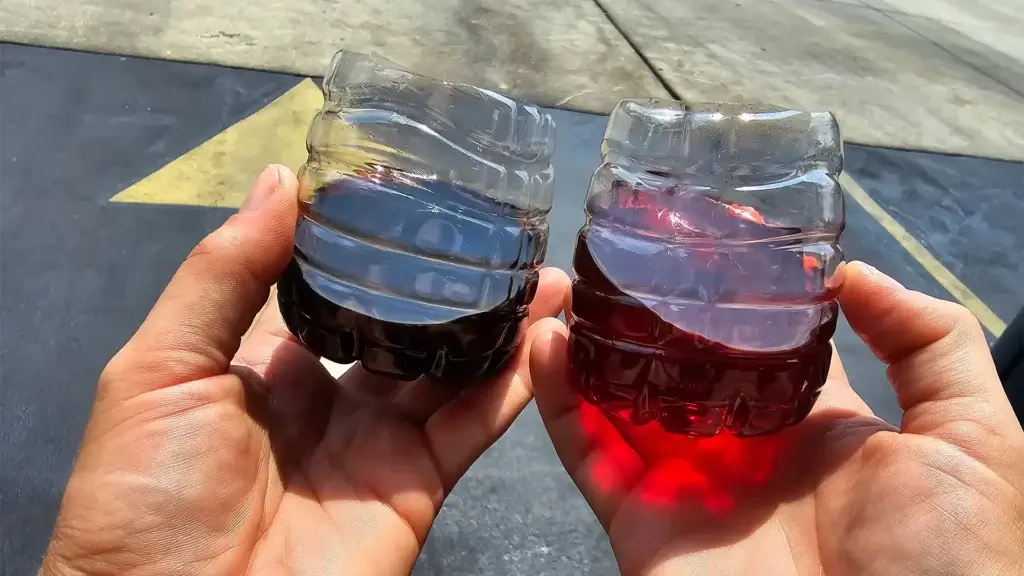
This is the single most common root cause of shift solenoid problems on the Dodge Ram, and it is also the most preventable.
Transmission fluid does two critical jobs. It lubricates the moving parts inside the transmission, and it serves as the hydraulic medium that carries pressure to engage gears. The shift solenoids operate in direct contact with this fluid. Small passages inside the solenoid valve allow fluid to flow when the solenoid opens. If the fluid becomes dirty, oxidized, or contaminated with metallic particles from normal wear, those tiny passages can partially or fully clog.
A solenoid with a partially clogged passage does not flow fluid properly. It may work intermittently, work slowly, or not work at all depending on the severity of the clogging. This produces exactly the symptoms described above: rough shifts, delayed engagement, slipping, and eventual fault codes.
Transmission fluid that overheats also degrades faster. If the truck has been towing heavy loads frequently, especially in hot weather, the fluid breaks down more quickly than it would under normal driving conditions. Overheated fluid loses its hydraulic properties and leaves varnish deposits inside the solenoid passages.
2. Transmission Fluid Leaks
The hydraulic system inside your transmission needs to maintain a specific fluid pressure to operate correctly. A leak anywhere in the system, whether at the transmission pan gasket, a cooler line fitting, or an internal seal, reduces the overall fluid volume and can drop system pressure below what the solenoids need to function properly.
A common pattern with leak-related solenoid symptoms is that the shifting problems worsen over time as more fluid is lost. What starts as an occasional rough shift can progress to consistent slipping and eventually limp mode as the fluid level drops lower. If you notice a reddish fluid puddle under the truck, address the leak immediately before driving further.
3. Clogged Transmission Filter
The transmission filter keeps debris out of the fluid circuit. Over time, as the filter accumulates particles from normal clutch pack wear and fluid oxidation, it can become restricted. A restricted filter reduces fluid flow to the valve body and solenoids, which produces the same low-pressure symptoms as a fluid leak: poor shift quality, delays, and slipping.
On Dodge Ram trucks, the transmission filter is located inside the pan. It is replaced as part of a transmission service and should be changed at the manufacturer’s recommended interval, typically every 30,000 to 60,000 miles depending on operating conditions.
4. Electrical Failure of the Solenoid
Each shift solenoid is an electromagnetic coil. The TCM sends voltage to the coil, which creates a magnetic field that opens the valve. If the coil inside the solenoid burns out, develops an internal short, or loses its windings’ continuity, the solenoid will not respond to the TCM’s commands regardless of how good the fluid is.
Electrical solenoid failures typically produce very specific fault codes that point directly to the affected solenoid’s circuit, making them easier to diagnose than fluid-related failures.
5. Wiring and Connector Issues
The solenoids are connected to the TCM through a wiring harness that runs through the transmission. Internal harness connectors can corrode from moisture intrusion, especially if the transmission pan gasket is leaking and fluid is contaminating the internal electrical connections. External harness connectors can also corrode or develop loose connections from vibration and age.
Wiring faults can mimic solenoid failures exactly because the symptoms are the same: the TCM sends a signal, but the solenoid does not receive it properly. A wiring fault will store a circuit fault code rather than a solenoid performance code, which helps differentiate between a bad solenoid and a bad connection during diagnosis.
6. TCM Failure or Software Issues
The Transmission Control Module is the computer that operates the shift solenoids. If the TCM fails, develops a software fault, or loses calibration, it may send incorrect signals to the solenoids or fail to send signals at all. TCM problems can produce transmission symptoms that look exactly like solenoid failures but are actually control-side rather than mechanical or hydraulic failures.
TCM issues sometimes respond to a software update from the dealership. On older trucks, the TCM itself may have failed and require replacement. This is another reason why proper diagnosis is essential before replacing parts.
Fault Codes Associated With Dodge Ram Shift Solenoid Problems
When the check engine light comes on alongside transmission symptoms, an OBD-II scanner will help identify which solenoid or circuit is involved. Here are the most common codes you are likely to encounter on a Dodge Ram:
| Fault Code | What It Means |
|---|---|
| P0700 | Transmission Control System Malfunction (general, requires further diagnosis) |
| P0750 | Shift Solenoid A Malfunction |
| P0753 | Shift Solenoid A Electrical Circuit Fault |
| P0755 | Shift Solenoid B Malfunction |
| P0758 | Shift Solenoid B Electrical Circuit Fault |
| P0760 | Shift Solenoid C Malfunction |
| P0763 | Shift Solenoid C Electrical Circuit Fault |
| P0765 | Shift Solenoid D Malfunction |
| P0768 | Shift Solenoid D Electrical Circuit Fault |
| P0841 | Transmission Fluid Pressure Sensor Range/Performance |
| P0868 | Transmission Fluid Pressure Low |
A code ending in “0” or “5” (such as P0750 or P0755) typically indicates a performance fault, meaning the solenoid is receiving a signal but not responding correctly. This often points to a mechanically stuck solenoid or a fluid flow problem.
A code ending in “3” or “8” (such as P0753 or P0758) indicates an electrical circuit fault, meaning the solenoid’s wiring circuit is not functioning correctly. This points toward a burned-out solenoid coil, a wiring fault, or a bad connector.
This distinction matters enormously for repair decisions. An electrical circuit fault may mean you have a bad solenoid coil that needs replacement. A performance fault might be solved by a fluid change and filter service rather than solenoid replacement.
How to Diagnose Dodge Ram Shift Solenoid Problems
Step 1: Pull All Stored Codes
Connect an OBD-II scanner and retrieve every stored code, including pending codes that have not yet triggered the check engine light. Write them all down. Multiple codes together tell a more complete story than a single code in isolation.
Pay attention to whether the codes are for specific solenoid circuits (electrical) or general performance. Also note whether the P0700 general transmission code appears alongside specific solenoid codes. P0700 alone is not a diagnosis. It is a starting point that tells you to look deeper at the transmission system.
Step 2: Check the Transmission Fluid
With the engine warm and running and the transmission cycled through all gears, check the transmission fluid level and condition. On most Dodge Ram trucks, the transmission dipstick is located at the rear of the engine bay on the passenger side. Pull it, wipe it clean, reinsert it fully, and pull it again to read the level.
Beyond the level, evaluate the fluid condition:
- Healthy fluid is bright red or pink and slightly translucent. It has no strong odor.
- Worn fluid is darker, more of a brownish-red, and may have a slightly burnt smell.
- Severely degraded or overheated fluid is dark brown or black, smells strongly burnt, and may have a cloudy appearance from contamination.
- Contaminated fluid with a milky or foamy appearance indicates coolant has entered the transmission, which is a serious fault requiring immediate professional attention.
If the fluid is dark, low, or burnt smelling, a fluid and filter service should be performed before any solenoid is replaced. In many cases, fresh fluid resolves performance-type solenoid faults without any additional repairs.
Step 3: Check the Solenoid Resistance
If the codes indicate an electrical circuit fault, the solenoid coil resistance can be tested with a multimeter. This requires accessing the transmission solenoid pack, which on most Ram transmissions means dropping the transmission pan.
Each solenoid has a specified resistance range in ohms. With the solenoid pack connector disconnected, place the multimeter probes on the terminals of the suspect solenoid and measure the resistance. A reading within the specified range confirms the solenoid coil is intact. A reading of zero ohms indicates a short circuit inside the solenoid. A reading of infinite resistance or open circuit means the solenoid coil has burned out and the solenoid needs replacement.
Consult your specific transmission’s service manual for the correct resistance specifications, as they vary by solenoid type and transmission model.
Step 4: Inspect the Wiring Harness and Connectors
With the pan dropped and the solenoid pack accessible, inspect the internal wiring harness for any signs of damage, corrosion, or fluid contamination on the connectors. The internal harness on many Ram transmissions is a known wear item on higher mileage trucks.
Also inspect the external transmission harness connector that connects the transmission to the vehicle’s wiring system. Look for bent pins, corrosion, and any signs that the connector has not been fully seated.
How to Fix Dodge Ram Shift Solenoid Problems
Fix 1: Transmission Fluid and Filter Service
If the diagnosis points to degraded fluid or a clogged filter as the contributing factor, a full transmission service is the starting point. This involves:
- Draining or flushing the old transmission fluid
- Dropping the transmission pan
- Removing and replacing the transmission filter
- Cleaning the pan thoroughly before reinstalling
- Installing a new pan gasket
- Refilling with the correct transmission fluid to the proper level
On Dodge Ram trucks, the correct fluid specification is important. Many Ram automatics require Mopar ATF+4 fluid specifically. Using the wrong fluid type can actually cause shifting problems rather than solving them. Check your owner’s manual for the specific fluid requirement for your truck’s transmission.
After the service, clear the fault codes and drive the truck through its full shift range. In many cases where degraded fluid was the root cause, the shifting symptoms resolve completely after fresh fluid and a new filter are installed.
Fix 2: Shift Solenoid Replacement
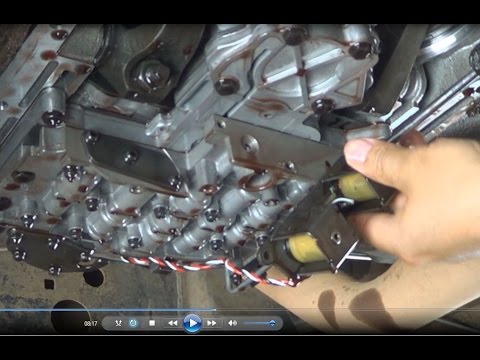
If a specific solenoid has been confirmed failed through resistance testing or confirmed by a performance code that does not clear after a fluid service, that solenoid needs to be replaced. On most Dodge Ram transmissions, the solenoids are part of a solenoid pack or solenoid block that can be replaced as a unit, which is often more practical than trying to replace an individual solenoid within the pack.
The process involves:
- Safely lifting and supporting the vehicle.
- Placing a drain pan under the transmission and removing the drain plug or transmission pan to drain the fluid.
- Removing the transmission pan and pan gasket.
- Removing the valve body if necessary to access the solenoid pack. On some Ram transmissions, the solenoid pack can be accessed without fully removing the valve body.
- Disconnecting the solenoid pack wiring harness connector.
- Removing the solenoid pack and installing the new unit.
- Reconnecting the wiring harness, reinstalling the valve body if removed, installing a new pan gasket, and reinstalling the pan.
- Refilling with fresh ATF+4 fluid to the correct level.
- Clearing fault codes and performing a road test through all shift events.
This is a job that a mechanically experienced DIYer can handle with the right tools and a service manual for the specific transmission. However, valve body work requires attention to detail and following the correct bolt torque sequences, as improper reassembly can cause additional issues. Many owners choose to have this done at a shop to ensure it is done correctly.
Fix 3: Valve Body Replacement
In cases where the valve body itself has developed internal wear, damaged bores, or corroded passages beyond what cleaning can address, replacing the entire valve body assembly may be more practical than attempting to rebuild the original. The solenoids are typically replaced along with the valve body in this scenario.
Valve body replacements on Dodge Ram transmissions can often be performed without removing the entire transmission from the vehicle, which keeps the repair cost lower than a full rebuild.
Fix 4: Address Wiring Issues
If diagnosis points to an electrical circuit fault in the wiring rather than the solenoid itself, the wiring needs to be repaired or the connector needs to be serviced. Internal transmission harness replacement is sometimes possible without a full rebuild on certain Ram transmissions, but it does require dropping the pan and valve body to access the harness routing inside the transmission.
External connector issues can sometimes be addressed without dropping the pan, depending on where the fault is located in the circuit.
Fix 5: TCM Software Update or Replacement
If diagnosis leads to the TCM as the source of the problem, a dealership visit is necessary. Dealerships can check whether a calibration or software update is available for your truck’s TCM that addresses known shift quality issues. Dodge has released software updates for various Ram transmission configurations that improved shift behavior without any hardware changes.
If the TCM itself has failed, replacement and programming to the vehicle is required. This is strictly dealer-level work, as the TCM must be programmed with vehicle-specific calibration data to function correctly.
What Shift Solenoid Repairs Cost on a Dodge Ram
| Repair | Estimated Cost |
|---|---|
| Transmission fluid and filter service | $100 to $250 |
| Solenoid pack replacement (part only) | $100 to $300 |
| Solenoid pack replacement (shop labor included) | $300 to $600 |
| Valve body replacement | $500 to $1,000 |
| TCM software update (dealership) | $100 to $200 |
| TCM replacement and programming | $500 to $1,200 |
| Full transmission rebuild | $1,500 to $4,000 |
The most important thing to understand from this cost breakdown is that a fluid and filter service at $100 to $250 can sometimes resolve the exact same symptoms as a $600 solenoid replacement. That is why the diagnosis sequence matters. Always confirm what is actually failed before committing to the more expensive repair.
How to Prevent Shift Solenoid Problems on Your Dodge Ram
Most shift solenoid problems on Dodge Ram trucks are directly connected to transmission fluid condition. Staying on top of fluid maintenance is the single most effective thing you can do to protect the solenoids and the entire transmission:
- Service the transmission fluid and filter at the manufacturer’s recommended interval. For most Ram owners who do any towing or driving in high-temperature conditions, erring on the side of more frequent service rather than less is the right call.
- Use the correct fluid. Many Ram automatics require Mopar ATF+4 specifically, and substituting a generic fluid can cause shifting issues and accelerated solenoid wear.
- Check the fluid level and condition periodically, especially before and after heavy towing seasons.
- Address any transmission fluid leaks immediately. Even a small leak that slowly reduces the fluid level will eventually cause solenoid problems from low fluid pressure.
- If your truck tows regularly or operates in severe conditions, consider adding an external transmission cooler to reduce fluid operating temperatures and extend fluid service life.
A shift solenoid problem on your Dodge Ram is not a reason to panic or immediately start shopping for a transmission rebuild. In most cases, the repair falls squarely in the middle ground of the cost table above, and a well-diagnosed, targeted repair will have your truck shifting cleanly again without the full rebuild expense. The key is confirming exactly what has failed before spending a dollar on parts.