
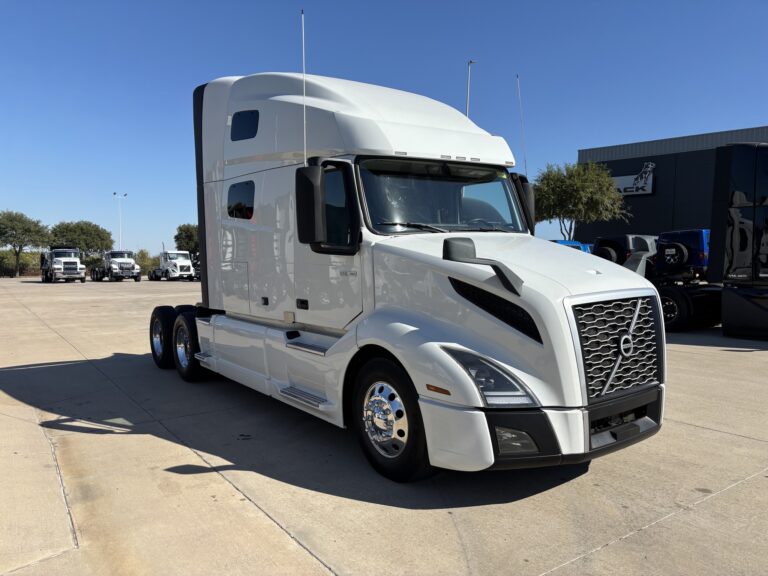
If you drive a Volvo or operate a Mack truck and the EATS system fault warning has appeared on your display panel, you are dealing with something that needs prompt attention. This is not a warning you can park in the back of your mind and deal with later. Ignoring it long enough can put your engine into limp mode, cause significant downtime, and turn what would have been a manageable repair into a costly one.
This guide will explain what the exhaust after-treatment system actually does, what causes it to fail, and what steps you need to take to get it back to full function.
What Is the Exhaust After-Treatment System (EATS) and Why Does It Matter?
The exhaust after-treatment system is a network of components built directly into the exhaust pathway of modern diesel engines. Its primary job is to clean up the exhaust gases the engine produces before they ever reach the atmosphere. Specifically, it targets two of the most harmful byproducts of diesel combustion: particulate matter (soot) and nitrogen oxides (NOx). Without a functioning EATS, your engine would be pumping out levels of both that would not come close to meeting current environmental regulations.
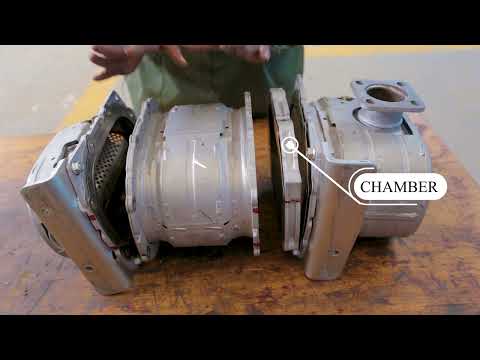
On Volvo and Mack diesel engines, the EATS is not a single component. It is a sequence of systems, each one building on the work of the one before it. Here is how those pieces fit together:
- Diesel Oxidation Catalyst (DOC): This is the first stage. The DOC uses a chemical reaction to convert carbon monoxide and unburned hydrocarbons in the exhaust stream into less harmful carbon dioxide and water vapor. It also converts nitrogen monoxide into nitrogen dioxide, which plays an important role in the regeneration process further downstream.
- Diesel Particulate Filter (DPF): This filter physically captures soot and particulate matter as exhaust passes through it. Over time, all that captured soot needs to be burned off, a process called regeneration. Regeneration happens either passively during sustained high-temperature driving or actively through a controlled injection of additional fuel to spike exhaust temperatures. When regeneration cannot keep up with soot accumulation, the DPF becomes blocked and the whole system starts to suffer.
- Diesel Exhaust Fluid (DEF) Injector and Mixer: DEF, known as AdBlue in European markets, is a urea-water solution that gets injected into the exhaust stream after the DPF. The heat in the exhaust breaks it down into ammonia, which then moves downstream to react with NOx in the SCR.
- Selective Catalytic Reducer (SCR): This is where the ammonia from the DEF reacts with NOx in the exhaust and converts it into harmless nitrogen gas and water vapor. The SCR is the final stage of the emissions reduction process and one of the most effective technologies available for meeting current NOx standards.
All four of these components are under constant surveillance by the engine management system. Temperature sensors, NOx sensors, pressure differential sensors, and DEF quality sensors are all feeding real-time data back to the ECU. The moment any of those readings falls outside the acceptable window, the system flags an EATS fault and the warning appears on your dash.
Why the EATS System Fault Warning Appears: The Real Causes Behind the Warning
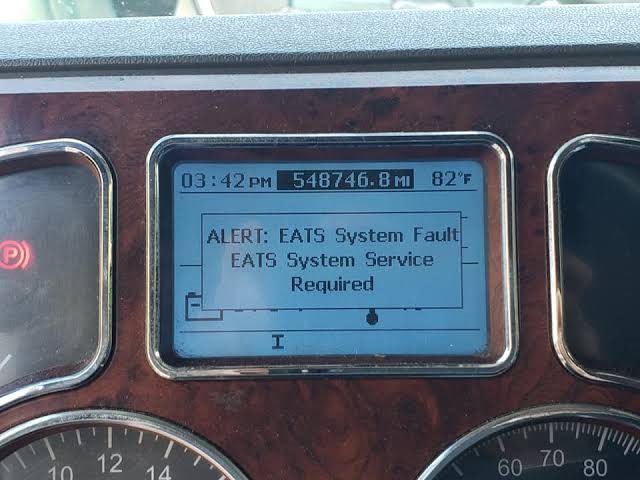
There are multiple failure points within the EATS that can trigger this warning. Some are straightforward hardware failures inside the after-treatment system itself. Others are upstream engine problems that put so much stress on the EATS that the system eventually breaks under the load. Understanding the difference matters a lot, because fixing the EATS without addressing what caused the failure is a guaranteed way to end up back in the same situation a few months later.
1. Boost Air Leaks in the Intake System
This is an upstream cause, meaning the problem is not inside the EATS itself but it absolutely destroys EATS performance over time. When air leaks from the intake plumbing or intercooler connections, the engine does not get the precise air-fuel ratio it needs for clean combustion. Incomplete combustion means significantly more soot than the engine would normally produce. That extra soot hits the DPF and DOC, and both have to work much harder than they were designed to at that operating load.
Given enough time, an intake air leak will cause the DPF to fill with soot faster than any regeneration cycle can burn it off. The pressure differential across the DPF climbs. The system detects the overloading. The EATS fault warning appears. And here is the part that catches a lot of operators off guard: if you clean or replace the DPF without finding and fixing the intake air leak first, the exact same problem will come back within a short time. The DPF is not the root cause. The leak is.
Watch for these symptoms alongside an EATS fault if an intake air leak is the underlying problem:
- Black smoke from the exhaust, especially under load
- Noticeable loss of engine power or slower acceleration
- Higher than normal fuel consumption
An intake air pressure test is the standard diagnostic method for finding and confirming leaks anywhere in the boost system. Do this test before you spend money on EATS components.
2. A Malfunctioning EGR Valve
The exhaust gas recirculation valve re-introduces a precisely measured amount of exhaust gas back into the engine’s intake manifold. The purpose is to lower combustion temperatures, which reduces NOx production at the source. It sounds counterintuitive to pump exhaust back into the engine, but at the controlled levels the EGR system is designed to maintain, it is an effective strategy that reduces the NOx load that the SCR has to deal with downstream.
When the EGR valve fails, combustion quality suffers regardless of which direction the failure goes. A valve stuck open floods the intake with exhaust gases and causes rough, inconsistent running. A valve stuck closed removes the temperature-moderating effect of EGR entirely, allowing combustion temperatures to run too high and NOx production to spike beyond what the SCR can handle efficiently. Both failure modes can trigger the EATS fault because the NOx sensors detect that emissions are outside normal parameters.
EGR valve problems on Volvo and Mack diesel engines are common, particularly in high-mileage applications or where maintenance schedules have been stretched beyond the recommended intervals. Carbon buildup is the most frequent culprit, gradually restricting the valve’s movement until it loses the ability to open and close properly.
3. A Blocked Diesel Particulate Filter
A blocked DPF is probably the most frequent cause of EATS faults on both Volvo and Mack platforms. As the DPF does its job of capturing soot, it progressively becomes more restrictive to exhaust flow. The engine management system tracks the pressure difference between the DPF inlet and outlet continuously, using that data to calculate how loaded the filter is at any given point.
Under normal operating conditions, a combination of passive and active regeneration keeps the soot load manageable. But several situations can prevent regeneration from working effectively:
- Mostly short-distance or low-speed driving that never gets exhaust temperatures high enough for passive regeneration to occur
- Excessive engine oil consumption that puts oil ash into the exhaust stream. Unlike soot, oil ash does not burn off during regeneration and accumulates permanently in the DPF until the filter is physically cleaned or replaced
- Coolant contamination in the exhaust from a leaking head gasket or EGR cooler, which can physically damage the DPF substrate
- Poor quality or contaminated DEF fluid that leaves crystalline deposits in the system
- The intake air leak problem described above, which overwhelms the DPF with soot volume it was never designed to handle at that rate
When the DPF reaches a critical loading threshold, the engine management system deliberately restricts engine performance. It does this to prevent the filter from being damaged by the extreme heat that would be generated during attempted regeneration at that soot load. The vehicle enters derate mode, output drops noticeably, and the EATS fault warning stays on the display.
4. A Failing DEF Pump
The DEF pump has one job: draw fluid from the DEF tank and deliver it to the DEF injector at the precise pressure and flow rate that the SCR needs to operate correctly. When the pump starts failing, either low pressure or irregular flow is the result. Either way, the SCR does not get the urea it needs, the NOx reduction reaction does not complete, and the NOx outlet sensor picks up elevated readings that trigger the EATS fault.
In more severe pump failures, the engine may have difficulty starting or may stall shortly after startup. That level of failure makes the problem impossible to ignore, but catching a degrading pump early through a diagnostic scan before it gets that bad is always preferable.
DEF pump failures are sometimes caused or accelerated by contaminated DEF fluid, DEF that froze because the tank heater was not functioning correctly in cold weather, or by using a non-approved substitute that does not meet proper DEF specifications. Always use DEF that meets ISO 22241 and verify the DEF tank heater is working properly before winter operation.
5. Sensor Failures Throughout the EATS
The EATS depends on a web of sensors to monitor every stage of the emissions reduction process. When any of these sensors fail or start giving inaccurate readings, the engine management system either operates the EATS based on bad data or simply flags a fault. Either outcome leads to problems.
- Temperature sensors: Monitor exhaust temperature at multiple points through the system. A failed sensor can cause the ECU to initiate or skip regeneration at the wrong times, either failing to burn soot when needed or triggering unnecessary high-temperature events.
- NOx inlet and outlet sensors: Work together to confirm that the SCR is actually reducing NOx. If the outlet sensor reads levels too close to the inlet, the system concludes the SCR is not functioning correctly and logs the fault. A failed sensor can produce the same reading as actual SCR failure, which is why confirming sensor integrity before condemning the SCR itself is important.
- DPF differential pressure sensor: Tracks the restriction across the DPF to estimate soot loading. A faulty sensor can produce false derate events by reporting a blocked filter that is actually fine, or miss a genuinely blocked filter by reporting normal restriction when the filter is loaded.
- Mass airflow sensor (MAF): Measures the volume of air entering the engine, which the ECU uses to calculate fuel delivery and manage EGR function. A dirty or failed MAF sensor disrupts combustion tuning, increasing soot output as a direct consequence.
- DEF quality sensor: Verifies that the urea concentration in the DEF tank is within the correct range. Diluted DEF, contaminated DEF, or the wrong fluid will trigger this sensor and log an EATS fault immediately.
6. DOC Failure
The diesel oxidation catalyst can fail in several ways. Physical damage from oil or unburned fuel flooding through the exhaust system can destroy the substrate. Thermal damage can occur when regeneration temperatures spike too high due to a heavily loaded DPF. General aging and depletion of the catalytic coating happens gradually over time and mileage. In any of these scenarios, the DOC’s ability to perform the initial exhaust gas conversion degrades, which in turn undermines everything downstream because the DPF and SCR both depend on the DOC doing its job correctly first.
7. Fuel Injection Faults and Fuel System Issues
The connection between fuel system health and EATS performance is direct and significant. A faulty fuel injector that delivers too much fuel per cycle, or one that dribbles fuel after the injection event closes, creates rich combustion conditions that produce excessive soot. A clogged fuel filter reduces delivery pressure and prevents the engine from getting the consistent fuel supply it needs for clean combustion. Both problems push more soot into the EATS than the system can handle through normal regeneration cycles, leading eventually to DPF overloading and the EATS fault warning.
How to Fix the EATS System Fault: A Step-by-Step Approach That Actually Works
The correct repair depends entirely on which component or combination of components has failed. There is no shortcut around a proper diagnostic scan. Replacing parts based on guesswork on a system this complex is an expensive way to not fix the problem. Here is the sequence that experienced diesel technicians follow.
Step 1: Run a Full Diagnostic Scan With the Right Tools
Connect a diagnostic tool capable of reading Volvo or Mack engine-specific fault codes. Pull every stored fault code from the engine control module and all EATS-specific modules before clearing anything. The complete fault code picture tells you where to look and, just as importantly, what the system was doing in the lead-up to the fault. Write it all down before you clear a single code.
Volvo uses their own diagnostic platform called VCADS Pro or PTT (Premium Tech Tool). Mack uses the Mack Premium Tech Tool. These manufacturer-specific tools provide a level of EATS diagnostic depth that generic OBD-II scanners simply cannot match. If you are working through a dealership or authorized service center, they will have access to these tools. If you are managing fleet maintenance in-house, the investment in the right diagnostic software is worth it on a vehicle this complex.
Step 2: Find and Fix Any Air Leaks Before Touching the EATS
If the diagnostic data or visible symptoms suggest an intake air leak is involved, this needs to be the very first repair you make. Pressurize the intake system using compressed air at the specified diagnostic pressure and go over every connection, hose, clamp, intercooler end tank, and manifold gasket methodically. Listen. Feel with your hands. Use soapy water on connections if needed.
The most common air leak locations on Volvo and Mack diesel engines are:
- Intercooler hose connections at both ends of the charge air cooler
- EGR cooler connections and their gaskets
- Turbocharger outlet connections
- Intake manifold gaskets
Fix every leak you find, then retest the whole system before moving on to any EATS-specific work. Doing it in the wrong order wastes money and time.
Step 3: Deal With the DPF Based on Its Actual Condition
If the DPF is blocked with soot but the filter substrate itself is undamaged, a forced regeneration cycle run through the diagnostic software can often clear the blockage. This procedure elevates exhaust temperatures to the level needed to burn accumulated soot and is conducted with the vehicle stationary. It takes time, but it is the least invasive solution when it works.
If the DPF is loaded with oil ash from excessive oil consumption, forced regeneration will not help you. Oil ash does not burn at DPF regeneration temperatures. At that point, the DPF needs to come out and go to a professional DPF cleaning service, where pressurized air or a baking process removes the ash from the substrate. If the substrate itself is physically damaged, cracked, or contaminated with coolant, replacement is the only answer.
Before putting a cleaned or new DPF back into service, identify and fix the root cause of whatever was overloading it. If excessive oil consumption was the problem, that engine issue needs to be addressed. If coolant contamination was involved, the source of the coolant leak needs to be repaired. Installing a fresh DPF into an engine that still has the same underlying problem is not a repair. It is a delay.
Step 4: Service the EGR System
When EGR fault codes are present, inspect both the EGR valve and the EGR cooler thoroughly. Carbon buildup on the valve can sometimes be cleaned to restore proper operation. But if the valve’s internal seals have failed or the actuator has given up, replacement is the right call.
Pay close attention to the EGR cooler. An EGR cooler with an internal coolant leak is a serious finding that needs to be acted on immediately. Coolant entering the exhaust stream does not just cause EATS faults. It damages every component downstream. If you find a leaking EGR cooler, replace it and then inspect the DPF for signs of coolant contamination damage at the same time.
Step 5: Check the DEF System Completely
Start with the basics. Check the DEF fluid level and verify the quality using a DEF refractometer or quality tester. The correct urea concentration for DEF is between 31.8 and 33.2 percent. Fluid outside that range will not complete the SCR reaction correctly and will trigger a fault. If the fluid is out of specification, drain the tank fully, flush it, and refill with fresh DEF that carries the ISO 22241 certification.
If the DEF pump is confirmed as failing through diagnostic testing, it needs to be replaced. The process involves draining the DEF system down, replacing the pump module, priming the system, and verifying correct pressure output with the diagnostic tool before clearing any fault codes. Do not skip the pressure verification step. A new pump that is not primed correctly or not delivering correct pressure will set the same fault again within a short time.
Step 6: Test and Replace Failed Sensors Based on Diagnostic Confirmation
Sensor replacements should always be driven by specific fault codes and confirmed by live data from the diagnostic tool showing that a sensor’s output is genuinely outside normal parameters. Replacing sensors based on suspicion rather than data is expensive and often pointless.
After any sensor replacement, clear the fault codes, allow the engine to run through a full monitoring cycle, and confirm that the new sensor is reading correctly and no new faults appear before calling the job complete.
Step 7: Make Engine Health Monitoring a Regular Habit, Not an Afterthought
A significant number of EATS failures are downstream consequences of engine problems that were not caught early enough. The most cost-effective EATS protection strategy is consistent engine monitoring between service intervals. Here is what to track:
- Oil consumption rate: Track how much oil the engine uses between changes. A gradual increase in consumption indicates developing internal wear that will eventually put oil ash into the DPF. Catching this early lets you address the engine issue before it damages the EATS.
- Coolant level: A coolant level that keeps dropping without any visible external leak suggests an internal leak, possibly through a head gasket or EGR cooler, that is pushing coolant into the exhaust. Find it and fix it before it reaches the EATS.
- DEF level and quality: Check DEF level at every fuel stop on commercial vehicles. Never let the DEF tank run dry. Running out of DEF triggers mandatory engine derating on Volvo and Mack engines as a regulatory compliance measure, and that derating does not go away until the tank is refilled and the system is satisfied.
- Air filter condition: A clogged air filter restricts intake airflow and disrupts the fuel-air ratio the engine needs for clean combustion. Replace air filters on the manufacturer’s recommended schedule without extending intervals based on visual inspection alone.
- Fuel system maintenance: Keep fuel filters on schedule and use quality fuel from reputable sources. Contaminated fuel damages injectors over time, which disrupts combustion quality and increases soot production directly and measurably.
What Happens If You Keep Driving With an Unresolved EATS Fault?
The answer is progressive engine derating, and it happens faster than most operators expect. On Volvo and Mack commercial engines, the response to an unresolved EATS fault is built directly into the engine management system as both a protective and regulatory measure. The stages typically progress like this:
| Stage | What Happens |
|---|---|
| Initial warning | EATS fault message displayed, system still operational at full output |
| First derate | Engine power reduced to a percentage of full rated output |
| Second derate (if unresolved) | Further power reduction, often to near-idle speed only |
| Shutdown (if applicable) | Some configurations allow the engine to reach a safe stop but prevent restart until the fault is resolved and cleared |
The derating is not just an engine protection measure. It is a regulatory enforcement mechanism. The system is designed specifically to ensure operators cannot ignore emissions failures and continue running at full performance indefinitely. There is no workaround. The only way to restore full engine capability is to resolve the underlying fault.
For commercial operators, that means downtime, delayed loads, and recovery costs on top of the repair bill. Addressing the fault at the first warning stage is always cheaper than managing the cascading consequences of ignoring it.
What EATS Repairs Actually Cost: Real Numbers to Plan Around
| Repair Type | Approximate Parts Cost | Approximate Total Cost (with labor) |
|---|---|---|
| Diagnostic scan (Volvo/Mack specific tools) | N/A | $150 to $300 |
| DPF forced regeneration (service procedure) | N/A | $150 to $400 |
| DPF professional cleaning | N/A | $300 to $700 |
| DPF replacement | $1,500 to $4,000+ | $2,500 to $6,000+ |
| EGR valve replacement | $300 to $800 | $600 to $1,500 |
| EGR cooler replacement | $500 to $1,500 | $1,000 to $2,500 |
| DEF pump replacement | $400 to $1,200 | $700 to $2,000 |
| NOx sensor replacement | $200 to $600 per sensor | $400 to $1,000 per sensor |
| Temperature sensor replacement | $50 to $200 | $200 to $500 |
| DOC replacement | $800 to $2,500 | $1,500 to $4,000 |
| Intake air leak repair | $50 to $400 (parts) | $200 to $800 |
These figures reflect the reality of heavy-duty commercial engine repair, where parts are more expensive, labor requires specialized knowledge, and the diagnostic tools required are not cheap. But compare any of those numbers to the cost of an unplanned breakdown on a job site or a highway, a tow, a hotel stay for the driver, a delayed delivery penalty, and a rushed emergency repair, and the math changes significantly in favor of acting at the first warning.
The EATS system on Volvo and Mack engines is a direct window into the overall health of your engine. When it develops a fault, the most expensive mistake you can make is clearing the warning code without finding out what triggered it. Get the diagnostic done with the right tools, fix whatever upstream engine issue is driving the EATS failure, and keep up with the maintenance that prevents the system from being overloaded in the first place. That is not just good practice for the EATS. That is good practice for the engine, the vehicle, and your operating costs over the long run.