
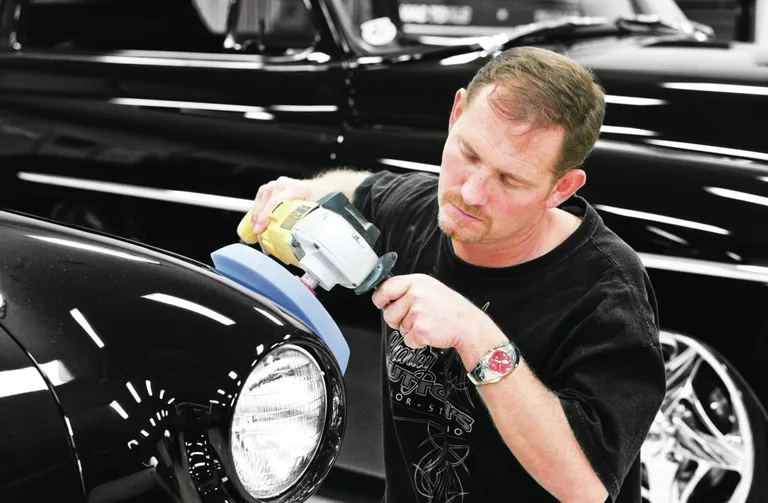
Black is one of those colors that never goes out of style on a car. Walk through any parking lot, and you will see it everywhere. There is a reason for that. Black works on everything from a beat-up daily driver to a six-figure luxury sedan. It is timeless, aggressive, and clean all at once.
But here is something most car owners do not realize. Not all black paint is the same. There are several distinct types, and each one behaves differently when it hits sunlight, takes a scratch, or sits under a coat of wax. The one you choose affects how your car looks, how long the finish lasts, and how much money comes out of your wallet.
So before you book that paint job or grab a rattle can from the auto parts store, take five minutes to understand what you are actually choosing between.
Types of Black Paint for Cars
1. Metallic Black Car Paint
If you have ever stood next to a black car under direct sunlight and noticed tiny flecks of light dancing across the surface, that was metallic black paint doing its job. The secret ingredient is aluminum powder, which gets mixed directly into the paint formula. Those microscopic aluminum particles catch light from multiple angles and throw it back at the viewer, creating that signature sparkling depth that flat black simply cannot replicate.
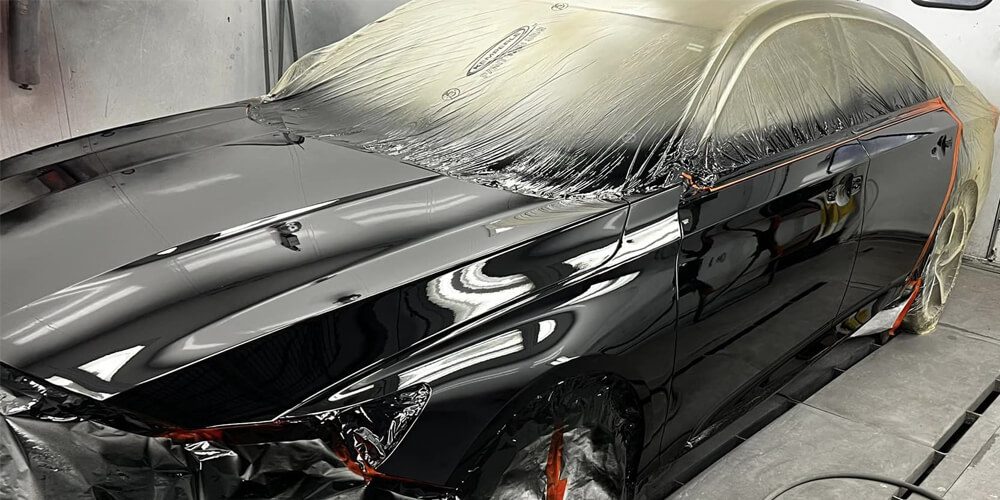
Metallic black is a strong choice if you want your car to look its absolute best at a car show, at resale time, or just pulling up to a restaurant on a Friday night. The finish grabs attention without being loud about it.
Beyond looks, metallic black paint also offers some practical benefits worth knowing about:
- It provides solid protection against UV rays, which is important if your car lives outside.
- The additional layers required for a proper metallic finish add a degree of surface protection against minor environmental damage.
- It tends to hold its value better at resale because buyers respond positively to the finish.
The trade-off is that metallic paint is harder to touch up than standard black. If you get a chip or a scratch, matching the metallic flake pattern during a spot repair is notoriously tricky. A repair shop can do it, but it takes skill and the right materials to blend it invisibly.
2. Black Cherry Pearl Paint
Black cherry pearl sits in a category of its own. At first glance, it reads as a very deep, very rich black. But shift your angle slightly, and something changes. Depending on how the light hits it, the surface reveals subtle hints of deep red or purple hiding underneath the black. It is one of the most visually interesting finishes you can put on a car.
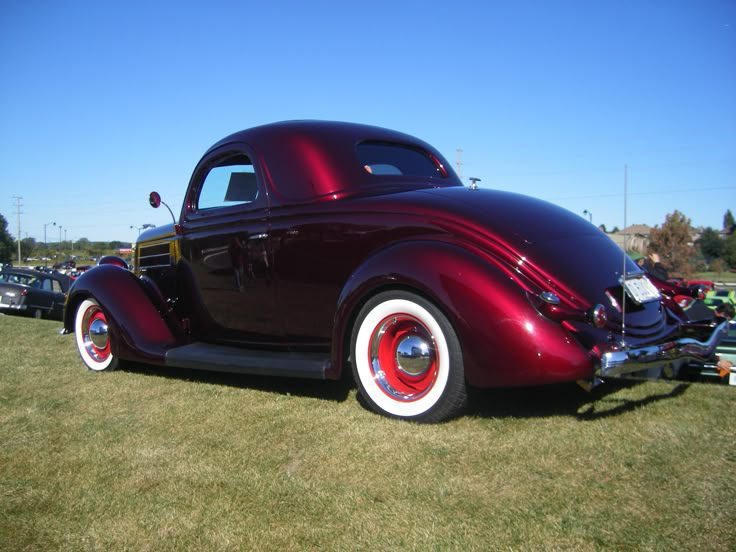
The reason it behaves this way comes down to what is inside the paint. Instead of aluminum powder like metallic paint uses, black cherry pearl contains ceramic crystals. These crystals do two things that aluminum cannot: they reflect light and they refract it, meaning they bend light as it passes through them. That combination is what creates the color-shifting effect that makes this paint so striking.
You will mostly find black cherry pearl on higher-end vehicles, and that is not an accident. The materials cost more, the application process is more involved, and the result is a finish that looks genuinely expensive. Mainstream manufacturers rarely offer it as a standard color. When they do, it almost always comes as a premium option with an upcharge attached.
If budget is a concern, know going in that black cherry pearl will cost more than metallic or satin finishes. But if you want a finish that makes people stop and look twice, few options compete with it.
3. Satin Black Car Paint
Satin black is the no-drama, get-the-job-done option in this lineup. It is not trying to sparkle or shift colors. What it does instead is deliver a clean, consistent, low-gloss finish that looks purposeful and controlled. Think of it as the matte finish’s more practical cousin. It has that same subdued, non-reflective quality, but with just enough sheen to avoid looking completely flat.
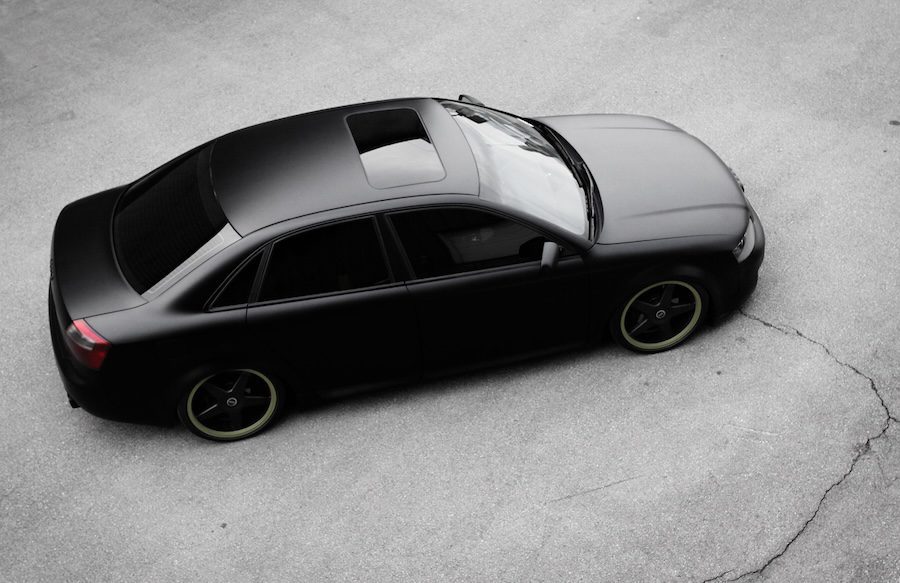
Most vehicles that leave the factory with black paint are wearing some version of a satin finish. The typical factory application comes in three layers:
- Primer – Prepares the metal surface and helps the paint bond properly.
- Color coat – The actual black paint layer.
- Lacquer or clear coat – Seals everything and provides surface protection.
One of the biggest practical advantages of satin black is how forgiving it is. Small swirl marks, fine scratches, and minor imperfections that would be glaring on a high-gloss finish tend to disappear into the low-sheen surface of satin black. If your car gets regular use and you are not the type to obsess over every tiny mark, satin black is an honest, low-maintenance choice that holds up well over time.
That said, satin finishes do require specific care products. Standard waxes and polishes designed for glossy paint can actually alter the sheen of a satin finish, making certain spots look different from others. Stick to products specifically formulated for matte or satin paint and you will be fine.
4. Isocyanate (2K) Black Paint
Isocyanate paint, often called 2K paint in body shop circles, is what professionals reach for when they need a finish that can genuinely take a beating. This is a two-component paint system, meaning the paint itself is mixed with a chemical hardener right before application. Once those two components combine, a chemical reaction begins, and the result is a finish that cures extremely hard and bonds tightly to the surface.
The durability is the main selling point here. Isocyanate black paint resists chipping, scratching, and chemical damage better than most other options. For a vehicle that sees heavy use, hard weather conditions, or frequent washing, that toughness matters.
What isocyanate paint does not give you out of the box is a glossy finish. The cured surface tends to be flat or semi-flat, so if you want shine, you will need to put in additional work with compounding and polishing after the paint fully cures.
There is also a serious safety consideration that cannot be glossed over. Isocyanate compounds are genuinely hazardous chemicals. Exposure to the fumes during application has been linked to severe respiratory conditions, including occupational asthma that can become permanent. This is not a paint you spray in your driveway with a basic dust mask.
If you are having this paint applied professionally, any reputable shop will have proper ventilation and will use supplied-air respirators. If you are attempting a DIY application, understand the risks involved and invest in the right protective equipment. A proper supplied-air respirator and a well-ventilated space are non-negotiable.
5. Acrylic Lacquer Black Paint
Acrylic lacquer is the old-school option on this list, and it comes with both a rich history and some real limitations in today’s market. From the 1950s through the 1980s, acrylic lacquer was the dominant automotive paint used by manufacturers across the industry. Classics from that era are almost certainly wearing some version of acrylic lacquer if the original paint is still on the car.
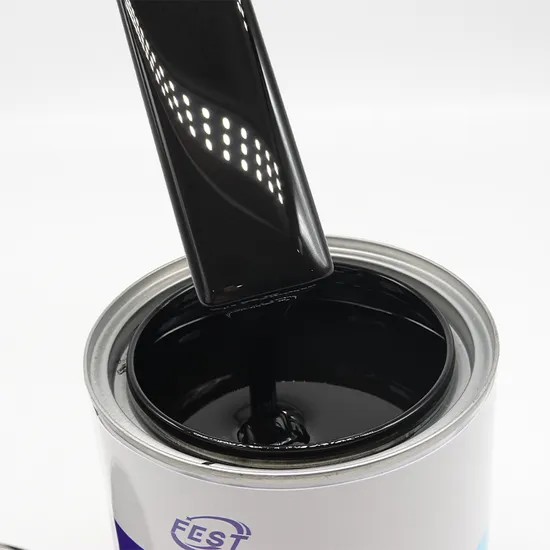
The formula is essentially a blend of automotive paint and color thinner. It goes on relatively easily, dries fast, and can be wet-sanded and resprayed during a short window after application, which makes it forgiving for less experienced painters working on restoration projects or custom work. That flexibility is why hobbyists and amateur painters still reach for it today.
When properly buffed and polished, acrylic lacquer produces a deep, mirror-like shine that classic car enthusiasts genuinely love. A freshly polished lacquer finish on a 1960s muscle car is a beautiful thing.
But there are some real drawbacks to be aware of before going this route:
- Acrylic lacquer is significantly less durable than modern urethane or isocyanate paints. It scratches more easily and is more vulnerable to UV degradation over time.
- It requires regular polishing to maintain that glossy finish. Without consistent upkeep, the surface will begin to oxidize and look dull.
- Many modern clear coats are not compatible with acrylic lacquer, which limits your finishing options.
- Some regions have environmental regulations that restrict the use of high-VOC lacquer paints, so check local rules before purchasing.
For a period-correct restoration where authenticity matters, acrylic lacquer makes sense. For a daily driver or a modern custom build, there are better options available.
Which Type of Black Paint Is Right for Your Car?
Choosing the right black paint comes down to three questions: How do you use the car, how much maintenance are you willing to do, and what is your budget?
| Paint Type | Finish Level | Durability | Best For | Relative Cost |
|---|---|---|---|---|
| Metallic Black | High gloss with sparkle | Good | Resale, show cars, daily drivers | Moderate |
| Black Cherry Pearl | Deep gloss with color shift | Good | Luxury and custom builds | High |
| Satin Black | Low sheen, semi-matte | Very Good | Everyday use, factory replacement | Low to Moderate |
| Isocyanate (2K) | Flat (needs polishing) | Excellent | Heavy-use vehicles, professional jobs | Moderate to High |
| Acrylic Lacquer | High gloss (with upkeep) | Fair | Classic restorations, DIY projects | Low to Moderate |
A car that spends most of its life in a garage and comes out for weekend drives is a great candidate for black cherry pearl or acrylic lacquer, where aesthetics take priority over ruggedness. A daily driver that parks outside year-round, gets washed at automatic car washes, and collects minor parking lot scuffs needs something tougher, which points toward satin or isocyanate paint.
Black paint, in any of its forms, shows everything. Water spots, fingerprints, swirl marks, dust. That is the reality of owning a black car, regardless of which type of paint is on it. The finish you choose will not change that fact, but it will determine how easy or difficult it is to keep looking sharp over the long run.
Pick the one that fits your lifestyle honestly, not the one that looks best in a brochure, and your black car will reward you every time you walk up to it.