
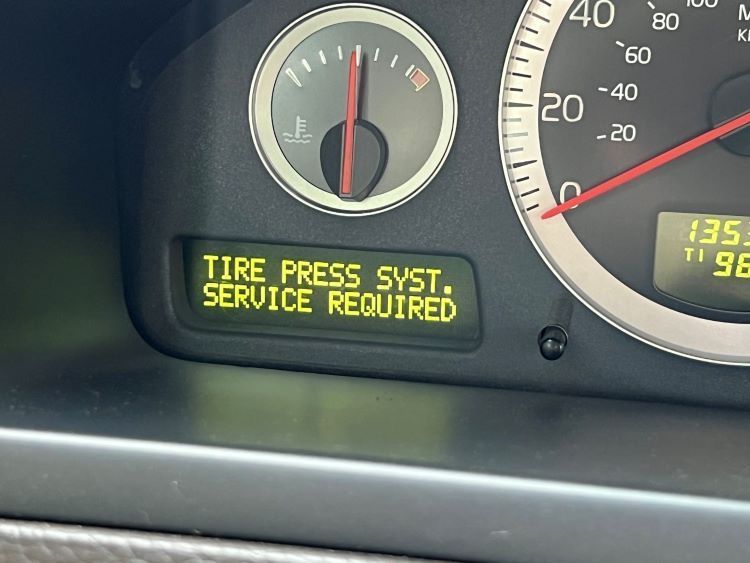
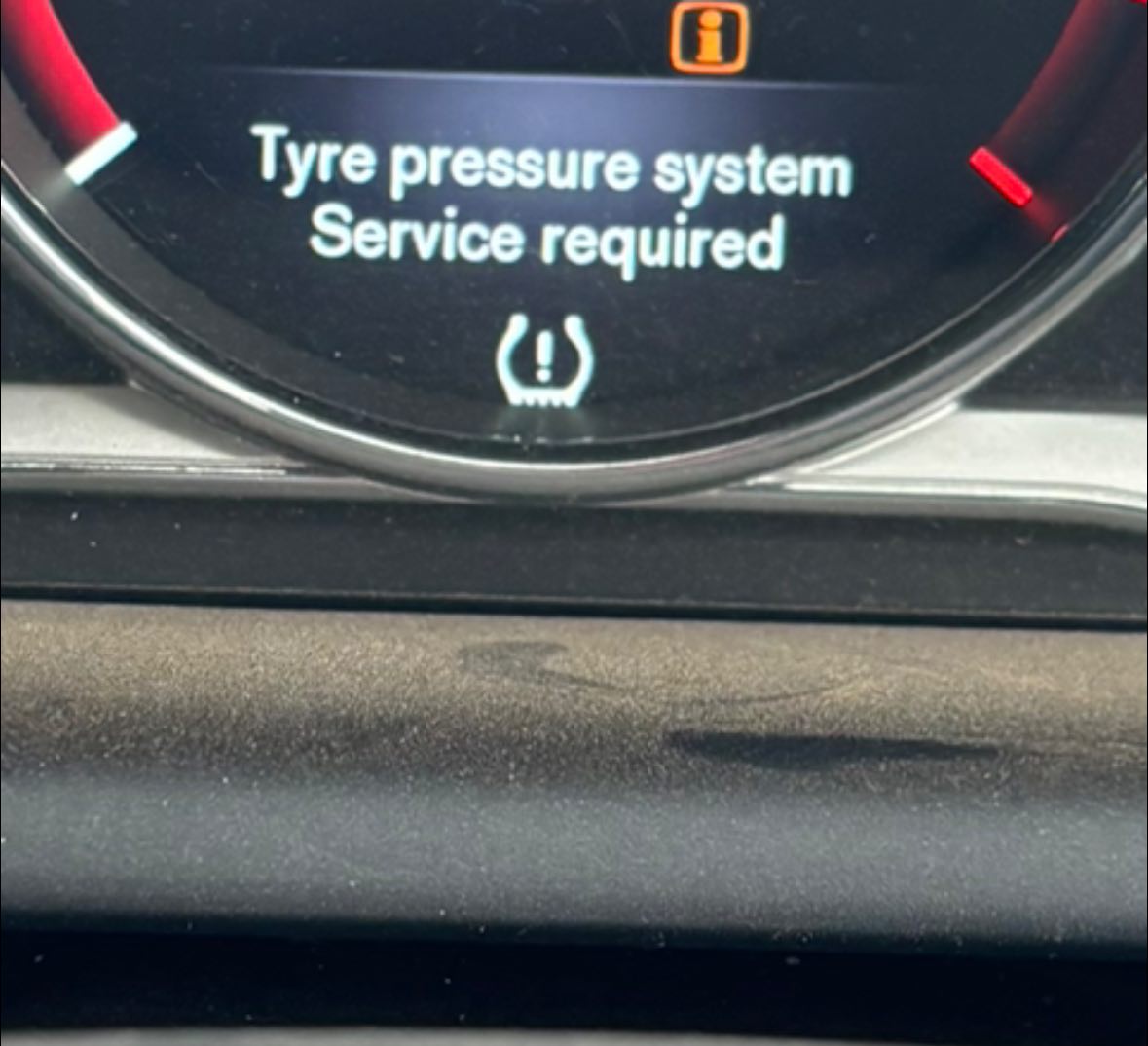
When your Volvo displays “Tire Pressure System Service Required,” it is telling you something specific: the Tire Pressure Monitoring System (TPMS) has detected a problem with one or more of its components and can no longer guarantee it is accurately monitoring your tire pressures. This is different from the standard low tire pressure warning. The service required message is not about your tires being low on air. It is about the monitoring system itself having a fault.
This guide covers everything you need to know about what triggers this warning, what each cause means in practical terms, and how to resolve it correctly.
How the Volvo TPMS Works
Your Volvo’s Tire Pressure Monitoring System uses individual electronic sensors mounted inside each wheel, typically at the base of the valve stem. Each sensor contains a pressure transducer, an accelerometer, a battery, and a small radio transmitter. The sensors continuously measure tire pressure and temperature and transmit that data via low-frequency radio signals to the TPMS receiver module, which is typically mounted near the left front wheel arch.
The receiver module processes the signals from all four sensors and passes the data to the vehicle’s central electronics module, which displays pressure readings on the driver information display and activates warnings when pressures fall below the programmed threshold.
The “Tire Pressure System Service Required” warning is typically triggered after the vehicle has been driven above approximately 25 mph for around 10 minutes or more without receiving valid signals from one or more sensors. The system gives it some time to allow for potential signal interference to resolve before deciding to warn you, but once it confirms a sensor is not communicating, the warning appears.
What Causes the Volvo Tire Pressure System Service Required Warning?
There are several distinct failure points behind this warning. Here is each one explained in clear, practical terms.
1. Dead or Depleted Sensor Battery
Each TPMS sensor operates on its own internal 3-volt lithium battery that is completely independent of the vehicle’s main battery. These sensor batteries are not rechargeable and are designed to last approximately 7 to 10 years depending on how frequently the sensor transmits, which is influenced by how much driving you do. Frequent driving means more transmissions, which drains the battery faster.
When the battery in a TPMS sensor dies, the sensor stops transmitting. The TPMS module notices the silence from that wheel and flags the fault. This is one of the most common causes of the service required message on higher-mileage Volvo vehicles, particularly those more than seven or eight years old.
On most TPMS sensors, the internal battery is not replaceable separately from the sensor because the sensor is sealed during manufacture. When the battery dies, the entire sensor must be replaced. Some third-party sensors do offer replaceable batteries, but OEM Volvo sensors are typically sealed units.
2. Physically Damaged Sensor
TPMS sensors live inside the wheel, which means they are exposed to significant physical stress. Road debris impact through the tire, damage during a tire change if a technician is not careful around the sensor, corrosion from road salt over time, and physical impacts from pothole damage can all crack or break the sensor body, damage the valve stem attached to the sensor, or destroy the internal electronics.
Corrosion deserves particular mention on Volvo vehicles used in cold climates where road salt is common. The aluminum valve stem and sensor housing can corrode together with the wheel, making the sensor very difficult to remove without damage when tires are eventually changed. Some technicians break the sensor during removal of a corroded assembly, which is why you should always specifically ask the tire shop to be careful around the TPMS sensors during any tire service on your Volvo.
3. Missing Sensor After Tire or Wheel Change
This is a very common cause of the service required message and one that shops sometimes do not communicate clearly to customers. If you switched to a set of winter wheels or aftermarket wheels that were not equipped with TPMS sensors, the TPMS module immediately detects that it is not receiving signals from one or more wheels and triggers the warning.
Similarly, if a tire was replaced and the old sensor was damaged during removal and not replaced, the warning will appear the next time you drive above 25 mph for 10 minutes. If you have had any wheel or tire work done recently and the service required message appeared shortly afterward, this is almost certainly the cause.
4. Tire Sealant Contaminating the Sensor
Aerosol tire sealants used for emergency roadside repairs, the kind that are sprayed into the tire through the valve stem, are one of the worst things you can do to a TPMS sensor. The sealant liquid coats the inside of the tire and the sensor’s pressure port. When it sets, it blocks the small port through which the sensor measures air pressure. The sensor can no longer take accurate pressure readings, which either produces wildly incorrect readings or causes the sensor to stop transmitting entirely.
If you have ever used an aerosol tire sealant on a Volvo with TPMS, the sensors in that tire need to be removed, cleaned thoroughly, and tested. In many cases, the sealant contamination is severe enough that the sensor needs replacement rather than cleaning.
5. TPMS System Malfunction or Software Issue
The TPMS system itself can develop electronic or software-related faults that trigger the service required warning even when the sensors are physically fine. Software glitches in the TPMS module, communication errors between the module and the vehicle’s central electronics, or corrupted sensor ID data in the module’s memory can all produce this warning without any actual sensor hardware problem.
This type of fault often presents as an intermittent warning that appears and disappears without a clear pattern, or as a warning that appears after a battery replacement or an electrical repair that reset the vehicle’s electronics. In some cases, a simple TPMS system reset resolves it. In others, the module needs to be reprogrammed with a diagnostic tool.
6. Damaged TPMS Receiver Module
The TPMS receiver module, mounted near the left front wheel arch, can be damaged by road debris impact, water intrusion, or electrical faults. When the module fails, it loses the ability to receive or process signals from any of the sensors, which immediately triggers the service required warning across all four wheels rather than just one.
Module failures are less common than sensor failures but are worth checking when the diagnostic scan shows all four sensors are simultaneously not communicating, which is unlikely to be a coincidence of four separate sensor failures.
How to Fix the Volvo Tire Pressure System Service Required Warning
Here is the correct approach to diagnosing and fixing this warning, structured from the simplest to the most involved repairs.
Fix 1: Start With a TPMS Diagnostic Scan
Before replacing any sensor, use a TPMS diagnostic tool to interrogate the system. A proper TPMS scan tool can communicate directly with each sensor and tell you its current status, battery level, pressure reading, and sensor ID. This takes the guesswork out of the diagnosis by identifying exactly which sensor or sensors are the problem.
A standard OBD-II scanner will often not access the TPMS module specifically. You need either a dedicated TPMS scan tool or a professional scanner with Volvo-specific TPMS module access. Many tire shops have these tools available. A Volvo dealership will have the most comprehensive access to the TPMS system data.
The scan will tell you:
- Which specific sensor position is reporting a fault (front left, front right, rear left, or rear right)
- Whether the sensor is detected but showing a low battery
- Whether the sensor is completely absent from the system
- Whether the module itself is functioning correctly
Fix 2: Replace the Faulty Sensor
In most cases, this is the primary repair. Once the diagnostic scan identifies which sensor has failed, that sensor needs to be replaced. Here is what the replacement process involves:
- The tire must be dismounted from the wheel to access the sensor. TPMS sensors are mounted inside the wheel, and the tire has to come off for the sensor to be reached.
- The old sensor is removed from the valve stem hole in the wheel.
- A new OEM-compatible sensor is installed. Using the correct sensor specification for your Volvo model and year is important. Sensors from different manufacturers can have different transmission frequencies or protocols that may not be compatible with your TPMS module.
- The new sensor’s ID must be registered in the TPMS module. This is the step that many shops skip or do incorrectly. Without programming the new sensor’s ID into the vehicle’s TPMS module, the module will not recognize the new sensor and the warning will persist. This registration requires either a TPMS programming tool or a Volvo-compatible diagnostic system.
- The tire is remounted, the wheel is reinstalled, and the system is verified with a scan to confirm the new sensor is communicating correctly.
When replacing one sensor, it is worth considering whether the remaining sensors are of similar age. If the vehicle is over seven years old and one sensor battery has died, the others are likely not far behind. Replacing all four sensors at the same time while the tires are already dismounted can save significant labor cost compared to replacing them one at a time over the next few years.
Fix 3: Clean a Sealant-Contaminated Sensor
If aerosol tire sealant was used and is suspected to have contaminated the sensor, the sensor needs to be removed from the wheel and carefully cleaned. Here is the cleaning process:
- Remove the sensor from the wheel after dismounting the tire.
- Rinse the sensor body with warm water to loosen the sealant material. Do not submerge the sensor for extended periods as this risks water intrusion.
- Use a soft brush or wooden toothpick to carefully clear the pressure port opening of sealant residue. Never use metal tools near the sensor’s pressure port or electronics.
- Clean between any exposed electrical contacts if visible.
- Allow the sensor to dry completely before reinstalling.
- Test the sensor with a TPMS scan tool after reinstallation to confirm it is reading and transmitting correctly.
If the sensor does not transmit a valid signal after cleaning, the sealant contamination has permanently damaged it and replacement is the only remaining option.
Fix 4: Reset the TPMS System
For software-related malfunction warnings where the sensors are physically intact, a TPMS system reset is the appropriate first fix attempt. The reset clears any stored error codes and forces the module to re-learn the sensor IDs from scratch.
The reset process on Volvo vehicles varies slightly by model year but generally involves:
- Ensure all four tires are inflated to the correct pressures specified in the driver’s door jamb sticker before starting the reset.
- Access the vehicle’s TPMS settings through the driver information display menu.
- Select the TPMS reset or calibration option and confirm.
- Drive the vehicle above 25 mph for approximately 10 minutes to allow the system to re-learn all sensor IDs and confirm correct pressure readings from all four sensors.
If the warning returns after a completed reset, either a sensor is genuinely faulty or the TPMS module itself has a fault that a simple reset cannot resolve. The next step is a full diagnostic scan to identify the specific fault.
Fix 5: Replace the TPMS Receiver Module
If the diagnostic confirms that the TPMS module is the fault source rather than any individual sensor, the module needs to be replaced. The TPMS module on Volvo vehicles is typically located near the left front wheel arch, mounted to the body frame. Here is what module replacement involves:
- The old module is removed from its mount and disconnected from the vehicle wiring.
- A replacement module is installed and connected.
- The new module must be programmed with the IDs of all four sensors in the vehicle. Without this programming step, the module will not know which sensors to listen for and the warning will persist.
- The system is verified with a diagnostic scan after installation to confirm all four sensors are communicating with the new module correctly.
Module programming requires a Volvo-compatible diagnostic tool, which is why this repair is best handled at a Volvo dealership or a shop with proper Volvo diagnostic capability.
Why Sensor Programming Matters More Than People Realize
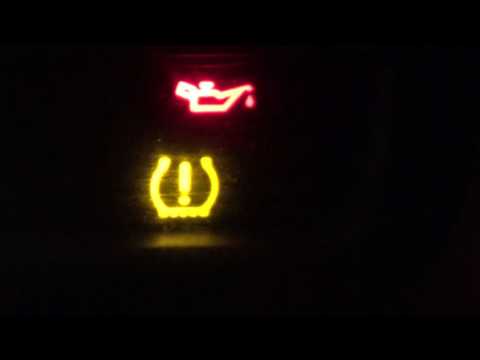
One of the most common mistakes in TPMS repairs is replacing a sensor without programming the new sensor’s ID into the vehicle’s TPMS module. Each sensor has a unique identification code that it broadcasts with every transmission. The TPMS module only accepts data from sensors whose IDs it recognizes. If you install a brand-new sensor without registering its ID, the module will not recognize that wheel as having a sensor and will continue to show the service required warning.
This is why it is important to use a shop that has a proper TPMS programming tool when having sensor work done on your Volvo. A shop that replaces the sensor but lacks the programming tool is essentially doing an incomplete repair. Ask specifically before any TPMS sensor work whether they can program the new sensor to the vehicle before authorizing the job.
Common Mistakes That Make TPMS Problems Worse
Understanding what not to do is just as useful as knowing the correct fix.
- Using aerosol tire sealants: These products should be avoided entirely on any vehicle with direct TPMS sensors. They are one of the fastest ways to permanently damage a sensor. If you have a flat and need a temporary fix, either use a run-flat if your Volvo is equipped with them, or call for roadside assistance.
- Ignoring the warning after a tire change: If the service required message appears after you had tire or wheel work done, contact the shop immediately. They may have damaged a sensor during the job and may be responsible for replacement.
- Putting winter wheels on without sensors: If your winter wheel set does not have TPMS sensors, the warning will appear every time you install them. Either add sensors to the winter wheels or use an aftermarket TPMS system compatible with Volvo’s receiver module.
- Replacing sensors with incompatible units: Not all TPMS sensors are compatible with all vehicles. Volvo uses specific sensor frequencies and protocols. Using an incompatible sensor may appear to work initially but can cause ongoing communication faults.
Approximate Costs for Volvo TPMS Repairs
| Repair Type | Approximate Parts Cost | Approximate Total Cost (with labor) |
|---|---|---|
| TPMS diagnostic scan | N/A | $50 to $120 |
| Single TPMS sensor replacement (OEM) | $50 to $150 per sensor | $150 to $350 per sensor |
| All four sensors replacement | $200 to $600 | $400 to $900 |
| TPMS system reset only | N/A | $50 to $100 |
| Sensor cleaning (contamination) | Free | $50 to $150 (labor to dismount tire) |
| TPMS receiver module replacement | $150 to $400 | $300 to $700 |
Preventing Future TPMS Problems on Your Volvo
Replace Sensors Proactively When Changing Tires
If your Volvo is more than six years old and you are replacing the tires, strongly consider replacing the TPMS sensors at the same time. The sensors are of similar age to the tires on many vehicles, and the labor cost to replace them is minimal when the tires are already being dismounted. Replacing sensors proactively is far less expensive than dealing with a sensor failure and an emergency tire dismount job at an inconvenient time.
Always Request Sensor Care During Tire Service
When having any tire work done, specifically ask the technician to take care around the TPMS sensors during dismounting and mounting. A good tire technician will know to be careful, but it does not hurt to ask. Also confirm with the shop that they will test the TPMS system after the work is done to verify all sensors are reading correctly before you leave.
Check Tire Pressures Manually Every Month
The TPMS is a backup warning system, not a substitute for regular tire pressure checks. The TPMS warning typically only activates when a tire is 25 percent or more below the recommended pressure, which at that point is already significantly underinflated. A monthly manual pressure check with a quality tire gauge catches gradual pressure loss before it reaches the point where the TPMS activates.
Final Thought
The “Tire Pressure System Service Required” warning on your Volvo points to a specific fault in the TPMS hardware, software, or communication chain. Start the diagnosis with a proper TPMS scan to identify the exact fault source, confirm whether it is a sensor, module, or software issue, and make sure any sensor replacement includes the programming step that registers the new sensor with the vehicle’s TPMS module. Without that programming step, a new sensor is just an expensive piece of hardware that the car does not know is there.