
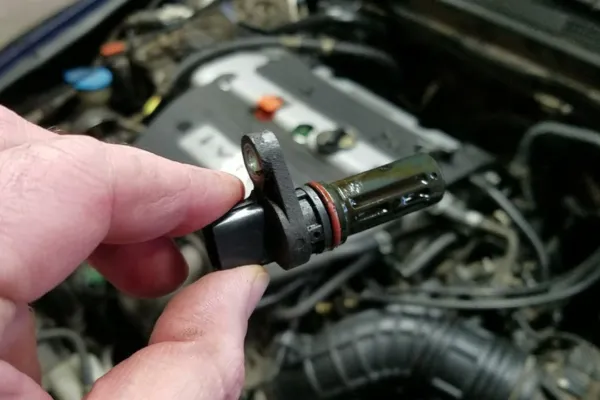
People throw around the word sensor all the time when a car starts acting up. The engine is running rough, the check engine light is on, and somebody says, “Maybe it is a sensor.” That might sound smart in a parking lot conversation, but in the real world, sensors are not all the same, and they do very different jobs.
Modern vehicles rely on a whole network of sensors to keep fuel, spark, timing, and emissions under control. Some are easy to overlook, but they matter more than most drivers realize. One of the big ones is the camshaft position sensor, often called the camshaft sensor or CMP sensor. When this little part starts failing, the ripple effect can be felt all over the engine.
If you are dealing with a camshaft sensor misfire, the problem can be frustrating, confusing, and expensive if it is ignored. The good news is that the symptoms are usually predictable once you know what to look for. Even better, understanding the difference between a bad sensor, a misfire, and a more serious camshaft issue can save you time, money, and a lot of back-and-forth with the repair shop.
What the Camshaft Sensor Actually Does
The camshaft position sensor keeps track of the camshaft’s position and timing. That timing matters because the engine has to know exactly when to open and close the valves, when to inject fuel, and when to fire the spark plugs. If the engine computer gets bad information, the whole combustion process can go sideways.
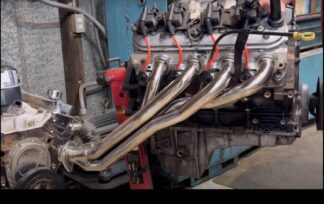
Think of it like a conductor leading an orchestra. If the timing is off by even a little, the whole performance sounds wrong. The same thing happens inside an engine. When the camshaft sensor sends incorrect data, the engine computer may deliver fuel or spark at the wrong moment, and that can lead to a rough idle, hesitation, poor acceleration, stalling, or a full-on misfire.
That is why a bad camshaft sensor can absolutely be part of a camshaft sensor misfire diagnosis. It may not always be the only cause, but it is one of the first things a good mechanic should check.
How a Bad Camshaft Sensor Can Cause a Misfire
A misfire happens when one or more cylinders fail to burn the air-fuel mixture properly. That can happen for a bunch of reasons, including weak spark, bad fuel delivery, vacuum leaks, low compression, or bad timing. The camshaft sensor sits right in the middle of that timing discussion.
When the sensor fails or sends inconsistent readings, the engine control module may not know exactly where the camshaft is. That can throw off fuel delivery and ignition timing. In plain English, the engine starts guessing instead of working with accurate data. Guessing is bad news in an engine.

Here is the thing: sometimes the misfire is intermittent. The car might run fine for a few minutes, then stumble, buck, or shake at a stoplight. Other times, the problem shows up immediately during startup. That kind of inconsistency is one reason people chase the wrong repair for weeks before they land on the actual fault.
Common Symptoms of a Camshaft Sensor Misfire
A failing camshaft sensor does not always announce itself loudly. Sometimes it gives small warning signs first. Other times the car just starts acting strange one morning and refuses to settle down.
| Symptom | What You May Notice | What It Can Mean |
|---|---|---|
| Rough starting | Long cranking, hard starts, or failure to start | The engine computer is not receiving correct timing data |
| Misfire | Shaking, sputtering, hesitation under load | Fuel and spark timing may be off |
| Loss of power | Weak acceleration, sluggish feel | Combustion is not happening efficiently |
| Stalling | Engine dies at idle or while driving | Timing signals may be unstable |
| Check engine light | Stored fault codes related to cam timing or misfire | The ECU has detected abnormal sensor behavior |
| Poor fuel economy | More frequent fuel stops | Engine is not burning fuel cleanly |
Sometimes the symptoms show up together. A driver might complain about rough starts, poor acceleration, and random stalling, all from the same failing sensor. That is why it pays to treat symptoms as a pattern instead of chasing each one separately.
What Problems a Bad Camshaft Sensor Can Cause
A bad camshaft sensor does more than trigger a misfire. It can create several driveability issues that make the car unpleasant or even unsafe to drive. The engine may sputter, hesitate, surge, or shut off without warning.
In some cases, the vehicle may enter limp mode. That means the computer limits power to protect the engine. The driver feels this as weak throttle response and very little acceleration. It is the car saying, in its own way, “Something is wrong, and I am not going to push my luck.”
Here are some of the more common issues linked to a bad camshaft sensor:
- Mismatched ignition timing
- Incorrect fuel delivery
- Hard starting
- Rough idle
- Poor acceleration
- Stalling
- Reduced fuel efficiency
Not every bad sensor will cause every symptom. Some cars run poorly but stay driveable. Others refuse to start at all. It depends on the vehicle, the sensor design, and how badly the part has failed.
Why Camshaft Sensors Fail in the First Place
It is easy to focus only on the symptom, but the real fix starts with the cause. Camshaft sensors do fail with age, but there are several reasons they go bad sooner than expected. If you understand those causes, you can reduce the odds of replacing the same part twice.
1. Corrosion
Corrosion is one of the biggest enemies of electrical components. Some parts of the camshaft sensor are metal, and metal does not handle moisture well. Once corrosion gets into the sensor or its connector, the electrical signal can become weak, inconsistent, or completely disrupted.
That can lead to internal short circuits and strange engine behavior. In many cases, corrosion is the reason a sensor fails in the first place. Water intrusion, humidity, salt exposure, and harsh weather all increase the risk. A car that sees a lot of rain, winter road salt, or humid conditions may have a tougher life than one that stays in a dry garage.
2. Oil Leaks
Oil and electronics do not mix well. If a camshaft sensor seal is worn, damaged, or simply old, oil can leak onto the sensor or into the connector. Once that happens, the sensor can begin to misread the camshaft position or fail altogether.
This is one of those problems that starts small and becomes annoying over time. A tiny leak may not seem like a big deal at first, but if oil keeps reaching the sensor, the damage piles up. Regular inspection of seals and nearby gaskets helps prevent this from turning into a bigger repair later.
3. Failure of Other Engine Components
A camshaft sensor does not live in isolation. It works alongside other engine parts, and if another component is failing, the sensor may look guilty even when it is not the root problem. Timing chain issues, wiring faults, connector damage, or related sensor problems can all create symptoms that look like a bad camshaft sensor.
That is why a careful diagnosis matters. A competent mechanic should check the full system, not just replace a part and hope for the best. Real diagnostics save money. Guesswork burns it.
4. Wear and Tear
Like any other electrical part, the camshaft sensor wears out over time. It is not built to last forever. Heat cycling, vibration, age, and mileage all take their toll. Even if the part looks fine from the outside, the internal electronics may be breaking down.
Most modern vehicles can get around 100,000 miles or about 7 to 10 years before the sensor may need replacement, though that can vary by make and model. Some last longer. Some fail earlier. If your car is aging and the sensor has never been touched, it is worth keeping it on the list of likely suspects.
How to Tell Whether the Sensor or the Camshaft Is the Real Problem
This is where things get tricky. A bad camshaft sensor can trigger symptoms that feel like a camshaft problem, but the camshaft itself may still be fine. On the other hand, a damaged camshaft or a timing-related issue can make the sensor appear faulty. That is why diagnosis should never stop at the first code.
A mechanic should look at the stored trouble codes, inspect the sensor, check the wiring, verify timing, and evaluate related components. If the signal from the sensor is unstable, that is one thing. If the camshaft has mechanical damage or timing has drifted badly, that is a different repair altogether.
In the real world, a car owner might hear “camshaft” and immediately assume the worst. But often the issue is smaller and more affordable, especially if the sensor is caught early. That is why it is smart to avoid jumping straight to expensive repairs before the engine is properly tested.
Should You Replace or Fix a Camshaft That Causes Misfire?
If the camshaft itself is damaged, the sensible answer is usually to replace it instead of trying to repair it. Camshafts are built with precise measurements and manufacturing tolerances. Once they are damaged, bent, worn, or badly compromised, the repair process is often more trouble than it is worth.
Some shops may claim they can fix a bad camshaft, but that is not always a realistic promise. The work may not hold, and the customer ends up paying twice. That creates a lot of frustration, especially when the car still misfires after the repair bill has already been paid.
Replacing the camshaft is often the cleaner option. It is usually faster, more reliable, and less likely to turn into a drawn-out experiment. Yes, it can be expensive. But so can repeated failed repair attempts.
When Replacement Makes More Sense Than Repair
There are situations where replacement is the smarter move from the start:
- The camshaft has visible wear or damage.
- The engine timing has been severely affected.
- Repairing the part would require specialized machining.
- The vehicle has already had repeated sensor or timing issues.
- The mechanic cannot guarantee the repair will last.
If you are in that position, replacement can save a lot of back-and-forth. The goal is not just to make the car run today. The goal is to fix it in a way that holds up next month and next year.
What Does It Cost to Replace or Fix a Bad Camshaft?
Cost is where most people start sweating. And for good reason. Camshaft-related repairs can get expensive, especially when labor is involved. The camshaft often sits deep inside the engine, which means getting to it is time-consuming and labor-heavy.
On average, camshaft replacement can cost between $720 and $3,100, depending on the vehicle model, engine layout, parts quality, and labor rates. Some engines are more accessible than others. Some require more teardown. That is where the price swings happen.
By comparison, fixing a camshaft, where possible, may cost around $110 to $300 on average. But here is the catch: not many mechanics offer this service, and not all repair attempts are successful. In many cases, the vehicle ends up costing more after several failed tries than it would have if replacement had been chosen from the start.
| Repair Type | Estimated Cost | Common Reality |
|---|---|---|
| Camshaft replacement | $720 to $3,100 | Often the more reliable option |
| Camshaft repair | $110 to $300 | Less common and not always successful |
Labor is usually the expensive part. That is because the camshaft is buried deep in the engine, and reaching it takes time, care, and skill. On some vehicles, what looks like a simple part swap can turn into a major job.
Why Some Mechanics Avoid Camshaft Repairs
Not every mechanic wants to repair a camshaft, and there is a reason for that. The part is highly precise, and the work often requires tools, measurements, and knowledge that go beyond basic repair skills. Even a small mistake can lead to poor engine performance or a repeat failure.
Some shops prefer replacement because it is more predictable. The part comes out, the new one goes in, and the result is easier to stand behind. For the customer, that is usually a better outcome too, especially when the car has already been misfiring and causing stress.
That said, a good mechanic will always explain the options honestly. If a repair is realistic and safe, they should say so. If replacement is the better call, they should say that too. Straight talk is worth a lot when you are paying for engine work.
How a Camshaft Sensor Misfire Feels on the Road
Drivers often notice the problem before they know what the problem is. A car with a camshaft sensor issue can feel off in several ways. The engine may shake at idle, hesitate when pulling away from a stop, or lose power when climbing a hill.
Imagine you are merging onto a busy road and the car suddenly feels like it is dragging. Or picture sitting in traffic and the engine starts lurching so hard the steering wheel vibrates. Those are the kinds of moments that make a sensor issue impossible to ignore.
Some cars even crank normally but refuse to start until they cool off. Others start, run rough for a few seconds, then settle down just enough to fool the driver into thinking nothing serious is happening. That kind of behavior is common with failing sensors and weak electrical connections.
Can You Keep Driving With a Bad Camshaft Sensor?
Technically, some vehicles will still move with a failing camshaft sensor. But that does not mean you should ignore it. A misfire can damage the catalytic converter, waste fuel, increase emissions, and leave you stranded at the worst possible time.
If the engine is stalling, running extremely rough, or refusing to accelerate properly, driving it is a bad idea. Even a short trip can turn into a bigger repair if combustion problems continue unchecked. A misfiring engine is not just inconvenient. It is working harder than it should, and that stress can spread.
If the check engine light is flashing, stop driving as soon as it is safe to do so. A flashing light usually means the misfire is active and serious enough to risk engine damage.
What a Good Diagnosis Should Include
A proper diagnosis is not just plugging in a scanner and replacing the first part that shows a code. That approach wastes money. A solid diagnosis should include:
- Reading stored and pending trouble codes
- Inspecting the camshaft sensor and connector
- Checking wiring for damage, wear, or corrosion
- Looking for oil leaks around the sensor area
- Verifying ignition timing and fuel delivery
- Checking for related engine faults
- Confirming whether the camshaft itself has mechanical damage
The best shops do not guess. They test. That difference matters because a misfire can come from several sources, and replacing the wrong part will not solve a thing.
Why Regular Maintenance Helps Prevent Sensor Trouble
Routine maintenance does more than keep fluids fresh. It also helps catch the small issues that lead to sensor failure. Oil leaks, connector damage, loose wiring, and neglected seals often show up during regular service if someone is actually looking.
A car that is serviced on schedule is less likely to surprise you with a sudden sensor failure. That does not mean parts never wear out. It simply means you get more warning before things get serious.
Simple maintenance habits go a long way:
- Fix oil leaks early
- Replace worn seals and gaskets
- Keep connectors clean and dry
- Inspect wiring near hot engine components
- Follow the manufacturer service schedule
Camshaft Sensor vs Camshaft: Do Not Confuse the Two
People often mix these two up, and that confusion can lead to bad repair decisions. The camshaft sensor is an electrical component that reads camshaft position. The camshaft is a mechanical engine part that controls valve timing. They work together, but they are not the same thing.
If the sensor fails, replacing the sensor may solve the issue. If the camshaft is damaged, the repair is bigger. That is why the diagnosis matters so much. A shop that understands the difference can save you from paying for work you did not need.
Signs It Is Time to Visit a Mechanic
Some symptoms deserve attention right away. If you notice any of the following, it is time to get the vehicle checked:
- Frequent misfires
- Engine stalling without warning
- Hard starting that gets worse over time
- Strong loss of power
- Check engine light with cam timing codes
- Oil near the camshaft sensor area
The earlier you catch the problem, the better your odds of avoiding a larger repair. That is especially true if the issue is electrical and has not yet caused secondary damage.
What Happens If You Ignore the Warning Signs?
Ignoring a camshaft sensor misfire can lead to more than just a rough ride. Continuous misfiring can overheat and damage the catalytic converter. Fuel economy drops. The engine may start running so poorly that it becomes difficult to drive safely.
And then there is the stress factor. Few things are more annoying than a car that keeps acting up without warning. You fix one symptom, then another pops up. That cycle can continue until the real issue is identified and addressed properly.
That is why ignoring sensor problems rarely saves money. It usually does the opposite.
Practical Example: What This Looks Like in the Real World
Let us say a driver notices the car shakes during cold starts and sometimes stalls at traffic lights. A scan tool shows a camshaft-related fault code, so the owner assumes the sensor is bad and replaces it. The problem comes back two days later.
After a proper inspection, the mechanic finds oil leaking from a nearby seal and contaminating the connector. The new sensor was never the full fix because the underlying leak kept damaging the circuit. That is a classic example of why diagnosis has to go beyond the code.
Another driver may hear the engine misfire only under load, especially going uphill. In that case, the sensor might be reading fine, but a timing issue or wiring fault could be causing the same symptoms. Same complaint, different cause. That happens all the time.
The Bottom Line on Camshaft Sensor Misfire Repairs
A camshaft sensor misfire is not something to shrug off and hope disappears. The sensor plays a direct role in how the engine times fuel and spark, and when that timing is off, the car can run rough, stall, or lose power. Sometimes the fix is as simple as replacing the sensor. Other times the issue reaches deeper into the engine.
If the camshaft itself is damaged, replacement is usually the smarter move. Repair attempts can be expensive, frustrating, and unreliable. When a part sits at the heart of the engine and affects combustion timing, you want the fix to be solid the first time.
So if your car starts misfiring and the camshaft sensor is on the suspect list, do not guess. Get the system tested properly, rule out oil leaks and wiring problems, and make the repair that actually solves the issue. That is the kind of decision that keeps your car running strong instead of turning a small problem into a major one.
Did your engine light just come on with a misfire code? Check the camshaft sensor first, but make sure the rest of the timing system gets inspected too.