
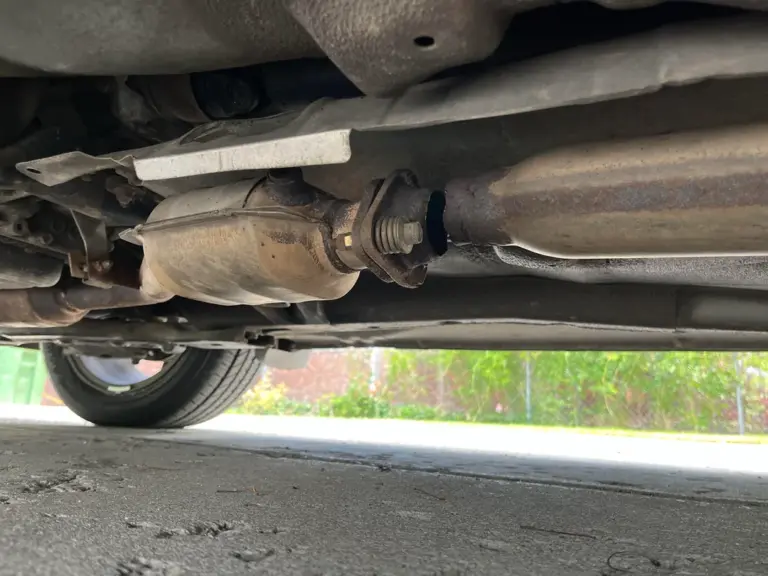
You press the gas pedal and expect the car to respond. Instead, it hesitates, feels sluggish, and does not pull the way it normally does. Most drivers immediately think about the engine, fuel system, or transmission. The exhaust system rarely comes to mind. But here is the thing. A broken or damaged exhaust can absolutely affect how your car accelerates.
The exhaust system does more than just make your car quieter. It plays an active role in how efficiently your engine breathes, how much power it produces, and how well it responds when you ask it to move. When something in that system breaks, the effects ripple through the entire engine.
This article breaks down exactly what happens when your exhaust is damaged, what symptoms to watch for, what causes the damage in the first place, and what you should do about it. If your car does not feel right and you cannot figure out why, your exhaust system might be the answer.
Does a Broken Exhaust Actually Affect Acceleration?
Yes, it does. A broken or poorly functioning exhaust system can directly affect your car’s ability to accelerate properly. The exhaust system is responsible for pushing spent gases out of the engine quickly and efficiently. When that process is disrupted, the engine cannot work at full capacity.
Think of it this way. Your engine is constantly cycling through intake, compression, combustion, and exhaust. Each cycle needs to happen cleanly for the engine to produce power. If exhaust gases are not being removed efficiently, the next cycle starts on the back foot. The engine cannot breathe properly, and you feel that in reduced acceleration.
A damaged exhaust can also create drag on the system by disrupting airflow. In more serious cases where a component is completely broken and hanging loose, the physical drag on the underside of the car can affect performance as well.
Beyond performance, a broken exhaust creates noise, increases emissions, and in some situations, creates safety risks. All of that together is why a broken exhaust deserves your attention and not just a wait-and-see approach.
How the Exhaust System Actually Works
Before getting into what goes wrong, it helps to understand what the exhaust system is actually doing.
Every time your engine burns fuel, it produces exhaust gases as a byproduct. These gases need to exit the engine quickly. Here is the path they take:
- Gases exit through the exhaust valves in each cylinder
- They travel through the exhaust manifold, which collects gases from all cylinders
- Gases then pass through the catalytic converter, which reduces harmful emissions
- From there, they move through the resonator (not all cars have one) which helps manage sound
- Finally, gases exit through the muffler and out the tailpipe
Each of these components has a specific job. When any one of them fails, the entire flow is disrupted.
The exhaust system also helps maintain the correct pressure balance inside the engine. Too much backpressure and the engine struggles to expel gases. Too little pressure from a large leak and the system loses its efficiency. Both situations hurt performance.
Signs of a Broken Exhaust Muffler You Should Not Ignore
The muffler is one of the parts most likely to fail over time. It is exposed to heat, moisture, and road debris constantly. When it breaks, it announces itself in several ways.
Here are the most common signs that your muffler is damaged:
- Excessive noise: A damaged muffler loses its ability to manage sound. The car becomes noticeably louder, often with a deep rumbling or rattling sound that gets worse under acceleration.
- Exhaust fumes inside the car: If fumes are leaking before they reach the tailpipe, they can find their way into the cabin. This is a serious safety concern. Carbon monoxide is odorless and colorless, which makes it especially dangerous.
- Weaker acceleration: When the muffler cannot move gases efficiently, the engine loses performance. You may notice the car hesitates when you accelerate or feels generally less responsive.
- Higher fuel consumption: A struggling engine burns more fuel to compensate for reduced efficiency. If your fuel economy has dropped without explanation, the exhaust system is worth checking.
- Increased emissions: A damaged system cannot control emissions properly. The car may fail an emissions test or produce more visible smoke than normal.
Some of these symptoms can point to other issues as well. But when you notice two or three of them together, the exhaust system is a strong candidate for the problem.
What Actually Causes a Muffler or Exhaust to Break?
Exhaust systems are built to last, but they deal with some harsh conditions every single day. Heat, water, road salt, and physical impacts all take their toll over time.
Here are the most common reasons exhaust components fail:
- Normal wear and tear: Metal weakens over time. After years of expanding and contracting with heat cycles, the metal eventually develops thin spots and cracks. This is the most common cause and is simply a matter of age.
- Rust and corrosion: Moisture is the enemy of any metal component under your car. In areas where roads are salted during winter, corrosion can accelerate dramatically. Once rust sets in, it spreads quickly and weakens the structure of the muffler or pipe.
- Road debris impact: Rocks, sticks, and other debris can strike the underside of the car and damage exhaust components. Even a relatively small impact in the right spot can crack a pipe or dent the muffler.
- Improper installation: If an exhaust component was replaced previously and not installed correctly, it may fail prematurely. Components that are not properly aligned or secured can vibrate loose or crack under the stress of normal driving.
- Excessive heat: Exhaust systems already operate at very high temperatures. If the engine runs hot for extended periods, that extra heat can degrade gaskets, cause metal to warp, and shorten the life of the entire system.
In many cases, muffler and exhaust damage is gradual. It starts with a small crack or early rust and gets worse over time. That is why catching it early saves money.
Can a Broken Exhaust Cause a Real Loss of Engine Power?
Yes, and for some drivers, the power loss is the first thing they notice before they even hear unusual noise.
Here is a real-world example. Imagine driving on the highway and pressing the accelerator to overtake another vehicle. Instead of the usual surge of acceleration, the car feels flat. It eventually picks up speed, but it takes longer than it should. That sluggish response can be caused by exhaust backpressure issues or a leak that is disrupting the engine’s ability to expel gases.
Exhaust leaks that occur close to the engine, such as at the manifold, are particularly damaging to performance. Gases are escaping before the system can manage them, and the engine’s combustion process is being disrupted.
A blockage in the catalytic converter is another scenario that causes severe power loss. When the converter gets clogged, gases cannot exit at all. The engine essentially suffocates, and you feel that immediately as a dramatic reduction in power, especially at higher speeds or under load.
The key warning signs of power loss related to the exhaust include:
- Engine feels weak under acceleration
- Car struggles on hills or when carrying extra load
- Rattling or unusual noise when pressing the gas
- Engine runs rough at idle or under load
If any of these match what you are experiencing, the exhaust system needs to be inspected.
Is It Safe to Keep Driving With a Broken Exhaust?
This is where the answer gets serious.
Technically, a car with minor exhaust damage might still start and drive. But that does not make it safe.
The biggest risk is exhaust gas entering the cabin. Carbon monoxide is produced by your engine and is part of the exhaust stream. It is odorless, colorless, and extremely dangerous. If there is a leak between the engine and the tailpipe, those fumes can travel into the passenger compartment through gaps in the floor, the firewall, or the HVAC system.
Carbon monoxide poisoning can cause headaches, dizziness, and confusion. At higher concentrations, it can be fatal. This is not a risk worth taking.
Beyond the health risk, driving with a damaged exhaust creates other problems:
- Increased noise can be distracting and cause driver fatigue
- Hanging or loose exhaust components can detach while driving, creating road hazards
- Unmanaged fumes behind the car can reduce visibility for following drivers
- Continued driving puts additional stress on already damaged components, making the final repair more expensive
If the exhaust damage is severe, the smart decision is to have the car towed or driven minimally until it can be inspected and repaired.
How Exhaust Damage Affects the Entire Driving Experience
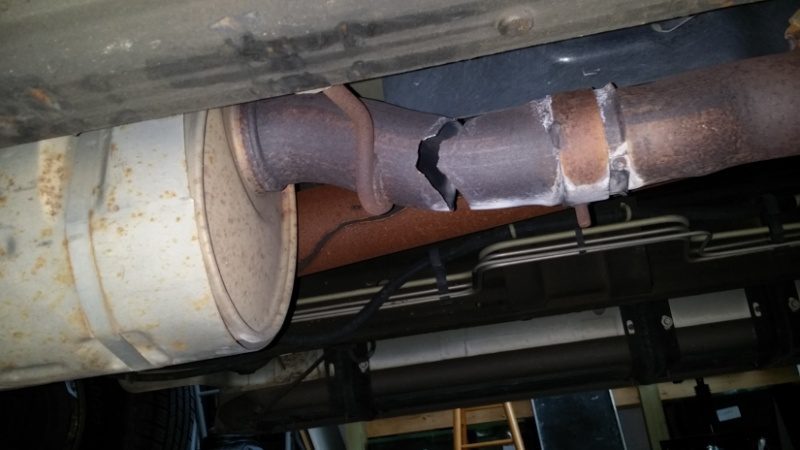
The effects of a damaged exhaust go beyond just acceleration and power. The whole driving experience changes.
Here is a full picture of what a faulty exhaust does to your vehicle:
| Area Affected | What Happens |
|---|---|
| Acceleration | Slower response, sluggish performance |
| Fuel economy | Engine burns more fuel to compensate |
| Engine health | Increased stress, longer-term wear |
| Noise level | Much louder than normal operation |
| Emissions | Higher pollution output |
| Driver safety | Risk of carbon monoxide exposure in the cabin |
| Road safety | Loose components can become road hazards |
When you look at the full picture, it becomes clear that an exhaust problem is never just a noise problem. Every one of those areas matters.
What a Damaged Exhaust Does to Your Fuel Economy
If your fuel gauge seems to drop faster than usual, a damaged exhaust system could be why.
When the exhaust cannot move gases efficiently, the engine has to compensate. It works harder, burns more fuel, and still delivers less performance. That is a bad trade-off in every direction.
A leaking exhaust can also interfere with the oxygen sensors that monitor the gas mixture going through the system. If those sensors are reading incorrect data because of a leak nearby, the engine management system may adjust the fuel mixture incorrectly, leading to even more fuel waste.
For a driver who commutes regularly, that increased fuel consumption adds up quickly. What starts as a small efficiency loss becomes a noticeable cost over weeks and months.
How Much Does It Cost to Fix a Broken Exhaust?
Repair costs vary based on the type of damage and which part of the exhaust system is affected.
Here is a general breakdown:
- Small leak repair or patch: $100 to $200 in many cases
- Muffler replacement: $150 to $350 depending on the vehicle
- Exhaust pipe section replacement: $100 to $300
- Catalytic converter replacement: Can range from $400 to over $1,500 depending on the vehicle
- Full exhaust system replacement: Varies widely by vehicle type and whether aftermarket or OEM parts are used
Always get at least two or three quotes. Labor rates and parts pricing can vary significantly between shops.
If you are unsure whether your exhaust needs work, most shops will inspect the system and give you an assessment before any repair is done. Some shops offer this at no charge. Take advantage of that.
How to Tell If Your Exhaust Is the Real Problem
Before taking the car in, here are a few things you can check on your own to determine if the exhaust is likely the issue.
- Listen carefully when accelerating. A sudden increase in exhaust noise, especially under hard acceleration, often points to a leak somewhere in the system.
- Look under the car. If you can safely get underneath with a flashlight, look for rust, cracks, or components that look out of place or misaligned.
- Check for smells. A sulfur or burning smell can indicate exhaust issues. Any smell of fumes inside the cabin is a red flag that should be dealt with immediately.
- Watch for smoke. Excessive smoke from the tailpipe or any smoke coming from underneath the car points to a system problem.
- Notice changes in performance. If acceleration feels different, the car is using more fuel than usual, or the engine sounds rougher than normal, those are signs worth investigating.
None of these observations replace a proper inspection. But they help you arrive at the mechanic with useful information about what the car is doing.
Exhaust Leaks vs Exhaust Blockages: Two Different Problems
It is worth distinguishing between these two types of failures because they affect the car differently.
Exhaust Leaks
A leak means exhaust gases are escaping before they reach the tailpipe. This can happen at gasket joints, along cracked pipes, or through rust holes in the muffler.
The engine may still run and accelerate, but not as efficiently. Oxygen sensors near the leak can also be disrupted, causing incorrect fuel mixture adjustments.
Signs of an exhaust leak include:
- Louder exhaust note especially at startup
- Hissing or popping sound from the engine bay
- Faint smell of fumes inside or near the car
Exhaust Blockages
A blockage means gases cannot exit properly. A clogged catalytic converter is the most common cause.
This type of problem is often more severe in terms of performance impact. The engine struggles much more, and in serious cases, the car may barely move at all.
Signs of a blockage include:
- Severe loss of power especially at higher speeds
- Engine feels strong at idle but falls flat under load
- Strong smell of sulfur from the exhaust
- Car barely accelerates despite pressing the pedal fully
Both situations need professional diagnosis and repair. Trying to drive through either problem for too long will only make things worse.
What Happens If You Leave Exhaust Damage Unrepaired?
Some drivers put off exhaust repairs because the car still runs. That is understandable when money is tight, but it is worth understanding what happens when the problem is left alone.
Small cracks become large holes. Early rust becomes structural failure. A minor leak that might have cost $150 to fix can turn into a full catalytic converter replacement if left long enough.
The oxygen sensors that monitor your exhaust can also be damaged by extended exposure to incorrect gas flow. Oxygen sensor replacement adds to the overall cost significantly.
If the exhaust manifold is cracked and ignored, the heat from escaping gases can damage surrounding engine bay components, wiring harnesses, and even plastic housing parts near the engine.
Every week of delay makes the eventual repair more expensive and more complex.
How to Extend the Life of Your Exhaust System
Prevention is always cheaper than repair. Here are practical steps to help your exhaust system last as long as possible:
- Wash the underside of your car regularly. Road salt and grime accelerate rust. A regular undercarriage rinse, especially in winter, keeps corrosion from taking hold.
- Avoid short trips when possible. Short journeys do not allow the exhaust system to fully heat up and evaporate moisture. Moisture trapped inside the muffler accelerates internal corrosion.
- Listen for changes in exhaust sound. Getting familiar with your car’s normal exhaust note makes it easier to notice when something changes.
- Address rust early. If surface rust is spotted during a service inspection, treating it early prevents it from spreading to critical areas.
- Keep up with routine servicing. Regular engine service prevents the conditions that cause excessive heat in the exhaust system.
None of these require significant effort. They just require consistency.
When to See a Mechanic About Your Exhaust
Not every exhaust noise requires an emergency trip to the shop. But some situations should not wait.
Go to a mechanic as soon as possible if:
- You smell fumes inside the vehicle while driving
- Acceleration has noticeably dropped without another obvious cause
- You can hear a loud, unusual exhaust noise that was not there before
- Fuel economy has dropped significantly
- You see exhaust smoke coming from under the car rather than just the tailpipe
Any of these individually is worth having checked. If you are experiencing more than one at the same time, do not delay.
Your exhaust system is working every single time your engine runs. It is not a passive part of the car. It actively supports how your engine breathes, how much power it makes, and how safely you can operate the vehicle. A broken exhaust is not just a noise problem or an emissions concern. It is a performance problem, a safety issue, and if ignored, an increasingly expensive repair. If your car does not feel the way it should and nobody has checked the exhaust yet, that is exactly where the investigation should start.