
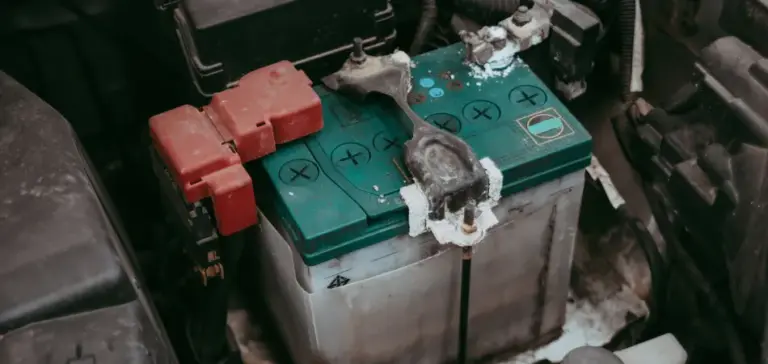
Yes, a weak or dying battery absolutely can cause a rough idle. When a battery cannot supply steady, sufficient power to the engine’s electrical systems, the engine has to work with less than it needs. The result? A lumpy, uneven idle that feels like your car is coughing at every stoplight.
Picture this: it is a cold Tuesday morning, you turn the key, and the engine cranks slower than usual before finally catching. Once it starts, it shudders at idle instead of settling into that smooth, quiet hum you are used to. That is often a battery crying out for help, not some mysterious engine gremlin.
If your car idles rough, checking the battery should be near the top of your troubleshooting list, not an afterthought. It is one of the cheapest and fastest things to rule out, yet plenty of drivers skip straight to worrying about spark plugs or fuel injectors.
A failing battery rarely causes just one problem either. Left unchecked, it tends to drag other components down with it, including the alternator and starter motor. Ignoring it now often means paying for more repairs later.
Why a Weak Battery Throws Your Idle Off Rhythm
Modern engines depend on a steady electrical supply to keep everything running in sync. The battery powers the ignition system, the fuel injectors, and the engine control unit, which is basically the brain that tells your engine how much fuel and air to mix at any given moment.
When voltage drops because the battery is old, sulfated, or simply worn out, that brain does not get the clean, consistent signal it needs. The spark plugs may fire weakly or inconsistently, fuel delivery becomes uneven, and the engine starts hunting for a stable idle speed instead of holding steady.
Here is a simple way to think about it. Your car’s electrical system is like a team of workers who all need the same amount of coffee to stay sharp. If the coffee supply runs low, some workers slow down while others get jittery. That mismatch is exactly what a rough idle feels like mechanically.
In the real world, this often shows up gradually. You might notice the idle getting slightly rougher over a few weeks before the battery finally gives out completely. That slow decline is actually good news, because it gives you time to catch the problem before you are stranded in a parking lot.
Quick Fixes Worth Trying Before You Buy a New Battery
Not every rough idle means you need a brand new battery right away. A few simple checks at home can sometimes solve the problem, or at least confirm whether the battery is truly to blame.
- Clean the battery terminals. Corrosion builds up on terminals over time and blocks the flow of electricity. A wire brush and a bit of elbow grease can restore a solid connection in minutes.
- Check the connections are tight. A loose terminal clamp can mimic the symptoms of a dying battery even when the battery itself is fine.
- Adjust the idle speed. On older vehicles with an idle screw, a small adjustment can smooth things out temporarily while you sort out the battery issue.
- Test the voltage. A multimeter reading below 12.4 volts with the engine off usually points to a battery that needs charging or replacing.
If cleaning the terminals and adjusting the idle do not fix the rough running, it is a strong sign the battery itself has reached the end of its useful life. At that point, replacement is the honest answer, not another round of quick patches.
7 Warning Signs Your Battery Is on Its Last Legs
A battery rarely fails without warning. It usually drops hints along the way, and knowing what to look for can save you from an inconvenient breakdown.
| Symptom | What It Means |
|---|---|
| Reduced engine power | Weak voltage means the engine cannot start or run as smoothly as it should |
| Dim headlights | Insufficient power is being sent to the electrical system |
| Strange noises | Rattling, humming, or clicking sounds often signal internal battery wear |
| Slow engine start | A weak battery struggles to turn the starter motor quickly |
| Dead battery | The car will not start at all, meaning replacement is no longer optional |
| Swollen battery case | Heat and overcharging have caused internal pressure to build up |
| Corroded terminals | A buildup of white or greenish residue restricts electrical flow |
If even one of these symptoms sounds familiar, do not wait until the battery dies completely before addressing it. A mechanic can test the battery in a matter of minutes and tell you exactly where it stands.
Weak Battery or Something Else? What Is Really Happening Under the Hood
A weak battery is a common cause of rough running, but it is not the only one. When a battery cannot supply enough power, the engine may misfire, hesitate, or shake at idle. Testing the battery with a proper battery tester is the fastest way to confirm whether it is the culprit.
That said, other issues produce nearly identical symptoms, which is why a bit of process of elimination helps.
| Possible Cause | How to Check | Typical Fix |
|---|---|---|
| Weak battery | Test voltage with a multimeter or battery tester | Charge or replace the battery |
| Clogged fuel filter | Remove the filter and blow through it | Replace the fuel filter |
| Ignition system fault | Have a mechanic scan for misfire codes | Replace spark plugs, coils, or wiring as needed |
A clogged fuel filter starves the engine of fuel, causing it to misfire in a way that feels very similar to what a weak battery produces. The same goes for a failing ignition component. That overlap is exactly why a methodical check, starting with the cheapest and easiest part to test, saves both time and money.
In most real-world cases, mechanics start with the battery first simply because it takes the least effort to rule out. If that comes back clean, moving on to fuel and ignition systems is the logical next step.
Does a Failing Battery Really Make the Engine Shake?
Yes, it can. When a battery cannot deliver enough consistent power, the engine’s timing and fuel delivery fall out of sync, which often shows up as noticeable shaking or vibration at idle.
Think of an orchestra where the conductor keeps losing the beat. Instruments that should play in perfect harmony instead fall out of step, and the result sounds messy even though each musician is technically doing their job. A weak battery has a similar effect on an engine’s cylinders, which need precisely timed sparks and fuel pulses to run smoothly.
If you notice shaking that gets worse when the air conditioning, headlights, or radio are running, that is a strong clue the battery is struggling to keep up with electrical demand. Turning off accessories and seeing if the shaking eases up is a quick way to test this at home.
A professional inspection is still worth the trip, though. A bad battery can trigger a chain reaction that affects the alternator and starter over time, so getting ahead of the problem protects more than just your morning commute.
Can Your Battery Quietly Kill Your Engine’s Performance?
The honest answer is: sometimes, and sometimes not. A battery that is only slightly weak might not cause any noticeable drop in performance at all. But once it can no longer meet the electrical demands of the engine, problems start piling up quickly.
Here is what typically happens when a battery falls short:
- The alternator works overtime to compensate, which can reduce fuel economy over time.
- The engine may misfire due to inconsistent spark or fuel delivery.
- In more serious cases, the engine can stall unexpectedly, particularly at low speeds or idle.
None of these outcomes are things you want to discover in the middle of a highway on ramp. If your fuel economy has dropped recently and you cannot pin down why, do not overlook the battery as a possible contributor. It is an easy thing to check and an easy thing to fix compared to a lot of other engine troubles.
The Telltale Signs It Is Time for a New Battery
Age is one of the simplest indicators. Most car batteries last somewhere between four and five years, depending on climate, driving habits, and how well it has been maintained. If your battery has crossed that threshold, replacement should be on your radar even if it seems to be working fine for now.
Condition matters just as much as age. Watch for these physical warning signs:
- A swollen or bulging case
- Visible corrosion around the terminals
- A charge that will not hold, even after a full charging cycle
If you are unsure whether your battery needs replacing, take it to a mechanic and have it tested. This takes very little time and gives you a definitive answer rather than a guess.
Battery Lifespan by Climate
| Climate Type | Typical Battery Lifespan |
|---|---|
| Hot climates | 2 to 4 years, due to accelerated fluid evaporation |
| Moderate climates | 4 to 5 years |
| Cold climates | 3 to 5 years, shortened by increased cranking demand |
What to Keep in Mind Before You Install a New Battery
Once a mechanic confirms replacement is necessary, a few practical details deserve your attention before you head to the parts store.
- Match the battery to your vehicle. Not every battery fits every car. Check your owner’s manual or ask a parts store employee for the correct group size and specifications.
- Install it correctly. Connecting terminals in the wrong order or leaving connections loose can damage sensitive electronics or create a safety hazard.
- Dispose of the old battery responsibly. Car batteries contain lead and acid, both of which are harmful to the environment if tossed in regular trash. Most auto parts stores accept old batteries for recycling, often for a small credit toward your new purchase.
Taking these steps seriously protects both your vehicle and the people who might come into contact with an improperly discarded battery down the line.
A Rough Idle Is Your Car Talking to You, So Listen
A rough idle is rarely random. More often than not, it is your car’s way of flagging a problem before it turns into something more expensive. A weak battery happens to be one of the most common, and most affordable, causes to check first.
Grab a multimeter, clean those terminals, and give your battery a fair chance to prove itself before you start replacing other parts. If it turns out the battery was the issue all along, you will have saved yourself both money and a headache.
So the next time your engine feels a little shaky at a red light, ask yourself: have you actually checked the battery yet, or are you just assuming it is fine?