
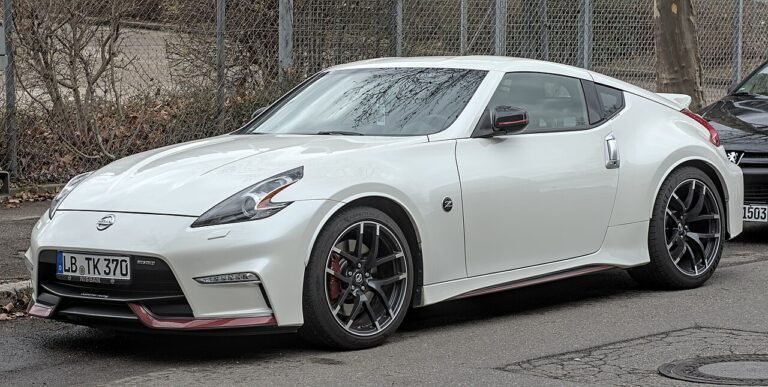
The Nissan 370Z is living proof that an older design can still put a smile on your face. It has been around long enough that its basic architecture qualifies as a generational throwback, yet that simple front-engine, rear-wheel-drive formula combined with a naturally aspirated 332-horsepower V6 still delivers a driving experience that feels honest and engaging. No turbo lag, no all-wheel-drive trickery, just a solid chassis and a manual gearbox that rewards skilled hands.
But the 370Z is also showing its age in ways that matter. The interior is dated, the technology is behind the curve, and the ride can feel crude on broken pavement. For every driver who loves its raw character, there is another who wants something with a bit more polish, a fresher design, or simply a different flavor of performance. That is exactly why this list exists.
Finding a direct competitor is not straightforward. Not many automakers build a dedicated two-seat sports car with a naturally aspirated V6 and rear-wheel drive in the $30,000 to $45,000 range. The Z car lineage from Nissan and Datsun carries a unique identity that no other brand can replicate exactly. But there is a wide field of vehicles that capture different pieces of what makes the 370Z special, whether that is rear-drive dynamics, horsepower-per-dollar value, or the simple thrill of a lightweight manual-transmission coupe.
Prices mentioned here are approximate and can shift with market conditions and trim choices. They are included to give you a useful starting point for comparison. The real question is not just which car has the best spec sheet. It is which one matches the way you actually drive and the things you genuinely value behind the wheel.
Audi TT
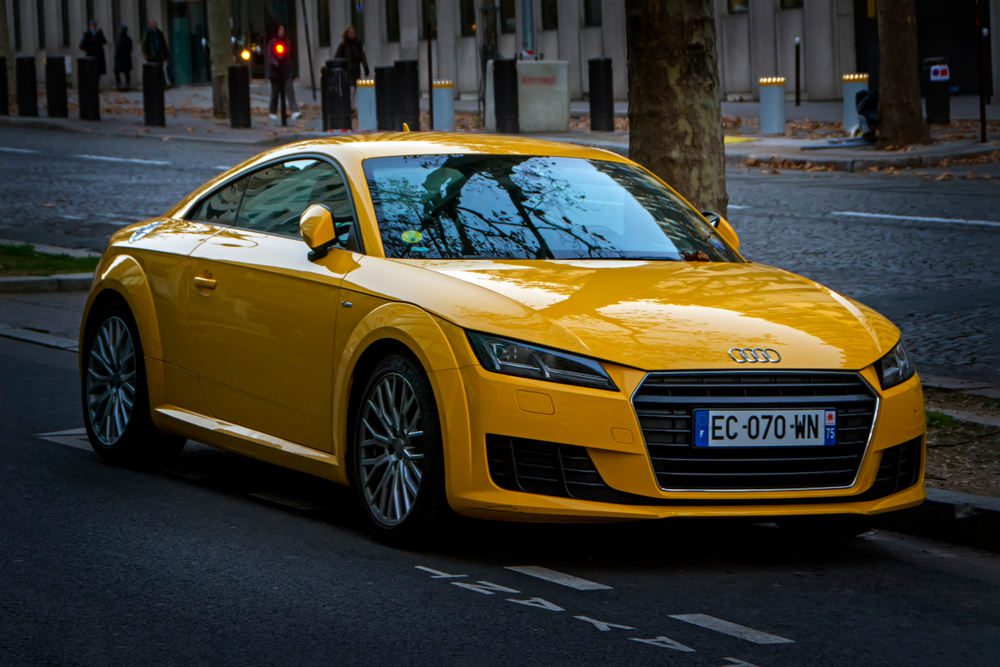
The Audi TT is one of those cars that often gets underestimated in conversations about pure sports cars. People see the rounded shape and the premium badge and assume it prioritizes style over substance. That assumption is wrong. The TT is light, responsive, and genuinely charming to drive quickly.
Audi offered several engines over the TT’s generations. Early models came with a turbocharged 1.8-liter four-cylinder, and later versions added a larger turbo for more output. Eventually, the lineup expanded to include a Volkswagen VR6 engine producing 247 horsepower. Power outputs ranged from 178 horsepower in base form up to 247 with the V6, and a six-speed manual transmission was available for purists. Buyers who wanted all-weather traction could opt for a Haldex-based all-wheel-drive system, branded as quattro in Audi tradition, though the system operates differently from the permanent quattro setups found in larger Audi sedans.
The V6-powered TT came exclusively with a six-speed dual-clutch gearbox and the quattro system, delivering rapid shifts and strong grip out of corners. In 2006, Audi added a six-speed automatic option with more aggressive suspension tuning, broadening the TT’s appeal to drivers who prioritized comfort without abandoning performance altogether. The TT also holds a notable place in automotive history as the first Volkswagen Group model to use TDI engines with direct injection turbocharging, though those diesel variants are rarely discussed in sports car circles.
Where the TT diverges from the 370Z is in its overall character. The Audi feels more refined, more polished, and significantly more premium inside. The trade-off is that it does not deliver the same unvarnished mechanical feel that the Z car provides through its hydraulic steering and naturally aspirated throttle response. If you want a sports coupe that doubles as a comfortable daily driver and still puts an honest grin on your face when the road gets twisty, the TT deserves a place on your test drive list.
Toyota Supra
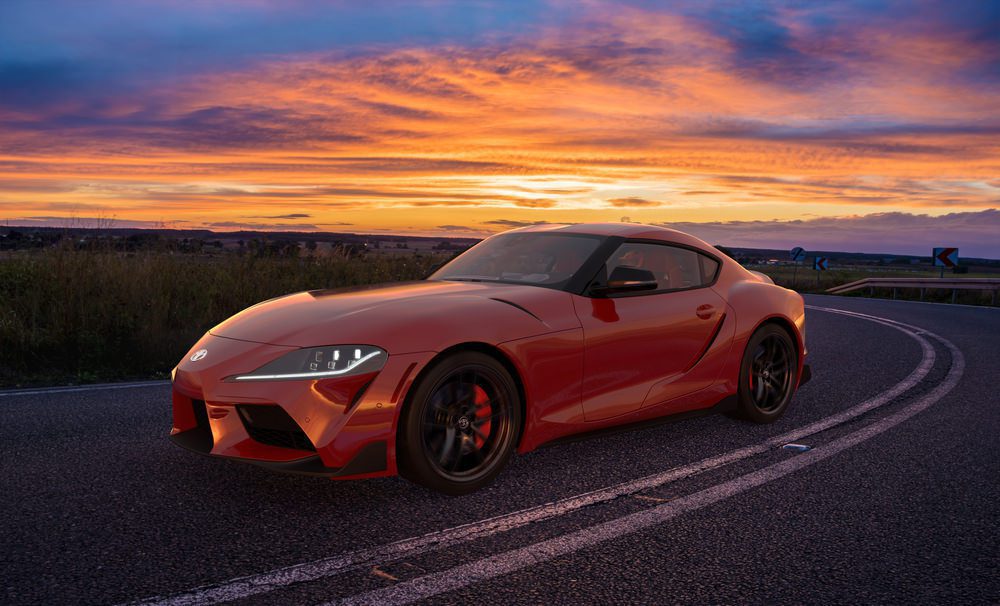
The return of the Toyota Supra was one of the most talked-about automotive events in recent years, and the production version largely delivered on the hype. The 2021 GR Supra is a focused sports car built around a turbocharged engine, rear-wheel drive, and a chassis that prioritizes balance and responsiveness above outright comfort.
Under the long hood sits a turbocharged 3.0-liter inline-six sourced from BMW, producing 382 horsepower in its later iterations. The engine delivers torque early and pulls hard through the mid-range, which gives the Supra a very different character from the high-revving naturally aspirated V6 in the 370Z. The Z car asks you to wind it out to access its full performance. The Supra shoves you forward with authority from much lower in the rev range.
The cabin is driver-focused, with a low seating position and controls angled toward the person behind the wheel. It shares many components with the BMW Z4, but Toyota’s tuning gives the Supra its own distinct personality. The suspension is firm without being punishing, and the quick steering rack makes the car feel eager to change direction. Track enthusiasts will appreciate the chassis’s composure under hard cornering loads, and the aftermarket support for the Supra is already extensive.
Compared to the 370Z, the Supra is a more modern and technologically advanced machine. It lacks the analogue feel that makes the Nissan so endearing to some drivers, but it compensates with higher performance limits and a more refined driving environment. The price of entry is higher than a base 370Z, but the performance ceiling is higher as well. If you want a Japanese sports coupe that can genuinely compete with European rivals on pace and sophistication, the Supra is the obvious answer.
Toyota 86
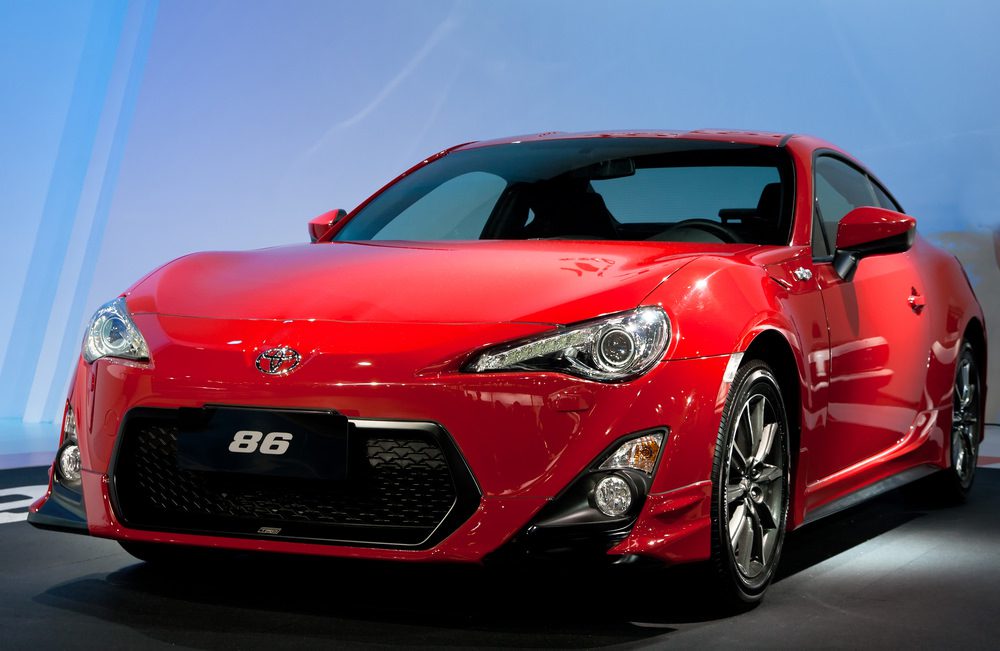
The Toyota 86 takes a very different approach to the sports car formula. Instead of chasing big horsepower numbers, it focuses almost entirely on balance, lightweight construction, and the purity of the driving experience. It is a rear-wheel-drive coupe from a Japanese manufacturer, just like the 370Z, but the execution and the philosophy behind it are worlds apart.
Under the hood lives a naturally aspirated 2.0-liter flat-four engine producing 200 horsepower. That figure looks modest next to the 370Z’s 332 horsepower, and it is. But the 86 compensates with a curb weight that is significantly lower than the Nissan and a center of gravity that sits remarkably close to the pavement thanks to that low-mounted boxer engine layout. The result is a car that flows through corners with a sense of agility and feedback that heavier, more powerful vehicles simply cannot replicate.
This car is particularly rewarding for drivers who are learning how to extract maximum pace from a rear-wheel-drive chassis with a manual transmission. The limits are approachable, the controls are communicative, and the car encourages you to improve your technique without biting back when you make a small mistake. It is the kind of vehicle you can drive at eight-tenths of its capability on a back road and feel like a hero, rather than constantly holding back to avoid exceeding your own skill level.
Practicality is also a quiet strength of the 86. The rear seats fold down to create a surprisingly usable cargo area, and the trunk can accommodate a full set of track tires with the right packing strategy. Throw a basic toolkit in there and you have a vehicle that can drive itself to a track day, perform lap after lap without complaint, and then carry you home in reasonable comfort. That versatility is something the 370Z, with its tighter cabin and smaller trunk, struggles to match.
The 86 will not win many drag races against the 370Z, and that is not the point. It wins at the subjective stuff: steering feel, chassis balance, and the sheer joy of driving a slow car fast.
BMW 2-Series
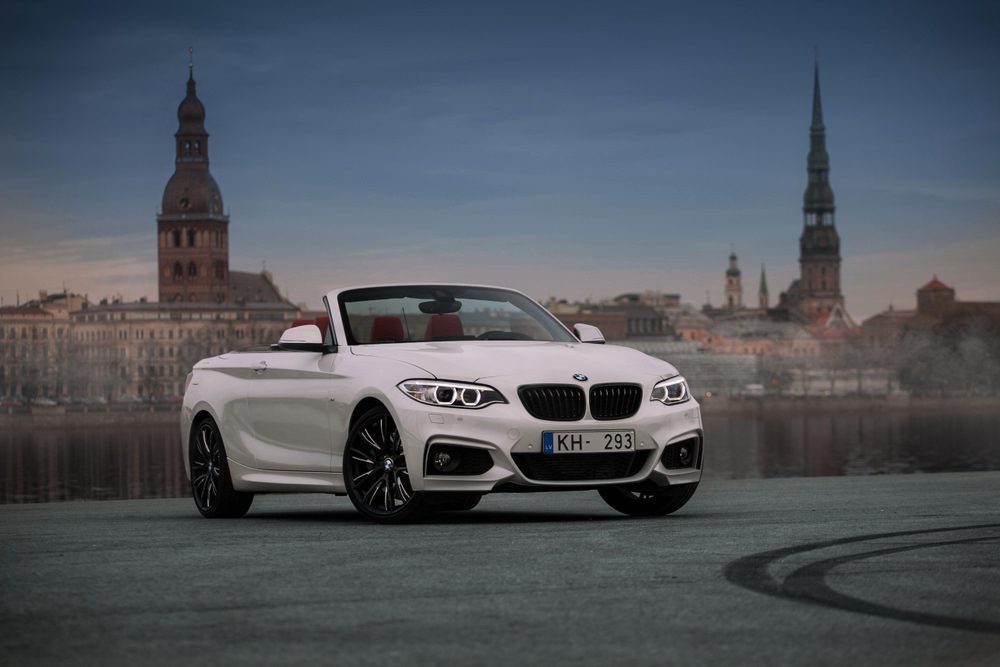
The BMW 2-Series occupies a unique spot in the modern automotive landscape. At a time when many manufacturers are abandoning small rear-wheel-drive coupes, BMW continues to offer one, and it happens to be genuinely good. The 230i coupe starts at $36,295 and delivers 248 horsepower from a turbocharged four-cylinder engine. On paper, that is down on power compared to the 370Z’s V6. In real-world driving, the gap feels smaller than the numbers suggest.
BMW has decades of experience tuning rear-drive chassis, and that institutional knowledge shows in the way the 2-Series handles. The steering is precise and weighted naturally, the front end turns in eagerly, and the rear axle communicates exactly what it is doing during cornering. It is a more sophisticated driving experience than the 370Z, with a level of polish and refinement that reflects the five years of development that separate the two platforms.
Acceleration is nearly identical to the 370Z despite the power deficit. The 230i reaches 60 mph just a tenth of a second behind the Nissan, thanks in part to its turbocharged torque delivery and an excellent eight-speed automatic transmission. The cabin is a significantly nicer place to spend time, with higher-quality materials, better sound insulation, and a more modern infotainment system.
Cargo space is another area where the BMW holds a practical advantage. The 230i offers 13.8 cubic feet of trunk space, exactly double the 6.9 cubic feet in the 370Z coupe. That might not sound like a dealbreaker in a sports car purchase, but anyone who has tried to fit a weekend’s worth of luggage into the Z car’s shallow rear hatch will understand why this matters.
The 2-Series costs slightly more than a base 370Z, but it delivers a more complete ownership experience in return. It handles daily commuting duties with genuine comfort while still being capable of putting a serious grin on your face when the road opens up. If the 370Z’s rough edges are part of its charm to you, the BMW may feel a little too polished. If those rough edges are starting to wear on you, the 2-Series is a logical next step.
Ford Mustang
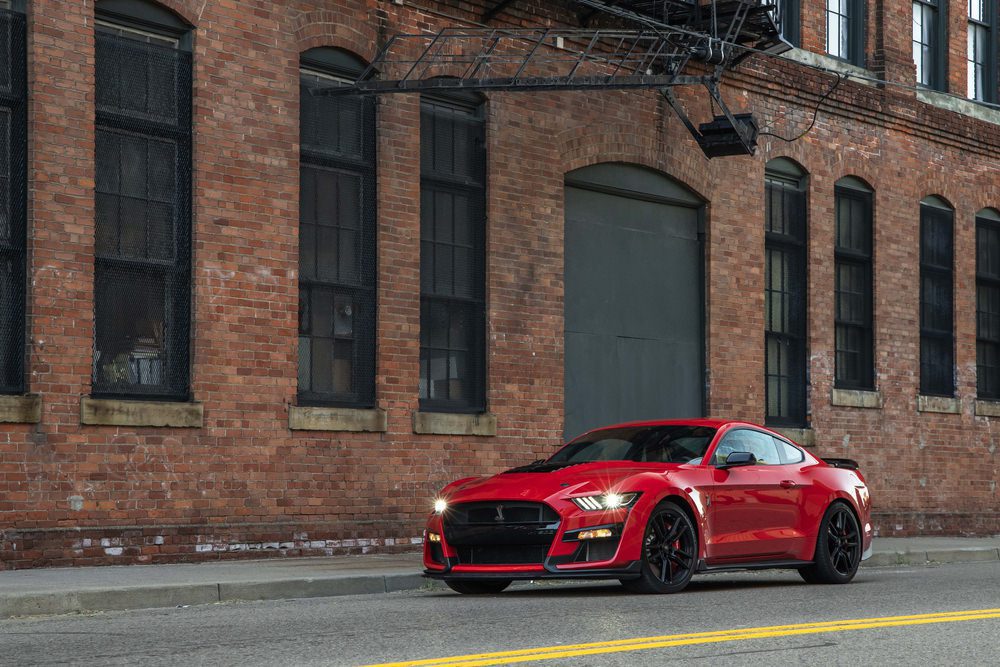
The Ford Mustang is an institution. It has been in continuous production for nearly six decades, and the current generation is arguably the most capable Mustang ever built. The base coupe starts at $27,490 and comes with a turbocharged 2.3-liter four-cylinder producing 310 horsepower. The GT model steps up to a naturally aspirated 5.0-liter V8 with 460 horsepower, starting at $36,450. Both engines can be paired with a six-speed manual or a ten-speed automatic transmission.
What makes the Mustang relevant to a 370Z comparison is its modern interpretation of the classic front-engine, rear-drive formula. The EcoBoost model matches the Nissan’s power output closely while delivering better fuel economy and a broader torque curve. The GT model simply outmuscles the 370Z with a V8 that produces a sound and a sense of occasion no V6 can equal. The Mustang’s launch control system and limited-slip differential come standard with the manual transmission, making it genuinely capable at a drag strip or on a winding road.
Performance numbers tell the story clearly. The turbo four-cylinder reaches 60 mph in 5.1 seconds, while the V8 does the same in 4.6 seconds. Both beat the 370Z in a straight line, and the Mustang’s chassis has evolved to the point where it no longer feels like a one-dimensional straight-line specialist. The independent rear suspension, introduced with this generation, transformed the car’s cornering behavior and made it a legitimate competitor to European and Japanese sports coupes.
The Mustang is larger and heavier than the 370Z, and that bulk is noticeable during quick direction changes. But it also brings more interior space, a usable trunk, and a ride quality that does not punish you on long highway drives. If the 370Z is a scalpel, the Mustang is a sledgehammer. Both tools are effective. They just suit different hands and different jobs.
Honda Civic Type-R
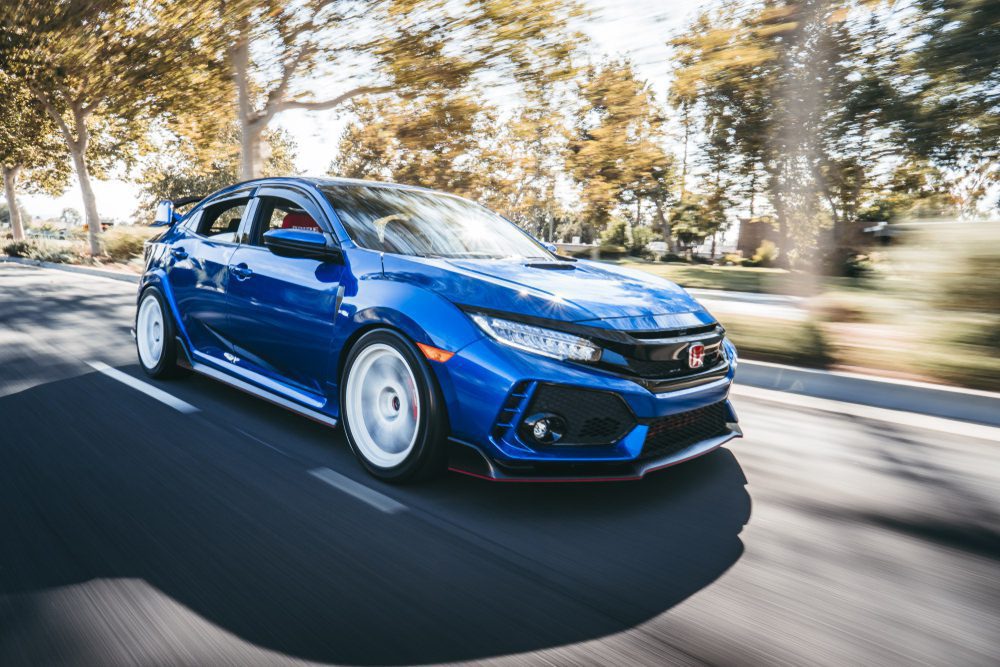
Including a front-wheel-drive hatchback on a list of 370Z alternatives might raise eyebrows, but the Civic Type-R earns its place through sheer capability. It is one of the most accomplished performance cars available at any price, and it proves that driven wheels are only part of the performance equation. Engineering and tuning matter just as much.
The Type-R uses a turbocharged 2.0-liter four-cylinder producing 306 horsepower, sent exclusively to the front wheels through a six-speed manual transmission. The chassis features a sophisticated dual-axis front suspension that virtually eliminates torque steer, allowing the driver to put power down early out of corners without the wheel fighting back. Three driving modes, Comfort, Sport, and Plus-R, adjust the throttle response, steering weight, and suspension firmness to suit the conditions.
Acceleration to 60 mph happens in around five seconds flat, putting the Type-R right on the heels of the 370Z despite having less power and driving the front wheels. Where the Honda truly excels is in cornering speed. The grip levels are extraordinary, the chassis rotates willingly with lift-off inputs, and the overall balance inspires confidence that few front-drive cars have ever achieved.
Practicality is a bonus the 370Z cannot match. The Civic hatchback body provides generous cargo space, four doors, and a back seat that can actually accommodate adults. At around $36,600, the Type-R delivers performance, utility, and reliability in a package that makes a compelling argument for itself as a single-car solution. The styling is aggressive in a way that is not for everyone, but if you can look past the wing and the vents, you will find one of the best driving experiences available today at any price point.
Mazda MX-5 Miata
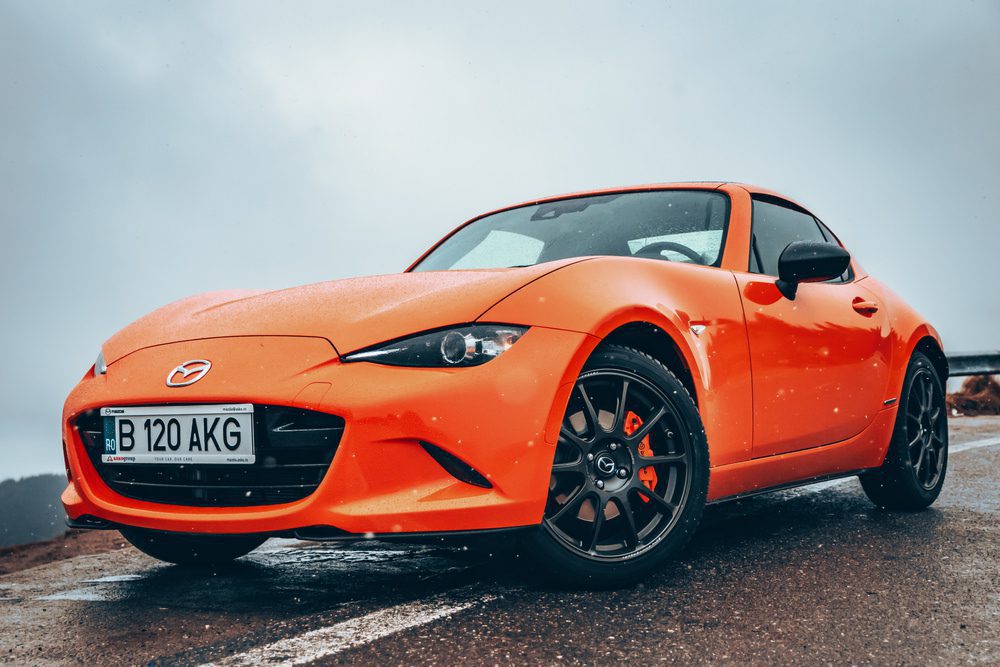
The MX-5 Miata and the 370Z represent two completely different philosophies of what a sports car should be. The Nissan delivers muscle and presence. The Mazda delivers lightness and connection. Both approaches are valid, and the right one for you depends entirely on what you prioritize when the road gets interesting.
The Miata uses a naturally aspirated 2.0-liter four-cylinder producing 181 horsepower. That sounds underpowered on paper, and in a straight line it is. The sprint to 60 mph takes 5.4 seconds, which is slower than the 370Z. But judging the Miata by its straight-line speed misses the point entirely. This car is about how it feels, not how fast it is. The steering communicates road texture with a clarity that few cars at any price can match. The gearbox is a joy to row through. The chassis flows through corners with a fluidity that makes every drive feel like an event, even at legal speeds.
The Miata also offers a convertible experience that the 370Z coupe cannot touch. The soft-top model starts around $27,000, making it one of the most affordable ways into a pure sports car. The retractable fastback version, known as the RF, costs approximately $33,500 and provides a quasi-coupe feeling with the roof up while still delivering open-air freedom when you want it. The RF adds only a small weight penalty and retains the Miata’s essential character.
For a new driver learning performance driving fundamentals, the Miata is arguably the best teacher available. Its limits are accessible, its responses are predictable, and it rewards smooth inputs without harshly punishing mistakes. For an experienced driver, it is a tool for refining technique and rediscovering the simple joy of driving that heavier, more powerful cars can sometimes bury under layers of capability.
Mini Cooper Hardtop
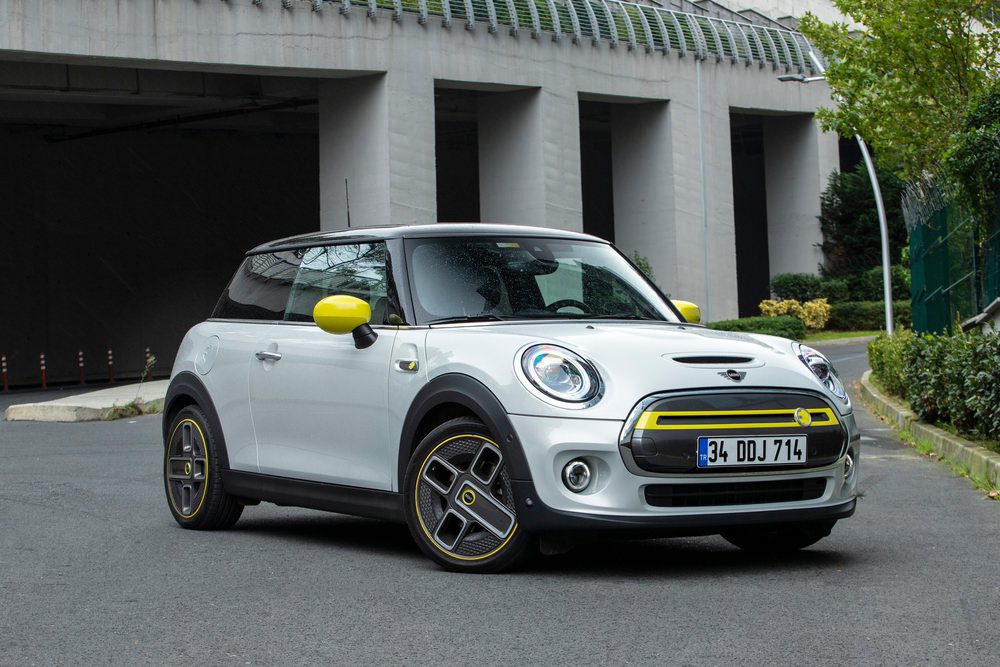
Having already included one front-drive hatchback on this list, adding another becomes less surprising once you understand what the Mini Cooper John Cooper Works brings to the table. This is not a retro-styled economy car with a sporty badge. It is a genuinely focused performance vehicle with a chassis that punches well above its weight in terms of driving engagement.
The John Cooper Works model carries a turbocharged 2.0-liter four-cylinder producing 228 horsepower. That is enough to make the Mini feel properly quick, but the real magic is in how it handles. The short wheelbase and firm suspension give it a go-kart-like responsiveness that makes ordinary roads feel like an autocross course. Direction changes happen instantly, body roll is minimal, and the steering delivers the kind of feedback that reminds you why small, light cars are often the most fun to drive.
The ride quality in standard form can be punishing on rough pavement, which is why the optional adaptive suspension is worth serious consideration. It softens the edge during commuting while still providing the control you want when pushing harder. At a starting price of $32,650, the JCW Mini is not the bargain some of the other vehicles on this list represent, but it delivers a unique character that no other car in this segment can replicate.
Comparing the Mini to the 370Z is a study in contrasts. The Nissan is rear-drive, naturally aspirated, and relatively heavy. The Mini is front-drive, turbocharged, and light. Both are deeply engaging in their own ways. The Mini offers the added practicality of a hatchback body with usable rear seats and decent cargo space, which makes it easier to justify as a daily driver. The Nissan asks for more compromises in exchange for its purer rear-drive dynamics. Which trade-off you prefer depends on your priorities, but both vehicles understand what makes driving enjoyable at a fundamental level.
Subaru WRX Limited
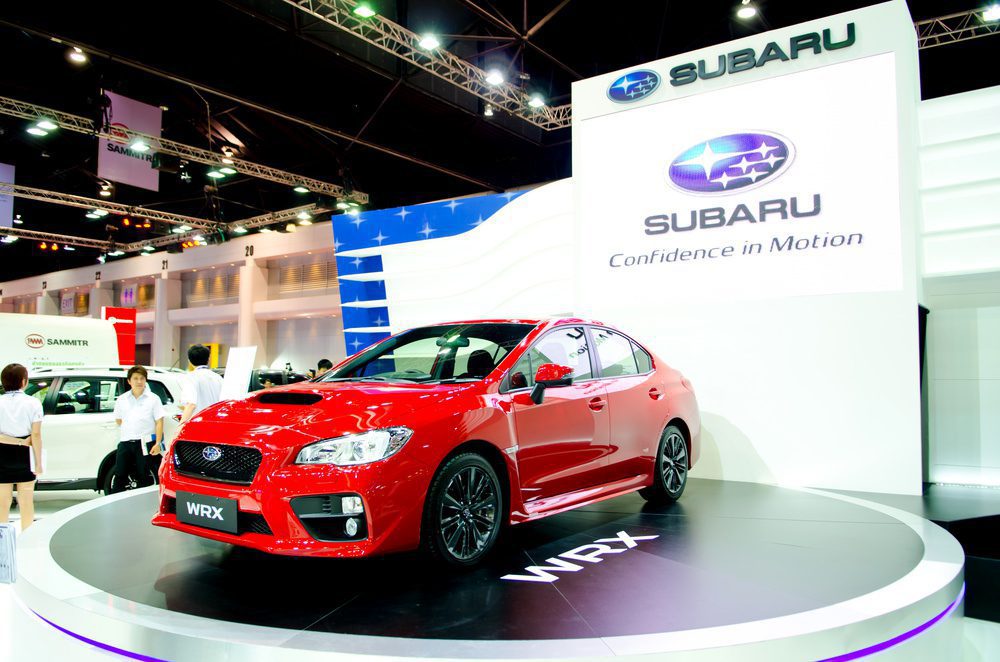
The Subaru WRX brings all-wheel drive into the conversation, which immediately changes the character of the driving experience compared to the rear-wheel-drive 370Z. The WRX was engineered from the start to be a motorsport-derived machine, and that heritage shows in its sharp handling and tenacious grip in all conditions.
A turbocharged 2.0-liter flat-four engine produces 268 horsepower and sits low in the chassis, helping to keep the center of gravity close to the ground. The standard all-wheel-drive system puts that power down with authority, launching the WRX to 60 mph in 5.4 seconds regardless of whether the pavement is dry, wet, or covered in gravel. That all-weather capability is something no rear-drive sports car can match, and for drivers who live in regions with real winters, it transforms the WRX from a weekend toy into a year-round companion.
The WRX Limited with a manual transmission is the version to seek out. It costs around $33,000 and comes with a healthy list of performance-oriented equipment. The continuously variable transmission offered on automatic versions does not deliver the same level of engagement, and the manual gearbox is a core part of the WRX’s personality. The steering is quick and communicative, the suspension keeps body motions well controlled, and the car’s ability to carry speed through tight corners is remarkable for a compact sedan.
The WRX does not deliver the same rear-drive theatrics or tail-out adjustability that make the 370Z so entertaining on a dry back road. But it offers its own kind of exhilaration, the kind that comes from feeling the entire car dig in and accelerate out of a corner with all four wheels clawing at the pavement. It is also significantly more practical, with four doors, a usable back seat, and a trunk that can handle daily life without complaint. The 370Z is the more focused sports car. The WRX is the one you can actually live with 365 days a year.
Chevy Camaro
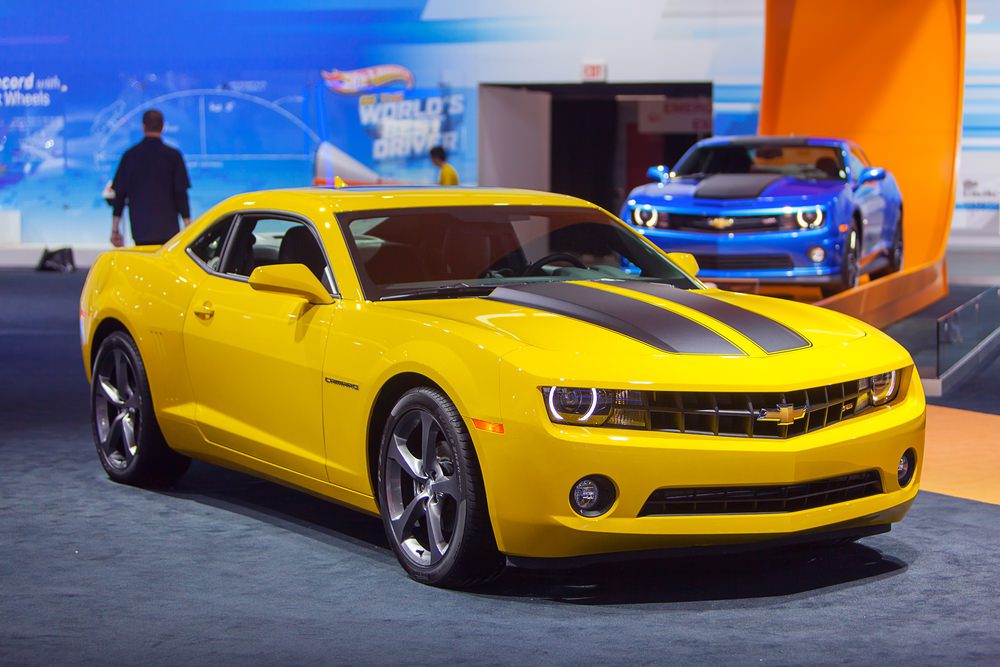
Chevrolet has been building the Camaro long enough to know exactly what it takes to compete in the sports coupe segment, and the current generation is arguably the best-driving Camaro ever produced. The 3LT trim with the V6 engine is a particularly strong alternative to the 370Z, priced at $32,990 and delivering 335 horsepower from a naturally aspirated 3.6-liter V6. That output essentially matches the Nissan’s, and the similarity extends to the way both cars deliver their power.
The Camaro sprints to 60 mph just a tenth of a second slower than the 370Z, a margin that is meaningless on public roads. What matters more is how the car behaves once it is moving. The Camaro’s chassis is stiff, well-balanced, and genuinely entertaining to push hard through a series of corners. The steering is weighted naturally and provides useful feedback about what the front tires are doing. The manual transmission found in V6 models shifts with a satisfying mechanical feel, and the limited-slip differential helps put power down cleanly on corner exit.
Where the Camaro pulls ahead of the 370Z is in modern equipment. Smartphone connectivity through Apple CarPlay and Android Auto comes standard, as does a Bose audio system and integrated navigation. On the Nissan, most of those features are optional or not available at all. The Camaro also rides on a platform that is significantly newer than the 370Z’s aging architecture, which shows in everything from crash safety performance to noise isolation at highway speeds.
The four-cylinder turbocharged engine in the base Camaro is also worth a mention. With 275 horsepower, it delivers an engaging powerband and lighter front-end weight, which sharpens turn-in response. It costs less than the V6 and still provides the same chassis goodness in a more affordable package. For buyers who want the Camaro experience without committing to V6 fuel consumption, it is a sensible entry point that does not feel like a compromise.
Dodge Challenger
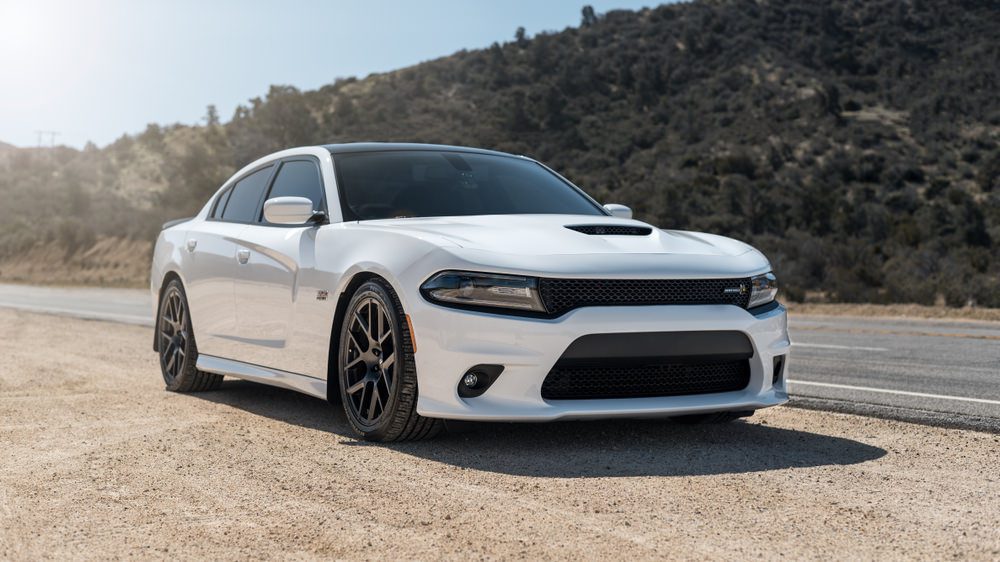
The Dodge Challenger is unlike anything else on this list. Where the 370Z is compact, agile, and relatively lightweight, the Challenger is big, heavy, and built around a philosophy that prioritizes presence and straight-line performance over cornering agility. That is not a criticism. It is a distinction. For certain buyers, the Challenger is exactly what they want, and nothing else will satisfy.
The entry point to the Challenger lineup is the SXT trim, priced around $30,000 and powered by a 305-horsepower V6. That engine moves the heavy coupe with adequate enthusiasm but does not deliver the same urgency as the lighter 370Z. The charm of the Challenger is not in its outright speed but in the way it looks and the way it makes you feel behind the wheel. The retro-inspired design turns heads everywhere, and the spacious interior accommodates four adults in genuine comfort, something the two-seat Nissan simply cannot do.
The real value proposition in the Challenger lineup is the R/T model, which starts at $35,495 before options. For that price, you get a 5.7-liter Hemi V8 producing 375 horsepower and 400 lb-ft of torque. The sound alone is worth the price of admission. That deep, rumbling V8 exhaust note is something no V6, no matter how powerful, can ever fully replicate. The R/T reaches 60 mph in 5.1 seconds, which is competitive with the 370Z, but the character of the acceleration is completely different. The Nissan builds speed through revs and precision. The Challenger builds speed through sheer displacement and torque.
No convertible version of the Challenger exists, and the handling limits are lower than the 370Z in any kind of cornering scenario. But the Challenger does not pretend to be a sports car. It is a muscle car, and it delivers that experience with an honesty and an authenticity that is increasingly rare in the modern market. If you want a car that makes every trip feel like an event and rumbles with V8 character at every stoplight, the Challenger R/T is one of the best values currently available in the performance car world.
A Quick Comparison of the 370Z and Its Closest Rivals
| Vehicle | Starting Price (approx.) | Engine | Horsepower | 0-60 mph | Drivetrain |
|---|---|---|---|---|---|
| Nissan 370Z | $30,000s | 3.7L V6 | 332 hp | ~5.0 sec | RWD |
| Audi TT (various) | Varies by generation | 1.8T / VR6 | 178 – 247 hp | N/A | FWD / AWD |
| Toyota Supra | $43,000+ | 3.0L Turbo I6 | 382 hp | ~3.9 sec | RWD |
| Toyota 86 | $28,000 | 2.0L Flat-4 | 200 hp | ~6.2 sec | RWD |
| BMW 230i | $36,295 | 2.0L Turbo I4 | 248 hp | ~5.1 sec | RWD |
| Ford Mustang EcoBoost | $27,490 | 2.3L Turbo I4 | 310 hp | 5.1 sec | RWD |
| Ford Mustang GT | $36,450 | 5.0L V8 | 460 hp | 4.6 sec | RWD |
| Honda Civic Type-R | $36,600 | 2.0L Turbo I4 | 306 hp | ~5.0 sec | FWD |
| Mazda MX-5 Miata | $27,000 | 2.0L I4 | 181 hp | 5.4 sec | RWD |
| Mini Cooper JCW | $32,650 | 2.0L Turbo I4 | 228 hp | ~5.9 sec | FWD |
| Subaru WRX Limited | $33,000 | 2.0L Turbo Flat-4 | 268 hp | 5.4 sec | AWD |
| Chevy Camaro 3LT V6 | $32,990 | 3.6L V6 | 335 hp | ~5.1 sec | RWD |
| Dodge Challenger R/T | $35,495 | 5.7L V8 | 375 hp | 5.1 sec | RWD |
Which One Deserves Your Garage?
The Nissan 370Z holds a special place in the sports car world. It is one of the last affordable naturally aspirated rear-drive coupes with a manual gearbox and a personality that rewards skilled driving. If that specific combination of traits is what you are after, the Z car remains a compelling choice even in its older age. But the market has moved on in meaningful ways since the 370Z first arrived, and several of the vehicles on this list offer experiences that the Nissan simply cannot replicate.
If straight-line speed per dollar is your priority, the Ford Mustang GT and Dodge Challenger R/T deliver V8 muscle at prices that are hard to argue with. If cornering finesse and driver connection matter more than outright power, the Toyota 86 and Mazda MX-5 Miata reset the benchmark for what an affordable sports car can feel like. If you need one vehicle to do everything, from daily commuting to spirited weekend driving, the Subaru WRX and Honda Civic Type-R make the strongest practical arguments. And if you simply want the most modern, most polished, and most complete sports coupe experience, the Toyota Supra and BMW 230i are ready to deliver.
The 370Z is a car you buy with your heart. The alternatives on this list give you options for buying with your head, your heart, or some blend of both. None of them are perfect, and none of them replicate exactly what the Nissan offers. But several of them get close enough while adding their own distinct flavor. The best advice is the simplest: get behind the wheel of the ones that speak to you and let the drive make the decision.