
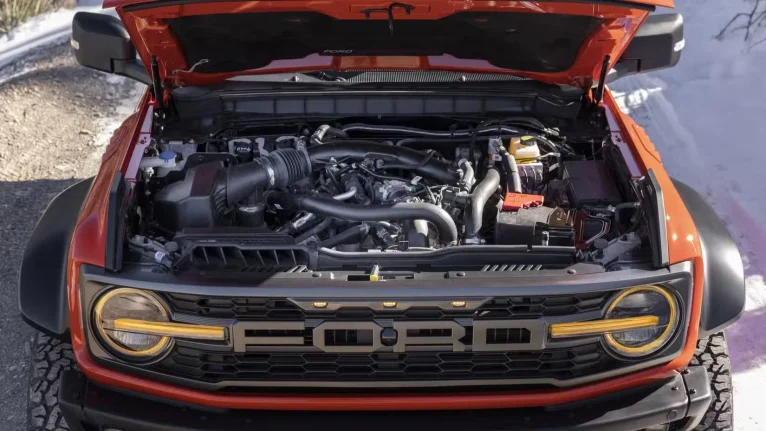
If you own a Ford Bronco (or you’re shopping for one), engine reliability isn’t a “nice to have” topic. It’s the stuff that determines whether your weekends stay fun or turn into a tow truck call. People bring these trucks into the shop because they’ve started noticing performance problems, warning signs, or weird noises they can’t explain.
For the Bronco, the engine concerns that come up most often revolve around the 2.7L V6 EcoBoost (including reported valve-related issues and oil pan design concerns), and the 2.3L inline-4 EcoBoost (including reports of overheating and misfiring tied to turbocharger performance under heavy load). On top of that, owners also mention reliability worries like catastrophic engine failure, manufacturing defects (especially hard top issues), and how mileage can change what you notice over time.
I’ll break down what those problems look like in real life, what you can check at home without turning this into guesswork, and how warranty, recalls, and TSBs typically play into repairs. I’ll also share the dealer and shop approach I’d use if this was my own Bronco.
Overview of the Ford Bronco

The Ford Bronco is built for off-road driving, but most owners still use it for normal daily life. It’s designed to handle rough trails while staying comfortable enough for commuting. One feature that helps it feel more composed is the independent front suspension, which improves handling and ride comfort compared to older solid-axle style setups.
The modern Bronco dates back to Ford’s original concept, which first showed up in 1966. Fast-forward to today, and you’re looking at a truck that aims to keep the “adventure vehicle” spirit, while adding modern electronics and drivetrains.
The 2021 Bronco is the model that’s often referenced when people talk about the modern return of the Bronco lineup. It comes in both two-door and four-door versions, and it’s built to be customized for different types of trips.
In terms of the engines people ask about, the Bronco commonly comes with two EcoBoost options:
- 2.3L EcoBoost inline-4: Known for strong torque and good fuel economy.
- 2.7L V6 EcoBoost: Built for stronger performance, but reports point to specific concerns that owners should take seriously.
Also worth mentioning, the Bronco’s body design makes customization easier, since you can swap doors and roofs. That flexibility is fun, but it also means you should pay attention to sealing, fitment, and water intrusion issues as the truck ages or after any work is done.
Common Ford Bronco engine issues owners report
When people say “my Bronco has an engine problem,” they often mean one of a few patterns: loss of power, rough running, overheating, knocking or odd noises, stalling, or misfire behavior. The engine concern you have matters, because a fix for one problem can be wasted time if the real issue is different.
Below is a practical breakdown of the engine issues that match the original concerns and symptoms, starting with the two EcoBoost engines and then moving into the reliability and manufacturing themes owners talk about.
2.7L EcoBoost V6 problems: faulty valves, oil consumption, and sudden failures
If you own a Bronco with the 2.7L V6 EcoBoost, one of the big concerns people mention is that it can suffer from engine failures. Reported symptoms include sudden power loss, knocking noises, and stalling. Owners also point to issues described as faulty valves and oil pan design flaws, which can contribute to performance and reliability problems.
Another theme you’ll see in owner discussions is oil consumption. The concern is that the engine can burn or lose oil faster than expected, which means it can run low between oil changes. Low oil level is dangerous for any engine, but it becomes a bigger deal when there are already concerns about valve-related failures.
Here’s how I usually explain this in plain language: if the engine is losing oil and something in the valve or internal valvetrain area isn’t behaving correctly, you can get cascading issues. That’s why it’s smart to treat oil level checks as part of the reliability plan, not as an optional chore.
2.3L EcoBoost inline-4 troubleshooting: overheating and misfiring tied to turbo behavior
The 2.3L inline-4 EcoBoost in the Bronco can also show problems, even though it’s smaller. Many owners report engine overheating and misfiring. The issue is often traced back to turbocharger concerns, especially under heavy load where the turbo system is working harder.
Overheating and misfiring can be caused by more than one thing, so I’m careful with wording. Still, if the overheating and misfire complaints line up with hard acceleration or towing or sustained load, turbo and cooling-related checks move higher on the list.
If you drive a 2.3L Bronco, don’t ignore the temperature gauge. Keep an eye on it, and make sure your cooling system is functioning properly. Maintenance helps, but if the problem includes misfires and heat, you still want diagnosis instead of “drive it until it gets worse.”
Valvetrain failures: valve sticking issues and major damage risk
Valvetrain components and valve issues are a major concern for Bronco owners. Reports describe situations where valves can stick or fail, which can impact engine performance. This matters because valvetrain problems can turn into severe internal damage if they escalate.
Signs of valvetrain trouble in the reports often include unusual engine noises and loss of power. If you feel the truck lose power suddenly, or you hear knocking or ticking that doesn’t match normal engine operation, that’s not the moment to shrug and continue driving.
In the shop, I’d treat these signals as a “stop and inspect” situation. Early attention is the difference between a repair that can be handled and a repair that becomes catastrophic.
Turbocharger and performance inconsistencies: power loss, heat, and misfire feel
For the 2.3L, the turbocharger is often where owners point when overheating and misfiring shows up. When turbo behavior is off, the engine may not get the boost and air delivery it needs, which can contribute to misfire-like symptoms or poor power. Under heavy load, the strain is higher and problems become more noticeable.
If you experience power inconsistencies, don’t just clear a code and move on. Get it checked so the root cause gets addressed, especially since turbo-related failures can be expensive if the engine is run while it’s overheating or misfiring.
A quick symptom map to help you narrow down what’s going on
Before we get into the reliability and dealer part, here’s a quick map. This isn’t a diagnosis, but it helps you organize your thoughts when you’re trying to decide whether this is a coolant issue, an emissions or fuel issue, or something more serious like a valvetrain concern.
| Reported symptom pattern | What owners often associate it with | What I’d check first |
|---|---|---|
| Sudden power loss, stalling | 2.7L V6 EcoBoost valvetrain-related concerns | Scan for codes, check engine behavior under load safely, verify oil level and look for warning lights |
| Knocking noises | Internal engine concerns tied to reported valve issues | Stop driving if noise is severe, don’t keep idling, get inspected quickly |
| Overheating | 2.3L overheating reports, possible cooling or turbo load-related issues | Check coolant level and condition (when cool), inspect for leaks, confirm cooling system operation |
| Misfiring | 2.3L misfiring reports, turbo performance under heavy load | Scan misfire codes, check live data, inspect intake and related components |
| High oil consumption | 2.7L oil consumption reports and oil pan design concerns | Check oil level frequently, confirm there’s no external leak, verify oil change history |
Engine failures and reliability concerns owners talk about
Engine problems don’t just mean a check engine light. Some issues owners report for the Bronco are severe enough to raise serious reliability concerns, including catastrophic engine failure. That’s why you’ll see people emphasize listening for unusual sounds, checking oil, and staying on top of maintenance and service campaigns.
Below are the reliability themes described in the original concerns, plus the practical “what it means for you” angle I’d use as a mechanic.
Catastrophic engine failure risk (2.7L V6 EcoBoost concerns)
One serious issue tied to the Bronco is catastrophic engine failure. The concern is often associated with the 2.7L V6 EcoBoost, where internal failures are described in terms like dropped valves. That kind of internal failure can cause extensive damage, and it’s the kind of repair that can leave you stranded if you’re not proactive.
In real life, catastrophic engine failure is rarely “no warning.” More often, drivers notice something is off first, like abnormal noises, a sudden loss of power, or stalling. If you notice those warning signs, you want diagnosis, not continued driving.
And yes, it’s stressful. But catching a problem early is the best chance you have to avoid a situation that becomes a full replacement.
Manufacturing defects: hard top issues, fitment, and possible leaks
Another reliability theme that shows up in Bronco discussions isn’t always engine-related, but it still affects how well the vehicle holds up. Hard top issues are frequently reported, including panel gaps and rough edges. When fitment is off, you can get wind noise and, in some cases, water intrusion.
Why does this matter for engine reliability? Water and moisture problems can create rust concerns, electrical gremlins, and interior or sealing issues that can be expensive long-term. Also, any time you have water collecting inside, it can lead to corrosion and damage that shows up later.
If you’re shopping for a Bronco, inspect the hard top fitment. If you already own one, pay attention to leaks after heavy rain or car washes and address them early.
Mileage and wear: what changes as the miles add up
As mileage builds, wear becomes more noticeable. The original concerns mention that mileage impacts engine longevity, and that certain components can show wear, even if the engine itself has been maintained.
In the real world, you might start seeing wear items like latch components, or you might notice other mechanical issues that don’t have anything to do with EcoBoost internal valvetrain concerns. Still, maintenance matters, because worn components can create symptoms that confuse diagnosis.
Keep an eye on what’s changing with the truck as the odometer climbs, and stick with the maintenance schedule in your owner’s manual. Service records are also important if you ever need warranty help.
Performance degradation over time
Performance degradation is another concern. Owners describe drops in efficiency or changes in how the engine responds as the truck ages. Sometimes the issue is tied to normal wear and tear. Other times it’s linked to a component that’s failing and needs service.
If your Bronco feels weaker over time, don’t assume “it’s just old.” Check for stored codes, confirm there are no overheating patterns, and review oil and coolant condition.
One shop lesson I’ve learned: “it’s driving different” is a symptom, not a diagnosis. The right scan and inspection can tell you whether you’re dealing with something manageable or something that’s headed for a bigger failure.
Warranty and dealer service experience for Bronco engine issues
When engine problems hit, warranty coverage and dealer handling can make a huge difference. Some repairs are simply cheaper and easier when they’re handled under coverage. Others become harder if the vehicle is already outside the program window or if maintenance records are missing.
Here’s how the original concerns frame warranty and dealer experience, plus the practical steps you can take so you’re not scrambling while the truck is down.
Powertrain warranty coverage: what it’s meant to protect
Ford’s powertrain warranty is described as covering major components like the engine, transmission, and drivetrain. That coverage can give owners peace of mind because it potentially handles expensive repairs.
That said, warranty coverage depends on the exact terms and on the details of the failure. The safest move is to confirm coverage using your VIN, and keep your service records organized so you can prove maintenance was done as required.
If you’re trying to estimate how likely you are to get help, dealer staff can check the coverage based on your specific vehicle. It’s not guesswork if you use the VIN.
Engine replacement procedures: what a dealer typically does
If a Bronco needs an engine replacement, the original concerns mention that the process may involve evaluating the engine’s condition first, and then coordinating the replacement through the dealer network. An engine replacement is the kind of job that requires careful handling, parts ordering, and proper installation procedures.
In most cases, you start by taking the vehicle to the dealer to inspect it. If replacement is necessary, the dealer coordinates ordering the new engine and handling the installation. Keeping paperwork and service documentation organized helps streamline warranty claims.
If you want a reference point on reported investigation and loss-of-power concerns around the Bronco, you can read the AP News coverage here: engine replacement related reporting.
Technical service bulletins (TSBs): updates that can prevent repeat failures
Technical Service Bulletins (TSBs) are critical resources because they’re where Ford documents known issues and provides dealer repair guidance. A TSB doesn’t work like a recall. It’s more like a “here’s what we’ve learned and here’s the procedure we want used” document.
The original concerns highlight that it’s worth asking your dealer if any TSBs apply to your Bronco’s engine issues. TSB fixes might include updates or corrections that improve performance without needing a full replacement.
I like to suggest this when customers come in: bring your symptom list and ask your service advisor to check for open campaigns and relevant TSBs for your VIN. That puts the dealer in a better position to move quickly, and it helps avoid “try this, then try that” guessing.
Ford responses and consumer resources: recalls, TSBs, and official checks
Engine trouble is stressful, but you’re not stuck on your own. Ford addresses these issues through recalls and TSBs, and the National Highway Traffic Safety Administration (NHTSA) is involved when safety investigations are needed. Community forums can also be helpful, but official resources should come first when you’re making decisions.
Recalls and TSB announcements: where to check so you don’t miss coverage
Ford has issued recalls related to engine concerns described in the original information, including addressing faulty valves and other design issues that could lead to engine failure. The key is to make sure your exact truck is included, because recalls are based on VIN coverage.
To check recalls, use the official pages. Start with Ford’s recall information here: Ford recall website. Then double-check with NHTSA at NHTSA recall lookup.
When you find an open recall, contact your dealer promptly. Repairs under a recall are typically handled at no cost to the owner, but don’t assume until the dealer confirms it using your VIN. Also ask what the remedy involves, since different recalls lead to different repairs, including software updates or part replacement.
NHTSA investigations and what follow-up can mean
The original concerns mention NHTSA investigations tied to engine failures and loss-of-power complaints. NHTSA investigations can lead to safety recommendations, mandatory recalls, or closures when issues don’t meet certain thresholds. Keeping up with NHTSA updates can help you understand whether the issue is still actively addressed.
For an example of how reporting can summarize investigation activity, the original information points to this FordAuthority write-up: NHTSA closes 2.7L EcoBoost engine investigation. Treat that as background reading, then verify anything important using NHTSA and Ford tools.
Community forums: useful for experience, not for official decisions
Community forums like Bronco6G are popular because owners share symptoms, part replacements, dealer experiences, and what seemed to help. That kind of owner feedback can be useful, especially when you’re trying to describe your issue to a mechanic.
Just keep one rule in mind: forums can’t replace official recall checks. Use forums to learn what symptoms other people had, then use official sources to decide whether your vehicle is covered and what action you should take.
Repair and maintenance tips that help these engines last
Engine problems don’t always start with the engine itself. For the Bronco, owners report that dealing with water leaks and keeping the turbocharged engine healthy can reduce headaches long term. Tie rods and steering components also matter, because off-road wear can create steering problems that affect how the truck drives and how hard it works.
Here are the practical maintenance and inspection points tied to the original concerns, with real shop-style guidance on what to look for and when to act.
Dealing with water leaks and broken tie rods
Water leaks can be annoying, but they can also create bigger problems like interior damage, corrosion, and electrical issues. The original concerns highlight checking door seals and roof gaps regularly. If you find water collecting inside, it’s time to address sealing instead of waiting for it to “dry out.”
If you see signs of leaks, look closely at where the water is entering. Door seal wear can be obvious. Roof gaps may not be as visible until you see the pattern after rain. When you fix leaks early, you protect the rest of the truck from long-term damage.
Broken tie rods are another issue owners mention. Off-roading and rough terrain can accelerate wear. If you notice steering issues or unusual sounds while turning, inspect the tie rods and related steering components sooner rather than later.
One thing I’ll say from experience: if the steering feels off, don’t “drive it and see.” A bad tie rod can turn into a safety issue and can also complicate diagnosis if your driving complaints get blamed on the engine.
Maintaining the turbocharged engine: oil leaks, filters, and cooling
Turbocharged engines need special attention because heat and boost put more stress on the system. The original concerns highlight checking for oil leaks that can impact turbo performance and potentially increase oil consumption. If you see oil around turbo plumbing or related areas, don’t ignore it.
Also, keep an eye on air filters and the intercooler. When airflow is restricted or the cooling system can’t manage heat, the engine can run hotter, and owners may notice performance changes. Regular checks help you catch problems before they show up as overheating or misfire-like behavior.
Oil changes matter a lot here. Stick with the recommended oil type and change intervals from your owner’s manual. If the 2.7L’s oil consumption concern is part of your ownership story, then monitoring oil level becomes even more important, especially between services.
In my opinion, the easiest way to reduce engine drama is to prevent small issues from turning into heat and wear problems. Oil level checks, cooling checks, and basic inspections do that work for you.
My shop verdict: how to handle Bronco engine problems without spinning in circles
Based on the concerns described, the main engine reliability issues to take seriously are the reported 2.7L V6 EcoBoost valve-related failures (including sudden power loss, knocking, stalling, and oil consumption linked to oil pan design concerns) and the reported 2.3L inline-4 issues (including overheating and misfiring associated with turbo performance under heavy load). On top of that, manufacturing and fitment concerns like hard top leaks can add their own kind of trouble, and mileage-driven wear can change what you notice over time.
If you own one of these Broncos, do these next steps before you pay for random repairs: check your VIN for open recalls using NHTSA and the Ford recall website, then book service to scan the vehicle and inspect the specific system related to your symptom. If you hear knocking, experience sudden loss of power, or see overheating signs, don’t keep driving it “to see if it clears.” Get it checked promptly.
When to DIY vs see a mechanic: you can DIY basic checks like monitoring oil level (especially if you’ve heard consumption concerns), inspecting for visible leaks, and checking temperature behavior. But if you have stalling, knocking, overheating under load, repeated misfires, or limp-like behavior, this is mechanic territory. A real diagnosis (codes, live data, inspections) is what keeps you from wasting time and prevents a small problem from turning catastrophic.
One clear takeaway: treat symptoms like stalling, knocking, overheating, and oil consumption as urgent reliability clues, and verify recall and TSB coverage by VIN before you pay for repairs.