
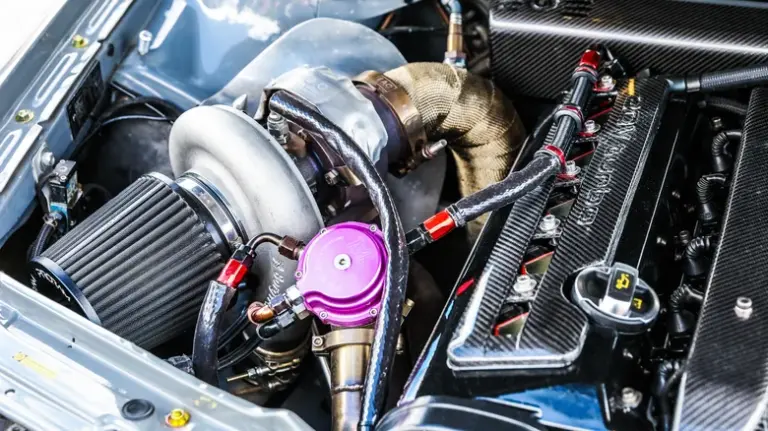
Every car owner has thought about it at some point. You press the gas pedal, and you wish the car would just pull harder, accelerate quicker, and feel more alive. A lot of people assume the only way to get there is by adding a turbo or supercharger. That is not entirely true.
There are plenty of ways to make a car feel faster, respond better, and perform stronger without touching forced induction. Some of them are simple. Others take a bit more effort. But when done right, they can completely change how your car drives.
Here is the important part that most people miss. Going faster is not just about horsepower. It is about how the car delivers that power, how it grips the road, how it stops, and how it responds to your inputs. A car that handles well and puts power down efficiently will feel faster than a more powerful car that struggles for traction.
So instead of chasing big numbers, the smart approach is to improve the whole package. That is how you get real-world speed that you can actually use.
1. Why Proper Maintenance Is the Cheapest Performance Upgrade You Can Make
Before you even think about upgrades, start here. A poorly maintained car will never perform at its best. You would be surprised how many vehicles feel slow simply because they are overdue for basic service.
Engines rely on clean oil, proper fuel delivery, and efficient ignition to perform correctly. When any of those areas are neglected, performance drops.
Here are the key areas to focus on:
- Engine oil and filter: Dirty oil increases friction and reduces efficiency
- Air filter: A clogged filter restricts airflow and limits power
- Spark plugs: Worn plugs reduce combustion efficiency
- Fuel system: Clean injectors ensure proper fuel delivery
I have seen cars gain noticeable performance just from replacing old spark plugs and filters. It is not flashy, but it works.
Do not forget the cooling and braking systems either. Old brake fluid absorbs moisture, which can affect braking performance when things get hot. A well-maintained car is safer and faster.
Benefits of proper servicing:
- Better engine response
- Improved reliability
- Longer engine life
- Lower long-term repair costs
Downside:
- Requires time and routine attention
If your car is not properly maintained, no upgrade will fix that. Start here every time.
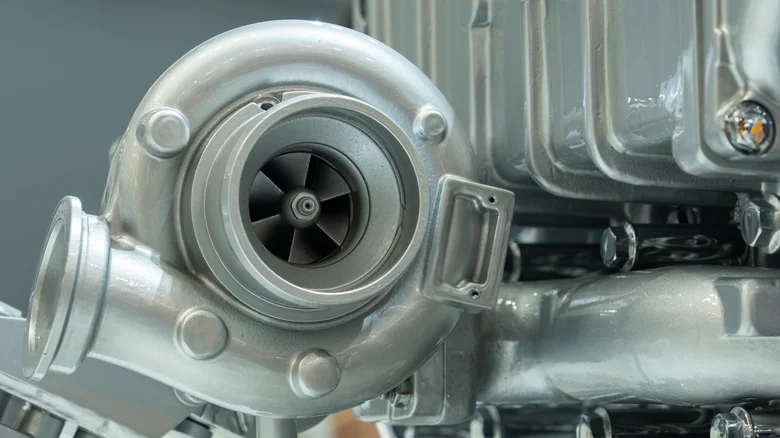
2. Air and Fuel: The Foundation of Engine Power
An engine needs two main things to make power. Air and fuel. That is it. The more efficiently it can bring those two together, the better it performs.
Improving airflow is one of the easiest ways to increase performance without adding a turbo. A better intake system allows cooler, denser air into the engine. Cooler air contains more oxygen, which improves combustion.
Upgrades to consider:
- High-flow air filters
- Cold air intake systems
- Upgraded fuel injectors or pump for performance builds
In real-world terms, do not expect massive gains from just an intake alone. But combined with other upgrades, it helps the engine breathe better and respond quicker.
Think of it like this. If your engine cannot breathe properly, it cannot perform properly.
3. Reduce Weight: The Easiest Way to Feel Faster Instantly

This is one of the most overlooked ways to improve speed. You do not always need more power. Sometimes you just need less weight.
Every extra pound your car carries requires energy to move. Reduce that weight, and the same engine suddenly feels stronger.
Here is a simple comparison:
| Vehicle Weight | Power Needed for Similar Performance |
|---|---|
| 4000 lbs | High horsepower required |
| 2000 lbs | Much less horsepower needed |
Ways to reduce weight:
- Remove unnecessary items from the trunk
- Take out unused rear seats if practical
- Use lighter wheels
Even small changes can make the car feel more responsive.
Pros:
- Faster acceleration
- Better handling
- Reduced strain on brakes
Cons:
- Less comfort
- Reduced practicality for daily use
In the real world, this is one of the quickest ways to feel a difference without spending much money.
4. Tires: Where Speed Actually Meets the Road
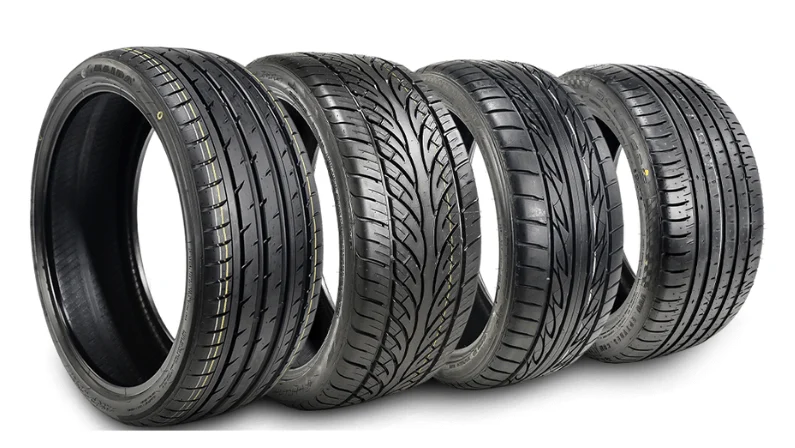
You can have all the power in the world, but if your tires cannot grip the road, it means nothing.
Good tires improve acceleration, braking, and cornering. They allow your car to use the power it already has.
This is especially important when driving on twisty roads or in wet conditions. Better tires give you confidence to push the car safely.
Upgrading tires is one of the smartest performance investments you can make.
Pros:
- Improved traction
- Better braking performance
- Enhanced cornering stability
Cons:
- Higher cost compared to basic tires
- Faster wear on performance tires
If your car feels slow off the line, sometimes the problem is not power. It is grip.
5. Brakes: Why Faster Cars Need Better Stopping Power
This might sound backwards, but better brakes make your car faster.
When you know your car can stop quickly and safely, you can carry more speed into corners and brake later. That improves overall performance.
Start with these upgrades:
- Performance brake pads
- Upgraded rotors
- Fresh brake fluid
- Improved brake lines
In performance driving, braking is just as important as acceleration. Ignoring it is a mistake.
6. Suspension: Control Equals Speed
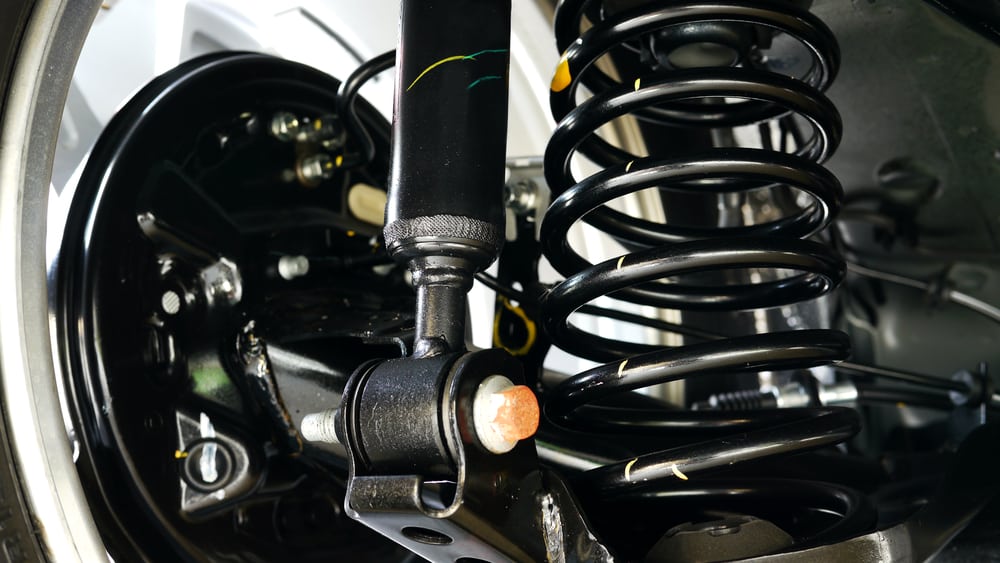
If your suspension is worn out, your car will feel loose and unstable. That makes it harder to accelerate, corner, and brake effectively.
Replacing old suspension components can transform how the car feels.
Key components to check:
- Shocks and struts
- Suspension bushings
- Control arms
Fresh suspension improves traction and stability. That means you can put power down more effectively.
A car that handles well feels faster, even if the engine output stays the same.
7. ECU Remapping: Unlocking Hidden Performance
Modern cars are controlled by an engine computer, known as the ECU. This system manages fuel delivery, ignition timing, and other key functions.
Remapping the ECU adjusts these settings to improve performance. This is often called stage 1 tuning.
In many cases, this can increase power and torque by adjusting how the engine operates.
But here is the reality. Naturally aspirated engines will not gain as much as turbocharged ones. The improvement is noticeable, but not dramatic.
Pros:
- Better throttle response
- Improved torque delivery
- Smoother power curve
Cons:
- Limited gains on non-turbo engines
- Potential strain on components if done poorly
Always use a reputable tuner. A bad tune can cause more harm than good.
8. Driving Skill: The Upgrade Most People Ignore

You can spend thousands upgrading your car, but if your driving skills are not there, you will not see the full benefit.
Learning how to control throttle input, brake properly, and take corners efficiently makes a bigger difference than most modifications.
Even something as simple as smoother acceleration can make the car feel quicker.
Taking a driving course or practicing in a safe environment can improve your performance more than any single upgrade.
9. Exhaust System: Helping the Engine Breathe Out
If the intake helps the engine breathe in, the exhaust helps it breathe out.
A less restrictive exhaust system allows gases to exit more efficiently. That can improve engine performance and throttle response.
This is especially noticeable on engines with more cylinders, like V6 or V8 setups.
Things to consider:
- Performance exhaust systems
- High-flow catalytic converters
- Upgraded headers
Expect a combination of better sound and slight performance gains. It is not just about noise. When done right, it improves efficiency.
Putting It All Together: Real Speed Comes From Balance
Here is the truth that many people overlook. Making a car faster is not about one single upgrade. It is about how everything works together.
You can add power, but without grip, it is useless. You can improve handling, but without braking, it becomes risky. You can upgrade everything, but without skill, it does not translate to real performance.
The fastest cars are not always the ones with the highest horsepower. They are the ones with the best balance.
If you want your car to feel faster without a turbo, focus on the full package. Improve how it breathes, how it grips, how it stops, and how you drive it. That combination will always outperform chasing one big number.
So before you spend money on the next upgrade, ask yourself this. Are you improving the whole car, or just one part of it?