
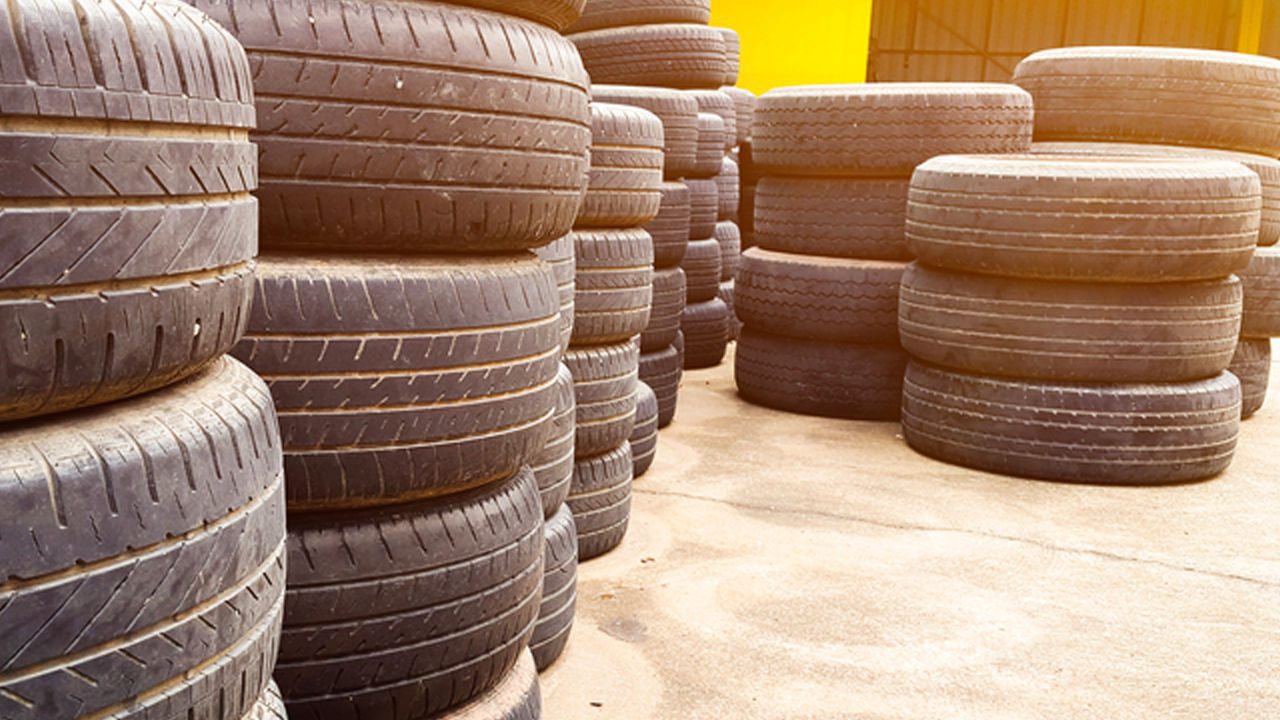
Take a look behind your garage right now. Odds are there is at least one old tire back there, maybe more, just sitting and waiting for you to figure out what to do with it. Most people default to the easy option: haul it to the curb and let the trash service deal with it.
But here is the thing. That easy option is not actually free. Tires do not break down the way a cardboard box does. They sit in landfills for decades, sometimes longer, quietly leaching chemicals and taking up space that could be used for something else entirely.
Before you write off that old tire as garbage, consider this: it can become a planter, a swing, a piece of furniture, or even raw material for a running track two towns over. Repurposing tires is not just a fun weekend project. It is a genuinely practical way to cut down on waste while getting something useful out of a product you already paid for.
Why an Old Tire in a Landfill Is a Bigger Deal Than It Looks
It is worth pausing here before jumping into the fun projects, because understanding the problem makes the solution feel a lot more worthwhile.
Tires do not decompose like organic waste. When they end up in a landfill or, worse, an illegal dump site, they can slowly release chemicals into the surrounding soil and groundwater. That contamination does not stay contained. It moves through local ecosystems, affects plant life, and in some cases works its way into nearby water supplies.
There is also the fire risk to consider. Tire piles are notoriously hard to put out once they catch fire. Some tire fires in the United States have burned for weeks, releasing thick black smoke loaded with toxic compounds into the air for miles around. Firefighters generally treat large tire fires as a different category of emergency altogether, precisely because rubber burns so differently from wood or paper.
Even a single tire left outside can cause smaller, sneakier problems. Rainwater collects inside the rim, creating a perfect breeding ground for mosquitoes. Some cities actually fine homeowners for leaving old tires exposed outdoors for exactly this reason.
None of this means you need to feel guilty about the tire sitting in your garage. It just means that a little effort toward repurposing or properly recycling it goes further than you might think.
Backyard Projects That Turn Junk Into Something Genuinely Useful
The backyard is usually the best place to start, since most of these projects only need a tire, some paint, and a free Saturday afternoon.
Build a Planter That Costs Almost Nothing
This is probably the single easiest project on this list, and it looks better than you would expect once it is finished. Line a walkway with a few painted tire planters and your yard suddenly has a bit of personality it did not have before.
- Clean the tire completely, scrubbing off dirt, grease, or any leftover road grime.
- Paint it with a weather-resistant outdoor paint if you want a decorative look.
- Fill it with a well-draining potting mix suited to whatever you are planting.
- Add your flowers, herbs, or small vegetables directly into the soil.
Tire planters drain exceptionally well compared to many plastic pots, which is something a lot of gardeners actually prefer. Stack two or three tires together and you have a raised bed deep enough for root vegetables like carrots or potatoes.
Make a Tire Swing That Kids Will Fight Over
Few backyard projects give as much return for as little effort as a good old tire swing. If you have a solid tree branch or a sturdy play structure, this whole project takes under an hour.
- Find a branch or structure rated to safely hold a swinging load.
- Drill a few drainage holes in the bottom so rainwater does not pool inside.
- Run rope or chain through the tire, tying secure knots meant for outdoor weight-bearing use.
- Hang it at a height appropriate for the age of the kids using it.
Want to take it further? Stack a few extra tires and bolt them into a small climbing structure. Just double check every joint is secure before letting anyone near it. A loose tire tower is fun for about five seconds before it becomes a trip to urgent care.
Try Rubber Mulch for a Landscaping Upgrade That Lasts
Rubber mulch has picked up a solid following in landscaping circles, and for good reason. It holds up far longer than wood chips, does not wash away in heavy rain, and does a genuinely good job keeping weeds down.
- Clean the tire thoroughly before cutting into it.
- Cut the sidewalls into strips or rings using a utility knife or reciprocating saw.
- Lay the rubber pieces around garden beds, leaving room near plant stems for airflow and growth.
One important note: keep rubber mulch away from anything edible. There is ongoing debate about trace chemicals leaching from tire rubber into soil over time, so stick to flower beds and decorative landscaping rather than the vegetable patch.
Home Improvement Projects Where an Old Tire Earns Its Keep
Once you move past the backyard, tires can genuinely serve a real purpose inside and around the house. Some of these take more effort than a weekend planter, but the results are worth it.
Furniture That Gets Compliments Instead of Questions
This sounds unlikely until you actually see one finished. A well-built tire ottoman or coffee table looks genuinely stylish, and most guests would never guess what it started life as.
- Wrap a tire in thick rope for a rustic ottoman base
- Add a round wood top and cushion for a functional coffee table
- Paint several tires and stack them for casual outdoor patio seating
A coat of paint and some upholstery work can turn something people usually walk right past into a conversation piece.
Solve Garage Clutter With Tire-Based Shelving
Garages have a way of accumulating clutter faster than anyone expects, and stacked tires make surprisingly effective storage shelving. Bolt a few together vertically and you get sturdy compartments for tools, seasonal gear, or sports equipment.
Another option is hanging tires from the ceiling using rope or chain to create suspended storage bins. It clears floor space and keeps smaller items like garden tools or kids’ outdoor toys off the ground entirely.
Explore Tire Roofing and Insulation With Professional Help
This one is more ambitious and not something to attempt solo. Some sustainable building projects, sometimes called Earthship construction, use tires packed with earth as structural walls. Others use tires filled with soil as a base for green roofs, adding a layer of natural insulation and reducing energy costs.
Shredded rubber can also work as insulating filler inside walls or floors, helping regulate temperature and dampen sound between rooms. If any of this interests you, talk to a contractor who has actual experience with alternative building materials. This is not a project to freelance based on a blog post.

Where Old Tires Go When They Get Recycled Properly
Beyond DIY projects, tires get a genuine second life once they enter proper recycling channels. This is worth knowing, especially if you have more tires than any backyard project could realistically use.
| Recycled Tire Product | Where It Ends Up |
|---|---|
| Rubberized asphalt | Road paving, reduces noise and improves surface durability |
| Rubber mulch | Playgrounds, sports fields, decorative landscaping |
| Running tracks | School and professional athletic tracks |
| Industrial fuel | Some manufacturing plants burn shredded tires as an energy source |
| Anti-fatigue mats | Workshops, home gyms, and industrial floors |
Most recycling centers accept old tires specifically to feed these programs. So instead of a tire sitting in a landfill for the next fifty years, it might end up as part of the running track your kid trains on next season, or the quieter asphalt on the highway near your house.
DIY Garage Flooring From Old Tires
Cut old tires into strips or tiles and you get durable, slip-resistant flooring that holds up well in a workshop, garage, or home gym. It resists dropped tools and spilled fluids far better than most people expect, and it costs a fraction of what commercial rubber flooring rolls run at the hardware store.
Yard Art That Actually Turns Heads
If you enjoy hands-on creative projects, tires make excellent raw material for sculptures, garden ornaments, or painted yard displays. A row of tires painted to look like a giant caterpillar has practically become a small-town park tradition, and the whole project barely costs more than a few cans of paint.
None of This Matters If You Get Hurt Doing It
Every project on this list is worth doing carefully. Tires are heavier and more awkward than they look, and a utility knife slipping through rubber sidewall has sent more than a few overconfident weekend warriors to the emergency room.
Move Tires the Smart Way
Lift with your knees, not your back, and ask for help moving anything particularly heavy or bulky. Rolling or tossing tires around might feel efficient in the moment, but it is also a fast way to bruise an ankle or crush a toe.
Inspect Before You Cut Into Anything
Before repurposing a tire, take a close look for these warning signs:
- Bulges or unusual bubbling along the sidewall
- Cracks running through the tread or sidewall
- Exposed steel belting or wire
- Deep gouges or cuts from old road debris
A damaged tire is not just a poor candidate for a DIY project, it can also become a genuine hazard sitting in your garage, especially with kids or pets around.
Hazards Worth Taking Seriously
| Hazard | How to Handle It |
|---|---|
| Sharp objects stuck in the tread (nails, glass, metal shards) | Wear thick work gloves any time you handle used tires |
| Residual manufacturing or road chemicals | Wash hands thoroughly after handling, avoid prolonged skin contact |
| Fire risk from flammable rubber | Never burn tires, and keep them clear of open flames or sparks |
| Standing water inside stored tires | Drill drainage holes or store tires under cover to keep mosquitoes away |
A few minutes of caution up front saves a lot of trouble later. Cutting gloves and safety glasses cost less than a fast food combo meal, and they make a real difference when wrestling with a utility knife and stubborn rubber.
When a Tire Cannot Be Reused, Recycle It the Right Way
Not every tire deserves a second act as a planter or a swing. Some are simply too worn, too damaged, or there are just more of them than any reasonable project could use.
Most cities offer recycling programs or designated drop-off points, often for a small fee per tire. Auto shops that install new tires are frequently required to take the old ones off your hands too, so it never hurts to ask your mechanic the next time you get a set replaced.
Dumping tires illegally might feel like the free option, but the fines in many areas are steep, and the environmental cost, covered earlier, is not something worth passing along to your neighborhood or the nearest watershed.
So the next time you find yourself staring at a pile of old tires wondering what to do with them, skip the curb. Turn one into a garden planter, build a swing your kids will actually use, or drop the rest off at a proper recycling center. A little effort now keeps that rubber out of a landfill for decades, and honestly, a flower-filled tire planter looks a lot better than a bare tire rotting behind the garage.