

A BMW sunroof that refuses to close is more than just an inconvenience. Leave it open when a storm rolls in and you are looking at a soaked interior, water-damaged electronics, and potentially a very expensive repair that had nothing to do with the sunroof itself. It is one of those problems that demands immediate attention, not a “I will deal with it this weekend” approach.
The good news is that most BMW sunroof closing failures come from a predictable list of causes. Some of them you can fix yourself in your driveway in under 20 minutes. Others require a shop. Knowing which category your problem falls into is the first step, and that is exactly what this guide covers.
Why Your BMW Sunroof Will Not Close: The Real Causes
Before reaching for tools or calling a dealer, you need to understand what is actually going wrong. BMW sunroof systems are a mix of electrical controls, mechanical components, and sensors that all have to work together. When any one of those pieces fails or falls out of sync, the whole system can stop cooperating. Here is what typically causes the problem.
Electrical Faults: Blown Fuses and Bad Switches
Electrical problems are one of the most common reasons a BMW sunroof stops closing. The sunroof motor needs a clean, uninterrupted power supply to operate. When a fuse blows or a relay fails, that power supply gets cut and the sunroof simply stops responding to commands. You press the button and nothing happens. No movement, no noise, nothing.
The sunroof switch itself can also be the culprit. If the switch has an internal fault, it may not be sending a proper signal to the motor even when it feels like it is working. A switch that clicks but produces no sunroof movement, or one that only works intermittently, is a strong indicator of a switch fault rather than a motor problem.
Start with the fuse. It is the easiest and cheapest thing to check. Find your BMW’s fuse box layout in the owner’s manual, locate the sunroof fuse, and inspect it. A blown fuse is visually obvious once you pull it out and hold it up to light. Replace it with a new fuse of the exact same amperage rating. If the new fuse blows immediately or shortly after replacement, stop there. A fuse that keeps blowing indicates a short circuit somewhere in the sunroof system that needs professional diagnosis.
Mechanical Problems: Dirty Tracks, Debris, and Misaligned Guides
The sunroof slides along tracks that run along the edges of the roof opening. Over time, those tracks collect dirt, dried leaves, pine needles, and general road grime. When debris builds up to a certain point, the sunroof panel cannot slide freely. It either moves slowly, makes grinding noises, or stops partway and reverses because the motor senses resistance and triggers the anti-pinch safety function.
Misaligned guide rails are another mechanical issue worth checking. If the sunroof panel has come slightly off its guides, it will not travel in a straight line and will bind up before reaching the fully closed position. This often happens gradually over time or after a hard impact on the roof.
Lack of lubrication makes both of these issues worse. Dry tracks create friction, and that friction either slows the sunroof down or triggers the safety reversal. Keeping the tracks clean and properly lubricated is one of the simplest forms of sunroof maintenance and prevents a large percentage of mechanical closing failures.
The Wind Deflector: The Cause Nobody Thinks to Check
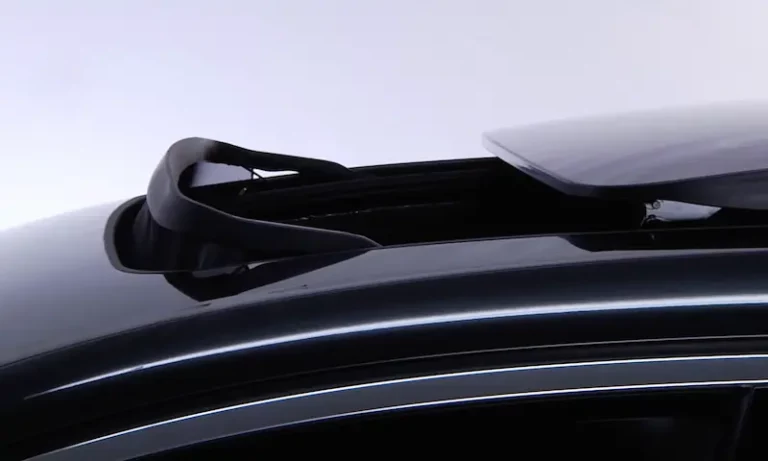
Here is one that catches BMW owners completely off guard. When the sunroof is open, a plastic wind deflector pops up at the front edge of the opening to redirect airflow and reduce cabin buffeting. When you close the sunroof, that deflector is supposed to fold back down as the glass panel slides forward over it.
If the deflector is bent, warped, or positioned slightly wrong, the glass panel hits it on the way forward and cannot complete its travel. The system detects the obstruction and reverses, making it look like the sunroof is bouncing back for no reason. From inside the car, it genuinely looks like a glitch, but it is actually a very physical problem.
According to discussions on Bimmerfest, a bent deflector can cause exactly this bouncing-back behavior, and the fix is straightforward: carefully bend the ends of the deflector up just slightly. That small adjustment can resolve what feels like a major malfunction in under five minutes.
Panoramic Sunroof Specific Problems
BMWs equipped with panoramic sunroofs have a more complex system with larger glass panels, multiple motor points, and additional sensors. Problems specific to panoramic setups include the tilt function working but the slide function failing (or vice versa), one panel moving while the other stays put, and the system entering a fault mode where it locks out all commands until reset.
Panoramic sunroof issues are also more likely to require professional diagnosis because the system is more integrated with the vehicle’s body control module. A generic reset procedure does not always work on panoramic systems the same way it does on standard sunroofs. If the basic troubleshooting steps below do not resolve a panoramic roof problem, dealer-level diagnostic equipment is typically needed.
Anti-Trap Sensor Calibration Loss
BMW sunroofs have a built-in anti-trap or anti-pinch safety system. This system monitors the resistance the motor experiences as the sunroof moves. If resistance rises above a certain threshold, the system assumes something is caught in the sunroof and reverses direction to prevent injury or damage. This is a safety feature, and it works well. But it can also be triggered incorrectly if the system loses its calibration.
When the calibration is off, the system may sense “resistance” even when nothing is obstructing the sunroof. It reverses every time, and the sunroof refuses to close completely. This is one of the most common causes of BMW sunroof closing failure, and it is also one of the easiest to fix. A sunroof reset, which is essentially a recalibration procedure, often resolves this problem entirely without any parts replacement.
Used BMWs With Pre-Existing Sunroof Issues
If you purchased a used BMW and the sunroof problem appeared quickly after buying it, there is a reasonable chance the issue existed before you owned the vehicle. Previous owners sometimes defer maintenance, skip sunroof lubrication for years, or ignore early warning signs that eventually compound into a full closing failure. Buying a used BMW with an uninspected sunroof is a bit of a gamble, and it is worth having the sunroof specifically evaluated as part of any pre-purchase inspection.
How to Fix a BMW Sunroof That Will Not Close
Work through these solutions in order. Start with the simplest and least invasive fix first. There is no point pulling the headliner to inspect the motor if a sunroof reset resolves the problem in 30 seconds.
Fix 1: Perform the BMW Sunroof Reset (Anti-Trap Recalibration)
This is the first thing to try in almost every BMW sunroof closing failure scenario. The reset procedure recalibrates the anti-trap system and often resolves a bouncing-back or unresponsive sunroof immediately. Here is the exact process:
- Sit in the vehicle with the ignition on. You do not need the engine running, but the ignition needs to be in the on position.
- Press and hold the sunroof button continuously. Do not release it.
- Keep holding the button for approximately 15 seconds. The sunroof will begin moving through a sequence: it will tilt up, then open fully, then close fully.
- Once the sunroof has fully closed, release the button. That completes the first cycle.
- Press and hold the button again for another 15 seconds. The sunroof will go through the same sequence a second time: tilt, fully open, then fully close.
- Release the button once it has fully closed again.
- Test the sunroof with single button presses to open and close normally.
If the sunroof now opens and closes cleanly with single presses, the recalibration worked. The anti-trap system has re-learned its reference points and should operate normally going forward. If the problem returns after a short time, check the tracks for debris or binding that may be causing legitimate resistance and triggering the sensor again.

Fix 2: Clean and Lubricate the Sunroof Tracks
If the reset works temporarily but the problem keeps coming back, dirty or dry tracks are almost certainly causing real resistance that keeps knocking the anti-trap calibration out. Here is how to address it properly.
Open the sunroof fully so you have access to the track channels on both sides. Use a soft cloth or a toothbrush to scrub out any visible dirt, grit, or debris from the tracks. Pay particular attention to the front corners where leaves and smaller debris tend to pack in. After cleaning, apply a silicone-based spray lubricant along the full length of both tracks. Do not use WD-40 or any petroleum-based product. Those attract more dirt over time and will make the problem worse within a few months.
Open and close the sunroof several times after lubricating to work the product into the track. Then perform the reset procedure again. The combination of clean, lubricated tracks and a fresh anti-trap calibration resolves the vast majority of BMW sunroof closing issues that do not involve actual component failure.
Fix 3: Inspect and Adjust the Wind Deflector
If the sunroof is bouncing back specifically when it tries to close, open the sunroof and take a close look at the wind deflector. Look at the shape of it carefully, particularly the ends. A deflector that is bowed downward at the edges or bent slightly out of shape can catch the glass panel on its way forward.
The fix, as documented by BMW owners who have worked through this problem, is to very gently bend the ends of the deflector upward by a small amount, just a few millimeters. This adjustment changes the profile so the glass panel slides over the deflector cleanly rather than making contact with it. Use care when doing this. The deflector is plastic and can crack if you apply too much force. Work slowly and test after each small adjustment.
Fix 4: Check the Fuse
If the sunroof is completely unresponsive and the reset procedure does nothing at all, check the fuse before assuming the motor has failed. An unresponsive sunroof with zero sound or movement when the button is pressed is a classic sign of a blown fuse or a broken circuit.
Pull out your owner’s manual and find the fuse diagram. The sunroof fuse is typically found in the interior fuse box, though this varies by model year. Pull the fuse, hold it up to light, and look for a broken wire inside the fuse casing. Replace any blown fuse with a new one of the exact same amperage. Do not substitute a higher-rated fuse. That bypasses a safety protection and can damage the wiring or the motor.
Fix 5: Manually Close the Sunroof in an Emergency
If you are stuck with an open sunroof and rain is on the way, you need to close it manually before anything else. Most BMW sunroofs allow for manual operation using a hex wrench through an access panel in the headliner.
The access panel is typically a small removable cover in the headliner near the front of the sunroof opening. Once removed, you will see the sunroof motor shaft. Insert the appropriate hex wrench (check your owner’s manual for the correct size for your model) and turn it manually to drive the sunroof closed. This is slow, and it takes more turns than you might expect, but it gets the job done and protects your interior until a proper repair can be made.
Do not force the wrench. If you feel significant resistance, stop and figure out what is binding before continuing. Forcing a mechanically jammed sunroof can strip gears or damage the motor.
Fix 6: Inspect the Sunroof Motor
If the fuse is good, the tracks are clean, the reset has been performed, and the sunroof still will not close, the motor itself may be failing. Sunroof motors can wear out, particularly on high-mileage vehicles or older BMWs where the motor has been working with poorly lubricated tracks for years, creating excessive load on the motor windings.
Inspecting the motor involves accessing it through the headliner, which requires some disassembly. You can check for visible signs of burning, corrosion, or physical damage to the motor body. A motor that hums but does not produce movement is a motor that is trying but mechanically seized or electrically failing. At this point, professional assessment is the right move unless you are very comfortable with electrical component testing.
Fix 7: Check the Sunroof Switch
A faulty sunroof switch is less common than the other causes but absolutely happens. If you hear an audible click when pressing the button but the sunroof does not respond, that clicking sound is the switch making contact mechanically but potentially not completing the electrical circuit. This can be confirmed by measuring voltage output from the switch with a multimeter when the button is pressed.
As noted in this Bimmerfest discussion, clicking without sunroof movement is a recognized symptom of switch failure on BMW models. Switch replacement is typically a dealer or shop job since the overhead console needs to be carefully removed to access and replace the switch assembly without damaging the headliner.
When to Stop DIY and Go to a Professional
There is a clear line between what most BMW owners can handle themselves and what genuinely requires shop-level expertise and equipment. Here is how to know when you have crossed that line.
- The fuse keeps blowing every time you replace it, indicating a short circuit in the wiring
- The reset procedure does not work at all and the sunroof is completely unresponsive after confirming the fuse is good
- The motor hums but produces no movement even on clean, lubricated tracks
- The sunroof panel is visibly misaligned or sitting at a wrong angle relative to the roof
- You have a panoramic sunroof with multiple panels and partial movement failure
- Water has already entered the cabin and you suspect a drain tube or seal issue in addition to the closing failure
For professional repair, you have two main options. A BMW dealership has factory-trained technicians, access to genuine BMW parts, and diagnostic systems that communicate directly with the vehicle’s control modules. The trade-off is cost. Dealer labor rates are generally higher than independent shops.
An independent shop that specializes in European or specifically BMW vehicles is often a cost-effective alternative. These shops frequently have the same diagnostic capabilities as dealerships, access to OEM-quality parts, and the experience to work on BMW sunroof systems specifically. Look for shops with verified BMW experience and check reviews from other BMW owners in your area before committing.
Whichever route you choose, give the technician as much specific information as possible. Tell them whether the sunroof bounces back, makes no movement at all, moves partially, or only fails in a specific direction. That detail cuts diagnostic time significantly and gets you to the right repair faster.
BMW Sunroof Repair Cost Guide
Costs vary considerably depending on which component is at fault and whether you go to a dealer or an independent shop. Here is a realistic range to help you plan.
| Repair | DIY Cost | Shop Cost (Parts + Labor) |
|---|---|---|
| Sunroof reset (recalibration) | $0 | $50 to $100 (diagnostic fee if charged) |
| Track cleaning and lubrication | $5 to $15 (cleaner and lubricant) | $75 to $150 |
| Fuse replacement | Under $5 | $50 to $75 (if part of a diagnostic visit) |
| Wind deflector adjustment | $0 | $50 to $100 |
| Wind deflector replacement | $30 to $80 (part only) | $150 to $300 |
| Sunroof switch replacement | $50 to $150 (part only) | $200 to $400 |
| Sunroof motor replacement | $100 to $300 (part only, complex job) | $400 to $800+ |
| Full sunroof mechanism replacement | Not recommended as DIY | $1,000 to $2,500+ |
As with most vehicle repairs, catching the problem early and addressing the basic causes first, such as the reset, track cleaning, and fuse check, keeps costs at the low end of that range. Ignoring an early-stage sunroof issue until the motor burns out trying to fight dirty, binding tracks is how a $15 maintenance job turns into a $600 motor replacement.
BMW Sunroof Won’t Close: Quick Troubleshooting Reference
| Symptom | Most Likely Cause | First Step |
|---|---|---|
| Sunroof bounces back when closing | Anti-trap calibration loss or bent deflector | Perform sunroof reset; inspect deflector |
| No movement, no sound when button pressed | Blown fuse or failed switch | Check and replace fuse; test switch |
| Sunroof moves slowly and stops | Dirty or dry tracks | Clean tracks and lubricate; then reset |
| Motor hums but sunroof does not move | Mechanical jam or motor failure | Inspect tracks for blockage; professional assessment |
| Clicking sound but no movement | Faulty sunroof switch | Switch inspection and replacement |
| Sunroof partially closes but stops | Debris in track or guide misalignment | Clean tracks; check guide alignment |
| Panoramic panel uneven or partial movement | Sensor or control module fault | Professional diagnosis with factory scan tool |
Preventing BMW Sunroof Problems Before They Start
A BMW sunroof that is properly maintained rarely fails unexpectedly. The majority of closing issues develop gradually from neglect rather than appearing suddenly from nowhere. Here is what consistent maintenance looks like for a BMW sunroof.
Clean and Lubricate the Tracks Every Six Months
Twice a year, open the sunroof fully and take five minutes to wipe down the tracks and apply fresh silicone lubricant. Spring and fall are good times since they coincide with seasonal debris changes. This one habit eliminates the most common cause of anti-trap triggering and keeps the motor working within its design limits rather than fighting unnecessary resistance.
Keep the Sunroof Drain Tubes Clear
BMW sunroofs have drain tubes at the corners of the sunroof tray that carry away water that gets past the glass panel. When those tubes get clogged, water backs up and can overflow into the cabin through the headliner or A-pillar channels. Blocked drains also create standing water around the sunroof mechanism, which accelerates corrosion on the motor and electrical connectors. Check and clear the drain tubes at least once a year.
Inspect the Seal Periodically
The rubber seal around the sunroof perimeter keeps water out when the sunroof is closed. A cracked or shrunken seal allows water intrusion that damages the headliner and creates an environment for electrical corrosion. Apply rubber conditioner to the seal once a year to keep it pliable and extend its service life.
Do Not Force a Stiff Sunroof
If the sunroof is moving slowly or feels resistant, that is a signal to clean and lubricate the tracks, not to hold the button longer and force it through. Forcing a stiff sunroof puts excessive load on the motor and can strip the drive gears over time. Slow movement is a maintenance indicator, not something to push through and ignore.
Common Questions About BMW Sunroof Closing Problems
Will the BMW sunroof reset work on all models?
The basic hold-and-cycle reset procedure works on a wide range of BMW models including the 3 Series, 5 Series, X3, X5, and others. The button location and exact timing can vary slightly by model year, but the fundamental process is consistent across most BMW sunroof systems. Panoramic sunroofs on some models may require a modified procedure. If the standard reset does not work after two attempts, consult a BMW-specific forum or your owner’s manual for model-specific instructions.
How often does the anti-trap calibration need to be reset?
A properly maintained sunroof should not need frequent resets. If you find yourself performing the reset every few weeks, something else is wrong. The most common cause of repeated calibration loss is dirty or dry tracks creating genuine resistance that keeps triggering the anti-trap sensor. Fix the underlying mechanical condition and the calibration will hold.
Can a bad battery cause the sunroof to stop closing?
Yes, it can. A weak battery that cannot maintain adequate voltage under load may cause the sunroof motor to lose power partway through its travel. The system detects the drop in motor performance and may shut down or reverse as a safety measure. If your BMW’s battery is more than four years old and you are experiencing sunroof issues alongside other electrical complaints, have the battery tested before spending money on sunroof-specific repairs.
Is it safe to drive with the sunroof stuck open?
At highway speeds, an open sunroof creates significant wind noise and buffeting that can be fatiguing on longer drives. More practically, if rain is in the forecast, driving with a stuck-open sunroof is a risk you should not take. Even a brief shower can put several liters of water into your interior, damaging the headliner, soaking the seats and carpet, and reaching electrical components below the floor. Use the manual closing method described above to get the sunroof shut before driving in wet conditions.
One Thing Worth Remembering About BMW Sunroof Repairs
BMW builds well-engineered vehicles, and the sunroof system on most models is robust when it receives basic care. The reset procedure and a track cleaning resolve the closing problem for the majority of BMW owners who take the time to work through it systematically rather than immediately calling a shop.
That said, BMW sunroof components are not cheap to replace, and the labor to access them properly takes time. Every dollar you spend on preventive maintenance, a $10 can of silicone spray twice a year and five minutes of track cleaning, is money that keeps a much larger repair bill from forming down the road.
If you have already tried the reset, cleaned the tracks, checked the deflector, and confirmed the fuse is good but the sunroof still will not close, stop guessing and get professional diagnostic equipment involved. Some problems genuinely require factory-level tools to trace accurately, and chasing them without the right equipment wastes both time and money. Know where the DIY line ends and call the right shop before you cross it.