
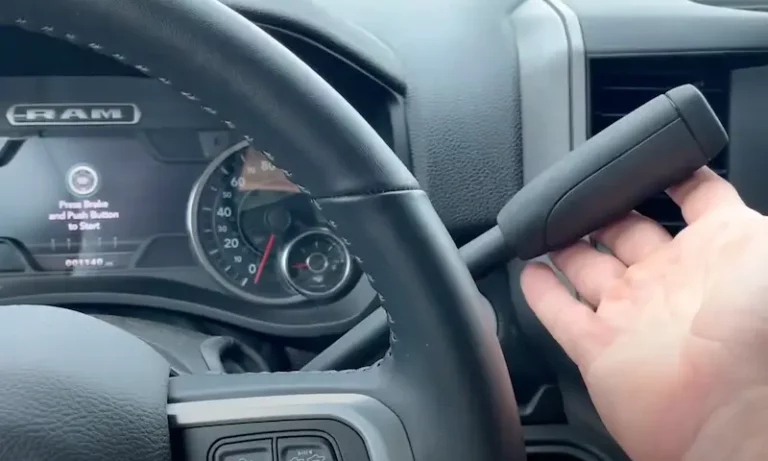
If you own a Dodge Ram and the gear selector has started giving you trouble, you already know how quickly this kind of problem goes from annoying to legitimately dangerous. A truck that will not shift out of Park when you need to move, a gear indicator that shows one position while the transmission is actually in another, or a shifter that feels loose and imprecise are not problems you can put off and deal with later. These are issues that affect how safely the truck operates every single time you get behind the wheel.
Gear selector problems on the Dodge Ram are well-documented. They span multiple generations of the truck and cover both column-mounted and floor-mounted shifter configurations. The causes range from simple mechanical wear to electrical faults in the shift interlock system to software issues in the transmission control module. Knowing which category your problem falls into is what separates a quick, cheap fix from an unnecessary and expensive repair.
This guide covers everything you need to know, from recognizing the specific symptoms to understanding what is causing them, to actually fixing the problem the right way.
The Most Common Dodge Ram Gear Selector Problems and What They Feel Like
Gear selector problems do not always look the same from one Ram to the next. Here is a breakdown of the specific symptoms that Ram owners report most frequently, along with what each symptom actually tells you about what is wrong underneath.
Stuck in Park and Cannot Shift Out
This is probably the single most frustrating gear selector problem a Ram owner can face. You press the brake, try to move the shifter out of Park, and it simply will not budge. The truck sits there. You press harder. Still nothing. This is not a transmission failure in most cases. It is usually a failure of the shift interlock system.
The shift interlock system is a safety feature that prevents the transmission from being shifted out of Park unless the brake pedal is depressed. It does this through a shift interlock solenoid that receives a signal from the brake light switch when you press the pedal. When the solenoid works, it releases the locking mechanism and allows the shifter to move. When either the solenoid fails or the brake light switch fails to send the correct signal, the lock stays engaged no matter how hard you press the brake.
A quick test: if your brake lights are not working when the truck is stuck in Park, the brake light switch is almost certainly the problem. If the brake lights work normally but the shifter is still stuck, the solenoid itself is the more likely culprit. Most Ram trucks also have a manual shift lock override, usually a small slot near the shifter covered by a plastic cap. Inserting a key or a thin tool into that slot allows you to override the interlock and move the shifter manually. This is a temporary solution to get the truck moving, not a permanent fix.
Gear Indicator Showing the Wrong Position
The gear position indicator on the instrument cluster or the PRND display in the center console is supposed to show you exactly which gear the transmission is in at all times. When that indicator starts showing the wrong position, or when it does not change at all as you move the shifter, the problem is almost always with the transmission range sensor, also called the neutral safety switch or park/neutral position switch depending on the model year.
This sensor sits on the transmission and monitors where the gear selector is positioned. It sends that information to both the instrument cluster for the gear display and to the transmission control module so the TCM knows which gear to command. When it fails or develops a fault, the display reads incorrectly, the truck may not start in what it thinks is Park or Neutral, and in some cases the backup lights may stop working since those are also triggered by the range sensor signal.
An inaccurate gear indicator should never be ignored. Driving with a faulty range sensor means the transmission control module may be receiving incorrect information about gear position, which can affect how and when it commands shifts. That directly affects transmission longevity.
Hard or Difficult Shifting Between Gears
If moving the gear selector from Park to Drive, or between any other positions, requires noticeably more force than it used to, the problem is usually mechanical. The shift linkage, which connects the physical gear selector to the transmission, can wear, stretch, or become misadjusted over time. On column-shift Ram trucks in particular, the linkage runs from the steering column down through the cab and can develop slack or binding points that make shifting feel stiff or imprecise.
On floor-shift configurations, a worn gate mechanism, a cracked cable, or debris accumulation in the shifter housing can create resistance. Cold weather makes this worse because lubricants thicken and seals contract. If your Ram only has difficulty shifting when temperatures are very low but improves as the truck warms up, dry or degraded lubrication in the shift mechanism is likely the cause.
Erratic or Unpredictable Shifting Behavior
Erratic shifting is different from hard shifting. This is when the transmission shifts at the wrong time, shifts harshly without warning, hunts between gears, or refuses to upshift or downshift at appropriate points. When the physical act of moving the gear selector works fine but the transmission behavior itself is unpredictable, the problem is usually in the transmission control module or the sensors feeding it data.
A faulty TCM can send incorrect commands to the transmission solenoids, resulting in shift timing that feels random or aggressive. Low transmission fluid is also a common cause of erratic shifting because the hydraulic pressure that actuates shifts depends on adequate fluid volume. A fluid level that is even slightly low can cause inconsistent shift quality, particularly under load or at higher temperatures.
Loose or Sloppy Gear Selector Feel
A gear selector that feels loose, wobbly, or imprecise, where you can move it around within each gate position without it feeling solidly located, typically indicates wear in the shift linkage components or the shifter housing itself. On high-mileage Rams, the plastic bushings and clips in the shift cable or linkage assembly wear down, creating slop in the selector movement.
This might seem like only a feel issue, but a loose selector can sometimes prevent the transmission from fully engaging a gear, leading to partial engagement where the gear appears selected but the transmission slips or delays. That partial engagement puts significant wear on clutch packs and bands inside the transmission. A loose selector that is not addressed promptly can become a much more expensive transmission problem down the road.
Root Causes of Dodge Ram Gear Selector Problems
Now that you understand what each symptom looks like, here is the breakdown of the actual underlying causes and what is needed to fix each one.
Failed or Sticking Shift Interlock Solenoid
The shift interlock solenoid is an electrically operated plunger that physically prevents the gear selector from leaving the Park position until the brake pedal is depressed. On the Dodge Ram, this solenoid sits inside the steering column housing on column-shift trucks or within the center console shifter assembly on floor-shift trucks.
Solenoids can fail in two ways. They can fail in the unlocked position, meaning the interlock does not prevent shifting even without the brake pedal depressed, which is a safety concern. More commonly, they fail in the locked position, trapping the shifter in Park. A solenoid that is physically sticking rather than electrically failing can sometimes be freed temporarily, but the proper fix is replacement of the solenoid assembly.
Before replacing the solenoid, verify that the problem is the solenoid and not the brake light switch. A simple check is to look at the brake lights. If pressing the brake pedal does not activate the brake lights, replace the brake light switch first. It is a $15 to $30 part and takes about 10 minutes to replace on most Ram trucks. Many cases of Dodge Ram trucks stuck in Park are resolved by this simple switch replacement.
Defective Transmission Range Sensor
The transmission range sensor monitors the rotational position of the manual valve in the transmission, which corresponds directly to what gear position the selector is in. On many Ram trucks, this sensor is located on the outside of the transmission housing and is accessible without dropping the transmission.
When the range sensor fails, you may see the gear indicator stuck on one position, jumping between positions randomly, or simply displaying nothing at all. Stored OBD-II codes related to the transmission range sensor, typically in the P07xx range, confirm the sensor is the problem. Replacement involves removing the old sensor, carefully noting the mounting position for the new one, and clearing the stored codes after installation to confirm the fix.
On some Ram trucks, the range sensor position is adjustable. A sensor that is slightly misaligned can cause inaccurate readings without the sensor itself being failed. A dealer or transmission specialist can check alignment before condemning the sensor.
Transmission Control Module Faults
The TCM is the computer that controls transmission shift points, shift firmness, torque converter lockup, and gear selection logic. On the Dodge Ram, the TCM communicates with the PCM and other vehicle modules over a CAN bus network. When the TCM develops a fault, it can manifest as erratic shifting, refusal to shift into certain gears, incorrect shift timing, or in severe cases, a transmission that stays locked in one gear as a fail-safe measure.
TCM problems are sometimes caused by software issues rather than hardware failure. Chrysler, which produces Dodge trucks, has released numerous TCM software updates over the years to address known calibration problems. A transmission that shifts erratically on a Ram with otherwise clean maintenance history is worth having the TCM software version checked before assuming the module needs replacement.
Actual TCM hardware failure is less common but does occur. Voltage spikes, moisture intrusion, and long-term heat exposure can damage TCM internals. A TCM that cannot be resolved with software updates requires replacement and reprogramming.
Low or Degraded Transmission Fluid
Transmission fluid is the medium through which hydraulic pressure is generated and controlled inside the transmission. It also lubricates moving parts and carries heat away from friction surfaces. When fluid level drops below the required range, hydraulic pressure becomes inconsistent, which directly affects shift quality and shift timing.
Degraded fluid, meaning fluid that is burnt, contaminated with metal particles, or simply old and broken down, is equally problematic even when the level is correct. Burnt fluid has reduced viscosity and lubrication properties. Fluid containing metal particles indicates internal transmission wear that needs immediate attention.
Check your Ram’s transmission fluid using the dipstick if your model has one. Some newer Ram trucks do not have a user-accessible dipstick, in which case fluid level and condition check requires a dealer or shop visit. Transmission fluid on the Ram 1500 and 2500 should be checked at the intervals specified in the owner’s manual, and more frequently if the truck is used for towing, hauling, or off-road driving.
Worn Shift Linkage or Shift Cable
The physical connection between the gear selector and the transmission involves either a cable or a rigid linkage rod depending on the model year and configuration. Both can wear out. Cables develop inner core fraying or outer sheath cracks that cause the cable to bind or stretch. Linkage rod connections develop slop in the joints and clips that hold them together.
When the linkage or cable becomes imprecise, the gear selector may not fully engage each position at the transmission even when it feels selected at the shifter. This is how you end up with a truck that appears to be in Drive but slips or hesitates because the transmission manual valve is not fully in the drive position. Linkage adjustment or cable replacement is the fix, and it is a repair that is typically straightforward for an experienced mechanic.
How to Fix Dodge Ram Gear Selector Problems Step by Step
Work through these in order, starting with the simplest and most accessible cause first.
Step 1: Check the Brake Light Switch First If Stuck in Park
Have someone stand behind the truck while you press the brake pedal. If the brake lights do not illuminate, the brake light switch is failed and is the most likely cause of the stuck-in-Park condition. Replace the brake light switch. On most Ram trucks it is located on the brake pedal arm bracket above the pedal and requires no tools beyond a small amount of patience to remove and reinstall.
After replacing the switch, confirm brake light function and then test whether the shifter releases normally when the brake is applied. If it does, you are done.
Step 2: Use the Manual Override to Free a Stuck Selector
If you need to move the truck before the repair is complete, use the shift lock override. On most Ram trucks, a small access slot is located near the base of the gear selector, often covered by a removable plastic cap. Insert a key, a flathead screwdriver, or a similar thin tool into the slot and press down while simultaneously moving the gear selector. This manually releases the interlock and allows the shifter to move. This is a get-out-of-trouble measure, not a permanent solution.
Step 3: Scan for OBD-II Codes
Before spending money on any component, connect an OBD-II scanner and pull all stored codes. Codes in the P07xx range typically point to transmission range sensor or transmission control issues. Codes in the P17xx or P18xx range on Ram trucks often relate to TCM communication or shift solenoid faults. Knowing exactly what codes are stored narrows the diagnosis considerably and prevents unnecessary parts replacement.
Write down every code, including any that appear as pending rather than confirmed. Clear the codes, drive the truck through a normal cycle, and see which codes return. Persistent codes that return immediately after clearing are the ones most worth addressing first.
Step 4: Check and Service the Transmission Fluid
Pull the transmission dipstick if your Ram has one and check fluid level and condition. The fluid should be bright red and have a slightly sweet smell. Dark brown or black fluid with a burnt smell needs to be changed immediately. A fluid level that is below the minimum mark needs to be topped off with the correct fluid type for your specific transmission, which is listed in your owner’s manual. Using the wrong fluid type is as bad as having no fluid at all on some transmission designs.
If the fluid contains visible metal particles or shavings, the problem is internal transmission wear and a simple fluid change will not fix it. That is a shop-level diagnosis that warrants a transmission inspection before you put more miles on the truck.
Step 5: Inspect and Replace the Shift Interlock Solenoid If Needed
If the brake light switch is confirmed good but the shifter is still stuck in Park, the interlock solenoid is the next component to address. On column-shift Ram trucks, accessing the solenoid typically involves removing the steering column shroud panels. On floor-shift trucks, the center console trim needs to come apart to access the shifter assembly. The solenoid is usually connected by one or two wiring harness connectors and secured by one or two mounting screws.
Before ordering parts, use a test light or multimeter to confirm whether the solenoid is receiving the correct voltage signal when the brake pedal is depressed. If it is receiving voltage but not operating, the solenoid coil is failed. If it is not receiving voltage, the problem is in the wiring between the brake switch and the solenoid.
Step 6: Replace the Transmission Range Sensor
For inaccurate gear indicator readings confirmed by stored range sensor codes, replace the transmission range sensor. On most Ram transmissions, the sensor is located on the driver’s side of the transmission and is accessible from underneath the truck. The replacement process involves disconnecting the electrical connector, removing the mounting bolt or bolts, withdrawing the old sensor, and installing the new one in the same orientation. Clear codes after installation and verify that the gear display reads correctly through all positions.
Step 7: Address the TCM Through Software Update or Replacement
If erratic shifting persists after confirming fluid level and condition are correct and no range sensor codes exist, the TCM needs to be evaluated. Have the current TCM software version compared against the latest available from Chrysler. If an update is available, have it applied before considering hardware replacement. This is a dealer or shop-level service since it requires manufacturer-specific programming software.
If the software is current and the TCM is producing confirmed fault codes that point to hardware failure, replacement is the path forward. A replacement TCM must be programmed to the specific vehicle VIN. This is not optional. An unprogrammed TCM will not allow the transmission to operate correctly.

Dodge Ram Gear Selector Repair Cost Breakdown
Knowing what to expect financially before you start making calls to shops helps you make smarter decisions. Here is a realistic cost range for each type of repair.
| Repair | DIY Cost | Shop Cost (Parts + Labor) |
|---|---|---|
| Brake light switch replacement | $15 to $30 (part only) | $50 to $120 |
| Shift interlock solenoid replacement | $20 to $60 (part only) | $100 to $250 |
| Transmission range sensor replacement | $30 to $80 (part only) | $150 to $350 |
| Transmission fluid service | $30 to $60 (fluid only) | $100 to $200 |
| Shift cable or linkage replacement | $20 to $80 (part only) | $150 to $400 |
| TCM software update | Not recommended DIY | $100 to $200 |
| TCM replacement and programming | Not recommended DIY | $400 to $1,000+ |
| Full transmission service (severe wear) | Not recommended DIY | $1,500 to $4,000+ |
Notice how far apart the cheapest and most expensive options sit. A brake light switch that costs $20 and takes 10 minutes to replace versus a TCM replacement at $1,000 or more. This is why correct diagnosis before any repair is so valuable. The correct diagnosis is worth every dollar of any diagnostic fee.
How to Prevent Gear Selector Problems on Your Dodge Ram
Prevention is almost always cheaper than repair. Here are practical habits and maintenance steps that protect the gear selector system on your Ram.
Always Come to a Complete Stop Before Shifting Between Drive and Reverse
Shifting from Drive to Reverse or back while the truck is still rolling, even slowly, puts immediate stress on transmission clutch packs and can also shock the shift linkage and range sensor. Over years of this habit, it accelerates wear on components that should last the life of the truck. Come to a complete stop, then shift. It takes an extra second and preserves transmission life considerably.
Use the Parking Brake Every Time You Park
When you park without using the parking brake and rely solely on the Park position of the transmission, the entire weight of the truck is held by a small locking pin inside the transmission called the parking pawl. On a heavy Ram truck, particularly if parked on any incline, this puts significant mechanical stress on that pin and the shift linkage that engages it. Applying the parking brake before releasing the main brake spreads that load properly and takes the stress off the transmission. It also reduces tension on the gear selector mechanism itself, which is one of the reasons selectors develop looseness over time on trucks that are never parked with the parking brake engaged.
Check Transmission Fluid at Every Oil Change
Make it a habit. Every time you change the oil, pull the transmission dipstick and check fluid level and condition. It takes 30 seconds. Catching low fluid or a burnt fluid condition early prevents the kind of internal wear that eventually shows up as erratic shifting or full transmission failure. The transmission fluid service interval on Ram trucks varies by model and usage, but if the truck is used for towing or heavy hauling, plan to service the fluid more frequently than the standard recommendation.
Address Gear Selector Problems at the First Sign
A gear selector that feels slightly loose, an indicator that occasionally shows the wrong position, or a shift that requires slightly more force than it used to, none of these symptoms improve on their own. They get worse. And as they get worse, they create secondary problems in connected components. The shifter problem that costs $150 to fix at the first sign of trouble often costs $600 six months later after related wear has compounded. Early action is always the right financial decision on gear selector issues.
Common Questions About Dodge Ram Gear Selector Problems
Can I drive my Ram if the gear indicator is wrong but the truck shifts normally?
Technically the truck will operate, but driving with a known range sensor fault is not a good idea for two reasons. First, the TCM is receiving incorrect position data, which affects how it commands shifts and can accelerate transmission wear over time. Second, a faulty range sensor can prevent the truck from starting in some situations since it may not correctly recognize that the truck is in Park or Neutral. Fix the range sensor promptly rather than driving indefinitely with a known fault.
My Ram is stuck in Park but the brake lights work fine. What should I check next?
If the brake lights are functioning normally, the brake light switch is sending the correct signal. The next thing to check is whether the shift interlock solenoid is receiving that signal. Use a test light or multimeter at the solenoid connector to verify voltage when the brake pedal is pressed. If voltage is present but the solenoid is not releasing, the solenoid has failed mechanically and needs replacement. If voltage is not present, the problem is in the wiring between the brake switch and the solenoid.
How do I know if my Ram’s shifting problem is the TCM or something mechanical?
TCM problems typically produce stored fault codes and often create sudden or recent onset shifting changes in a truck that previously shifted well. Mechanical transmission problems tend to develop more gradually and are often accompanied by slipping, unusual noises, or fluid condition changes. If the truck shifts erratically and you have confirmed the fluid is in good condition at the correct level, pull the codes and look for TCM or solenoid-related faults. No codes pointing to TCM with gradual shift quality decline usually points to mechanical wear inside the transmission.
Are Dodge Ram gear selector problems covered under any recalls?
Chrysler and Dodge have issued recalls over the years related to gear selector and shift interlock issues on various Ram models. The most notable involved certain Ram trucks where the electronic gear selector could be moved out of Park without the driver’s foot on the brake, which is a safety defect. Check the NHTSA recall database at nhtsa.gov by entering your VIN to see if any open recalls apply to your specific truck. If a recall exists, the dealer is required to perform the repair at no cost to you.
Is it safe to drive a Ram with a loose gear selector?
A mildly loose selector that still fully engages each position is a concern worth addressing soon but may allow short-distance driving in the interim. A selector that is so loose it does not positively engage gear positions creates a real safety risk. If you cannot clearly feel the selector click into each detent position, there is a possibility of selecting what feels like Drive while the transmission is actually between gears or partially in Neutral. That situation can result in loss of drive power without warning. Do not drive a truck with this level of looseness until it is repaired.
Dodge Ram Gear Selector Problem Quick Reference
| Symptom | Most Likely Cause | First Diagnostic Step |
|---|---|---|
| Stuck in Park, brake lights not working | Failed brake light switch | Replace brake light switch |
| Stuck in Park, brake lights working | Failed shift interlock solenoid | Test voltage at solenoid connector |
| Gear indicator showing wrong position | Faulty transmission range sensor | Scan for range sensor codes, replace sensor |
| Hard or stiff shifting between positions | Worn shift cable or linkage | Inspect shift cable and linkage for wear |
| Erratic or unexpected transmission shifts | Low fluid or TCM fault | Check fluid level and condition, scan codes |
| Loose or sloppy shifter feel | Worn shift linkage bushings or cable | Inspect and replace worn linkage components |
| Backup lights not working | Range sensor or switch fault | Scan for codes, inspect range sensor |
The Bottom Line on Dodge Ram Gear Selector Problems
Gear selector problems on the Dodge Ram are common, but the majority of them are fixable without transmission overhaul or major expenses, provided they are diagnosed correctly. The mistake most people make is skipping the diagnostic step and going straight to the most expensive assumption. A truck stuck in Park is not automatically a failed transmission. It is often a $20 brake light switch or a $50 solenoid.
Always scan for codes before replacing any part. Always check the simplest possible cause first. Always verify fluid level and condition before suspecting internal mechanical failure or TCM problems. This sequence takes more time upfront but saves significant money and prevents replacing parts that were never actually failed.
The Dodge Ram is a capable and durable truck. Its transmission and gear selector system, when properly maintained and promptly serviced at the first sign of trouble, should last well past 200,000 miles. Neglect and delayed repairs are what turn manageable problems into transmission replacements. Stay ahead of it and your Ram will stay reliable.