
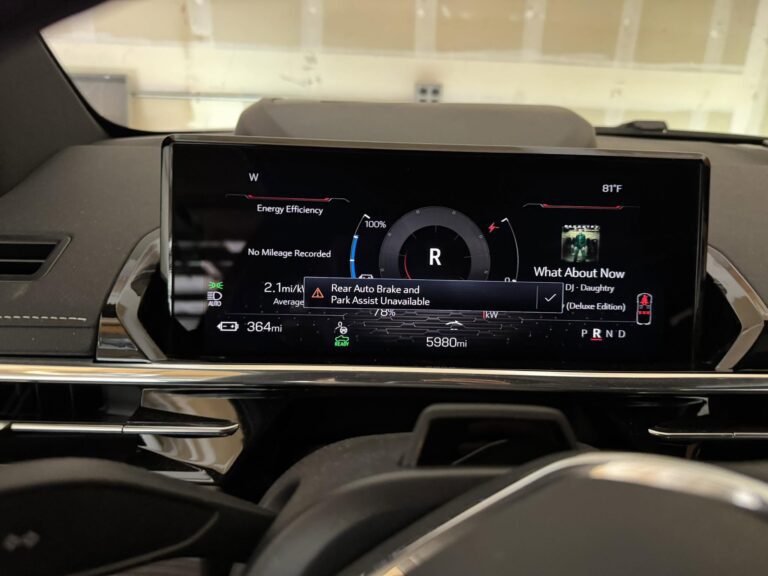
You put your GMC in reverse, expect to hear the familiar beeps from the park assist system, and nothing happens. Or the system suddenly throws up a “Park Assist Blocked” or “Service Park Assist” message on the dash out of nowhere. Maybe the sensors are beeping constantly when there is clearly nothing behind you, or they have gone completely silent when there definitely is something back there.
Whatever version of this problem you are dealing with, park assist issues on GMC trucks and SUVs are more common than they should be. The good news is that most of these problems have straightforward causes and fixes that you can work through yourself before spending money at a dealership.
This guide covers how the GMC park assist system actually works, every common cause of failure, and exactly how to diagnose and fix each one.
How GMC Park Assist Actually Works
Before you can properly diagnose what is wrong, it helps to understand what the system is doing when it is working correctly.
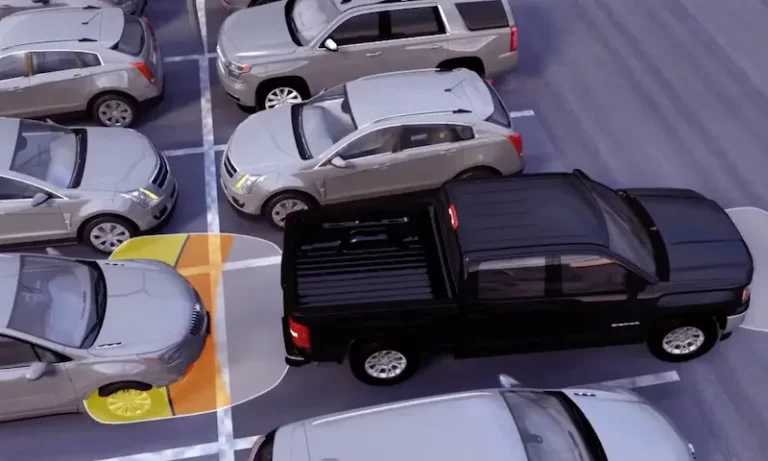
GMC’s park assist system uses ultrasonic sensors embedded in the front and rear bumpers. These sensors emit high-frequency sound waves that bounce off nearby objects and return to the sensor. The system calculates the distance to the object based on how quickly the sound wave returns, then alerts the driver through a series of beeps that increase in frequency as the vehicle gets closer to the obstacle.
The system is designed to detect objects up to approximately 6 feet behind the vehicle and up to 4 feet in front during low-speed parking maneuvers. It activates automatically when you shift into reverse and, on models with front sensors, when you drive forward at low speeds below a certain threshold.
The sensors communicate with the vehicle’s body control module (BCM), which processes the sensor data and triggers the audible and visual alerts. If any part of that chain breaks down, the system fails or behaves erratically. The failure can originate at the sensor itself, the wiring connecting the sensor to the BCM, the BCM, or the fuse protecting the circuit.
What “Park Assist Blocked” and “Service Park Assist” Actually Mean
These two messages are not the same thing, and understanding the difference helps with diagnosis.
“Park Assist Blocked” means the system is detecting something physically interfering with the sensors. This could be dirt, mud, ice, or debris covering the sensor faces in the bumper. The sensors cannot send or receive their ultrasonic signals through a layer of mud or ice, so the system flags itself as blocked rather than reporting false readings.
“Service Park Assist” is a more serious message. This one means the system has detected an internal fault, such as a failed sensor, a wiring problem, or a BCM issue. The system is telling you it cannot function correctly and needs attention beyond a simple cleaning.
If you see “Park Assist Blocked,” start with cleaning. If you see “Service Park Assist,” cleaning might help if the sensor faces were triggering a false fault, but you will likely need to go deeper into the diagnosis.
Every Common Cause of GMC Park Assist Not Working
1. Dirty, Blocked, or Obstructed Sensors
This is the first thing to check because it is the most common cause and the easiest to fix. The ultrasonic sensors in your bumper need clear, clean surfaces to send and receive their signals. Anything coating the sensor face, whether it is caked-on mud from a dirt road, a layer of ice from a winter storm, accumulated road grime, or even a new layer of paint applied poorly after a bumper repair, will block the sensor’s ability to function.
GMC owners in northern states frequently deal with this during winter. Ice builds up in and around the bumper sensors, and the system flags itself as blocked every time the temperature drops. Similarly, anyone who has recently had their vehicle waxed or detailed may find that wax worked into the sensor bezels is causing the problem.
One specific thing to check that often gets missed: if your bumper has been repaired or repainted after a minor collision, the paint over the sensor areas could be too thick. Ultrasonic sensors require the bumper in front of them to be within a specific thickness range. Too much paint, or the wrong type of filler used during the repair, can block the signal just as effectively as mud.
2. Faulty or Failed Park Assist Sensors
The sensors themselves can fail. They are electronic components exposed to road conditions, weather, vibration, and physical impacts. A sensor that has cracked its housing, corroded internally, or simply reached the end of its service life will either go completely silent or start producing erratic readings.
A failed sensor does not always trigger an obvious message on the dash right away. Sometimes a sensor will work intermittently, functioning fine in warm temperatures but failing in cold ones, or working one day and not the next. Intermittent sensor behavior is often worse than a complete failure because it is harder to diagnose without the right tools.
On models like the GMC Sierra, Terrain, and Acadia, sensor failures are a known issue, particularly on vehicles with higher mileage or those that have experienced minor fender-benders that impacted the bumper area even without visible damage.
3. Sensor Bezel Mounting Issues
This is a cause that most people never think about. Each park assist sensor is held in the bumper by a plastic bezel, sometimes called a grommet or mounting ring. If the bezel is not properly seated in the bumper hole, or if the sensor is not correctly snapped into the bezel, the sensor can make unintended contact with the bumper structure.
When a sensor is squeezed or grounded out against the bumper, it can cause constant false alerts, system malfunctions, or complete sensor failure. This is especially common after bumper repairs or replacements where the shop did not reinstall the sensor bezels correctly. The NHTSA technical service bulletin on park assist sensor bezels specifically addresses this issue and is worth reviewing if you have recently had bumper work done.
4. A Blown or Faulty Fuse
The park assist system is protected by a dedicated fuse. If that fuse blows, the entire system loses power and goes offline. This is one of the simpler causes to check and rule out early in the diagnostic process.
A blown fuse can happen from a power surge, a short circuit somewhere in the parking assist wiring, or occasionally just from normal electrical fatigue. If the system stopped working suddenly with no warning and no apparent physical cause, a blown fuse is worth checking before anything else.
5. Wiring and Connector Issues
Each sensor connects to the vehicle’s wiring harness through a small connector. These connectors can corrode, especially in areas where road salt and moisture are common, or they can become loose from vibration over time. A sensor that is not making a solid electrical connection will either not function or will function intermittently.
Wiring damage is also possible, particularly if the wiring harness runs near areas that experience chafing from other components, heat from the exhaust, or damage from road debris. A wire that is intermittently shorting against the vehicle’s body can cause erratic park assist behavior that is very difficult to trace without physically inspecting the harness.
6. System Disabled by the Driver
This one sounds obvious, but it catches people off guard more often than you would think. The park assist system can be manually disabled by the driver using the park assist button on the center console or dashboard. When disabled, the Driver Information Center (DIC) will typically display a message indicating the system is off.
If someone else drove your vehicle recently, or if you accidentally pressed the button, the system may simply be turned off rather than malfunctioning. Always verify the system is enabled before assuming there is a fault.
7. Extreme Weather Interference
Ultrasonic sensors can be affected by extreme environmental conditions. Very heavy rain, thick snow falling directly at the rear of the vehicle, or even heavy exhaust vapor in extremely cold temperatures can trigger false obstacle detections or cause the system to behave erratically. This is a known limitation of ultrasonic technology rather than a fault with the vehicle.
If your park assist beeps constantly in heavy rain or snow but works fine in dry conditions, the weather itself is likely the cause rather than a component failure. The system may be detecting the rain or snow particles as obstacles.
8. Body Control Module (BCM) Issues
The BCM is the electronic module that processes all the sensor data and manages the park assist system’s operation. A BCM fault, whether from a software issue, hardware failure, or power disruption, can affect the park assist system’s behavior. BCM-related park assist problems tend to appear alongside other seemingly unrelated vehicle issues, since the BCM manages many different vehicle systems simultaneously.
BCM diagnosis requires professional diagnostic equipment and is not something you can effectively address at home without a dealer-level scan tool.

How to Fix GMC Park Assist Problems: Step-by-Step
Fix 1: Check Whether the System Is Simply Turned Off
Start here because it takes 10 seconds. Locate the park assist button on your dashboard or center console, typically marked with a sensor icon or labeled “Park Assist.” Press it to toggle the system on if it has been switched off. Check the DIC for any related messages and verify the system activates when you shift into reverse.
You can also access the park assist settings through the vehicle settings menu to confirm the system is enabled.
Fix 2: Clean the Sensors Thoroughly
If the system is showing a “Park Assist Blocked” message or you know the sensors might be dirty, clean them before anything else.
- With the vehicle turned off, inspect the front and rear bumpers at the sensor locations. On most GMC vehicles, the rear sensors are visible as small round plugs embedded in the bumper, usually four of them across the rear bumper.
- Use a soft cloth or sponge and warm soapy water to gently clean the sensor faces and the area around each one. Do not use high-pressure water directly at the sensors, as this can force moisture into the sensor housing.
- In winter conditions, carefully remove any ice from the sensor bezels using warm water or a soft ice scraper. Do not chip at the sensors with anything sharp.
- If wax is suspected in the sensor bezels from recent detailing, use a plastic-safe wax remover or a clean toothbrush to gently clear the bezels.
- Once clean, start the vehicle, shift into reverse, and verify whether the system is working correctly.
Fix 3: Reset the Park Assist System
Sometimes the system gets stuck in a fault state that a simple fuse reset can clear. Here is how to do it:
- Turn the vehicle off and remove the key.
- Locate the fuse box. On most GMC trucks and SUVs, the primary fuse box is in the engine compartment. There may also be a secondary fuse panel inside the cab. Consult your owner’s manual for the exact location.
- Using the fuse diagram on the fuse box cover or in the owner’s manual, find the fuse labeled “Parking Assist,” “Park Assist,” or “Object Detection.”
- Use a fuse puller or needle-nose pliers to remove the fuse.
- Wait at least 60 seconds. This allows the system’s electronics to fully discharge and reset.
- Inspect the fuse. If the metal strip inside the clear casing is broken, the fuse is blown. Replace it with a new fuse of the exact same amperage rating. Do not use a higher-rated fuse as a substitute.
- If the fuse appears intact, reinsert it.
- Start the vehicle and test the park assist system by shifting into reverse.
Important note: if the replacement fuse blows immediately or within a short drive, there is an underlying electrical fault drawing too much current. Do not keep replacing fuses. Have the wiring inspected for a short circuit.
Fix 4: Inspect Sensor Bezel Mounting
Visually inspect each sensor bezel in the bumper. Each sensor should sit flush and centered in its bumper hole, with the bezel properly securing it in place. Look for:
- Bezels that are cracked or broken
- Sensors that appear cocked at an angle rather than sitting straight
- Sensors that can be moved with light finger pressure, indicating they are not properly secured
- Signs of previous bumper repair around the sensor locations
If a bezel is damaged or a sensor is not properly secured, the bezel and mounting should be corrected before assuming the sensor itself has failed. A sensor that is being physically squeezed by a misaligned bezel will read as faulty on a diagnostic scan even if the sensor itself is perfectly fine.
Fix 5: Test and Identify Faulty Sensors
If cleaning, resetting, and inspecting the physical mounting have not resolved the issue, it is time to identify which specific sensor has failed. Here is how to do a basic field test:
- Start the engine and shift into reverse so the system activates.
- Have an assistant place a hand near each rear sensor in turn, or slowly move an object like a flat board within a foot of each sensor.
- Listen for whether the beeping changes in response to each sensor location. A sensor that does not respond when an object is directly in front of it is likely faulty.
- Alternatively, you can listen for the characteristic ticking sound each active sensor makes as it sends its ultrasonic pulses. Use a mechanic’s stethoscope or even a screwdriver handle held against the bumper near each sensor. A functioning sensor will produce a faint clicking or ticking. A completely silent sensor is not operating.
For a definitive sensor test, a professional-grade scan tool that can read park assist system data and perform individual sensor tests is the right tool. Many GMC dealers and independent shops with GM-capable diagnostics can test each sensor individually and confirm which one has failed.
Fix 6: Replace the Faulty Sensor
If a specific sensor has been confirmed faulty, replacement is the fix. Park assist sensor replacement on GMC vehicles is generally straightforward:
- Purchase a replacement sensor that matches your specific GMC model, year, and bumper color if the sensors are painted to match. Using the wrong sensor or an incorrect color sensor requires painting, which adds cost and complexity.
- Access the back of the bumper. Depending on the sensor location, you may need to partially remove the bumper lining or pull back the bumper fascia to reach the sensor from behind.
- Disconnect the electrical connector from the failing sensor. The connector typically has a small locking tab that needs to be pressed before the connector will release.
- Rotate the sensor counterclockwise to release it from the bezel and remove it.
- Install the new sensor by inserting it into the bezel and rotating clockwise to lock it in place.
- Reconnect the electrical connector until it clicks.
- Reinstall any panels or trim removed for access.
- Test the system to confirm normal operation before closing everything up.
If you are not comfortable removing bumper trim panels, a shop can typically handle a single sensor replacement in under an hour.
Fix 7: Address Wiring and Connector Issues
If sensor replacement did not resolve the problem, inspect the wiring harness that connects the sensors to the BCM. Look for:
- Corrosion on the sensor connectors. Clean with electrical contact cleaner and a small brush if present.
- Wires that are chafed, pinched, or have visible insulation damage.
- Connectors that are not fully seated and click properly.
- Any evidence of rodent damage to the wiring, which is more common than most people realize, especially in rural areas.
Wiring repairs should use proper automotive-grade connectors and wire. A twist-and-tape repair on a park assist harness is not a long-term solution in an environment that sees moisture, vibration, and temperature extremes.
Fix 8: Professional BCM Diagnosis
If all of the above steps have been completed and the park assist system still does not function correctly, the BCM becomes the primary suspect. This is a dealership or professional shop diagnosis. The technician will connect a GM-compatible scan tool that can communicate directly with the BCM, read all stored fault codes related to the park assist system, and perform active tests on each sensor through the scan tool interface.
BCM replacement or reprogramming, if required, must be done by a shop with the appropriate software access. A replacement BCM needs to be programmed to your specific vehicle configuration or it will not function correctly.
Frequently Asked Questions About GMC Park Assist
Why does my GMC park assist beep constantly when there is nothing behind me?
Constant false beeping is typically caused by a sensor bezel that is not properly mounted and is making contact with the bumper, a sensor that has failed and is sending a continuous signal, or heavy rain or snow interfering with the ultrasonic signals. Start by inspecting the sensor bezels for proper mounting and checking whether the false alerts disappear in dry conditions.
How do I turn off park assist on my GMC?
Press the park assist button on the center console or dashboard to toggle the system off. The DIC will confirm the system is disabled. You can also access it through the vehicle settings menu. For more detailed information specific to your model, the GMC vehicle support page has model-specific instructions.
Can I drive with a park assist fault?
Yes, a park assist fault does not prevent the vehicle from operating. However, you will not have the distance warnings the system normally provides during low-speed parking. Exercise extra caution when reversing and parking until the system is repaired. Do not rely on a malfunctioning system, as it may give no warning at all or give false warnings that cause you to misjudge your surroundings.
How much does a GMC park assist sensor replacement cost?
| Repair | Estimated Cost |
|---|---|
| Fuse replacement | $1 to $10 |
| Sensor bezel replacement | $10 to $40 per bezel |
| Single park assist sensor replacement (DIY) | $30 to $100 (part only) |
| Single sensor replacement (shop) | $100 to $300 (parts and labor) |
| Full sensor set replacement (all four rear) | $300 to $800 at a shop |
| Wiring repair | $100 to $400 |
| BCM diagnosis and repair | $200 to $600+ |
Work through the free and cheap fixes first. A large percentage of GMC park assist problems are resolved by cleaning the sensors, resetting the fuse, or correcting a misaligned sensor bezel. None of those require spending significant money or visiting a shop. If those steps do not work, then you have a clear path toward sensor testing and replacement, and you will know exactly which sensor needs attention before any parts are purchased.
Your park assist system is a useful safety tool when it works properly, and getting it back online is worth the time it takes to diagnose it correctly the first time.