
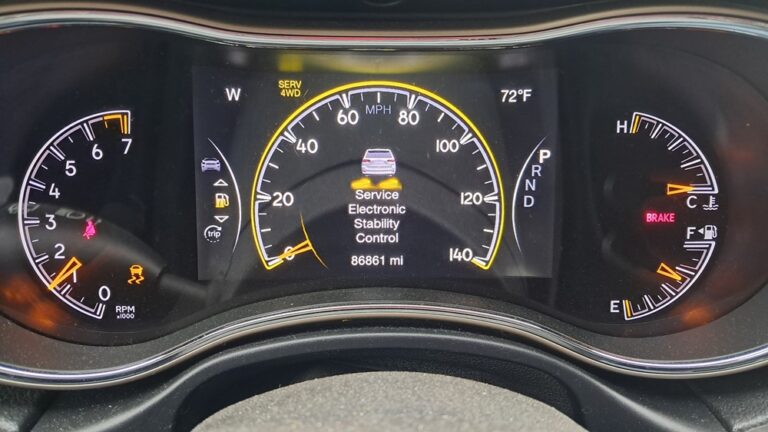
You hop in your Jeep, turn the key, and there it is: “Service Electronic Stability Control.” If you’ve never seen it before, your first instinct might be to panic. If you have seen it before and ignored it, that’s actually a bigger problem. Either way, this message is telling you something specific, and the worst thing you can do is guess at what that something is.
The good news? It is not always a catastrophic failure. Sometimes it’s a loose fuse. Sometimes it’s low steering fluid. Other times, yes, it’s a deeper mechanical issue that needs proper attention. The key is knowing the difference so you can respond appropriately instead of either panicking or brushing it off.
This guide breaks it all down. What the message actually means, what causes it, how to diagnose it, and what you can do to fix it.
What the “Service Electronic Stability Control” Message Is Actually Telling You
The Electronic Stability Control system, or ESC, is one of the most important active safety features on your Jeep. It works in the background every time you drive, constantly monitoring your vehicle’s movement and comparing it to what the steering wheel and throttle inputs are telling it. When it detects a discrepancy, like the vehicle starting to slide or oversteer, it automatically applies braking force to individual wheels and reduces engine torque to bring the vehicle back in line.
In plain terms, ESC helps keep you from spinning out when you take a corner too fast, lose traction on a wet road, or make a sudden evasive maneuver. For Jeep owners who take their vehicles off-road, it’s even more relevant because unstable terrain creates exactly the conditions where ESC earns its keep.
When the “Service Electronic Stability Control” message appears on your instrument cluster, it means one of two things:
- The ESC system has temporarily activated because of actual low traction conditions, like ice, mud, or a slippery surface. In this case, the light is doing exactly what it’s supposed to do.
- Something within the ESC system itself, or a connected system, has malfunctioned and needs attention. In this case, the system may not be functioning properly, which is a safety concern.
If you see the light come on briefly while navigating a wet road or a steep trail and then go off again on its own, that’s normal operation. But if it stays on, or if it keeps coming back, that’s the system telling you something is wrong and it needs to be investigated.
How the ESC System Works With Other Vehicle Systems
Understanding why this warning has so many possible causes requires a quick look at how the ESC system is structured. It does not operate independently. It is deeply integrated with several other systems on your Jeep, pulling data from multiple sensors and modules simultaneously.
Here are the main systems the ESC relies on:
- Anti-lock Brake System (ABS): ESC shares wheel speed sensors and brake control hardware with ABS. A problem in the ABS system almost always affects ESC too.
- Steering Angle Sensor: This sensor tells the ESC system which direction the driver intends to go. If the steering is misaligned or the sensor is faulty, ESC gets confused about driver intent.
- Yaw Rate Sensor: Measures how quickly the vehicle is rotating around its vertical axis. This is how ESC detects oversteer and understeer.
- Lateral Acceleration Sensor: Detects side-to-side forces acting on the vehicle during cornering.
- Throttle Position Sensor: The ESC system needs to know throttle input to determine what the driver is trying to do.
- Power Control Module (PCM): The central computer that coordinates information between all of these systems.
Because ESC touches so many systems, a fault in any one of them can trigger the warning message. That’s exactly why proper diagnosis matters more than guessing at a fix.
What Causes the Jeep “Service Electronic Stability Control” Message?
There are quite a few possible triggers for this warning. Some are simple, some are more involved. Let’s go through each one in detail.
1. Brake System Problems
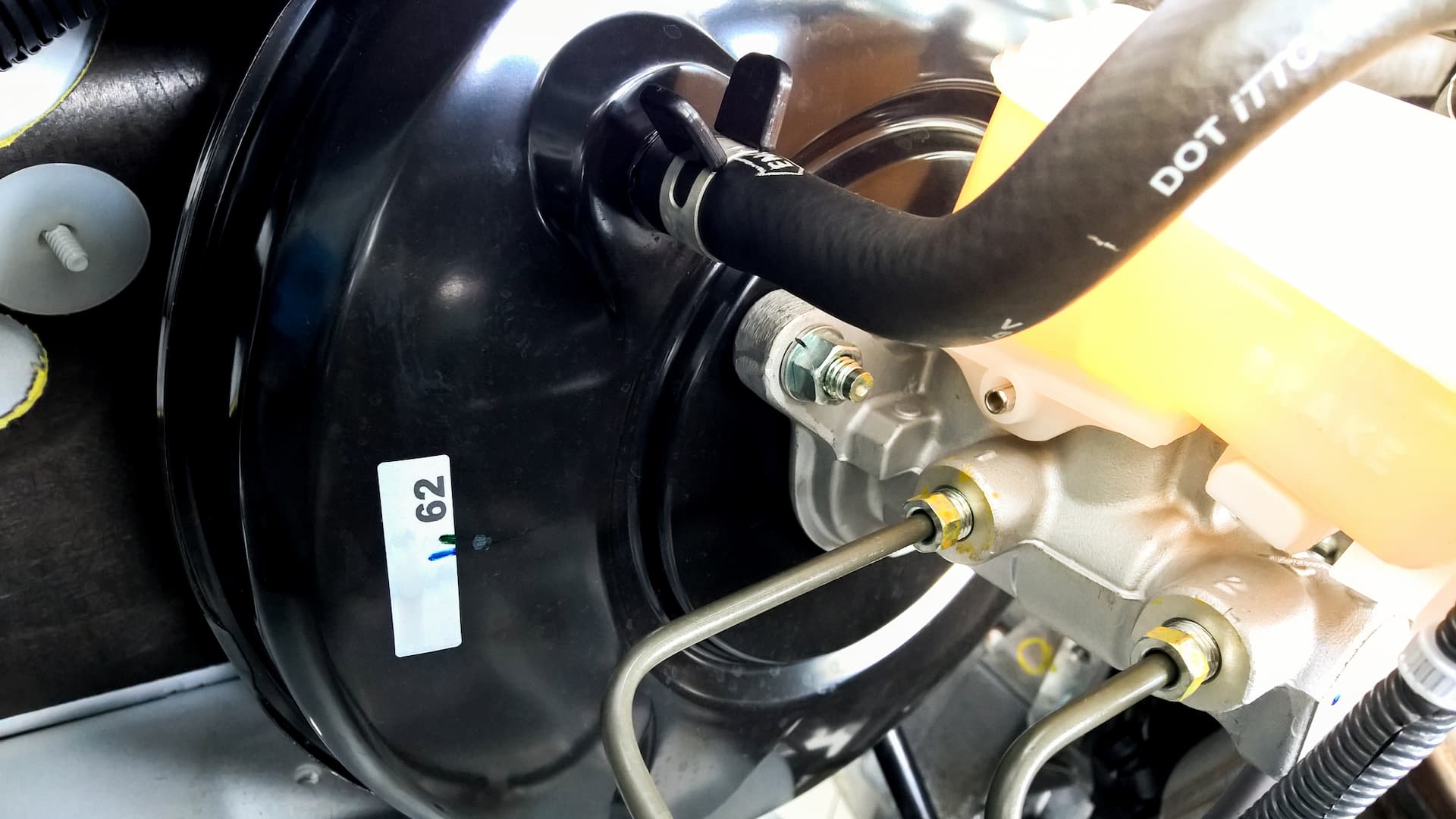
The braking system is the first place to look when this warning appears. Since ESC and ABS share hardware and sensors, a brake system issue almost always shows up as an ESC warning too.
Common brake-related triggers include:
- A defective brake booster check valve
- Worn or broken brake linings
- Air or debris in the brake fluid (especially common on off-road Jeeps and high-mileage vehicles)
- A faulty brake light switch, which communicates brake pedal activation to the ESC module
Think about it this way: if the ESC system can’t trust the data coming from the brake system, it flags a fault. It would rather throw a warning than silently work with bad data and fail to intervene when you actually need it.
How to fix it: Have the brake system inspected thoroughly. If you’re comfortable with brake work, you can check the fluid, pads, linings, and brake light switch yourself. But for anything beyond that, get a qualified mechanic involved. After repairs, plan to drive the Jeep for at least 50 miles to let the computer system recalibrate. The warning light should go off on its own once the system relearns normal parameters.
2. Low Power Steering Fluid
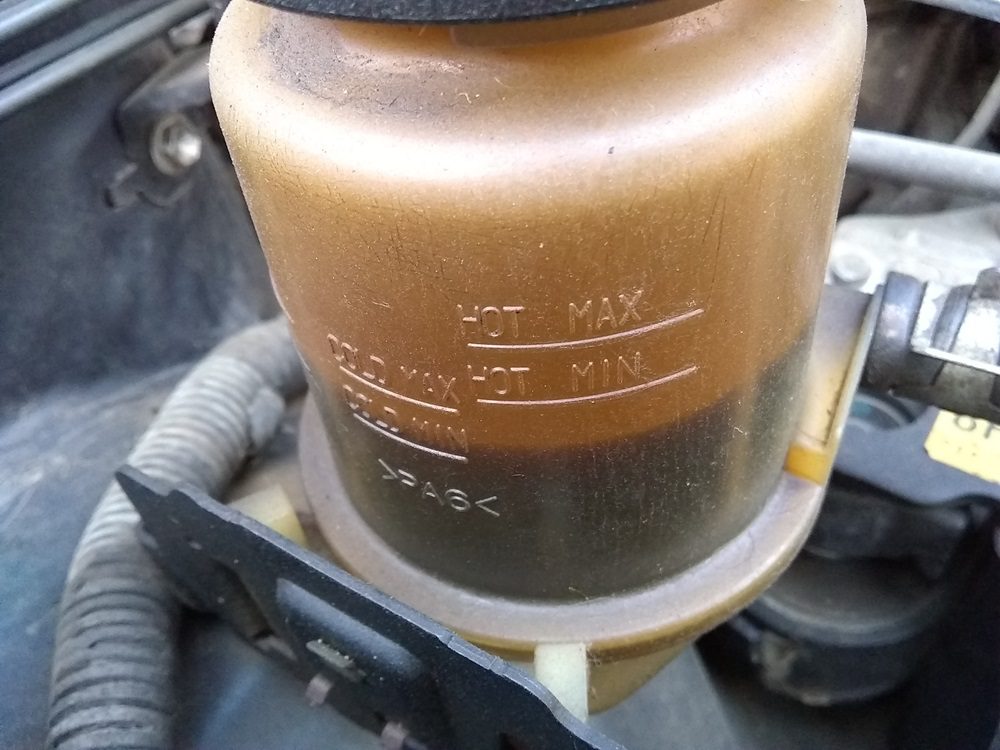
This one surprises a lot of Jeep owners because they don’t immediately connect fluid levels to a stability control warning. But on Jeeps with hydraulic power steering, the ESC system is linked to steering performance. When the steering fluid drops too low, the power steering system starts to struggle, and the ESC system picks up on the degraded steering response.
In some cases, you will notice the power steering actually deactivates right after the warning message appears. If that happens while you’re driving, pull over safely and do not continue until the problem is addressed. Driving without power steering is manageable at low speeds in a parking lot, but it’s dangerous at highway speeds, especially in an emergency situation.
How to fix it: Park the Jeep, pop the hood, and check the power steering fluid reservoir. If it’s low, top it up to the correct level using the manufacturer-recommended fluid. Start the engine and check whether the warning has cleared. If the fluid was significantly low, also inspect for leaks in the steering lines or at the pump. Low fluid doesn’t just happen by itself. There’s usually a leak somewhere.
3. A Loose or Improperly Seated Fuse
This is one of those causes that sounds too simple to be real, but it comes up constantly among Jeep owners, particularly in the first few thousand miles of ownership. What happens is that one or more fuses in the Power Control Module fuse box are not seated correctly. They might be slightly loose from the factory, or vibration from driving has worked them out of their seats just enough to cause an intermittent power issue.
When a fuse related to the power steering or ESC circuit is loose, the system loses power intermittently. The ESC module interprets this as a fault and triggers the warning. Many Jeep owners initially suspect a vacuum pump issue or a coding problem, only to find that pushing a fuse firmly back into place resolves everything.
How to fix it: Locate the PCM fuse box, which is typically near the battery. Remove the cover and visually inspect all fuses. Push each one firmly to make sure it is fully and properly seated. While you are in there, look for any visibly blown fuses. A blown fuse will have a visible break in the metal strip inside the plastic housing. Replace any blown fuses with the correct amperage rating. Never substitute a higher-rated fuse to fix a blowing fuse, as that creates a fire risk.
4. A Defective Vacuum Pump
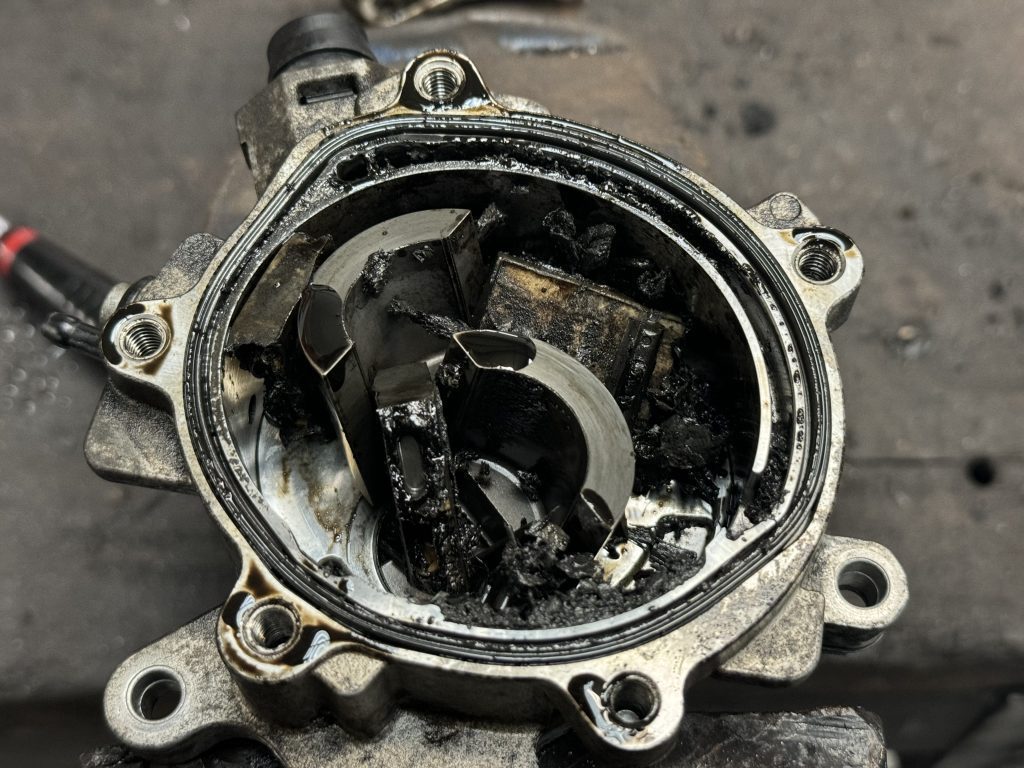
Jeeps with direct fuel injection or a turbocharged engine use a dedicated vacuum pump to generate the vacuum needed for the brake booster. On naturally aspirated engines, the intake manifold naturally generates vacuum. But on engines where the intake doesn’t produce enough vacuum, the pump has to do that job instead.
When the vacuum pump fails, or when a vacuum hose cracks or comes loose, the brake booster doesn’t get the pressure it needs. Your brake pedal will feel noticeably harder to press. The ESC system detects the change in brake response and triggers the warning.
A cracked or loose vacuum hose is actually more common than full pump failure. The hoses can degrade from heat exposure over time, or they can simply vibrate loose from their connections. Either way, the result is the same: reduced braking effectiveness and an ESC warning on your dash.
How to fix it: Check the vacuum lines first. Look for any that appear cracked, soft, collapsed, or disconnected. If the hoses look fine and the pump itself is failing, it will need to be replaced. Some shops can rebuild the pump, but for most Jeep owners, taking it to the dealership for a pump replacement is the most straightforward path. If your vehicle is still under warranty, this should be covered.
5. A Software Glitch or Computer Error
Modern Jeeps are essentially computers on wheels. And like any computer, they occasionally generate errors that don’t correspond to any real physical problem. A software glitch in the PCM or the ESC control module can trigger the warning message even when every mechanical component is functioning perfectly.
This is frustratingly common on newer Jeeps. You see the warning, take it to the dealer, they scan it, find no active faults, and send you home. Then it comes back a week later. That pattern strongly suggests a software issue rather than a mechanical one.
Chrysler and Jeep periodically release software updates for their PCM and other control modules to address known bugs. If your Jeep’s software hasn’t been updated recently, a glitch in an older firmware version could be the root cause.
How to fix it: Start with a computer reset. Disconnect the negative terminal of the battery and leave it disconnected for at least 30 minutes, or overnight if possible. Reconnect it and see if the warning returns. If it does, take the Jeep to the dealership and ask specifically about software updates for the ESC and PCM. If the vehicle is still under warranty, the update should be at no cost to you.
6. Wheel Alignment Problems
This one catches a lot of Jeep owners off guard because they don’t think of an alignment issue as something that would trigger a warning light. But here’s how it connects: the steering angle sensor constantly monitors the position of your steering wheel. It compares that data to the direction the vehicle is actually traveling.
If your wheels are misaligned, your steering wheel will be slightly off-center even when driving in a straight line. The steering angle sensor picks up on this offset and reports it to the ESC module. The module interprets the discrepancy as a potential loss of directional control and triggers the warning.
This is especially common after rotating or replacing tires, hitting a large pothole, or any off-road excursion that involved significant impact. Jeep owners who lift their trucks and install larger tires need to be particularly diligent about alignment checks, because changes to suspension geometry can affect the steering angle sensor’s baseline readings.
How to fix it: Get a four-wheel alignment done. It’s not expensive, and it resolves this issue quickly. Going forward, every time you rotate, replace, or change tire sizes, add an alignment check to the service. It’ll save you a lot of unnecessary warning lights.
One more thing on tires: worn tread is worth mentioning here. Even if alignment is perfect, severely worn tires reduce the ESC system’s ability to work effectively. The system applies brake force to individual wheels based on the assumption that the tires can generate adequate grip. When the tread is gone, that assumption breaks down. Keep your tires in good condition and replace them when the tread depth drops to the recommended minimum.
7. Faulty Wheel Speed Sensors
Each wheel on your Jeep has a speed sensor that feeds real-time data to both the ABS and ESC systems. These sensors tell the system how fast each individual wheel is spinning. If one wheel is spinning significantly faster or slower than the others, the ESC system knows something is off and intervenes.
When a wheel speed sensor fails or sends erratic data, the ESC module cannot accurately assess what the vehicle is doing. It defaults to a fault condition and triggers the warning. Wheel speed sensor failure is more common than most people realize. The sensors sit close to the ground and are exposed to road debris, moisture, and the kind of impacts that come with off-road use.
A bad wheel speed sensor will sometimes also trigger the ABS warning light simultaneously. If you’re seeing both the ABS and ESC warnings at the same time, a wheel speed sensor is a very likely culprit.
How to fix it: A diagnostic scan will identify which sensor is reporting incorrectly. Individual wheel speed sensors are not overly expensive parts, usually between $30 and $100 for the sensor itself. Labor to replace them is typically under an hour per sensor. This is a manageable repair that most independent mechanics can handle without specialized tools.
8. A Failing Steering Angle Sensor
The steering angle sensor itself can fail, not just read incorrectly due to alignment issues. When the sensor develops an internal fault, it sends garbage data to the ESC module. The module cannot make sense of conflicting information, flags a fault, and the warning light appears.
Steering angle sensor faults often present as a warning that comes and goes without obvious pattern. Sometimes the light is on, sometimes it’s off, and there’s no change in how the vehicle is being driven. That intermittent behavior is a classic sign of a sensor that’s starting to fail rather than a sensor that has already completely failed.
How to fix it: The sensor needs to be replaced and then recalibrated after installation. The calibration step is important. A new sensor that hasn’t been calibrated will not give accurate readings, which means the ESC system will still have problems even after the replacement. This job requires a scan tool capable of performing a steering angle sensor reset, so it’s best handled by a shop with the right diagnostic equipment.
Quick-Reference Guide: Causes and Fixes at a Glance
| Cause | Common Signs | Fix |
|---|---|---|
| Brake system fault | Soft or hard pedal, ABS light on | Inspect brake system, repair or replace components |
| Low power steering fluid | Heavy steering, power steering cuts out | Top up fluid, check for leaks |
| Loose or blown fuse | Intermittent warning, no other symptoms | Inspect and reseat fuses, replace blown ones |
| Defective vacuum pump | Hard brake pedal, vacuum hose damage | Replace vacuum pump or cracked hoses |
| Software glitch | Warning clears on its own, no fault codes | Battery reset, software update at dealership |
| Wheel misalignment | Off-center steering wheel, recent tire work | Four-wheel alignment service |
| Faulty wheel speed sensor | ABS light also on, intermittent ESC warning | Scan to identify faulty sensor, replace it |
| Failing steering angle sensor | Intermittent warning, no obvious driving issue | Replace and recalibrate the sensor |
How to Diagnose the Problem the Right Way
Here’s where a lot of people go wrong. They see the warning, Google a potential cause, try one fix, and when that doesn’t work, they try another. This guesswork approach wastes time and money. The right approach starts with a proper diagnostic scan.
Step 1: Get the Codes Read
Connect an OBD-II scanner to the diagnostic port under your dashboard. For Jeep-specific systems, a scanner that can access ABS and ESC modules (not just the engine) is necessary. A basic cheap scanner from an auto parts store often only reads engine fault codes and will miss ESC-specific codes entirely.
Many auto parts stores like AutoZone or O’Reilly will scan your vehicle for free, but again, their tools may not reach into the ABS and stability control modules. If you want complete information, a shop with a full bi-directional scan tool is worth the diagnostic fee.
Step 2: Note Any Additional Symptoms
Before the scan, make a mental note of everything else you’ve observed:
- Is the ABS light also on?
- Does the brake pedal feel different than normal?
- Is the steering heavier than usual?
- Did the warning appear after recent tire work, a pothole, or an off-road trip?
- Is the warning constant or intermittent?
- Have you done any modifications to the suspension or wheels recently?
These details narrow the diagnostic field significantly and help the mechanic get to the right answer faster.
Step 3: Start With the Simple Checks
Before spending money on parts or labor, check the simple stuff yourself:
- Check power steering fluid level
- Check brake fluid level and condition
- Inspect the PCM fuse box for loose or blown fuses
- Check tire pressure and tread condition
- Look for any obvious wiring damage under the hood
If one of these simple checks reveals an obvious problem, fix that first and see if the warning clears. There’s no point in pulling sensors or scheduling dealer appointments if the answer is a loose fuse.
Step 4: Reset and Retest
After any repair, clear the fault codes with the scanner and take the vehicle for a test drive of at least 15 to 20 miles under varied conditions. Some systems need a drive cycle to fully relearn and confirm that the repair was successful. If the warning comes back during the test drive, the original problem was not fully resolved, or there’s a second issue contributing to the fault.

Is It Safe to Drive With the ESC Warning Light On?
This is the question most people actually want answered. Here’s the honest answer: it depends.
If the light came on briefly during a slippery driving situation and then went off on its own, your vehicle is fine. The system activated normally and then stood down when traction was restored. That is not a problem.
If the light stays on continuously, the ESC system may be disabled or operating in a degraded state. In that condition, you still have full braking and steering capability. The vehicle can still be driven. But you have lost the active safety net that ESC provides. In normal, dry road conditions on your daily commute, that’s manageable. In wet weather, on winding roads, or in any situation where you might need ESC to intervene, you’re taking a risk.
The practical answer is: do not ignore a constant ESC warning and continue driving indefinitely as though nothing is wrong. Get it diagnosed within a day or two. If the warning is accompanied by a hard brake pedal, loss of power steering, or an ABS warning, stop driving immediately and address it before getting back on the road.
Jeep-Specific Notes Worth Knowing
Jeep owners have a few unique considerations compared to typical passenger car drivers. If you’re in this community, these points are worth keeping in mind:
- Off-road driving: Taking your Jeep through serious off-road terrain puts stress on wheel speed sensors, steering components, and brake system hardware. If you regularly use your Jeep off-road, inspect these components more frequently than the standard service intervals suggest.
- Lift kits and larger tires: Any modification that changes the vehicle’s ride height, suspension geometry, or tire diameter will affect how the ESC system reads and responds to vehicle dynamics. After a lift or tire size change, the steering angle sensor needs to be recalibrated. Skipping this step is a guaranteed path to ESC warning lights.
- After a warranty repair: Some Jeep owners have reported that ESC warnings appeared or worsened after warranty work was done by the dealership. This occasionally happens when technicians accidentally disturb wiring or connectors during unrelated repairs. If the warning appears shortly after dealer service, take it back and mention the timeline.
- Cold weather: In very cold temperatures, sensor performance can be affected temporarily. If you see the warning appear on a very cold morning and then clear once the vehicle warms up, keep an eye on it. Consistent cold-weather warnings may indicate a sensor that’s marginal and failing under temperature stress.
How Much Does It Cost to Fix the ESC Warning?
Cost varies significantly depending on the cause. Here’s a realistic ballpark for common repairs:
| Repair | Estimated Cost |
|---|---|
| Power steering fluid top-up | $10 to $20 (DIY) |
| Fuse replacement | Under $10 (DIY) |
| Wheel alignment | $80 to $150 |
| Brake fluid flush | $80 to $150 |
| Wheel speed sensor replacement | $100 to $300 per sensor (parts and labor) |
| Steering angle sensor replacement and calibration | $150 to $400 |
| Vacuum pump replacement | $200 to $600 |
| PCM software update | $0 to $150 (free if under warranty) |
| Full brake system repair | $300 to $800 depending on scope |
If your Jeep is still under the factory warranty or an extended warranty, many of these repairs should be covered at no cost to you. Always check warranty coverage before paying out of pocket for any ESC-related repair.
The ESC system on your Jeep exists for one reason: to keep you on the road when conditions or mistakes threaten to put you off it. When that system is telling you something is wrong, the only reasonable response is to find out what and fix it. Whether it’s a $5 fuse or a sensor replacement, the cost of addressing it now is always less than the cost of dealing with the consequences of ignoring it.