
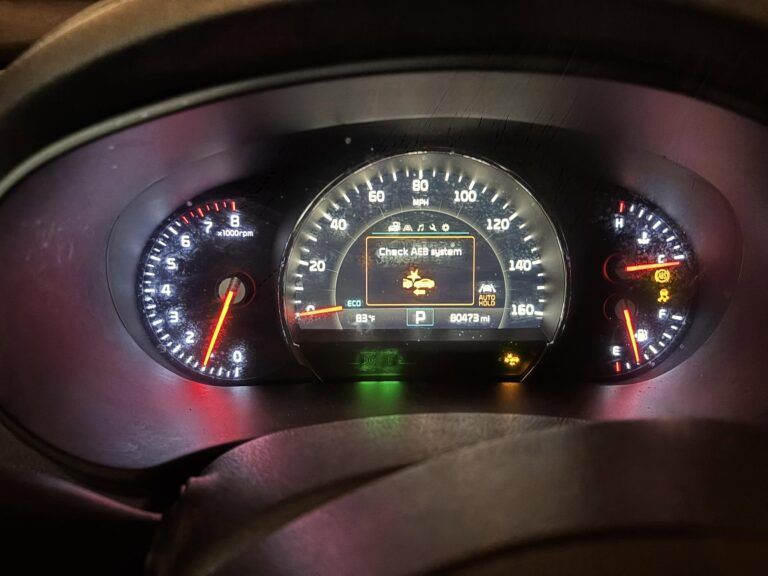
You are driving home from work, minding your own business, when suddenly your Kia’s dashboard lights up with a message you have never seen before: “Check AEB System.” Your stomach drops a little. Is the car about to fall apart? Are the brakes broken?
Take a breath. In most cases, this warning is not a five-alarm fire. Your Kia comes equipped with Autonomous Emergency Braking, commonly shortened to AEB, a safety feature that watches the road ahead and slams the brakes for you if it senses a collision coming faster than you can react. When that warning pops up, it simply means the system has spotted something wrong with itself, not necessarily with your actual brakes.
That said, this is not a message you should ignore and hope it goes away on its own. AEB exists to protect you, your passengers, and whoever happens to be in front of your car when things go sideways. A malfunctioning AEB system is a bit like having a smoke detector with a dead battery. You might not notice the problem until the moment you desperately need it to work.
In this guide, we will walk through what triggers this warning, how to read the different signals your Kia gives you, what maintenance looks like, and when it is time to stop tinkering and call in a professional. By the end, you should feel a lot more confident about what that little warning light is actually trying to tell you.
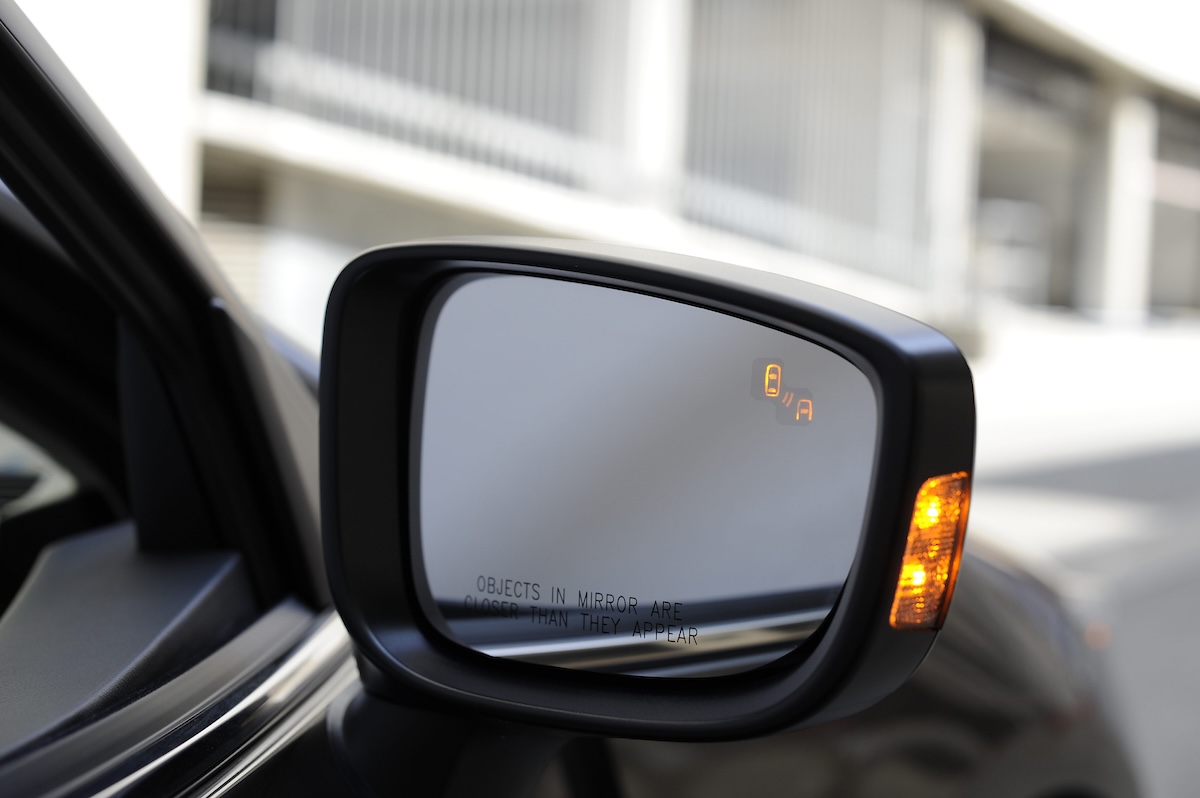
Common AEB System Messages and Warnings
Kia built the AEB system to be your silent co-pilot. It watches the road through a combination of radar and camera sensors, and when something does not add up, it speaks up through your dashboard. The trouble is, not every warning means the same thing, and knowing the difference can save you a needless trip to the dealership or, worse, save you from ignoring a real problem.
What Does “Check AEB System” Actually Mean?
When your dashboard displays a “Check AEB System” message, your car is telling you it detected a malfunction or interruption somewhere in the system’s operation. Think of it as your Kia raising its hand and saying, “Something is off, and I cannot guarantee I will catch you if you need me.”
Sometimes the cause is embarrassingly simple. A build-up of road grime over the front sensor, a chunk of ice, even a poorly placed license plate frame can trigger this exact warning. Other times, the issue runs deeper, pointing to a wiring fault, a failing sensor module, or software that needs an update. The message alone will not tell you which scenario you are dealing with. That is why a proper inspection matters.
How to Respond to AEB Warning Lights
Not all warning lights behave the same way, and the pattern they follow actually carries meaning. Pay attention to whether the light flashes or stays steady, because that distinction changes what you should do next.
- Flashing Light: This usually means the AEB system is actively stepping in because it believes a collision is imminent. In other words, the system is doing its job right now. If you feel the brakes engage unexpectedly, this is likely why.
- Steady Light: A light that stays on without flashing points to a fault somewhere in the system. This is your cue to run a diagnostic check or book an appointment with a technician, since a steady warning means the system may not respond correctly the next time it is needed.
Here is a real-world example. Imagine you are driving on a foggy morning and the AEB light suddenly flashes as you approach a stopped car ahead. That flash, paired with a firm brake pull, means the system just did exactly what it was designed to do. Compare that to a steady light that appears while you are parked in your driveway on a sunny afternoon. That is not the system working, that is the system asking for help.
Other Warning Indicators That Often Show Up Alongside AEB Alerts
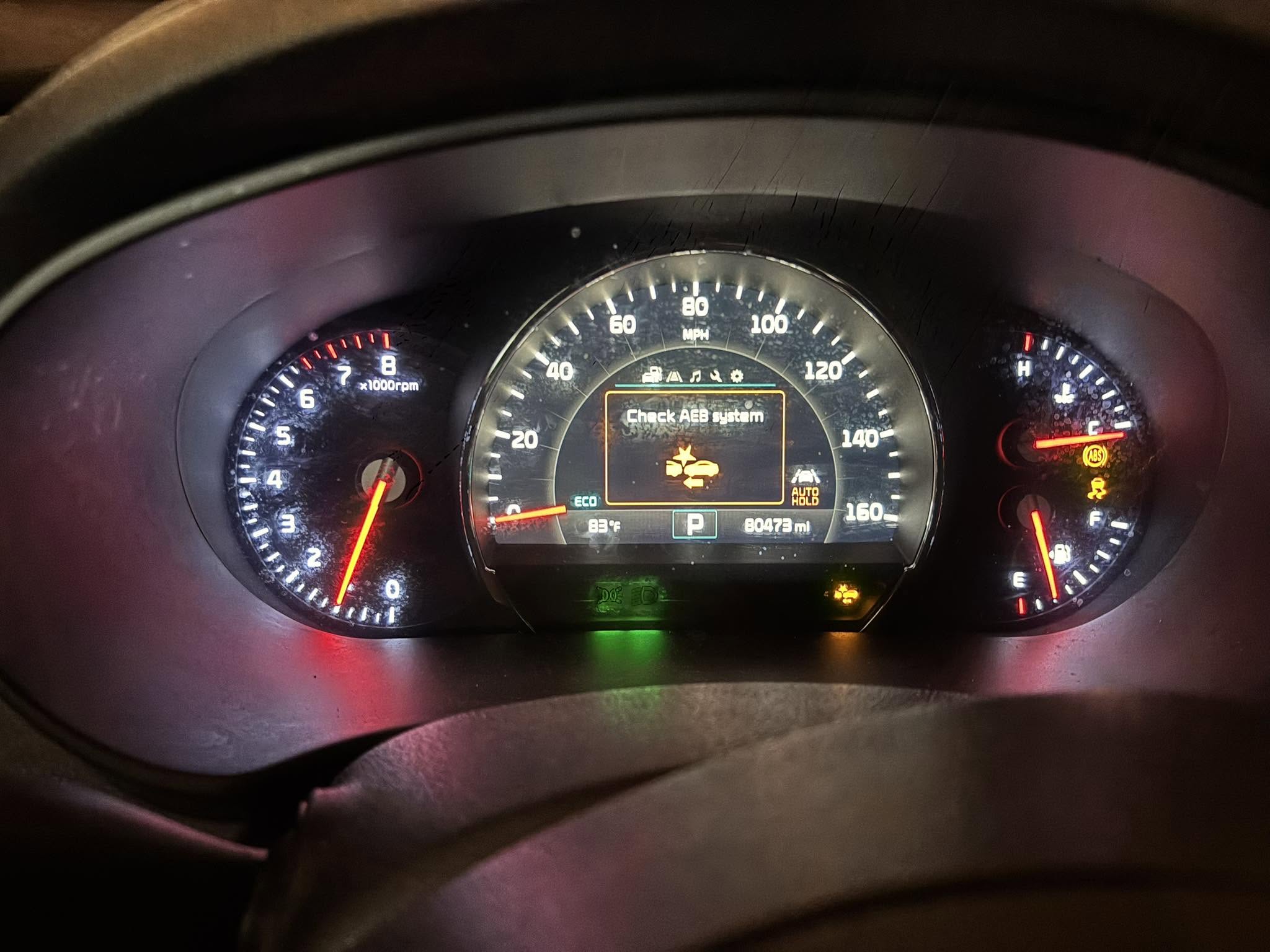
The AEB system does not operate in isolation. It shares sensors, wiring, and computer modules with other safety systems in your Kia, so a problem in one area can trigger warnings in several places at once.
| Warning Light | What It Usually Means |
|---|---|
| ABS Warning Light | Signals a possible issue with the Anti-lock Braking System, which shares components with AEB and can affect its performance. |
| Check Engine Light | Not always tied directly to AEB, but an underlying engine or electrical issue can ripple out and affect multiple safety systems at once. |
| Malfunction Indicator Light | A general catch-all warning that can appear when AEB or another safety feature runs into trouble. |
If you see two or three of these lights pop up together, do not assume they are unrelated coincidences. In many cases, a single root cause, such as a blown fuse or a loose connector, is behind the whole cluster of warnings. Catching that pattern early can save you a lot of guesswork later.
Step-by-Step Guide to AEB System Maintenance
Keeping your AEB system healthy does not require a garage full of specialty tools. Most of what you can do at home involves nothing more than a soft cloth, a bit of patience, and a willingness to actually look under the front bumper once in a while. Even so, there is a point where DIY maintenance ends and professional service begins, and knowing that line matters.
Routine Maintenance You Can Do Yourself
A little regular upkeep goes a long way toward preventing that dreaded warning message from ever appearing. Here is what to check:
- Inspect the sensor area: The AEB sensor sits near the front of your vehicle, often behind or near the grille. Check it for dirt, mud, bug splatter, or snow buildup. Wipe it gently with a soft cloth. Avoid anything abrasive that could scratch the sensor cover.
- Examine the wiring and connections: While you are down there, take a look at the visible wiring near the sensor. Look for fraying, corrosion, or connectors that seem loose. If something looks chewed on or corroded, that is worth mentioning to a technician even if the warning light has not appeared yet.
Think of this the same way you think about wiping down your windshield before a long drive. It takes two minutes and it genuinely prevents problems. A sensor covered in road salt during winter is a leading cause of AEB warnings, and it is entirely preventable with a quick wipe-down every week or two.
Resetting the AEB System After a Warning
Sometimes a warning light appears not because of a real hardware failure, but because of a temporary glitch. In those cases, a simple reset can clear things up. Here is how it typically goes:
- Turn off your vehicle’s engine completely.
- Wait a couple of minutes. This gives every module in the car time to power down fully, including the AEB computer.
- Restart the engine. The system will run a self-check on startup, and in many cases, this clears out temporary glitches without any further action needed.
If the warning light comes right back after this simple reset, that is a strong signal you are dealing with something more than a passing glitch. At that point, it is time to stop guessing and get the vehicle looked at by someone with the right diagnostic tools.
Sensor Calibration: Why It Matters More Than You Think
Here is something a lot of drivers do not realize. Even a sensor that looks perfectly fine can be misaligned by just a degree or two, and that tiny shift is enough to throw off the entire AEB system’s accuracy. Calibration is not something you eyeball. It requires specialized equipment that most home garages simply do not have.
The general calibration process looks something like this:
- Safety first: The technician disconnects the battery before starting any work, preventing accidental electrical shorts or unwanted system activations.
- Alignment adjustment: Using specialized calibration equipment, the technician fine-tunes the radar sensor’s aim so it accurately reads the road ahead.
- Post-calibration testing: After adjustments are made, the system gets tested to confirm it is detecting obstacles correctly and responding the way it should.
A good comparison here is eyeglasses. A prescription that is off by even a small amount will not make you completely blind, but it will make everything just a bit blurry and unreliable. AEB calibration works the same way. Small misalignments create small but meaningful gaps in performance, and those gaps are exactly what can turn a near-miss into an actual collision.
How the AEB System Performs in Different Driving Conditions
Your Kia’s AEB system is smart, but it is not magic. It relies on cameras and radar that need a clear view of the road, and anything that blocks that view will affect how well the system performs. Understanding these limitations is not about losing trust in the technology. It is about knowing when to lean on it and when to rely more heavily on your own attention.
AEB Performance in Rain, Snow, and Fog
Adverse weather is where AEB systems tend to struggle the most. Heavy rain can scatter radar signals. Snow can physically cake onto the sensor housing. Thick fog can reduce camera visibility to almost nothing. Some Kia drivers have reported seeing alerts like “AEB Disabled, Radar Blocked” during heavy snowfall, which is the system’s way of admitting it cannot see well enough to do its job safely.
In the real world, this means you should never treat AEB as a replacement for careful driving during bad weather. Keep the sensor area clean before winter drives, and remember that if the system disables itself due to blocked sensors, your car is not broken. It is simply being honest about its limitations. Slow down, increase following distance, and drive the way people did before AEB existed at all.
Navigating Bumpy, Slippery, or Reverse-Driving Situations
AEB behaves differently depending on the road surface and driving direction. On uneven or slippery roads, the system may engage braking with different timing or intensity than it would on dry pavement. This is worth knowing, especially if you drive frequently on gravel roads or during icy conditions.
Reverse driving deserves its own mention here. Many AEB systems, including several Kia models, do not provide automatic braking while the car is in reverse. That means backing out of a crowded parking lot still requires your full attention, mirrors, and backup camera, because the AEB system may simply not be watching your back in that moment. Do not let advanced safety features lull you into checking your phone while reversing. That habit is asking for trouble.
Understanding AEB System Parts and What Goes Wrong
When that “Check AEB System” warning shows up, two components usually take center stage in the investigation: the front bumper housing the radar sensor, and the bumper cover that shields everything from the elements.
The Front Bumper and Radar Sensor
Behind your Kia’s front bumper sits a radar sensor that does the heavy lifting for the AEB system. It is constantly scanning the road ahead, measuring distance and closing speed on anything in your path. Damage or misalignment here is one of the most common reasons behind AEB warnings.
Basic troubleshooting steps include:
- Check the plastic grille and surrounding bumper area for visible obstructions like leaves, plastic bags, or accumulated dirt.
- Clean away debris that might be sitting directly in the radar’s line of sight. Even something as small as a stuck bug swarm can occasionally cause interference.
If cleaning does not resolve the warning, resist the urge to start disassembling the bumper yourself unless you genuinely know what you are doing. Radar sensors require precise calibration after any physical adjustment, and getting it even slightly wrong can leave you with a sensor that appears fine but performs poorly. If you are curious about the process, plenty of guides walk through removing the front bumper cover for inspection purposes, but actual repair work is best left to a certified technician.
The Bumper Cover and Its Role in Protecting AEB Sensors
The bumper cover might look purely cosmetic, but it plays a genuine protective role for the sensors tucked behind it. A cracked or dented cover can expose sensors to moisture, road salt, and debris they were never meant to face directly.
- Inspect the bumper cover regularly for cracks, dents, or gaps that could let in dirt or moisture.
- Keep the cover free of built-up grime, since accumulated dirt can indirectly interfere with sensor performance even without direct contact.
When cleaning around this area, use gentle products and avoid high-pressure car washes aimed directly at the sensor zone. A blast of pressurized water might seem harmless, but it can work its way into small gaps and cause issues down the road. When in doubt, a soft cloth and mild soap will do the job without introducing new problems.
What Actually Causes the AEB Warning to Appear
It helps to step back and look at the bigger picture of what triggers this warning in the first place. Most causes fall into a few broad categories, and knowing them can help you diagnose the issue faster.
- Sensor obstruction: Mud, snow, ice, or debris blocking the radar or camera view. This is the most common and easiest to fix cause.
- Wiring issues: Corroded, loose, or damaged connectors between the sensor and the vehicle’s computer system.
- Software glitches: Occasionally, a temporary software hiccup triggers a false warning that clears with a simple engine restart.
- Physical damage: A fender bender, even a minor one, can knock the radar sensor out of alignment without leaving obvious external damage.
- Battery or electrical problems: Low battery voltage can sometimes cause safety systems to behave unpredictably or throw false warnings.
Here is a scenario worth considering. Say you recently had a minor parking lot bump, nothing that even left a visible mark on the bumper. A week later, your AEB warning light comes on. That is not a coincidence. Even low-speed impacts can shift a radar sensor just enough to throw off its calibration, and this is exactly the kind of hidden damage that a quick visual inspection will not catch.
When Should You See a Mechanic Instead of DIY-ing It?
There is a clear line between what you can handle in your driveway and what needs a shop visit. Here is a simple way to think about it.
| Situation | DIY or Professional? |
|---|---|
| Warning appears after driving through heavy snow or mud | DIY: Clean the sensor area, then reset the system |
| Warning persists after cleaning and resetting | Professional: Diagnostic scan needed |
| Warning appeared shortly after a collision or bumper repair | Professional: Sensor recalibration required |
| Multiple warning lights appear together (ABS, Check Engine, AEB) | Professional: Likely a shared electrical or wiring issue |
| Warning light flashes during normal driving without incident | Professional: Possible false trigger or sensor fault |
In the real world, most drivers try the cheap fixes first, which makes sense. Wipe the sensor, restart the car, see what happens. But here’s the thing: if the warning keeps coming back, spending money on a proper diagnostic scan is far cheaper than dealing with the aftermath of a safety system that fails when you actually need it.
What Does AEB Repair Typically Cost?
Costs vary quite a bit depending on what is actually wrong, but here is a rough breakdown to set expectations.
- Sensor cleaning or basic reset: Free if done yourself, or a minor diagnostic fee at a shop, usually under $100.
- Sensor recalibration: Typically ranges from $150 to $400 depending on the vehicle and shop labor rates.
- Sensor replacement: Parts and labor combined can run anywhere from $300 to $900, sometimes more on newer Kia models with integrated camera-radar systems.
- Wiring repair: Highly variable, but generally falls between $100 and $500 depending on how extensive the damage is.
These numbers are not set in stone since pricing shifts by region, dealership versus independent shop, and the specific Kia model you drive. Even so, having a ballpark figure helps you avoid getting blindsided by a quote that seems wildly out of line.
Frequently Asked Questions About Kia’s AEB Warning
Can I still drive my Kia safely with the AEB warning on?
Yes, in most cases you can still drive normally. Your regular brakes are not affected. What you lose is the automatic emergency intervention, so you simply need to be more alert than usual until the issue gets resolved.
Will the warning go away on its own?
Sometimes, yes, especially if the cause was a temporary sensor obstruction or a minor software hiccup. Cleaning the sensor and restarting the engine resolves the issue more often than people expect.
Does a car wash affect the AEB sensor?
It can, particularly automated washes with high-pressure jets or aggressive brushes aimed near the front bumper. Hand washing that area with a gentle touch is generally safer for the sensor.
Is this warning covered under Kia’s warranty?
Many Kia models come with warranty coverage that includes safety systems like AEB, though the specifics depend on your model year and warranty terms. It is worth checking your documentation or calling your dealership directly before paying out of pocket for repairs.
A Few Final Thoughts Before You Head to the Garage
Your Kia’s AEB system is one of those features you hope you never actually need, but you will be grateful for it the one time you do. Treat that “Check AEB System” warning the same way you would treat a smoke detector chirping in the middle of the night. It might just need a new battery, or it might be telling you something more serious. Either way, it deserves your attention, not a shrug and a hope that it fixes itself.
Start simple. Clean the sensor, give the system a reset, and see what happens. If the light keeps coming back, do not gamble with it. Book a diagnostic appointment and get it sorted before the warning turns into an actual close call on the road. Your future self, and anyone walking in front of your car, will thank you for it.