
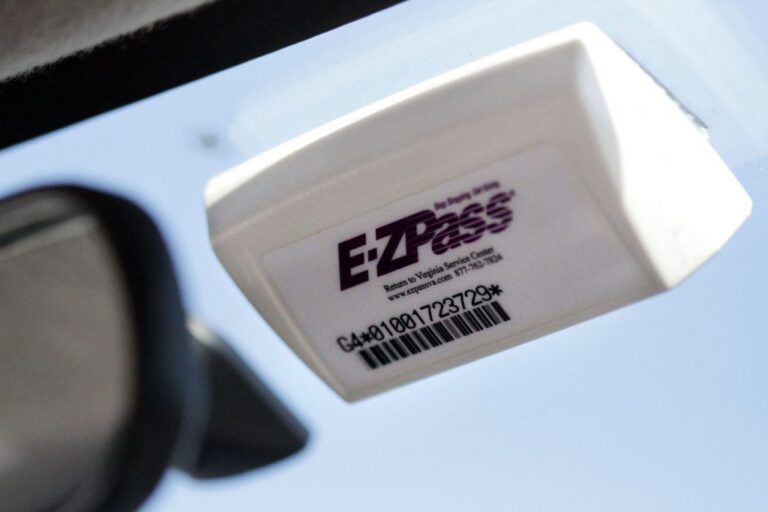
You are rolling toward a toll plaza at fifty-five miles per hour. Traffic is moving. Your coffee is still hot. Then the little white box on your windshield starts screaming. Not one polite chirp. A nonstop beep that fills the cabin and will not shut up. Your first thought is that every driver in the next three lanes can hear it. Your second thought is that this is going to cost you money if you ignore it.
If your E-ZPass starts beeping continuously, it is trying to signal something important. Usually this happens because the device detected a low battery or because there is a problem with your account. It is your cue to pay attention before the next plaza turns a five-dollar toll into a violation notice with late fees attached.
Here is the thing. Most drivers treat that beep like a smoke alarm with a dying nine-volt. They slap the visor, turn up the radio, and hope it stops. That is how people end up with unpaid tolls, camera tickets, and a transponder that the plaza never even read. This guide walks through what each sound means, how to fix the common causes in your driveway, and when you need to call E-ZPass before the next trip.
What Those Beeps Are Actually Trying to Tell You
When your E-ZPass starts beeping, it is communicating. The transponder is a two-way radio. The plaza antenna talks to it. The tag talks back. The speaker in the case is the only way that little brick can get your attention while you are driving. Paying attention to the pattern is how you tell a successful read from a dying battery or a broke account.
In the real world, a lot of drivers have never been told there is more than one sound. They assume every beep means the toll went through. That assumption is how low-balance warnings get ignored for weeks. Learn the patterns once and you will know in half a second whether you are fine or whether you need to pull over and deal with it.
The Three Beep Patterns You Will Actually Hear
- One beep: This is the standard sound you will hear when you successfully pass through a toll. It means the plaza read your tag and deducted the toll from your account. One clean chirp. That is the sound you want.
- Multiple beeps: If you hear more than one beep, it often means your account balance is low. It is a reminder to add funds so the next plaza does not reject the tag. Think of it as the fuel light for your toll account.
- Continuous beeping: A nonstop beep usually means a problem with the device itself, most often a low battery. Unlike one or two beeps, continuous beeping needs attention now, not after you get home from work three days later.
That third pattern is the one that empties parking lots of patience. It does not stop when you leave the plaza. It can keep going in your driveway, in the grocery store lot, even sitting in the garage overnight. That is not a successful read. That is the transponder telling you it is done.
How to Read Beeps and Alerts Without Guessing
- Low battery alert: Continuous beeping often means the transponder battery is dying. E-ZPass tags are sealed units. You cannot pop the back off and drop in a new cell the way you would with a key fob. You contact customer service and get a replacement.
- Mounting issues: The tag may beep if it is not mounted correctly on the windshield. It belongs behind the rearview mirror, in the clear glass, with a clean line of sight to the overhead antenna. A crooked mount, a visor covering it, or a metalized windshield strip can keep the plaza from reading it and can trigger odd beeping.
- Account issues: Beeping can also mean insufficient funds or an account that needs an update. A closed card, an expired plate on file, or a vehicle you never added can all make the system unhappy. Check the account before you blame the hardware.
Even so, do not assume one cause and stop looking. A dying battery and a low balance can show up in the same week. Fix both. The plaza does not care which one you meant to handle first.
How an E-ZPass Transponder Works on Your Windshield
As a mechanic, I look at these tags the same way I look at a TPMS sensor or a key fob. It is a sealed radio with a battery, an antenna, and a tiny speaker. The plaza has a reader in the gantry. When you roll under it, the reader pings the tag. The tag wakes up, sends your account ID, and the back office pulls the toll. The whole exchange takes a fraction of a second.
That only works if three things are true. The battery has enough life to wake the radio. The tag is aimed at the gantry through glass the radio can see through. The account behind that ID has money and a valid vehicle on file. Break any one of those and you get silence, a violation camera flash, or that endless beep.
The battery inside a typical hard-case transponder is designed to last several years. Heat on a summer dashboard shortens that life. So does sitting in a parked car in Arizona or Florida for months. Cold is less of a killer than heat, but a tag that has lived through eight summers on the glass is living on borrowed time. Continuous beeping is often that battery giving you a last warning before it goes quiet forever.
The radio also hates metal. Aftermarket windshields with a heavy solar coating, some factory infrared bands across the top of the glass, and anything metallic stuck near the tag can block or scramble the signal. The plaza reader then fails to get a clean response. Some tags react to a failed handshake by beeping. Others just stay silent while the camera photographs your plate and starts a violation.
Why Continuous Beeping Is the One You Cannot Ignore
One beep is comfort. Multiple beeps are a nudge. Continuous beeping is a problem that will follow you through every plaza until you fix it. If the battery is dead, the gantry may not read the tag at all. You will still drive through. The camera will still see your plate. Then the agency bills you as a violator, often at a higher rate, sometimes with an admin fee on top.
If the account is empty, some plazas still let you through and bill the negative balance. Others treat it like no tag at all. Either way, you are stacking fees. A five-dollar crossing can turn into a twenty-five or fifty-dollar notice once the violation process starts, and it gets uglier if you miss the first letter.
In the real world, I have had customers bring in a car for an oil change and mention the tag has been screaming for two weeks. They parked it in the cup holder. They stuffed it in the glove box. They put a piece of tape over the speaker. None of that restores the radio or the account. It just guarantees the next three plazas will photograph the plate.
Treat continuous beeping like a check-engine light that also happens to be loud. Diagnose it the same day if you can. The next morning commute is a bad time to discover the tag is a paperweight.
Common Problems and How to Troubleshoot Them in Order
Understanding why the tag is beeping is how you keep the account active and the plazas boring. Work through these causes in order. The first three cost nothing but a few minutes. The last one is a phone call for a new unit.
Low Battery: The Sealed Unit You Cannot DIY
Your transponder has a battery with a limited life. Continuous beeping is one of the classic low-battery signs. Because the case is sealed, you cannot replace that cell yourself without destroying the unit and voiding whatever replacement policy E-ZPass offers. Do not pry it open with a screwdriver. You will crack the housing, kill the antenna, and still need a new tag.
Call customer service or log into your agency account and request a replacement. Many agencies mail a new transponder and give you a return label for the old one. Some walk-in centers will swap it while you wait. Until the new tag is mounted, assume every plaza will treat you as if you have no tag at all. Use a plate-based account if your agency offers one, or budget for video tolls on that trip.
Battery life varies by model and climate. A tag that lived in a temperate garage-kept sedan can last well past five years. A tag baked to the glass of a black SUV in the South may start complaining in three or four. If your unit is old enough to have faded printing on the case, put a replacement on your list even before it beeps.
Insufficient Funds: The Beep That Is Really a Bank Problem
If your account balance drops below the replenishment threshold, the tag may beep to warn you. This is often multiple beeps rather than a continuous scream, but agencies and tag generations do not all sound the same. Check the account first. If the balance is sitting at three dollars and your commute has two plazas, you already know the answer.
Add funds online or by phone with a credit or debit card. It is essential to keep a cushion so a weekend trip through an unexpected plaza does not zero the account at 9 p.m. on a Sunday. Auto replenishment exists for this exact reason. Use it.
A declined card is a silent killer. You set auto replenish years ago, the card expired in March, and you never updated it. The account slowly drains. The tag starts complaining. You think the hardware failed. The hardware is fine. The card on file is a museum piece. Update the payment method the same day you notice a low balance you did not expect.
Installation Errors That Make a Good Tag Look Dead
Beeping can happen when the transponder is not installed correctly. It should sit on the windshield near the rearview mirror, logo facing you, with nothing between the tag and the sky. A radar detector suction cup, a sunshade clip, a parking permit, or a dirty film of road grime can all sit in the worst possible spot.
Incorrect installation keeps the plaza from reading the tag and can cause continuous or repeated beeping. Pull over somewhere safe. Take the tag off. Clean the glass with a proper glass cleaner, not an oily wipe. Remount it high and centered behind the mirror, on the interior glass, following the arrows on the case. Most hard-case tags have a preferred orientation. Follow it.
If you recently replaced the windshield, that is a prime suspect. Some replacement glass has a heavier metallic solar coating than the original. Some has a designated E-ZPass window, a small uncoated patch behind the mirror. If the shop put standard coated glass in with no toll window, the tag may never read cleanly no matter how perfectly you mount it. Ask the glass shop. If there is no toll window, you may need an exterior license-plate mount or an interior mount in a different spot that your agency allows.
A Damaged or Failing Transponder
Sometimes the tag itself is broken. You dropped it. The dog chewed the corner. It spent a July afternoon on a black dash and the plastic warped. Physical damage and internal faults both cause persistent beeping. If you have cleaned the mount, confirmed the balance, and the thing is still screaming in the driveway with the car off, the unit is done.
Do not keep using a cracked tag. Moisture gets in. The radio gets flaky. You will collect a mix of good reads and violations that take hours to sort out. Call customer service, report it damaged, and get a replacement in the mail. Keep the old unit until the new one is active so you can give them the serial number off the back.
A Driveway Checklist You Can Run in Ten Minutes
Before you spend an afternoon on hold, run this list. It catches most of the noise.
- Park, leave the car in accessory or off, and listen. If the tag beeps with no plaza nearby, it is the unit or the account, not a live toll read.
- Log into the E-ZPass account on your phone. Confirm the balance, the card on file, and that this vehicle and plate are listed.
- Look at the tag. Cracks, fog inside the case, or a melted corner mean replacement, not troubleshooting.
- Confirm the mount. Behind the mirror. Logo facing the cabin. No metal tint strip covering it. No gadgets stacked on top of it.
- If you have a second vehicle with a working tag, do not swap them just to test unless both vehicles are on the same account. A tag tied to the wrong plate creates violations on both cars.
- If the account looks healthy and the mount is correct, call support for a replacement. You have done the free work.
That list sounds basic because it is. Most continuous-beep calls I hear about end at step two or step four. People skip the account, assume the worst, and sit on hold for a hardware swap they did not need.
How to Manage the Account So the Tag Stays Quiet
Hardware gets the blame. The account causes just as much grief. Managing the E-ZPass account is how you keep plazas boring and letters from the toll agency out of the mailbox.
Checking the Balance and Adding Money Before You Need It
You can check the balance online or by calling customer service. If it is low, add funds with a card online or by phone. A sufficient balance is what keeps the tag from nagging you and what keeps a plaza from kicking you into violation billing.
- Online: Log in to the account portal for your agency. View the balance. Add funds. Download statements if you need them for work or taxes.
- Phone: Call the number on your statement or on the back of the transponder and follow the prompts. Have the account number and transponder serial ready.
Check it the way you check the fuel gauge. A quick glance once a week during a heavy travel month is enough. If you only drive local roads with no tolls for months, check it before the first highway trip, not after the third plaza.
Updating Vehicle and Plate Information When Life Changes
Keep the account current. A new car, a new plate, a sold vehicle, or a leased car you just returned will all cause problems if the file still has last year’s information. The plaza reads the tag, the back office compares it to the plate camera, and a mismatch can generate a violation or a rejected read.
- Online: Open the account portal and update the vehicle, color, plate, and state.
- Phone: Call customer service if the portal will not accept the change or if you are transferring a tag to a new car the same day.
Do this before the first trip in the new vehicle. I have seen people mount the old tag on a new windshield Friday night and collect three weekend violations because the plate on file still belonged to the trade-in sitting at the dealer.
Setting Replenishment So You Never Think About It Again
Set the account to refill itself when the balance hits a threshold. That is the single best habit in this entire article for anyone who uses toll roads more than once a month.
- Prepaid toll amount: Choose how much gets added each time. Heavy commuters should pick a larger chunk so they are not getting five small charges a month.
- Replenishment threshold: Choose the balance that triggers the refill. Set it high enough that a long weekend trip cannot outrun the pending card charge.
- Online: Change both settings in the portal in a couple of minutes.
- Phone: Ask customer service to set or change them if you would rather not do it on a screen.
Then put a calendar reminder once a year to confirm the card on file is still valid. Auto replenish is only automatic until the card expires.
Mounting the Tag So the Plaza Can Actually See It
A perfectly funded account and a fresh battery still fail if the tag is in the wrong spot. The reader is above you. The radio needs a clear path through glass. That path is almost always the area behind the rearview mirror, high on the windshield, on the interior surface.
Clean the glass first. Dust and old adhesive ruin the suction or the sticker pad. Place the tag so the printed side faces you, unless your specific model says otherwise. Keep it out of the tinted solar band if your windshield has one across the top. That band is often metalized. It is the enemy of a clean read.
Do not toss the tag on the dash. Do not clip it to the visor and flip the visor down every time the sun moves. Do not leave it in the cup holder because you switch cars. A tag in the cup holder is a tag the gantry may miss, and a missed read is a camera ticket. If you switch cars, move the tag and remount it. If two people share two cars, put both vehicles on the account and get a second tag. The convenience of one floating brick is not worth the violation mail.
Motorcycles and convertibles have their own rules. Some agencies issue a different mount or an exterior holder. Follow that guidance. A standard windshield tag bouncing in a tank bag is a coin toss at every plaza.
E-ZPass Flex, HOV Lanes, and the Switch People Forget
If you have an E-ZPass Flex, the switch on the tag matters. Flex units let you declare HOV or SOV so the plaza can charge the right rate in managed lanes. If you are carpooling, the tag needs to be in HOV mode. If you are driving alone, it needs to be in the regular position. The wrong setting is how people get billed as solo drivers in an HOV lane or, worse, get a violation for using a lane they did not pay for correctly.
Check the switch before you enter the lane, not after the sign that says last chance. Continuous beeping is not usually a Flex-mode problem, but a Flex tag that is dying will still beep, and a Flex tag that is mounted wrong will still miss reads. Treat the mode switch as a pre-trip check, the same way you check headlights before a night drive.
Some regions are strict about occupancy. A camera or an officer can still cite you even if the tag is in HOV mode. The switch tells the toll system what you claim. It does not replace the passenger in the seat.
When You Need a Human at Customer Support
If the tag is still screaming after you have checked the balance, the mount, and the case, call support. They can see things you cannot, including whether the serial number is flagged, whether a replacement is already in the mail, and whether a violation is pending that you have not opened yet.
Calling or Walking Into a Customer Service Center
To deal with continuous beeping, contact the Customer Service Center. You can speak with a representative by phone and get a direct answer on replacement, account flags, and recent reads.
Here is how to reach them:
- Phone: Use the number on your E-ZPass statement or on the back of the transponder. Have the transponder number, account number, plate, and a couple of recent trip dates ready. That information shortens the call.
- In person: Some problems, especially disputes and identity or plate mix-ups, go faster across a counter than on a phone tree. Bring a photo ID, the tag, and any violation letters.
When you call, describe the beep pattern in plain language. Continuous since yesterday. Two beeps at every plaza. One beep then a long tone in the driveway. The agent has heard all of these. The more specific you are, the less time you spend in the wrong script.
Using Online Help When the Problem Is Not an Emergency
For issues that can wait an hour, the E-ZPass online resources are worth a look before you surrender your afternoon to hold music.
- Check the FAQs: A lot of beeping questions are already answered there, including battery replacement policy and mounting diagrams.
- Account management: Log in. Read alerts and messages. Agencies often post a note on the account when a tag is flagged or a card fails. That banner is the explanation you have been driving around with.
Online support will not physically replace a melted tag. It will tell you whether you even need one.
How to Avoid Toll Violations While You Sort This Out
A beeping tag is annoying. A violation packet in the mail is expensive. The goal is to keep plazas from treating you like you have no tag while you wait for a replacement or a card update.
Use the Transponder the Way the Plaza Expects
Install it properly. Keep it unobstructed. If you have a Flex tag, set the mode before the lane split. If the tag is dead and you know it, do not pretend it will work at the next gantry. Take a staffed lane if one exists, or accept that a video toll may post and watch the account for it so you can pay before it ages into a violation.
- Check the mount every time you clean the glass or replace the wipers. Tags get knocked loose more often than people think.
- Respect the battery. You cannot replace it, but you can request a new tag as soon as the beep starts instead of three weeks later.
- Set Flex correctly when you use managed lanes.
What to Do When a Charge Looks Wrong
If a charge on the account does not match a trip you took, act quickly. Review the date, time, plaza, and plate. A missed tag read can post as a video toll at a higher rate. A borrowed car or a plate swap can put someone else’s trip on your file. A duplicate post happens more than agencies like to admit.
- Review transactions on a regular schedule, not once a year at tax time.
- Dispute errors through customer service as soon as you spot them. Waiting months weakens your case.
- Keep simple records if you travel for work or split time between two cities. A notes app with dates and routes is enough to challenge a plaza you never visited.
Keep contact information and payment methods current. An old email address is how violation letters go unread until the amount triples. If the tag is beeping continuously, do not ignore it. An unread beep is how a cheap problem becomes a collection problem.
What Ignoring the Beep Actually Costs
People ask whether they can just unplug the annoyance and deal with it later. You cannot unplug a sealed tag, but you can throw it in the glove box. Here is what that choice usually costs.
First, missed reads. Each plaza that fails to see the tag can generate a video toll or a violation. Video tolls are often higher than the E-ZPass rate. Violations add administrative fees. Miss the first notice and some agencies add more. A week of commuting through two plazas a day can outrun the price of a replacement tag by Wednesday.
Second, account flags. Repeated failures can put a note on the account that slows down future disputes. You look like someone who drives without a working tag. That is a harder conversation when you later need a goodwill adjustment.
Third, time. Sorting six violation letters takes longer than the fifteen-minute call you skipped. Print, scan, explain, wait. All of that is avoidable if you treat the first morning of continuous beeping as the deadline.
| Situation | Typical outcome | What it usually costs you |
|---|---|---|
| One beep at the plaza | Successful read | The posted E-ZPass toll |
| Multiple beeps | Low balance warning | A few minutes to add funds |
| Continuous beeping, you replace the tag | New transponder in the mail or at a walk-in center | Often a small fee or a free swap, depending on the agency |
| Continuous beeping, you ignore it | Missed reads and camera bills | Higher video rates plus violation fees per plaza |
| Wrong vehicle or plate on file | Mismatched reads | Disputes and possible violations on both the old and new car |
| Expired card on auto replenish | Account hits zero | The same mess as a dead tag, plus declined-card mail |
That table is the whole argument for dealing with the sound the day it starts.
A Few Real Mornings I Keep Hearing About
A commuter on the New Jersey Turnpike hears a single extra beep every day for a week and figures the plaza equipment is picky. On Friday the tag goes continuous in the driveway. Saturday morning the family is headed to a game. They drive anyway. By Monday there are four video tolls and a low-balance flag because auto replenish failed on an expired card. Two problems. One week. All of it visible in the account if anyone had logged in after the first odd beep.
Another driver replaces a cracked windshield on a Tuesday. The glass shop does beautiful work. No toll window in the new solar coating. Wednesday the tag is silent at the first gantry and screaming in the garage that night. The tag is fine. The glass is a Faraday cage with a view. They need an exterior mount or a different interior spot, not a new account.
A third owner keeps two cars and one tag. They toss the tag on the passenger seat of whichever car they grab. Half the trips post. Half become plate captures. The account looks like a coin toss. Continuous beeping starts when the tag finally takes a ride under a boot and cracks. One tag per car would have been cheaper than the letters.
None of these people did anything exotic. They delayed a five-minute check. The system billed them for the delay.
Special Cases: Rentals, New Cars, and Shared Vehicles
Rental cars often come with their own toll programs. Do not slap your personal E-ZPass on a rental windshield unless you know how that rental company handles tags. Some bill their own program at a premium if any tag or plate is read. You can pay twice. Read the rental contract. If you use your own tag, ask the desk how to opt out of theirs first.
A brand-new car may have a factory windshield with a dedicated transponder zone. Look for a faint outline or a note in the owner’s manual. Mount inside that zone. Outside it, you are back to coated glass and missed reads.
Shared family cars need every plate on the account. A teenager in the backup sedan with dad’s tag and mom’s old plate still in the system is a dispute waiting to happen. Ten minutes in the portal prevents a month of emails.
Habits That Keep the Tag Quiet for Years
You cannot service the battery. You can still treat the tag like the rest of the car.
- Glance at the account balance the same week you buy fuel, or turn on auto replenish and confirm the card once a year.
- Update the plate the day the new one goes on the bumper, not the week after the first ticket.
- After any windshield replacement, confirm there is a toll window and remount the tag before the first highway trip.
- Keep a second programmed tag if you regularly drive a second vehicle.
- When the beep pattern changes, log in that day. Do not wait for the mail.
- Store a spare tag in the house, not on a hot dash, if your agency issued extras.
Those habits are boring. Boring is the goal. A quiet tag on a funded account is the entire product working the way it should.
What to Do in the Next Ten Minutes
If the tag is beeping while you read this, stop scrolling and check three things. Open the account. Look at the balance and the card. Look at the tag on the glass. If the account is healthy and the tag is old, cracked, or still screaming in a quiet driveway, call support and order the replacement before your next on-ramp.
One beep means the plaza saw you. Multiple beeps mean feed the account. Continuous beeping means the device or the file behind it needs a human. None of those sounds get better if you turn the radio up. So here is the only question that matters before you pull out of the driveway tomorrow: have you logged into the account and looked at that tag, or are you planning to find out the expensive way at the next gantry?