

Buying or selling a car has changed dramatically over the last decade. You no longer have to drive around to dealerships on a Saturday, haggle with salespeople, or rely on a small classified ad in the local paper. Today, some of the best deals happen online, and knowing which platforms to use makes a real difference in what you pay or what you get for your car.
Whether you are trying to offload your current car for the best price or hunting for a solid used vehicle on a budget, the platform you choose matters. Each one works differently, attracts different types of buyers and sellers, and comes with its own advantages and risks.
Here is a practical breakdown of the best places to buy and sell cars, and what you actually need to know about each one before you start.
Facebook Marketplace
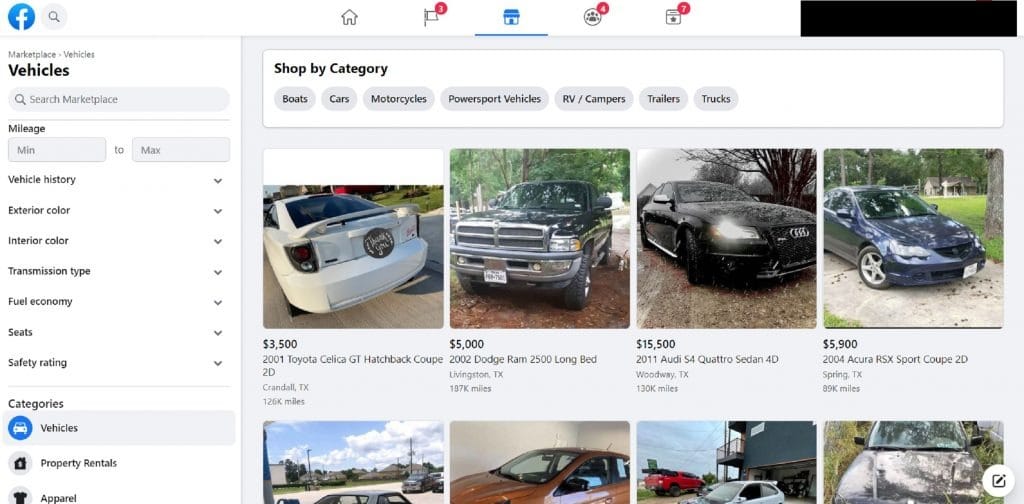
Facebook Marketplace has grown into one of the most active car-buying platforms around, and it happened faster than almost anyone predicted. What started as a general buy-and-sell feature has become a genuinely competitive alternative to dedicated automotive sites, especially for private party sales. Some industry observers consider it a real threat to older classified platforms like Craigslist, and looking at the volume of listings, it is not hard to see why.
The barrier to entry is about as low as it gets. If you have a Facebook account, you can list a car for free in a matter of minutes. Add your photos, write a description, set your asking price, and include your approximate location so buyers know whether the car is within reach. Buyers can filter by location, price range, make, model, and year, so your listing reaches people who are actively looking for exactly what you are selling.
One of the genuine advantages Facebook Marketplace has over purely anonymous classified sites is social visibility. Buyers can see the seller’s profile and get a sense of who they are dealing with before they even send a message. Sellers get the same benefit in reverse. That layer of social accountability does not eliminate risk entirely, but it adds a level of transparency that faceless listing platforms simply cannot match. When you can see someone’s face and profile, it changes the dynamic of the negotiation and the trust calculation on both sides.
That said, Facebook Marketplace is an unmoderated peer-to-peer platform. There is no buyer protection built in, no vehicle history integration, and no oversight of what gets listed. You will find genuine bargains alongside cars with undisclosed problems, inflated asking prices, and occasionally outright scams. The due diligence is entirely on you.
Best for: Private sellers who want maximum reach with zero listing cost, and buyers who want to negotiate directly with local owners without platform fees getting in the way.
Watch out for: No buyer protection, no vehicle history included, and scammers who take advantage of the platform’s open nature. Always meet in a public place, never pay without seeing the car in person, and run an independent vehicle history report before committing to any purchase.
eBay

eBay has been facilitating car sales for over two decades, and eBay Motors remains one of the largest vehicle marketplaces in the world. The scale of inventory is hard to beat. At any given time, you will find hundreds of thousands of vehicles listed, from everyday used commuters to rare classics and specialty vehicles that would never turn up on a local listing site.
One of the most useful features for buyers is the ability to research sold listings, not just active ones. You can look back at what similar vehicles actually sold for, not just what sellers were asking, which gives you a far more accurate sense of real market value before you start negotiating or placing bids. That research capability alone makes eBay worth visiting even if you end up buying elsewhere.
eBay Motors operates in two modes. You can list or buy at a fixed price, or you can use the auction format where the price is determined by competitive bidding. Auctions can produce genuine bargains on cars that attract little attention, but they can also push prices above market value when two motivated buyers get into a bidding war. Know your ceiling before you bid and stick to it.
The national reach of eBay is both its biggest strength and its biggest complication. It gives sellers access to a far larger pool of buyers than any local platform can offer, which is particularly valuable for unusual or collectible vehicles. But buying a car you have not seen in person, especially one that requires shipping, carries real risk. Professional pre-purchase inspections by independent mechanics, arranged at the seller’s location, are strongly advisable for any significant eBay Motors purchase.
Best for: Sellers with rare, specialty, or high-demand vehicles who need national exposure, and buyers who want to research real-world pricing data or find vehicles not available locally.
Watch out for: Remote purchases without an independent inspection, auction bidding that escalates past fair market value, and listings with limited photos or vague descriptions. If a seller is reluctant to provide additional photos or refuses an independent inspection, walk away.
CarGurus
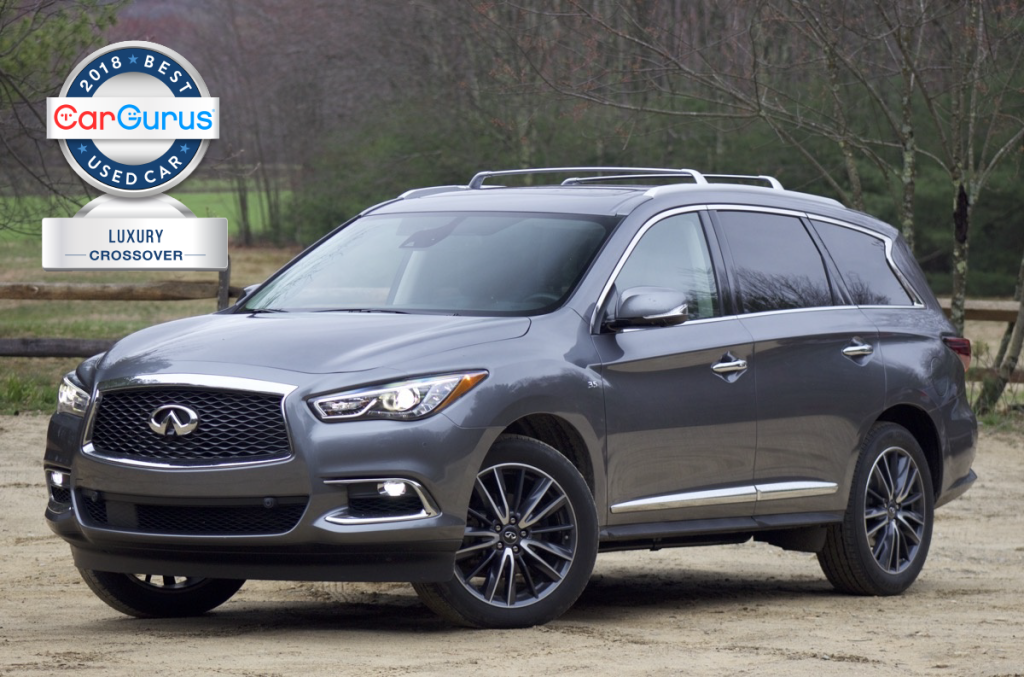
CarGurus takes a different approach from most car listing sites, and for buyers in particular, that difference is genuinely useful. Rather than simply displaying listings, CarGurus analyzes each vehicle against comparable cars currently on the market and assigns it a deal rating: great deal, good deal, fair deal, overpriced, or high price. That instant pricing context gives buyers real negotiating leverage they would otherwise have to develop through hours of independent research.
Who would not want to walk into a negotiation already knowing whether the asking price is fair, high, or a genuine bargain? That is exactly the kind of information advantage CarGurus hands to buyers, which is why it has grown into one of the most visited automotive marketplaces in the United States. The listing volume is substantial, drawing both private sellers and dealerships, and the search tools let you filter by make, model, year, mileage, price, distance, and seller type with real precision.
The deal rating system is the standout feature, but it comes with an important limitation. The rating reflects the listed price compared to market comparables at that moment. It does not account for the individual car’s condition, service history, or any hidden mechanical problems. A car rated as a great deal based on its price could still be a poor purchase if it has undisclosed issues. Use the rating as a price benchmark, not as a substitute for a proper inspection and vehicle history check. Do your research first. You do not want to pay for something that turns out not to be worth your money.
Best for: Buyers who want instant market price context to strengthen their negotiating position, and anyone shopping a large combined inventory of private sellers and dealerships in one place.
Watch out for: Deal ratings reflect listed price versus market comparables, not actual vehicle condition. A deal-rated car with serious mechanical problems is still a bad deal. Always verify with an independent inspection and a vehicle history report.
What to Do Before You Buy, Regardless of Where You Find the Car
The platform is just the starting point. How you handle the process after you find a car you are interested in matters far more than where you found it. These steps apply whether you are buying from Facebook Marketplace, eBay, CarGurus, or anywhere else.
- Run a vehicle history report. Services like Carfax or AutoCheck give you the car’s ownership history, accident records, title status, odometer readings over time, and service records where available. This is a non-negotiable step for any used car purchase.
- Arrange a pre-purchase inspection. Before handing over any money, have an independent mechanic with no connection to the seller inspect the vehicle. This typically costs between $100 and $150 and can reveal problems invisible to an untrained eye. It is the best money you will spend in any used car transaction.
- Take a proper test drive. A short loop around the block is not enough. Drive it at various speeds, test the brakes firmly, listen for unusual noises, check that all the electronics work, and pay attention to how the transmission shifts. If the seller limits your test drive or refuses to let you take it to a mechanic, walk away.
- Research fair market value independently. Even with a CarGurus deal rating or eBay sold price data, do your own additional research. Multiple data points give you a clearer picture and a stronger negotiating position.
- Never pay without seeing the car in person. Wire transfers before delivery and “I will ship it to you” arrangements from unknown sellers are among the most common car buying scams. If you cannot see it and drive it, be extremely cautious about proceeding.
The right platform gets you in front of the right cars or the right buyers. But the work you do after that, the research, the inspection, the verification, is what determines whether you walk away with a great deal or an expensive regret. Approach every transaction with the same level of care regardless of where you found the listing, and you significantly reduce the chances of being caught out.