
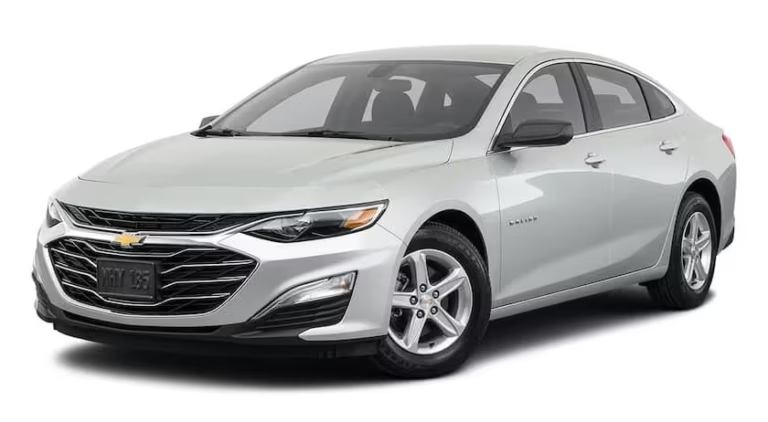
The 2021 Chevy Malibu is one of those cars that does a lot of things well without shouting about any of them. It is a midsize sedan built for people who want a comfortable daily driver that looks good in the office parking lot and sips fuel on the highway. Chevrolet gave it a sleek body, a quiet cabin, and enough power to make highway merging feel effortless rather than terrifying.
Top speed lands at 170 miles per hour, which is a number that sounds impressive in conversation even if you will never come close to it on public roads. Horsepower ranges from 160 to 250 depending on which engine you choose. The base turbocharged 1.5-liter four-cylinder puts out 160 horsepower and pairs with a continuously variable transmission. Step up to the 2.0-liter turbo and you get 250 horsepower through a nine-speed automatic. That higher output transforms the Malibu from a competent commuter into something that actually feels quick when you put your foot down.
Fuel economy is where the Malibu genuinely shines. Drivers can expect up to 29 miles per gallon in the city and 36 on the highway with the base engine. That kind of efficiency means fewer stops at the pump and more money staying in your wallet. Pricing starts at $22,140 for the base L model and climbs to $33,370 for the Premier trim. That range puts the Malibu squarely in affordable territory for a midsize sedan with this level of refinement and standard equipment.
But maybe you have already driven the Malibu and want to see what else is out there. Maybe the styling does not quite click with you, or you want a little more power, or you are simply the kind of shopper who likes to cross-shop before making a decision. The midsize sedan segment is packed with strong alternatives, and several of them match or exceed what the Malibu offers in specific areas. Here are fourteen vehicles that deserve your attention if the Chevy Malibu is on your shopping list.
Honda Accord: The Benchmark That Refuses to Sit Still
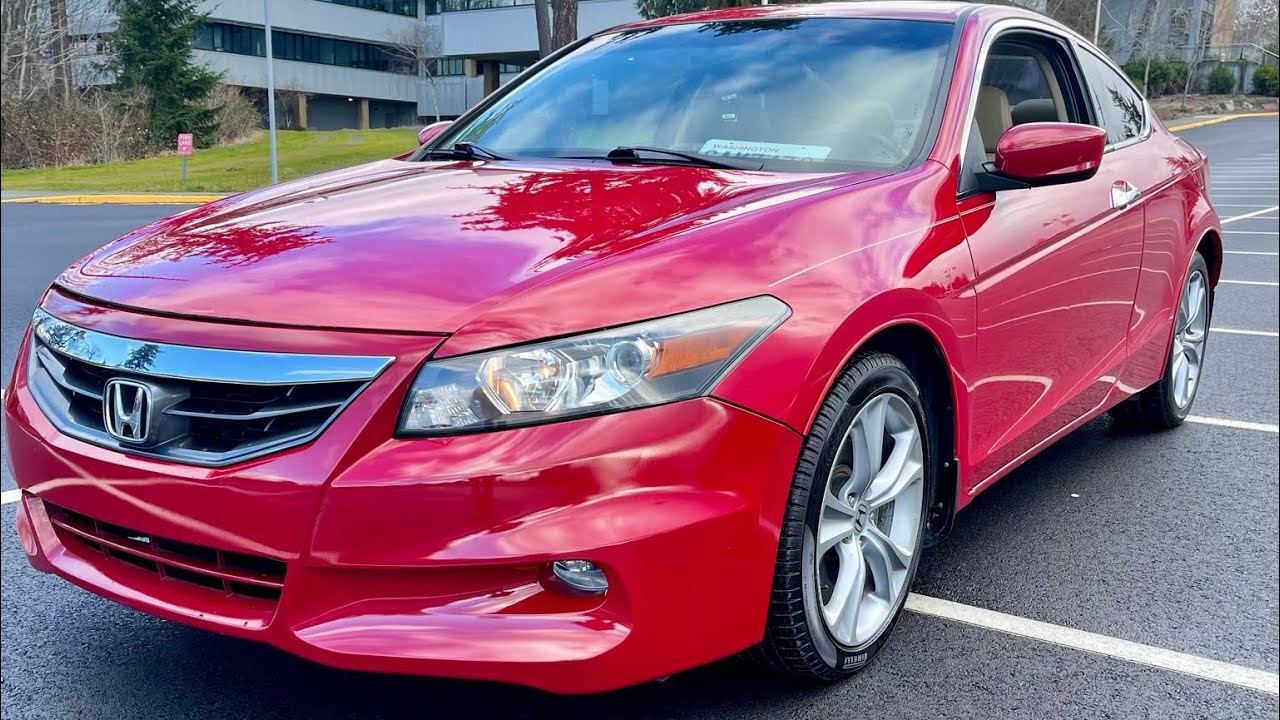
The Honda Accord has been the default answer in the midsize sedan segment for so long that it is easy to forget why. The current generation reminds you quickly. It seats five, just like the Malibu, but the interior feels more spacious and the materials are a noticeable step up in quality. Honda’s packaging team has a gift for making a sedan feel larger inside than the exterior dimensions suggest.
Under the hood, the Accord offers a turbocharged 1.5-liter four-cylinder as the base engine and an optional 2.0-liter turbo that pushes output to 252 horsepower. That is right in line with the Malibu’s top engine option. Where the Accord pulls ahead is in fuel economy. The base engine returns up to 30 miles per gallon in the city and 38 on the highway. Over the course of a year, those extra miles per gallon add up to real savings.
Acceleration is brisk. The 2.0-liter turbocharged engine gets the Accord from zero to 60 miles per hour in about 5.5 seconds. That is quick enough to surprise passengers and make on-ramp merges completely stress-free. The exterior design is classic Honda: clean lines, no unnecessary drama, and a shape that will still look current five years from now. Inside, wireless Apple CarPlay comes standard, along with low-speed braking control and a suite of driver assistance features that actually work as advertised.
Pricing starts at $24,970, which puts the Accord slightly above the base Malibu. The value proposition is strong when you factor in the build quality, the resale value, and the overall driving experience. If the Malibu is a good car, the Accord is the one that forces you to ask whether good is good enough.
Mazda 6: The Enthusiast’s Choice in a Family Sedan Body
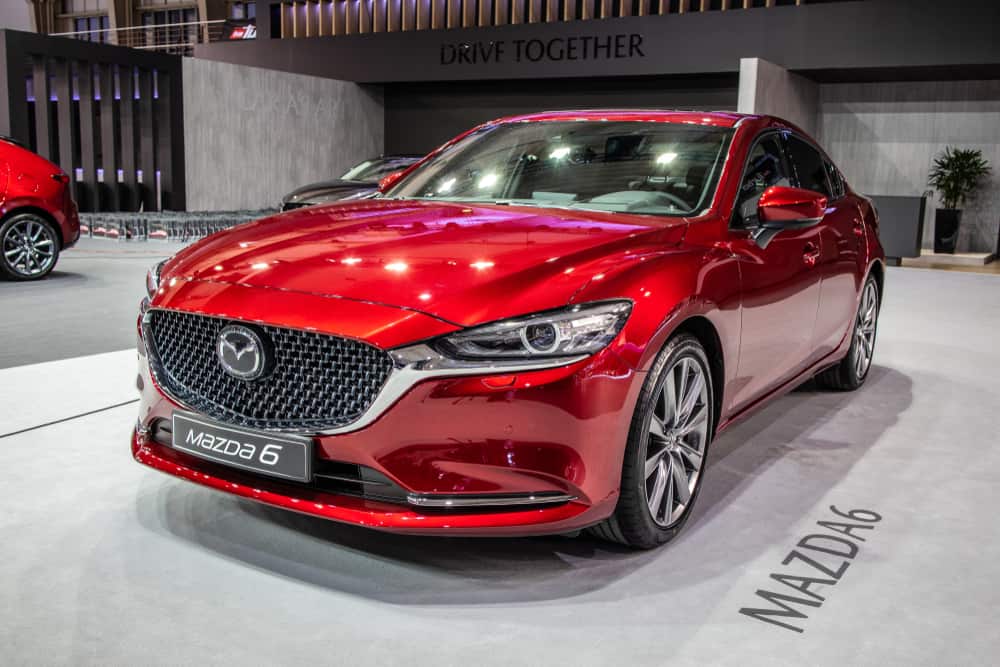
The Mazda 6 is the car you buy when you want a sedan that feels like it was engineered by people who genuinely enjoy driving. It is one of the closest competitors to the Chevy Malibu in terms of size, price, and mission, but the execution is distinctly Mazda. The steering is sharper, the chassis communicates more through the seat, and the whole experience behind the wheel feels more connected.
Horsepower ranges from 187 to 227 depending on whether you choose the naturally aspirated or turbocharged engine. Both are four-cylinder units that prioritize smooth power delivery over outright muscle. The zero to 60 mile per hour sprint takes about 7 seconds with the turbocharged engine. That is not class-leading, but the Mazda 6 makes up for it with the way it handles corners and the confidence it inspires on a winding road.
Fuel economy is solid. The base engine returns 26 miles per gallon in the city and 35 on the highway. The exterior looks sporty and upscale, with a long hood and a stance that suggests rear-wheel drive even though the front wheels do the work. The interior is where the Mazda 6 really stands apart. Leather-trimmed sport seats, a driver-focused dashboard layout, and Apple CarPlay wireless connectivity come together to create a cabin that feels more expensive than the window sticker suggests.
Safety technology is comprehensive. Lane departure warning and blind spot monitoring are included, and both systems operate with a level of subtlety that does not bombard you with unnecessary alerts. Pricing starts at $24,475 for the base Sport trim and stretches to $35,900 for the top Signature model. For a driver who wants a midsize sedan that does not feel like an appliance, the Mazda 6 makes a compelling argument.
Chevrolet Sonic: The Budget-Friendly Underdog That Surprises
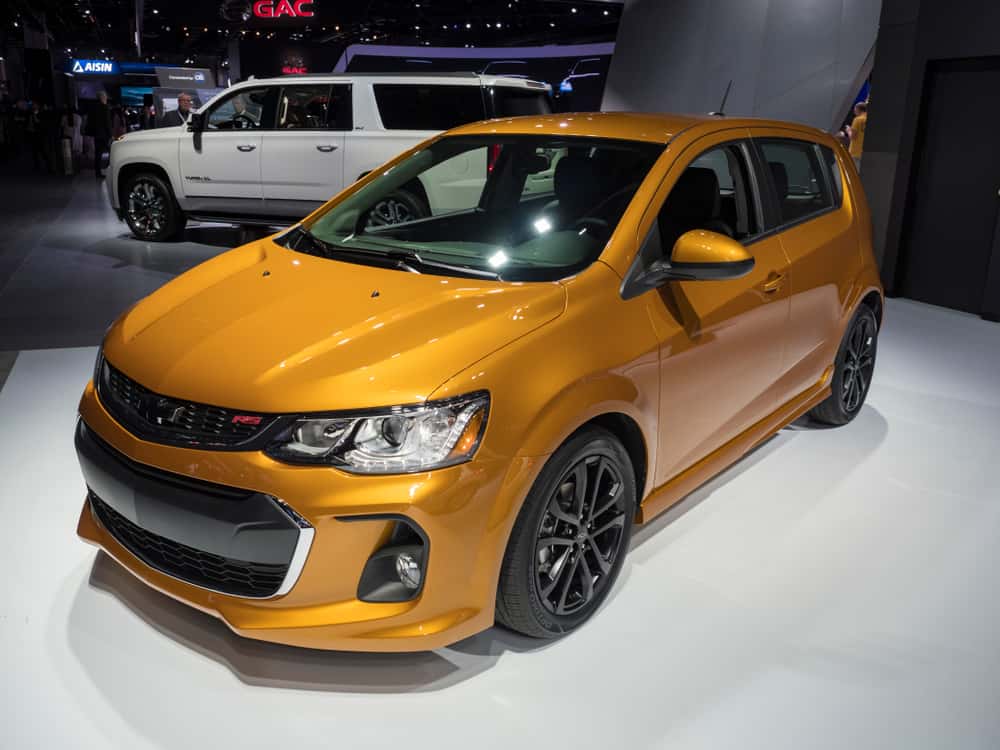
The Chevrolet Sonic might seem like an odd comparison to the Malibu at first glance. It is a subcompact car, not a midsize sedan. But for a buyer who is primarily focused on affordability and fuel economy, the Sonic offers a very different path to the same destination. It costs dramatically less, uses even less fuel, and still manages to seat five people in a surprisingly roomy cabin.
Prices start at just $16,720. That is roughly $5,500 less than the most affordable Malibu, and that money stays in your pocket from day one. The horsepower figure is modest at 138, and the zero to 60 time of 7.1 seconds reflects that. This is not a car that will pin you back in your seat, but it is perfectly adequate for city driving and short highway stints.
Fuel economy maxes out at 34 miles per gallon on the highway, which is actually slightly lower than the Malibu’s 36 highway rating despite the Sonic’s smaller size. That is one area where the Malibu’s more modern engine and CVT combination pay dividends. The Sonic is available in both sedan and hatchback body styles, and the hatchback version provides genuine cargo versatility for people who need to haul things on a regular basis.
Chevrolet focused on comfort and standard features when equipping the Sonic. A 4G LTE hotspot is included, which was a notable selling point when this generation launched. The interior feels spacious for a subcompact, though the materials are clearly built to a price point. For a recent graduate, a city dweller with tight parking constraints, or anyone who simply wants to minimize their car payment, the Sonic is worth a test drive.
Dodge Charger: The Muscle Car That Happens to Be a Sedan
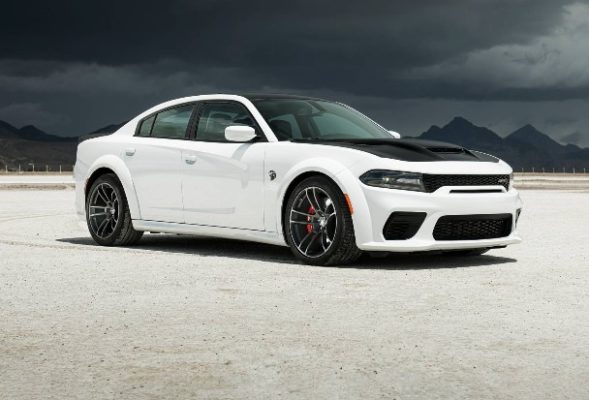
The Dodge Charger does not compete with the Chevy Malibu so much as it offers an entirely different philosophy. Both are five-seat midsize sedans. Both have four doors and a trunk. The similarities largely end there. Where the Malibu prioritizes fuel efficiency and approachable pricing, the Charger prioritizes power and presence, and it makes no apologies for the tradeoffs that come with that approach.
Horsepower begins at 292 in the base V6 model and escalates to an absurd 797 in the SRT Hellcat Redeye Widebody. That top-end figure makes the Charger the fastest four-door muscle car in the world. Dodge is very clear about what the Charger represents, and buyers who want fuel-sipping efficiency should look elsewhere. The EPA rates the Charger at 19 miles per gallon in the city and 30 on the highway with the base engine. The Hellcat variants are significantly thirstier.
Acceleration varies wildly depending on which engine lives under the hood. The base V6 reaches 60 miles per hour in 6.3 seconds, which is perfectly respectable. The Hellcat Redeye does the same sprint in 3.4 seconds, which borders on supercar territory. The exterior is unapologetically aggressive, with a wide grille, muscular fenders, and lightweight aluminum wheels that hint at the performance hiding beneath the sheet metal.
Pricing begins at $30,570 for the SXT model and climbs rapidly as you add cylinders and horsepower. The Charger is less of a direct Malibu competitor and more of a statement that the midsize sedan segment still has room for vehicles that prioritize excitement over efficiency. For the right buyer, the higher purchase price and fuel costs are a fair trade for the experience the Charger delivers every time the engine starts.
Kia K5: The Newcomer That Arrived Fully Formed
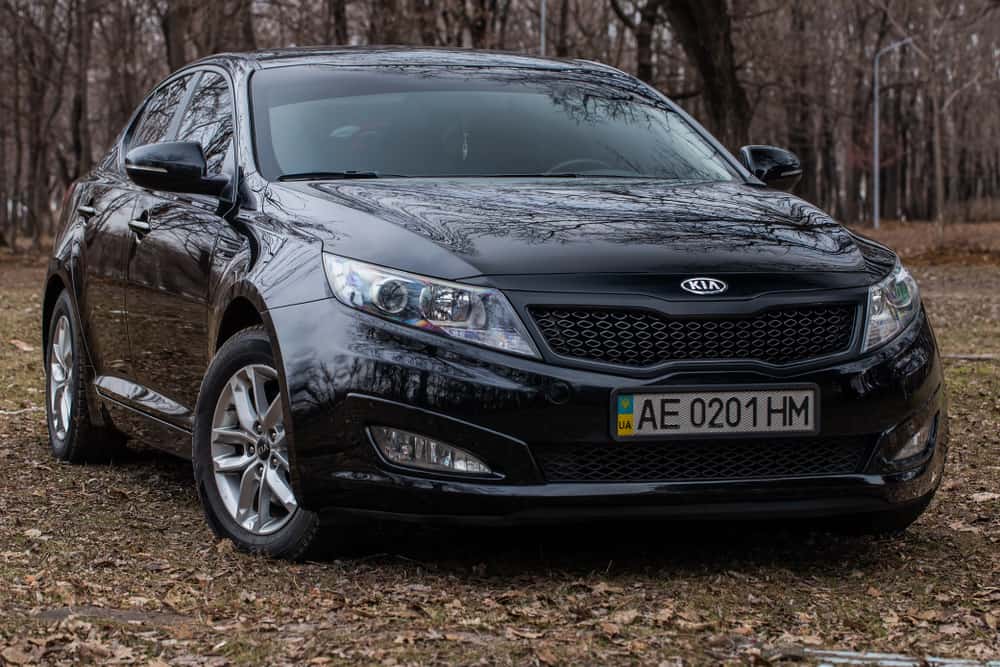
The Kia K5 replaced the Optima in Kia’s lineup and immediately established itself as one of the most compelling options in the midsize sedan class. It is a direct rival to the Chevy Malibu in nearly every measurable way: size, price, passenger capacity, and fuel economy. Where the K5 pulls ahead is in its warranty coverage and the overall modernity of its design and technology.
Base models start at $23,590 and feature a turbocharged engine and a chassis tuned to feel more athletic than most buyers expect. Horsepower ranges from 180 in the base engine to 290 in the GT model with its more powerful turbocharged unit. The zero to 60 time drops to 5.2 seconds in GT specification, which makes the K5 one of the quicker options in this segment.
Fuel economy is excellent. The base engine returns 29 miles per gallon in the city and 38 on the highway, figures that essentially match the most efficient Malibu configuration. The exterior design is sleek and modern, with a fastback-inspired roofline and a distinctive lighting signature that makes the K5 easy to spot at night. The interior centers around a 10.25-inch customizable touchscreen and heated front seats that come standard on higher trims.
All-wheel drive is available, which is a feature the Malibu does not offer at all. For drivers who live in regions with real winters, that alone can be the deciding factor. Kia’s warranty coverage remains the best in the industry, which means lower ownership stress over the long haul. The K5 is the proof that Kia has moved well beyond its budget-brand roots and into genuine competitiveness with established players like Chevrolet and Honda.
Subaru Legacy: The Sensible All-Weather Companion
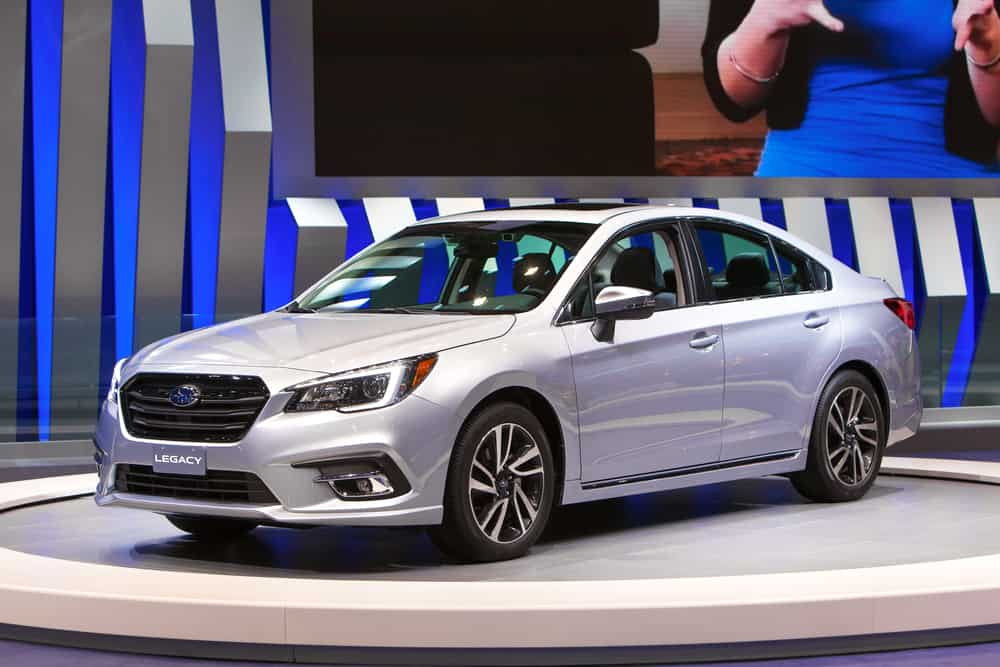
The Subaru Legacy is the car you recommend to someone who cares more about safety and all-weather capability than quarter-mile times or aggressive styling. It matches the Chevy Malibu in price almost exactly, starting at $22,995. Both cars seat five, both are midsize sedans, and both get comparable fuel economy. The differences lie under the skin and in the philosophy each manufacturer brings to the segment.
Subaru includes all-wheel drive as standard equipment on every Legacy. That is not an option or an upgrade. It is simply how the car is built. For drivers in northern states, mountain regions, or anywhere that sees regular snow, that standard all-wheel drive provides a level of confidence and security that front-wheel-drive competitors cannot match. Horsepower ranges from 182 in the base engine to 260 in the turbocharged XT model.
Fuel economy is respectable at 27 miles per gallon in the city and 35 on the highway, though the all-wheel-drive system does exact a small penalty compared to front-drive rivals. The zero to 60 time lands at about 6 seconds with the more powerful engine, which is quick enough for everyday driving without ever feeling frenetic. The exterior design is plain and functional. It will not turn heads at a cars and coffee event, but it will age gracefully and never look out of place.
Inside, heated leather seats and Subaru’s driver assist technology come standard on higher trims. The safety systems are among the best in the segment, and real-world crash test results back up the marketing claims. For a buyer who wants a sedan that provides peace of mind in any weather condition while still delivering competitive pricing and fuel economy, the Legacy deserves a spot on the shortlist.
Hyundai Sonata: The Value Play That Does Not Feel Cheap
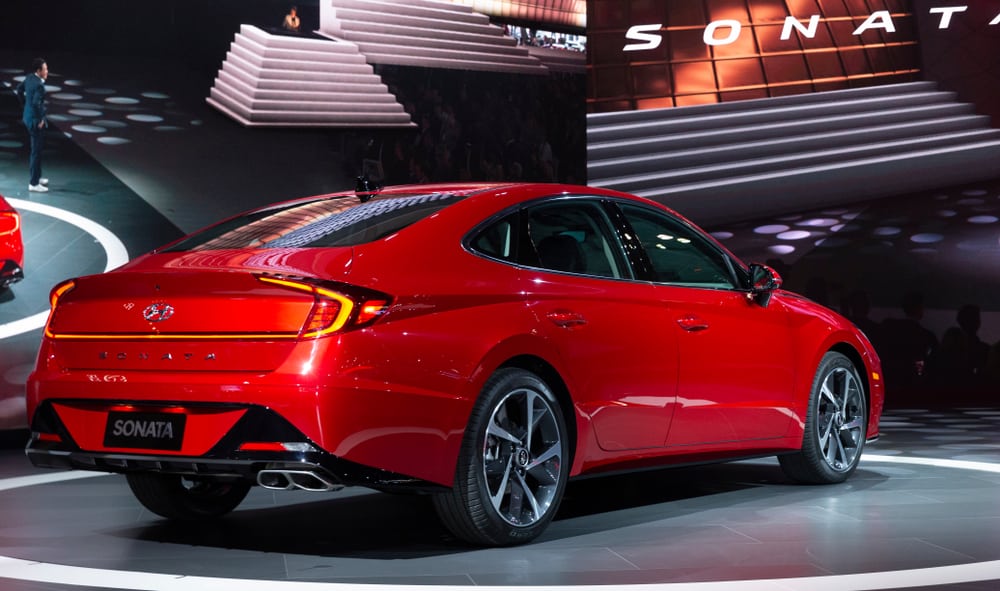
The Hyundai Sonata is a close relative to the Kia K5 underneath, sharing a platform and powertrain options, but Hyundai gives it a distinct personality and a slightly different value proposition. It competes directly with the Chevy Malibu on price and size, and in several areas it simply offers more for the money.
Prices start at $23,950 for the base SE model. Horsepower ranges from 180 in the standard engine to 290 in the N Line performance variant, which mirrors the K5 lineup exactly. The zero to 60 sprint drops to 5.3 seconds with the more powerful engine, making the Sonata one of the quicker cars in this segment. Fuel economy comes in at 28 miles per gallon in the city and 38 on the highway, figures that keep operating costs low.
The exterior design takes more risks than most competitors. A black mesh grille dominates the front end, and the N Line adds sport seats with red stitching and piping that give the cabin a genuinely sporty ambiance. Some buyers will love the bold styling. Others will prefer the more conservative approach of the Malibu or Accord. Either way, the Sonata stands out in a parking lot full of anonymous sedans.
Hyundai’s warranty coverage is a major selling point, and the technology features are competitive with anything in the class. The Sonata makes a strong case for itself as the value pick that does not ask you to sacrifice features, performance, or style to hit a lower price point. If you are cross-shopping the Malibu, drive a Sonata back-to-back and see which one feels better from the driver’s seat.
Toyota Corolla: The Reliable Choice That Holds Its Value
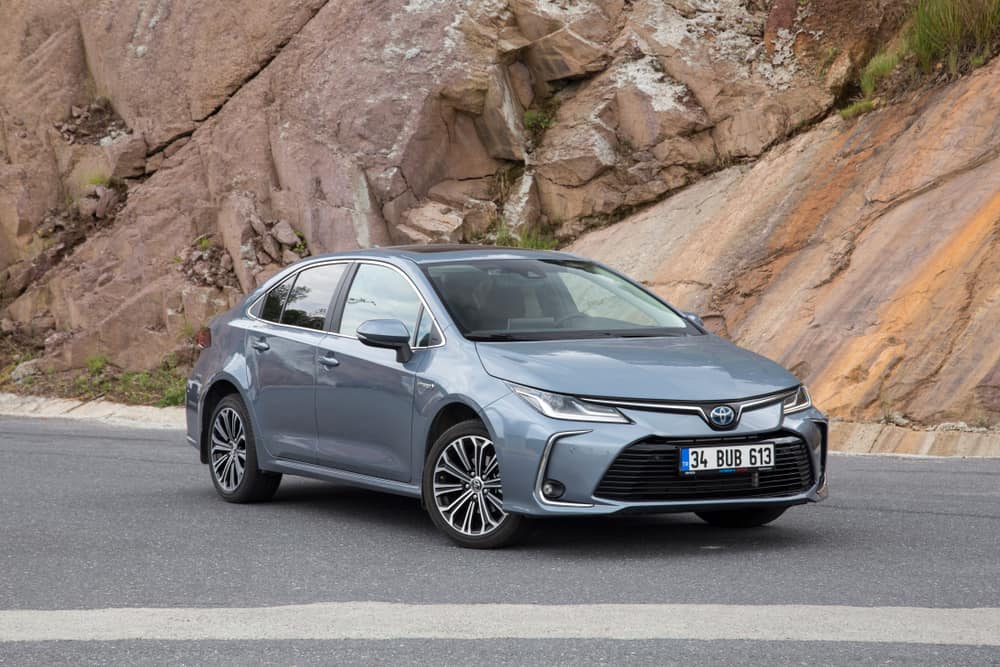
The Toyota Corolla sits one size class below the Malibu as a compact sedan rather than a midsize, but the price overlap and the five-seat capacity make it a natural cross-shop for budget-conscious buyers. The Corolla starts at $20,025, undercutting the base Malibu by a significant margin. That lower entry price comes with some expected tradeoffs in space and power, but it also brings Toyota’s legendary reliability and resale value into the equation.
Horsepower is modest at 139 to 169 depending on the engine choice. The zero to 60 time of nearly 8 seconds reflects the Corolla’s focus on efficiency rather than acceleration. Fuel economy is genuinely excellent. The gas-only engine returns 31 miles per gallon in the city and 40 on the highway. The hybrid version pushes highway economy to 53 miles per gallon, which is a number that changes how you think about fuel costs entirely.
The exterior design is sleek and modern, a significant departure from the bland Corolla styling of previous generations. The interior features trimmed sport seats and a leather-wrapped steering wheel that feel more premium than the price would suggest. Cargo space is adequate for a compact sedan, though it does not match the Malibu’s trunk capacity. For a buyer who prioritizes low running costs and long-term reliability above all else, the Corolla is difficult to argue against.
Ford Fusion Hybrid: The Efficiency Leader That Prioritizes Miles Over Muscle
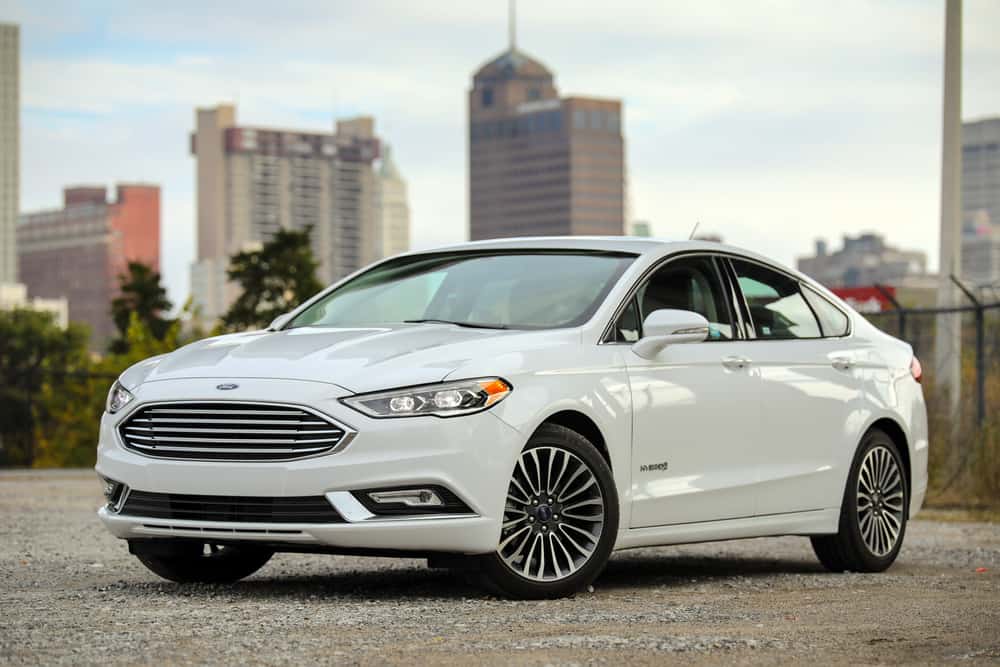
The Ford Fusion Hybrid takes a different approach to the midsize sedan formula. Where the Malibu offers hybrid technology as an afterthought, the Fusion was engineered from the start to make efficiency its primary selling point. The 2020 model year was the last for the Fusion, but used examples are widely available and remain competitive with newer offerings in terms of technology and refinement.
Prices started at $28,000 when the Fusion was on sale, and used values have held up well. The hybrid powertrain pairs a gasoline engine with an electric motor for a combined output of 188 horsepower. That is less than the Malibu’s base engine, and the zero to 60 time of 7.5 seconds reflects the Fusion’s focus on efficiency over acceleration. The exterior design is tasteful and understated, aging gracefully in a way that does not announce the vehicle’s age.
Fuel economy is where the Fusion makes its case undeniable. The hybrid model returns 43 miles per gallon in the city and 41 on the highway. Those numbers are not just good for a midsize sedan. They are good for any vehicle that seats five people and carries a full trunk of luggage. The interior is comfortable and well-appointed, with materials that have proven durable over years of family use.
A used Fusion Hybrid represents an intriguing alternative to a new Malibu for a buyer who wants to minimize both purchase price and ongoing fuel costs. The tradeoff is a less powerful engine and a slightly dated infotainment system, but the savings at the pump can offset those drawbacks quickly.
Buick LaCrosse: The Discontinued Premium Cruiser Worth Finding Used
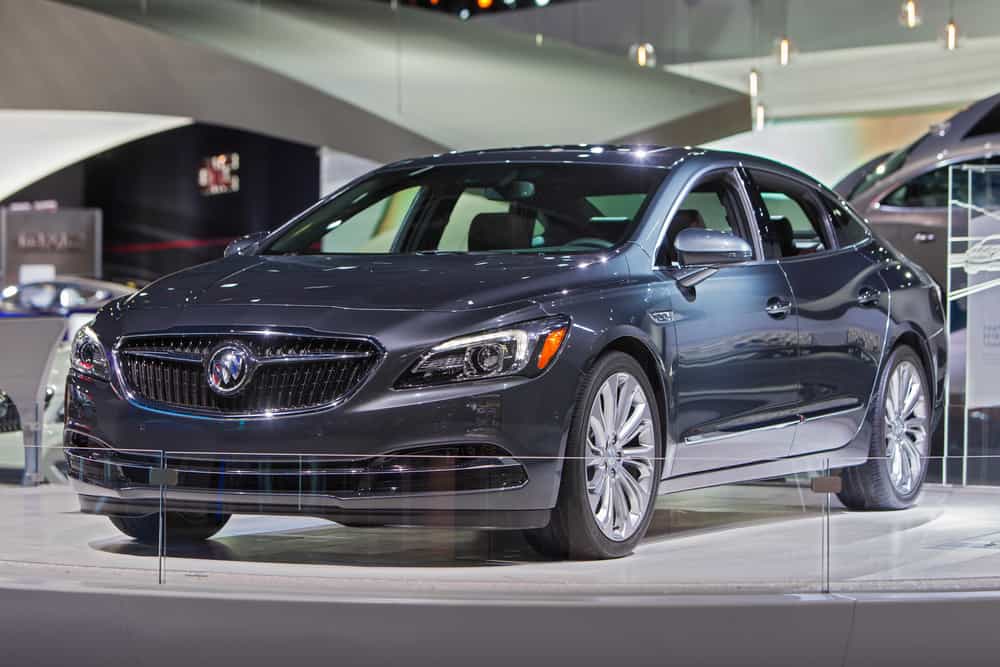
The Buick LaCrosse ended production after the 2019 model year, which means you cannot buy a new one. That does not mean it should be ignored. A well-maintained used LaCrosse offers a level of luxury and refinement that exceeds what a new Malibu delivers at a similar price point. Buick positioned the LaCrosse as a premium midsize sedan, and the interior materials and ride quality back up that positioning.
When it was new, the LaCrosse started at $29,570. Used prices have settled into a range that overlaps with the new Malibu’s window sticker, which makes the value proposition interesting. Horsepower sits at 310 from a V6 engine that delivers smooth, effortless acceleration. The zero to 60 mile per hour run completes in 5.6 seconds, which is quicker than most four-cylinder midsize sedans on the market today.
Fuel economy is the tradeoff for that extra power. The LaCrosse returns 25 miles per gallon in the city and 35 on the highway. Those numbers are slightly below the Malibu’s, but the difference is small enough that most drivers will not notice it in their monthly fuel spending. The exterior is simple and elegant, designed for buyers who prefer understatement over flash. The interior, however, is genuinely premium, with materials and sound isolation that make highway travel a serene experience.
A used LaCrosse buyer should factor in higher insurance costs and potentially more expensive repairs compared to a new Malibu under warranty. The tradeoff is a more powerful engine and a cabin that feels a class above. It is a calculation worth doing if a comfortable, quiet ride matters more to you than having the newest infotainment system or the latest driver-assistance features.
Toyota Camry: The Perennial Best-Seller That Earned Its Reputation
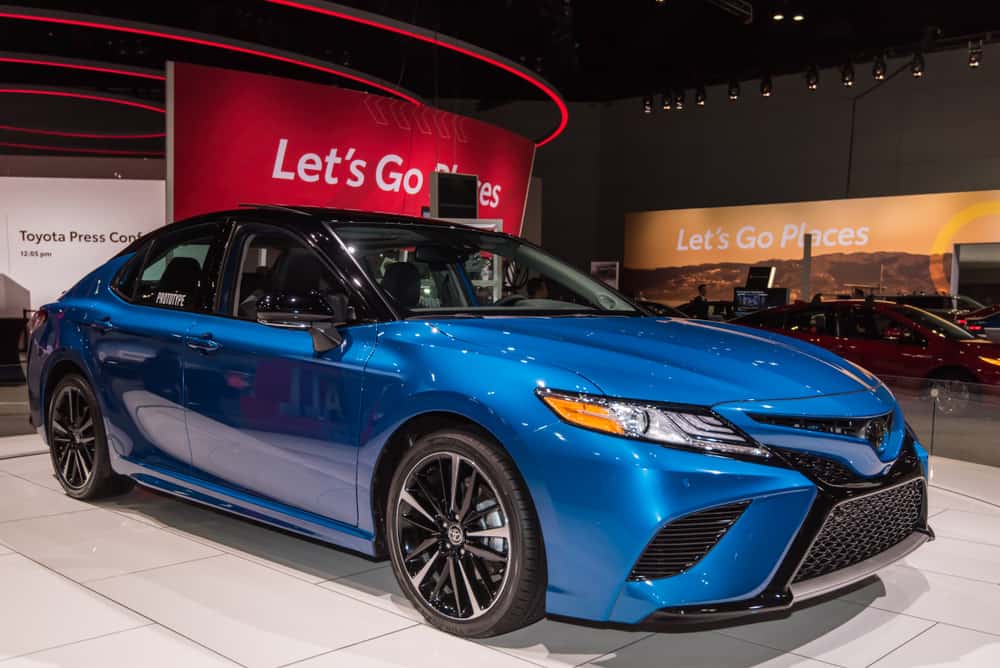
The Toyota Camry is the best-selling car in America for reasons that become clear the moment you spend time with one. It is not the flashiest option, or the fastest, or the cheapest. It is simply the most complete package for the largest number of buyers. The 2021 Camry compares directly to the Chevy Malibu in size, price, seating capacity, and basic mission, but it executes the formula with a level of polish that has kept it at the top of the sales charts for years.
Base models start at $25,045 and climb to $35,620 for the XSE V6. That pricing aligns closely with the Malibu’s range. Horsepower figures are more impressive across the board. The base four-cylinder produces 202 horsepower, and the available V6 pushes output to 301. The zero to 60 sprint takes just 5.1 seconds with the V6, which is genuinely quick for a front-wheel-drive family sedan.
Fuel economy is excellent regardless of which powertrain you choose. The gas-only four-cylinder returns up to 38 miles per gallon on the highway. The hybrid version, which is available across multiple trim levels, delivers up to 53 miles per gallon on the highway. That hybrid option is a meaningful advantage over the Malibu, which does not offer a hybrid variant in its current generation.
The exterior features a rear spoiler and an aggressive front fascia that gives the Camry a sportier presence than its reputation would suggest. Leather-trimmed front seats come standard on higher trims, and the overall interior quality is a step above what Chevrolet offers in the Malibu. The Camry is not an exciting choice, but it is rarely the wrong one, and its resale value tends to be stronger than most competitors.
Nissan Altima: The Quiet Competitor With Available All-Wheel Drive
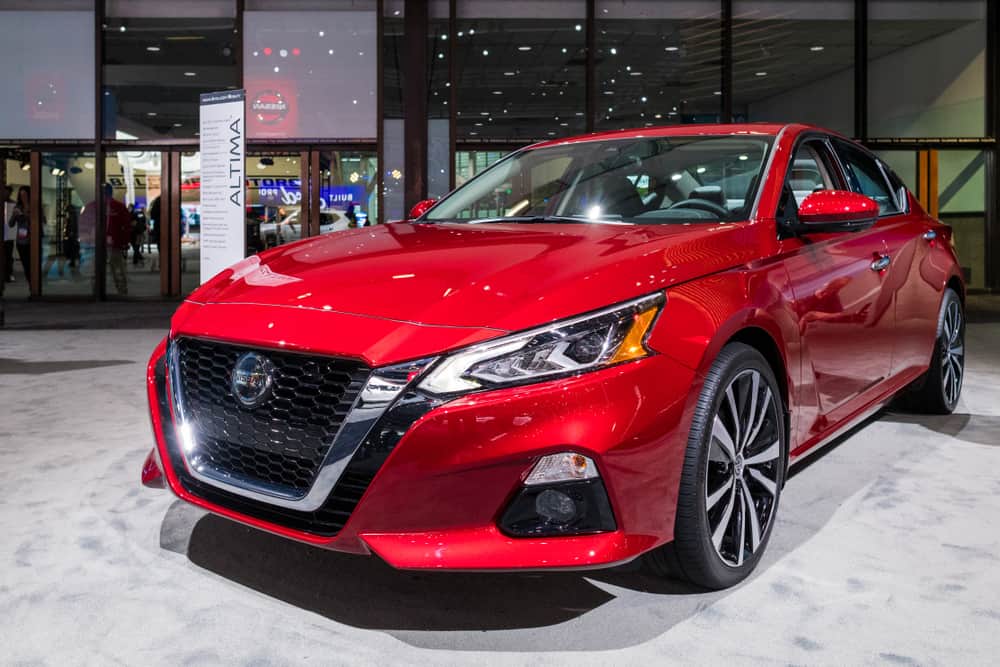
The Nissan Altima is a midsize sedan that closely matches the Chevy Malibu in specifications but adds an important feature: available all-wheel drive. For buyers in regions with rough winters, that option alone can push the Altima ahead of front-drive-only competitors. The Altima and the Malibu share similar horsepower ratings, fuel economy figures, and pricing structures, but the driving experience is noticeably different behind the wheel.
Prices begin at $24,450 for the base S model. Horsepower ranges from 182 in the standard engine to 236 in the uplevel turbocharged unit. The zero to 60 time of 8.5 seconds is one of the slower figures in this segment, which may matter to drivers who regularly merge onto fast-moving highways. The fuel economy is competitive at 28 miles per gallon in the city and 39 on the highway with the base engine and front-wheel drive configuration.
The exterior design is less dramatic than the Camry or Sonata, settling into a middle ground that will appeal to buyers who prefer not to draw attention. The interior features cloth seat trim on base models and fold-down rear seats that expand cargo capacity for longer items. The cabin materials are serviceable without being memorable, and the overall environment prioritizes function over flair.
Where the Altima distinguishes itself is in the available all-wheel drive and Nissan’s ProPILOT Assist system, which provides semi-automated highway driving capability on higher trims. Those features give the Altima a unique selling proposition in a segment where most competitors are locked into front-wheel drive and conventional cruise control systems.
Chevrolet Impala: The Discontinued Flagship That Still Impresses
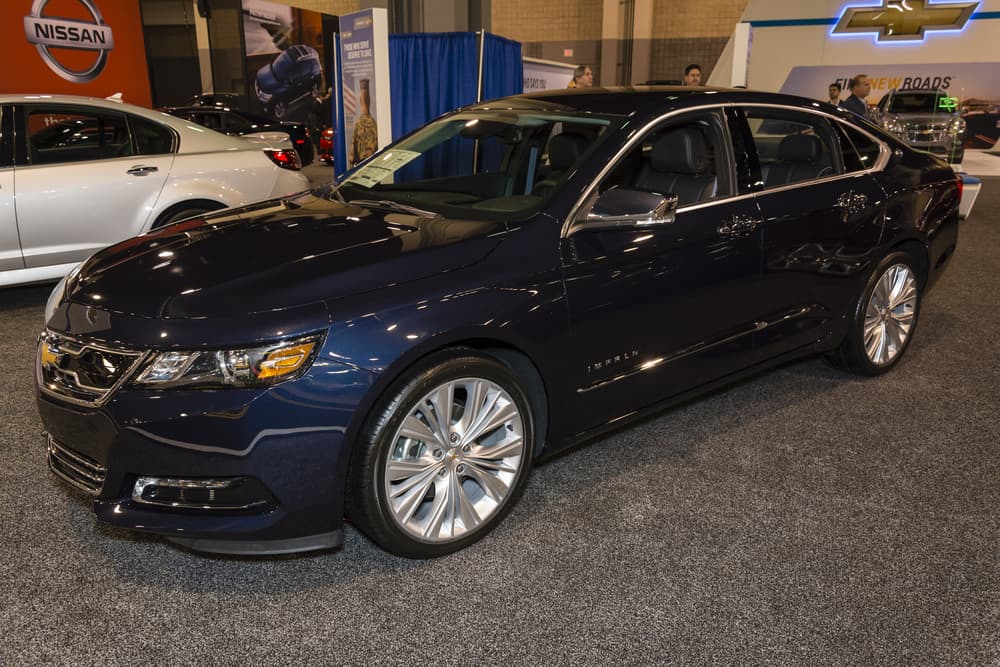
The Chevrolet Impala is the Malibu’s larger, more powerful sibling. Like the Buick LaCrosse, the Impala has been discontinued, but the used market is full of well-maintained examples that deliver a lot of car for the money. The Impala shares its platform with the Malibu but stretches it in every dimension to create a more spacious and more powerful vehicle.
Horsepower starts at 305 from a V6 engine. That is a significant step up from even the most powerful Malibu, and the zero to 60 time of 6.2 seconds reflects that advantage. The Impala feels genuinely quick in everyday driving, with passing power that never leaves you waiting. The price when new started above $31,000, which made it noticeably more expensive than the Malibu. Used values have dropped to the point where a low-mileage Impala costs about the same as a new base Malibu.
Fuel economy is the tradeoff for all that power. The Impala returns 19 miles per gallon in the city and 28 on the highway, which is considerably lower than the Malibu’s ratings. A driver covering 15,000 miles per year would spend noticeably more on fuel in the Impala. The exterior carries the classic Impala styling cues that Chevrolet fans recognize, and the interior is spacious and comfortable with materials that reflect the car’s position at the top of the Chevrolet sedan lineup. For a buyer who wants more power and a larger cabin at a used-car price, the Impala is worth seeking out.
GMC Terrain: The SUV Alternative for Buyers Who Want Height and Versatility
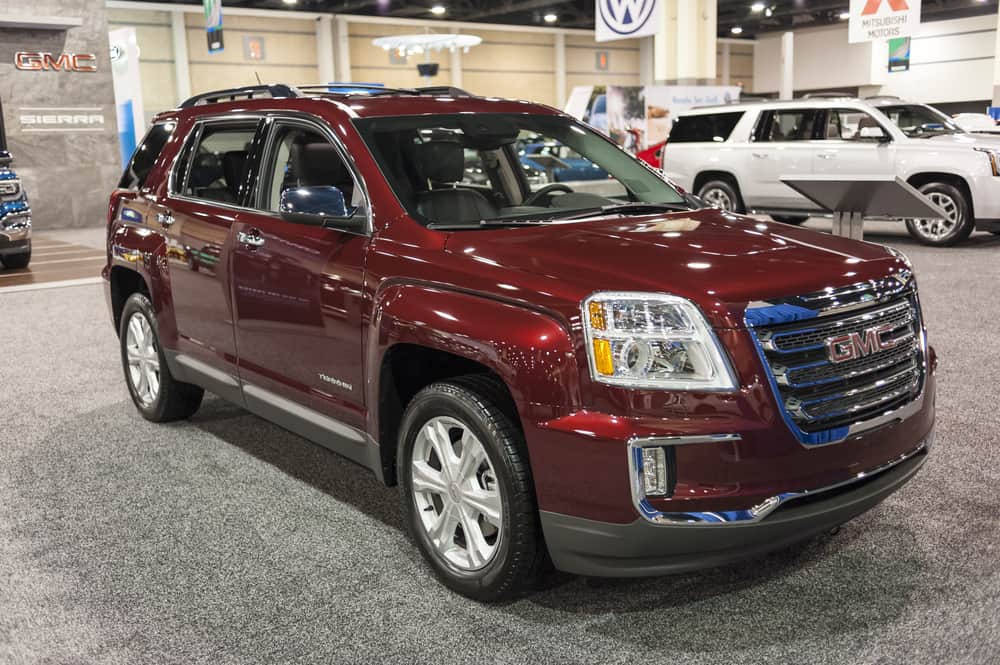
The GMC Terrain is a compact sport utility vehicle, not a sedan, but it appears on this list because many midsize sedan shoppers also consider small SUVs. The Terrain and the Malibu share a similar price range and five-passenger seating capacity, but the Terrain trades fuel economy and driving dynamics for a higher seating position, more cargo space, and available all-wheel drive.
Base models start at around $25,000, which is right in line with the mid-range Malibu trims. Horsepower begins at 170 from a turbocharged four-cylinder engine. The zero to 60 time of nearly 9.5 seconds reflects the Terrain’s heavier curb weight and less aerodynamic shape. This is not a vehicle designed for quick acceleration. It is designed for practicality and passenger comfort.
Towing capacity is rated at up to 1,500 pounds, which is something no midsize sedan can match. For a buyer who occasionally needs to pull a small trailer or carry bulkier cargo than a trunk can accommodate, that capability alone can justify the switch to an SUV body style. Fuel economy comes in at 25 miles per gallon in the city and 30 on the highway with front-wheel drive. All-wheel-drive models sacrifice a few miles per gallon.
The interior features a multi-color driver information screen and available leather-appointed seat trim that elevates the cabin beyond what you might expect from a compact SUV. The exterior is sleek and modern, with GMC’s signature grille and a profile that looks more expensive than the price suggests. For a Malibu shopper who is curious about the SUV lifestyle without stepping up to something larger and more expensive, the Terrain makes a logical transition point.
Buick Regal Sportback: The Overlooked Hatchback That Deserves More Attention
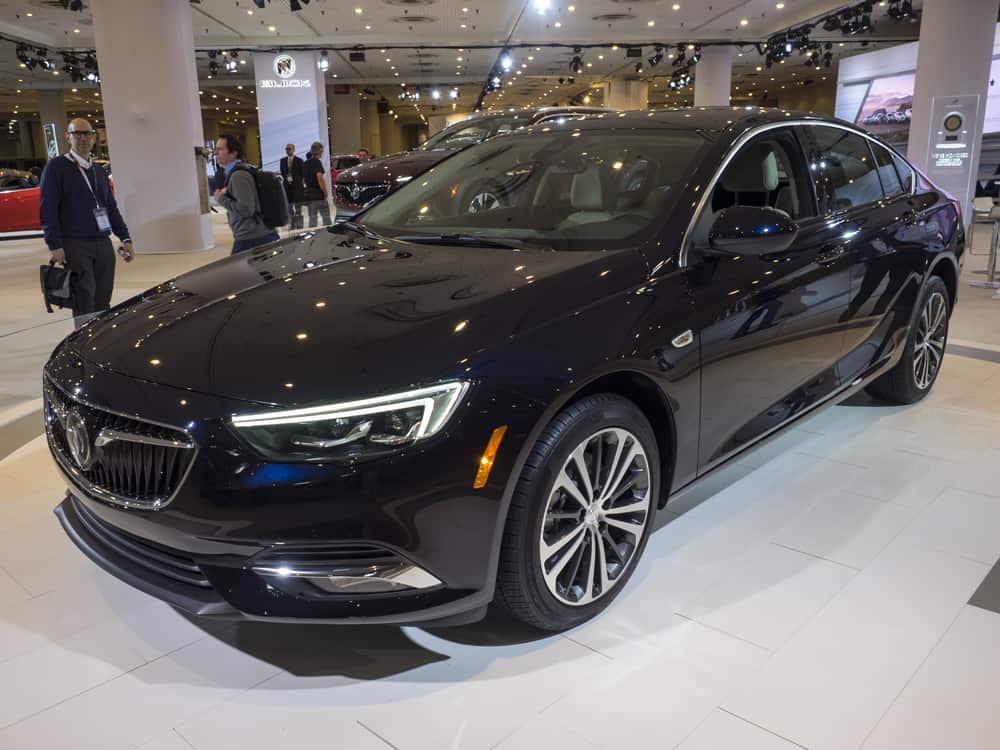
The Buick Regal Sportback is the oddball entry on this list, and it is genuinely worth understanding before you commit to a traditional sedan. It is a midsize car like the Malibu, it seats five like the Malibu, and its pricing comes close to the Malibu. The difference is in the body style. The Regal Sportback has a hatchback rear opening that provides vastly more cargo flexibility than a conventional trunk. Fold the rear seats down and the cargo area expands to accommodate items that would never fit in a Malibu.
Horsepower ranges from 250 to 310 depending on the engine. The zero to 60 mile per hour sprint takes 5.9 seconds with the more powerful option. That is quicker than any Malibu configuration and gives the Regal Sportback a performance edge that its understated exterior does not fully communicate. Fuel economy is adequate at 22 miles per gallon in the city and 32 on the highway with the base engine, though drivers who use the available power frequently will see lower real-world numbers.
The 2020 model year was the last for the Regal Sportback in the United States, so new examples are no longer available. Used models start at around $25,370 when they were on sale, and prices on the used market have remained reasonable. The exterior design is plain, lacking the visual drama of some competitors. The interior makes up for it with comfortable seats, logical controls, and the kind of understated quality that Buick has cultivated for decades.
For a buyer who wants a sedan-like driving experience but needs the cargo capacity of a small SUV, the Regal Sportback splits the difference in a way that few other vehicles attempt. It is worth finding one for a test drive if cargo versatility matters more to you than having the newest technology or the latest styling trends.
A Quick Side-by-Side Comparison of Key Specs
| Vehicle | Starting Price | Horsepower Range | 0-60 mph | City MPG | Highway MPG | Seats |
|---|---|---|---|---|---|---|
| 2021 Chevy Malibu | $22,140 | 160 – 250 hp | Varies | 29 | 36 | 5 |
| Honda Accord | $24,970 | 192 – 252 hp | 5.5 sec | 30 | 38 | 5 |
| Mazda 6 | $24,475 | 187 – 227 hp | ~7.0 sec | 26 | 35 | 5 |
| Chevrolet Sonic | $16,720 | 138 hp | 7.1 sec | N/A | 34 | 5 |
| Dodge Charger | $30,570 | 292 – 797 hp | 3.4 – 6.3 sec | 19 | 30 | 5 |
| Kia K5 | $23,590 | 180 – 290 hp | 5.2 sec | 29 | 38 | 5 |
| Subaru Legacy | $22,995 | 182 – 260 hp | ~6.0 sec | 27 | 35 | 5 |
| Hyundai Sonata | $23,950 | 180 – 290 hp | 5.3 sec | 28 | 38 | 5 |
| Toyota Corolla | $20,025 | 139 – 169 hp | ~8.0 sec | 31 | 40 | 5 |
| Ford Fusion Hybrid | $28,000 | 188 hp | 7.5 sec | 43 | 41 | 5 |
| Buick LaCrosse | $29,570 | 310 hp | 5.6 sec | 25 | 35 | 5 |
| Toyota Camry | $25,045 | 202 – 301 hp | 5.1 sec | 28 | 38 | 5 |
| Nissan Altima | $24,450 | 182 – 236 hp | 8.5 sec | 28 | 39 | 5 |
| Chevrolet Impala | $31,000+ | 305 hp | 6.2 sec | 19 | 28 | 5 |
| GMC Terrain | $25,000 | 170 hp | 9.5 sec | 25 | 30 | 5 |
| Buick Regal Sportback | $25,370 | 250 – 310 hp | 5.9 sec | 22 | 32 | 5 |
How to Narrow Down Your Choices
Fourteen alternatives to one car can feel overwhelming. The trick is to figure out which factor matters most to you personally, not to the average buyer, not to the reviewers, but to the person who will be making payments and sitting in traffic and loading groceries into the trunk every week.
If fuel economy sits at the top of your priority list, the Toyota Camry Hybrid and Ford Fusion Hybrid demand your attention. Their highway ratings exceed 50 miles per gallon and 40 miles per gallon respectively, which translates into hundreds of dollars in annual fuel savings compared to a conventional gasoline Malibu. The Toyota Corolla also enters the conversation here, especially in its hybrid configuration, though its smaller size means you are trading interior space for efficiency.
If you need all-wheel drive, the Subaru Legacy makes it standard across every trim level, and the Nissan Altima and Kia K5 offer it as an option. The Malibu simply cannot compete on that front, and for drivers in snowy climates, that may be the decisive factor. Do not underestimate how much confidence all-wheel drive provides during a winter commute, and do not assume that front-wheel drive with winter tires will always be enough.
If horsepower and acceleration are what get you excited, the Dodge Charger is in a different league entirely. The Hellcat variants are expensive to buy and expensive to fuel, but they deliver a driving experience that no other vehicle on this list can approach. The Toyota Camry V6 and the Buick Regal Sportback with the uplevel engine offer strong acceleration at a more accessible price point.
If budget is everything, the Chevrolet Sonic is the cheapest car on this list by a wide margin. The Toyota Corolla and Subaru Legacy also start at prices below the base Malibu. A new car with a full warranty at under $21,000 is worth considering even if it means accepting a smaller cabin or less power.
And if overall balance matters most, the Honda Accord and Toyota Camry remain the segment benchmarks for good reason. They do almost everything well, they hold their value, and they rarely surprise their owners with unexpected problems. The Malibu is a strong contender in this segment, but driving an Accord or Camry back-to-back with the Chevy will tell you everything you need to know about which one fits your preferences.
The best advice for any car shopper is to test drive at least three vehicles before making an offer. Numbers on a screen can only tell you so much. The way a steering wheel feels in your hands, the way a seat supports your lower back after an hour in traffic, and the way an engine responds when you need to merge onto a fast highway are things you can only evaluate from the driver’s seat. Start with the Malibu, work your way through the competitors that match your priorities, and trust your own experience over anyone else’s opinion.