
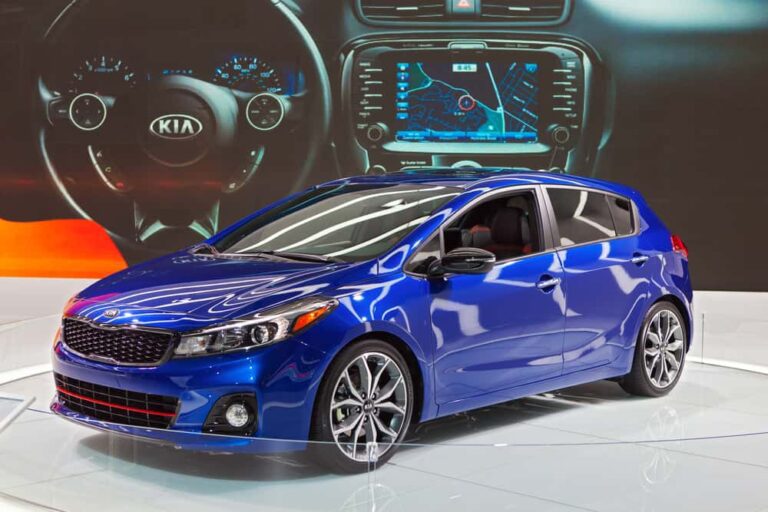
The Kia Forte is the kind of car that sneaks up on you. You see the price tag first, just $17,890 to start, and your brain automatically assumes something must be missing. Maybe the interior will feel cheap. Maybe the fuel economy numbers are inflated. Maybe it will struggle to keep up with traffic on the highway. Then you actually drive one and everything clicks into place. The ride is composed. The cabin is quieter than you expected. The standard technology works without frustrating you, and the fuel gauge barely moves even after a week of commuting. This is not a car that apologizes for its price. It is a car that makes you question why anyone pays more for basic transportation.
Under the hood lives a range of four-cylinder engines. The base unit produces 147 horsepower and does its job without drama. The available turbocharged upgrade pushes output to 201 horsepower, which transforms the Forte from an economy car into something that genuinely feels quick when you put your foot down. The zero to 60 mile per hour sprint takes just over eight seconds with the base engine, and the turbo knocks that time down noticeably. Fuel economy is excellent regardless of which engine you choose. The base setup returns an estimated 31 miles per gallon in the city and 41 on the highway. Those are numbers that keep money in your pocket week after week.
The Forte seats five passengers in a cabin that prioritizes simplicity and comfort over flashy design. Heated and ventilated front seats are available on higher trims, which is a feature not always found at this price point. The exterior is sleek and modern, with a sporty front fascia, LED lighting front and rear, and flowing contours that give the car a sense of motion even when it is parked. Safety technology is comprehensive, with forward collision-avoidance assist and blind-spot collision warning among the standard driver-assistance features.
But the compact car market is stacked with excellent alternatives, and a smart buyer looks at several options before committing. If the Forte catches your eye but you want to make sure you have explored everything in this segment, here are fourteen cars that compete directly or indirectly, each with its own personality and strengths.
Honda Insight
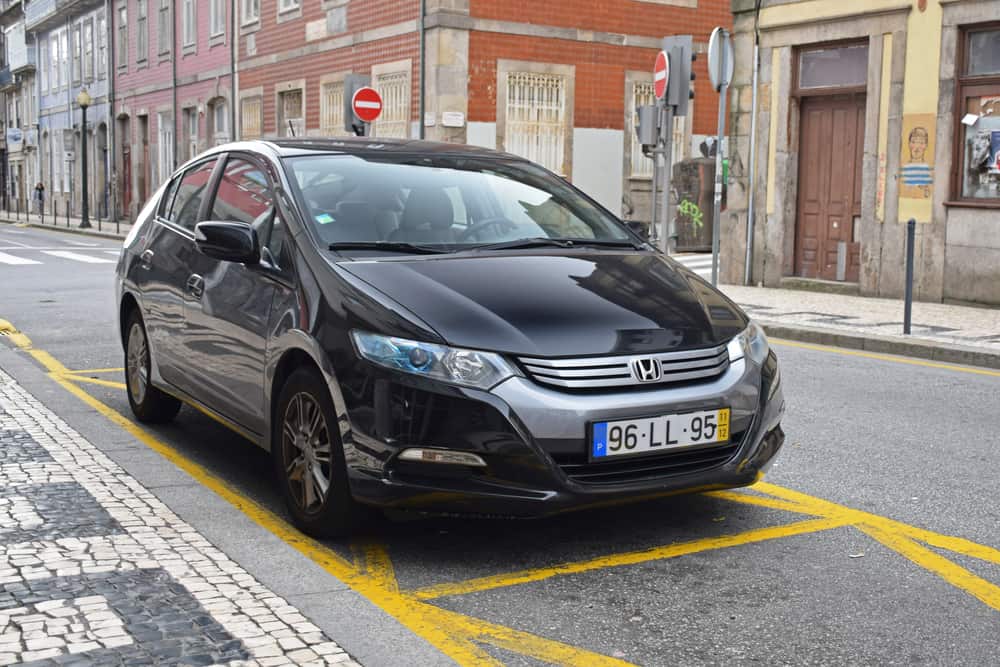
The Honda Insight takes the practical compact sedan formula and adds a hybrid powertrain that changes the conversation entirely. Where the Forte impresses with 41 miles per gallon on the highway, the Insight posts numbers that make you rethink how often you actually need to visit a gas station. City fuel economy reaches 55 miles per gallon, and highway driving returns 49. Over the course of a year, the savings add up to hundreds of dollars compared to a conventional gasoline engine, and that gap widens as fuel prices climb.
The Insight starts at $25,210, which is a meaningful step above the base Forte. The extra cost buys you that hybrid efficiency plus Honda’s well-earned reputation for reliability and strong resale value. The powertrain produces 151 horsepower, and the zero to 60 miles per hour sprint takes 7.7 seconds. That is a bit quicker than the base Forte, and the electric motor’s instant torque makes the car feel responsive in city driving where most commuters spend the bulk of their time.
The interior seats five comfortably, with available leather-trimmed and heated front seats that elevate the cabin beyond basic transportation. Safety is a priority, with a blind spot information system and cross-traffic monitoring that work smoothly in daily use. The technology suite includes Apple CarPlay and Android Auto integration, keeping you connected without reaching for your phone. The Insight is not the cheapest car in this segment, but its total ownership cost over several years can be lower than many competitors once fuel and maintenance are factored in. For a buyer who plans to keep their car for five or ten years, the math often favors the hybrid.
Mazda3 Sedan
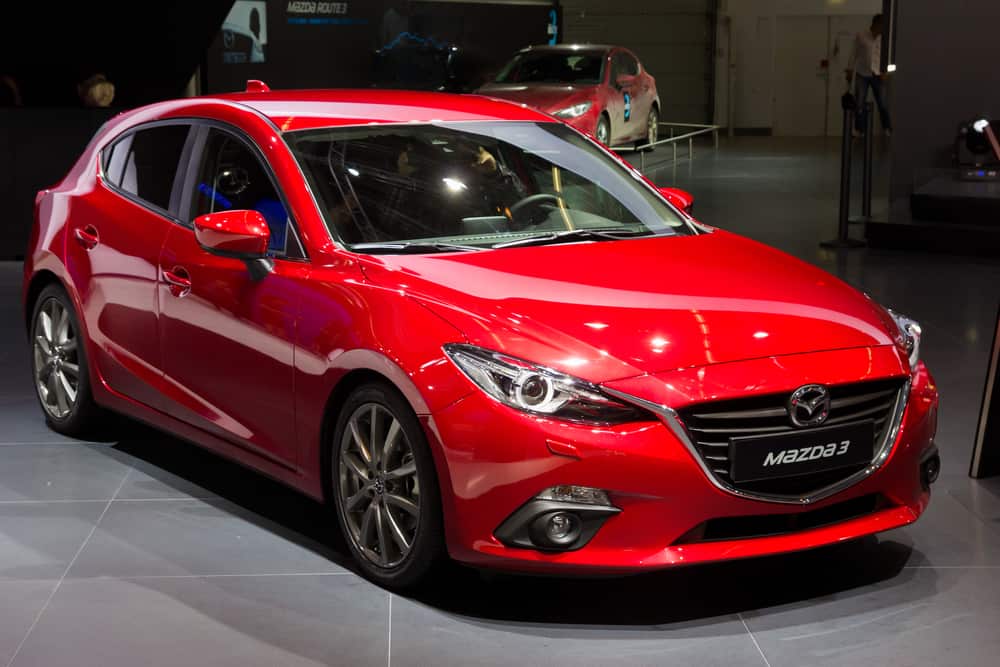
The Mazda3 sedan is what happens when an automaker decides that affordable transportation should still feel special from behind the wheel. It starts at $20,650, which is within reach of a well-optioned Forte, and the interior quality genuinely punches above its weight. The materials, the switchgear, and the overall ambiance feel closer to an entry-level luxury car than a compact economy sedan. Mazda has been steadily moving upmarket, and the Mazda3 is the proof of that effort.
Engine options range from a naturally aspirated 2.0-liter four-cylinder producing 155 horsepower to a turbocharged 2.5-liter unit that delivers 227 horses. The turbocharged version reaches 60 miles per hour in 5.9 seconds, which firmly puts it in the quick end of the compact segment. Fuel economy is respectable at 28 miles per gallon in the city and 36 on the highway, though the turbo engine asks for a bit more fuel in exchange for its extra thrust.
The exterior design features prominent curves and angles that create a sense of motion even when the car is sitting still. It is one of the best-looking cars in this class, and that matters to buyers who do not want their daily driver to blend into a sea of anonymous sedans. The cabin seats five, and the attention to detail extends to the infotainment system, which is intuitive and responsive. If the Forte is about value, the Mazda3 is about making the value feel luxurious. Both are valid approaches. Your preferences behind the wheel will determine which one speaks to you.
Nissan Versa
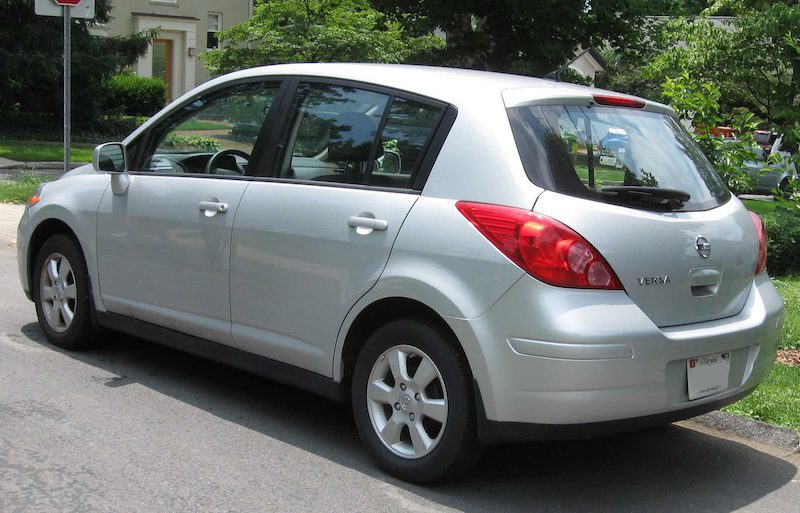
The Nissan Versa is the budget champion on this list, starting at just $14,980. That is thousands of dollars below even the base Forte, and that entry price alone makes it worth a look for buyers who want to minimize their monthly payment above all else. The trade-off is a smaller engine and a less refined driving experience, but the Versa still delivers more than its low price would suggest.
The 1.6-liter four-cylinder engine produces 122 horsepower, and the zero to 60 miles per hour run takes 9.2 seconds. This is not a car you buy for acceleration. It is a car you buy because you want a dependable, efficient vehicle that keeps running costs low. Fuel economy is excellent at 32 miles per gallon in the city and 40 on the highway, so even though the engine is modest, the frequency of fill-ups will not be.
Inside, the Versa seats five passengers and provides a surprising amount of cargo space for a subcompact. Safety features are generous for the price, including automatic emergency braking with pedestrian detection and lane departure warning. Certain trims offer sport cloth seat trim, a rear spoiler, and chrome accents that add visual flair without adding cost. The Versa is the practical answer to the question of how little you can spend on a new car and still get something that feels safe and complete.
Toyota Corolla
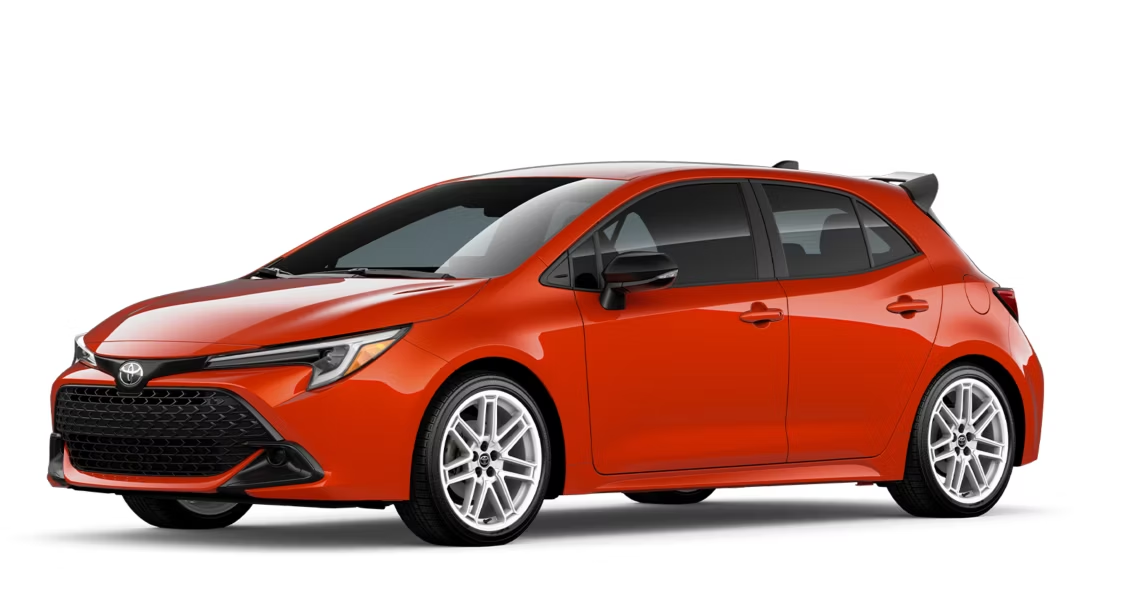
The Toyota Corolla is the default answer for millions of buyers around the world, and that is not an accident. Toyota has been refining this car for decades, and the current generation delivers a blend of reliability, efficiency, and quality that few competitors can match. At a starting price of $20,025, it sits just above the base Forte, but the long-term ownership experience often justifies the difference.
The 1.8-liter four-cylinder engine produces 139 horsepower, and the zero to 60 miles per hour time is around eight seconds, roughly matching the Forte. Fuel economy is excellent at 31 miles per gallon in the city and 40 on the highway, making the Corolla a thrifty travel companion. The exterior design is clean and conservative, with a black front grille and available sports mesh insert that gives it a slightly more aggressive stance than previous generations.
Inside, five passengers find trimmed sports seats and a leather-wrapped steering wheel that add a touch of class. Toyota has packed the Corolla with safety technology, including blind-spot monitoring, ten airbags, and rear cross-traffic alert. The Corolla is not about excitement. It is about reliability, resale value, and the peace of mind that comes from owning a car that rarely surprises you with unexpected repairs. For a buyer who wants a sensible long-term partner, the Corolla remains one of the safest bets in the automotive world.
Honda Civic
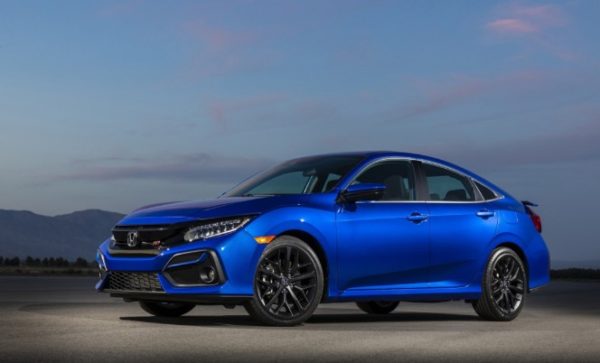
The Honda Civic is the bigger, more established sibling to the Insight, and it competes head-to-head with the Forte in nearly every measurable dimension. The 2022 Civic starts at $21,700, which is a few thousand more than the Kia, but the additional investment brings a more refined platform, a more premium interior, and Honda’s proven resale value. The Civic has been one of North America’s best-selling cars for years, and the latest generation explains why.
Two engine options are available. The naturally aspirated 2.0-liter produces 158 horsepower, and the turbocharged 1.5-liter pushes output to 180. The zero to 60 miles per hour sprint is accomplished in 6.7 seconds with the turbocharged engine, which makes the Civic notably quicker than the base Forte. Fuel economy is excellent in either configuration, with the most efficient models returning 33 miles per gallon in the city and 42 on the highway. That is a slight advantage over the Forte’s already impressive numbers.
The exterior design is sporty and sleek, with full LED headlights that give the car a modern appearance. The interior is spacious and well-appointed, with available leather seats, a fold-down rear seatback for cargo flexibility, and a suite of safety technology that includes road departure mitigation and collision braking systems. The Civic is not as flashy as the Veloster or as affordable as the Versa, but it executes the fundamentals so well that most buyers simply find it hard to argue against. If you test drive a Civic back-to-back with a Forte, you will understand why so many people choose the Honda.
Hyundai Elantra
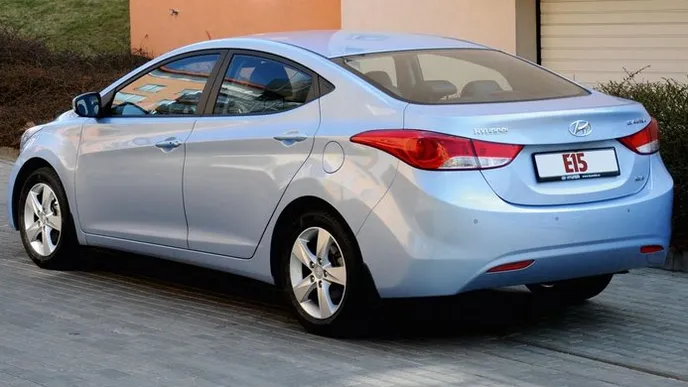
The Hyundai Elantra sits one size class above the Accent and offers a slightly larger, slightly more upscale take on the compact sedan formula. It starts at $19,650 and climbs to $25,450, occupying a price band that overlaps with the Forte but stretches a bit higher. The Elantra delivers excellent fuel economy at 33 miles per gallon in the city and 43 on the highway with the base engine, figures that actually beat the Forte by a small margin. A hybrid variant pushes highway efficiency beyond 50 miles per gallon, making it one of the most economical non-plug-in vehicles available.
Horsepower matches the Forte exactly, ranging from 147 to 201 depending on the engine. The zero to 60 mile per hour time is 7.3 seconds, which feels more than adequate for everyday driving. The exterior is sporty and modern, with contoured bumpers and a bold front grille that give the car a more aggressive stance than its efficiency numbers might suggest. Inside, the cabin seats five and features racing-inspired design cues that make the driver feel connected to the machine.
Technology is a focus for Hyundai, and the Elantra offers features like smartphone-based door unlocking and engine start, which is genuinely useful when your keys are buried in a bag. The Elantra provides a compelling alternative for a buyer who likes the Forte’s value proposition but wants a slightly roomier cabin and the option of hybrid efficiency. It is proof that Hyundai knows how to cover the compact segment with options that suit different preferences without ever feeling redundant.
Volkswagen Jetta
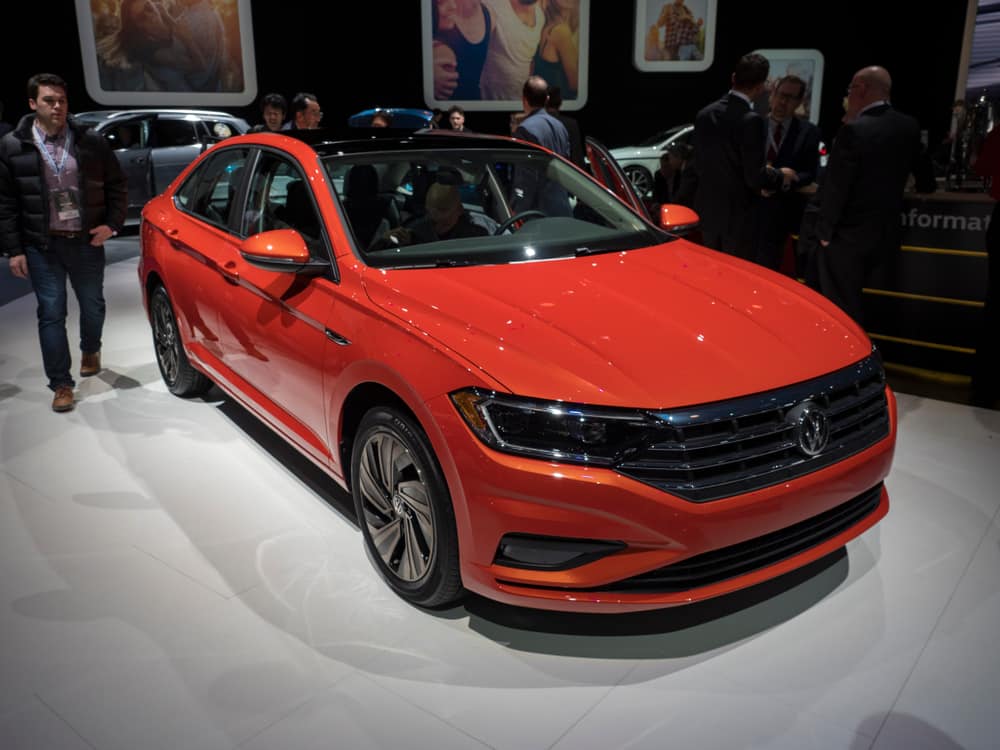
The Volkswagen Jetta brings a distinctly European driving feel to a segment dominated by Asian and American offerings. It starts at $18,995, which is right in line with the Forte, and offers a 1.4-liter turbocharged engine producing 147 horsepower. That smaller displacement delivers fuel economy of 30 miles per gallon in the city and 41 on the highway, figures that essentially match the Kia’s ratings. The zero to 60 time is 7.6 seconds, which makes the Jetta feel more willing than its modest engine output would suggest.
Inside, the Jetta seats five and offers an interior that prioritizes comfort and modern design. A panoramic sunroof is available, flooding the cabin with natural light and fresh air. Heated and ventilated front seats provide a climate-controlled experience that passengers appreciate on long drives. The exterior is sleek and sophisticated, with LED headlights and tail lights that give the car a premium presence in parking lots.
Technology integration is strong, with standard Apple CarPlay and Android Auto keeping the driver connected without distraction. The Jetta is for the buyer who wants a compact sedan that feels composed at highway speeds, absorbs bumps with the composure of a larger vehicle, and delivers real-world fuel savings without resorting to a hybrid powertrain. It is a different flavor from the Forte, and personal taste will determine which one you prefer, but both are excellent examples of what a well-engineered compact car can be.
Kia Rio

The Kia Rio is the Forte’s smaller sibling, and it offers an even more affordable entry point into the Kia family. Starting at just $16,050, it undercuts nearly every other vehicle on this list. The Rio is a subcompact sedan with four doors and seating for five, though the rear seat is best reserved for shorter trips with adults. Cargo space is generous for a car of this size, and the overall packaging is intelligent.
A 1.6-liter four-cylinder engine produces 120 horsepower, and the zero to 60 mile per hour time is 8.9 seconds. This is not a car that prioritizes speed, but it handles daily driving duties with ease. Fuel economy is a strong point, returning 33 miles per gallon in the city and 41 on the highway. That is actually slightly better than the Forte’s city rating, which shows how far small engines have come in terms of efficiency.
The interior features an eight-inch touch-screen display and automatic temperature control, adding a sense of luxury to an otherwise budget-focused package. The exterior is simple and classic, blending into traffic without drawing attention. The Rio is the choice for a buyer who likes the Forte’s value proposition but wants to spend even less on the initial purchase. It delivers the essentials without the frills, and it does so with the backing of Kia’s excellent warranty coverage.
Chevrolet Sonic
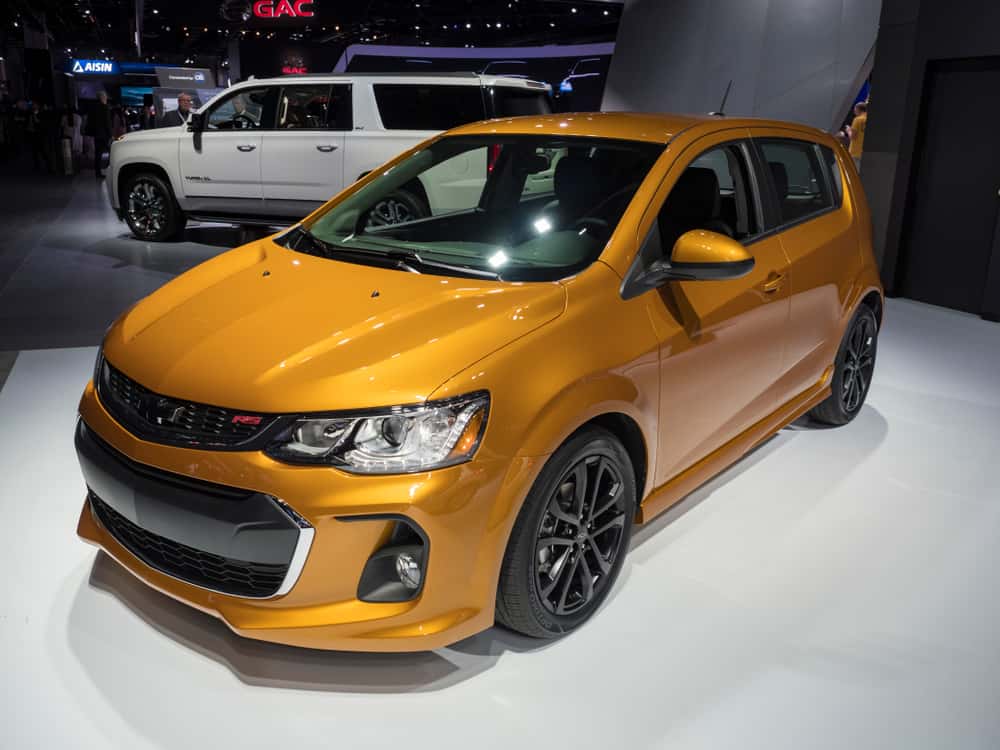
The Chevrolet Sonic is a subcompact car that offers both sedan and hatchback body styles, which gives buyers flexibility the Forte does not. The base model is listed at $16,720, making it one of the more affordable options on this list. The 1.4-liter turbocharged engine produces 138 horsepower and can reach 60 miles per hour in 8.5 seconds, which is adequate for city driving and short highway stints.
Fuel economy comes in at 26 miles per gallon in the city and 34 on the highway. Those numbers trail the Forte’s efficiency, which is a trade-off for the Sonic’s lower purchase price. The hatchback version provides a level of cargo versatility that a traditional sedan cannot match. With the rear seats folded, the cargo area can accommodate bulky items that would never fit in a Forte trunk. The interior seats five, though like most subcompacts, the rear legroom is best suited to children or shorter trips.
Sporty handling gives the Sonic an engaging feel behind the wheel, and the compact dimensions make parking in tight spaces effortless. It is the practical choice for a city dweller who wants a small, maneuverable car with a low price tag and the added flexibility of a hatchback body. If you are cross-shopping the Forte and the Sonic, consider how often you need to haul larger items and whether the lower fuel economy is an acceptable trade for the lower purchase price.
Nissan Sentra
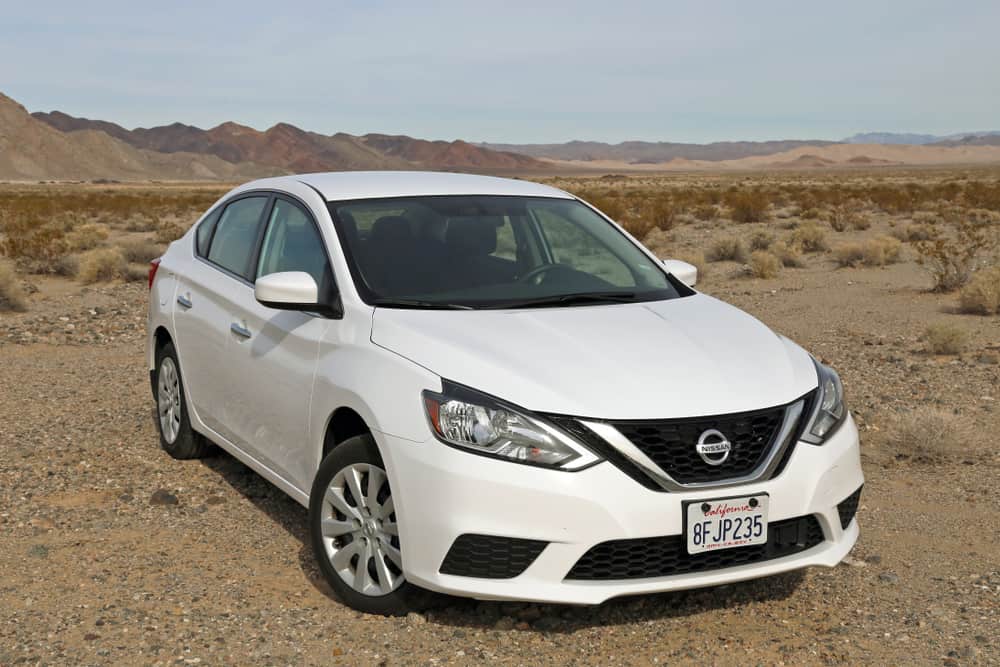
The Nissan Sentra is a compact sedan that competes more directly with the Forte on size, price, and fuel economy. It starts at $19,460, which is slightly above the base Forte, and offers a 2.0-liter four-cylinder engine producing 149 horsepower. The zero to 60 mile per hour sprint takes about eight seconds, placing it right in the middle of the segment. Fuel economy is rated at 29 miles per gallon in the city and 39 on the highway, which is slightly below the Forte’s ratings but still very competitive.
The interior prioritizes passenger comfort with zero gravity front and rear seats that reduce fatigue on longer drives. Cargo space is generous, and the trunk is shaped to accept larger items without forcing you to contort them into awkward positions. The exterior design is clean and contemporary, with smooth lines and contouring that give the car an understated but modern look.
Safety technology is a highlight, with automatic emergency braking and pedestrian detection included as standard. The Sentra is the sensible choice for a buyer who wants a slightly roomier cabin than the Forte provides and is willing to trade a small amount of fuel economy and a slightly higher price for that extra space. It is a car that does nothing poorly, and that balance is what makes it worth a test drive.
Hyundai Veloster
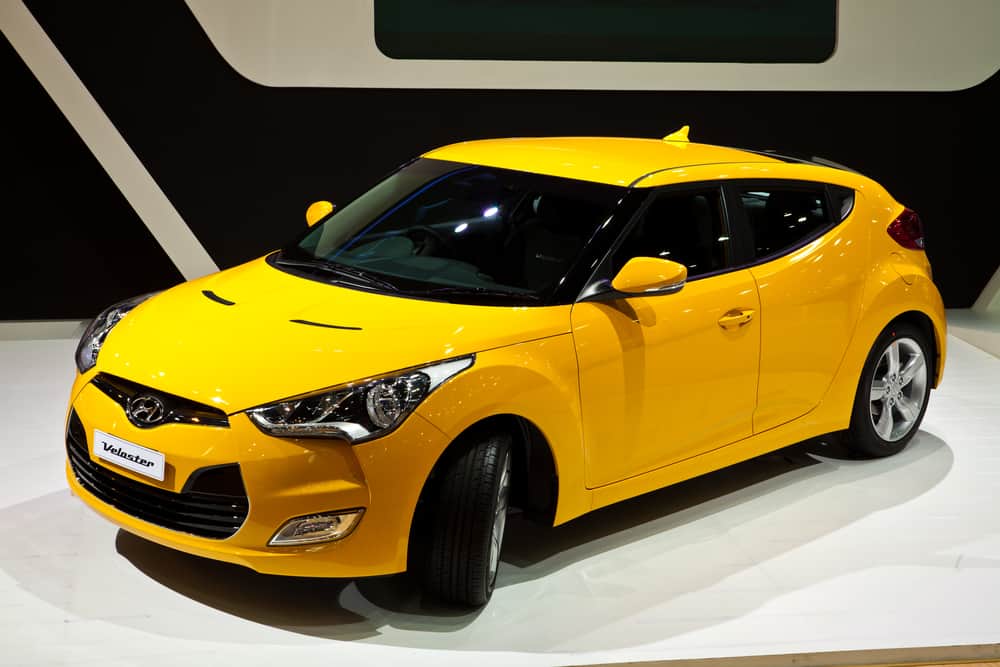
The Hyundai Veloster is unlike anything else on this list. It is a three-door hatchback that prioritizes style and driving engagement over the practical, four-door layout of the Forte. The base model starts at $18,900, which is right in line with the Kia, and the available turbocharged engines push horsepower from 147 up to 201. The zero to 60 mile per hour run can be as quick as 6.2 seconds, which makes the Veloster one of the more entertaining cars in this segment to drive on a winding road.
Fuel economy comes in at 28 miles per gallon in the city and 34 on the highway, which is a slight penalty for the performance but still reasonable for daily use. The unique three-door layout places two doors on the passenger side and one on the driver’s side, making rear-seat access easier without sacrificing the coupe-like silhouette. The interior seats five, though the rear is cozy for adults and best suited to occasional use rather than daily carpool duty.
Sporty design cues and a low, aggressive stance give the Veloster a personality that the Forte never quite achieves. It is the choice for a buyer who wants to stand out in a parking lot and values driving enjoyment over maximum practicality. If the Forte is the sensible choice, the Veloster is the emotional one.
Subaru Impreza
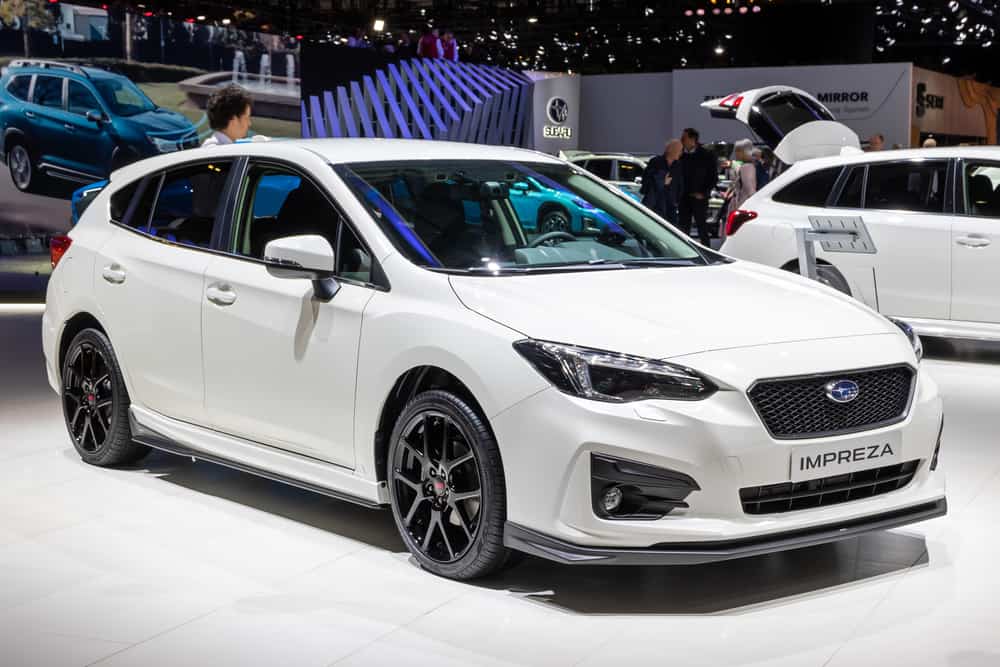
The Subaru Impreza brings all-wheel drive to a segment where front-wheel drive is the standard. For drivers who contend with snow, rain, gravel roads, or simply want the peace of mind that comes from having power routed to all four wheels, this is the defining feature. The Impreza starts at $18,795 for the base model, which is remarkably close to the Forte’s entry price, and offers a 2.0-liter four-cylinder engine with 152 horsepower.
The zero to 60 mile per hour time is 9.25 seconds, which is one of the slower results on this list, but the Impreza is not designed for drag racing. It is designed for stability and control in varying conditions. Fuel economy is rated at 28 miles per gallon in the city and 36 on the highway, figures that reflect the added mechanical complexity of the all-wheel-drive system. The interior offers seating for five, with available sport cloth and leather options, and the vehicle is built to last, with Subaru claiming it is the longest-lasting vehicle in its class.
Safety technology includes blind-spot detection and rear cross-traffic alert, adding to the sense of security the all-wheel drive provides. The Impreza is not the quickest or the most efficient, but it is the one you want when the weather turns bad and you still need to get somewhere. That capability is worth a lot to the right buyer.
Subaru WRX
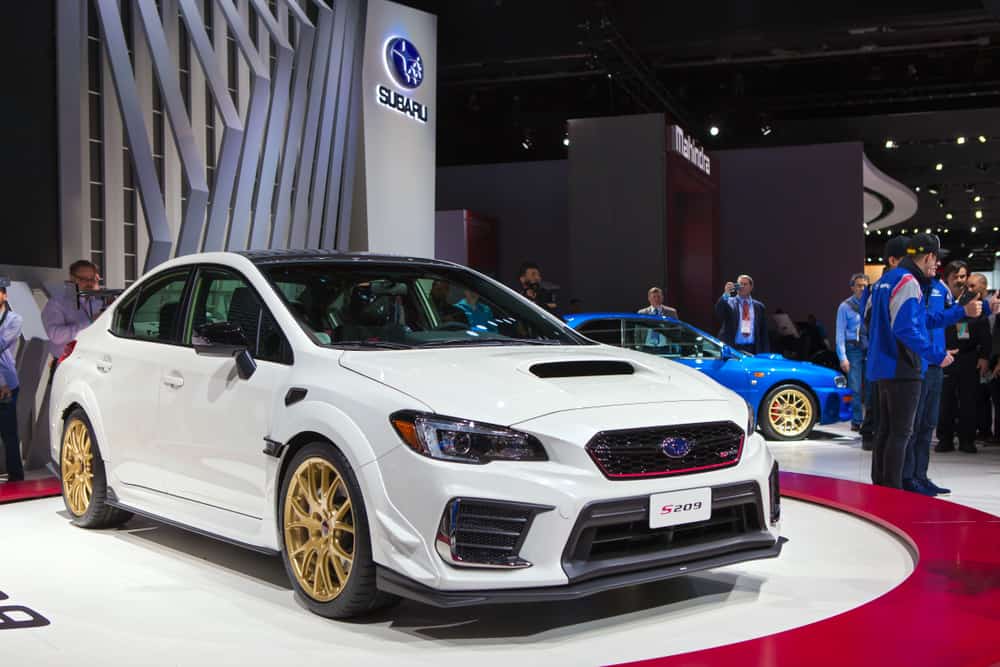
The Subaru WRX is the performance variant of the Impreza lineage, and it competes with the Forte in a vastly different emotional arena. Pricing begins at $27,495, which is a significant step above the Kia, but the performance on offer is in a different league entirely. The turbocharged 2.0-liter flat-four engine produces 268 horsepower in base form, with higher trims offering up to 310. The zero to 60 mile per hour run takes just 5.6 seconds, accompanied by the signature boxer engine rumble and a surge of acceleration that makes every on-ramp feel like a special occasion.
All-wheel drive is standard, as it is on every Subaru except the BRZ. That means the WRX puts its power to the pavement with tenacious grip, even when the road surface is less than ideal. Fuel economy is the trade-off, at 20 miles per gallon in the city and 27 on the highway. When you drive the WRX with enthusiasm, those numbers drop further. This is not a car you buy for efficiency. It is a car you buy for the experience.
The interior seats five, with a focus on the driver. A seven-inch multimedia navigation screen and EyeSight driver assist technology come standard, blending performance capability with modern connectivity. The suspension is track-tuned, and the exterior can be optioned with a sporty rear spoiler for an even more aggressive profile. The WRX is for the buyer who walked into a Kia dealership, looked at the Forte, and realized they wanted something with a lot more fire in its personality.
Volkswagen Golf
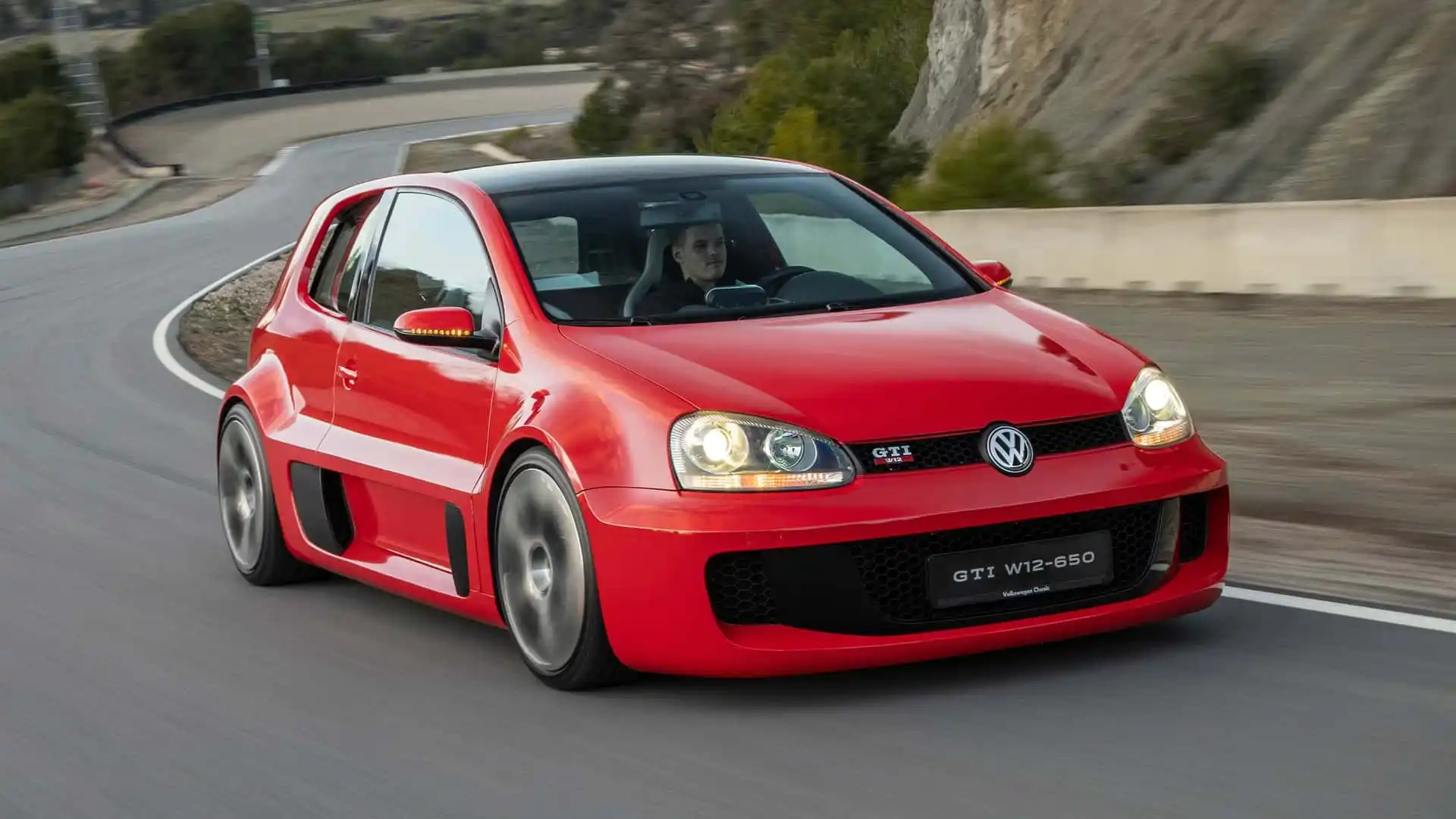
The Volkswagen Golf returns to the list in its standard form, a four-door hatchback that starts at $23,195. It is priced above the Forte, but the hatchback body style offers a level of cargo versatility that a traditional trunk cannot match. The 1.4-liter turbocharged engine produces 147 horsepower and reaches 60 miles per hour in 7.6 seconds, which makes it feel livelier than the engine output suggests. Fuel economy is excellent at 29 miles per gallon in the city and 39 on the highway.
The Golf’s exterior is clean and understated, with a rear hatchback and available panoramic sunroof that brightens the cabin. Inside, the focus is on comfort and technology, with heated front seats, leatherette seating surfaces, and a glass touchscreen display that integrates seamlessly with Apple CarPlay and Android Auto. Blind-spot monitoring and rear traffic alert enhance safety in everyday driving.
The Golf is the Swiss Army knife of the compact segment. It does not dominate any single category, but it performs well in nearly all of them. The Forte offers similar capability at a lower price, but the Golf’s higher-quality interior and hatchback flexibility may justify the difference for buyers who value practicality and a more premium feel. Test driving both is the only way to know which one meets your needs.
A Quick Comparison of Key Specifications
| Vehicle | Starting Price | Horsepower | 0-60 mph | City MPG | Highway MPG | Seats |
|---|---|---|---|---|---|---|
| Kia Forte | $17,890 | 147 – 201 hp | ~8.0 sec | 31 | 41 | 5 |
| Honda Insight | $25,210 | 151 hp | 7.7 sec | 55 | 49 | 5 |
| Mazda3 Sedan | $20,650 | 155 – 227 hp | 5.9 sec | 28 | 36 | 5 |
| Nissan Versa | $14,980 | 122 hp | 9.2 sec | 32 | 40 | 5 |
| Toyota Corolla | $20,025 | 139 hp | ~8.0 sec | 31 | 40 | 5 |
| Honda Civic | $21,700 | 158 – 180 hp | 6.7 sec | 33 | 42 | 5 |
| Hyundai Elantra | $19,650 | 147 – 201 hp | 7.3 sec | 33 | 43 | 5 |
| Volkswagen Jetta | $18,995 | 147 hp | 7.6 sec | 30 | 41 | 5 |
| Kia Rio | $16,050 | 120 hp | 8.9 sec | 33 | 41 | 5 |
| Chevrolet Sonic | $16,720 | 138 hp | 8.5 sec | 26 | 34 | 5 |
| Nissan Sentra | $19,460 | 149 hp | ~8.0 sec | 29 | 39 | 5 |
| Hyundai Veloster | $18,900 | 147 – 201 hp | 6.2 sec | 28 | 34 | 5 |
| Subaru Impreza | $18,795 | 152 hp | 9.25 sec | 28 | 36 | 5 |
| Subaru WRX | $27,495 | 268 – 310 hp | 5.6 sec | 20 | 27 | 5 |
| Volkswagen Golf | $23,195 | 147 hp | 7.6 sec | 29 | 39 | 5 |
Making the Final Call
The Kia Forte is a brilliant car for what it costs. It delivers style, efficiency, and technology at a price that makes you feel like you uncovered a secret the rest of the market does not want you to know about. But the compact car landscape is full of equally compelling options, each with a slightly different personality. The Honda Insight will save you the most at the pump. The Mazda3 will make you feel like you upgraded to a luxury brand without actually doing so. The Subaru Impreza will get you home safely when the weather turns against you. The Hyundai Veloster will make you smile every time you look at it in the driveway.
There is no universally correct answer. There is only the car that aligns with how you drive, where you live, and what you value when you are behind the wheel. The Forte is an excellent benchmark. Drive it first, then test at least three of the alternatives that speak to your priorities. Pay attention to how the seat feels after thirty minutes. Notice how the engine responds when you need to merge quickly. Think about whether you actually need a hatchback or whether a sedan trunk will do the job. Let the test drive, not the spec sheet, guide your final choice. The right car will be the one you look forward to driving tomorrow morning.