
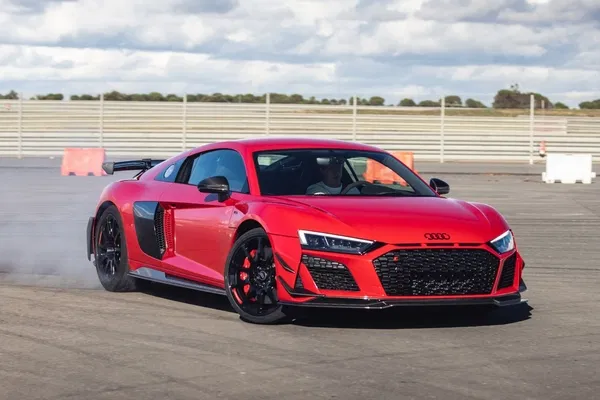
I spent three years with a 2017 Audi A7. That car was the perfect blend of sports car spirit and everyday practicality. When the lease ended, life dictated that I needed something with a truck bed and a proper back seat, so I bought a Toyota Tundra. It serves its purpose, and I do not regret the decision, but not a week goes by that I do not miss the Audi. The way that engine pulled, the way the cabin felt at night with the ambient lighting, and the way it looked in the parking lot after a long day. I will own another Audi one day. That is not really up for debate.
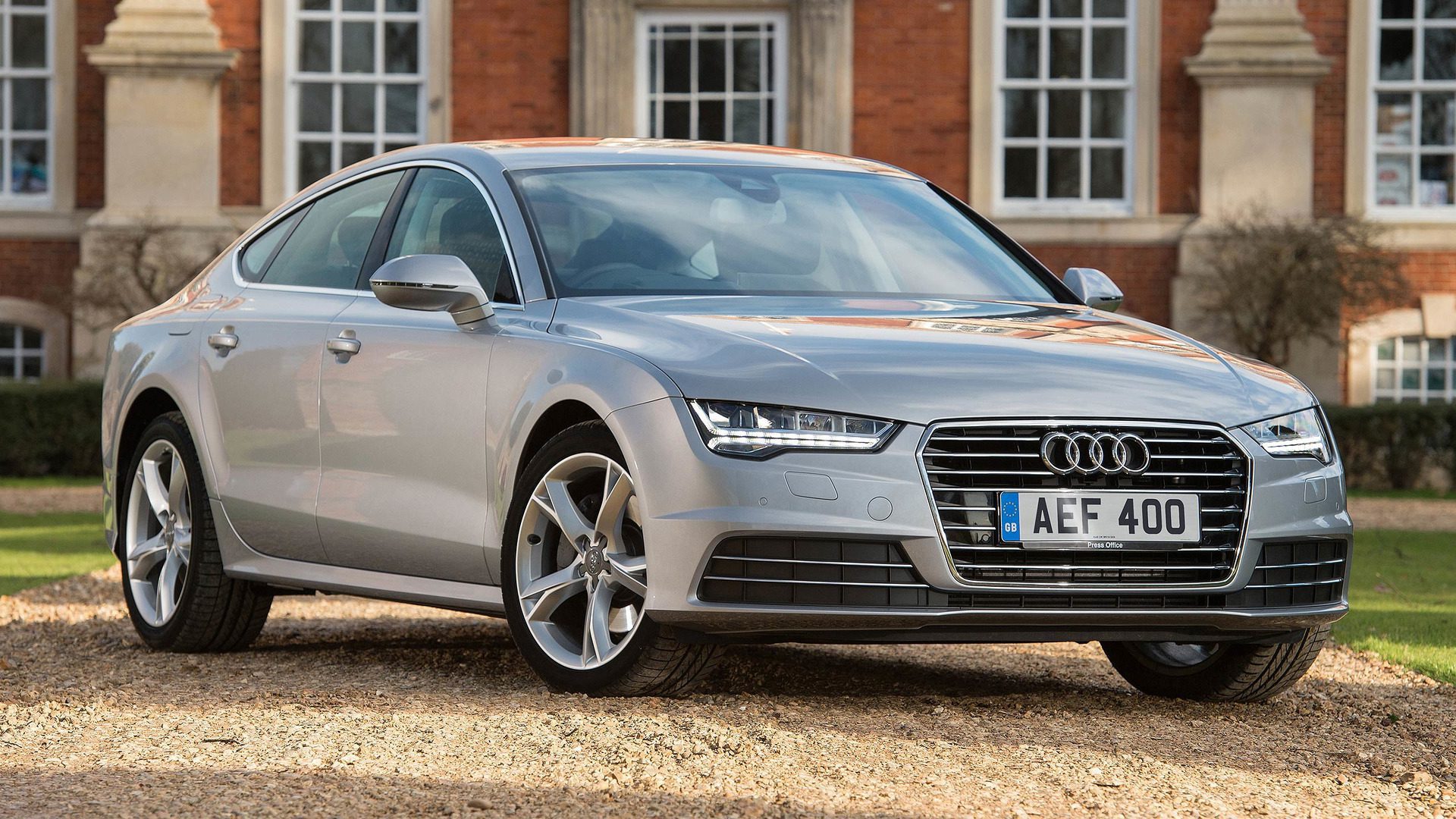
Then there is the Audi R8. Comparing the A7 to the R8 is like comparing a well-tailored business suit to a hand-stitched race suit. The R8 is the purest expression of what happens when a company like Audi decides to stop being practical and start building something that exists purely to thrill. It is a mid-engine supercar that looks dramatic, sounds ferocious, and delivers performance that puts it firmly in the same conversation as cars from established Italian and British exotic brands.
Audi engines have a distinct character. They are smooth in a way that makes speed feel effortless, but they also deliver a surge of torque that pins you back in your seat the moment you ask for it. The R8 amplifies that sensation. It is not just fast. It is urgent. Every input from the throttle, steering, and brakes comes back at you with a sense of immediacy that makes even a quick trip to the store feel like a special occasion.
The R8 can hit a top speed of 330 kilometers per hour. That number is absurd for public roads, and any responsible driver knows that kind of velocity has no business outside of a closed circuit. What matters more in the real world is how quickly the car can get up to speed. Some modified R8 drag cars have been clocked doing 0 to 60 mph in 1.3 seconds, which is a level of acceleration that genuinely rewires your understanding of what a road car is capable of.
The price tag is surprisingly approachable for the segment. A new R8 starts at a base price that sits somewhere around $180,000, but realistically, most buyers configure their cars to cross the $200,000 threshold. When you are spending that kind of money, the additional cost of the performance options is a small percentage for a big difference in how the car behaves. In the world of mid-engine supercars, the R8 is one of the more attainable entries, and that fact alone makes it a car worth studying before you sign anything.
Now, the R8 is not perfect for everyone. It is a strict two-seater. As someone with young kids, I need four seats in my fun car, which is why the A7 was such a sweet spot for me. If you are in the same situation, that limitation might rule out the R8 from the start. But if you are shopping in this segment, you are already making decisions based on want rather than absolute need. The question then becomes: what other cars scratch the same itch? Which vehicles deliver a comparable blend of exotic design, breathtaking performance, and that unique feeling of driving something that makes people stop and stare?
Here are fourteen cars that share a lot of DNA with the Audi R8, whether it is the engine layout, the performance numbers, the interior craftsmanship, or simply the way they make you feel the moment you press the starter button.
What to Expect: A Quick Look at the R8 Against the Competition
Before diving in, it helps to have a baseline. The Audi R8 combines a mid-engine layout with all-wheel drive in most configurations, a high-revving V10 engine, and a cabin that feels like a luxury concept car brought to life. Its competitors range from traditional V12-powered Italian exotics to lightweight British track weapons and even some American muscle machines that decided to aim higher. The vehicles below are not just fast. They each offer a specific personality that appeals to a different kind of driver. Some are more about raw emotion. Others are about technical precision. A few manage to blend both.
Lamborghini Murcielago
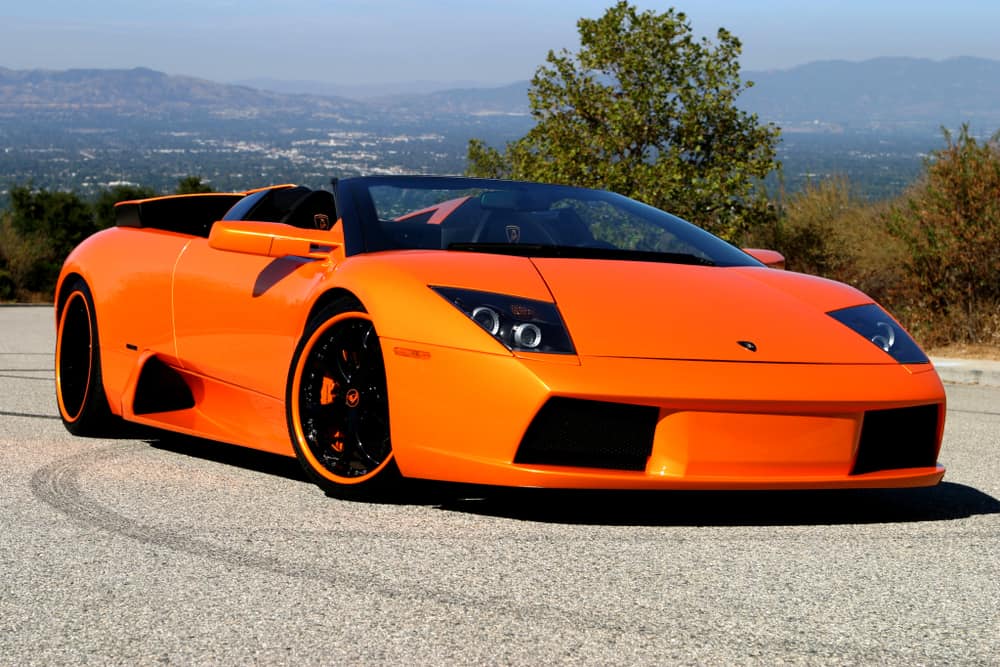
The Lamborghini Murcielago is the kind of car that little kids draw on their notebooks before they even know what a V12 is. It came from Sant’Agata Bolognese, the same region of Italy that has produced some of the most emotionally charged vehicles ever to wear a license plate. The connection to the Audi R8 is not just emotional. Audi and Lamborghini share corporate ownership, and the engineering DNA flows between the two brands in ways that are not always obvious from the outside.
What the Murcielago does brilliantly is combine a carbon fiber body structure with a design that looks fast even when it is parked. The scissor doors alone are worth the price of admission. That dramatic silhouette sets an expectation, and the performance backs it up. The naturally aspirated V12 engine produces around 420 horsepower, and the car weighs approximately 2,500 pounds. That power-to-weight ratio means the acceleration feels immediate and forceful. Zero to 60 miles per hour comes up in three seconds. Top speed is around 120 miles per hour, which is where gearing and aerodynamics find their limit on this particular model.
Fuel efficiency, at about 20 miles per gallon, is not the point of a car like this, but it is reasonable enough that you will not be planning your trips around gas stations exclusively. The sound system is surprisingly advanced for a focused supercar, which matters when you are cruising at high speed and the engine noise alone is not quite enough entertainment. The cabin seats two, but the passenger seat feels more like a sculpted sculpture than a chair, and longer trips are best enjoyed solo.
The Murcielago will set you back approximately $230,000. For a piece of Lamborghini history, that price represents an entry into a very exclusive club. It shares the R8’s sense of occasion but trades the Audi’s more refined character for something that feels a little more untamed.
Porsche 911 GT2 RS
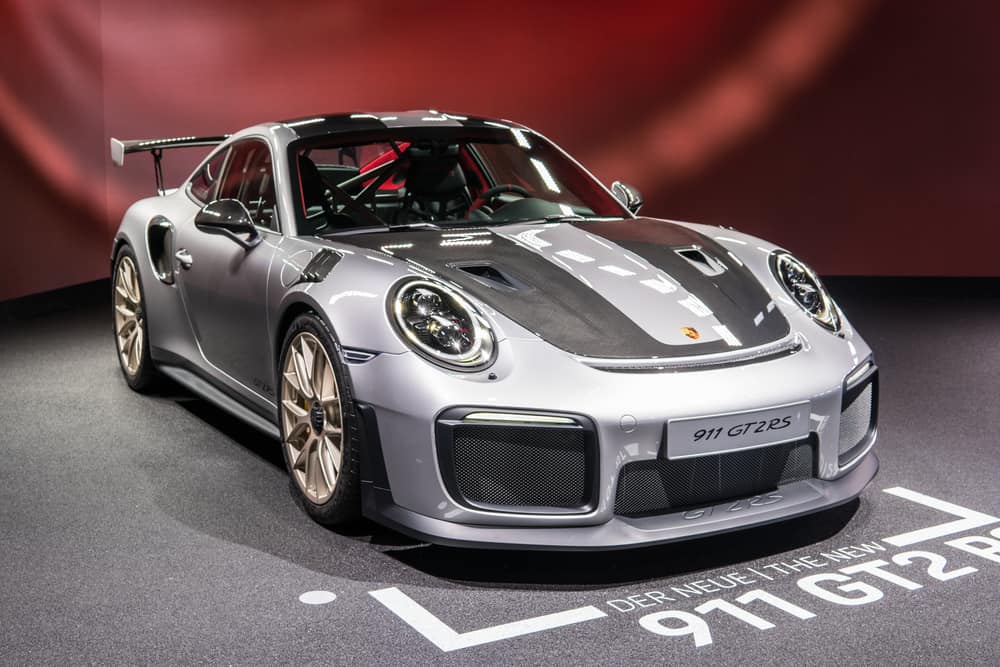
Porsche has been refining the 911 for so long that the current version feels like the result of an obsessive engineer’s lifetime of work. The GT2 RS is the fastest street-legal 911 ever built, and it wears that title without apology. Under the rear deck lid sits a 3.6-liter six-cylinder engine that churns out more than 600 horsepower and pushes the car past 200 miles per hour. The acceleration to 60 mph takes three seconds, which is standard fare in this group but still never fails to rearrange your internal organs.
The Porsche and the Audi R8 share a similar engineering philosophy. Both companies have been refining their craft for roughly the same amount of time, and both understand that supercar performance does not have to come at the expense of daily usability. The GT2 RS was designed to honor the 45th anniversary of the 911 lineage, and it carries that heritage in every body panel. It is significantly more powerful than most other Porsches, and that shows in the way it accelerates out of corners with an almost violent urgency.
One of the things that makes the GT2 RS special is how low it sits. The center of gravity is so close to the ground that the car feels glued to the road at speeds that would make other vehicles feel skittish. That low stance also contributes to a sense of safety because the car simply does not feel like it wants to lift or wander. The weight is around 2,500 pounds, which is remarkable for a car with this much power and this level of interior comfort. Getting in and out is easier than the exterior shape suggests, and once you are inside, the driving position feels absolutely natural.
Fuel economy comes in at 27 miles per gallon, which is genuinely impressive for a car that can outrun most dedicated track machines. The price for a Porsche 911 GT2 RS is approximately $257,200. If the Audi R8 is about theatrical drama, the Porsche is about surgical precision. Both are valid answers to the same question, just delivered with a different accent.
BMW M6
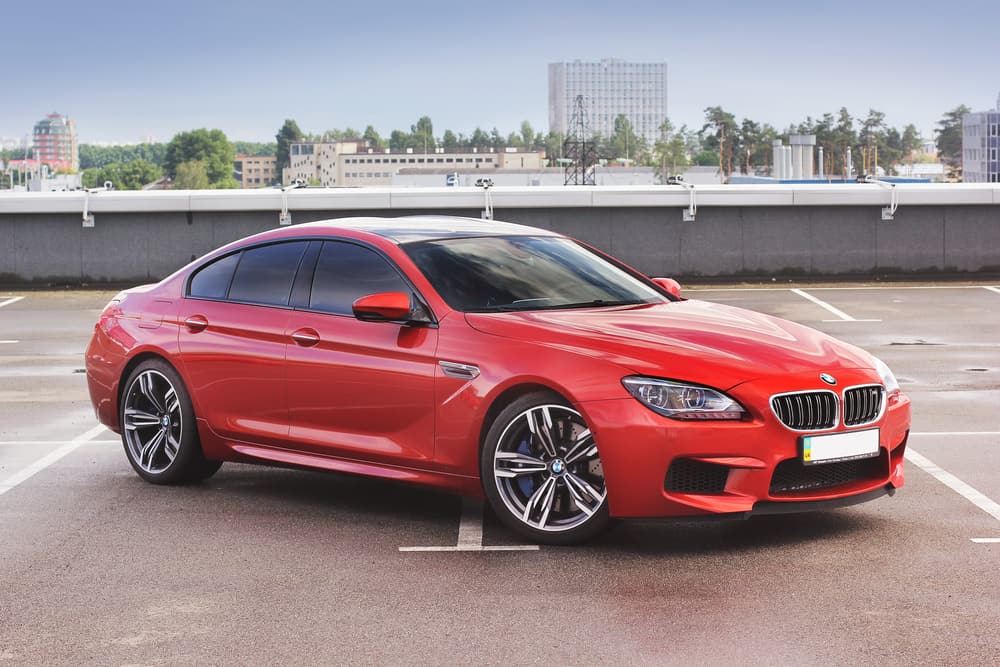
The BMW M6 is the kind of car that does not shout about its capabilities, but the numbers make it impossible to ignore. A 6.0-liter V12 engine produces 420 horsepower, and the origins of that engine trace back to the engineering team that developed the M3 powerplant. That lineage matters because it means the M6 was built with motorsport sensibilities baked into its core.
Visually, the M6 is lavish without being ostentatious. It shares the Audi R8’s ability to blend high performance with genuine luxury, and that is where the similarity really shines. The M6 accelerates from 0 to 60 miles per hour in approximately three seconds and reaches 150 miles per hour at the top end. The cabin is spacious enough to accommodate four adults, which immediately sets it apart from the two-seat R8. For drivers who need to carry passengers but refuse to give up supercar levels of speed, the M6 makes a compelling case for itself.
The interior is a highlight. The sound system is advanced, the materials are top-tier, and the seats cradle you in a way that makes long highway slogs feel like short jaunts. The price for an average BMW M6 hovers around $250,000. That is right in the R8’s neighborhood, and the decision between the two often comes down to whether you want the mid-engine exotic experience or a front-engine grand tourer that can also humble most sports cars from a stoplight.
Ferrari 599XX
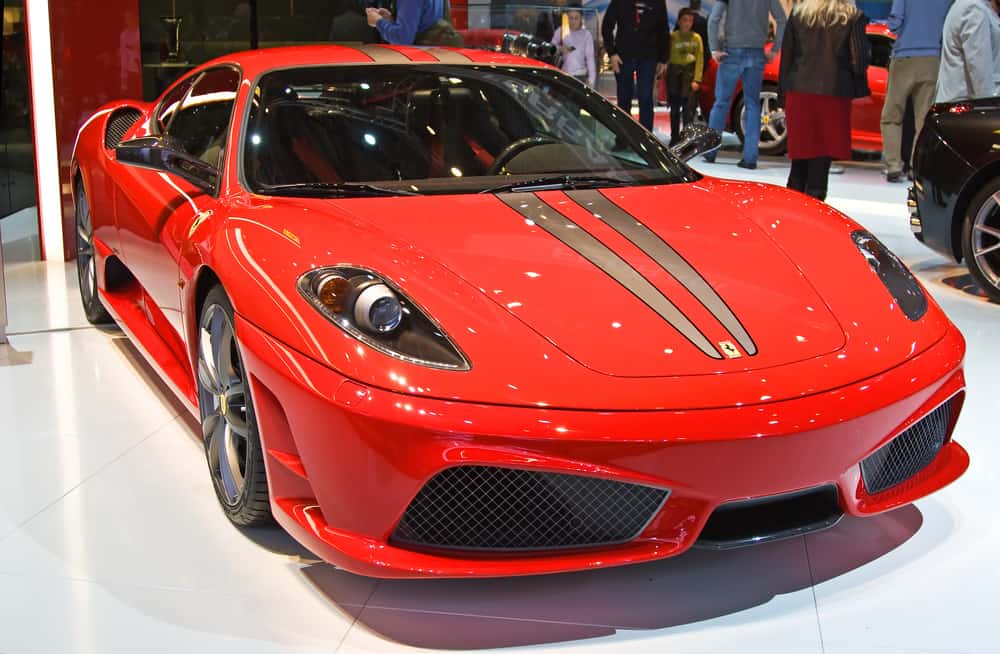
The Ferrari 599XX is not a car you will see parked at a grocery store. It was developed specifically for the World Super GT series and exists as a kind of prototype, a vehicle built for racing rather than mass production. Even so, some high-net-worth Ferrari customers managed to acquire examples for their collections, and those cars occasionally see daylight on public roads. The connection to the Audi R8 is in the speed and the sense of exclusivity. Both vehicles sit at the extreme end of what a road-going car can achieve.
Under the massive front hood, a V12 engine puts out 700 horsepower. That number alone tells you everything you need to know about Ferrari’s intentions with this model. The 0 to 60 mph sprint takes roughly two seconds, which edges out even the quickest R8 variants. The 599XX seats two people in an interior that is more about function than frivolity, though comfort is certainly not ignored. The sound system is there, and it works, but honestly the engine itself provides all the audio entertainment anyone could ask for.
The price for a Ferrari 599XX sits at approximately $1,000,000. That figure puts it in a different stratosphere than the R8, but the experience behind the wheel shares a common thread. Both cars feel like they were born on a racetrack and reluctantly given license plates as an afterthought.
McLaren 570S
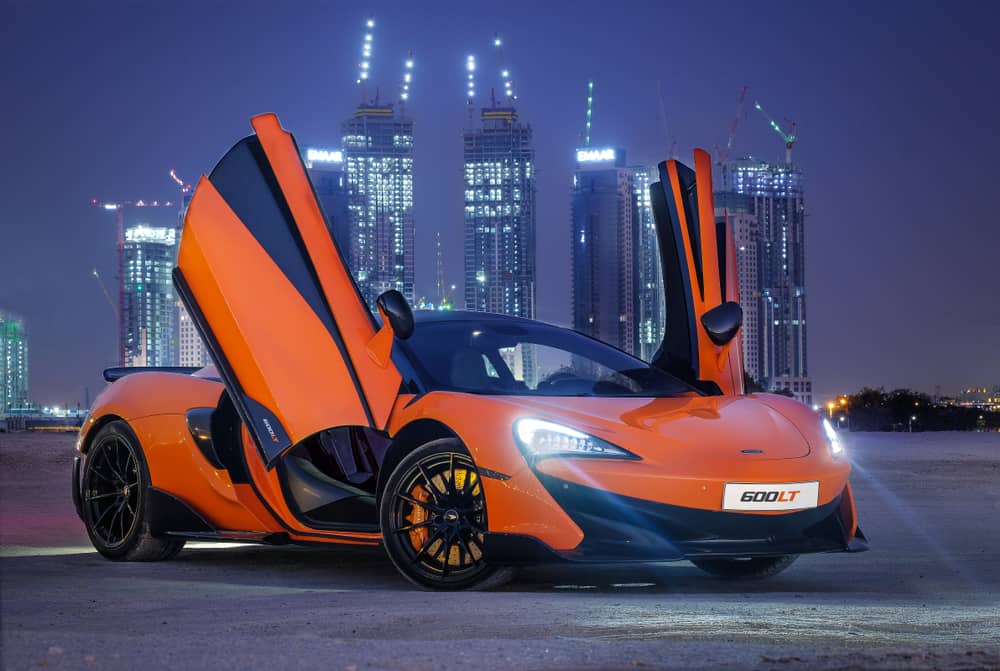
McLaren Automotive built the 570S as a successor to the legendary F1, which was itself one of the most desirable cars ever produced. The 570 carries forward that mid-engine, rear-wheel-drive layout, the same configuration that makes the Audi R8 so dynamically engaging. The two cars are direct rivals in the sense that both are designed to be driven hard on a track and still be somewhat livable on the street.
A 605-horsepower V8 engine sits behind the seats, and approximately 30 percent of the body structure uses carbon fiber to keep weight down. The result is a 0-to-60 time of 3.2 seconds and a top speed of 204 miles per hour. One detail that sets the McLaren apart is the electronic rear wing that deploys automatically at high speed to increase downforce. That kind of active aerodynamic technology is something you expect from a car that costs nearly $1,750,000, and in this case, that expectation is met exactly.
The cabin seats two comfortably, and fuel efficiency comes in at 20 miles per gallon on the highway. The price is steep, but the engineering is genuine. The 570S and the R8 are two sides of the same coin. The McLaren leans harder into technology and lightweight construction. The Audi leans harder into everyday usability and all-weather confidence. Which side you prefer is a matter of personality.
Mercedes AMG GT
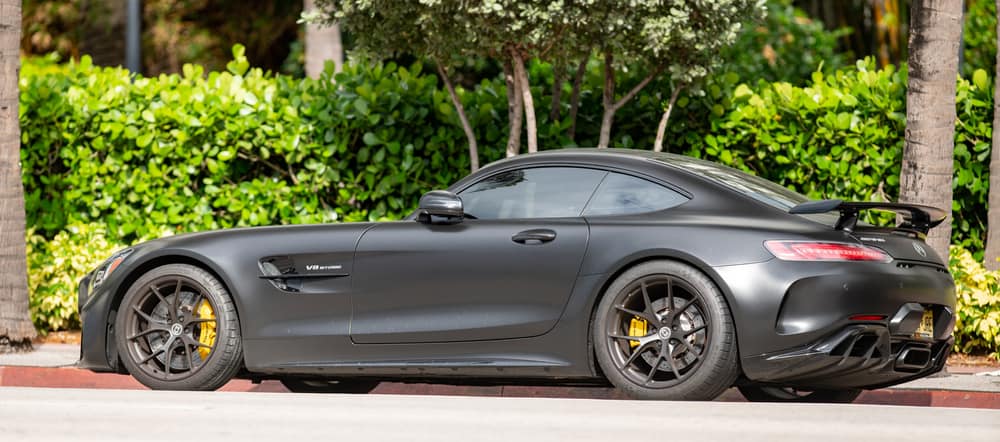
The Mercedes AMG GT is a front-engine supercar that manages to look long, low, and aggressively elegant all at once. Performance figures place it squarely among the best in this class. It hits 60 miles per hour in 3.9 seconds and keeps pulling all the way to a top speed of 211 miles per hour. The engine produces 577 horsepower at 8,250 rpm, with torque peaking at 612 pound-feet across a broad rev range. Those numbers surpass several of the more established Italian exotics on this list.
The design language is consistent with other Mercedes sports cars, and that is intentional. The same team that shaped the C-Class and S-Class sedans applied their craft to the AMG GT. The result is a vehicle that feels both familiar and exceptionally special at the same time. Four people can fit inside, which, again, gives it a practical advantage over the two-seat R8. Fuel efficiency is rated at 20 miles per gallon.
At around $230,000, the AMG GT costs about the same as a well-equipped R8. The choice between the two often hinges on whether you want your engine behind your head or in front of you, but the performance envelope is comparable either way. The Mercedes offers a slightly more usable daily experience. The Audi offers that exotic mid-engine sensation that nothing else quite replicates.
Jaguar F-Type
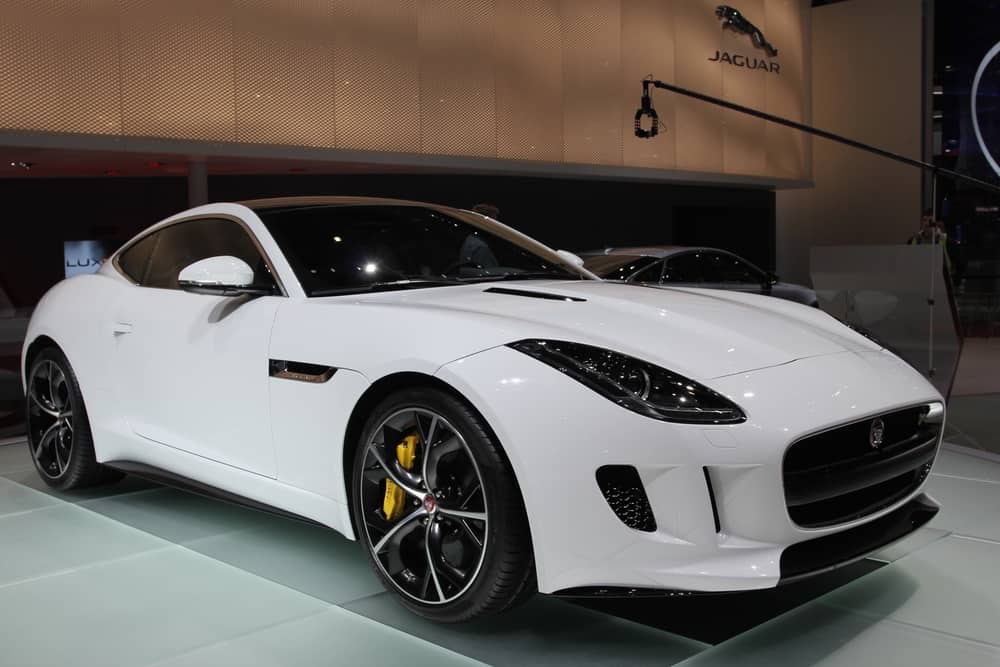
The Jaguar F-Type is the kind of car that wins awards before the public ever gets a chance to drive it. It was designed with competition firmly in mind, and its engine options reflect that. Acceleration from 0 to 60 miles per hour takes 3.8 seconds, and power outputs vary across the range but always feel strong. The shape is unmistakably Jaguar: long hood, short rear deck, muscular haunches over the rear wheels.
Comparing the F-Type to the Audi R8 is natural because both cars occupy a similar space as fast, stylish, and relatively accessible two-seat coupes. The Jaguar is not mid-engined, but its front-mid layout puts the engine far enough back that balance is excellent. Fuel efficiency comes in at around ten miles per gallon, which is the price you pay for the soundtrack that V8 produces at full throttle. Two people fit inside, and the interior is trimmed in materials that feel appropriate for a car of this caliber.
At roughly $110,000, the F-Type is one of the more affordable entries on this list. It undercuts the R8 significantly while still delivering a genuine supercar experience. For buyers who want the drama and the performance without crossing into the $200,000 range, this Jaguar deserves a serious look.
Lamborghini Gallardo
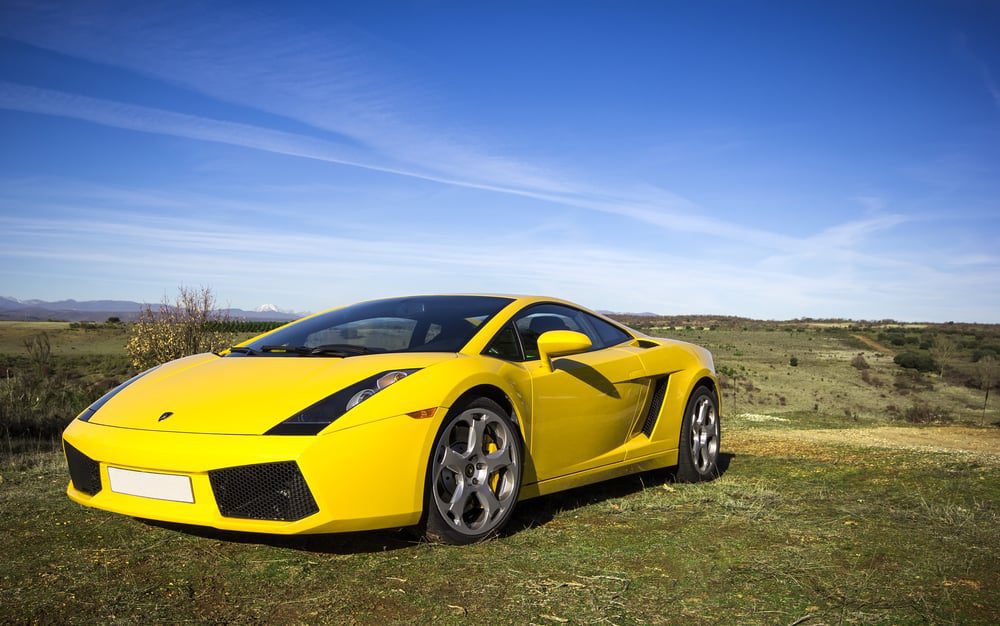
The Gallardo is the car that arguably put Lamborghini on the map for a whole new generation of buyers. It accelerates from 0 to 60 miles per hour in 3.4 seconds and reaches a top speed of 201 miles per hour. A V12 engine produces 651 horsepower, and that power is channeled through a chassis that was designed specifically for racing and high-performance driving.
The design is unmistakably Lamborghini, with sharp angles and a low stance that communicates speed even before the engine fires. The interior seats four people and is built to withstand the forces of a crash, which is not something you often see highlighted in supercar marketing but is genuinely reassuring. Fuel efficiency sits at 18 miles per gallon on the highway.
The Gallardo costs around $250,000, putting it right alongside the R8 in terms of price. The two cars share more than just a price point. Beneath the bodywork, some components trace back to the same parent company, and the mid-engine layout feels familiar to anyone who has spent time in the Audi. The Gallardo is perhaps a bit more theatrical. The R8 is a bit more refined. Both are extraordinary.
McLaren P1
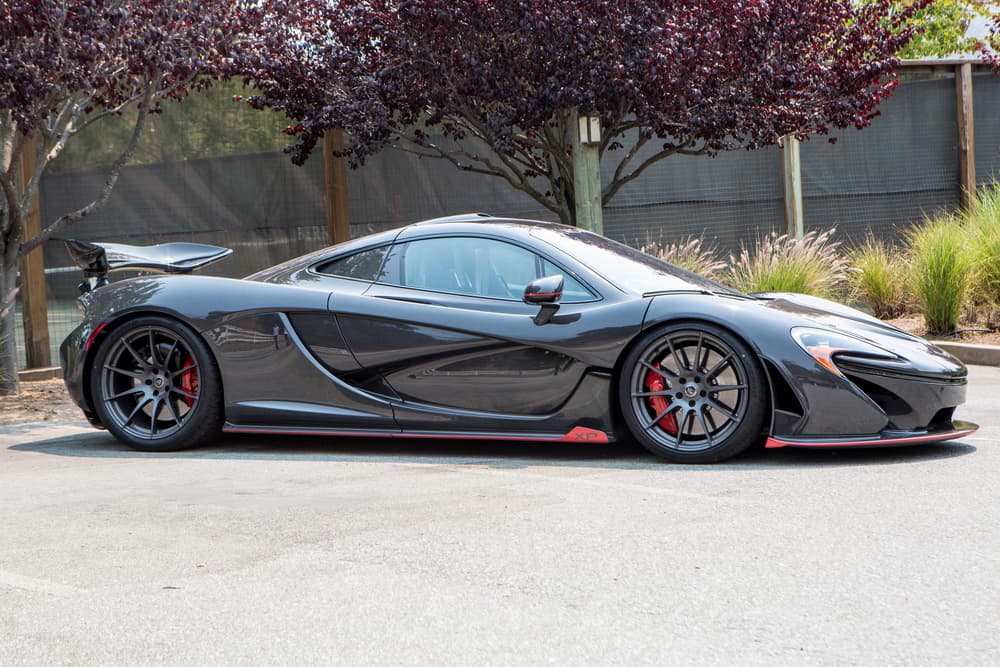
The McLaren P1 is a hybrid hypercar that arrived at the end of 2013 and immediately reset expectations for what a road car could achieve. With 903 horsepower generated by a combination of a twin-turbo V8 and an electric motor, the acceleration is genuinely violent. Four turbochargers were required to reach that output, and the engineering behind that decision is complex enough to fill a textbook. The car reaches 60 miles per hour in 3.2 seconds and continues to a top speed of 205 miles per hour.
The P1 and the Audi R8 have been positioned as rivals since the P1 debuted, and the comparison is valid. Both cars are mid-engined. Both prioritize performance above nearly everything else. The McLaren adds hybrid technology and a level of exclusivity that puts its price at approximately $1,400,000. The R8 delivers 80 percent of the thrill for a fraction of the cost. That equation is what makes the Audi so compelling in this segment.
The P1 seats two people and returns 14 miles per gallon. The design draws inspiration from the Ferrari 458 Italia and the Aston Martin One-77, which is good company to keep. It is a car that exists at the absolute pinnacle of automotive engineering, and its presence on this list serves as a benchmark for how far the supercar concept can be taken.
BMW i8
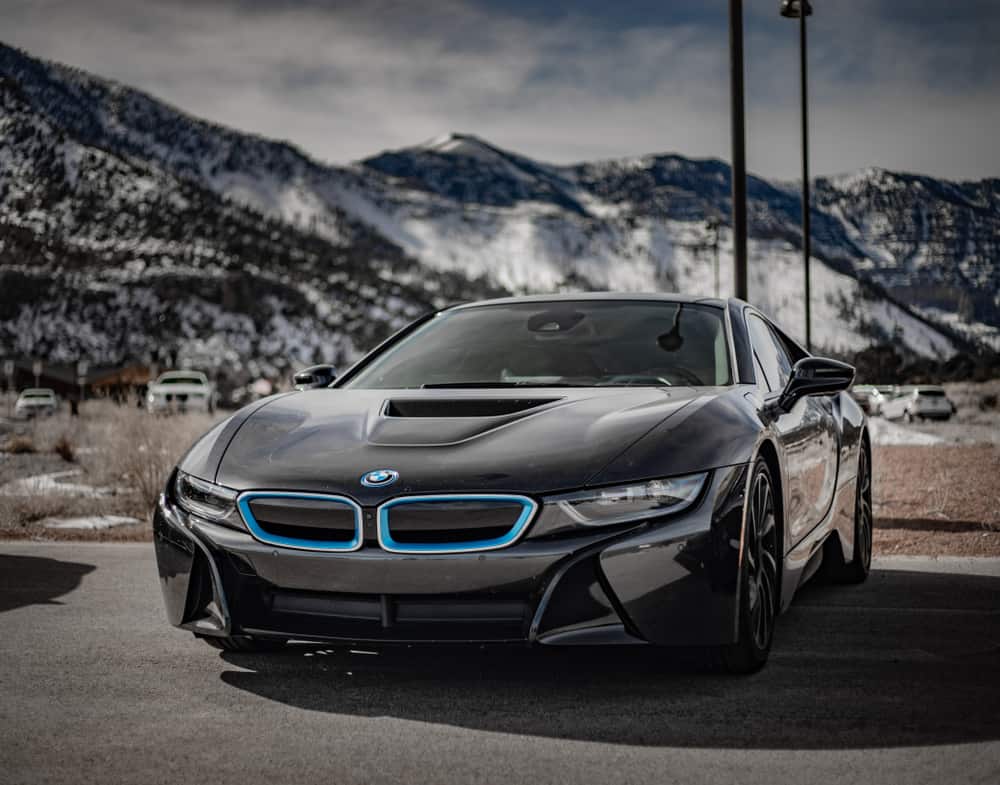
The BMW i8 takes the supercar formula and injects it with a heavy dose of future-thinking technology. It was launched in 2014 as an electric roadster that blends performance with eco-friendliness, and it immediately attracted attention from celebrities like Jay-Z and Tom Hanks. That kind of endorsement is not surprising when you see the car in person. It looks like a concept vehicle that accidentally made it to production.
Power comes from a combination of a turbocharged engine and an electric motor, producing strong acceleration that gets the i8 to 60 miles per hour in 4.4 seconds. Top speed is 155 miles per hour. The body uses carbon fiber extensively, the rear wheels steer to improve agility, and the active air suspension adjusts to road conditions on the fly. Fuel efficiency is an impressive 35 miles per gallon, which is unheard of in a vehicle that looks like this.
The i8 seats four people and has a surprisingly spacious trunk, making it one of the more practical supercar alternatives. The price tag sits around $140,000, which undercuts the R8 by a meaningful margin. The similarity between the two is not in the engine layout but in the way both cars challenge assumptions about what a supercar can be. The i8 proves that efficiency and excitement can coexist.
Maserati Granturismo
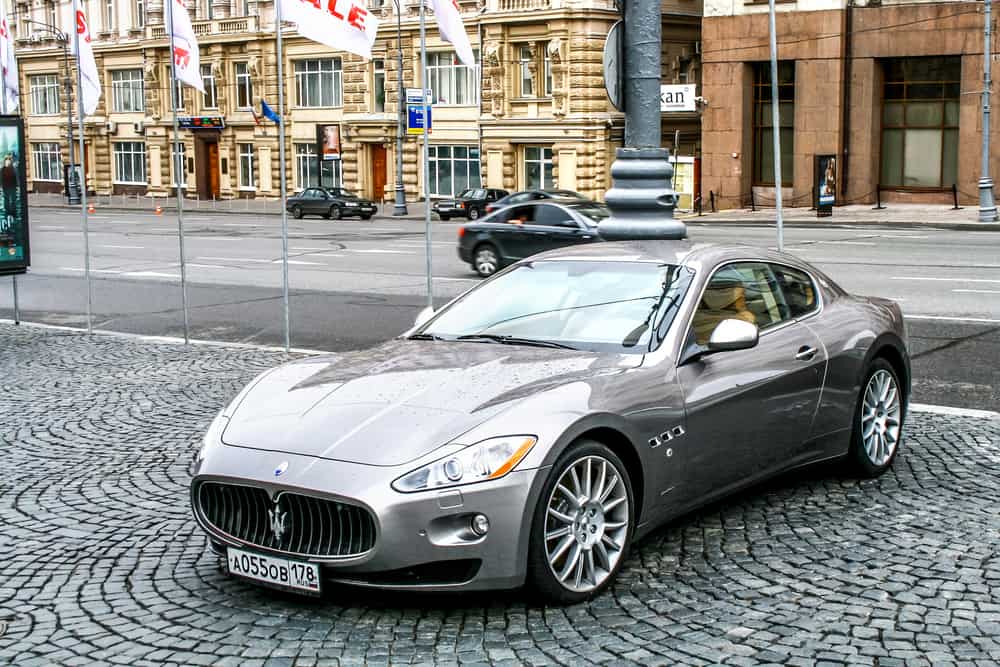
Maserati has been building cars for over 90 years, and the Granturismo represents the brand’s commitment to making beautiful, fast, and emotionally resonant vehicles. The sleek body style immediately draws comparisons to the Audi R8, and both cars share a design philosophy that values elegance over aggression. Under the long hood, a V8 engine produces 560 horsepower, propelling the car to 60 miles per hour in 3.5 seconds.
The Granturismo was the first Maserati to place the engine at the rear, which shifted the weight distribution in a way that improves handling. Fuel efficiency is 23 miles per gallon, which is commendable for a V8-powered grand tourer. The cabin seats four people comfortably, and the trunk is large enough to handle a weekend’s worth of luggage for everyone inside. That practicality gives the Maserati an edge over the two-seat R8 for buyers who need to bring passengers along for the ride.
Pricing lives between $145,000 and $200,000, placing it in the same conversation as the Audi. The Granturismo is for the person who wants Italian flair without the mid-engine layout, a car that can cross continents in comfort while still delivering a soundtrack that turns heads.
Aston Martin Vantage
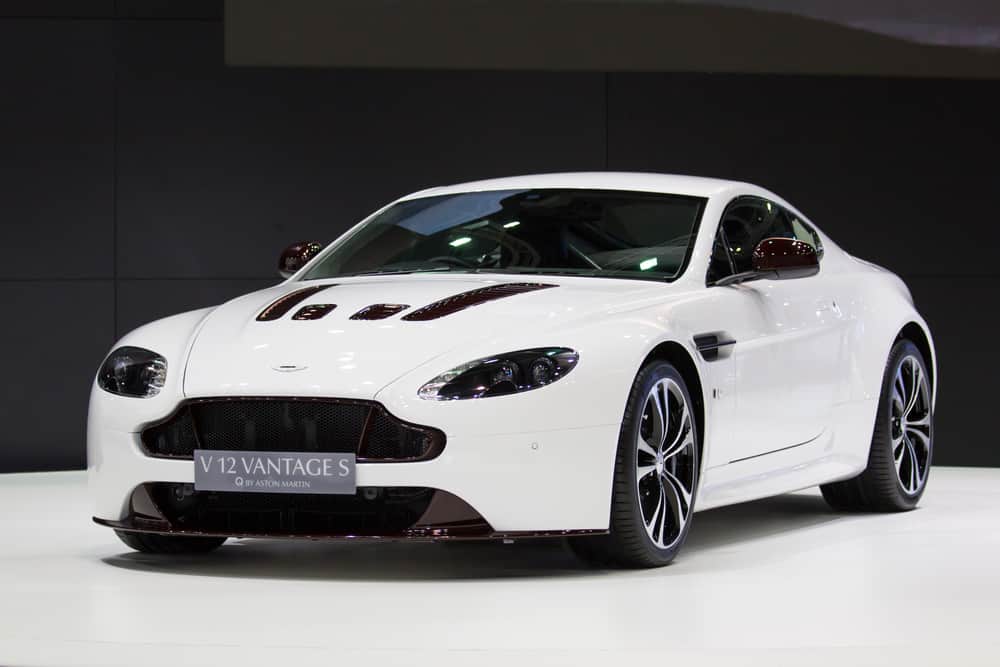
The Aston Martin Vantage was launched in 2003 and quickly established itself as a benchmark for front-engine sports cars. A twin-turbocharged V8 engine delivers between 463 and 495 horsepower, depending on specification. The acceleration from 0 to 60 miles per hour takes 3.7 seconds, and top speed is 168 miles per hour. The handling is precise and accessible, which is exactly the kind of approachability that makes a powerful sports car confidence-inspiring rather than intimidating.
The Vantage and the Audi R8 are similar in the sense that both are considered among the most stylish and luxurious vehicles in their class. The carbon fiber bodywork contributes to the structural rigidity, and the cabin seats four people. Fuel economy is an impressive 28 miles per gallon, which gives the Aston an unexpected practical advantage.
The price for an average Vantage sits around $380,000. That is a step above the R8, but the Aston Martin badge carries a specific kind of prestige that some buyers simply prefer. The choice between these two often comes down to which design language speaks to you more personally.
Dodge Viper ACR
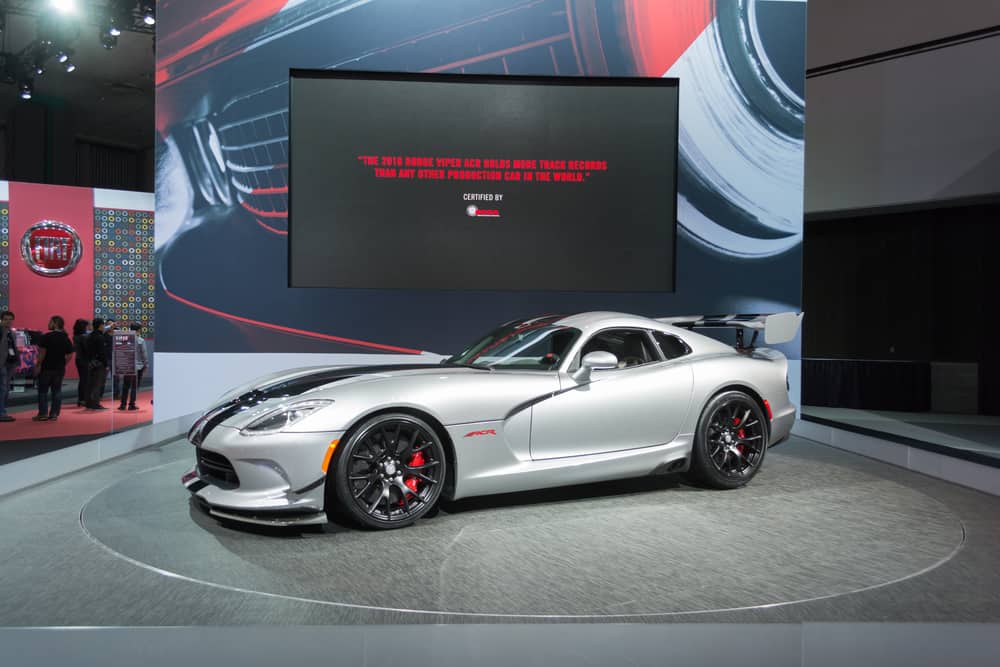
The Dodge Viper ACR is an American supercar that takes a very different path to the same destination. It produces more than 800 horsepower from a massive V10 engine, and the 0-to-60 sprint takes just 2.9 seconds. Top speed is 202 miles per hour. The body design is sleek, but the underlying philosophy is less about luxury and more about mechanical brutality. This car exists to set lap times, and it does so with an intensity that is impossible to ignore.
The connection to the Audi R8 lies in the performance envelope. Both cars are capable of acceleration figures that rival dedicated race machines. The Viper ACR adds a limited-slip differential, a seven-speed manual transmission, and a low-inertia racing clutch, all of which make it feel more like a purpose-built track tool than a street car. The cabin seats two people.
The Viper ACR costs approximately $175,000, which makes it one of the more affordable ways to experience supercar acceleration. The trade-off is refinement. The Dodge is louder, harsher, and less forgiving than the Audi. For the right driver, those are not drawbacks. They are features.
Nissan GT-R
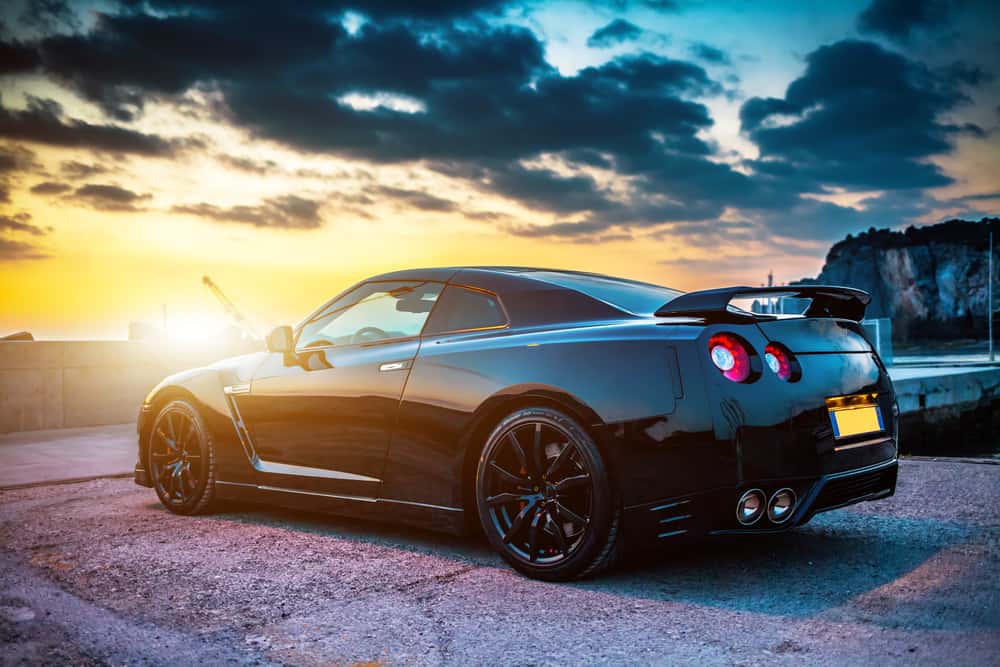
The Nissan GT-R has earned its nickname. Godzilla is not subtle, but it delivers performance that belies its price tag. The model was designed by Nissan’s chief engineer Shuichi Fujio, and the result is a car that accelerates from 0 to 60 miles per hour in 3.7 seconds, reaches a top speed of 200 miles per hour, and produces more than 800 horsepower. Fuel economy is 21 miles per gallon.
The GT-R seats four people and features an interior that prioritizes function over form, though comfort is certainly part of the equation. The similarity to the Audi R8 is direct: both are all-wheel-drive performance coupes that can embarrass far more expensive machinery on a winding road. The Nissan manages to do this for approximately $81,000, which is less than half the price of a base R8.
That value proposition is hard to ignore. The GT-R cannot match the Audi’s mid-engine exotic car presence or the quality of its interior materials, but it delivers a level of performance that belongs in the same conversation. For buyers who prioritize speed per dollar above all else, the GT-R is a compelling alternative.
How These Cars Compare Side by Side
| Vehicle | Approximate Price | Horsepower | 0-60 mph | Top Speed | Seating |
|---|---|---|---|---|---|
| Audi R8 (base) | $180,000+ | Varies | ~1.3 sec (modified) | 330 km/h | 2 |
| Lamborghini Murcielago | $230,000 | 420 hp | 3.0 sec | ~120 mph | 2 |
| Porsche 911 GT2 RS | $257,200 | 600+ hp | 3.0 sec | 200+ mph | 2 |
| BMW M6 | $250,000 | 420 hp | 3.0 sec | 150 mph | 4 |
| Ferrari 599XX | $1,000,000 | 700 hp | 2.0 sec | N/A | 2 |
| McLaren 570S | $1,750,000 | 605 hp | 3.2 sec | 204 mph | 2 |
| Mercedes AMG GT | $230,000 | 577 hp | 3.9 sec | 211 mph | 4 |
| Jaguar F-Type | $110,000 | Varies | 3.8 sec | N/A | 2 |
| Lamborghini Gallardo | $250,000 | 651 hp | 3.4 sec | 201 mph | 4 |
| McLaren P1 | $1,400,000 | 903 hp | 3.2 sec | 205 mph | 2 |
| BMW i8 | $140,000 | N/A | 4.4 sec | 155 mph | 4 |
| Maserati Granturismo | $145,000 – $200,000 | 560 hp | 3.5 sec | N/A | 4 |
| Aston Martin Vantage | $380,000 | 463-495 hp | 3.7 sec | 168 mph | 4 |
| Dodge Viper ACR | $175,000 | 800+ hp | 2.9 sec | 202 mph | 2 |
| Nissan GT-R | $81,000 | 800+ hp | 3.7 sec | 200 mph | 4 |
Which Supercar Philosophy Speaks to You?
The Audi R8 occupies a fascinating position in the supercar world. It is fast enough to hang with dedicated exotics, refined enough to drive daily, and priced in a way that makes the dream reachable for a larger number of enthusiasts. The fourteen cars on this list each capture some element of what makes the R8 special. The Lamborghinis bring more drama. The Porsches bring more precision. The American offerings bring more brute force. The British and German entries bring their own distinct flavors of luxury and engineering excellence.
No single vehicle ticks every box for every buyer. A driver who needs four seats will look at the BMW M6 or the Nissan GT-R in a very different light than someone who wants the pure mid-engine experience. A driver who plans to track their car frequently might lean toward the Viper ACR or the McLaren P1. A driver who wants their supercar to make an environmental statement as well as a performance one will find the BMW i8 hard to ignore.
The real value of a list like this is not in declaring a winner. It is in showing how many valid answers exist to the question the Audi R8 asks. The car you end up with should reflect the kind of driving you actually do, not just the kind of driving you imagine yourself doing. A supercar that collects dust in the garage because it is too harsh for daily roads is not serving its purpose. The R8, and many of the cars here, manage to straddle that line between extreme capability and genuine usability. That is a rare achievement, and it is the reason these vehicles command the prices and the attention that they do.
Test drive as many as you can. Nothing replaces the feeling of settling into a driver’s seat, pressing the start button, and feeling the car come alive around you. The numbers are a starting point. The experience is the final arbiter.