
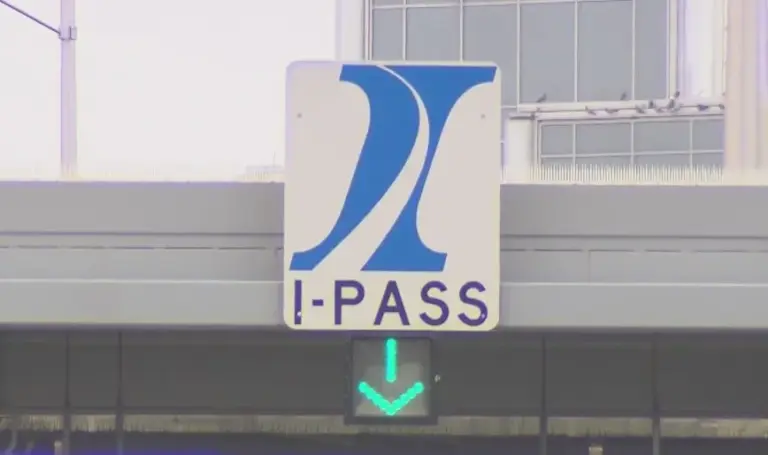
Yes, you can use your own I-PASS in most rental cars, and it can save you money. The catch is that it only works if you set it up correctly. Skip a step and you can end up paying the toll twice, once through your account and once through the rental company.
I’ve worked on cars for a long time, and a surprising number of toll problems walk into the shop attached to rentals and borrowed vehicles. This guide covers how to link a rental plate to your account, how to mount the transponder, how rental company toll programs work, where I-PASS is accepted, and the mistakes that cost travelers the most. Where the details vary by company or state, I’ll tell you to check instead of guessing.
The short answer
I-PASS is designed to make toll payments seamless, and it can be used with most rental vehicles as long as it’s linked to the rental car’s license plate. You add the plate to your account, mount the transponder properly, and remove the plate when you return the car. That’s the whole process in one sentence.
Two things can trip you up. The first is the rental company’s own toll policy, since some cars already have a transponder built in or attached. The second is the plate itself, because tolls follow the plate, and a plate you forgot to remove can leave you paying for the next renter’s trips.
So the real answer is “yes, if you do the homework first.” The homework takes about ten minutes and can save you a bill that’s bigger than the rental itself.
Before you pick up the car
I’d do most of this before you ever leave for the rental counter. Once you’re standing in line with a tired family and a long drive ahead, it’s easy to skip the boring parts. Here’s what I’d have sorted out ahead of time.
- Your I-PASS account login. You’ll need it to add the plate, so make sure the password works.
- Your account balance. Confirm there’s enough money in it for the toll roads you plan to drive.
- The rental company’s toll policy. Find out whether it allows personal transponders and how it bills tolls.
- Your route. Know whether it crosses toll roads, and which tolling systems run them.
- Your rental dates. You’ll enter a start and end date when you add the plate.
The plate number is the one thing you can’t know in advance, since you usually get it when you pick up the car. That’s fine. Plan to add it right at the counter or in the parking lot, before you pull onto a toll road.
If you’re renting for only a day or two, it’s tempting to skip the setup. I’d still do it. A single missed toll can become an administrative fee on top of the toll, and that’s a worse deal than spending five minutes on your phone.
Call the rental company first
Before you use your own transponder, check the rental company’s policy on toll transponders. Some companies already have a transponder in the car, and using your own on top of it could result in double billing. It’s the single most common way this goes wrong.
Most rental companies offer programs that let you use an I-PASS or a similar toll transponder, which may give you discounted tolls. There’s typically a daily fee in addition to the toll charges, though. If you choose the rental company’s toll service, you could be charged a daily administrative fee even on days you don’t go through a toll.
Enterprise is one example mentioned in the source material. It often provides its own tolling options, but it usually allows you to use your personal I-PASS. Policies differ from company to company and sometimes from location to location, so ask the agent at your counter and don’t assume.
Here are the questions I’d ask:
- Does this car have a built-in or attached toll transponder?
- If it does, how do I make sure it’s switched off or not used while I use my own?
- Do you charge a daily fee for your toll program even on days I don’t use a toll road?
- What happens if I use my own transponder? Are there any penalties?
- If a toll is missed, how do you bill it, and what administrative fee applies?
Write down the answers, or ask for them in writing on the rental agreement. If the agent isn’t sure, ask for a manager. A vague answer at the counter becomes a very specific charge on your card a few weeks later.
How to link a rental plate to your I-PASS account
To use I-PASS in a rental car, you have to link the rental vehicle’s license plate to your account. That’s typically done through the I-PASS website or by calling customer service. The website is quicker, and you can do it from your phone.
- Log in to your I-PASS account.
- Add the rental car’s license plate number to your account.
- Specify the start and end dates that match your rental period.
The source also notes that you can add a temporary license plate to your account online, which is handy for short-term use. A temporary entry with an end date is the cleanest way to do it, because the plate comes off on its own schedule. If your account lets you set an end date, use it.
Check the plate number twice. Look at the actual plate on the car, not just the paperwork, since I’ve seen agents hand over a different car than the one on the contract. One wrong character and your tolls are going somewhere else.
Take the plate off when you return the car
When the rental ends, remove the rental car’s plate from your account. If you don’t, you could be charged for tolls incurred by the next driver of that car. That’s a real risk, because rental cars turn over fast and your account is still attached to the plate.
Make it a habit. Set a phone reminder for the day you drop the car off, and take the plate off while you’re waiting for your shuttle or boarding pass. If you set an end date when you added it, double-check that it took effect.
Check your account a week or two after the trip too. Tolls sometimes post late, and you want to see only your own trips on the statement. If something looks off, contact customer service with the dates and the plate number.
Mounting your transponder in a rental car
A transponder only works if the reader can see it. That’s why mounting matters, and why a rental car, which you don’t know, needs extra attention. An improperly mounted I-PASS may not be read correctly at the toll point.
The transponder should go on the inside of the windshield, as directed by the I-PASS instructions. Follow the placement shown in those instructions instead of choosing a spot by eye. If you’ve lost the paperwork, check the I-PASS website or call customer service before you mount it.
Here’s how I’d handle it in a rental:
- Wipe the spot on the inside of the glass so it’s free of dust and film.
- Check the area for anything that might interfere, such as stickers, a toll tag already on the glass, or sensor housings near the mirror.
- Mount your transponder in the position shown in the instructions.
- Press it firmly so it seats against the glass.
- Check it again before you leave the lot.
A transponder tossed on the dash or sitting in the cup holder may not get read. Rental cars often have more windshield clutter than your own car, including inspection stickers, parking tags and camera mounts. Pick a clear spot and make sure nothing is stacked on top of or beside it.
If the rental company has already put its own transponder on the windshield, ask about it before you add yours. Two tags in the same area is an invitation for confusion at the reader. Some rental transponders sit in a shielded box that you open or close, and I’d want the agent to show me exactly how that works.
Fees and toll charges in rental cars
Tolls themselves are simple. They’re charges you pay to use certain roads, and the money helps maintain and improve them. The confusing part is what rental companies add on top, and that’s where travelers get burned.
Administrative fees on cashless roads
If you drive through a cashless toll system in a rental car without a prepaid pass, you can end up with an administrative fee on top of the toll. The rental company gets billed, pays the toll, and passes the cost to you along with a processing fee. That fee may be bigger than the toll, which is why a few small tolls can turn into a surprisingly large charge.
Daily fees can also add up. Some rental programs charge for each day you use a toll road, and those fees may not be part of the advertised rental price. A cheap rental rate can look a lot less cheap once the toll program is added.
Daily charges when you didn’t use a toll
Under some rental company toll programs, you may pay a daily administrative fee even on days when you don’t pass through a toll. The source flags this specifically. If you’re renting for a week and only hit one toll road on day two, a daily-fee program could cost you for all seven days.
That’s the strongest argument for using your own I-PASS when the company allows it. You pay the toll rate on your account, and you skip the daily fee you’d have paid for the company’s program. The saving depends on the company’s terms, so read them before you decide.
Comparing your toll options in a rental
| Option | How it works | Possible cost | Watch out for |
|---|---|---|---|
| Your own I-PASS with the rental plate added | Tolls are charged to your account based on the plate and transponder | Toll rate on your account, possibly discounted | Must add the plate, mount properly, and remove the plate afterward |
| Rental company’s toll program | The company’s transponder or billing system pays and bills you | Tolls plus a daily fee, even on days with no tolls in some programs | Fees may not be in the advertised rental price |
| No pass on a cashless road | The toll is billed to the rental company, which charges you | Toll plus an administrative fee | Fees can exceed the toll, and penalties may apply |
Neither of the last two is necessarily wrong if you rarely drive toll roads. But for anyone who already owns an I-PASS, using it will usually be the cleaner choice. Just confirm the rental company is fine with it.
How to avoid surprise charges
You have a few ways to keep fees down. You can plan routes that bypass toll roads, or bring your own transponder if the rental company allows it. Both can work, and sometimes they work together.
Be aware that some companies may charge additional penalties for not using their preferred toll payment method. Read the fine print and ask about toll-related fees when you book. The agreement is boring, but it’s the document that decides what ends up on your card.
Driving through toll plazas and cashless roads
Cashless tolling is becoming the standard, so it helps to know how your I-PASS behaves at each kind of toll point. At electronic plazas, just drive through the designated I-PASS lanes. At fully cashless plazas, sensors read your transponder and the toll comes out of your account automatically.
You usually don’t have to slow down much, and you don’t have to do anything at the reader. The important part is that the reader finds a transponder that’s mounted, active and linked to the plate on the car. If one of those pieces is missing, the system falls back to the plate and starts the billing process in the rental company’s direction.
If you’re not sure which lane to use, follow the signs for electronic tolling. Don’t swerve across lanes at the last second, since an unsafe move costs more than a toll ever will. If you miss the right lane, keep going and sort it out afterward, because most cashless roads can bill the plate.
Where your I-PASS works outside Illinois
Your I-PASS is built for Illinois roads, and it’s compatible with some state-specific toll systems elsewhere. The source says it’s interoperable with the E-ZPass network, and it works in more than 17 states, mainly in the Eastern and Midwestern U.S. Treat that count as a rough figure, because the exact list changes and different sources give different numbers.
The source names Indiana, Ohio and New Jersey as places where you can confidently use I-PASS, since they’re part of the E-ZPass network. It also mentions airport trips involving Maryland, Virginia and Kentucky. Before a trip, I’d check the current list on the Illinois Tollway website to confirm each state you’ll pass through, especially for Kentucky, where I’d want a current source.
The source also mentions major crossings such as the Verrazano Bridge in New York and toll roads in Massachusetts, where I-PASS works as a prepaid toll pass. It adds that using I-PASS outside Illinois may depend on regional partnerships like the E-ZPass Group, and it lists the Florida Turnpike among them. That last one is the claim I’d double-check, since Florida has its own tolling systems and interoperability can differ by road.
Airports and rental trips
Rental cars and airports go together, and toll roads often sit between the two. If you’re flying into a city and renting, look at the route from the airport to your hotel before you land. Find out whether it includes toll roads, and which system runs them.
If your I-PASS is accepted along the way, it should get you through the toll points without delay. If it isn’t, you’ll want a plan for the alternative, whether that’s the rental company’s program, a different route, or paying online after the trip. A few minutes on a map can save you a long phone call later.
Different tolling systems on one trip
Some trips cross into areas served by different tolling systems. The source mentions systems like Expresstoll and Toll-by-Plate as examples. When you cross into one, your I-PASS may be handled a little differently, and the charge may show up under a different label on your statement.
Keep an eye on your account during and after the trip. Look for charges that don’t match your route, and make sure each toll shows the right date. If you see something odd, contact customer service quickly, since small discrepancies are easiest to fix early.
Best practices for renters using I-PASS
After you’ve set things up once, it becomes routine. Here are the habits that keep rental toll bills under control.
Tips for smooth toll transactions
- Check compatibility. Before you travel, confirm that the rental company allows personal toll passes like I-PASS. Enterprise, for example, often provides its own tolling options but usually allows you to use your own.
- Mount it properly. Position the transponder correctly on the windshield so it’s detected at tolls. A good mount reduces the risk of missed tolls and the fines or fees that follow from the tolling authority or the rental agency.
- Add the plate before you drive. Don’t wait until you’re on a toll road to link the vehicle.
- Take a photo of the plate. It helps when you enter the number, and it’s a record if there’s a dispute.
Managing your account while renting
- Update rental car information. Add the plate so tolls are charged correctly, and remove it once the rental period is over.
- Monitor your account. Track the charges, especially if you cross into zones serviced by other tolling systems, so you can address discrepancies promptly.
- Keep the balance healthy. A low balance can lead to missed payments even when everything else is set up right.
- Save your paperwork. Keep the rental agreement, the plate number and your confirmation for the dates you added it.
One more habit I like is checking the balance the night before you pick up the car. It takes a minute, and if there’s a problem you can fix it from your hotel instead of finding out from a notice. Think of it like checking your tire pressure before a road trip.
Mistakes to avoid
Most rental toll problems come from the same few slip-ups. Nearly all of them are preventable.
- Assuming the rental car has no transponder. Ask, because a built-in one can bill you twice.
- Skipping the plate link. Without it, tolls may not be matched to your account.
- Typing the plate wrong. Read it off the car itself, not only the contract.
- Forgetting to remove the plate afterward. The next renter’s tolls could land on your account.
- Mounting it loosely. A transponder sitting on the dash may not be read.
- Not reading the toll policy. Daily fees can apply even on days you don’t use a toll road.
- Assuming it works everywhere. Confirm each state or system on your route.
- Ignoring your account afterward. Charges can post late, so review the statement.
A customer once told me about a weekend rental where she’d used her own tag and also accepted the rental company’s toll package at the counter. She figured more coverage was better. She got billed through both, and untangling it took a few calls and some patience, and its not a fun way to spend a Monday.
The fix is almost always the same. Decide which method you’re using before you leave the lot, confirm that the other one is off, and write it down.
Troubleshooting rental toll problems
Even with good planning, something goes sideways now and then. Here’s how I’d handle the usual situations.
You were charged twice for the same toll
This usually means both your account and the rental company’s program paid for the same trip. Gather your rental agreement, your account statement and the toll dates. Contact the rental company first and ask whether their transponder was active, then contact I-PASS customer service with the plate and dates.
The reader didn’t pick up your transponder
Start with the mount. Check that it’s on the inside of the windshield in the position the instructions call for, that it’s firmly stuck, and that nothing is blocking it. Then check your account balance and make sure the plate is linked for the right dates. If everything looks right and tolls still aren’t posting, call customer service with the details.
You forgot to remove the plate
Remove it now, and then look at your statement for tolls after the date your rental ended. If any trips don’t belong to you, contact customer service with the plate number, your return date and your rental paperwork. The sooner you do it, the easier it is to clean up.
You got a bill from the rental company
Compare it with your own account statement. If you used your own I-PASS and the toll was already paid, send the company your account record and ask them to correct it. If the toll wasn’t paid by your account, check whether the plate was linked for those dates, because that’s the likely gap.
You drove a toll road before linking the plate
Add the plate as soon as you notice and check whether your account allows you to cover the earlier trip. If it doesn’t, contact customer service. Don’t just ignore it, since an unpaid toll on a rental tends to come back with a fee attached.
A rental trip checklist
Here’s the whole process in order, so you can run through it at the counter.
- Before you travel: check your I-PASS balance and login, and read the rental company’s toll policy.
- At the counter: ask whether the car has a transponder and how tolls are billed, and get the answers in writing if you can.
- In the lot: read the plate number off the car and add it to your account with start and end dates.
- Before you drive: mount your transponder on the inside of the windshield, following the instructions.
- On the road: use the I-PASS lanes at electronic plazas and keep an eye on any state outside Illinois.
- At drop-off: remove the plate from your account and take the transponder with you.
- A week or two later: review your statement and the rental bill for charges that don’t match your trip.
Don’t leave your transponder in the car. It’s easy to forget something stuck to a windshield, and then you have a lost tag and a possible toll problem for the next renter.
Questions travelers ask about I-PASS and rentals
Can I use my I-PASS in a rental car?
Yes, in most cases. You link the rental car’s plate to your account, mount the transponder properly, and check with the rental company about its policy. Remove the plate when your rental ends.
Will I be charged twice?
You can be, if the rental car already has its own transponder or toll program active. Ask the company before you drive, and confirm how to avoid double billing.
Do I have to add the plate to my account?
Yes. To use I-PASS with a rental, you must link the rental car’s plate to your account. You can usually do it on the website or through customer service, and you can specify the start and end dates.
What if I forget to take the plate off?
You could be charged for tolls incurred by the next driver of the rental car. Remove the plate right after the rental ends, and review your statement afterward.
Does the rental company charge a daily fee?
Some do. If you choose the company’s toll service, you could be charged a daily administrative fee, even on days you don’t use a toll road. Using your own I-PASS, where allowed, can avoid that, but confirm the policy first.
Will my I-PASS work in other states?
It’s interoperable with the E-ZPass network and works in many states, mainly in the Eastern and Midwestern U.S. The count you’ll see varies, so check the current list before you go.
Is it worth bringing my own transponder?
If you already own one and the rental company allows it, usually yes. It can save you daily fees and administrative charges. If you rarely drive toll roads, the company’s program may be simpler.
The expert verdict
Using your own I-PASS in a rental car is a reasonable DIY job, and it’s one I’d recommend to anyone who already has the transponder. Check the rental company’s policy, add the plate with dates, mount the tag on the inside of the windshield, and take the plate off when you’re done. It’s not mechanical work, it’s paperwork, and a little attention does the job.
You can handle all of that yourself, including checking your balance, reviewing your statement and confirming which states are covered. If you’re comfortable on a phone app or website, you’re set. Do it before you leave the lot, not after the first toll.
Call the rental company or I-PASS customer service when something doesn’t add up. That includes a double charge, a bill with fees you don’t understand, tolls that don’t match your trip, or a plate that won’t link. They can see your account and the rental record, which you can’t see from the driver’s seat.
One clear takeaway: add the rental plate before you drive, confirm the rental company isn’t also billing you, and remove the plate the day you return the car.