
You are driving toward a toll booth, confident your E-ZPass has you covered, when the gate does not lift and the camera flashes instead. Now you are that car everyone behind you is honking at, digging through the glove box for cash you probably do not even have anymore because who carries cash these days.
This scenario plays out more often than you would think, and the culprit is not always a dead battery or a lapsed account. Sometimes it is something as simple as where your transponder sits on the glass, or the actual type of windshield your car happens to have.
As more toll agencies move entirely away from manual toll booths and cash lanes, having a properly functioning E-ZPass has stopped being a nice convenience and started being a genuine necessity. A malfunctioning transponder does not just slow you down. It can lead to missed toll charges, violation notices in the mail, and honestly, a fair bit of unnecessary stress every time you approach a toll plaza wondering if today is the day it fails again.
In this guide, we are going to walk through exactly how E-ZPass works, why windshields specifically cause so much trouble, how to mount your transponder correctly, and what to actually do when none of that fixes the problem.
What Your E-ZPass Transponder Is Actually Doing Every Time You Drive Through a Toll
Before troubleshooting anything, it helps to actually understand what this little plastic box is doing behind the scenes. Once you know how the system is supposed to work, spotting what has gone wrong becomes a lot easier.
The Transponder Itself: A Small Device Doing a Big Job
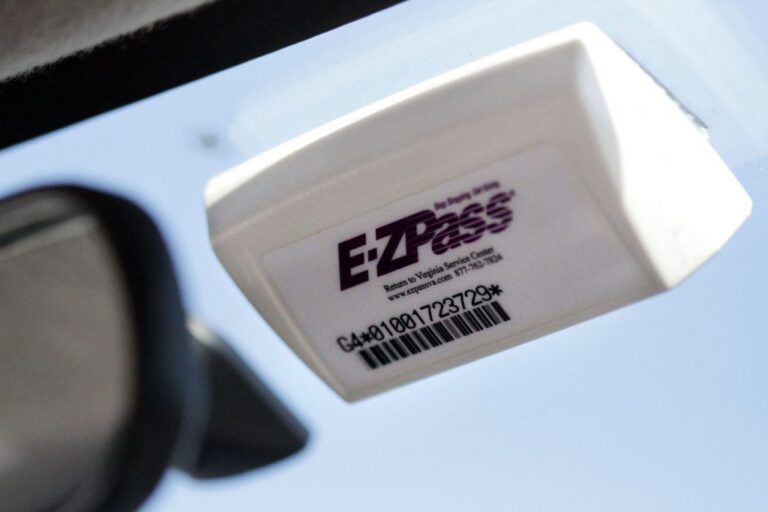
An E-ZPass transponder is a compact electronic device that mounts onto your vehicle’s windshield. This unassuming little gadget is your ticket to breezing through toll booths across an entire network of highways and bridges where E-ZPass is accepted, spanning a huge portion of the northeastern and midwestern United States.
When you sign up for E-ZPass service, the transponder you receive gets uniquely linked to your personal account. That link is what makes the entire system work, since every toll charge needs to trace back to a specific account holder for billing purposes.
How Electronic Toll Collection Actually Happens
Here is the process happening in the fraction of a second it takes you to drive under a toll gantry. Your transponder communicates with the toll booth’s reader system using radio frequency identification, commonly shortened to RFID. As you pass through, the toll amount gets automatically deducted from your prepaid account balance, no cash and no card swipe required.
This whole setup exists specifically to keep traffic flowing without forcing every single driver to stop and fumble for change. In the real world, this is the difference between crawling through a toll plaza at five miles per hour behind a line of cars and cruising through at highway speed without touching your brakes.
The 3 Pieces That Make the Whole System Work
The E-ZPass system relies on three main components working together seamlessly:
- The transponder: This is your actual toll pass, mounted inside your car, allowing you access to dedicated E-ZPass lanes at toll plazas.
- Toll plazas themselves: These are equipped with sensor arrays specifically designed to read your transponder’s signal and process the toll transaction in real time.
- Your prepaid account: Directly linked to your transponder, this is where every toll charge actually gets drawn from. Keeping this account funded matters just as much as keeping the transponder itself in good shape.
Worth mentioning here, in situations where certain windshield types cause interference with the signal, solutions like a license plate mounted transponder exist specifically to work around that problem, ensuring your E-ZPass service still functions properly even when a windshield mount refuses to cooperate.
Getting the Mounting Right: Why Placement Matters More Than You Think
A huge chunk of E-ZPass reading problems come down to one simple issue, the transponder is not actually mounted where it needs to be. Getting this right the first time saves you a lot of headaches down the road.
Setting Up the Mount Correctly From the Start
Start with a clean foundation. Wipe down the section of windshield where you plan to mount the transponder, and make sure it is completely dry before attaching anything. Use the mounting strips that came included with your transponder, or grab replacements if the originals have worn out or gone missing.
- Location genuinely matters. The standard mounting spot is directly below your rearview mirror. That said, if you notice a pattern of small black dots printed on the glass in that area, often referred to as the matrix, move the transponder slightly to the left or right of that zone instead. Those dots can interfere with the signal, and positioning around them lets the transponder transmit without obstruction.
- Get the alignment right. Mount the transponder with its arrows pointing upward. This orientation ensures the signal transmits properly and that toll sensors can actually read the device as you pass through.
Here is a real world example of how this plays out. Say you just bought a new car and transferred your existing transponder over from your old vehicle. You slap it up under the mirror without checking for that dot pattern, and suddenly your E-ZPass starts missing reads at every other toll plaza. Nine times out of ten, that dot matrix is the actual culprit, not a failing transponder at all.
Common Mounting Problems and How to Actually Fix Them
The transponder keeps falling off. If your E-ZPass keeps dropping off the windshield entirely, that is usually a sign of worn out mounting strips or a placement issue rather than anything wrong with the electronics inside. Swapping in fresh mounting strips typically resolves this completely.
- Mounted right on top of the dot matrix. If you placed the transponder directly over that black dot pattern and you are having read issues, reposition it to a clear section of glass nearby. Those dots genuinely can block the signal from transmitting properly.
- Confirm a secure attachment. Follow the official E-ZPass mounting guidelines to ensure the device is firmly fixed to your windshield. If problems continue even after correcting the position, the issue might actually be a depleted battery inside the transponder itself rather than a placement problem.
When the Windshield Itself Is the Real Problem
Sometimes proper mounting is not enough, because the actual glass you are working with is fighting against you. Windshield related signal issues are more common than most drivers realize, and they show up in some surprisingly specific ways.
Spotting a Windshield Related Problem
Start by double checking that your transponder is actually adhering properly to the glass and sitting in a section that is not tinted. Tinted glass, particularly in the upper portion of a windshield where a lot of drivers mount their transponders, can meaningfully weaken the signal trying to pass through it.
Beyond tinting, some windshields come with a special coating baked directly into the glass itself. These coatings often exist for genuinely good reasons unrelated to tolling, but they can interfere with signal transmission as an unfortunate side effect.
Why Signal Quality Genuinely Matters Here
A strong, clean signal is what allows your E-ZPass to actually work correctly at speed. When the signal gets weakened or blocked by windshield issues, the result is a failed toll transaction, which means the gantry either does not register your pass at all, or it does not deduct the toll correctly from your account.
Specifically, windshields built with solar reflective properties or noise insulation features, both increasingly common in newer vehicles, can block a transponder’s signal more than a standard piece of glass would. These features exist to keep your cabin cooler or quieter, but they were not designed with RFID transponders in mind, and the interference is a genuine, documented side effect.
| Windshield Feature | Why It Interferes | How Noticeable the Impact Is |
|---|---|---|
| Tinted upper band | Metallic tint particles can absorb or scatter RFID signal | Moderate |
| Solar reflective coating | Thin metallic layer designed to reflect heat also reflects radio signals | High |
| Acoustic or noise insulating glass | Additional laminate layers can dampen signal strength | Moderate to high |
| Heated windshield with embedded wiring | Metal wiring grid can create signal interference | High |
| Standard clear laminated glass | Minimal interference under normal conditions | Low |
If your vehicle has any of the higher interference features listed above, that alone can explain months of frustrating, inconsistent toll reads, even with a perfectly healthy transponder mounted exactly where the instructions say it should go.
What to Do When the Signal Just Will Not Get Through
If you have confirmed that signal blocking from the windshield itself is genuinely the problem, a license plate mounted transponder is worth considering. This style of transponder gets installed directly on your license plate frame instead of the glass, completely sidestepping any interference caused by tinting, coatings, or embedded heating elements.
For certain vehicles, this is not just a nice option but genuinely the recommended path. The Ford Mustang Mach-E, for example, has a windshield design known to cause compatibility issues with standard windshield mounted transponders, and a license plate option ensures reliable performance despite that unique glass construction.
A Few Vehicles Need Extra Consideration
Your specific vehicle might have quirks that go beyond the general advice above. If you drive something with an unusual windshield composition, similar to the Mach-E situation mentioned earlier, you might run into additional challenges that a typical E-ZPass user never encounters.
These situations sometimes call for alternative mounting strategies entirely, or a specialized transponder model built specifically to maintain a reliable signal despite the glass working against it. If you drive an electric vehicle or a newer model with lots of embedded tech in the windshield, it is genuinely worth checking with your state’s E-ZPass customer service before assuming a standard transponder will work flawlessly out of the box.
Keeping Your Transponder Actually Working Long Term
Getting the mounting right is only half the battle. The transponder itself needs some basic ongoing attention to keep functioning reliably for years rather than months.
Dealing With a Dying Battery
When your transponder starts beeping unexpectedly, that sound is not random. It is a direct alert that the internal battery is running low and needs attention soon. Here is something a lot of owners do not realize until it becomes a problem: not every E-ZPass transponder allows the user to replace the battery themselves.
Many current model transponders come completely sealed at the factory. Once that internal battery dies, the entire unit needs replacing rather than just a battery swap. Older transponder models, on the other hand, often do allow for battery replacement, and if you happen to have one of these, doing the swap promptly prevents any interruption to your toll paying routine.
How Long a Transponder Actually Lasts
Generally speaking, E-ZPass transponders come with a battery life rated around 10 years. Even so, do not wait until that battery completely dies before taking action. A better practice is replacing your transponder every 8 to 10 years, or following whatever specific timeline your regional E-ZPass program recommends, since guidelines can vary slightly by state.
If your transponder stops responding correctly, or if it has simply stopped beeping at all when it used to chirp with every successful toll read, take that as your sign it is time for a replacement rather than continuing to gamble on inconsistent performance.
| Warning Sign | What It Usually Means | Recommended Action |
|---|---|---|
| Transponder beeps unusually or intermittently | Battery running low | Check if sealed unit, replace transponder if so |
| No beep at all during toll passage | Battery dead or unit failure | Replace transponder promptly |
| Consistent missed reads despite proper mounting | Windshield interference or aging internal components | Consider license plate mounted alternative |
| Transponder over 8 to 10 years old | Approaching end of expected lifespan | Proactively replace before failure occurs |
| Physical cracks or water damage visible on unit | Internal circuitry likely compromised | Replace immediately |
Staying on top of transponder age and condition is genuinely the key to smooth, uninterrupted travel through toll roads. It also happens to be one of the easiest ways to avoid unnecessary toll violation notices landing in your mailbox weeks after the fact.
What Happens If Your Transponder Fails Right at the Toll Gate
Even with everything set up correctly, transponders occasionally fail at the worst possible moment, right as you are passing through a toll gantry with cars behind you. Knowing what actually happens next can save you a lot of unnecessary worry.
Most modern toll systems use camera based license plate recognition as a backup whenever a transponder fails to register. In that case, the toll agency typically mails an invoice to the registered owner of the vehicle based on the plate captured, often at a slightly higher rate than the standard E-ZPass toll.
Here is the important part though. If you genuinely have an active E-ZPass account and the failure was a technical glitch rather than an expired or unfunded account, most agencies allow you to dispute the violation and have it corrected, provided you act within a reasonable window after receiving the notice. Do not just pay a violation fee without checking your account status first, since a quick phone call or online dispute often resolves it entirely.
A Quick Troubleshooting Checklist Before You Call Customer Service
Before picking up the phone or driving to a service center, run through this quick checklist. It covers the vast majority of issues drivers run into, and there is a decent chance you can solve the problem yourself in under ten minutes.
- Confirm your transponder is mounted below the rearview mirror, avoiding any dot matrix pattern on the glass.
- Check that the arrows on the transponder point upward, not sideways or downward.
- Verify the mounting strips are still adhering firmly, replacing them if they feel loose or worn.
- Listen for the beep during your next toll pass to confirm the unit is actually powering on and attempting a read.
- Log into your E-ZPass account online to confirm your balance is funded and your account is in good standing, not suspended for any reason.
- Check your vehicle’s windshield for tinting, solar coating, or embedded heating elements that might be interfering with the signal.
- If none of the above resolves it, consider whether your transponder is nearing the 8 to 10 year mark and might simply need replacement.
Running through this list before assuming the worst saves a lot of time, and honestly, most transponder issues trace back to something on this exact checklist rather than a genuine hardware failure.
Common Questions Drivers Ask About E-ZPass and Windshields
Can I just move my transponder between different cars?
Yes, most transponders are designed to move between vehicles you own, though you will want to update your vehicle information on your E-ZPass account whenever you switch it to a different car. Just remember to check the new windshield for a dot matrix pattern before mounting it in the same exact spot as your old vehicle.
Why does my transponder work at some toll plazas but not others?
This usually points toward a marginal signal issue rather than a completely dead transponder. Some toll plazas have more sensitive readers positioned closer to the lane, while others require a slightly stronger signal to register a successful read. If this happens consistently at the same location, it might be worth reporting to your regional E-ZPass provider.
Is a windshield replacement going to affect my E-ZPass?
It genuinely can, especially if the replacement glass has different properties than your original windshield, such as added tinting or a different coating. After any windshield replacement, remount your transponder carefully and monitor its performance over your next several toll passes to catch any new interference early.
Do all states use the same E-ZPass hardware?
E-ZPass operates as an interoperable network across many states, meaning a transponder issued in one state generally works in toll lanes across the entire network. That said, specific policies around replacement, battery life, and violation disputes can vary slightly depending on which state or agency issued your particular transponder.
Do Not Let a Faulty Transponder Turn Every Commute Into a Guessing Game
A properly mounted, well maintained E-ZPass transponder should be something you genuinely never have to think about, quietly doing its job every single time you pass through a toll lane. When it stops working reliably, the fix is usually a lot simpler than people expect, whether that means repositioning around a dot matrix, replacing worn mounting strips, or finally accepting that an 8 year old transponder has earned its retirement.
If your windshield genuinely fights against the signal no matter what you try, do not keep wrestling with it. A license plate mounted transponder exists specifically to solve that exact problem, and switching over beats gambling with violation notices every time you drive under a toll gantry. Take ten minutes this week to check your mounting, confirm your account balance, and give that transponder a real look. Your future commute, and your mailbox, will thank you.