
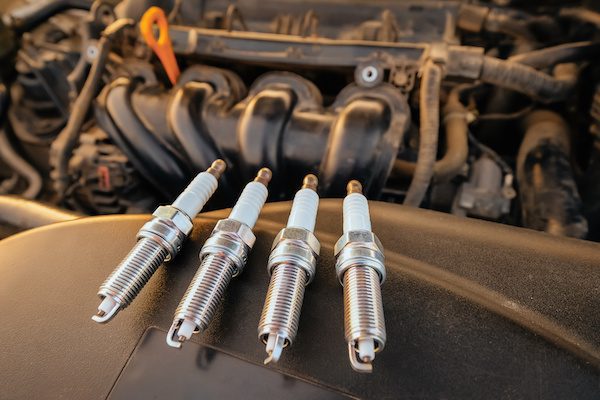
Spark plugs are small parts with a big job. They sit inside the engine, fire thousands of times, and help the engine start and keep running. Without them, a gasoline engine will not do much of anything. Diesel engines use glow plugs in a different way, but the idea is similar: the engine needs help getting combustion started.
Here is the part many first-time drivers miss. Are all spark plugs the same size? No, they are not. Not even close. Spark plugs may look similar sitting on a shelf at the auto parts store, but size, reach, thread design, heat range, and material all matter. Pick the wrong one and you can create a headache that ranges from rough running to expensive engine damage.
A lot of vehicles have four cylinders, and many have one plug per cylinder. Some engines have six or eight cylinders, and each one still needs its own plug. These parts wear out over time. In the real world, many plugs last somewhere around 20,000 to 40,000 miles, though that depends on the vehicle, driving habits, and the type of plug installed. Some last much longer. Others wear sooner than expected, especially if the engine has been neglected.
So if you are standing at the parts counter wondering what fits your car, you are asking the right question. Getting the right spark plug size is not about guessing. It is about matching the engine specification exactly.
Why Spark Plug Size Matters More Than People Think
On the surface, a spark plug seems simple. It threads into the cylinder head, sends a spark across a gap, and helps ignite the fuel-air mixture. That sounds straightforward. But the engine does not care about close enough. If the plug is too long, too short, or the wrong thread size, things can go sideways fast.
The term you will hear most often is reach. Reach refers to how far the plug extends into the combustion chamber. If the reach is wrong, the plug can stick too far into the chamber or sit too shallow in the head. Either situation can cause trouble. A plug that reaches too far may get struck by the piston or interfere with combustion. A plug that does not extend far enough may not ignite the mixture properly.
That is not the kind of mistake you want to make. One bad plug can lead to misfires, poor fuel economy, weak acceleration, hard starting, and buildup inside the cylinder head. In severe cases, the wrong plug can damage the engine itself. That is why size matters as much as brand or price.
Are All Spark Plugs the Same Size? Not Even Close
The short answer is no. Spark plugs are built in different sizes because engines are built differently. The size of the combustion chamber, the depth of the plug hole, the thread diameter, and the design of the cylinder head all affect what plug can be used.
Common spark plug sizes include:
- 5/8
- 13/16
- 9/16
- 3/4
- 11/16
Those numbers usually refer to the hex size, which is the wrench size used to remove and install the plug. But size is not just one measurement. You also need to consider thread diameter, thread reach, seat type, electrode design, and heat range. People often focus on the wrench size because it is easy to see. The rest matters just as much.
The Most Common Spark Plug Sizes for Petrol Engines
Most petrol engines use plugs in the 5/8 range, and that is why many replacement plugs on store shelves are built that way. You will also see 9/16 and 3/4 plugs on certain vehicles. Newer Asian vehicles, some Ford models, and smaller engines may use different sizes depending on the manufacturer and engine design.
For example, a Subaru or Nissan owner might walk in expecting every plug to look the same and then find several versions listed for the same model year. That is normal. One engine family may use a different plug than another, even if the cars look nearly identical from the outside.
Petrol engines do not all ask for the same thing. Some are tuned for efficiency. Some are tuned for smoother idle. Some are built for more power. That changes the plug choice. A plug that works beautifully in one engine may be wrong for another, even if both vehicles share a badge and body style.
The More Common Glow Plug Sizes for Diesel Engines
Diesel engines work differently, and they rely on glow plugs rather than standard spark plugs. The combustion process in a diesel engine is not the same as in a petrol engine. Diesel engines compress air until it gets hot enough to ignite fuel, and glow plugs help with cold starts by heating the chamber.
Diesel engines often use larger plug sizes, such as 13/16 and 11/16. Some small diesel BMW engines use these sizes, though the exact setup depends on the model and engine code. Because diesel engines are built to handle different pressure and heat conditions, the plug design has to match that environment.
That said, do not assume a diesel plug can be swapped with a petrol plug. They are not interchangeable. The shape may fool the eye, but the engineering behind them is completely different.
What Happens If You Install the Wrong Size?
This is where things get expensive. A wrong-size spark plug may still screw in by hand, and that false sense of success is what catches people out. Just because it threads in does not mean it belongs there.
If the reach is too long, the plug can protrude into the combustion chamber and risk contact with the piston. If the plug is too short, the spark may not ignite the mixture efficiently. Either way, the engine can misfire. Misfires make starting harder, hurt performance, and force the starter and battery to work harder than they should.
There is also the issue of carbon buildup. When a plug does not sit correctly, combustion becomes less clean. Deposits can collect on the threads and in the chamber. Over time, that buildup can make the plug harder to remove and reduce ignition effectiveness. A car that once started instantly may begin to crank longer, idle rough, or hesitate under load.
In the worst cases, the damage goes beyond the plug. You may end up dealing with a damaged cylinder head thread, a burned electrode, or even internal engine damage. That is why choosing the correct plug is not busywork. It is basic engine protection.
How to Find the Right Spark Plug Size for Your Car
If you want the correct plug size, start with the owner’s manual or handbook. That document lists the engine specifications and the recommended spark plug type. Manufacturers include the exact part information for a reason. They already tested the engine with a specific setup, and that is where you should begin.
You can also check the part number on the old plug itself. Most spark plugs have the number printed right on them. Remove one carefully, note the code, and search it online or cross-reference it with a parts catalog. That is usually faster than guessing from memory. Just make sure the engine is cool before you touch anything. A hot cylinder head and a broken knuckle are not a good mix.
If you are unsure, compare the old plug to the replacement side by side. Look at:
- Thread diameter
- Thread reach
- Seat type
- Hex size
- Electrode style
- Heat range
That extra check can save you from a lot of frustration later.
Common Spark Plug Measurements You Should Know
People often talk about spark plug size as if it is one single number, but that is not how it works. A plug can have the same hex size as another one and still be completely wrong for your engine. Here are the main measurements that matter.
| Measurement | What It Means | Why It Matters |
|---|---|---|
| Hex size | The wrench size needed to install or remove the plug | Helps you use the correct socket |
| Thread diameter | The width of the threads that screw into the head | Must match the cylinder head exactly |
| Reach | How far the threaded portion extends into the chamber | Wrong reach can cause misfires or engine damage |
| Seat type | How the plug seals against the cylinder head | Must match the head to prevent leaks |
| Heat range | How quickly the plug transfers heat away | Affects fouling, performance, and plug life |
Most drivers only think about the hex size because that is what the wrench fits. The rest is what keeps the engine happy.
Why Plug Materials Matter Too
Once you have the correct size, material becomes the next big decision. Spark plugs are made from different materials, and each type has its own strengths and weak spots. The right one depends on the car, the ignition system, and how long you want the plugs to last.
The main types are:
- Copper
- Platinum
- Double platinum
- Iridium
These are not just marketing terms. The material affects how the plug handles heat, wear, and voltage demand. A cheap plug may work fine for a while, but if it wears out quickly, you will be back in the garage sooner than expected.
Copper Spark Plugs
Copper plugs are often seen in older vehicles, especially cars built before 1980. They are known for strong conductivity, which helps them deliver a solid spark. The downside is that they wear out faster than the more modern options.
They also require more voltage than some other plug types. That can be fine in the right application, but not every ignition system is built for it. If you are working on an older classic or a vehicle designed for copper plugs, they can be a practical choice. If you are expecting long life, though, copper will not be the best match.
Pros:
- Good for cars built earlier than 1980
- Strong conductivity
- Usually affordable
Cons:
- Wear out faster
- Require more voltage
Platinum Spark Plugs
Platinum plugs last longer than copper plugs and are often used in newer vehicles. They can go as many as 100,000 miles in the right application. They also generate more heat than some other plugs, which helps reduce deposit buildup.
Many newer cars with electronic distributor ignition systems run well with platinum plugs. They are a sensible upgrade when the manufacturer recommends them. But here is the thing: platinum is not automatically better in every engine. A plug that lasts a long time is great, but only if it suits the ignition system and the engine design.
Pros:
- Longer life than copper
- Can last up to 100,000 miles
- Helps reduce debris buildup
- Good fit for some electronic distributor systems
Cons:
- Not the strongest spark plug on the market
Double Platinum Spark Plugs
Double platinum plugs are often recommended for waste spark distributor ignition systems. They are designed to be more reliable and better able to handle certain operating conditions, including dampness and rain. If you live where the weather can be rough, that extra reliability can matter more than you think.
They are not suitable for distributorless ignition systems, often called DIS. That is a detail many owners miss. The plug may look premium, but if it is not made for your ignition setup, it is the wrong choice.
Pros:
- Recommended for waste spark distributor systems
- Reliable in damp conditions
- Less affected by weather
Cons:
- Not suitable for distributorless ignition systems
Iridium Spark Plugs
Iridium plugs are often the top choice for many modern vehicles. They are durable, long-lasting, and need less voltage to create the spark. That makes them popular with manufacturers who want smoother performance and better service life.
They also tend to improve overall engine behavior, especially when the engine is designed around them. The tradeoff is price. Iridium plugs usually cost more than other types, sometimes much more. Even so, many drivers see that as money well spent because they do not have to replace them as often.
Pros:
- Very durable
- Long service life
- Uses less voltage
- Often recommended by manufacturers
- Can improve engine performance
Cons:
- More expensive than other plugs
How Spark Plug Size and Material Work Together
People sometimes think they only need to worry about the brand. That is a mistake. A high-end iridium plug with the wrong reach is still the wrong plug. A copper plug with the correct fit may be better than a premium plug that does not belong in the engine.
The best way to think about it is this: size comes first, material comes second. First, make sure the plug fits the engine physically. Then choose the material that matches the vehicle and ignition system. That order matters.
For example, if your manufacturer recommends platinum plugs, installing copper just because they are cheap may lead to shorter life and poorer performance. On the other hand, throwing iridium plugs into an engine that was never designed for them does not automatically create gains. Sometimes it just wastes money.
How to Avoid Buying the Wrong Spark Plugs
At the store, the selection can feel overwhelming. Rows of boxes, long part numbers, similar-looking plugs, and more than a few conflicting opinions from the guy standing next to you. That is normal. Stay focused on the facts.
- Check the owner’s manual. Start with the manufacturer recommendation.
- Match the part number. Use the old plug as a reference if the manual is not available.
- Confirm thread reach and seat style. This is where many mistakes happen.
- Verify the ignition system. Some plugs fit certain systems and not others.
- Do not buy based on price alone. Cheap is not always wise, and expensive is not always correct.
If you are still unsure, ask the parts counter staff to cross-reference the plug by VIN or engine code. That extra step can help narrow the choices fast. In some cases, the same vehicle model used different plug specs depending on the engine option, so guessing by year and trim alone is not enough.
Signs Your Spark Plugs Need Replacement
Even if you know the right size, you still need to know when to replace them. Worn plugs can create symptoms that feel like bigger engine trouble. The car may hesitate, stumble, or feel sluggish, and the real culprit might be sitting right under the hood.
Watch for these signs:
- Hard starting
- Rough idle
- Misfiring
- Poor fuel economy
- Sluggish acceleration
- Check engine light
- Excessive cranking before start-up
Let us say your car starts fine on warm mornings but struggles on cold ones. That could point to weak plugs, especially if they are overdue for replacement. Or maybe the engine feels fine at low speed but hesitates when you step on the gas. Again, plugs may be involved.
What Mechanics Look for During a Plug Inspection
A good mechanic does not just swap plugs and move on. They look at the condition of the old ones first. The old plug can tell a story about what the engine has been doing.
Here are a few things that stand out:
- Dry black soot can suggest a rich fuel mixture or weak ignition.
- Oily deposits may point to engine wear or valve seal problems.
- White or blistered tips can signal overheating.
- Uneven wear may mean one cylinder is running differently than the others.
- Damaged threads can make future service more difficult.
That inspection matters because the plug is often the first place an engine problem shows itself. Replacing the plugs without checking their condition can mean missing an important clue.
Why Some Engines Need Special Plug Designs
Not every engine is built the same way. High-compression engines, turbocharged engines, small economy engines, and older distributor-equipped engines all ask for different plug characteristics. Heat range alone can change how a plug behaves in one engine versus another.
Some engines need a plug that sheds heat quickly. Others need one that stays hot enough to resist fouling. A turbo engine, for example, can run hotter and under more stress, so the plug choice has to reflect that. A simple city car may not demand the same setup.
This is why one-size-fits-all parts rarely work as well as people hope. The engine was engineered with a specific spark plug in mind. Ignoring that can lead to trouble, even if the car seems to run okay for a short time.
Common Mistakes People Make When Replacing Spark Plugs
Replacing plugs seems easy until the wrong choice causes a problem. Some mistakes happen because of inexperience. Others happen because someone is trying to save time or money. Either way, the engine pays the price.
- Choosing by appearance alone instead of by specification
- Using the wrong socket and damaging the plug
- Overtightening and stripping threads
- Installing the wrong heat range
- Mixing plug types without checking compatibility
- Ignoring the gap when the plug requires adjustment
One of the most common errors is overtorque. A spark plug does not need brute force. Too much torque can crack the insulator or damage the threads in the cylinder head. That turns a routine job into a much bigger repair.
Can You Use a Different Brand if the Size Matches?
Sometimes yes, but only if the replacement matches the exact specification. Brand names matter less than fitment and design. If the plug has the correct size, heat range, seat type, and material for your engine, another brand can work just fine.
What you should not do is buy something simply because the box looks close enough. The parts store wall is full of plugs that look nearly identical. That does not mean they are interchangeable. Always compare the cross-reference details carefully.
If the vehicle manufacturer recommends a specific plug family, it is usually wise to stay close to that recommendation. Car makers spend a lot of time testing these parts under different loads and temperatures. That testing is not there for decoration.
How Often Should You Replace Spark Plugs?
Replacement intervals depend on the plug type and the vehicle. Copper plugs usually wear sooner, while platinum and iridium plugs tend to last longer. Some modern iridium plugs can go well past 100,000 miles under ideal conditions. Others need attention earlier if the engine is running rich, burning oil, or seeing a lot of stop-and-go driving.
The safest move is to follow the manufacturer schedule. If you notice performance issues before the service interval, inspect them sooner. Waiting until the plugs are badly worn can make the engine harder to start and more expensive to maintain.
Practical Example: Why the Wrong Plug Becomes a Real Problem
Imagine a driver with an older sedan that starts to crank longer each morning. The owner buys what appears to be the right plug because it fits the socket and the package says it works for the vehicle year. The car runs, but not well. A few weeks later, the engine begins misfiring under load.
What happened? The plug may have had the wrong reach or heat range. It fit physically, but not mechanically. That is the problem with assuming all plugs are the same. The engine can be fooled for a little while, but it usually makes the problem known sooner or later.
Now picture the same owner checking the manual, matching the exact part number, and installing the right plug the first time. The engine starts easier, idles smoother, and stops wasting fuel. That is the difference a few small details can make.
Quick Reference: What to Check Before Buying
| Check | Why It Matters |
|---|---|
| Manual recommendation | Gives you the factory-approved plug type |
| Part number | Helps you match the exact replacement |
| Thread reach | Prevents chamber interference or poor ignition |
| Seat type | Ensures a proper seal |
| Material | Affects lifespan and performance |
| Ignition system | Determines which plug types are compatible |
Why the Right Spark Plug Saves You Money
It can be tempting to grab the cheapest plug on the shelf and call it a day. But a poor choice can cost more in the long run. Misfires waste fuel. Hard starts wear out the starter and battery. Wrong-size plugs can damage threads or cause engine faults that lead to diagnostic time and labor charges.
The right plug gives you a smoother-running engine, better starting, and fewer surprises. That matters whether you are driving a family car, a work truck, or an older commuter that still has plenty of life left. Spending a bit more up front can save a lot later.
And yes, the correct plug can make a difference you actually feel. A cleaner idle, quicker starts, and steadier acceleration are all signs the ignition system is doing its job properly.
Final Word: Do Not Treat Spark Plugs Like They Are All the Same
So, are all spark plugs the same size? Not at all. They vary by size, reach, seat type, heat range, and material. That is why using the right one is so important. The engine was built with specific needs, and the plug has to match those needs if you want the car to run the way it should.
Before you buy replacements, check the manual, confirm the part number, and make sure the plug matches the engine exactly. A little care here goes a long way. The right spark plug is not just a part you install and forget. It is one of the pieces that keeps the entire engine working the way it was meant to.
Take five minutes, verify the fit, and buy the correct plug the first time. Your engine will thank you every time you turn the key.