
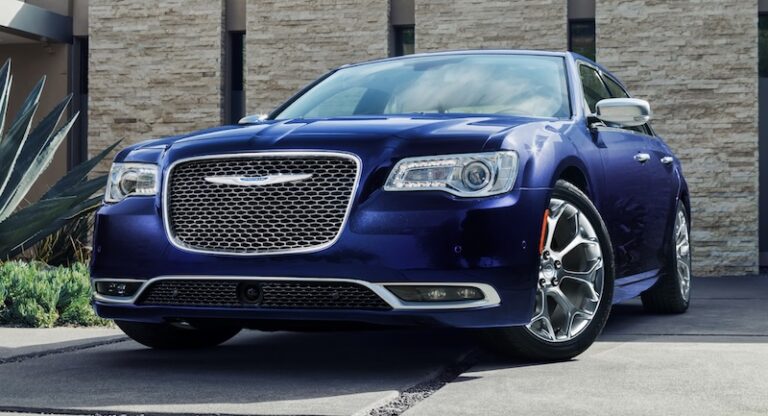
A Chrysler 300 owner usually starts asking about catalytic converters after hearing a sharp exhaust leak, seeing the check-engine light, or finding a fresh gap in the exhaust where a thief cut through it. The question sounds simple: how many catalytic converters does the car have? The useful answer needs a little more detail, because the exact exhaust layout can vary with the model year and engine, and a converter-related trouble code does not automatically mean the converter itself is bad.
For the Chrysler 300 configuration covered here, the car has two catalytic converters. They sit underneath the vehicle in the exhaust system, between the engine-side exhaust manifold or exhaust pipe and the muffler section. Their job is to clean up harmful exhaust compounds before those gases leave the tailpipes.
That location also explains why the parts can be expensive, why they attract thieves, and why replacing one without finding the original cause can turn into a very costly repeat repair. I have seen cars get a new converter, return a few weeks later with the same fault code, and then reveal a misfire that had been damaging the replacement from the first drive. We will cover the layout, value, theft risk, service life, diagnostic codes, failure symptoms, and the repair decisions that make sense before you spend money.
How many catalytic converters does a Chrysler 300 have?
A Chrysler 300 has two catalytic converters in the exhaust arrangement discussed in this guide. They are mounted on the underside of the vehicle, in the exhaust path between the engine and the muffler. The front side of each converter connects to exhaust piping coming from the engine, while the rear side connects to piping that continues toward the muffler.
That wording matters when you are looking under the car. A catalytic converter is not the same thing as the muffler, resonator, exhaust manifold, or a small exhaust heat shield. The converter is normally a metal canister in the pipe, with oxygen sensors fitted before and after it or nearby in the exhaust stream. The sensors are electrical components. They are not additional catalytic converters.
Exhaust parts can look different from one 300 to another because Chrysler sold the model in different years, engine configurations, and emissions packages. If you are ordering a replacement, use the vehicle identification number, engine information, and the original part location rather than relying only on a generic online photograph. The two-converter description is the answer for the configuration addressed by the original article, but a parts catalog or factory service information should settle the fitment for a particular car.
Where the converters sit under the car
Follow the exhaust from the engine toward the rear of the Chrysler 300. The exhaust manifold or front exhaust pipe collects hot gases from the engine, the gases pass through the catalytic converter, and the cleaned exhaust then travels through the rest of the system, including the muffler before it exits at the rear.
On a cold car, you may be able to identify the general shape by looking from the side or from behind the front wheels, but do not crawl under a vehicle supported only by a jack. Use properly rated jack stands on a solid surface, chock the wheels, and remember that the exhaust stays hot long after the engine has been shut off. A converter can reach temperatures high enough to burn skin and damage grass, leaves, or other material underneath the car.
Many converters have heat shields around them. Do not mistake a loose shield for a failed converter, and do not remove a shield simply because it rattles. A shield that has rusted through may need repair, but the converter inside still needs to remain protected from heat contacting the floor, wiring, and nearby components.
Why a car uses two converters
Using two converters allows the exhaust system to treat exhaust from the engine banks or pipe sections before the gases travel farther down the system. The converters work with the engine control system and oxygen sensors. The engine computer watches the oxygen content before and after the converter and uses that information to judge whether the converter is storing and processing oxygen as expected.
A converter is a flow-through device containing a coated honeycomb substrate. Exhaust gases pass over the coating, where harmful compounds are changed into less harmful substances. In simple terms, carbon monoxide and unburned hydrocarbons are converted into less harmful by-products, and nitrogen oxides are treated through the emissions system. The exact chemistry depends on the converter and the operating conditions, but the key point for an owner is that the converter cannot do its job if the engine is sending it raw fuel, coolant, or excess oil.
The Environmental Protection Agency’s vehicle and fuel emissions information explains the role of emissions controls and testing. For repair work, the owner’s manual and manufacturer service information are still the best sources for the exact equipment fitted to a particular Chrysler 300. You can also check Chrysler and Mopar owner resources using your vehicle details rather than assuming every year has the same exhaust parts.
What is a Chrysler 300 catalytic converter worth?
The original article puts the average cost of a Chrysler 300 catalytic converter between $2,300 and $2,500. Treat that as a general figure for the part discussed, not as a guaranteed quote for every year, engine, emissions package, dealer, or repair shop. The final bill can change when labor, gaskets, oxygen sensor damage, rusted fasteners, heat shields, taxes, and related engine repairs are included.
When someone says a converter is worth $2,500, they may be talking about a new replacement part rather than the amount a recycling yard will pay for an old unit. Those are two different values. The replacement price reflects manufacturing, emissions certification, fitment, warranty, distribution, and the precious-metal content. The scrap value reflects what a recycler believes can be recovered from the used converter, after accounting for processing and metal market conditions.
Why the replacement part costs so much
Catalytic converters contain precious metals, including palladium, platinum, and rhodium. These materials help the converter perform its chemical work, and their market value can make the part one of the most expensive items in the exhaust system. The amount and mix of material vary by converter design, vehicle, and emissions requirements.
The metal content is not a reason to cut open a converter or try to recover the material yourself. The ceramic substrate can be fragile, the housing may be contaminated, and the work requires industrial processing. More important, removing or gutting an emissions component can make the vehicle illegal for road use in some locations and can create new check-engine-light and inspection problems.
When I quote this type of job, I separate the questions. Is the converter physically missing? Is it restricted? Is it chemically below efficiency? What caused the failure? Does the replacement part meet the emissions requirements for the vehicle? A cheap universal part may look like a bargain until it does not fit the pipe, triggers the same code, or lacks the certification required where the car is registered.
What can add to the repair bill?
The converter itself is only one part of the job. A technician may need to replace cut exhaust sections, flanges, gaskets, oxygen sensors, broken studs, clamps, or heat-shield hardware. Severe rust can turn a straightforward bolt removal into a cutting and fabrication job.
The shop also needs to repair the reason the converter failed. A leaking injector, ignition misfire, rich fuel mixture, leaking coolant, or excessive oil consumption can send damaging material into the new converter. If the original fault is not fixed, the new part may overheat or become contaminated again.
Ask for an itemized estimate that separates parts, labor, diagnosis, taxes, and any additional exhaust work. Ask whether the quoted converter is new, used, aftermarket, or original equipment, and ask whether it is legal and suitable for your vehicle’s emissions requirements. A responsible shop should be able to explain why the part is needed and what tests support that conclusion.
What is the scrap price of a Chrysler 300 catalytic converter?
The original article gives an average scrap range of $500 to $1,500 for a Chrysler 300 catalytic converter. That is a broad estimate, not a standing price. Scrap offers move with precious-metal markets and depend on the exact converter, its identifying number, condition, local buyer, and whether the unit is complete.
Do not expect the price of a replacement converter to match the scrap offer. A replacement can cost between $2,300 and $2,500 according to the figures in the original article, while a recycler may offer a fraction of that amount for the used unit. The recycler is buying recoverable material, not paying you for the engineering, certification, installation, or warranty attached to a new part.
Why engine size and part number matter
Different Chrysler 300 applications can use converters with different quantities of valuable material. The original article notes that cars with bigger engines can have more precious-metal content, which can make their scrap converters more valuable. You should still confirm the exact unit instead of guessing from the engine badge.
A reputable recycler may inspect the stamped identification number, take a photograph, or use a grading system. Be cautious of anyone who wants to buy a converter with no questions asked, especially if the part has just been removed from a car. Rules for buying used catalytic converters vary by location, and keeping a receipt, vehicle information, and removal documentation can protect both the owner and the buyer.
Never advertise the scrap value of a converter in a way that tells a thief exactly what is under your car. If you have a legitimate old converter from a repair, store it securely until you decide whether recycling it is worthwhile. The value can change before you sell it, and the unit should not be left beside the driveway where it can disappear.
Why thieves target Chrysler 300 catalytic converters
Yes, thieves may steal Chrysler 300 catalytic converters when they have an opportunity. The parts contain valuable precious metals, can be removed quickly with battery-powered cutting tools, and can be sold through scrap channels. The risk is not the same in every neighborhood, but a vehicle that is easy to access in a poorly lit area is more exposed than one parked in a locked garage or busy, visible location.
The manufacturer places the converter in a difficult-to-reach area, but difficult does not mean theft-proof. A thief may raise one side of the vehicle, cut through the exhaust pipe, and leave the owner with a loud car, warning lights, and a repair bill. Depending on the location of the cut, oxygen sensor wiring and heat shields can be damaged too.
The National Highway Traffic Safety Administration’s catalytic-converter theft guidance covers prevention steps. Its advice includes parking in well-lit areas, using secure parking when possible, and asking a law enforcement agency or trusted shop about marking or shielding options that suit the vehicle and local theft pattern. No deterrent guarantees that a converter cannot be stolen, but making access harder and making the part easier to identify can reduce the appeal.
What a stolen converter sounds like
A Chrysler 300 with a stolen converter will often sound much louder than normal as soon as the engine starts. You may hear a harsh, hollow roar, an exhaust hiss, or a sharp ticking near the front half of the car. Exhaust fumes may be noticeable around the vehicle, and the check-engine light may come on because the oxygen sensor readings no longer make sense.
Do not drive around for days with a missing section of exhaust. Exhaust can enter the passenger compartment, and the hot gases can damage wiring, plastic shields, or the floor. If the car is loud immediately after being parked somewhere, switch it off, look for obvious cut pipes without touching hot metal, and arrange a safe inspection or tow.
Practical ways to lower the theft risk
- Park in a locked garage when you have one, or choose a busy, well-lit space with the exhaust side difficult to access.
- Ask a trusted exhaust shop about a shield or cage designed for the Chrysler 300. It needs to be mounted safely and must not rattle against the exhaust or interfere with heat clearance.
- Ask whether etching or marking the vehicle identification number on the converter is useful in your area. Marking may help identification, but it does not physically stop a theft.
- Consider a vibration or tilt alarm only if it is compatible with the vehicle and installed correctly. A badly fitted accessory can create false alarms or drain the battery.
- Review comprehensive insurance coverage and the deductible before a theft occurs. Coverage varies by policy, so do not assume the repair is included.
I would not weld a random piece of steel around the converter and call the problem solved. The exhaust needs room to expand, heat needs a safe path away from the floor and wiring, and technicians must still be able to service the sensors and fasteners. A neat, purpose-built shield is better than a heavy homemade box that creates a new heat or noise problem.
How long should a Chrysler 300 catalytic converter last?
The original article gives a typical service life of about 10 years or 100,000 miles, whichever comes first. That is a useful general expectation, not a promise. A well-maintained car may go longer, while a converter exposed to a serious misfire, coolant leak, oil leak, overheating, impact, or contamination can fail much earlier.
Converters do not wear out in the same way brake pads do. Their useful life depends heavily on what the engine sends through them. A small exhaust leak or an aging oxygen sensor may set a warning code without destroying the converter, but an active misfire can send unburned fuel into the converter and make it run hot enough to melt the internal substrate.
Engine problems that shorten converter life
- Ignition misfire: A weak ignition coil, worn spark plug, damaged plug boot, or wiring fault can leave fuel unburned. The fuel burns inside the converter instead of in the cylinder, creating damaging heat.
- Coolant entering the cylinders: A head-gasket problem or another internal coolant leak can contaminate the converter and cause white exhaust smoke, coolant loss, or repeated overheating.
- Oil consumption: Burning oil can coat the converter and reduce its ability to process exhaust. Blue smoke, low oil level, or oily deposits near the tailpipe deserve attention.
- Rich fuel mixture: A fuel injector that leaks, a faulty sensor, or an air-metering problem can send too much fuel into the exhaust. The car may smell of fuel, idle poorly, use more fuel, or show fuel-trim problems on a scan tool.
- Physical impact: A hard hit from road debris can dent the housing or break the ceramic honeycomb. A loose substrate may rattle when the converter is tapped lightly after the exhaust has cooled.
One shop example sticks with me. A car arrived with a converter efficiency code and a faint rattle. The owner wanted the converter replaced that day, but the scan data showed a misfire counter climbing under load. Replacing the converter first would have been like putting a new filter on a machine that was still feeding it metal shavings. The ignition problem had to be repaired before the converter could be judged fairly.
How to protect the converters you already have
Deal with a flashing check-engine light promptly. A flashing light commonly signals a severe misfire that can damage the emissions system, and it is not a warning to ignore until the next oil change. Reduce driving and arrange diagnosis, especially if the engine is shaking, losing power, or smelling strongly of raw fuel.
Keep up with the engine maintenance listed for your specific year and engine. Use the correct oil, repair leaks, do not ignore overheating, and address rough running before it becomes a converter problem. Preventing contamination is much cheaper than proving that a replacement converter failed for the same reason as the original.
How to check for a bad Chrysler 300 catalytic converter
The first step is a proper diagnosis, not an automatic parts order. A scan tool can retrieve trouble codes, view live oxygen-sensor data, check fuel trims, review misfire counts, and show whether the problem is present now or stored from an earlier event. An inexpensive code reader can tell you the code, but a capable diagnostic scanner gives a technician much more information.
The codes listed in the original article include P0420, P0424, P0430, and P0434. These codes relate to catalytic-converter efficiency or converter temperature performance on applicable systems. They are evidence that the engine computer saw a problem in the emissions system, not proof that the converter is the failed part.
Oxygen sensors, exhaust leaks, fuel-mixture faults, ignition misfires, wiring faults, and incorrect replacement parts can produce similar symptoms or lead to the same efficiency code. The oxygen sensor link in the original article is retained here as plain anchor text because the source site is being removed, but the diagnostic principle is the same: test the sensor and the rest of the system before condemning the converter.
What the common codes do and do not tell you
| Code | What it may indicate | What should be checked before replacement |
|---|---|---|
| P0420 | Catalyst system efficiency below the expected threshold for one bank or converter arrangement. | Exhaust leaks, oxygen sensors, fuel trims, misfires, engine oil or coolant consumption, and converter condition. |
| P0424 | A catalyst temperature or warm-up performance fault on systems that use this code. | Temperature readings, sensor wiring, warm-up behavior, exhaust leaks, and the engine conditions that affect converter heat. |
| P0430 | Catalyst system efficiency below the expected threshold for the other bank or applicable converter. | The same basic checks as P0420, with attention to the bank and sensor locations shown in service information. |
| P0434 | A catalyst temperature or warm-up performance fault on systems that use this code. | Temperature-related data, wiring, exhaust leaks, fuel delivery, misfires, and converter condition. |
Code definitions can depend on the vehicle’s year and powertrain, so verify the description for the exact Chrysler 300 rather than copying a generic definition from a parts website. A factory-level service manual or a scan tool database that identifies the vehicle correctly is a better reference.
A sensible diagnostic order
- Confirm the complaint. Note whether the light is steady or flashing, whether the car is loud, whether it lacks power, and whether the problem began after refueling, overheating, or an exhaust repair.
- Scan all modules and record every code. Do not erase the codes before saving the freeze-frame data. The conditions present when the code set can point toward a misfire, rich mixture, low coolant, or an intermittent wiring problem.
- Inspect the exhaust. Look for a missing converter, fresh cuts, black soot around a flange, crushed pipe, loose shield, or a crack near a sensor. A small leak before the rear oxygen sensor can pull outside air into the pipe and confuse the test.
- Check for misfires and fuel problems. Review misfire counters, fuel trims, spark plugs, ignition coils, injector operation, and air or vacuum leaks as appropriate. A converter should not be replaced while an active engine fault remains unexplained.
- Evaluate the oxygen sensors and wiring. A sensor can be slow, biased, contaminated, or damaged by an exhaust cut. Inspect connectors and wires for heat damage, especially near the converter.
- Test converter performance. A shop may compare exhaust temperatures, analyze sensor patterns, measure back pressure, or use other approved tests. No single quick test is correct for every failure.
A scan tool that shows a rear oxygen sensor moving in a pattern too similar to the front sensor can support a low-efficiency diagnosis, but the result has to be interpreted with engine speed, load, fuel control, and exhaust leaks in mind. Sensor graphs are not magic pictures. A technician who checks the complete system is worth more than a parts counter that recommends a converter because a code contains the word catalyst.
Symptoms that point toward converter trouble
A failed or restricted converter can produce several symptoms, but none of them belongs to the converter alone. The more symptoms that appear together, the more useful the pattern becomes.
| Symptom | Possible converter connection | Other causes to rule out |
|---|---|---|
| Check-engine light | Low efficiency, warm-up, sensor, or emissions performance code. | Oxygen sensor fault, exhaust leak, misfire, fuel mixture problem, or wiring issue. |
| Loss of power at higher speed | A melted or collapsed substrate may restrict exhaust flow. | Fuel delivery, ignition, throttle, transmission, intake restriction, or engine timing problem. |
| Rattle under the car | Broken ceramic material inside the converter or a damaged housing. | Loose heat shield, exhaust hanger, muffler baffle, clamp, or broken bracket. |
| Raw-fuel smell | The converter may not be processing excess fuel, or it may be overwhelmed. | Misfire, leaking injector, fuel-system leak, rich mixture, or an exhaust leak. |
| Very hot exhaust area | Unburned fuel or restricted flow can raise converter temperature. | Ignition failure, fuel fault, incorrect timing, or a nearby heat-shield problem. |
Loss of power that gets worse as the engine runs is especially worth checking for restriction. A technician can test exhaust back pressure through an appropriate port or compare vacuum behavior under load. Do not drill holes in the exhaust as a home test. That creates a leak, can damage the system, and does not give a reliable diagnosis.
A rattle is different. With the exhaust completely cool, a technician may tap the converter housing gently with a rubber mallet and listen for loose substrate. A heat shield can make the same noise, so the repair may be a small shield or fastener rather than a $2,300 to $2,500 converter.
Can you drive a Chrysler 300 with a converter problem?
It depends on the problem. A steady check-engine light with normal performance may allow a short trip to a repair shop, but it still needs diagnosis. A flashing check-engine light, severe shaking, heavy fuel smell, major loss of power, glowing exhaust components, or a stolen converter calls for stopping and arranging safe help.
Driving with an active misfire can damage the converter and may create a fire risk around very hot exhaust parts. Driving with a missing converter can expose occupants and people outside the car to exhaust gases, and a cut pipe may release hot gases in a dangerous location. If the car suddenly becomes loud after parking, do not assume the noise is only an inconvenience.
If the converter is restricted, continued driving can leave you stranded when the engine can no longer breathe under load. If the converter is simply below the efficiency threshold, the immediate drivability may be normal, but emissions are not being controlled as designed. A diagnosis soon is cheaper and safer than waiting for a second failure.
Replacement choices and mistakes that cost owners money
Do not replace the converter from the code alone
This is the most common mistake. P0420 or P0430 can be caused by the converter, but they can also be caused by a leak, sensor, misfire, fuel problem, or contamination. Replacing an expensive part without testing the cause is a gamble.
Ask the technician what was measured. A useful explanation might include a leak test, sensor data, misfire checks, temperature comparison, or a restriction test. If the explanation is only, “The scanner said catalytic converter,” ask for more diagnosis before approving the repair.
Do not install a converter that does not match the vehicle
Fitment, emissions certification, pipe diameter, sensor locations, and heat shielding all matter. A universal converter may require cutting and welding, while a direct-fit part may bolt into the original locations. Neither choice is automatically right for every Chrysler 300.
Use the VIN and the emissions information required in your area. Keep the paperwork for the part and repair. If an inspection failure occurs later, those records make it easier to determine whether the part was correct and whether another engine fault caused the problem.
Do not ignore a damaged oxygen sensor
Oxygen sensors are positioned in a hot, exposed area and can be damaged when a converter is stolen or an exhaust section is removed. A sensor with cut wiring or a melted connector cannot provide trustworthy feedback. Reusing a sensor that was struck, contaminated, or forced out of a rusted bung may create a new fault after the converter is installed.
On the other hand, replacing every sensor without testing is not good diagnosis either. Check the sensor signal, heater circuit, connector, wiring, and the conditions that could make the reading look wrong. Parts should follow evidence.
Do not remove the converter or install a bypass pipe
A bypass pipe can make the car louder, trigger warning lights, increase emissions, and create legal or inspection problems. It also leaves the vehicle without the emissions control equipment it was designed to use. The correct repair is to restore a suitable converter and repair the fault that damaged or disabled it.
DIY checks that are reasonable, and jobs better left to a shop
A careful owner can do a visual inspection, read the codes, check for a loose heat shield, listen for a rattle when the system is cold, and look for obvious exhaust cuts. You can also record when the symptom occurs, whether the engine is hot or cold, and whether the warning light is flashing. That information saves diagnostic time.
Use jack stands if you need to look underneath, and never touch the exhaust until it has cooled. Wear eye protection because rust and dirt fall from exhaust components. Do not disconnect sensors by pulling on their wires, and do not clear codes before writing them down.
Converter replacement is often a poor first exhaust job because fasteners may be seized, the vehicle may need cutting or welding, and the parts are expensive. If the car is on a lift and the cause has already been confirmed, an experienced DIY mechanic may handle a bolt-on repair. If the exhaust is rusted, the converter is welded into the pipe, the car has an active misfire, or you need emissions certification, use a qualified shop.
Questions to ask before approving the repair
- Which converter is affected, and how was that determined?
- Are there any misfire, fuel-mixture, injector, coolant, oil-consumption, or exhaust-leak problems?
- Is the converter missing, physically broken, restricted, or below efficiency?
- Are the oxygen sensors and their wiring still usable?
- Is the replacement part new, used, direct-fit, universal, original equipment, or aftermarket?
- Does it meet the emissions requirements for this Chrysler 300 and the place where it is registered?
- What happens if the same code returns after the repair?
- Will the estimate include gaskets, hardware, exhaust cuts, welding, diagnosis, and tax?
A shop that answers these questions clearly is giving you more than a part number. It is showing that the repair is based on the car’s condition. I would rather wait for a proper test than authorize an expensive converter because the warning light made everyone nervous.
What I would do if this were my Chrysler 300
If the car suddenly became loud, I would look for theft or a cracked exhaust before driving it farther than necessary. If the check-engine light were flashing, I would stop driving and deal with the misfire first. If the light were steady and the car drove normally, I would scan it, save the codes and freeze-frame information, and book a diagnosis rather than buying a converter online.
I would also ask the shop to inspect both converters, the oxygen sensor wiring, the heat shields, and the engine for the cause of contamination or overheating. With two converters in the system, replacing the wrong one is an expensive way to learn that a bank or sensor was misidentified.
For theft prevention, I would choose secure parking, keep the vehicle identification and insurance information available, and ask a local exhaust specialist about a properly fitted shield. I would not rely on a homemade modification that traps heat or makes future service dangerous.
The mechanic’s verdict: confirm the failure before buying the part
The Chrysler 300 configuration covered by this article has two catalytic converters. They sit in the exhaust system between the engine-side piping and the muffler, and they use precious metals such as palladium, platinum, and rhodium to reduce harmful exhaust compounds.
The figures provided in the original article place a replacement converter at about $2,300 to $2,500 and a scrap converter at about $500 to $1,500. Those numbers can change with the exact vehicle, part, location, and market, so get an itemized quote and do not confuse scrap value with replacement cost.
When a code such as P0420, P0424, P0430, or P0434 appears, treat it as a starting point. Check the exhaust, oxygen sensors, wiring, fuel mixture, ignition system, misfires, coolant, oil consumption, and converter restriction before replacing anything. My clear takeaway is simple: protect the converters from theft and engine faults, and make the diagnosis prove the part is bad before you spend thousands on it.