
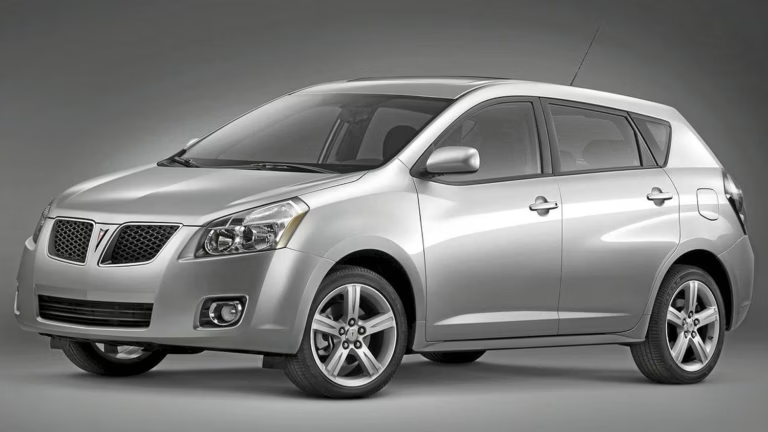
Every once in a while, two automakers get together and build something that neither would have created on their own. The Pontiac Vibe was one of those cars. It was the mechanical twin of the Toyota Matrix, born from a partnership between General Motors and Toyota at the NUMMI plant in Fremont, California. That factory, a collaboration that lasted decades, was the last joint venture between the two giants, and the Vibe was its final act. The car rolled off the line from 2002 through 2010, wearing a Pontiac badge but carrying the heart of a Toyota underneath. That combination of American styling and Japanese engineering is what gives the Vibe its unique character, and it is also what makes it surprisingly difficult to find a direct replacement for today.
The Vibe was a five-door hatchback, which immediately put it in a practical category that American buyers were just beginning to warm up to. It was not a full SUV, and it was not a traditional wagon. It sat somewhere in between, offering the cargo versatility of a small SUV with the driving dynamics and fuel economy of a compact car. Fold the rear seats flat and you unlocked 111.5 cubic feet of cargo space, enough to swallow furniture, camping gear, or a small mountain of grocery bags. Keep the seats up and you had a comfortable five-passenger cabin that worked well for families and commuters alike.
Under the hood, the Vibe offered two engines. The base 1.8-liter 2ZR-FE four-cylinder produced around 118 horsepower and was built for efficiency over excitement. The uplevel 2.4-liter 2AZ-FE four-cylinder pushed output to 158 horsepower, giving the Vibe enough punch to merge confidently and pass without drama. Transmission choices included a five-speed manual for drivers who wanted to be more involved, and a four-speed or five-speed automatic for those who prioritized ease of use. An all-wheel-drive option was available, which was rare for a compact hatchback at the time, and a standard stability system helped keep the car planted in poor weather.
Fuel economy for the 2010 model came in at an EPA-estimated 20 miles per gallon in the city and up to 32 on the highway, making it the most fuel-efficient vehicle General Motors sold in North America during its production run. The 2009 Vibe could sprint from zero to 60 miles per hour in 7.8 seconds and cover a quarter-mile in 15.8 seconds, numbers that were respectable for an economy-focused hatchback. Pricing started at just $16,100 for a new base model and climbed to around $20,875 for the GT trim. Today, used Vibes can be found anywhere from about $1,600 for a well-worn example to roughly $11,400 for a clean, low-mileage car. That wide price range reflects the fact that Vibes were driven hard and put away wet by some owners, while others treated them like the reliable appliances they were designed to be.
The Vibe was never the flashiest car in the Pontiac lineup. It did not have the muscle car swagger of the GTO or the aggressive styling of the Solstice. What it had was an honest, unpretentious utility that won over buyers who valued substance over style. Now that the Vibe has been gone for over a decade, finding something that captures its spirit means looking across brands, across decades, and in some cases across continents. The three closest matches are the Toyota Matrix, the Toyota Corolla, and the Holden Nova. Beyond those, a whole world of five-door hatchbacks exists, each with its own take on the formula the Vibe perfected.
The Three Cars Most Like the Pontiac Vibe
- Toyota Matrix — The Vibe’s mechanical twin, built on the same assembly line with the same engines and platform.
- Toyota Corolla (E210) — The modern spiritual successor that finally added a hatchback variant in 2018.
- Holden Nova — Another joint-venture five-door that proves the Toyota-GM partnership had legs far beyond California.
Toyota Matrix: The Vibe’s Identical Twin With a Different Face
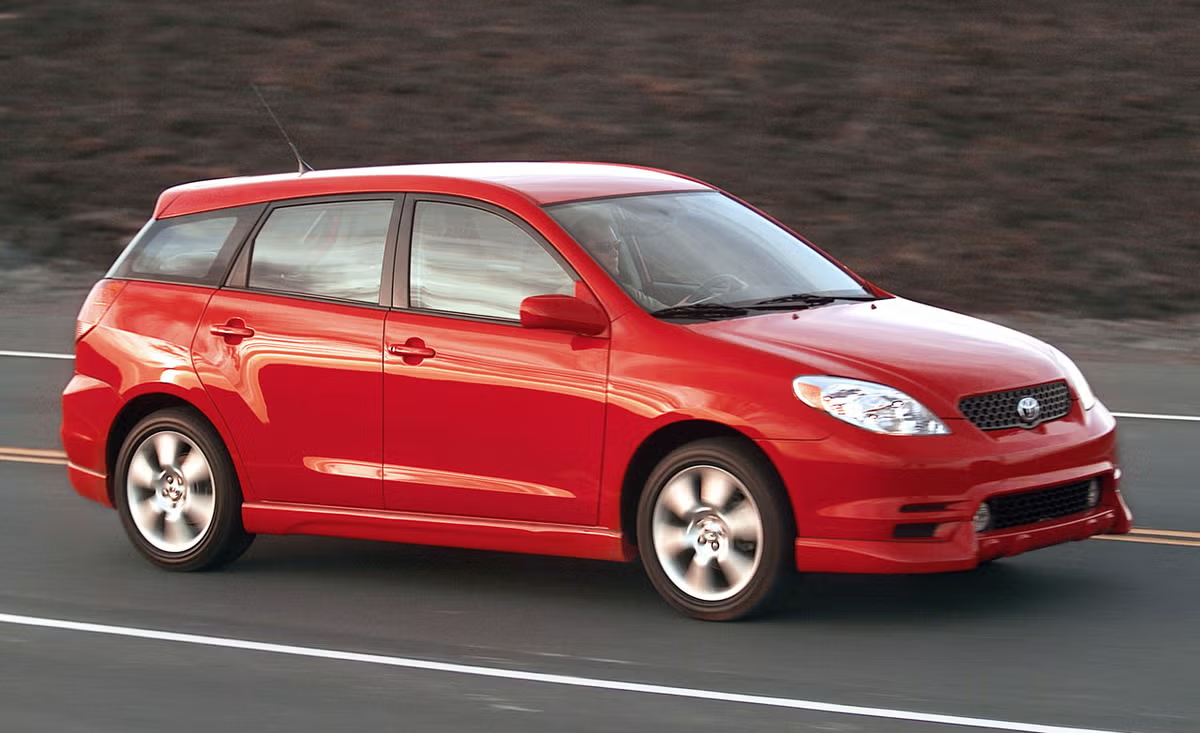
The Toyota Matrix is the most obvious alternative to the Pontiac Vibe because it is, for all practical purposes, the same vehicle. Both cars rolled off the same assembly line at NUMMI, sharing the same engines, transmissions, platform, and interior architecture. The differences were almost entirely cosmetic. The Matrix wore Toyota’s more conservative styling language, while the Vibe adopted Pontiac’s split-grille face and slightly more aggressive body lines. Underneath, they were identical. The same 1.8-liter and 2.4-liter engines were available. The same five-door hatchback body provided the same cargo flexibility. The same all-wheel-drive option was offered. The same reliability DNA, courtesy of Toyota’s engineering, ran through both vehicles.
The Matrix was produced from 2003 to 2013, so it outlasted the Vibe by a few years. That means a used Matrix is easier to find than a used Vibe, and parts availability is slightly better, even though many parts are interchangeable between the two. The 2013 Matrix, in its final year, returned an EPA-estimated 20 to 26 miles per gallon in the city and 26 to 32 on the highway, depending on the engine and drivetrain. The 2012 model accelerated from zero to 60 miles per hour in 9.9 seconds and covered a quarter-mile in 17.5 seconds. Pricing on the used market for a 2009 Matrix ranges from roughly $5,000 to $14,000, while a 2013 model had an original MSRP between $19,275 and $22,415.
If you are shopping for a Vibe and cannot find a clean example, expand your search to the Matrix. The driving experience is identical. The reliability is identical. The cargo room, the seating position, the way the doors close, all of it is the same. The Matrix gives you access to the same great car without the Pontiac badge, and in some cases, with slightly newer model years available. The aftermarket support is also stronger for the Toyota-branded version, which matters if you need replacement parts down the road.
Toyota Corolla (E210): The Modern Hatchback the Vibe Pointed Toward
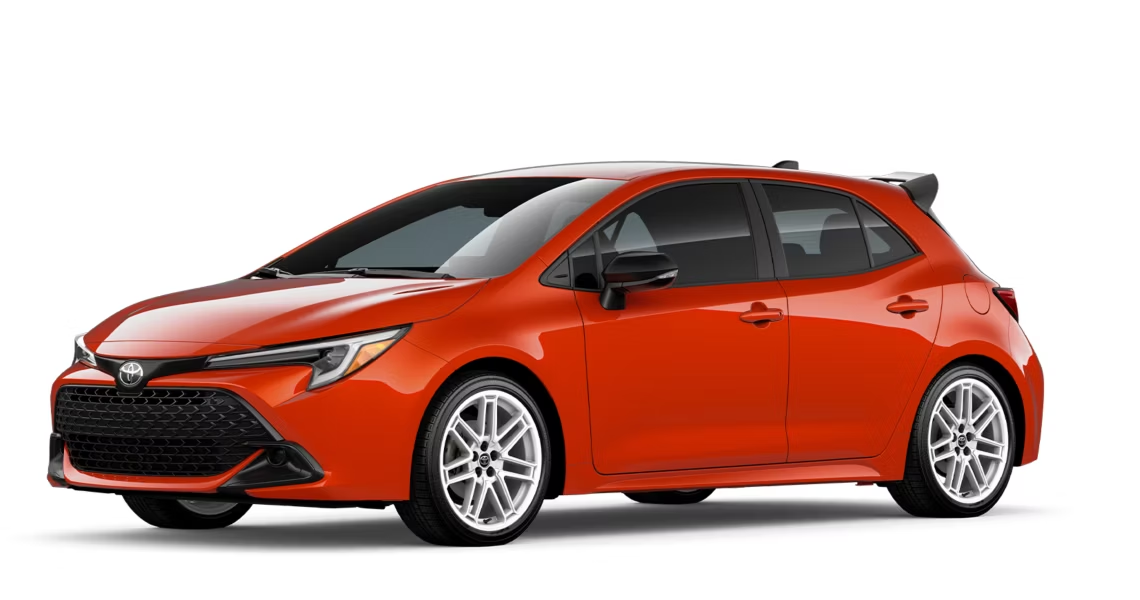
The current-generation Toyota Corolla, known internally as the E210, is the closest thing to a modern interpretation of the Vibe’s mission. It was introduced in 2018 as a hatchback, marking the first time in years that the Corolla nameplate had been applied to a five-door body in the North American market. The Corolla hatchback shares the Vibe’s practical ethos, but it wraps it in a far more contemporary package. The exterior design is sharp and aggressive, with a low stance and sculpted body lines. The interior is vastly more refined than the Vibe’s simple, durable cabin. The technology, from the touchscreen infotainment system to the driver-assistance features, is generations ahead. But the fundamental idea remains the same: a compact, fuel-efficient hatchback that can carry five people and a surprising amount of cargo.
Powertrain options for the E210 Corolla include a 1.8-liter four-cylinder, a more powerful 2.0-liter four-cylinder, and an available hybrid system that pairs a gasoline engine with an electric motor. Fuel economy ranges from 30 miles per gallon in the city and 38 on the highway for the conventional gasoline engine to an impressive 53 miles per gallon combined for the hybrid. The zero to 60 mile per hour sprint takes around 8.7 seconds with the 2.0-liter engine, which is not far off the pace of the higher-powered Vibe GT. The top speed is an electronically limited 118 miles per hour. Pricing starts at around $19,750 for the base sedan, with the hatchback and hybrid models sitting slightly higher.
The Corolla E210 represents what the Vibe might have become if Pontiac had survived and continued developing the platform. It is more efficient, more refined, and more technologically advanced. It does not have the same boxy, utilitarian charm, but it delivers the same core value: a practical, reliable, affordable hatchback that asks for very little from its owner while giving a lot in return. If you loved the Vibe and want something new with a warranty, the Corolla hatchback is where your search should start.
Holden Nova: The Australian Cousin That Proves the Formula Traveled Well
The Holden Nova is a fascinating piece of automotive history that parallels the Vibe in an unexpected way. Just as the Vibe was a collaboration between General Motors and Toyota, the Nova was a joint venture between United Australian Automobile Industries, a Holden-led consortium, and Toyota. These cars were built in Australia from 1989 to 1996, and they shared their platform, engines, and much of their engineering with the Toyota Corolla of the same era. The Nova was available as a five-door hatchback, just like the Vibe, and it offered a similar blend of Toyota reliability with local-market styling and branding.
Engine choices for the Nova included a 1.4-liter, 1.6-liter, and 1.8-liter four-cylinder, all featuring fuel injection. The 2006 model was capable of a zero to 60 mile per hour time of 5.2 seconds, which is significantly quicker than any Vibe ever built. Transmissions included both manual and automatic options. A used Holden Nova can be found for between roughly $2,300 and $3,850 for a later-model example, though they are rare outside of Australia and require importing for buyers in other markets.
The Nova is relevant to a Vibe buyer because it represents the same philosophy: take a proven Toyota platform, add some GM styling and character, and sell it as a practical, affordable hatchback. It worked in California, and it worked in Australia. The Nova is a reminder that the Vibe was not a one-off experiment but part of a broader pattern of cooperation that produced some genuinely good cars.
A Broader Look at Hatchbacks That Share the Vibe’s DNA
Beyond the closest matches, a wide field of five-door hatchbacks, some still in production, some long discontinued, capture different aspects of what made the Vibe great. Each has its own story and personality.
Lexus CT: The Upscale Hybrid Take on the Vibe Formula
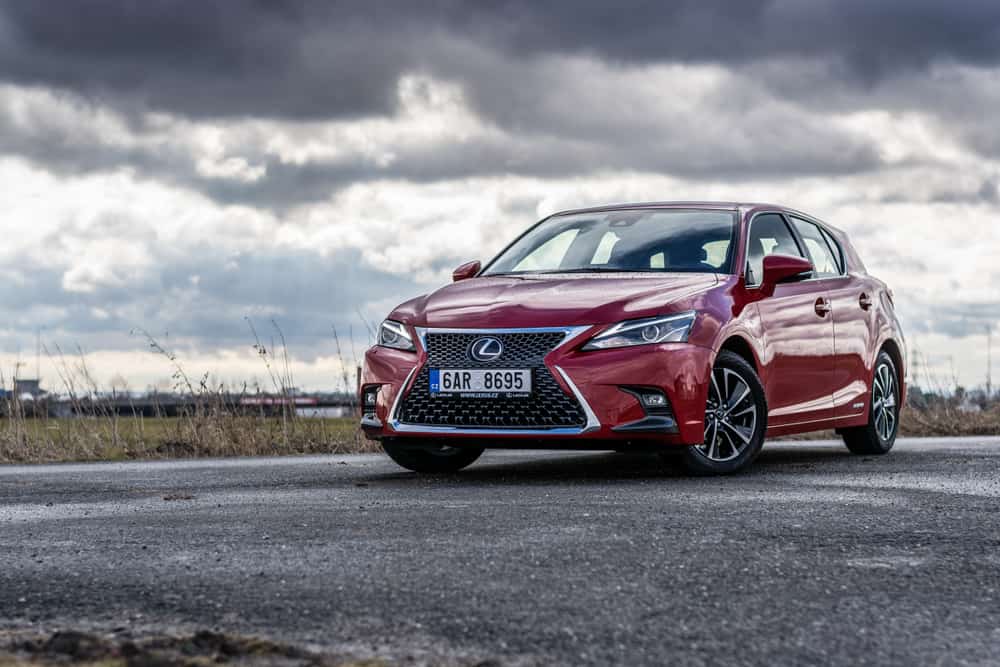
The Lexus CT is what happens when you take the basic idea of the Vibe and elevate it to luxury standards. It is a five-door hatchback powered by a 1.8-liter 2ZR-FXE hybrid engine, the same family of Toyota engines found in the Prius and related models. The hybrid system delivers a combined fuel economy of 40 miles per gallon in the city and 43 on the highway, making it one of the most efficient luxury hatchbacks available. The zero to 60 mile per hour run takes 9.8 seconds, which is slower than the Vibe GT but perfectly adequate for the commuter mission this car was designed for. Front-wheel drive is standard. A new 2017 CT carried an MSRP around $31,250. The CT is the choice for a former Vibe owner who wants a more premium interior and hybrid efficiency without giving up the hatchback body style.
Scion xB: The Boxy Hatchback That Leaned All the Way into Utility
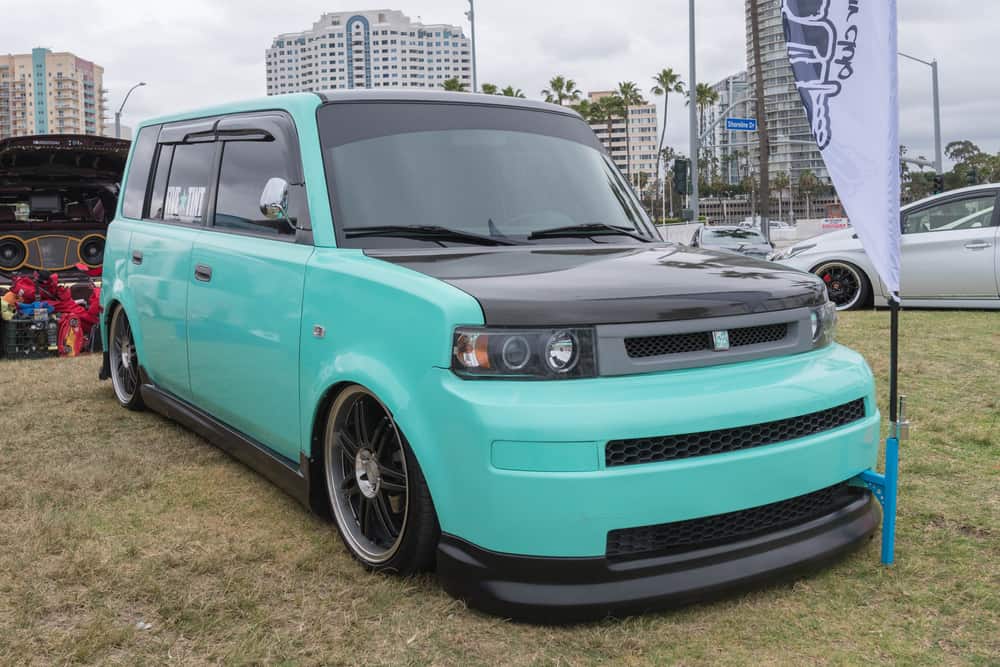
The Scion xB took the practical five-door hatchback concept and pushed it to its boxy extreme. Offered with either a 1.5-liter or 1.3-liter engine in its early years, and later with 1.8-liter and 2.4-liter options, the xB prioritized interior volume over aerodynamic elegance. The second-generation model from 2007 onward continued the boxy theme while offering more power and refinement. Fuel economy for the xB comes in at around 22 miles per gallon in the city and 28 on the highway. The zero to 60 sprint takes about 11 seconds, and a quarter-mile pass takes 18.3 seconds. The xB is slower than the Vibe and thirstier than the Corolla, but it offers a personality that no other hatchback can match. For a buyer who loved the Vibe’s cargo versatility and does not mind a car that looks like a small delivery van, the xB is worth a look.
Buick Verano: The American Luxury Hatchback You Forgot Existed
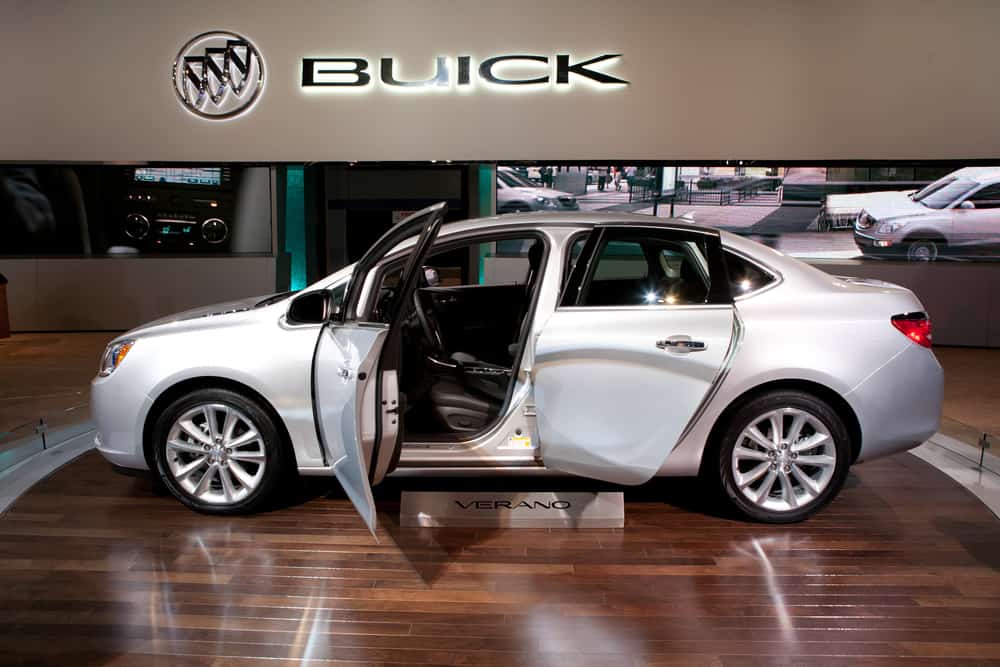
The Buick Verano was built in the United States from 2011 to 2016 and offered a five-door hatchback body style that looked remarkably similar to the Pontiac Vibe. The 2012 model featured a 2.4-liter Ecotec four-cylinder flex-fuel engine paired with a six-speed automatic transmission. Later models offered a turbocharged 2.0-liter Ecotec engine and even a six-speed manual transmission for drivers who wanted more control. The 2017 model received a 2.4-liter engine with 180 horsepower. Fuel economy for the Verano came in at 21 miles per gallon in the city and 30 on the highway. The zero to 60 mile per hour run takes 8.2 seconds, and a quarter-mile pass takes 16.2 seconds. A used Verano starts around $13,590. The Verano is the Vibe’s more upscale American cousin, offering a quieter cabin, more luxury features, and a generally more refined driving experience.
Chevrolet Cruze Hatchback: The Vibe’s Direct Descendant in GM’s Lineup
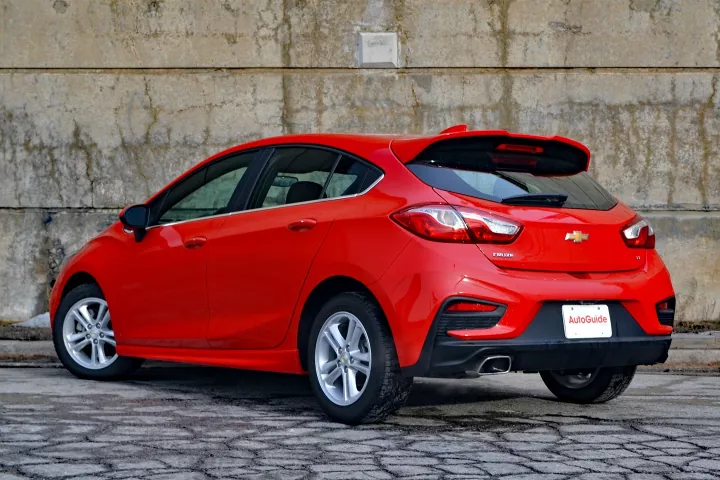
When Chevrolet introduced a hatchback version of the Cruze, it filled a gap in General Motors’ lineup that the Vibe’s departure had left. The Cruze hatchback arrived for the 2016 model year and continued through 2019. It was a genuine five-door, and its proportions echoed the Vibe’s compact, practical shape. The 2019 Cruze hatchback was powered by a 1.4-liter turbocharged four-cylinder engine producing 153 horsepower. Fuel economy was excellent, with an EPA-estimated 31 miles per gallon in the city and up to 48 on the highway, depending on the specific configuration. That makes the Cruze hatchback not only more efficient than the Vibe ever was, but one of the most fuel-efficient non-hybrid cars in its class. The zero to 60 mile per hour time was 7.9 seconds, with a quarter-mile pass in 16 seconds. A used 2019 Cruze LS hatchback costs around $19,620 depending on condition. The Cruze hatchback is the most direct modern replacement for a Vibe within the General Motors family.
Toyota Camry: The Surprising Hatchback Alternative With a Hybrid’s Heart
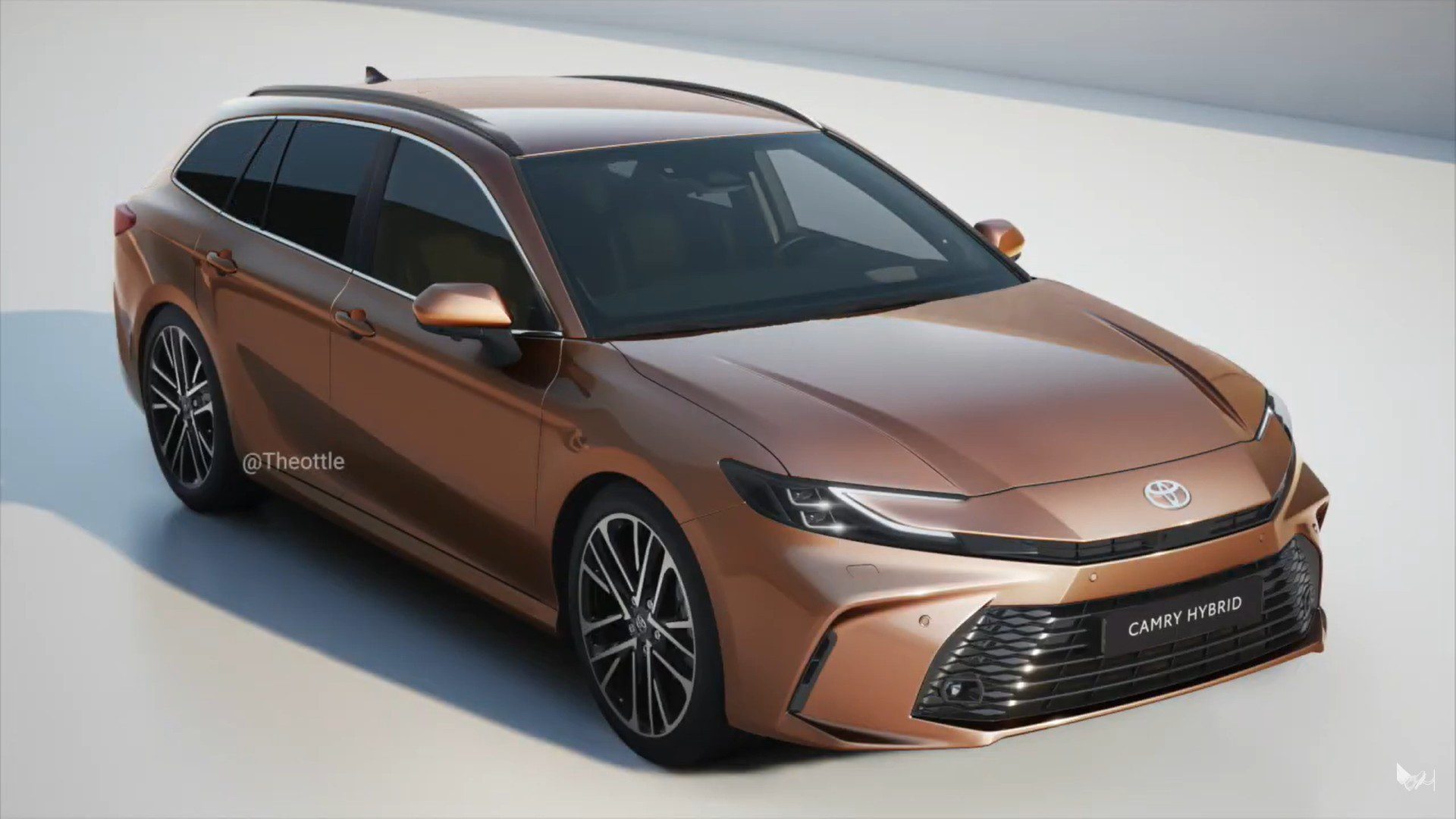
The Toyota Camry is primarily known as a sedan, and that is the body style most buyers choose. However, Toyota’s engineering approach to the Camry, particularly the hybrid variant, makes it a compelling alternative for a Vibe owner who has outgrown the compact segment. A new 2021 Camry starts at $25,045. The hybrid version, which pairs a 2.5-liter four-cylinder engine with an electric motor, achieves 44 miles per gallon in the city, 47 on the highway, and a combined 46 miles per gallon. That kind of efficiency in a larger, more spacious vehicle is remarkable. The standard 2.5-liter four-cylinder engine produces 203 horsepower, and an available V6 pushes output higher while delivering a zero to 60 time of 5.75 seconds. The Camry does not offer a hatchback body, but its trunk capacity and folding rear seats provide enough practicality for most former Vibe owners. It is a step up in size, refinement, and technology while still delivering the Toyota reliability and fuel economy that made the Vibe so appealing.
Toyota Opa: The JDM Hatchback That Foreshadowed the Crossover Boom
The Toyota Opa is a hidden gem from the Japanese domestic market that shares the Vibe’s forward-thinking approach. Produced from 2000 to 2005, the Opa was a five-door hatchback that was considered a crossover vehicle before that term dominated the industry. It started with a 1.8-liter engine and later received a 2.0-liter engine with a continuously variable transmission. Fuel economy averaged around 35 miles per gallon, making it an economical choice comparable to the Vibe. The zero to 60 mile per hour time was approximately 9 seconds. A used Opa can be found for around $4,356. These cars are rare outside of Japan, but they represent the same blend of compact dimensions, hatchback utility, and efficient performance that the Vibe delivered to American buyers.
Geo Prizm: The Vibe’s Spiritual Grandfather From an Earlier Partnership
The Geo Prizm was the joint venture between General Motors and Toyota that laid the groundwork for the NUMMI partnership that later produced the Vibe. Sold in the United States from 1985 to 1988 as a Geo, and later through multiple brand iterations, the Prizm was essentially a rebadged Toyota Corolla. It was available as a five-door hatchback, just like the Vibe, and it offered the same combination of Toyota engineering with GM branding. The 1997 Geo Prizm cost between $12,840 and $13,485 when new. It was powered by a 1.6-liter inline-four engine producing 100 horsepower. Fuel economy was rated at 30 miles per gallon in the city and 34 on the highway. The 1993 model accelerated from zero to 60 miles per hour in 13.3 seconds and covered a quarter-mile in 19.3 seconds. The Prizm is a reminder that the Vibe was not an isolated experiment but the culmination of a partnership that had been producing good cars for over a decade.
Pontiac Phoenix: The Vibe’s Five-Door Ancestor With a Checkered Past
The Pontiac Phoenix represents the earlier attempt by the brand to offer a five-door hatchback. The second-generation Phoenix, produced in the early 1980s, was available with three engine options: a 2.5-liter Iron Duke four-cylinder, a 2.8-liter LE2 V6, and a 2.8-liter LH7 V6. Transmission choices included a four-speed manual or a three-speed TH125 automatic. Fuel economy was rated at 20 miles per gallon in the city and 28 on the highway. The Phoenix had several well-documented quality problems and was recalled for a dangerous condition in which the rear wheels could lock up under braking. Enthusiasts and practical buyers alike should approach a Phoenix with caution. It is included here as historical context, not as a recommendation. The Phoenix shows how far Pontiac evolved between its early five-door experiments and the well-executed Vibe that came two decades later.
Daewoo Lacetti: The Korean Hatchback That Became a Global Citizen
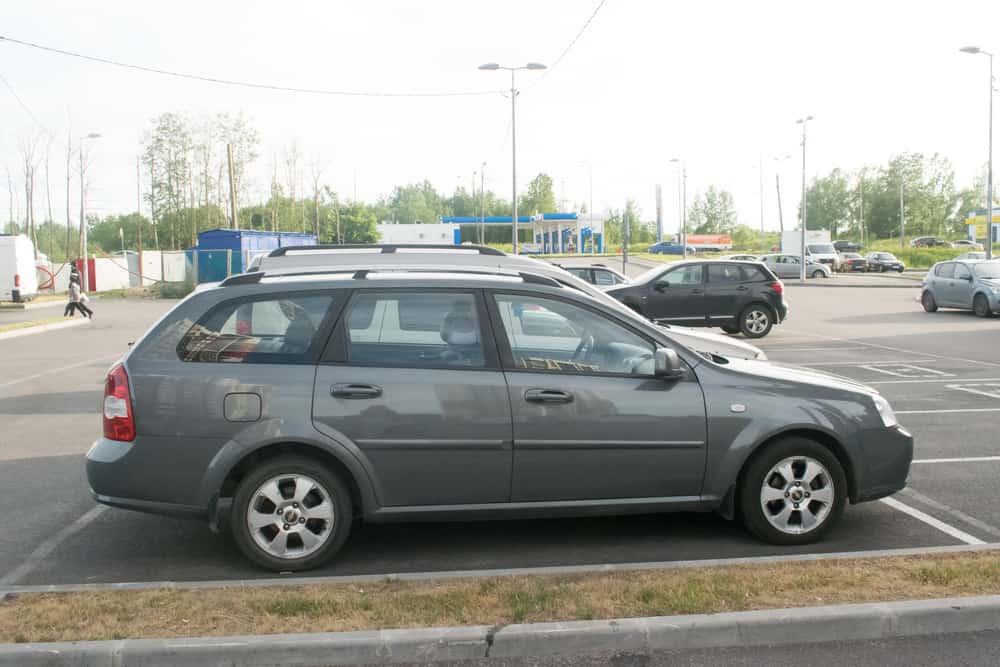
The Daewoo Lacetti is an interesting case of a compact five-door hatchback that traveled the world under multiple brand names. Produced from 2003 to 2010 by GM Korea, it was sold as the Daewoo Lacetti, the Chevrolet Lacetti, the Holden Viva, and even as the Suzuki Forenza in some markets. The 2003 Lacetti was powered by a 1.6-liter four-cylinder engine producing 110 horsepower. Fuel economy reached 39.2 miles per gallon on the highway and 28.8 in the city. The zero to 60 mile per hour time was around 10.7 seconds, and the top speed was 116 miles per hour. The Lacetti was discontinued in 2011 and its successors were sold under the Chevrolet and Holden brands. A used Lacetti can be found in global markets for varying prices. It represents the same practical, affordable, and versatile approach that made the Vibe a sensible choice for budget-conscious buyers.
Toyota Auris: The Hybrid Hatchback That Delivers 72 Miles Per Gallon
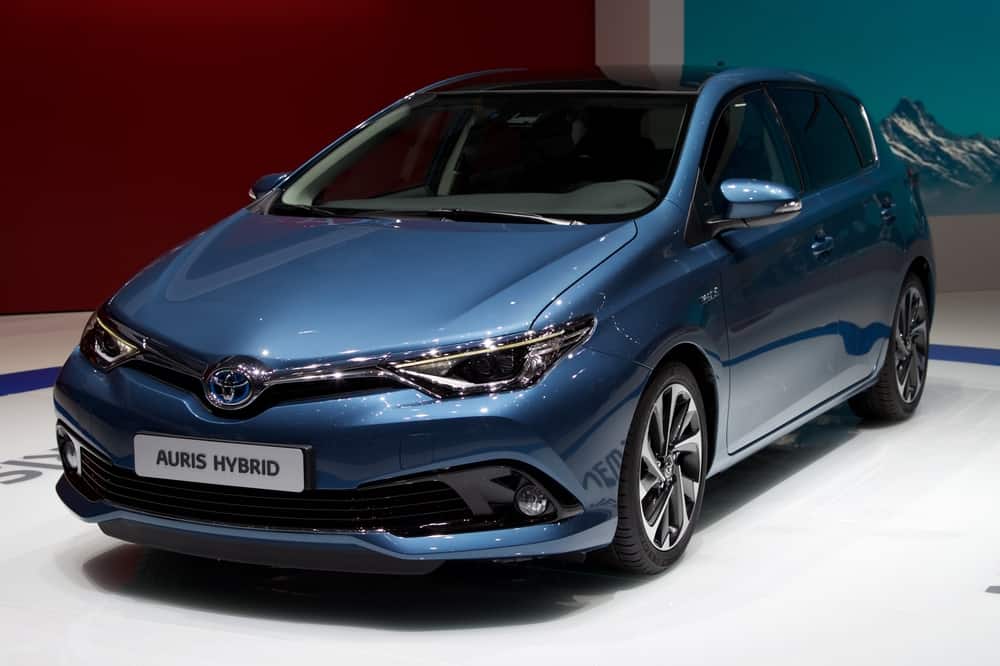
The Toyota Auris was a Japanese-built hatchback produced from 2013 to 2019. It was replaced by the Toyota Corolla hatchback at the end of its run. The Auris was available as a hybrid, running on a combination of gasoline and electricity, and it achieved a remarkable 72 miles per gallon on average. Carbon dioxide emissions were rated at just 91 grams per kilometer. The zero to 60 mile per hour time was 10.9 seconds, and the top speed was 112 miles per hour. The 2013 Auris used a 1.8-liter engine producing 136 horsepower. Like the Vibe, the Auris came exclusively as a five-door hatchback. For a buyer who prioritizes fuel economy above all else, the Auris is a compelling alternative that takes the Vibe’s efficiency focus to an entirely new level.
Chevrolet Chevy II Nova: The Classic Five-Door From a Different Era
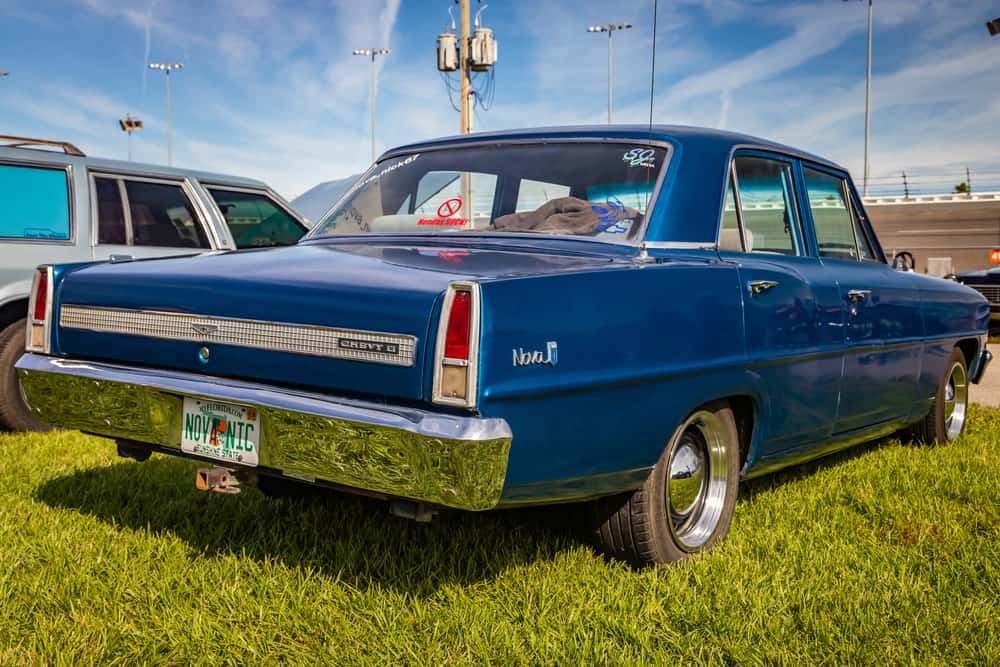
The Chevrolet Chevy II Nova was produced by Chevrolet from 1962 to 1979 and again from 1985 to 1988. The sixth generation, introduced in the mid-1980s, offered a five-door hatchback body style that was remarkably similar in concept to the later Pontiac Vibe. The engine was a 1.6-liter four-cylinder, and transmissions included a five-speed manual and three or four-speed automatics. A 1985 Nova could achieve 26 miles per gallon in the city and 29 on the highway. A well-preserved example can cost up to $15,000 today. The Nova is more of a classic car than a daily driver at this point, but it shares the Vibe’s practical, five-door layout and represents an earlier moment when American automakers were experimenting with hatchback utility.
Chevrolet Corsica Hatchback: The Forgotten Compact Five-Door
The Chevrolet Corsica was produced from 1987 to 1996, and in 1989 it gained a five-door hatchback body style that mirrored the Vibe’s practical layout. Engine options included a 2.0-liter, 2.2-liter, 2.8-liter V6, and a 3.1-liter V6. Transmissions ranged from three and four-speed automatics to a five-speed manual. Horsepower peaked around 140. Fuel economy for the 1989 Corsica was rated at 21 miles per gallon in the city and 29 on the highway. The Corsica is largely forgotten today, but its hatchback version was a genuine attempt to offer American buyers a versatile, compact five-door. It sits in the Vibe’s family tree as a domestic ancestor.
Opel Astra: The European Hatchback With Performance Chops
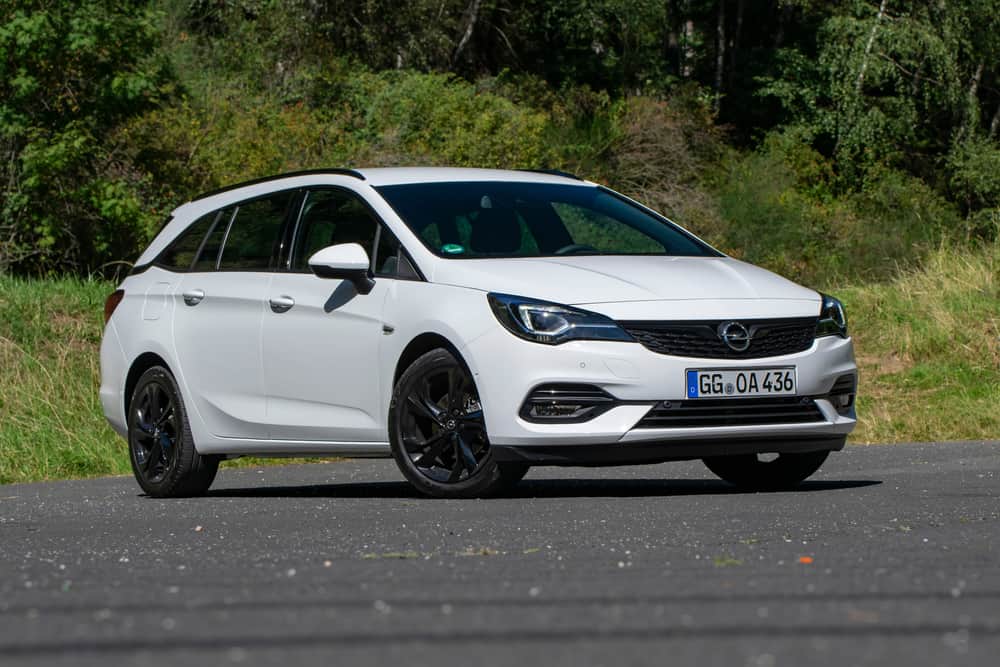
The Opel Astra introduced a five-door hatchback in 1991, expanding beyond its earlier three-door and sedan offerings. The Astra came with a wide range of engines, spanning from a 1.4-liter Family 1 four-cylinder to a turbocharged 2.0-liter Family II four-cylinder. The turbocharged engine could push the Astra to a top speed of 152 miles per hour, with a zero to 60 mile per hour time of just 6.7 seconds and a quarter-mile pass in 14.7 seconds. Fuel economy averaged around 30.4 miles per gallon across the range. Transmissions included five and six-speed manuals and a four-speed automatic. The Astra is the performance-oriented alternative to the Vibe, offering a level of speed and European chassis tuning that the Pontiac never approached.
Buick Rendezvous and Rainier: The Upsized American Interpretations
The Buick Rendezvous and Buick Rainier both offered five-door hatchback bodies that echoed the Vibe’s practical layout, but on a larger scale. The Rendezvous seats seven passengers, nearly doubling the Vibe’s capacity, and was priced with an original MSRP starting at $25,520. It delivered 18 to 19 miles per gallon in the city and 24 to 26 on the highway. The zero to 60 mile per hour time was 10.1 seconds, with a quarter-mile pass in 17.5 seconds. The Rainier was produced from 2004 to 2007 and offered a 3.6-liter V6 engine with 275 horsepower. It delivered 16 miles per gallon in the city and 24 on the highway. The zero to 60 run took 7.7 seconds, with a quarter-mile pass in 15.8 seconds. A new 2004 Rainier carried an MSRP between $35,645 and $38,645. Both Buicks are larger and thirstier than the Vibe, but for buyers who need more passenger capacity and prefer the Buick brand, they represent the same five-door concept scaled upward.
Toyota Celica: The Three-Door Cousin With a Sporting Pedigree
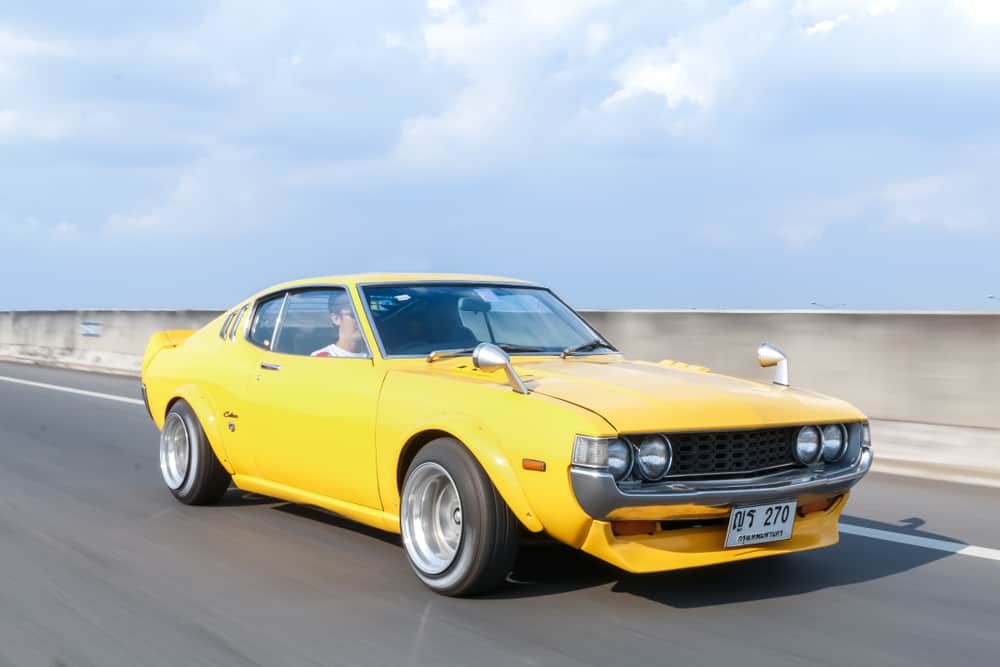
The Toyota Celica was a Japanese sports coupe produced from 1970 to 2006 across seven generations. It is not a five-door hatchback, but its three-door liftback body shares the Vibe’s sloping rear profile and cargo versatility. The Celica was available with a wide range of engines throughout its production, including 1.4-liter, 1.6-liter, 1.9-liter, 2.0-liter, and 2.2-liter four-cylinder options. Transmission choices included a three-speed automatic and four and five-speed manuals. A new 2005 Celica carried an MSRP between $17,670 and $22,335. The 2003 model accelerated from zero to 60 miles per hour in 7.4 seconds and covered a quarter-mile in 15.8 seconds. The Celica is the driver’s alternative to the Vibe, trading rear doors and maximum cargo space for a lower center of gravity, sportier handling, and a more engaging driving experience. For a former Vibe owner who does not need five doors but wants a similarly sized Toyota with more performance, the Celica is a natural pivot.
A Quick Comparison of Key Pontiac Vibe Alternatives
| Vehicle | Years Produced | Body Style | Engine Range | Fuel Economy (approx.) | 0-60 mph | Used Price Range (approx.) |
|---|---|---|---|---|---|---|
| Pontiac Vibe | 2002-2010 | 5-door hatchback | 1.8L I4 / 2.4L I4 | 20 city / 26-32 highway | 7.8 sec (2.4L) | $1,600 – $11,400 |
| Toyota Matrix | 2003-2013 | 5-door hatchback | 1.8L I4 / 2.4L I4 | 20-26 city / 26-32 highway | 9.9 sec | $5,000 – $14,000 |
| Toyota Corolla (E210) | 2018-present | 5-door hatchback | 1.8L I4 / 2.0L I4 / Hybrid | 30 city / 38 highway | 8.7 sec | $19,750+ (new) |
| Holden Nova | 1989-1996 | 5-door hatchback | 1.4L / 1.6L / 1.8L I4 | Varies | 5.2 sec | $2,300 – $3,850 |
| Lexus CT | 2011-2017 | 5-door hatchback | 1.8L Hybrid I4 | 40 city / 43 highway | 9.8 sec | Varies |
| Scion xB | 2004-2015 | 5-door hatchback | 1.5L / 1.8L / 2.4L I4 | 22 city / 28 highway | 11.0 sec | Varies |
| Buick Verano | 2011-2016 | 5-door hatchback | 2.4L I4 / 2.0L Turbo I4 | 21 city / 30 highway | 8.2 sec | $13,590+ |
| Chevrolet Cruze Hatchback | 2016-2019 | 5-door hatchback | 1.4L Turbo I4 | 31 city / 48 highway | 7.9 sec | $19,620 |
| Toyota Camry Hybrid | Ongoing | 4-door sedan | 2.5L Hybrid I4 | 44 city / 47 highway | 5.75 sec (V6) | $25,045+ (new) |
| Toyota Opa | 2000-2005 | 5-door hatchback | 1.8L / 2.0L I4 | 35 combined | 9.0 sec | $4,356 |
| Geo Prizm | 1985-2002 | 5-door hatchback | 1.6L I4 | 30 city / 34 highway | 13.3 sec | Varies |
| Daewoo Lacetti | 2003-2010 | 5-door hatchback | 1.6L I4 | 28.8 city / 39.2 highway | 10.7 sec | Varies |
| Toyota Auris | 2013-2019 | 5-door hatchback | 1.8L Hybrid I4 | 72 combined | 10.9 sec | Varies |
| Opel Astra | 1991-ongoing | 5-door hatchback | 1.4L I4 to 2.0L Turbo I4 | 30.4 combined | 6.7 sec (turbo) | Varies |
| Buick Rendezvous | 2002-2007 | 5-door hatchback | 3.4L V6 | 18-19 city / 24-26 highway | 10.1 sec | Varies |
| Toyota Celica | 1970-2006 | 3-door liftback | 1.4L – 2.2L I4 | Varies | 7.4 sec | $17,670-$22,335 (new 2005) |
Why the Pontiac Vibe Still Holds a Special Place
Comparing all these vehicles side by side makes one thing clear: the Pontiac Vibe was a genuinely great car, not because it excelled at any single thing, but because it balanced so many things so well. It was fuel-efficient without being sluggish. It was spacious without being bulky. It was reliable without being boring. It was affordable without feeling cheap. That combination is rare, and it is the reason the Vibe has developed a quiet following among practical car enthusiasts who appreciate engineering over image.
The Toyota Matrix is the mechanical twin and the most logical alternative. The Toyota Corolla E210 hatchback is the modern evolution. The Chevrolet Cruze hatchback carries the General Motors torch forward. But the Vibe itself, with its Pontiac styling and its Toyota guts, remains a unique entry in automotive history. It was the last collaboration between two companies that had built something special together, and it served as a fitting farewell to a partnership that produced the Nova, the Prizm, and eventually the Vibe and Matrix.
If you own a Vibe, maintain it. The parts are still available, the aftermarket support is decent, and the Toyota engineering underneath means it has plenty of life left if you care for it properly. If you are shopping for a used Vibe, look for one with maintenance records and pay attention to the condition of the suspension, the exhaust, and the CV axles. A well-cared-for Vibe will serve you faithfully for years. And if you are looking for something newer that captures the Vibe’s spirit, the Corolla hatchback and the Cruze hatchback are waiting for a test drive. Both would make the engineers at NUMMI proud.