
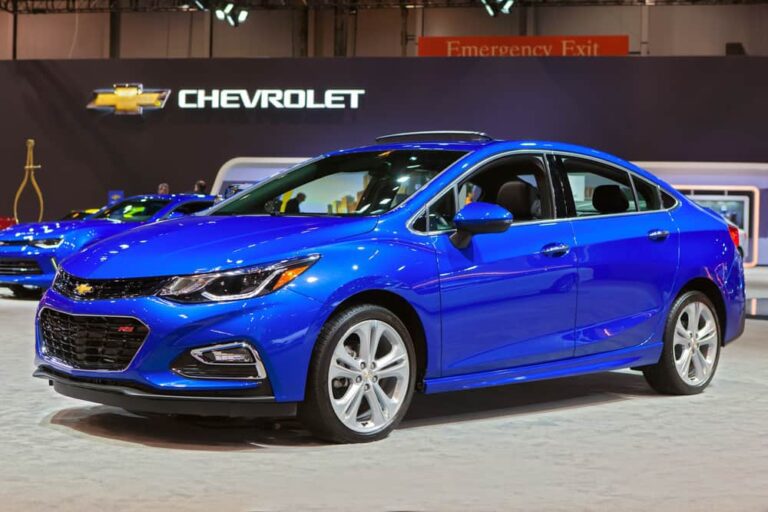
The Chevrolet Cruze spent years as one of the most sensible choices in the compact sedan segment. It was not the loudest, the fastest, or the flashiest car on the road. What it did was deliver a comfortable ride, excellent fuel economy, and a feature list that punched above its price tag. For daily commuters, small families, and anyone who wanted a lot of car for not a lot of money, the Cruze was a straightforward answer. Chevrolet pulled the plug on the North American Cruze after the 2019 model year, which means the only way into one today is through the used market. That reality has sent plenty of buyers looking for something that picks up where the Cruze left off.
The 2019 Cruze came with a 1.4-liter turbocharged four-cylinder engine making 153 horsepower and 177 pound-feet of torque. It was not built to win drag races, but the turbocharged torque arrived early and made the car feel responsive around town. Chevy also offered a 1.6-liter turbo-diesel that cranked out 240 pound-feet of torque, a genuine oddity in a compact sedan. Fuel economy was the headline. The gasoline engine returned a combined 32 miles per gallon. The diesel, if you could find one, pushed that to 37 combined. A six-speed automatic handled shifting, and a six-speed manual was available for purists. Inside, the Cruze could seat five adults in reasonable comfort, and the trunk offered 14.8 cubic feet of cargo space, among the largest in its class.
Chevrolet loaded the Cruze with safety technology for its era, including available blind-spot monitoring, rear cross-traffic alert, forward collision alert, and a tire-pressure monitor. The infotainment system, with its 7-inch touchscreen, Apple CarPlay, and Android Auto, was intuitive and snappy. For a car that started around $17,995 when new, the value was undeniable. But with the Cruze gone from showrooms, what else can a buyer turn to? The compact sedan segment remains fiercely competitive, and several vehicles capture different aspects of what made the Cruze so appealing. Some match its value. Some beat its fuel economy. A few push performance far beyond what the Cruze ever attempted. Here are twelve alternatives that deserve serious attention.
The Three Best Cruze Alternatives You Can Buy Right Now
Kia Forte: The Value King That Does Not Feel Cheap
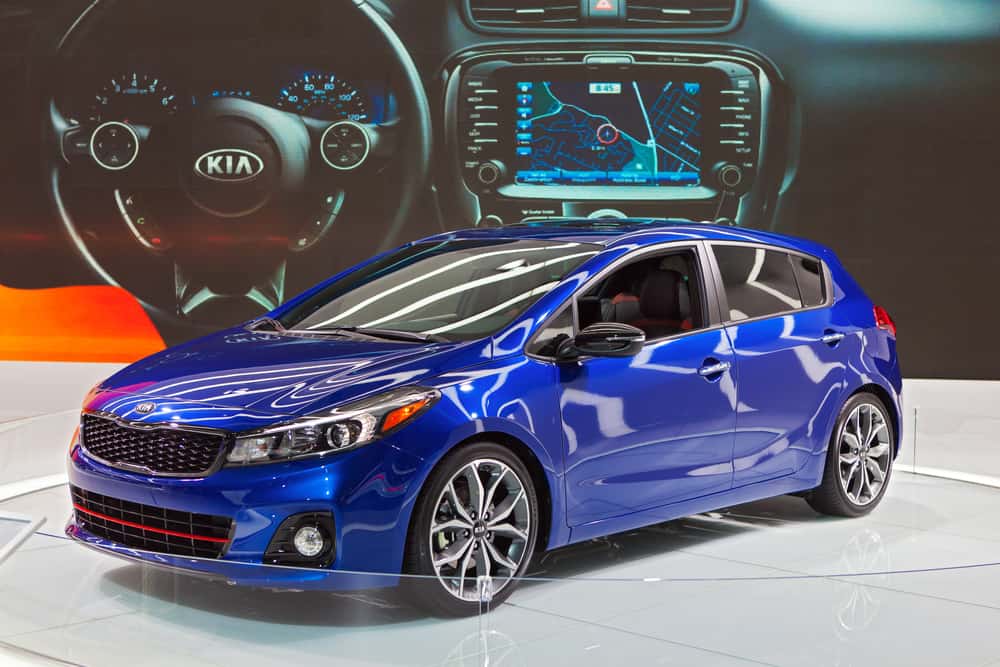
The Kia Forte is the car that most directly inherits the Cruze’s mission of delivering a lot of equipment for a very reasonable price. When Chevrolet walked away from the segment, Kia stepped up with a compact sedan that starts at $18,885 for the base LX model and climbs to $24,255 for the sporty GT with the GT2 package. That pricing is nearly identical to where the Cruze lived, and the feature content is even more generous. Every Forte comes with an 8-inch touchscreen, Apple CarPlay, Android Auto, and a suite of driver-assistance features that includes forward collision avoidance, lane keeping assist, and driver attention warning. You do not have to climb the trim ladder to get the safety technology. It is all standard.
Under the hood, the Forte gives buyers a choice. The FE, LXS, and GT-Line trims use a 2.0-liter naturally aspirated four-cylinder engine that produces 147 horsepower and 132 pound-feet of torque. It pairs with a continuously variable automatic transmission that simulates gear shifts convincingly, and the combined fuel economy rating of 33 miles per gallon matches the Cruze’s gasoline engine. Acceleration to 60 miles per hour takes about 8.5 seconds, which is adequate for merging and passing but will never quicken your pulse.
The Forte GT is where things get interesting. It shares its 1.6-liter turbocharged engine with the Hyundai Elantra N Line, producing 201 horsepower and 195 pound-feet of torque. The GT comes standard with a seven-speed dual-clutch automatic transmission, but Kia also offers a six-speed manual, which is a rare treat in this segment. With the turbocharged engine and the quick-shifting DCT, the Forte GT can reach 60 miles per hour in 6.7 seconds. That is genuinely quick for a compact economy sedan. It is not Civic Si territory, but it is close enough to make the daily commute a lot more entertaining.
The Forte’s interior takes a minimalist approach. It is clean and uncluttered, with a horizontal dashboard design that makes the cabin feel wider than it is. The seats are comfortable and supportive, even on longer drives. Material quality is better than the price suggests. The infotainment system is responsive and easy to operate, with physical knobs for volume and tuning alongside the touchscreen. That combination of touch and tactile controls is something many drivers prefer over the all-screen setups found in some competitors. Trunk space measures 15.3 cubic feet, which beats the Cruze by half a cubic foot and is among the best in the class. The rear seats fold down for longer items, though the opening is somewhat narrow.
The exterior design is a significant step forward from past Kia compacts. The Forte has a fastback-inspired roofline and a distinctive front fascia with LED daytime running lights that give it a premium look. The GT model adds a rear spoiler, dual exhaust tips, and 18-inch alloy wheels that complete the sporty appearance. It is a car that looks more expensive than it is. For a buyer who appreciated the Cruze’s value proposition but wants something that feels more modern and comes with a better warranty, the Forte is the obvious starting point. Kia’s 10-year/100,000-mile powertrain warranty provides peace of mind that Chevrolet simply cannot match.
Honda Civic: The Benchmark That Earned Its Reputation
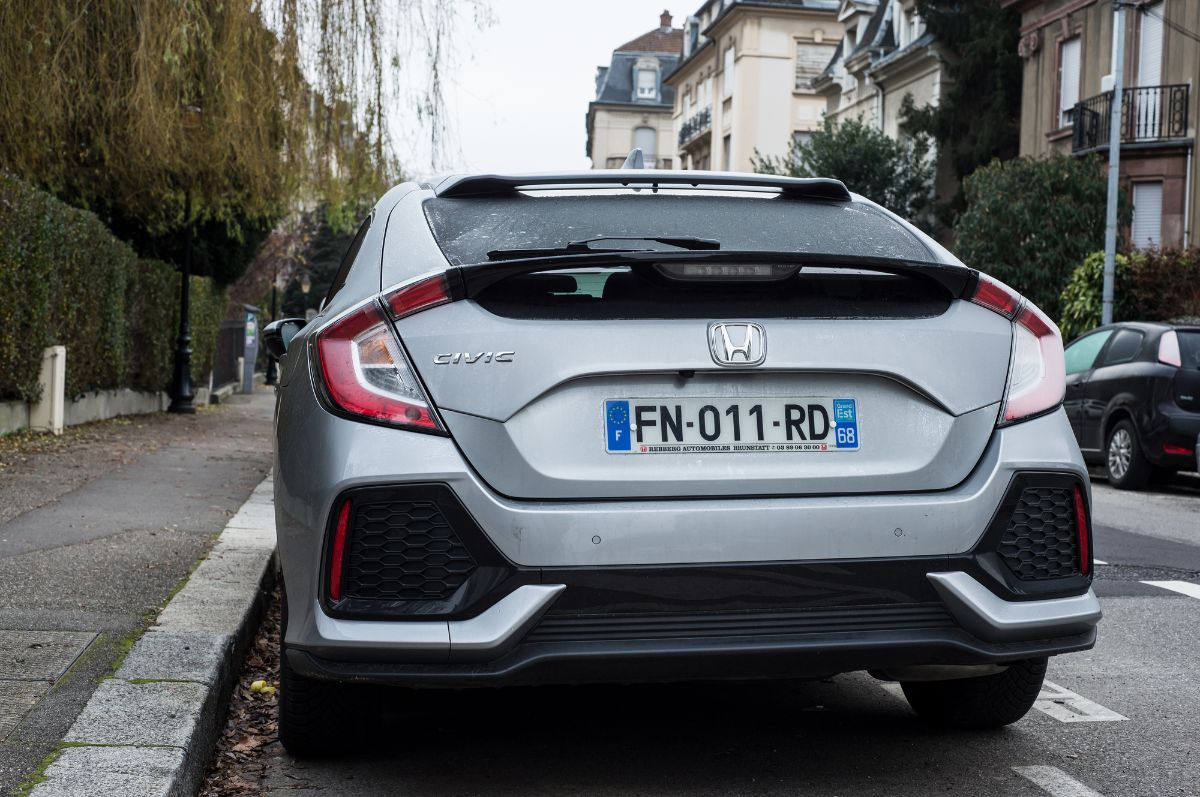
The Honda Civic is the default recommendation in the compact car segment for good reason. Honda has been refining this vehicle for decades, and the current generation delivers a blend of refinement, driving dynamics, and long-term durability that keeps it at the top of sales charts year after year. Compared to the Cruze, the Civic demands a higher entry fee. The base LX sedan starts at $22,550, and the range-topping Touring sedan is $29,550. The high-performance Type R hatchback, which is in a different universe of performance, begins at $43,795. Those prices are a meaningful step above the Cruze’s original window sticker, but the extra money buys a more polished driving experience and significantly stronger resale value.
The Civic sedan uses a 2.0-liter naturally aspirated four-cylinder engine in the LX and Sport trims, producing 158 horsepower and 138 pound-feet of torque. It is paired with a continuously variable transmission that Honda has tuned to feel more like a traditional automatic. The EX and Touring trims upgrade to a 1.5-liter turbocharged engine that delivers 180 horsepower and 177 pound-feet of torque. This engine is a gem. It pulls smoothly from low rpm and makes the Civic feel quicker than the numbers suggest. Fuel economy is a strong suit. The turbocharged engine returns an EPA-estimated 33 miles per gallon city and 42 highway for a combined 36 mpg. So even though the Civic costs more upfront, it sips fuel at a rate that rivals the Cruze’s best gasoline figures.
If fuel efficiency is the priority, Honda also offers the Civic as a hybrid in some markets, though availability varies. The standard gasoline engines already achieve excellent real-world mileage. Honda’s CVT is among the best in the business, avoiding the droning sensation that some competitors exhibit. It mimics gear shifts naturally, and the engine never feels strained during highway passing maneuvers. The chassis is a highlight. The Civic rides on a platform that prioritizes both comfort and handling. The suspension absorbs broken pavement without transmitting harshness to the cabin, yet the car feels composed and eager through corners. The steering is light but precise, and the brake pedal has a linear, confidence-inspiring feel.
Inside, the Civic’s cabin quality represents a generational leap over its predecessor. The design is clean and modern, with a honeycomb-textured dash trim that stretches across the passenger side. The touchscreen sits atop the dash in a position that is easy to reach and see. Apple CarPlay and Android Auto are standard, with wireless connectivity available on higher trims. The front seats are firm and supportive, and the rear seat offers class-leading legroom. Trunk volume is 14.8 cubic feet, identical to the Cruze. The rear seats fold down for expanded cargo capacity, making the Civic a genuinely practical daily driver.
Safety technology is comprehensive. The Honda Sensing suite, which includes adaptive cruise control, collision mitigation braking, lane keeping assist, and road departure mitigation, is standard on every Civic. On higher trims, a blind-spot information system with cross-traffic monitor adds an extra layer of awareness. Honda’s reputation for reliability and strong resale value tilts the long-term ownership cost equation in the Civic’s favor. The Cruze was a great value when new, but depreciation hit hard. The Civic holds its value better, which means that higher initial purchase price may partially offset by what you get back when it is time to sell. If you test drive a Civic back-to-back with a used Cruze, the Honda’s refinement, driving dynamics, and cabin quality make a strong case for stretching the budget.
Hyundai Elantra: Bold Design and a Feature List That Embarrasses Rivals
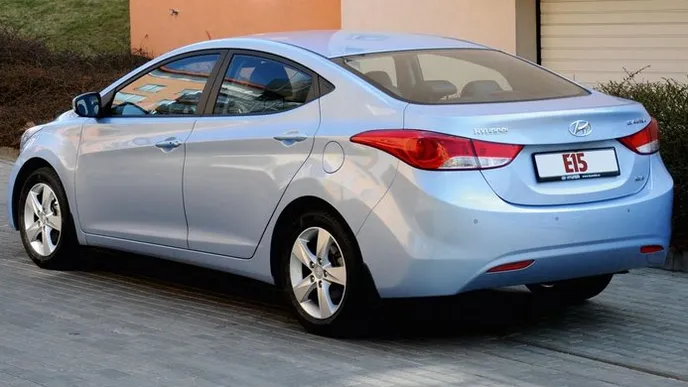
The Hyundai Elantra has undergone a complete transformation for the 2021 model year and beyond, emerging as one of the most visually striking compact sedans available. The design language is bold and angular, with sharp creases, a wide grille, and a fastback-like roofline. It is a car that stands out in a parking lot full of anonymous sedans. The Elantra starts at $20,500 for the base SE trim and climbs to $28,000 for the Limited Hybrid. Those prices are higher than the Cruze’s original MSRP, but Hyundai packs the Elantra with standard equipment that makes the value proposition compelling.
Powertrain options include a 2.0-liter naturally aspirated four-cylinder making 147 horsepower, a 1.6-liter turbocharged four-cylinder with 201 horsepower, and a hybrid that combines a 1.6-liter engine with an electric motor for a combined 139 horsepower and exceptional fuel economy. The base engine is paired with a CVT and returns an EPA-estimated 33 mpg city, 43 highway. That beats the Cruze’s highway number by a significant margin. The turbocharged N Line model, which competes directly with the Forte GT and Civic Si, sprints to 60 miles per hour in 7.3 seconds. It is not as quick as the Forte GT, but the sport-tuned suspension and available six-speed manual transmission make it an engaging partner on a winding road.
The Elantra Hybrid is the fuel-economy champion of the group, achieving 53 miles per gallon in combined driving. For a driver who logs a lot of miles, that efficiency translates into hundreds of dollars in annual fuel savings compared to the Cruze. The hybrid’s powertrain is smooth and refined, and the transition between electric and gasoline power is nearly imperceptible. Hyundai’s decision to offer a hybrid in the compact sedan segment gives the Elantra a distinct advantage over competitors that have not yet electrified their small car lineups.
Inside, the Elantra’s cabin is a technological showcase. The base trim comes with an 8-inch touchscreen, wireless Apple CarPlay and Android Auto, and a six-speaker audio system. Step up to higher trims and you get a 10.25-inch digital gauge cluster paired with a 10.25-inch infotainment screen, creating a widescreen display that stretches across the dashboard. The effect is premium and futuristic, something you would expect in a luxury car rather than a compact sedan. Hyundai’s Blue Link connected services allow remote start, climate control, and vehicle status checks from a smartphone app. The materials used throughout the cabin are a step above the Cruze, with soft-touch surfaces on the dash and door panels, and available leather seating surfaces that feel supple and durable.
Cargo space measures 14.2 cubic feet, slightly less than the Cruze but still competitive. The rear seat offers adequate legroom for adults, and the front seats are comfortable for long drives. Safety technology is generous. Hyundai SmartSense, which includes forward collision avoidance assist, blind-spot collision warning, lane keeping assist, and driver attention warning, is standard on every Elantra. Highway Driving Assist, which combines adaptive cruise control with lane centering, is available on higher trims and makes long highway slogs significantly less fatiguing. Hyundai’s warranty, like Kia’s, includes a 10-year/100,000-mile powertrain component, providing long-term peace of mind that the Cruze’s shorter warranty did not.
For a buyer who loved the Cruze’s combination of comfort and efficiency, the Elantra offers a more modern take on that formula. The bold styling will not appeal to everyone, but the technology, efficiency, and warranty add up to a package that is difficult to ignore. If you can look past the dramatic exterior, the Elantra is one of the most complete compact sedans available today.
More Compact Contenders That Deserve a Test Drive
Beyond the top three, a broad field of compact sedans and a few outliers compete for the same buyers who once flocked to the Chevrolet Cruze. Each has a distinct personality, and the right one depends on what you prioritize most when you are behind the wheel.
Toyota Corolla: The Reliability Icon That Refuses to Quit
The Toyota Corolla is the safe, reliable choice that generations of buyers have turned to when they wanted a car that would simply work for years without complaint. The current Corolla shares the Cruze’s compact sedan footprint and adds a hatchback variant that broadens its appeal. Pricing starts at $21,900 for the base L sedan and reaches $26,600 for the XSE sedan. The Corolla Hybrid, which delivers 53 miles per gallon combined, is a fuel-sipping standout at $23,100. A hatchback is also available for buyers who prefer a more versatile cargo area.
The standard engine is a 1.8-liter four-cylinder producing 139 horsepower, paired with a CVT. It is slower than the Cruze’s turbocharged unit, with a zero-to-60 time of about 9 seconds. The available 2.0-liter engine bumps output to 169 horsepower and shaves the sprint to 60 down to 7.1 seconds. Fuel economy from the 1.8-liter is 30 mpg city, 38 highway. The larger engine returns 31 city, 40 highway. The hybrid beats them all with 53 combined, making it an excellent choice for high-mileage commuters.
Inside, the Corolla is straightforward and functional. The materials are adequate, and the seats are supportive, though the rear legroom trails the Civic. Toyota’s infotainment system has improved but still falls short of the best in the class. The standard safety suite, Toyota Safety Sense 2.0, includes pre-collision warning, lane departure alert, automatic high beams, and adaptive cruise control. The Corolla’s reputation for reliability and strong resale value make it a safe long-term bet. It is not the most exciting car to drive, but it is the one that will likely spend the fewest days in a repair shop.
Honda Insight: The Fuel-Sipping Hybrid That Does Not Scream “Hybrid”
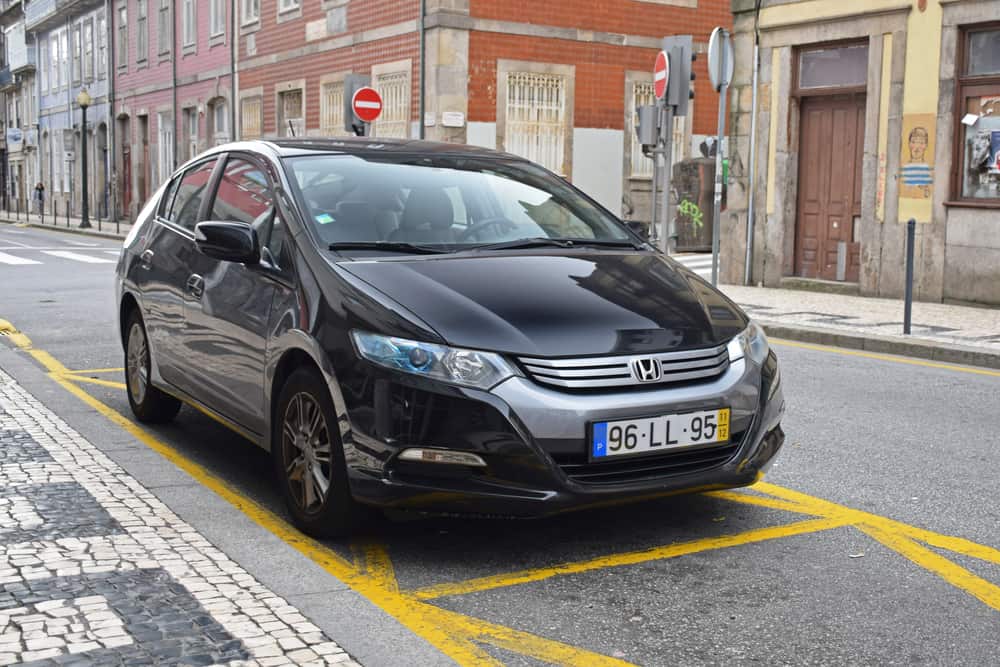
The Honda Insight fits neatly into the compact sedan segment, but its hybrid powertrain sets it apart from the gasoline-only Cruze. The Insight starts at $25,210 for the LX trim and reaches $29,790 for the Touring. It is pricier than the Cruze was, but the fuel savings can offset that difference over time. The hybrid system pairs a 1.5-liter Atkinson-cycle gasoline engine with an electric motor for a combined 151 horsepower. The zero-to-60 sprint takes 7.7 seconds, which is quicker than the Cruze’s base engine. The real story is the fuel economy: 55 mpg city, 49 highway. Over the course of 15,000 miles per year, that efficiency saves hundreds of dollars at the pump compared to a conventional gasoline compact.
The Insight’s design is sophisticated and understated. It does not advertise its hybrid identity the way some eco-focused vehicles do. The interior is well-crafted and comfortable, with available leather-trimmed seats, a 8-inch touchscreen, and Apple CarPlay with Android Auto. The dual-zone automatic climate control and heated front seats on higher trims add a touch of luxury. Honda’s Sensing suite is standard. The Insight is the choice for a buyer who wants to minimize running costs without sacrificing comfort or style. It is the Cruze’s efficiency ethic taken to its logical extreme.
Nissan Sentra: A Bold New Face With a Comfortable Cabin
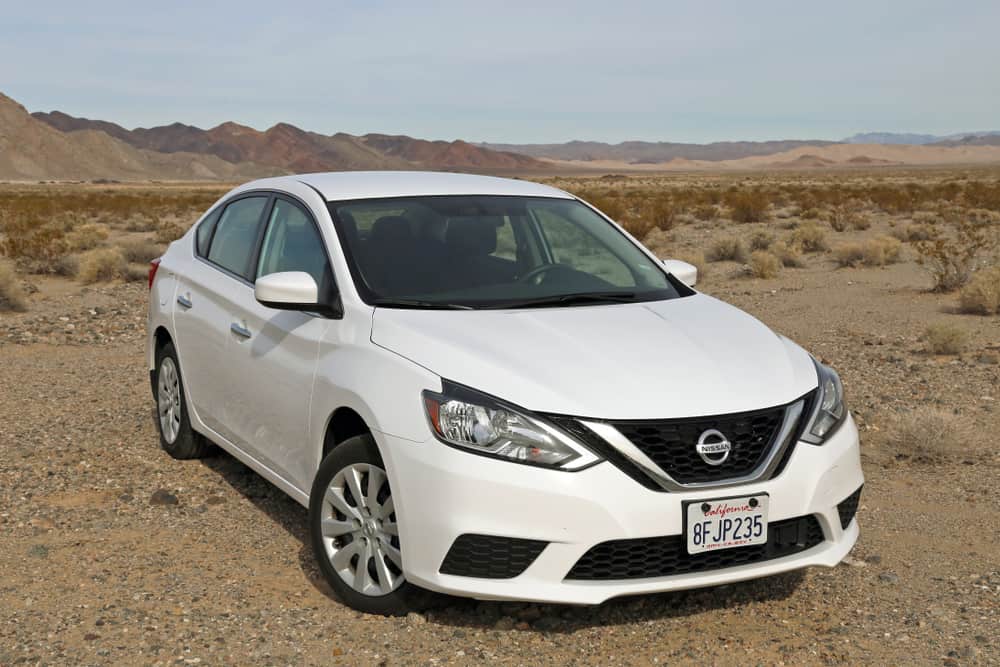
The Nissan Sentra received a complete redesign in 2020, and the result is a compact sedan that no longer blends into the background. The exterior is sharp and modern, with a prominent V-motion grille, slim LED headlights, and a floating roof effect. The cabin seats five, and the trunk offers 14.3 cubic feet of cargo space, which is competitive with the Cruze. Pricing begins at $19,950 for the base S model and reaches $22,400 for the SR. The Sentra is powered by a 2.0-liter four-cylinder engine producing 149 horsepower and 146 pound-feet of torque, paired with a CVT. Fuel economy is rated at 29 mpg city, 39 highway.
The Sentra’s interior is one of its strongest assets. The front seats are incredibly comfortable, with Nissan’s Zero Gravity design that reduces fatigue on long journeys. The rear seat offers more legroom than many competitors, making it a viable option for families with older children or adults. The touchscreen infotainment system includes Apple CarPlay and Android Auto. Safety technology is generous, with forward collision warning, automatic emergency braking, and lane departure warning standard. The Sentra is not a performance car, but it rides well and provides a quiet, isolated cabin that makes highway travel feel relaxed. It captures the Cruze’s comfort-first ethos and wraps it in more modern styling.
Volkswagen Jetta: The European Alternative With Impressive Highway Range
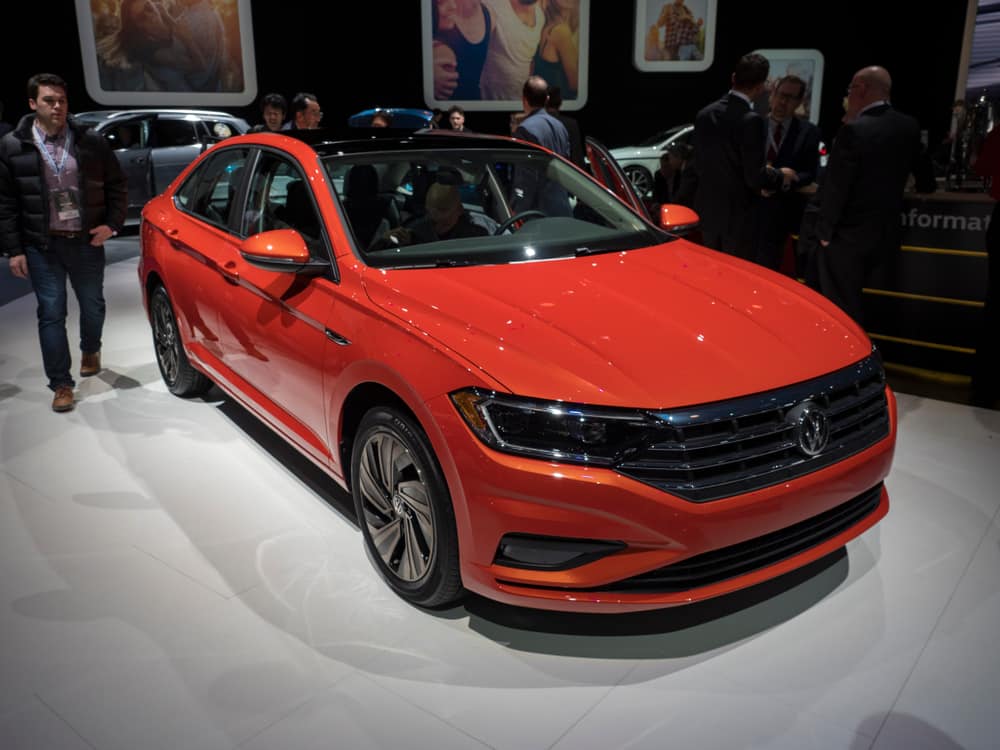
The Volkswagen Jetta continues to offer a distinctly European driving feel in a segment dominated by Asian and American brands. The base model starts at $20,195, and the top SEL trim reaches $28,095. A 1.5-liter turbocharged four-cylinder engine produces 158 horsepower and 184 pound-feet of torque. An eight-speed automatic transmission is standard, and Volkswagen offers a six-speed manual on the S and Sport trims. The Jetta reaches 60 miles per hour in 7.6 seconds, which is quicker than the Cruze, and fuel economy is excellent at 31 mpg city, 41 highway. The combined 35 mpg matches the Cruze’s diesel figure, making the Jetta one of the most fuel-efficient gasoline compacts available.
The Jetta’s interior is simple and functional, with a driver-oriented dashboard and comfortable seating. The available Digital Cockpit replaces traditional gauges with a customizable screen. Apple CarPlay and Android Auto are standard, with wireless connectivity on higher trims. Volkswagen’s IQ.Drive suite adds adaptive cruise control, lane keeping assist, and forward collision warning. Cargo space is 14.1 cubic feet. The Jetta’s ride quality is composed, and the highway range approaches 500 miles on a single tank. It is the car for someone who values efficiency, comfort, and a touch of German refinement.
Subaru Impreza: All-Wheel Drive That Gives You Confidence in Any Weather
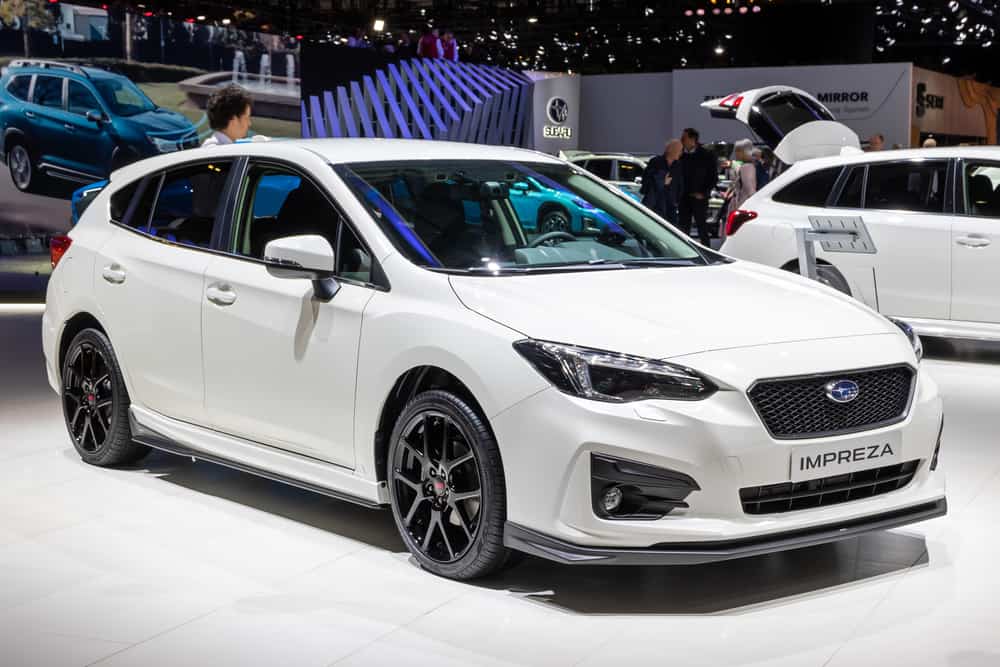
The Subaru Impreza is the only compact sedan in this segment that comes standard with all-wheel drive. For drivers who deal with snow, rain, or gravel roads, that feature alone can make the decision. The Impreza starts at $19,795 for the sedan and stretches to $26,895 for the Limited sedan. A hatchback is also available. A 2.0-liter flat-four engine produces 152 horsepower and 145 pound-feet of torque, paired with either a five-speed manual or a CVT. The CVT model returns 28 mpg city, 36 highway. The Impreza accelerates to 60 miles per hour in about 9 seconds, making it one of the slower options here, but the all-weather capability justifies the modest output for many buyers.
Inside, the Impreza is functional and well-built, with comfortable seats and a straightforward layout. Subaru’s Starlink infotainment system includes Apple CarPlay and Android Auto. The EyeSight driver-assist suite, which includes adaptive cruise control, pre-collision braking, and lane departure warning, is available on CVT-equipped models. Cargo volume is 12.3 cubic feet in the sedan, smaller than the Cruze. The Impreza’s true strength is its ability to keep moving when the weather turns ugly. It is the practical choice for buyers who prioritize safety and all-season confidence above outright acceleration or efficiency.
Mazda 3: A Compact Sedan That Feels Like an Entry-Level Luxury Car
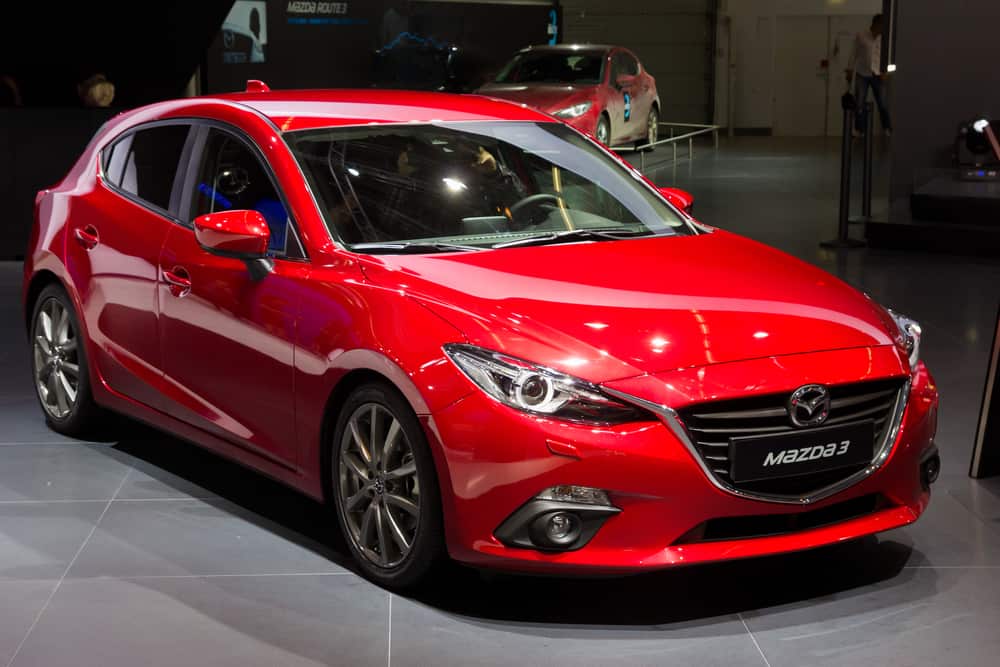
The Mazda 3 sedan has been steadily moving upmarket, and it now offers an interior and driving experience that rival premium brands. Prices start at $22,550 for the base 2.0 S model and reach $34,500 for the top turbocharged Premium Plus. The base engine is a 2.0-liter four-cylinder producing 155 horsepower. Step up to the 2.5-liter naturally aspirated engine for 191 horsepower, or the 2.5-liter turbo for 250 horsepower and a 0-to-60 time of about 5.9 seconds. All-wheel drive is available, a rare offering in a compact sedan. Fuel economy ranges from 28 mpg combined to 35 mpg combined depending on engine and drivetrain.
The Mazda 3’s interior is a class above the Cruze. Material quality, switchgear feel, and overall design sophistication are comparable to entry-level luxury cars. The infotainment system is controlled by a rotary dial on the center console, which takes some acclimation but works well once learned. Apple CarPlay and Android Auto are standard. The front seats are supportive, and the cabin is quiet, with extensive sound deadening. Cargo space is tight at 13.2 cubic feet. The Mazda 3 is for a buyer who wants a refined, engaging driving experience and is willing to trade some cargo versatility for interior quality.
Volvo S60: A Compact Luxury Sedan With Surprising Firepower
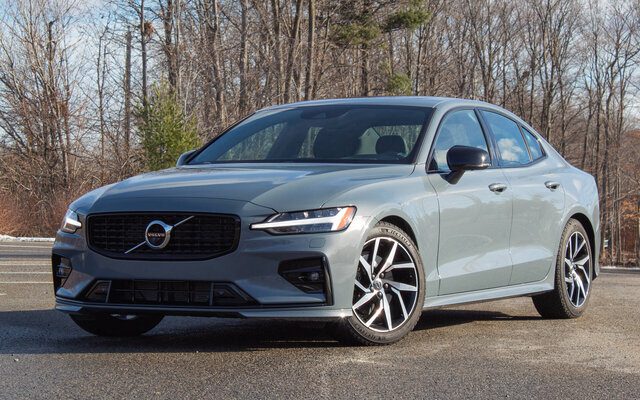
The Volvo S60 represents a significant step up in price and prestige from the Chevrolet Cruze, but it competes in a similar size category as a compact luxury sedan. Prices begin at $41,300 for the base Momentum trim and exceed $65,000 for fully loaded Recharge plug-in hybrid models. The S60 is available with three powertrains. The T5 uses a turbocharged 2.0-liter four-cylinder producing 250 horsepower. The T6 adds a supercharger for 316 horsepower. The range-topping T8 Recharge plug-in hybrid combines a turbocharged and supercharged engine with an electric motor for 455 horsepower and 523 pound-feet of torque. That version rockets to 60 miles per hour in 4.3 seconds. Fuel economy for the plug-in hybrid reaches 74 MPGe when using electricity, with a pure electric range of about 40 miles.
The S60’s cabin is a serene sanctuary with high-quality materials, supremely comfortable seats, and a clean Scandinavian design. Volvo’s Sensus infotainment system uses a 9-inch touchscreen. Standard safety technology is exhaustive, including City Safety collision avoidance, run-off road mitigation, and Pilot Assist semi-autonomous driving. The S60 is for a buyer who loved the Cruze’s size but wants a luxury experience and is willing to pay a premium for it.
Tesla Model 3: The Electric Disrupter That Redefines Acceleration
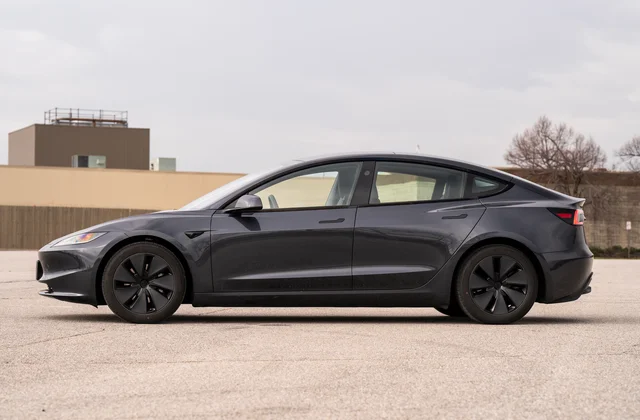
The Tesla Model 3 is a midsize sedan at the smaller end of that category, offering a completely different ownership experience from the gasoline-powered Cruze. The base Model 3 Rear-Wheel Drive starts at $38,990 before incentives, with a range of 272 miles. The Long Range all-wheel-drive model pushes range to 341 miles and starts at $47,740. The Performance model, with a 0-to-60 time of 2.9 seconds, is a rocket ship at $53,740. The minimalist interior features a single 15-inch central touchscreen that controls nearly every vehicle function. Over-the-air software updates improve the car over time.
The Model 3 seats five comfortably, with a combined front and rear trunk capacity of 23 cubic feet. It is the fastest, most technologically advanced vehicle on this list by a wide margin. Operating costs are dramatically lower than any gasoline competitor, especially when charging at home. The Model 3 is for a buyer who is ready to embrace electric driving and wants the performance and technology that come with it. It is far more expensive than a used Cruze, but lower fuel and maintenance costs can narrow the gap over time.
Nissan Versa: The Budget Champion That Keeps Getting Better
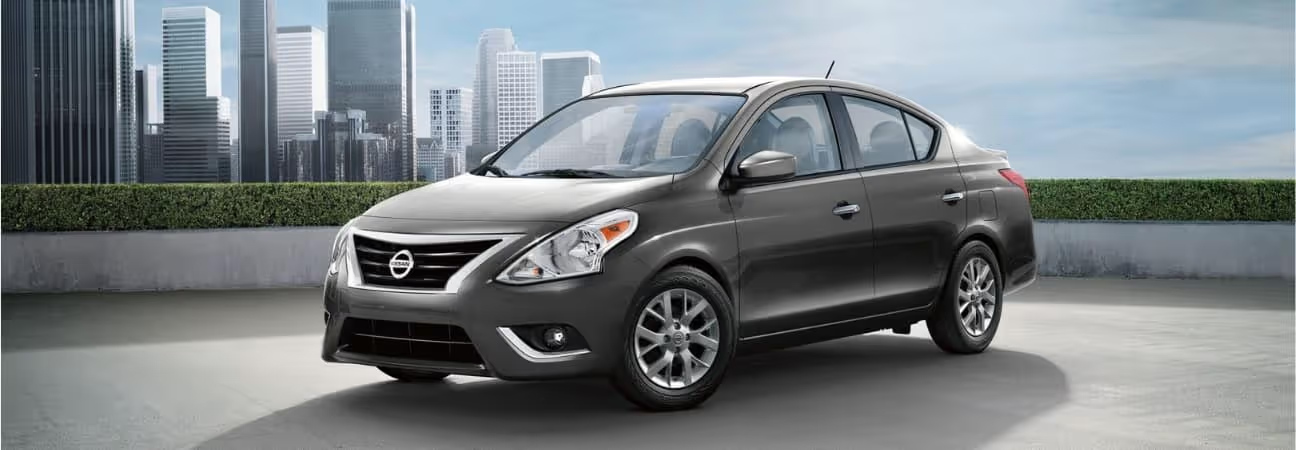
The Nissan Versa is the direct descendant of the subcompact that once defined cheap, basic transportation. The current generation has matured significantly. Prices start at $15,980 for the base S model with a manual transmission, making it one of the least expensive new cars in America. The top SR trim reaches $19,920. A 1.6-liter four-cylinder engine produces 122 horsepower and 114 pound-feet of torque. It reaches 60 miles per hour in about 9.5 seconds. Fuel economy is a strong point: 27 mpg city, 35 highway with the CVT.
The Versa’s interior is simple but well-organized, with supportive front seats and adequate rear legroom. Standard equipment includes a 7-inch touchscreen, Apple CarPlay, Android Auto, and automatic emergency braking with pedestrian detection. Blind-spot warning and rear cross-traffic alert are available on higher trims. Cargo space is 14.7 cubic feet in the sedan, nearly matching the Cruze. The Versa is the answer for a buyer who wants a new car with modern safety technology at the lowest possible price. It cannot match the Cruze’s turbocharged torque, but it is a smarter purchase than many used alternatives.
A Quick Comparison of Key Specifications
| Vehicle | Starting Price (approx.) | Engine | Horsepower | 0-60 mph | Combined MPG | Seats |
|---|---|---|---|---|---|---|
| 2019 Chevrolet Cruze | $17,995 (new) | 1.4L Turbo I4 | 153 hp | 8.4 sec | 32 | 5 |
| Kia Forte | $18,885 | 2.0L I4 / 1.6L Turbo I4 | 147 – 201 hp | 6.7 sec (GT) | 33 (base) / 27-31 (GT) | 5 |
| Honda Civic | $22,550 | 2.0L I4 / 1.5L Turbo I4 | 158 – 180 hp | 7.2 sec (turbo) | 36 (turbo) | 5 |
| Hyundai Elantra | $20,500 | 2.0L I4 / 1.6L Turbo I4 / Hybrid | 147 – 201 hp | 7.3 sec (turbo) | 33-43 (gas), 53 (hybrid) | 5 |
| Toyota Corolla | $21,900 | 1.8L I4 / 2.0L I4 / Hybrid | 139 – 169 hp | 7.1 sec (2.0L) | 33-40 (gas), 53 (hybrid) | 5 |
| Honda Insight | $25,210 | 1.5L Hybrid | 151 hp | 7.7 sec | 52 | 5 |
| Nissan Sentra | $19,950 | 2.0L I4 | 149 hp | 8.3 sec | 33 | 5 |
| Volkswagen Jetta | $20,195 | 1.5L Turbo I4 | 158 hp | 7.6 sec | 35 | 5 |
| Subaru Impreza | $19,795 | 2.0L Flat-4 | 152 hp | 9.0 sec | 31 | 5 |
| Mazda 3 | $22,550 | 2.0L I4 / 2.5L I4 / 2.5L Turbo | 155 – 250 hp | 5.9 sec (turbo) | 28-35 | 5 |
| Volvo S60 | $41,300 | 2.0L Turbo / Hybrid | 250 – 455 hp | 4.3 sec (T8) | 26-74 MPGe | 5 |
| Tesla Model 3 | $38,990 | Electric (RWD/AWD) | N/A | 2.9 sec (Performance) | Electric | 5 |
| Nissan Versa | $15,980 | 1.6L I4 | 122 hp | 9.5 sec | 32 | 5 |
Finding the Right Fit for Your Daily Drive
The compact sedan segment has evolved rapidly since the Cruze left the North American market. Where the Cruze once stood as a budget-friendly, fuel-efficient workhorse, a new generation of competitors has stepped in with sharper styling, more technology, and fuel economy numbers that keep creeping higher. The Kia Forte reclaims the value crown with a compelling mix of standard features and a sporty GT variant. The Honda Civic remains the benchmark for refinement and driving dynamics. The Hyundai Elantra pushes boundaries with bold design and an exceptional hybrid option. And for those who can stretch the budget, the Tesla Model 3 redefines what a small sedan can be.
But do not let the newer models convince you that the Cruze was anything less than a solid car. A low-mileage used Cruze, especially one with the diesel engine, still represents a strong value for a buyer who wants to minimize upfront cost while getting a spacious, comfortable car with modern safety gear. The used market is full of well-maintained examples, and the depreciation that hit early owners now works in the next buyer’s favor. So if you are set on a Cruze, there is nothing wrong with that. Just make sure to have a pre-purchase inspection done by a mechanic who knows these cars. Pay attention to the PCV system, coolant leaks, and the transmission’s shift quality. A little due diligence now can save a lot of heartache later.
But for those who are ready to move on, or who simply want to see what else the market has to offer, this list is a starting point. The best compact sedan for you is the one that feels right the moment you settle into the driver’s seat. Do not let a spec sheet make the decision. Go drive the cars. Pay attention to how the seat cushion supports your lower back after thirty minutes. Listen to the engine at highway speed. See how easily the trunk swallows your gym bag and your weekend grocery haul. That is how you find the right replacement for a Cruze, or the right first car, or the right next chapter. The market is full of good answers. Your job is to find the one that fits your life and makes you look forward to the morning commute.