
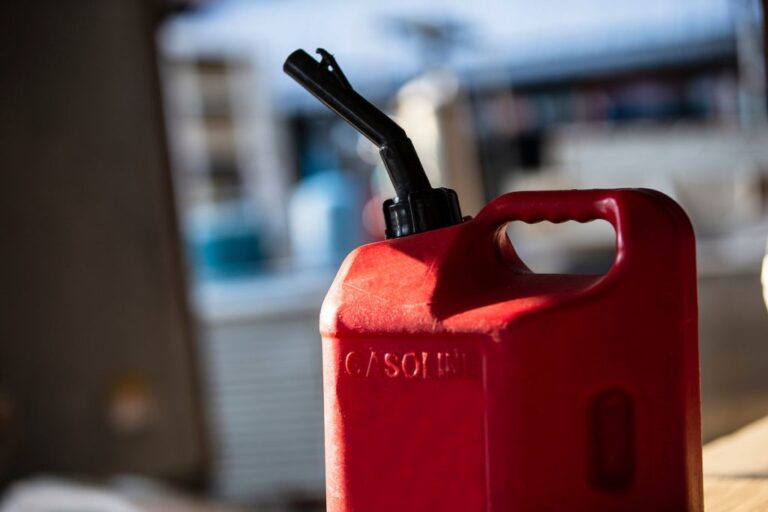
Hollywood loves to show cars starting up after years of neglect, as if gasoline never truly “ages.” In real life, that is not how fuel behaves. Gasoline does have a limited shelf life, and when it sits too long, it can start acting like a problem you did not plan for.
So yes, the simple question is real: does gasoline have an expiration date? It does. And the frustrating part is that fuel can still look “normal” while it is already degrading inside your tank or jerry can.
Once you understand why gasoline goes bad, you can make better storage choices, spot the warning signs earlier, and avoid the “why will it not start?” moment when you need your car, generator, lawnmower, or equipment to work right away.
Does gasoline have an expiration date?
Gasoline has a limited shelf life, and it can expire surprisingly fast depending on where it sits and how it is stored. When it is left dormant in a vehicle tank, it can expire in as little as four weeks. When it is stored in approved containers like jerry cans under proper conditions, it lasts longer, usually about three to six months.
Classic car owners, motorcycle riders, and people who keep lawn equipment for seasons have long used fuel stabilizers to slow the aging process. With stabilizers and good storage conditions, gasoline shelf life can extend to roughly one to three years, depending on how everything is handled.
The real shelf life numbers (quick chart)
| Where the gasoline is stored | Typical shelf life | What usually shortens it |
|---|---|---|
| In a vehicle tank | As little as four weeks | Stagnation, temperature swings, time |
| In jerry cans (proper conditions) | Three to six months | Humidity, heat, air exposure (headspace) |
| With fuel stabilizer (optimal storage) | One to three years | Poor sealing, very high heat, contamination |
If you only remember one thing from this chart, make it this: gasoline does not “store forever.” The longer it sits, the more likely it is to develop problems that show up as hard starting, bad running, or clogged fuel system parts.
Why gasoline “expires”: it is not just fuel
Gasoline is often treated like a simple liquid that only powers an engine. But it is more than that. Gasoline is a complex mixture of around 150 hydrocarbons. Those components work together to help engines start, run smoothly, and produce power.
It also plays additional roles inside the fuel system. Gasoline can act as a lubricant and it provides anti-rust and anti-icing properties that support smooth engine operation. When gasoline degrades, you are not only losing “energy.” You may also be losing some of those helpful protections.
There is another modern complication many people forget. The gasoline you buy today at many stations typically contains ethanol. Ethanol changes the storage story because it interacts with water in ways that can create new issues during long-term storage.
How gasoline goes bad: oxidation, evaporation, and ethanol water issues
Gasoline degradation happens through several processes. Three of the most important ones are oxidation, evaporation, and the special storage challenge that comes with ethanol. Understanding these makes the symptoms make sense instead of feeling random.
1) Oxidation: the gum problem that clogs your system
Oxidation is one of the main ways gasoline degrades when it sits for too long. As gasoline oxidizes, it can form gum-like films. Those deposits can clog the fuel system and affect engine performance.
Oxidation accelerates when fuel is left stagnant for extended periods. You can think of it like this: the longer gasoline sits without fresh components being added, the more time it has to change chemically and create those thicker residues.
There is also a human clue in the original explanation. William Northrop, a professor of mechanical engineering at the University of Minnesota, explains that the presence of these polymers can compromise engine performance and can cause the foul odor people associate with old gasoline.
So if your fuel smells “off,” that smell is not imaginary. It can be connected to chemical changes that can leave behind deposits where you do not want deposits.
2) Evaporation: the “light ends” that help starting
Evaporation is another major part of gasoline expiration. Gasoline contains lighter hydrocarbons often called “light ends.” These help engines start and contribute to how fuel vaporizes inside the system.
Over time, those light ends can readily volatilize and evaporate. The result is that older gasoline may struggle to create the right vapor mixture for starting, and it may even lead to a no-start condition.
This is why many drivers report that their car starts fine when they top up with fresh fuel, but older fuel alone causes slow starts, rough idling, or refusal to start. The fuel is not necessarily “empty,” but it can be chemically off for the job it needs to do.
3) Ethanol: it attracts water, which invites rust and poor combustion
Modern gasoline containing ethanol introduces a storage challenge that many people do not plan for. Ethanol has a tendency to attract water. When gasoline sits in a humid environment, it can absorb water.
That water absorption can lead to issues such as rusty fuel lines and inhibited combustion. In everyday terms, your engine does not burn the fuel mixture as expected, and the fuel system can start developing corrosion-related problems that are not cheap to fix.
Here is a simple picture. Imagine gasoline as a clean, consistent blend. Over time, oxidation and evaporation change the blend. Ethanol helps gasoline pull in moisture from humid air. Then you have both chemistry changes and contamination happening at the same time. That is when storage problems become noticeable.
Signs your gasoline has expired (what you can actually observe)
One good thing is that expired gasoline often gives visible indicators. You do not always need lab testing. You can sometimes spot the problem with smell, color, and deposits.
According to the original guidance, the telltale signs include foul odor, color changes, and gum-like buildup in containers.
What expired gasoline looks and smells like
- Foul odor: Old gasoline can smell noticeably unpleasant.
- Color change: Green or yellow gasoline can shift to a muddy orange tone.
- Gum build-up: You may see visible gum-like deposits in jerry cans or storage containers.
In addition to visible indicators, expired gasoline also shows up as performance symptoms: hard starting, rough running, or stalling. If you have ever put older stored fuel into an engine and it acts like it is not “firing right,” those symptoms often connect back to oxidation deposits, missing light ends, or ethanol-water contamination.
Real-world example: a person stores fuel in a container during rainy season. When they try to start a generator weeks or months later, the engine might crank but not stabilize. If they check the container, they notice cloudy fuel, an odd smell, and thick residue on the inside walls. That is the fuel aging story showing up in both senses and symptoms.
How to store gasoline so it lasts longer (the practical checklist)
If you store gasoline incorrectly, oxidation, evaporation, and ethanol-related water absorption can speed up. The good news is that proper storage choices can reduce those problems a lot.
The original guidance includes several concrete storage recommendations. One of the most important ones is keeping the container mostly full and controlling conditions like temperature and humidity.
Storage tips that protect fuel quality
- Keep the container mostly full: This reduces headspace, which helps curb evaporation.
- Use controlled conditions: Keep fuel at a constant room temperature and avoid high humidity.
- Use fuel stabilizers: Stabilizers help combat oxidation and prolong shelf life.
There is also a “less obvious” benefit to the mostly-full rule. Less headspace means less air mixing with the fuel. That matters because the chemical changes associated with oxidation and deposit formation are influenced by how fuel is exposed over time.
If you have ever stored fuel in a nearly empty can and watched it turn darker or smell worse after time, you already understand the headspace concept. In simple terms, empty space accelerates fuel changes. Full containers slow those changes down.
Where fuel stabilizers fit into the process
Fuel stabilizers do not make gasoline immortal. But they do the specific job your storage needs most. The original guidance states that stabilizers can effectively combat the oxidation process, which is one of the main reasons gasoline forms gum-like films and deposits.
If you are storing fuel for a mower, generator, or classic vehicle that does not run often, stabilizers can be the difference between “it starts normally” and “why does it run like garbage.”
Vehicle tank vs jerry can: why the timing changes
A lot of people ask, “If it can last months in a container, why does it expire in weeks inside my tank?” The answer is that fuel behavior depends on both environment and time.
The original guidance gives the shelf life reality: fuel can expire in as little as four weeks when dormant in a vehicle tank. The same gasoline stored in jerry cans can last three to six months when stored properly. That difference comes down to the way fuel sits and the conditions it is exposed to.
Inside a vehicle tank, fuel is vulnerable to evaporation and chemical changes as it sits. If the vehicle is not used, the blend stays stagnant long enough for oxidation and deposit formation to happen. Plus, the fuel system components can experience corrosion risk if ethanol absorbs moisture over time.
When fuel is stored in a sealed container, you can control the temperature and humidity better. You can also reduce headspace by keeping the container mostly full, which helps limit evaporation.
What happens if you use expired gasoline?
Expired gasoline can cause problems you might recognize quickly, or problems that show up later after the engine has been running.
Here are the most common categories of issues, based on the degradation processes described earlier:
| Fuel problem | What causes it | What you may notice |
|---|---|---|
| Gum-like deposits | Oxidation | Clogged fuel system, rough running, reduced performance |
| Hard starting or no-start | Evaporation of light ends | Cranks but will not catch, stalls, poor idling |
| Corrosion risk | Ethanol attracts water | Rusty fuel lines, poor combustion, recurring fuel issues |
Real talk: sometimes old fuel “runs” for a while, but it can still harm long-term. Deposits can clog filters or create internal fuel system issues that then reduce performance later. That is why it is smart to prevent expiration in the first place rather than waiting for the symptoms to appear.
Gasoline storage best practices for real owners
Let us make this practical. What should you do if you own a vehicle plus some gasoline-powered equipment? Your approach should be simple and consistent.
Most problems come from three habits: storing for too long, storing in conditions that increase humidity and temperature swings, and keeping containers with too much air space. If you fix those habits, you fix a large portion of gasoline expiration risk.
A simple owner plan
- Track fuel timing: If you store fuel, label the date you put it away.
- Keep containers mostly full: This reduces headspace and slows evaporation.
- Store in stable conditions: Use a controlled, low-humidity space at mostly steady room temperature.
- Use stabilizers when appropriate: Especially for equipment that does not run often.
- Rotate fuel: Use older fuel before it ages too far.
Now, different owners have different needs. A seasonal car is one scenario. A generator used only during storms is another. A lawnmower that runs every few weeks is a different story again.
Special cases: cars, lawn equipment, generators, and seasonal vehicles
Classic cars and vehicles that sit for weeks
If your vehicle sits for long periods, fuel aging risk is real. The original guidance already tells you that gasoline can expire in as little as four weeks when dormant in a vehicle tank. That is the kind of timing that catches classic owners by surprise because they assume “the tank is full, so it is fine.”
So what should you do? The safest mindset is to treat “stored fuel” as something you manage, not something you ignore. Use fuel stabilizers when storing, and aim for controlled storage conditions for any extra fuel in containers.
Another practical habit: if you are about to take a car out after a long storage period, consider checking the fuel condition. If you see indicators like foul odor, muddy orange color, or gum build-up in any containers you used to store fuel, do not gamble.
Lawnmowers and generators
These tools often sit unused between seasons, and that is exactly when fuel expiration becomes a problem. Gasoline-powered equipment can be especially sensitive because they may use smaller systems with narrower paths where deposits can cause noticeable problems.
If you store fuel for equipment, the original guidance still applies. Use proper storage, keep fuel mostly full to reduce headspace, keep it at steady room temperature and low humidity, and use stabilizers to slow oxidation.
Here is a scenario you may relate to. Storm season arrives, you reach for a generator, and it refuses to run as expected. You suspect mechanical issues, but sometimes the root cause is simply fuel that oxidized, evaporated its light ends, or absorbed moisture due to ethanol. A stable fuel plan prevents that guessing game.
How often should you run equipment?
Fuel expires faster when it sits. So the more you use equipment, the less time fuel has to become a problem. In other words, consistent operation reduces stagnation.
That said, running equipment “just to use the fuel” is not always realistic for everyone. If you cannot run it often, then stabilizer and storage practices become your best tools.
Fuel stabilizers: what you can reasonably expect
Fuel stabilizers can extend shelf life to one to three years when storage conditions are optimal. That is a big improvement over plain storage. But it is not a license to keep fuel forever with no attention.
Think of stabilizers as a protection layer for oxidation. They help slow the gum and deposit formation that can clog systems. However, evaporation and ethanol-related water absorption still matter, especially if containers are not sealed well or if humidity is high.
In other words, stabilizers and good storage work together. If you use stabilizers but store fuel poorly in a leaky container with a lot of headspace, you still set yourself up for trouble. The biggest wins come from pairing the stabilizer with the storage habits like keeping containers mostly full and storing at controlled conditions.
Container choices and storage environment
You can do everything “right” and still run into fuel problems if your container setup is wrong. The original guidance specifically talks about jerry cans and proper conditions. That means the physical container matters, and so does how it sits in your environment.
Headspace: the air space that speeds evaporation
Northrop’s advice in the guidance emphasizes keeping gasoline mostly full to minimize headspace. Less headspace means fewer opportunities for the lighter components to evaporate. Over time, that helps keep the fuel closer to its intended blend.
So if you have a container that you refill only partially, understand that you are essentially giving evaporation a “head start.” Keep your fuel containers closer to full when storing, as recommended.
Temperature and humidity control
The guidance also stresses maintaining a controlled environment with constant room temperature and low humidity. That is especially important because ethanol can attract water. When humidity is high and fuel absorbs moisture, it can lead to rusty fuel lines and inhibited combustion.
If you store fuel in places that swing between hot days and cool nights, you increase the chance of condensation inside or around container spaces. That can raise the risk of ethanol-related water contamination.
Avoid heat and direct sunlight when possible
The original guidance does not list “sunlight” as a specific factor, but heat generally increases evaporation and speeds chemical changes. The practical owner takeaway is simple: store gasoline away from hot, sunny areas and keep storage conditions stable.
What you should do if you suspect old or expired gasoline
Here is the part most people avoid. They would rather pretend the fuel is fine than admit it might be bad. But if you see warning signs like foul odor, muddy orange color, or gum deposits, you need to treat it seriously.
If you already used some of it, do not panic. Your immediate goal is to protect the fuel system and avoid further damage. Old gasoline can be chemically off, and it can leave residues that clog filters and affect engine operation.
Practical steps you can take
- Do not keep “testing” it: If the engine struggles, stop and reassess rather than running on the same fuel.
- Visually check the container: Look for gum build-up and color changes.
- Smell test carefully: Foul odor is a warning sign mentioned in the guidance.
- Use fresh fuel next: Fresh fuel helps confirm whether the issue was fuel quality.
- Clean up storage practices: Fix headspace, sealing, and storage environment for what remains.
If you have a significant amount of old fuel, disposal may be handled through local hazardous waste or fuel recycling systems. The best move is to avoid pouring old gasoline into drains or dumping it irresponsibly.
If the question on your mind is, “Can I use it anyway?” the safer answer is: use caution. The guidance clearly states gasoline can expire in four weeks inside a tank and can degrade into gum-like deposits or lose its light ends, which makes starting and running difficult.
Why expired fuel is so annoying: it can leave deposits
Gasoline expiration is not only about how it starts today. It can affect your fuel system over time because oxidation creates gum-like films that can clog fuel pathways and engine components.
Deposits can build up after stale fuel is used. Even if the engine runs, those deposits can restrict flow and cause performance loss later. That is why the “foul odor and gum build-up” signs matter. They often signal that the fuel has already changed chemically and is likely to leave residues.
Frequently asked questions about gasoline expiration
How fast can gasoline expire?
According to the guidance, gasoline can expire in as little as four weeks when it sits dormant in a vehicle tank. In jerry cans, its lifespan extends to about three to six months under proper storage conditions.
How long does gasoline last with a stabilizer?
With fuel stabilizers and optimal storage conditions, the guidance notes that shelf life can extend to about one to three years. The exact duration still depends on how well the fuel is sealed, stored, and kept in controlled conditions.
What causes gasoline to go bad?
The guidance highlights three big causes: oxidation (gum-like films), evaporation (loss of light ends that help starting), and ethanol-related water absorption (which can lead to rusty fuel lines and inhibited combustion).
How can I tell if gasoline has expired?
Look for visible and sensory signs: foul odor, a color shift from green or yellow to muddy orange, and gum build-up in containers. If the engine struggles to start, stalls, or runs rough, that can also point to expired fuel issues.
What should I do if I think my gasoline is expired?
Stop relying on the stale fuel. Use fresh fuel to confirm whether the problem is fuel quality. Then adjust storage practices for what remains by reducing headspace, storing at stable room temperature with low humidity, and using fuel stabilizers when long-term storage is unavoidable.
Can I still use expired gasoline?
It can be risky. The guidance explains that oxidation can form gum-like deposits that clog fuel systems, evaporation can strip out light ends needed for starting, and ethanol can attract water leading to corrosion and poor combustion. If you have strong warning signs, fresh fuel is the safer choice.
Your next step: treat fuel like a maintenance task, not a background detail
Here is the actionable move: if you store gasoline, label the date, keep containers mostly full, and store them at steady room temperature with low humidity. If the fuel has been sitting longer than the guidance suggests, replace it with fresh fuel before you need it for a car start, a generator backup, or a weekend project.
Let me ask you something practical: how long has your oldest stored gasoline been sitting, and do you know what it smells and looks like right now?