
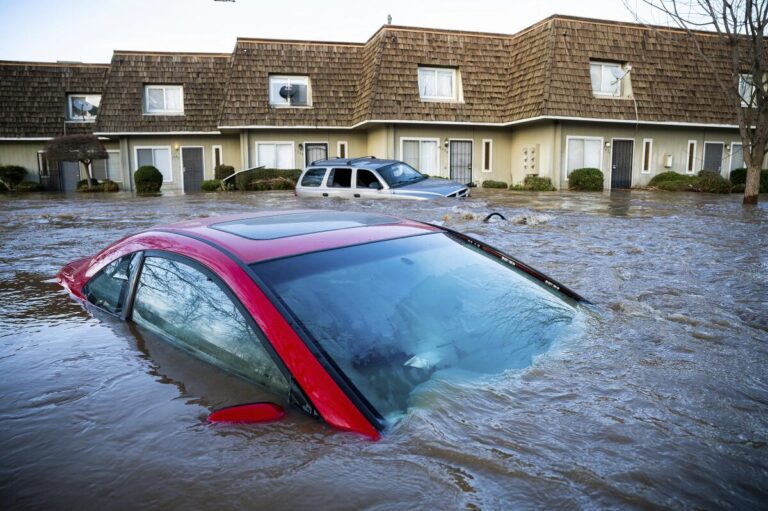
A flooded car is one of the worst situations a vehicle owner can face. It is not just about water getting into places it should not be. It is about what that water leaves behind. Dirt, sand, corrosion, electrical failures, and long-term damage that does not always show up right away.
I have seen cars come into the shop after a flood that looked perfectly fine from the outside. Clean paint. No visible dents. But once you start digging into the mechanical and electrical systems, the real story shows itself. And it is rarely a cheap one.
So the real question is not just what damage a flooded car can have. It is what you should do next, what you should never do, and whether the car is even worth saving in the first place.
What Actually Happens When a Car Gets Flooded?
Water does not need to fully submerge a car to cause damage. Even partial flooding can create serious problems. Once water rises above the lower half of the wheels or reaches the exhaust, the risk increases quickly.
Here is the part most people underestimate. It is not just the water itself. It is everything in that water. Mud, debris, chemicals, and contaminants all get pushed into parts of the car that were never designed to deal with it.
And once water gets into sealed systems like the engine or transmission, you are no longer dealing with a simple cleanup. You are dealing with internal damage.
First Mistake Most Drivers Make After a Flood
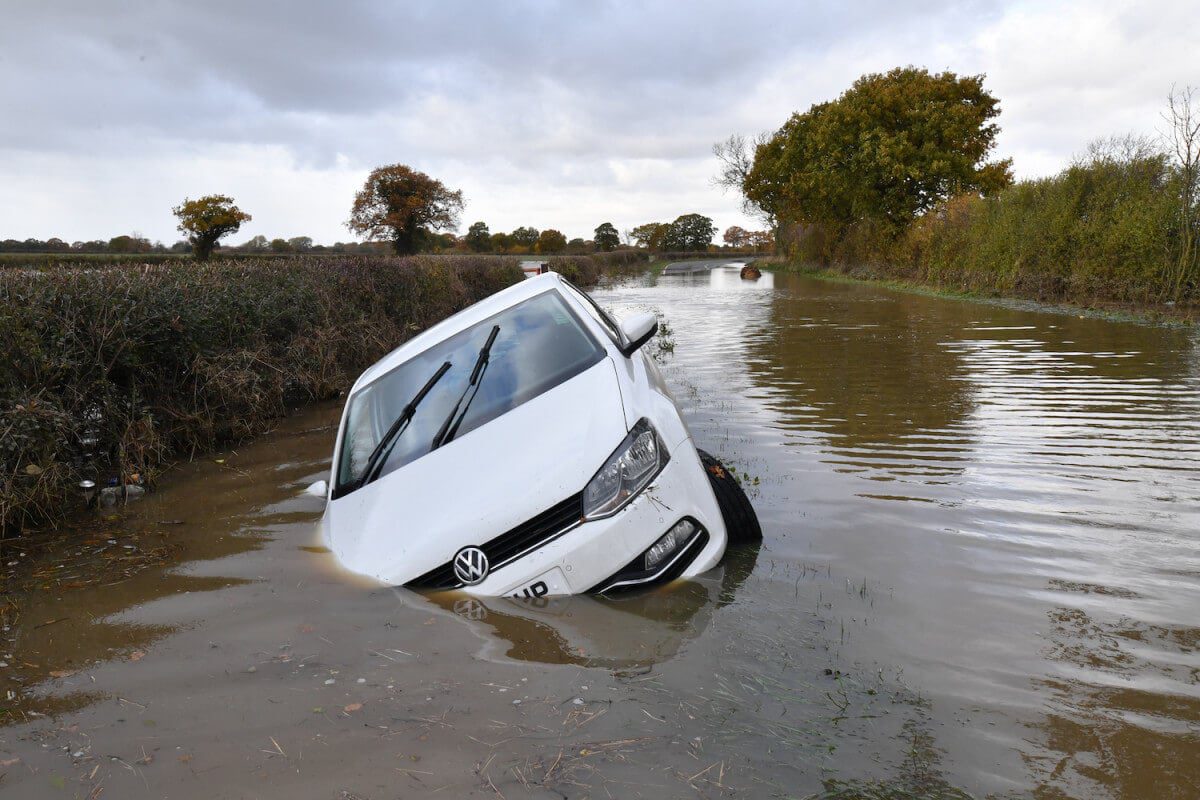
After a flood, most drivers do the same thing. They try to start the car.
That is exactly what you should not do.
If water has entered the engine, trying to start it can cause what mechanics call hydrolock. Water does not compress like air. When the piston moves up and tries to compress water, something has to give. That something is usually a bent connecting rod, damaged piston, or even a cracked engine block.
At that point, what could have been a repair job turns into a full engine replacement.
Rule number one: if your car has been in flood water, do not try to start it.
How to Tell If Water Reached the Engine
You do not need to be a professional mechanic to get a basic idea of whether the engine has been affected.
- Check the dipstick. If you see milky oil or water droplets, water has mixed with the oil.
- Inspect the air filter. If it is wet, water likely entered through the intake.
- Look at the oil level. If it is unusually high, water may be sitting in the oil pan.
In more severe cases, lifting the car and draining the oil will tell you everything. If water comes out before oil, the engine has taken in water.
At that point, the car should not be started. It needs to be towed and properly inspected.
Interior Flooding: Where Problems Start to Multiply
Interior damage is easy to spot and often underestimated.
Look for a waterline. Mud, dirt, or debris usually leaves a visible mark along the doors or seats. If the water did not rise above the door sills, you might be lucky. But once it reaches the cabin, things change quickly.
If water reaches the dashboard, many insurance companies consider the car a total loss. That is because modern dashboards house critical electronics, wiring harnesses, and control modules.
And here is something many people learn the hard way. Mold starts forming fast. Within 24 to 48 hours, the interior can begin to smell, and once that smell sets in, it is extremely difficult to remove completely.
Insurance Reality: What Most People Do Not Check
Flood damage is not always covered by standard insurance.
Most policies cover accidents, theft, and fire. Flooding often falls under comprehensive coverage or requires additional protection. Some drivers only find out they are not covered after the damage is already done.
This is why it is worth reviewing your policy before you ever need it. Once water damage happens, it is too late to adjust coverage.
Step-by-Step: What You Should Do Immediately After Flooding
If your car has been flooded, follow this process. Skipping steps can make things worse.
- Do not start the engine.
- Disconnect the battery. This prevents electrical shorts.
- Call a tow truck. Do not attempt to drive the vehicle.
- Document the damage. Take photos for insurance purposes.
- Begin drying the interior. Open doors and windows as soon as possible.
Once the car is in a safe place or at a workshop, the real inspection begins.
Inspecting the Body: Hidden Rust Starts Here
At first glance, the body might look fine. But floodwater leaves behind sand, silt, and moisture in areas you cannot easily see.
Pay close attention to:
- Wheel wells
- Door sills
- Trunk compartments
- Frame rails and underbody cavities
Even if the paint looks clean, trapped moisture can start corrosion from the inside out. I have seen cars that looked fine after a flood, only to develop rust issues months later.
Pressure washing the entire underside and body is not optional. It is necessary to remove debris that can trap moisture.
Engine Damage: The Most Expensive Problem
Water entering the engine is where repair costs start climbing fast.
Water usually enters through the air intake, but it can also get in through the oil system or other openings. Once inside, it mixes with oil and spreads throughout the engine.
Here is what needs to be done before the engine is even considered safe to run:
- Remove and dry pistons and internal components
- Drain and clean the oil pan
- Replace engine oil and oil filter
- Clean or replace the air filter
- Inspect throttle body
- Check spark plugs and ignition system
This is not a quick job. It requires time, tools, and in many cases, professional help.
If this step is skipped or rushed, the engine may run temporarily, but internal damage will show up later.
Transmission, Axles, and Differential: The Silent Damage
Water finds its way into places you would not expect. The transmission is one of them.
Even sealed systems are not completely immune. Water can enter through vents or seals, especially during prolonged submersion.
The fix is straightforward but necessary:
- Drain and replace transmission fluid
- Inspect for contamination
- Replace differential and axle fluids
Skipping this step can lead to gear wear, slipping, or complete transmission failure later on.
Fuel System: Why Water and Fuel Do Not Mix
Water in the fuel system creates serious problems. Fuel injectors, pumps, and lines are not designed to handle it.
What needs to be done:
- Drain the fuel tank completely
- Inspect and clean the fuel pump
- Replace fuel filters
- Clean fuel lines and injectors
Even a small amount of water in fuel can cause poor combustion, misfires, and long-term engine damage.
Electrical System: Where Flood Damage Gets Tricky
This is where modern cars suffer the most.
Older vehicles with minimal electronics can sometimes recover from flooding with basic repairs. Newer cars are packed with control modules, sensors, and wiring systems.
Water and electronics do not mix well. Even if everything dries out, corrosion can begin inside connectors and wiring.
Common electrical issues after flooding:
- Faulty sensors
- Malfunctioning ECU
- Power window or seat failure
- Lighting and dashboard issues
- Central locking problems
Some components may work initially and fail weeks later. That delayed failure is what makes flood damage difficult to fully repair.
In many cases, major components like the ECU or fuse box need replacement.
Battery and Electronics: Replace or Risk It?
The battery may survive if it is sealed, but it is not always reliable after flooding.
Water exposure can drain it or damage internal components. In most cases, replacing the battery is the safer option.
Accessories like alarms, cameras, and infotainment systems are even more vulnerable. Many of them fail completely after water exposure.
Interior Damage: The Smell That Never Leaves
The interior is where flood damage becomes personal. You see it, smell it, and deal with it every time you drive.
Seats, carpets, and insulation soak up water like a sponge. Even after drying, moisture can remain trapped underneath.
Common interior issues:
- Mold and mildew growth
- Persistent musty odor
- Damaged upholstery
- Warped panels
In many cases, carpets and insulation must be completely removed and replaced. Simply drying them is not enough.
Professional drying rooms used by repair shops can help, but even then, results are not always perfect.
Brakes and Cooling System: The Exceptions
Not everything suffers equally in a flood.
The braking system and cooling system are generally well-sealed. In most cases, they are less affected compared to other components.
That said, inspection is still necessary. Dirt and debris can affect brake performance, and contaminated coolant can cause issues later.
Is It Worth Fixing a Flooded Car?
This is the question every owner eventually asks.
The answer depends on several factors:
- How deep the water was
- How long the car was submerged
- The value of the vehicle
- The cost of repairs
If water reached the dashboard or engine, repairs can quickly exceed the value of the car. In those cases, selling the vehicle for parts may be the more practical decision.
I have seen owners spend thousands trying to restore a flooded car, only to face recurring electrical problems months later. That is the risk you are dealing with.
Buying a Used Car? Watch for Flood Damage
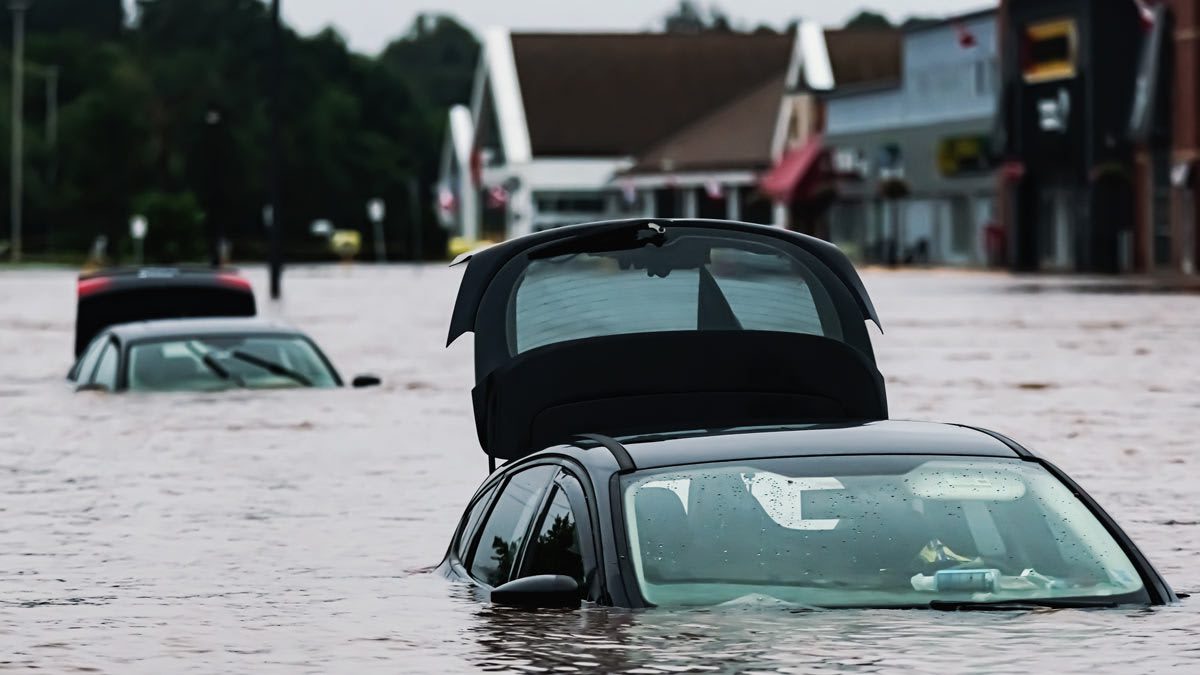
Flood-damaged cars often find their way back onto the market.
Some are cleaned up, detailed, and sold without full disclosure. If you are buying a used car, take extra time to inspect it.
Warning signs include:
- Musty smell inside the cabin
- Water stains under carpets
- Rust in unusual places
- Electrical issues that seem random
If something feels off, it probably is. Walk away or get a professional inspection before committing.
A flooded car can look fine on the surface, but the real damage is often hidden deep inside the systems you cannot see. If your car has been through a flood, slow down, follow the right steps, and make decisions based on facts, not hope. Ask yourself one honest question before spending money on repairs: is this car going to be reliable six months from now, or are you buying yourself another problem?