
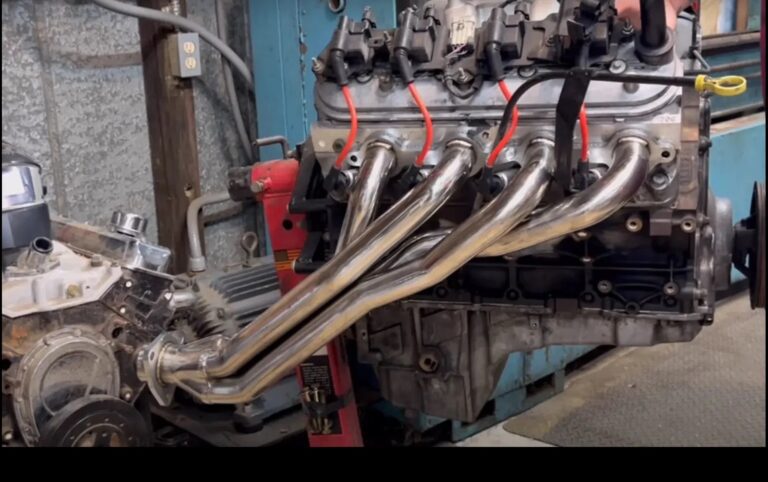
If you have been thinking about improving your car’s performance, there is a good chance a mechanic has brought up long tube headers. They come up a lot in performance conversations for a reason. People want more power, better throttle response, and a stronger exhaust note without tearing the entire engine apart.
But here is the real question: how much horsepower do long tube headers add, and are they actually worth the money and effort? The short answer is that they can add noticeable power, but the exact gain depends on the engine, the rest of the setup, and how the vehicle is driven. In many cases, long tube headers add around 10 to 20 horsepower, and sometimes more when the engine and exhaust system are matched properly.
That said, there is more to the story than just a number. Headers affect airflow, torque, sound, fuel use, and even where in the RPM range your engine feels strongest. If you are trying to decide whether long tube headers make sense for your vehicle, it helps to understand what they do and why they matter.
What Long Tube Headers Actually Do
Headers are part of the exhaust system, and their job is simple: help the engine get rid of exhaust gases as efficiently as possible. An engine is basically an air pump. The easier it can move air in and exhaust gas out, the better it can breathe. Better breathing usually means better performance.
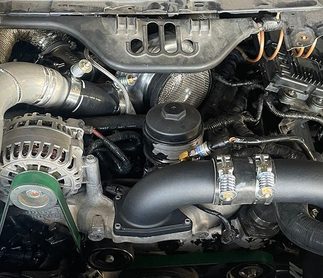
Factory exhaust manifolds are built to be compact, inexpensive, and easy to package in the engine bay. They are fine for everyday use, but they are not designed to maximize power. Long tube headers replace those restrictive manifolds with longer, smoother, individual exhaust runners that help exhaust pulses exit the cylinders more efficiently.
The result is lower backpressure and better scavenging. In plain English, your engine does not have to work as hard to push exhaust out. That frees up power, and that is where the horsepower gain comes from.
How Long Tube Headers Work in the Real World
When an exhaust valve opens, hot gases rush out of the cylinder. If the exhaust path is cramped or poorly shaped, those gases can bounce around and create resistance. That resistance is what people mean when they talk about backpressure. Too much of it makes the engine less efficient.
Long tube headers use longer primary tubes, and those tubes merge farther downstream than short tube headers. Because the exhaust pulses have more room to travel and separate, the next pulse can help pull the previous one out of the cylinder. That is the scavenging effect people talk about so often.

Think of it like this. If you are trying to empty a crowded hallway, it is easier when people move in an organized flow rather than all trying to squeeze through one small door at the same time. Long tube headers help the exhaust move in a more organized way. That cleaner flow is what helps the engine make more power.
How Much Horsepower Do Long Tube Headers Add?
In most cases, long tube headers add between 10 and 20 horsepower. On some engines, especially when paired with a proper tune and supporting bolt-on parts, the gain can be even better. On a mild daily driver, the increase may feel modest on paper, but it can still make the car feel sharper and more responsive.
The important thing to understand is that horsepower gains are not the same on every car. A V8 muscle car, a small turbocharged four-cylinder, and a truck engine will not respond the same way. Engine size, camshaft profile, exhaust diameter, catalytic converter design, and tuning all play a role.
Here is a simple breakdown of what you can typically expect:
| Vehicle Type | Typical Gain | What You May Feel |
|---|---|---|
| Stock V6 or V8 street car | 10 to 20 horsepower | Stronger pull at higher RPM and improved throttle response |
| Modified engine with intake and tune | 15 to 25+ horsepower | More noticeable seat-of-the-pants gain |
| Truck or towing-focused setup | More modest peak gain | Better midrange response, depending on setup |
| Performance engine with supporting mods | Can be higher than 20 horsepower | Better top-end power and improved engine breathing |
So if you are asking whether long tube headers add real horsepower, the answer is yes. They do. The bigger question is whether that gain is noticeable enough for your goals. For many drivers, it absolutely is.
Why Long Tube Headers Add More Power Than Stock Manifolds
Stock exhaust manifolds are usually designed with cost and space in mind, not maximum flow. They often use short, cramped passages that force exhaust gases to collide or slow down before leaving the engine. That restriction hurts performance.
Long tube headers improve the path from the cylinder head to the rest of the exhaust system. The longer tubes help create better pulse timing, and that can improve cylinder evacuation. When a cylinder clears out more efficiently, it can fill better on the next intake stroke. Better cylinder fill usually means more power.
That is why long tube headers are such a common upgrade for drivers who want more than just a loud exhaust note. They actually change how the engine breathes, and that matters.
Long Tube Headers vs Short Tube Headers
This is where a lot of people get stuck. Both types of headers improve airflow compared with stock manifolds, but they are not the same. The difference comes down to tube length, where the pipes merge, and where the power shows up in the RPM range.

Short tube headers have shorter primary tubes and a quicker merge point. They can improve flow, but usually not as dramatically as long tube headers. Long tube headers have longer runners, which helps scavenging and often creates a stronger horsepower increase.
But here is the thing. More horsepower at the top does not always mean better performance everywhere. A truck that spends its life towing, hauling, or cruising at low RPM may feel better with short tube headers. A performance car that sees higher RPM will usually benefit more from long tube headers.
| Header Type | Best Strength | Typical Use |
|---|---|---|
| Short tube headers | Better low and mid RPM response | Daily driving, towing, mild street use |
| Long tube headers | Stronger mid and high RPM power | Performance driving, high-rev engines, track use |
What Headers Add the Most Horsepower?
If the goal is pure horsepower, long tube headers usually win. They are generally the better choice when you want the biggest increase in power, especially when paired with a good tune and supporting modifications. Their longer design gives exhaust pulses more time and space to help each other move out of the engine.
Still, the best header for your car depends on how you use it. A drag car that lives in the upper RPM range has very different needs than a commuter that spends most of its time in traffic. The right answer is not always the biggest peak number. It is the setup that matches your driving style.
If your main goal is a stronger top-end pull, long tube headers are usually the better bet. If you care more about everyday drivability and low-end torque, short tube headers may be the more balanced option.

Do Long Tube Headers Make the Car Louder?
Yes, they usually do. Not wildly louder in every case, but definitely louder and more aggressive. The sound change is one of the first things many drivers notice after installing them. The exhaust note often becomes deeper, sharper, and more metallic, especially when paired with a less restrictive cat-back system.
That louder sound comes from the way the exhaust gases move through the longer tubes. The flow is more open, and the exhaust pulses carry more clearly. For some people, that is part of the appeal. For others, it can be too much if the car is a daily driver and noise matters.
Imagine starting your car early in the morning in a quiet neighborhood. With long tube headers, the engine can sound more assertive even at idle and low throttle. It is not necessarily obnoxious, but it will usually be more noticeable than the factory setup.
Will Long Tube Headers Affect Fuel Consumption?
Yes, they can affect fuel economy, but not always in the same way for every driver. The headers themselves are not the only reason fuel use changes. The real issue is that a car with more power often encourages harder driving. Once people hear the deeper exhaust note and feel the extra pull, they tend to use it.
In everyday commuting, fuel economy may stay close to what it was before, especially if you drive gently. But if you spend more time in the higher RPM range or enjoy the extra performance, fuel consumption will usually go up. More power often means more fuel burned when that power is used.
Another factor is tuning. Some vehicles respond better to headers when the computer is tuned to take advantage of the improved exhaust flow. A proper tune can improve performance, but it can also change fuel use depending on how aggressive the calibration is.
Do Long Tube Headers Ruin the Engine?
No, long tube headers do not ruin the engine when they are installed correctly and matched to the vehicle. In fact, they can help the engine work more efficiently by reducing restrictions. That is the whole point of the upgrade.
A healthy engine likes to breathe. If exhaust gases are trapped or slowed down too much, the engine has to fight against itself. That can hurt performance, increase heat, and make the driving experience less enjoyable. Long tube headers help reduce that strain.
Of course, poor installation can create problems. Leaks, bad gaskets, loose bolts, or poorly routed pipes can cause issues. So can choosing headers that are not designed for your specific vehicle. But the headers themselves are not harmful when the setup is done right.
When Long Tube Headers Make the Most Sense
Long tube headers are not for everyone. They make the most sense when you want a clear performance upgrade and you are okay with the tradeoffs. If your car is already tuned, has intake upgrades, or sees spirited driving, the benefits are often easier to notice.
They are also a smart choice for enthusiasts who want a more aggressive sound and better upper RPM power. If you enjoy weekend driving, track days, or just want your car to feel less restrained, long tube headers can be a very satisfying modification.
Here are situations where long tube headers are a strong fit:
- You want more horsepower without opening the engine.
- You plan to add or already have other bolt-on mods.
- You care about midrange and top-end power.
- You want a deeper, louder exhaust note.
- You drive a performance car, muscle car, or high-revving setup.
When Short Tube Headers May Be the Better Choice
Long tube headers are not automatically the best answer for every vehicle. If your car or truck needs strong low-end response, short tube headers may be the better fit. They can be more practical for towing, city driving, and everyday use where low-RPM power matters more than peak horsepower.
For example, if you drive a pickup that spends a lot of time pulling loads, you may care more about smooth low-end torque than maximum top-end power. A commuter car that rarely sees high RPM may also be better served by a setup that keeps drivability calm and predictable.
The best modification is the one that matches how the vehicle is actually used. Chasing the highest horsepower number is fun, but real-world results matter more.
Do Long Tube Headers Need a Tune?
In many cases, yes, a tune helps a lot. Some vehicles can run long tube headers without an immediate tune, but the engine computer may not fully take advantage of the extra airflow. That means you might leave horsepower on the table.
A proper tune can improve air-fuel ratios, timing, and throttle response. It can also help avoid check engine lights if the oxygen sensor readings change after the header install. Many performance shops recommend tuning after header installation for this reason.
If you are serious about getting the most from the upgrade, a tune is often part of the package. Without it, the gains may still be there, but they may not be as strong or as smooth.
What Affects the Horsepower Gain the Most?
The 10 to 20 horsepower range is a good general estimate, but the exact number depends on several things. Some cars respond far better than others. A well-sorted setup can produce a nice gain, while a mismatched one may feel underwhelming.
- Engine size and design: Larger engines and performance-oriented engines often respond better.
- Current exhaust restrictions: The more restricted the stock system is, the bigger the potential gain.
- Supporting mods: Intakes, cams, exhaust systems, and tuning can all improve results.
- RPM range: Long tube headers tend to shine more at mid and high RPM.
- Installation quality: Leaks or poor fitment can reduce gains and create headaches.
So if two people install the same headers on different cars, they may not see the same result. One might gain 12 horsepower and a sharper throttle feel, while another might pick up 20 or more with a tune and exhaust upgrades. That is normal.
Are Long Tube Headers Worth the Money?
For many drivers, yes, they are worth it. Long tube headers are one of the more effective bolt-on upgrades because they actually improve engine breathing instead of just changing the way the car sounds. They can make a car feel more alive without going into deep engine work.
Still, value depends on your goals. If you want the cheapest possible horsepower gain, there are times when other mods might make sense first. If you want a noticeable performance and sound upgrade in one shot, headers are hard to beat.
Think about it this way. If you spend money on an upgrade and never really feel a difference, that is frustrating. Long tube headers usually give you something you can hear and feel. That makes them a favorite for people who want a more engaging car, not just a dyno sheet number.
Common Myths About Long Tube Headers
There is a lot of talk around headers, and not all of it is accurate. Let us clear up a few common myths that keep popping up.
Myth 1: Headers only help race cars
Not true. Plenty of street cars benefit from headers. You do not need a built engine or a stripped-out track car to see a difference. A street-driven car can still gain power and response.
Myth 2: More backpressure is always good
This one gets repeated a lot, but it is oversimplified. Engines need proper exhaust flow, not artificial restriction. The goal is not to create backpressure. The goal is to manage exhaust pulse energy in a way that helps the engine breathe efficiently.
Myth 3: Headers always destroy low-end torque
Not always. Some setups can shift the torque curve, but that does not mean the car becomes weak or unpleasant to drive. It depends on the engine and the header design. Long tube headers may trade some low-end feel for better mid and top-end power, but that trade is not automatically bad.
Myth 4: Any header will fit any car
Definitely not. Fitment matters a lot. Vehicle-specific headers are the safer choice, and sometimes aftermarket support varies by make and model. Bad fitment can lead to leaks, clearance issues, and extra labor.
What to Expect After Installing Long Tube Headers
If the install is done right, you can expect a few things almost immediately. The exhaust note will likely get deeper and louder. The engine may feel more eager to rev. Depending on the car, the throttle may feel a little sharper, especially in the mid and upper RPM range.
You may also notice that the car feels different in traffic. Some drivers describe the engine as more “freed up” or less strained. That is a fair way to put it. The engine is no longer fighting the same level of exhaust restriction.
But do not expect a giant transformation on its own. A header swap is a solid bolt-on mod, not a miracle. The real magic happens when it is paired with the right exhaust, intake, and tune.
Quick Pros and Cons of Long Tube Headers
| Pros | Cons |
|---|---|
| 10 to 20 horsepower gain in many setups | Can increase exhaust noise |
| Better mid and high RPM power | May reduce low-end torque feel in some vehicles |
| Improved exhaust flow and scavenging | Can require a tune for best results |
| More aggressive sound | Installation can be more involved than simpler bolt-ons |
| Can improve overall engine efficiency | Fuel use may increase with more aggressive driving |
Installation Matters More Than Many People Realize
A good set of headers can still disappoint if the installation is sloppy. Exhaust leaks, bad gaskets, poor alignment, and clearance issues can all chip away at the performance gain. In some cases, they can create new problems that were not there before.
This is why many mechanics recommend professional installation, especially on vehicles where access is tight. Some engines have plenty of room, while others make you fight for every bolt. On a cramped engine bay, what looks like a simple upgrade can turn into a long afternoon or even a multi-day job.
If you are doing the work yourself, take your time. Use the correct hardware, check for leaks, and make sure the exhaust system is aligned properly before tightening everything down.
How Long Tube Headers Change the Driving Feel
Horsepower numbers matter, but the way a car feels matters too. Long tube headers often make a car feel more responsive when you step on the throttle. That does not always show up as a giant peak number on paper, but you can feel it during normal driving and acceleration.
When a car breathes better, the engine often feels less clogged up. That can make passing on the highway, merging into traffic, or pulling hard through the upper gears more satisfying. It is one of those upgrades that can make the car feel more complete.
If you have ever driven a stock car and then driven a lightly modified version of the same model, you probably know the difference. The modified car often feels less muted. Long tube headers are one of the reasons.
Real-World Example: What a Driver Might Notice
Picture a V8 coupe owner who installs long tube headers, a cat-back exhaust, and a proper tune. Before the upgrade, the car feels okay, but it runs out of breath a bit early. After the install, the car pulls harder above 3,500 RPM, sounds more aggressive, and feels more eager when accelerating onto the freeway.
Now picture a daily driven sedan with a small engine and no tune. The same header change may still help, but the difference might be more subtle. The car could sound better and feel smoother, yet the horsepower increase may not jump out unless you really push it.
That is why expectations matter. Long tube headers are effective, but the size of the reward depends on the starting point.
Should You Pair Headers With Other Mods?
In many cases, yes. Headers often work even better when combined with other breathing mods. An intake, freer-flowing exhaust, and a tune can help the engine use the extra exhaust flow more efficiently. That can make the full package much more satisfying than headers alone.
Here are common supporting mods that pair well with long tube headers:
- Cold air intake: Helps the engine breathe better on the intake side.
- Cat-back exhaust: Reduces restriction after the headers.
- Performance tune: Lets the engine control unit make better use of the new airflow.
- High-flow catalytic converters: Can help maintain flow while staying emissions-conscious in some setups.
When these parts work together, the results are often more noticeable than any one upgrade on its own.
Do Long Tube Headers Increase Top Speed?
They can help, but not in a dramatic way by themselves. Long tube headers improve power, and more power can help a car accelerate better and potentially reach a higher speed more easily. But top speed is limited by several things, including gearing, aerodynamics, horsepower, and electronic limiters.
So if your car gains 15 horsepower from headers, you may notice stronger pull and quicker acceleration, but that does not mean the car suddenly becomes a missile. The real benefit is often in how the car gets to speed, not just the final number.
What to Think About Before Buying
Before you spend the money, ask yourself a few honest questions. How do you use the car? Do you want sound, power, or both? Are you prepared for a little more noise and possibly a tune? Are you comfortable with the installation cost if you are not doing the work yourself?
If the answer is yes, long tube headers can be a smart upgrade. If you want a quieter car that stays fully stock in behavior, they may not be the best fit. That is not a bad thing. It just means the upgrade should match the driver, not the other way around.
Final Verdict on Long Tube Headers
If your goal is to improve engine performance and add horsepower, long tube headers are a solid choice. In many vehicles, they add between 10 and 20 horsepower, and they can also improve the power curve, especially in the mid and high RPM range. They often sound better too, which is part of the appeal for a lot of drivers.
They are not perfect for every vehicle, and they are not always the best choice for low-RPM work or heavy towing. Even so, when used in the right setup, they are one of the most effective bolt-on upgrades you can make without opening the engine.
If you want a car that breathes better, sounds meaner, and pulls harder where it counts, long tube headers are worth a serious look. The next step is simple: match the headers to your driving style and make sure the rest of the setup is ready to support them.