
Speed enthusiasts are always looking for the next thing that will make a car feel sharper, stronger, and faster. Sometimes that means a bigger turbo. Sometimes it means better fueling, better cooling, or a stronger transmission. But here is the thing: a high-power build is only as good as the parts that can survive the pressure, and pistons sit right in the middle of that conversation.
The piston is not some side character in the engine. It is one of the first parts to feel the force of combustion, and it has to take that punishment over and over again, thousands of times a minute. If you ask an engine to make serious power on stock pistons, you are asking a factory part to do a race part’s job. That can work for a while. Then it usually does not.
That is why forged pistons come up in almost every serious boost discussion. People ask the same question again and again: How much forged pistons horsepower can you really get? The honest answer is simple. Forged pistons do not magically add horsepower by themselves. What they do is open the door to more safe power, more boost, and more abuse than stock cast pistons can usually tolerate.
If you are building a turbo car, a supercharged setup, or just want a motor that can take a beating without giving up, forged pistons deserve attention. They are not a flashy upgrade for the sake of a spec sheet. They are insurance for your build when the boost starts climbing and the cylinder pressure gets serious.
Why Pistons Matter More Than Most People Think
Most people think about horsepower in terms of intake flow, turbo size, cam timing, or tune. All of that matters. A lot. Even so, the piston is where the heat and pressure turn into motion. The combustion event pushes the piston down, the connecting rod transfers that force, and the crankshaft turns it into usable rotation. That is the basic rhythm of a reciprocating engine.
When the engine is lightly loaded, stock parts often do fine. But once you start adding boost, the pressure inside the cylinder rises fast. A turbo or supercharger can turn a friendly daily driver into a small explosion machine. That extra cylinder pressure is exactly what makes more power, and it is also exactly what can break weaker pistons.
Think of it like this. A stock piston is built for the job the factory planned for. A forged piston is built with a lot more margin. That margin matters when you are leaning on the engine hard, especially in high-boost applications where detonation, heat, and repeated stress are part of normal life.
What Forged Pistons Actually Do
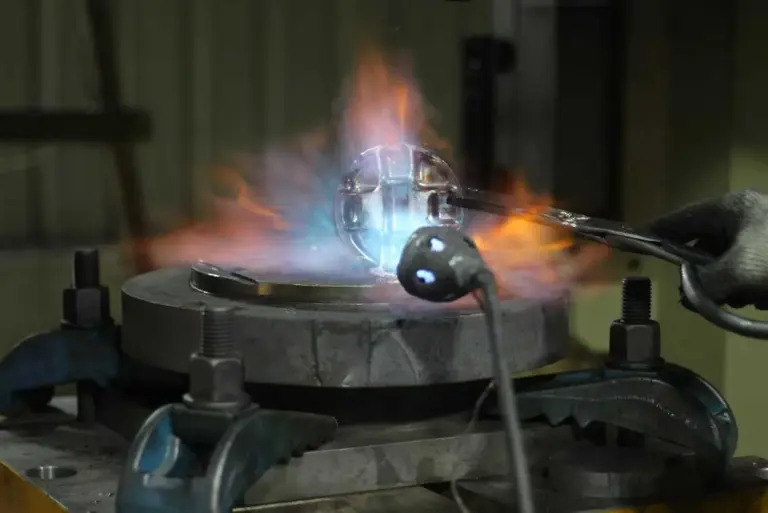
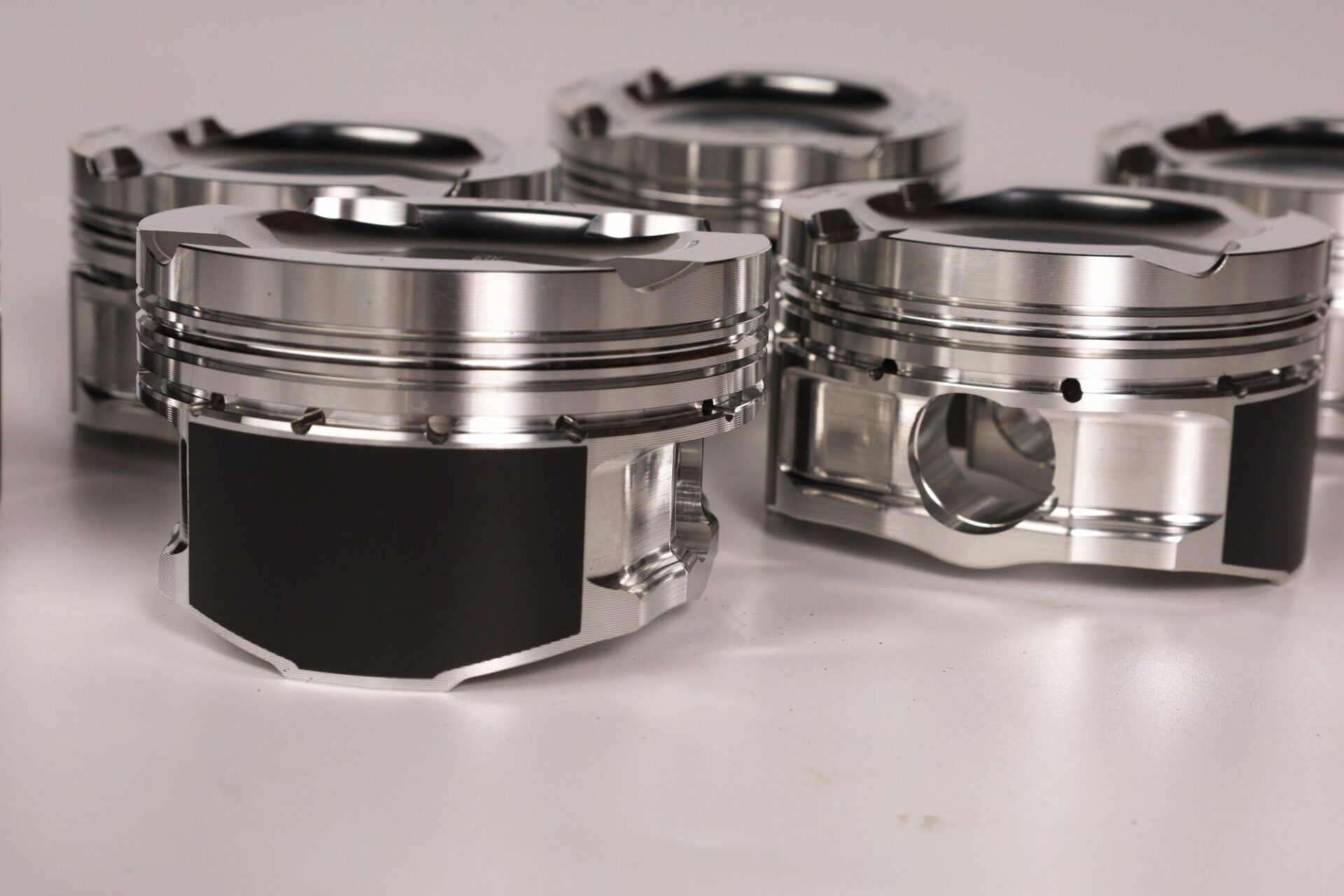
Forged pistons are made from a metal blank that is shaped under extreme pressure. That process compresses the material structure and makes the piston stronger, denser, and more resistant to abuse than a typical cast piston. The result is a part that can better handle heat, pressure, and hard use.
They are not always lighter. In fact, forged pistons often weigh a bit more than cast pistons, depending on the design. That extra mass is not always a bad thing. In performance builds, strength matters more than shaving a few grams, especially if the engine is going to see high boost, high rpm, or aggressive timing.
The real benefit is not that forged pistons create power on their own. The benefit is that they help the engine survive the power you are trying to make. That is why people talk about forged pistons horsepower as if the pistons themselves add output. They do not directly. They simply let you push harder without flirting with failure every time you step on the throttle.
How Boost Changes the Game
Boost changes everything because it increases the amount of air going into the engine. More air means more fuel can be burned. More fuel burned means more power. Simple idea. Serious consequences.
At low boost, a healthy stock engine may live a perfectly normal life. Once boost gets aggressive, cylinder pressure rises, combustion temperatures climb, and every weak point in the rotating assembly gets exposed. Pistons are usually among the first parts people upgrade because they are living right where the heat and pressure are highest.
In the real world, a turbo setup that feels gentle at 6 or 8 psi can become much less gentle at 20 psi. That does not mean 20 psi is unsafe by definition. It means the engine needs parts, tuning, fuel quality, cooling, and assembly clearance that all match the goal. A forged piston is one of the most common pieces of that puzzle.
How Much Horsepower Do Forged Pistons Add?
This is where people get tripped up. Forged pistons do not add horsepower in the direct sense. You do not install forged pistons and instantly gain 40 horsepower just because the piston metal is stronger. That is not how it works.
What forged pistons do is support more horsepower safely. They give you room to run more boost, more timing, and more aggressive tuning when the rest of the engine can support it. In other words, they do not make the engine stronger in the way a turbo does. They make the engine more durable in the way a foundation makes a taller building possible.
A practical example helps. Suppose a stock-piston engine makes 350 horsepower reliably. With forged pistons, the same engine might be built to live at 500, 600, or even more depending on the rest of the setup. The pistons did not create that extra power. They made it possible to use it without tearing the engine apart.
How Much Boost Can Forged Pistons Handle?
Many well-built forged piston setups can handle up to about 30 psi of boost, but that number is not a law. It depends on the engine, the tune, the fuel, the compression ratio, the cylinder head, the rods, the block, and the cooling system. A forged piston is strong, but it is still only one piece of the whole package.

Some engines live happily at lower boost with excellent reliability. Others are built to handle much more, but only when everything else is right. That is why blanket numbers can be misleading. Boost without control is just a fast way to find the failure point.
If you are building around forged pistons, the smarter question is not “How much boost can they handle?” but “How much boost can the entire engine system handle safely?” That shift in thinking saves money, time, and a lot of broken parts.
Why Forged Pistons Are So Strong
The strength comes from the way they are made. The forging process compresses the metal and aligns the grain structure in a way that improves toughness. That is very different from casting, where molten metal is poured into a mold and allowed to solidify.
Forged pistons are built to take repeated hammering from combustion. High cylinder pressure, heat cycles, and rapid movement can stress a lesser piston enough to crack it, deform it, or collapse a ring land. A forged piston is much better suited for that kind of punishment.
That is why serious turbo cars, drag builds, and hard-driven performance engines often use them. The part is not just strong on paper. It is designed to survive in a place where weak parts do not last long.
Cast Pistons Versus Forged Pistons
This comparison comes up constantly because both types have a place. Cast pistons are common in everyday engines and plenty of budget builds. They are cheaper to make, easier to mass-produce, and often lighter in standard form. For a car that will stay close to factory power levels, cast pistons can serve just fine.
Forged pistons are the more rugged option. They usually cost more and may require more careful setup, especially when it comes to piston-to-wall clearance. That extra clearance is needed because forged pistons expand more under heat than many cast designs. If you ignore that, you can run into noise, wear, or scuffing issues.
| Feature | Cast Pistons | Forged Pistons |
|---|---|---|
| Cost | Lower | Higher |
| Weight | Usually lighter | Often heavier |
| Strength | Good for stock or mild builds | Better for high boost and hard use |
| Heat tolerance | Moderate | Higher |
| Customization | Limited | Much easier to tailor for performance use |
| Best use | Daily driving, budget builds | Turbo, supercharged, race, high-load builds |
For a commuter car with modest goals, cast pistons are often the smarter choice. They are affordable, easy to live with, and plenty strong for normal use. But once you start chasing serious power, the forged route becomes the safer bet.
Do Bigger Pistons Make More Power?
Yes, bigger pistons can help make more power, but not because size alone is magic. Larger pistons generally mean larger bores and more displacement. More displacement can allow more air and fuel into the engine, which can increase torque and horsepower.
There is also a tradeoff. Bigger pistons can mean a shorter stroke in some engine designs, and the overall build has to support the change. More displacement does not guarantee a stronger engine unless the heads, cam, fuel system, and tune are all matched properly.
In practice, a larger piston setup can help an engine breathe and produce more output, especially when combined with boost. But if the tuning is off, or if the cylinder walls and cooling system are not ready, bigger does not automatically mean better.
How Forged Pistons Change Engine Behavior
One thing people notice after switching to forged pistons is that the engine can tolerate more aggressive tuning. That does not mean you should tune recklessly. It means the engine has a better chance of surviving when the tune is optimized for performance.
Forged pistons also tend to affect noise and cold operation a little differently because of the wider clearances required for expansion. A cold engine may sound a bit more mechanical until it warms up. That is normal in many forged setups and not usually a sign of trouble by itself.
The key is understanding why the noise happens. It is not because the engine is broken. It is because the parts are built with more room for heat growth, which is part of making them survive hard use.
Why Clearance Matters So Much
Forged pistons expand when they get hot, and that means the piston-to-cylinder wall clearance has to be set correctly. Too tight, and the piston can scuff, seize, or wear badly. Too loose, and you can end up with extra noise and less ideal ring sealing during cold starts.
This is where engine building stops being guesswork and starts being precision work. A forged piston build is not just about buying a stronger part. It is about machining, measuring, and assembling the engine so the part can do its job the way it was designed to.
A good engine builder does not just throw forged parts into a block and call it done. Measurements matter. Clearances matter. Ring gaps matter. The tune matters even more.
How Much Horsepower Can Cast Pistons Handle?
Most mechanics will point to a range around 600 to 650 horsepower for many cast piston setups, but even that number is not universal. Some engines hold together a bit beyond that. Some fail below it if the tune is bad, the fuel is poor, or the engine has already seen a hard life.
The horsepower limit depends on more than the piston alone. Vehicle weight, load, driving style, road conditions, revs, detonation, and heat all matter. A highway pull in cold weather is different from repeated drag strip launches on a hot day.
That is why budget builds often stick with cast pistons when the goal is moderate power on a limited budget. They are cost-effective, and in the right setup, they can last a long time. But if the plan is to keep turning the boost knob up, forged pistons become the smarter long-term move.
Do Forged Pistons Make Noise?
They can. The most common complaint is a light piston slap or cold-start noise, especially if the clearances are set for performance use. The sound is usually mild and may go away or become much less noticeable once the engine warms up.
Engine noise from injectors, lifters, valve train components, and exhaust systems often hides it anyway. Most drivers only notice it if they are listening for it, and even then, it is not always a sign of damage. A performance engine often sounds different from a quiet stock commuter engine, and that is part of the deal.
If you want whisper-quiet operation above all else, forged pistons may not be the happiest match. If you want a hard-working performance motor, a little extra mechanical sound is usually a fair trade.
Are Forged Pistons Worth It?
For ordinary daily driving with no serious power goals, maybe not. They cost more, they can be noisier, and they often require more careful setup than stock-style parts. If your car will never see high boost, the money may be better spent elsewhere.
But for a performance build, they are absolutely worth a close look. Once you start asking an engine to make serious boost and stay alive under pressure, the value of a forged piston becomes obvious. It is not about chasing a shiny upgrade. It is about building something that will survive repeated punishment.
That is especially true in turbo cars, supercharged setups, and any application where you plan to push the engine hard for long periods. In those cases, forged pistons are less of a luxury and more of a sensible choice.
When You Should Choose Forged Pistons
Forged pistons make the most sense when the build has real performance goals. If you are aiming for higher boost, frequent hard pulls, track days, drag racing, or a long-term high-power setup, they belong on the shortlist.
Here are the most common situations where forged pistons make sense:
- You are running a turbocharger or supercharger and plan to raise boost.
- You want the engine to survive aggressive tuning.
- You expect high cylinder pressure for extended periods.
- You plan to race or use the car hard on a regular basis.
- You want more safety margin than stock pistons can offer.
On the other hand, if the car is a mild daily driver and the engine is staying near factory output, cast pistons may be the more sensible option. Not every car needs a race-grade bottom end. Some just need to get to work every morning without drama.
What Else Has to Match the Pistons
Forged pistons are strong, but they are not a magic shield. If the tune is sloppy, the fuel system is weak, or the cooling system cannot keep up, even the best piston will not save the engine.
That is why a strong build needs balance. The rods, crank, bearings, head gasket, head studs, injectors, pump, intercooler, and ECU calibration all have to be in the same conversation. Ignore one weak link, and the whole setup can still fail.
For example, a car might have forged pistons and still blow up if it runs lean under boost. Another might have excellent pistons but poor octane fuel and too much timing. The parts are only part of the story. The build has to work as a complete system.
Common Mistakes People Make With Forged Pistons
One of the biggest mistakes is assuming forged pistons alone make an engine safe for unlimited power. They do not. Another mistake is ignoring clearances because the pistons look nearly the same as stock parts. That can end badly.
People also underestimate the importance of machine work. A forged piston installed in a poorly machined block is still a problem waiting to happen. Measurement errors, ring gap mistakes, and bad assembly habits can undo the benefit of expensive parts very quickly.
And then there is the tuning side. A great build with a weak tune is still a weak build. No piston material can fully protect an engine from detonation for long.
- Do not assume forged means unbreakable.
- Do not skip proper machine work.
- Do not ignore ring gap and piston-to-wall clearance.
- Do not blame the pistons for a bad tune.
- Do not choose parts without matching them to your power goal.
The Real Tradeoff: Strength Versus Convenience
That is really what this entire debate comes down to. Cast pistons are convenient, affordable, and fine for many factory-style builds. Forged pistons are stronger, more capable, and better suited to high-stress engines, but they ask for more planning and often more money.
There is no universal winner. The right choice depends on what the car is supposed to do. A grocery-getter does not need the same internals as a street car that sees 20 psi on weekends. A race car does not have the same priorities as a family sedan.
When the goal is more forged pistons horsepower potential, the forged route usually makes more sense because it lets you build around future power instead of rebuilding after failure. That alone is why so many performance builders start there.
Why Performance Drivers Put Up With the Downsides
Forged pistons can be more expensive. They can add noise. They can require extra machine work and careful setup. Even so, performance drivers accept those tradeoffs because the payoff is a stronger engine that is less likely to scatter parts when the boost comes in hard.
In the real world, that means more confidence at the track, more room for tuning, and more peace of mind when the throttle stays open longer than it should. That feeling matters. When you have invested time and money into a build, you want parts that can stand behind it.
For some owners, the sound of a cold forged motor is just part of the personality. It says the car is built to work, not just to look good in a parking lot.
Simple Ways to Think About Forged Pistons and Horsepower
Here is the easiest way to frame it: forged pistons do not create horsepower, they protect horsepower. They help the engine survive the extra power that boost and tuning make possible.
If you want a short version, this is it:
- Stock pistons are fine for stock or mild power goals.
- Forged pistons are better when boost and heat get serious.
- More boost can mean more power, but only if the engine is built to take it.
- Good tuning matters just as much as the parts list.
- Complete engine support matters more than any single upgrade.
Why the Best Builds Are Balanced Builds
The best-performing cars are rarely the ones with one expensive part and everything else left alone. They are the ones where the pieces make sense together. Strong pistons, correct compression, good airflow, proper fuel delivery, and clean tuning make a build feel alive instead of fragile.
That is the hidden lesson behind forged pistons horsepower discussions. People often start by asking how much power the pistons add, but the better question is how much power the whole engine can safely support once the pistons are upgraded. That is where the real gains come from.
If you build with that mindset, the car will usually reward you. Not with a one-time number, but with consistency, repeatability, and confidence every time the boost needle moves.
What to Remember Before You Buy
Before buying forged pistons, think about your actual goals. Be honest about how the car will be used. Weekend fun car? Track toy? Daily driver with mild mods? Full boost monster? The answer changes everything.
If your build is staying mild, stock or cast pistons may make more sense. If you know the engine will see serious pressure, forged pistons are the safer path. They may cost more up front, but they can save you from paying for a blown motor later.
That is the part many builders learn the hard way. Spending money once on the right parts is usually cheaper than rebuilding after a failure. A forged piston is not just a performance choice. It is a planning choice.
Build the engine for the power you want, not the power you have today.