
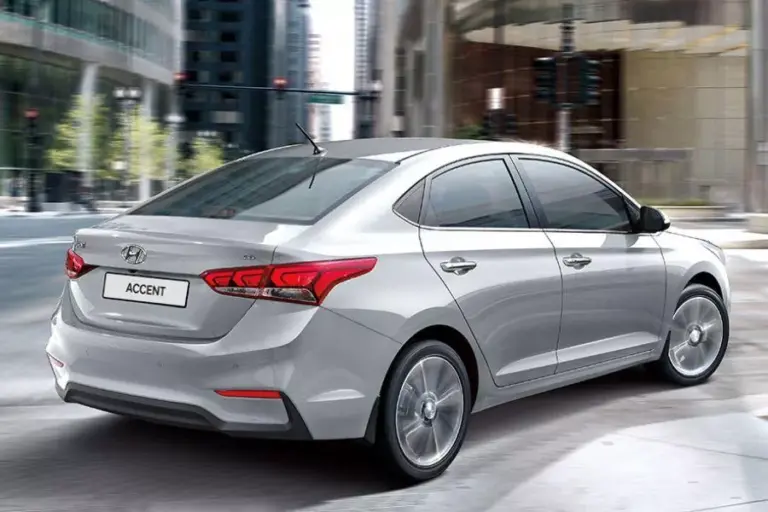
The Hyundai Accent has quietly become one of the smartest ways to buy a brand-new car. It does not chase headlines. It does not pretend to be a sports sedan wrapped in a compact body. What it does instead is deliver reliable, efficient transportation at a price that makes you double-check the window sticker because it genuinely seems too good to be true. The base SE trim starts at just $15,395. Step up to the range-topping Limited and you will still walk out the door for under $20,000, and that includes a surprising amount of comfort and technology for the money.
Under the hood lives a 1.6-liter four-cylinder engine producing 120 horsepower. Nobody will mistake that output for muscle car territory, but it is enough to merge onto a highway without feeling like you need a running start. The sprint to 60 miles per hour takes about 8.5 seconds, which puts it squarely in the category of “perfectly adequate” rather than “exciting.” The real star of the show is the fuel economy. Hyundai rates the Accent at a combined 36 miles per gallon, and real-world driving tends to back that up. Fill the tank and you can genuinely forget the gas station exists for a while.
The exterior design is clean and handsome without being flashy. The interior is simple but thoughtfully laid out, with materials chosen to withstand daily use rather than impress at a concours event. Standard features include a respectable infotainment system, a suite of safety technology, and enough driver-assist features to make the daily commute less stressful. The Accent’s diminutive footprint also means it can slip into parking spots that larger vehicles simply cannot touch. For city dwellers, that alone is worth a lot.
But the compact car segment is fiercely competitive, and a smart shopper always surveys the landscape before signing anything. Here are fifteen cars that compete directly with the Hyundai Accent, each with its own personality and strengths. The top three are the ones most buyers cross-shop first, and the remaining twelve are arranged in no particular order, each offering a slightly different answer to the same fundamental question: what is the best small car for the money?
Three Cars That Should Be at the Top of Your Test Drive List
1. Honda Civic: The Benchmark That Earned Its Reputation
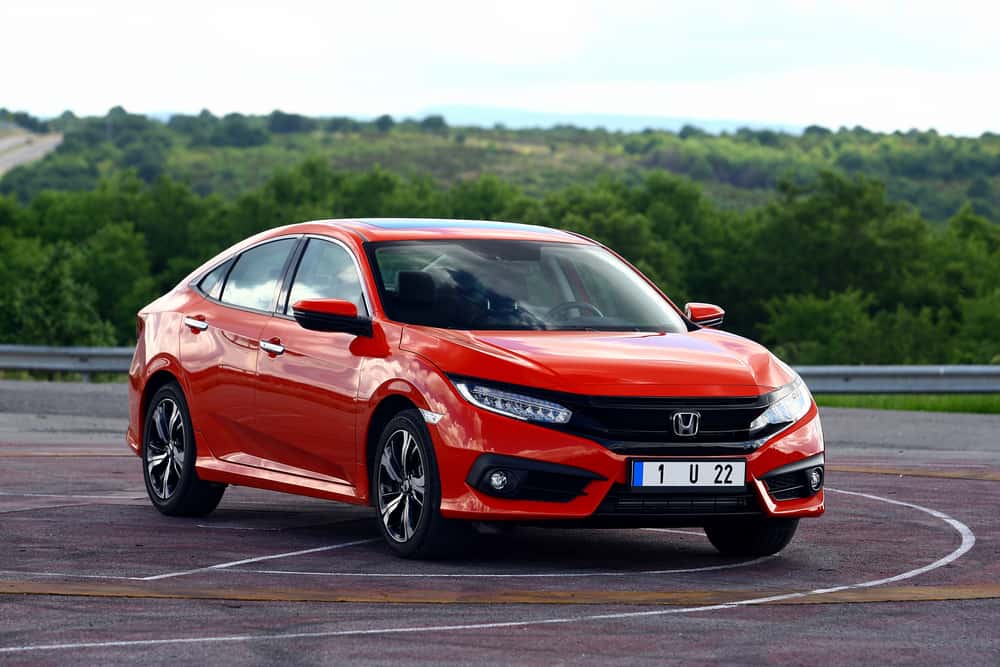
The Honda Civic and the Hyundai Accent sit in the same segment, but they approach the task from different angles. The Accent prioritizes value above all else. The Civic asks a higher entry fee, starting at $21,700 for the sedan, and climbs to around $37,895 for the upper trims. That extra money buys you a more refined driving experience, a more premium interior, and Honda’s long-established reputation for reliability that holds resale values extremely well.
Where the Civic truly diverges from the Accent is in its breadth. Honda offers a sedan body style as the sensible choice, a coupe for buyers who prioritize styling over rear-seat access, and a hatchback that blends practicality with a sporty profile. The Accent is strictly a four-door sedan. The Civic’s engine options range from a fuel-sipping 2.0-liter four-cylinder with 158 horsepower, good for 30 to 38 miles per gallon depending on driving conditions, all the way to the turbocharged firecracker in the Type-R hatchback. That model produces 305 horsepower, rips to 60 miles per hour in roughly 5.15 seconds, and can cover a quarter-mile in 13.2 seconds. The trade-off is fuel economy that drops to 22 to 27 miles per gallon, but for the buyer who wants a track-capable machine that still functions as a daily driver, the Civic Type-R is in a league of its own.
If you are cross-shopping the Accent and the Civic, the decision often comes down to budget versus long-term satisfaction. The Civic costs more upfront but returns that investment through better resale value, a more engaging drive, and a cabin that feels genuinely upscale. The Accent costs less and asks very little in return. Both are valid. The test drive will tell you which philosophy you actually prefer.
2. Mazda3 Sedan: The Compact Car That Feels Like It Costs Thousands More
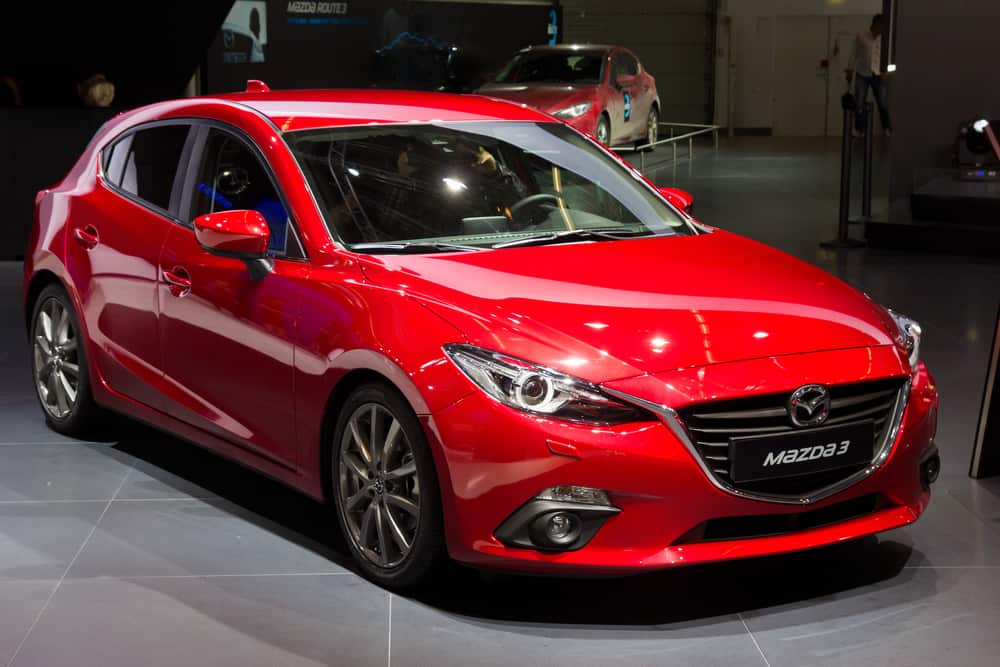
If the Accent’s interior functionality leaves you wishing for something a little more special, the Mazda3 sedan is the next logical step. Prices start at $20,650, which is higher than the Accent’s base price but still accessible for most budgets. The top trim reaches $32,600, and at that level the cabin materials, the infotainment system, and the overall sense of craftsmanship genuinely rival luxury-brand offerings. Mazda has been steadily moving upmarket, and the Mazda3 is the proof that a compact car can feel premium without a premium badge.
The engine lineup spans from an efficient 2.0-liter naturally aspirated unit to a 2.5-liter turbocharged engine that produces 250 horsepower and 186 pound-feet of torque. The turbo model reaches 60 miles per hour in about 6.85 seconds, which is a significant step beyond the Accent’s capabilities. Fuel economy is solid if not class-leading, with combined ratings between 28 and 30 miles per gallon depending on the powertrain. The available Bose premium audio system with 12 speakers transforms the cabin into a mobile listening room, and the standard safety technology is comprehensive without being intrusive.
The exterior design is elegant and mature, with lines that suggest a much more expensive car. For a buyer who wants the economical footprint of a compact sedan but refuses to compromise on interior quality or driving dynamics, the Mazda3 is the answer that the Accent cannot provide. It costs more. It delivers more. That is the simple equation.
3. Kia Forte: The Value Champion That Packs a Surprising Punch
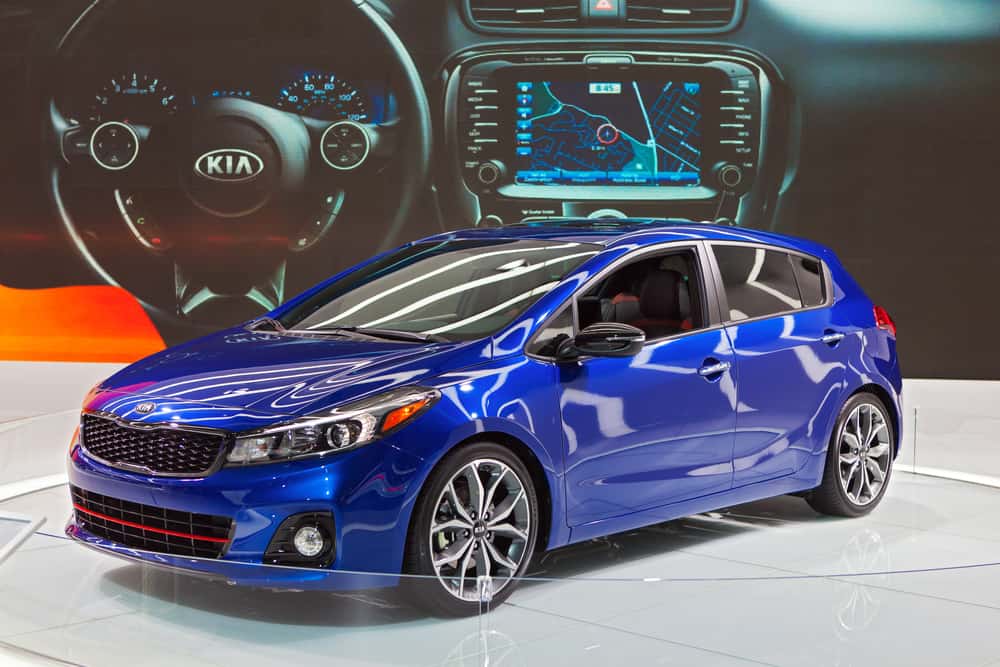
The Kia Forte might be the closest direct competitor to the Accent in spirit, if not in price. It starts at $17,890, which is still above the Accent but comfortably below the Civic and Mazda3. The exterior design is a standout in this price bracket, with an aggressive front fascia and a grille that looks like it belongs on a sportier machine. This is not a car that apologizes for its price point. It shows up with confidence.
The real sleeper in the Forte lineup is the GT model, which packs a 1.6-liter turbocharged engine producing 201 horsepower. That output propels the car to 60 miles per hour in 6.7 seconds, and it can be paired with either a six-speed manual transmission or an automatic with paddle shifters. For the money, the performance-per-dollar ratio is outstanding. The base engine returns a combined fuel economy of around 31 miles per gallon, while the GT drops to about 28 combined, a small penalty for a big jump in driving excitement.
The top trims cap out at around $23,390 before options, which keeps the Forte firmly in affordable territory. The interior is functional and comfortable rather than luxurious, but the technology on offer, including an intuitive infotainment system and available driver-assist features, keeps it competitive with more expensive rivals. If you like the Accent’s value proposition but want a little more visual drama and a lot more available power, the Forte is the obvious next stop.
More Compact Cars Worth Putting on Your Radar
4. Subaru Impreza
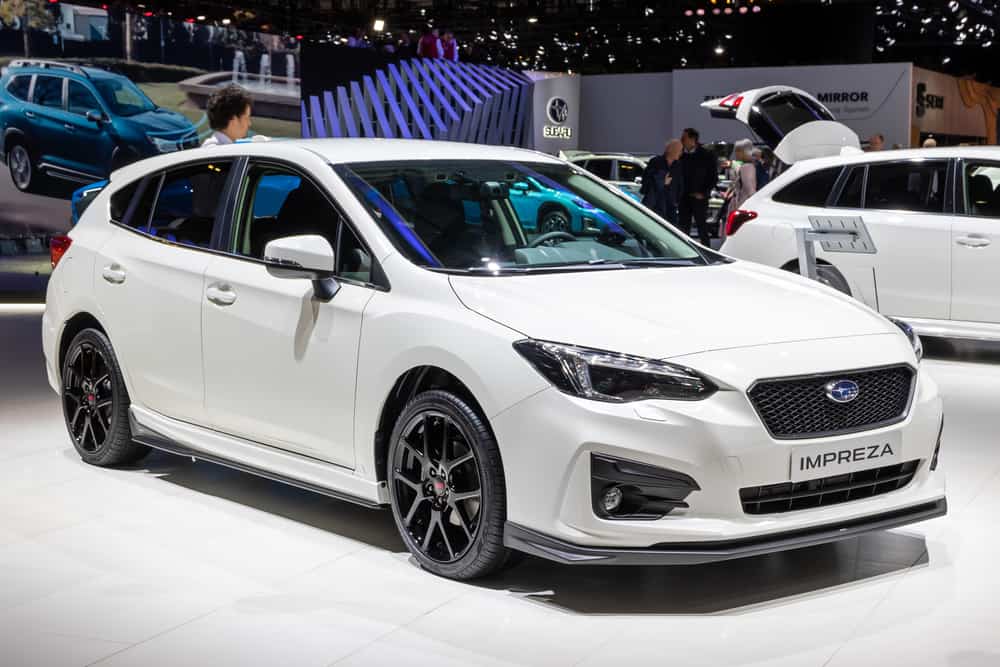
The Subaru Impreza brings something to the compact car conversation that the Accent cannot match: standard all-wheel drive. For drivers who deal with snow, rain, or gravel roads on a regular basis, that extra traction provides a level of confidence that changes how you feel behind the wheel. Pricing ranges from $19,700 to $26,820, which keeps it within reach for most buyers considering an upgrade from the Accent’s price point.
The 2.0-liter four-cylinder engine produces a modest 152 horsepower and 145 pound-feet of torque, which is enough to get the car to 60 miles per hour in 9.2 seconds. This is not a vehicle that prizes acceleration. It prizes stability and predictability. The sedan and hatchback body styles give buyers flexibility, and the conservative exterior design ensures the Impreza blends in anywhere. Fuel economy comes in at 28 miles per gallon in the city and 36 on the highway with the continuously variable transmission, which is respectable given the added weight of the all-wheel-drive system. The Impreza is the sensible choice for the buyer who prioritizes all-weather capability over straight-line speed.
5. Toyota Corolla
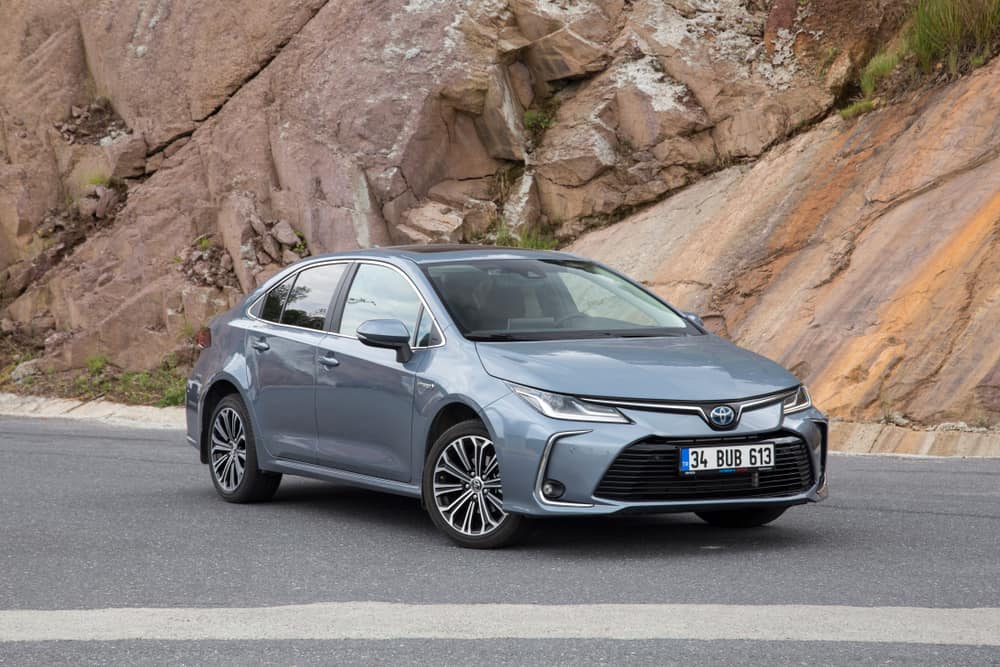
The Toyota Corolla has been selling in enormous numbers for decades, and the current generation explains exactly why. It is not the most exciting car in the segment, but it might be the most trustworthy. Prices start at about $20,000 for the base model and climb to $28,310 for the higher trims, at which point the feature set becomes genuinely impressive. The available 2.0-liter four-cylinder engine delivers 169 horsepower and can reach 60 miles per hour in just under 8 seconds, which feels quicker in real-world driving than the numbers suggest.
Fuel economy is excellent. Depending on driving conditions, owners can expect between 30 and 36 miles per gallon. The Corolla also brings Toyota’s proven resale value and a reputation for longevity that few brands can match. If you plan to keep your car for a decade or more, the Corolla’s lower long-term cost of ownership can offset its higher initial purchase price compared to the Accent. The interior design is modern and functional, and the safety technology is comprehensive across the lineup. The Corolla is not the most adventurous choice, but it is rarely the wrong one.
6. Hyundai Elantra
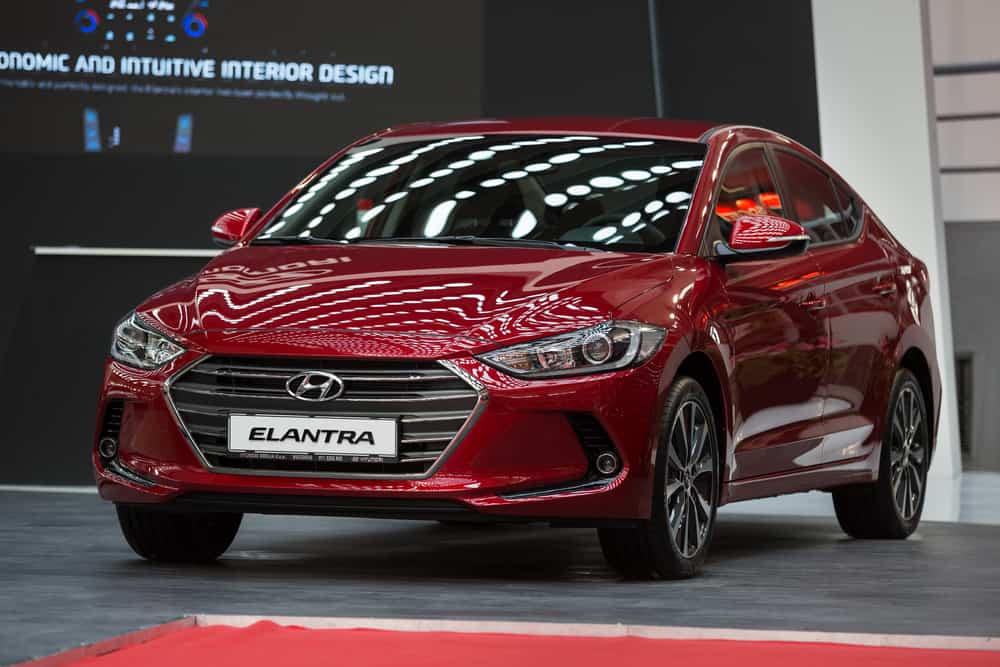
The Accent is not the only compact car in Hyundai’s showroom. The Elantra is the slightly larger, slightly more upscale sibling that occupies a very competitive spot in the lineup. It starts at $19,650 and the top trim reaches $25,450, which keeps it accessible while offering meaningful upgrades over the Accent. The cabin feels more spacious, the materials are a step up, and the exterior styling is sharper and more modern.
The available upgraded engine produces 201 horsepower and can propel the Elantra to 60 miles per hour in 7.3 seconds. That is a noticeable improvement over the Accent’s 8.5-second run, and it makes merging and passing feel effortless. Even with that extra power, highway fuel economy can reach 43 miles per gallon, which is an impressive combination of performance and efficiency. For a buyer who likes Hyundai’s overall value proposition but wants more interior room and a more refined driving experience, the Elantra bridges the gap without asking for a massive price increase.
7. Hyundai Veloster
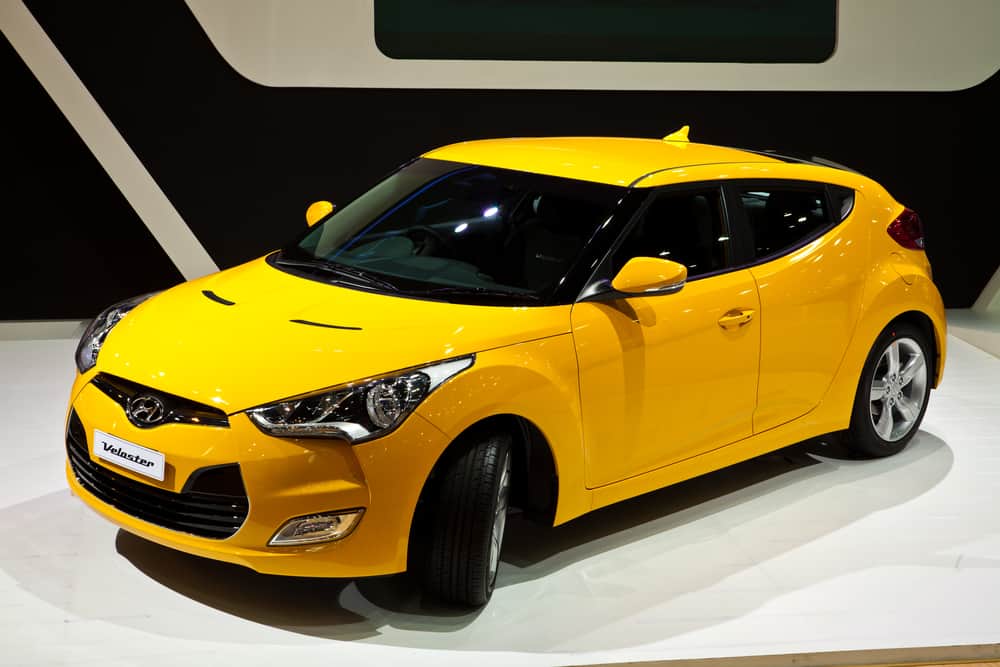
The Veloster is the oddball in Hyundai’s compact lineup, and that uniqueness is exactly why some buyers will choose it over the Accent. It features an asymmetrical door layout with one door on the driver’s side and two on the passenger side, a design quirk that makes rear-seat access easier without sacrificing the coupe-like profile. The base model starts at around $18,900 and offers a three-door hatchback body with 201 horsepower. The high-performance Veloster N starts at $32,250 and bumps output to 275 horsepower, transforming the car into a genuine hot hatchback that rivals the Civic Type-R and Volkswagen GTI on a twisty road.
The back seat is tighter than a traditional sedan, so the Veloster is best suited to buyers who do not regularly carry adult passengers. Fuel economy ranges from 34 miles per gallon on the highway for the base engine to around 28 for the N model, which reflects the performance-focused tuning. The exterior design is aggressive and youthful. The Veloster does not try to be all things to all people. It is a statement of personality, and that statement resonates with a specific kind of buyer.
8. Volkswagen Jetta
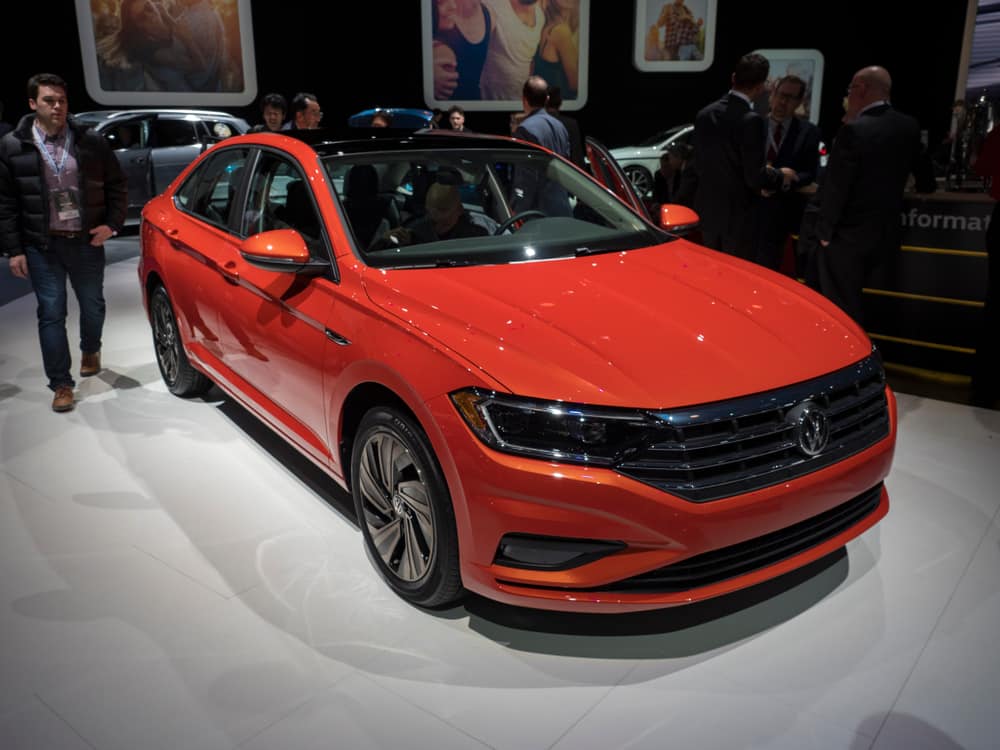
The Volkswagen Jetta offers a distinctly European driving feel in a compact sedan package. The base model starts at $18,995 and the top SEL Premium trim comes in at $28,045, but even the lower trims feel more substantial on the road than their price tags suggest. The 1.4-liter turbocharged engine produces 147 horsepower and reaches 60 miles per hour in 7.65 seconds, which is quick enough to keep pace with traffic without feeling strained.
Fuel economy is a standout. The Jetta can achieve up to 44 miles per gallon in combined driving, making it one of the most efficient non-hybrid vehicles in the segment. The interior is a pleasant place to spend time, with available ambient lighting and a panoramic sunroof that bring a sense of occasion to everyday commutes. The SEL Premium trim includes leather upholstery and an 8-inch touchscreen infotainment system, which helps justify the higher price. The Jetta is for buyers who want a sedan that feels composed at highway speeds and delivers real-world fuel savings without resorting to a hybrid powertrain.
9. Subaru WRX
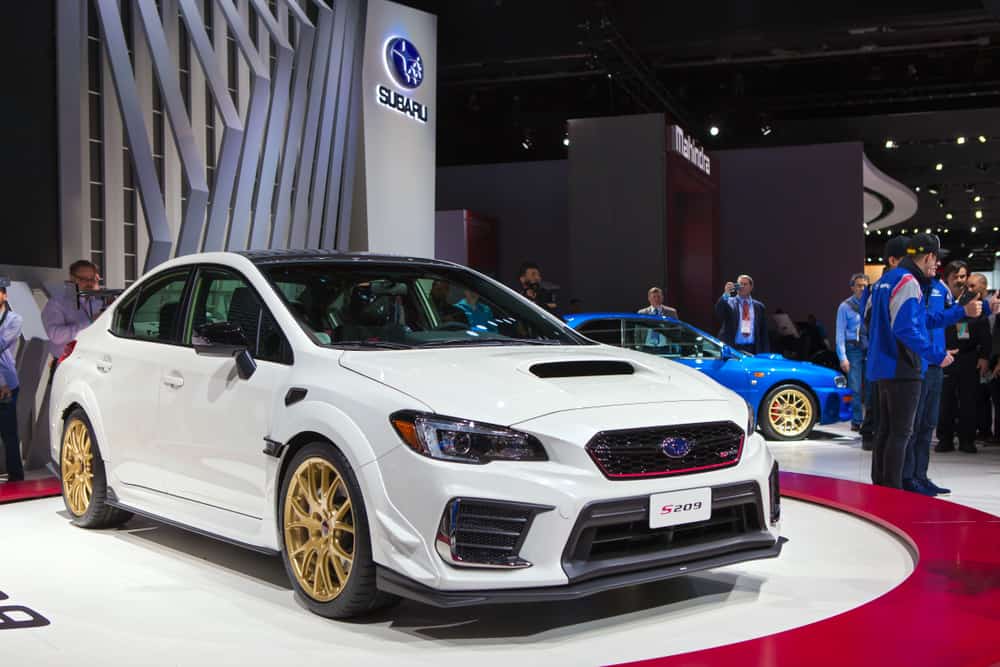
The Subaru WRX is the performance extremist on this list. It costs between $27,495 and $32,095, which is a significant jump from the Accent’s starting price, but the performance on offer justifies every dollar for the right buyer. A turbocharged 2.0-liter flat-four engine delivers 268 horsepower and 258 pound-feet of torque, and the standard all-wheel-drive system puts that power to the pavement with tenacious grip. The zero to 60 miles per hour sprint takes just 4.6 seconds, which embarrasses many vehicles costing twice as much.
The exterior design is aggressive, with a scooped hood, bold front fascia, and a stance that communicates its intent before you even turn the key. Fuel economy is the trade-off. Highway mileage tops out at 27 miles per gallon, and enthusiastic driving drops that figure considerably. The WRX is not trying to be a sensible commuter. It is a rally-bred performance machine that happens to have four doors and a trunk. If the Accent is a sensible choice, the WRX is the passionate one.
10. Nissan Sentra
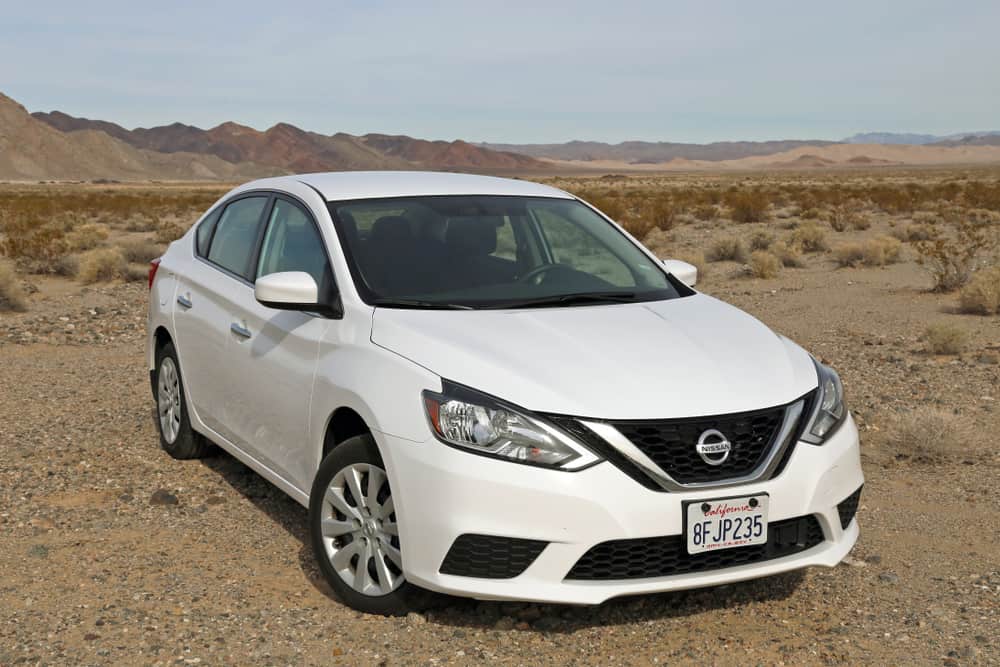
The Nissan Sentra is a compact sedan that prioritizes interior space and comfort while keeping the price reasonable. It starts at $19,460 and tops out at $21,800, which makes it one of the more affordable alternatives to the Accent. The 2.0-liter four-cylinder engine produces 146 horsepower, and the zero to 60 time of 8.75 seconds puts it in line with the Accent’s performance. The combined fuel economy rating of 33 miles per gallon provides excellent efficiency for daily driving.
Where the Sentra distinguishes itself is in passenger and cargo space. The trunk offers 14.3 cubic feet of room, and the rear seat is genuinely comfortable for adults on longer trips. The exterior features a two-tone color scheme with a contrasting black roof that gives the car a sportier appearance than its engine output would suggest. The Sentra is a practical, unpretentious choice for a buyer who wants more interior volume without spending more money.
11. Volkswagen Golf
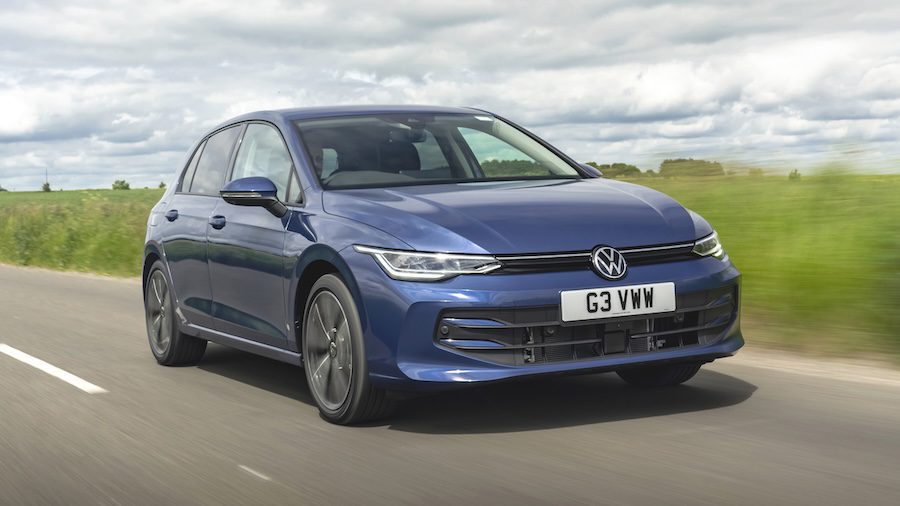
The Volkswagen Golf is the hatchback alternative for buyers who like the Accent’s efficiency and compact footprint but need more cargo flexibility. It starts at $23,195 and seats five comfortably. The 1.4-liter turbocharged engine produces 147 horsepower and can accelerate to 60 miles per hour in 5.6 seconds, a surprisingly quick figure for a car in this class. Highway fuel economy can reach 39 miles per gallon, so the performance does not come at the expense of frequent fill-ups.
The real advantage of the Golf is its cargo capacity. With the rear seats folded, the hatchback offers 53.7 cubic feet of space, which is enough to handle furniture, bicycles, or a large grocery run without breaking a sweat. The exterior design is boxy and functional rather than flashy, but the interior is well-built and ages gracefully. The Golf is the pragmatic enthusiast’s choice, blending German engineering with everyday utility in a package that never feels like a compromise.
12. Volkswagen GTI
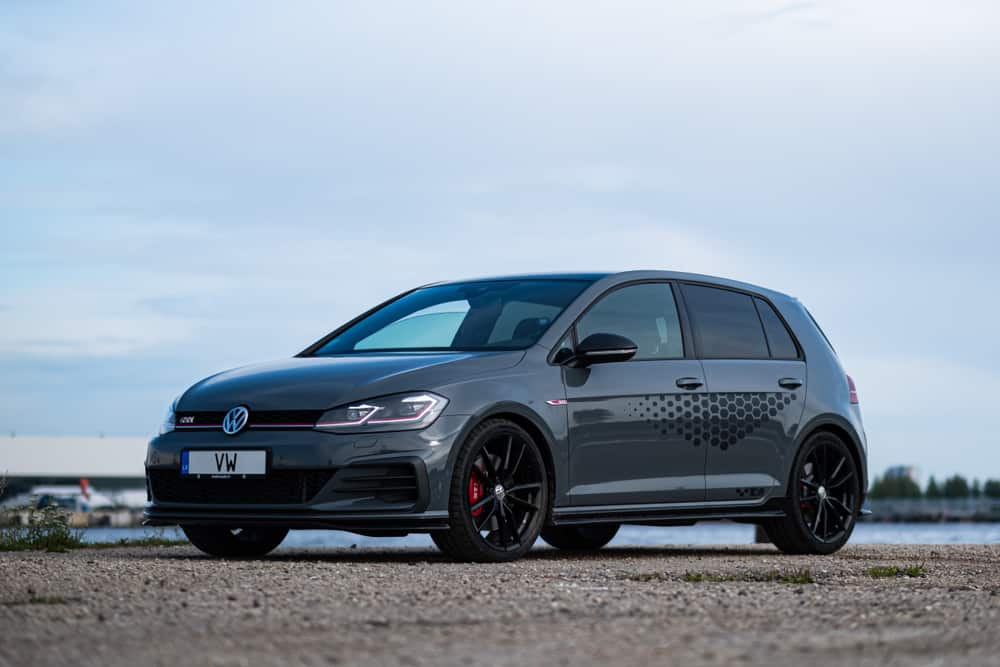
The GTI is the performance version of the Golf, and it has earned a cult following for good reason. It starts at $28,695 for the base S trim and climbs to $36,945 for the top Autobahn model. The turbocharged 2.0-liter engine produces 228 horsepower and can reach 60 miles per hour in 5.6 seconds, though in the GTI that acceleration is accompanied by a sharper chassis, quicker steering, and an overall driving experience that feels genuinely athletic.
The hatchback body style provides the same cargo versatility as the standard Golf, so this is a car that can thrill on a back road and then carry a weekend’s worth of luggage without complaint. The most efficient configuration returns a combined 33 miles per gallon, though enthusiastic driving will bring that number down. The interior features classic plaid seats on certain trims, a nod to the GTI’s heritage that enthusiasts appreciate. The GTI is the car for someone who wants a hot hatch that can still function as a practical daily companion.
13. Honda Insight
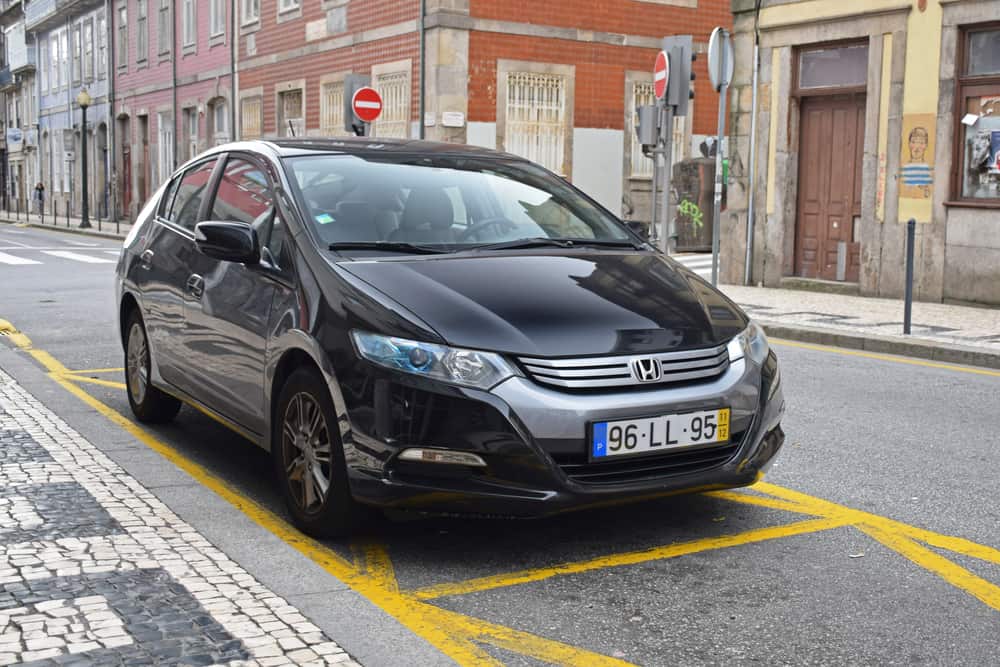
The Honda Insight is for the buyer who looks at the Accent’s 36 miles per gallon combined rating and thinks, “I want to do even better than that.” The Insight is a dedicated hybrid sedan that starts at $23,130 and reaches $29,040 for the Touring trim. It produces a combined 151 horsepower from its gasoline-electric powertrain and can reach 60 miles per hour in 7.7 seconds, which is noticeably quicker than the Accent. The real headline is the combined fuel economy rating of 52 miles per gallon. Over the course of a year, that translates into meaningful savings at the pump.
The Insight rides on a platform shared with the Civic, and the interior reflects that shared DNA with quality materials and a logical layout. The exterior is sleek and modern, with proportions that look more premium than the price suggests. The Insight is an ideal choice for a buyer who wants to minimize their environmental footprint and their fuel spending without giving up the comfort and practicality of a traditional four-door sedan.
14. Chevrolet Bolt
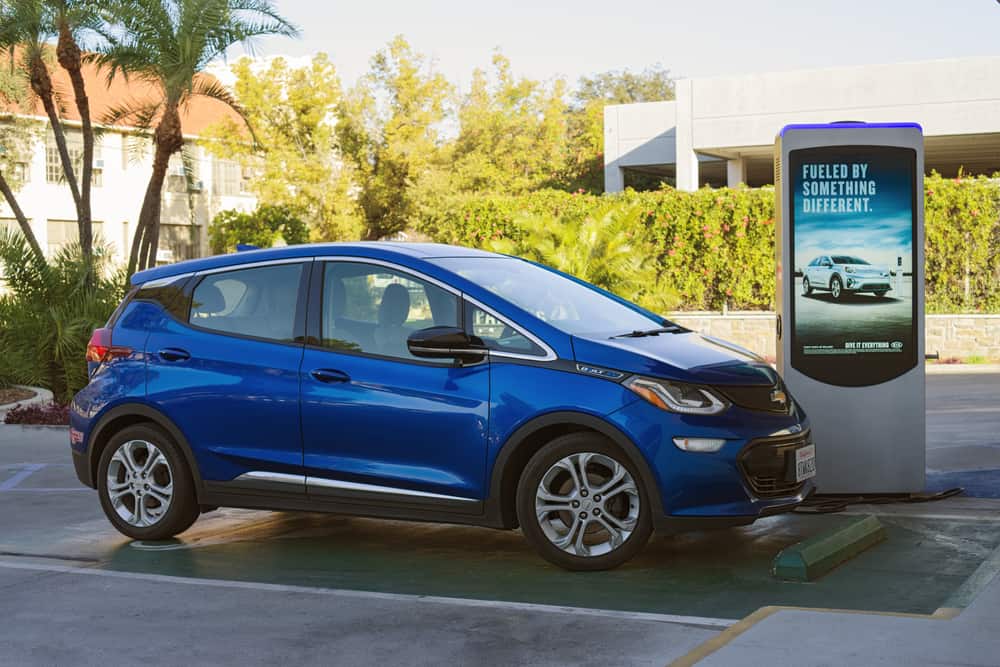
The Chevrolet Bolt is the all-electric outlier on this list. It bears little mechanical resemblance to the Accent, but it competes for the same buyer who values low running costs and a compact footprint. The Bolt starts at $37,495 before any federal or state incentives, which pushes its effective price lower in many regions. The electric motor produces 200 horsepower and 266 pound-feet of torque, which is enough to reach 60 miles per hour in 6.5 seconds. That is a completely different experience from the Accent’s relaxed acceleration.
The Bolt offers an EPA-estimated range of 259 miles on a full charge, which covers the vast majority of daily driving needs. Home charging using a 240-volt outlet replenishes the battery quickly overnight. The hatchback body provides flexible cargo space, and the interior is spacious for a car of its size. The Bolt is the future-focused choice, eliminating gasoline stops entirely while providing a quiet and responsive driving experience.
15. Chevrolet Sonic
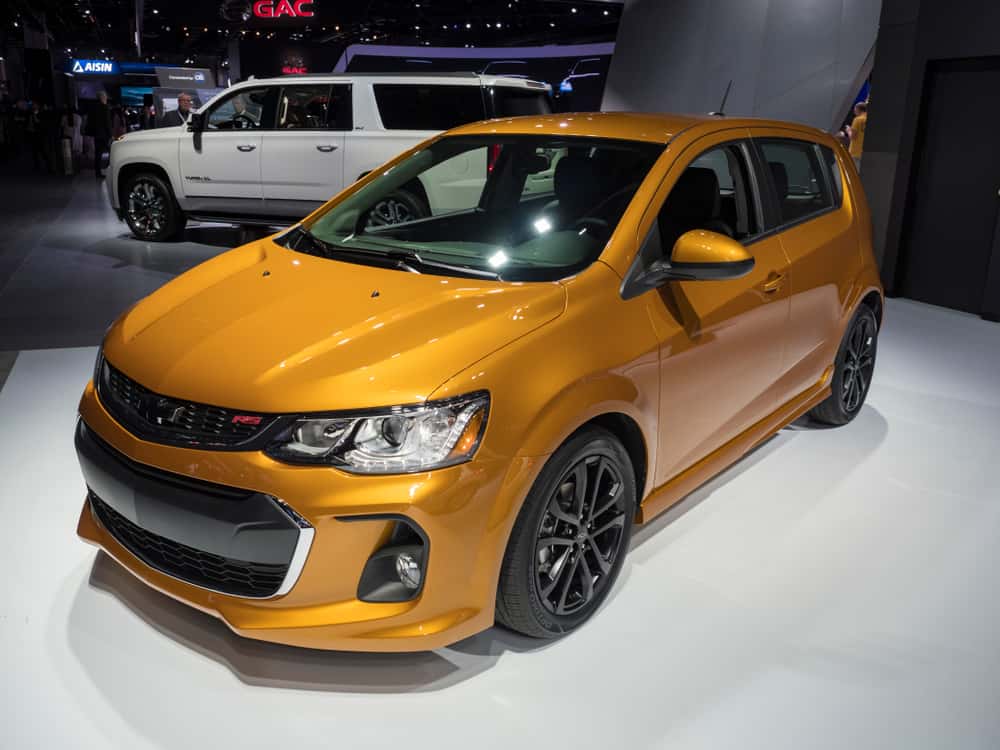
The Chevrolet Sonic is one of the few cars on this list that actually undercuts the Accent’s starting price. With an MSRP ranging from $16,720 to $20,720, it competes directly on a dollar-for-dollar basis. The Sonic is available as both a sedan and a hatchback, giving buyers a choice between traditional trunk cargo access and the flexibility of a rear liftgate. The 1.4-liter turbocharged engine produces 148 horsepower and can reach 60 miles per hour in 7.8 seconds, which is slightly quicker than the Accent. Combined fuel economy is rated at 25 miles per gallon, which is lower than the Hyundai’s figure and serves as a reminder that efficiency and acceleration often trade places.
The interior is functional and user-friendly, with straightforward controls and comfortable seating for four adults. The hatchback version provides ample cargo room, especially when the rear seats are folded flat. The Sonic is the budget option for buyers who want to minimize their initial purchase price while still getting a modern infotainment system and a turbocharged engine. It does not have the polish of a Civic or the refinement of a Mazda3, but it delivers a lot of value for what it costs.
A Quick Spec Comparison of the Top Alternatives
| Vehicle | Starting Price | Horsepower Range | 0-60 mph | Combined MPG |
|---|---|---|---|---|
| Hyundai Accent | $15,395 | 120 hp | 8.5 sec | 36 |
| Honda Civic | $21,700 | 158 – 305 hp | 5.15 sec (Type-R) | 30-38 |
| Mazda3 Sedan | $20,650 | 155 – 250 hp | 6.85 sec | 28-30 |
| Kia Forte | $17,890 | 147 – 201 hp | 6.7 sec (GT) | 28-31 |
| Subaru Impreza | $19,700 | 152 hp | 9.2 sec | 28-36 |
| Toyota Corolla | $20,000 | 139 – 169 hp | ~8 sec | 30-36 |
| Hyundai Elantra | $19,650 | 147 – 201 hp | 7.3 sec | 33-43 |
| Hyundai Veloster | $18,900 | 201 – 275 hp | ~6 sec (N) | 28-34 |
| Volkswagen Jetta | $18,995 | 147 hp | 7.65 sec | 44 |
| Subaru WRX | $27,495 | 268 hp | 4.6 sec | 27 |
| Nissan Sentra | $19,460 | 146 hp | 8.75 sec | 33 |
| Volkswagen Golf | $23,195 | 147 hp | 5.6 sec | 39 |
| Volkswagen GTI | $28,695 | 228 hp | 5.6 sec | 33 |
| Honda Insight | $23,130 | 151 hp | 7.7 sec | 52 |
| Chevrolet Bolt | $37,495 | 200 hp | 6.5 sec | Electric |
| Chevrolet Sonic | $16,720 | 148 hp | 7.8 sec | 25 |
What Truly Matters When Choosing a Compact Car
The Hyundai Accent is a brilliant answer to a simple question: what is the least I can spend on a new car that still feels like a real car? It is not fast, it is not luxurious, but it is honest. It does what it promises, and it does it for years without complaint. That kind of integrity earns loyalty.
But the compact car market offers a spectrum of answers. The Honda Civic and Mazda3 ask for more money and return a more refined, more engaging ownership experience. The Kia Forte delivers unexpected performance at a price that still feels like a bargain. The Subaru Impreza and WRX bring all-wheel-drive capability that transforms winter driving from a stressful chore into a confident routine. The hybrids from Honda and the electric Bolt rethink the relationship between your car and the gas station entirely.
There is no single right answer. There is only the answer that matches how you drive, where you live, and what you value when you are behind the wheel. The Accent is the baseline. Every other car on this list builds on that baseline in a different direction. Test drive the Accent first. Get a feel for what a well-executed budget car can be. Then test drive at least three of the alternatives that appeal to you based on the priorities you have identified. The car that feels right from the driver’s seat, that fits your budget without stretching it painfully, and that handles the roads you actually drive every day is the right car, regardless of what any reviewer or ranking says.
Buying a compact car does not mean settling. It means choosing efficiency, practicality, and financial sense over excess. The only wrong decision is buying something you do not enjoy driving because a spreadsheet told you it was the logical choice. These fifteen cars prove that you can have both logic and emotion in the same garage. Go drive them. The right one will be obvious the moment you pull out of the parking lot.