
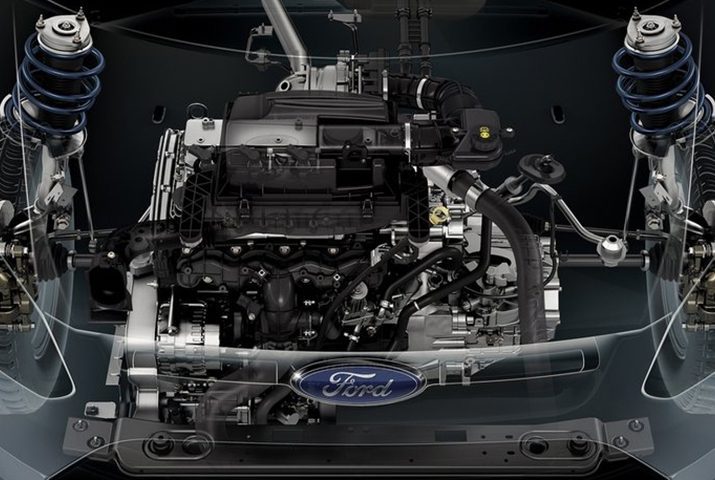
If you own or plan to buy a Ford vehicle with an EcoBlue diesel engine, it helps to know what can go wrong before it goes wrong. Several Ford EcoBlue engines, including the 2.0 and 1.5-liter variants, have been linked to oil leaks and warning lights that point to engine performance issues. The good news is you can spot many problems early, and you can take practical steps to reduce how often they show up.
This guide walks through what the EcoBlue engines are, why they work the way they do, and which issues owners most commonly report. Then it gets real about prevention, including what you can check at home and what is worth discussing with a certified Ford technician.
Think of this like a seat-of-the-pants mechanic’s briefing. You do not need to memorize part numbers. You just need to recognize the signs, understand the likely causes, and follow a maintenance routine that keeps the engine happy for the long haul.
Overview of Ford EcoBlue Diesel Engines
Ford’s EcoBlue diesel engines have earned a reputation for efficiency and strength. That is why you see them in everyday work vehicles and family vehicles alike. They are built to deliver torque when you need it, while still being mindful of fuel use.
These engines are used in models such as the Ford Transit, Transit Custom, and Ranger. Some drivers treat them like a tool, clocking up long distances with frequent stops. Others use them for hauling, towing, or weekends away. Either way, the EcoBlue platform has to work hard, and that is where knowing common issues matters.
One more point before we get into problems: even well-designed engines can show weaknesses when mileage, climate, fuel quality, and maintenance habits line up the wrong way. Your job is not to panic. Your job is to stay ahead.
Advanced Technology and Design
Ford developed EcoBlue engines to replace older diesel designs with a system that is more efficient and more modern. This is not just a marketing phrase. The engine uses technology aimed at improving combustion, boosting performance, and reducing emissions.
Two key features show up in the EcoBlue design: a low-inertia turbocharger and high-pressure fuel injection. Together, they help the engine respond better and burn fuel more effectively. In everyday driving terms, this usually means smoother acceleration and strong pull, especially under load.
These systems also have trade-offs. More advanced components often mean more control, more sensors, and more ways for a small issue to snowball into warning lights if it is ignored. That is why early maintenance and prompt diagnosis are such a big deal on modern diesels.
Both the 2.0 and 1.5 EcoBlue engines are designed to meet stricter environmental regulations. Ford achieves this through choices like lightweight materials and improved cooling mechanisms. The goal is to make the engine efficient without sacrificing durability.
If you have ever wondered why modern engines feel “tighter” than older ones, this is part of the reason. Everything is tuned to operate within a narrow set of conditions. When conditions drift, symptoms can appear sooner than owners expect.
Engine Variants
Ford offers EcoBlue engines in different sizes so the vehicle can match the job. The 2.0 EcoBlue engine is common in larger vehicles like the Ford Transit and Ranger. It tends to provide higher torque and power, which makes it well-suited for heavier-duty use.
The 1.5 EcoBlue engine takes a slightly different approach. It prioritizes fuel efficiency while still delivering enough power for everyday driving and smaller configurations. If you are in a lighter vehicle and you care about operating costs, this is usually the engine choice you will see most often.
In real-world terms, the difference often shows up in how the engine feels at different speeds and loads. The 2.0 can feel like it has more reserve when the vehicle is working. The 1.5 can feel more economical in stop-and-go use. Both designs, however, depend on clean oil, good fuel habits, and healthy emissions systems.
Performance Highlights
EcoBlue engines are built to balance fuel economy and performance. The turbocharged setup helps with responsiveness, so you are not waiting for power when you need it. Over time, better fuel efficiency can also reduce your total running costs, particularly if the vehicle covers significant mileage.
Comfort matters too. These engines are engineered to operate more quietly than many older diesel setups. That is one reason you might see them in both commercial and personal applications. When everything is working correctly, the driving experience feels controlled rather than clattery.
Whether you are using a Transit Custom for daily work or a Ranger for leisure trips, an EcoBlue engine can be a dependable companion. The key is to respect how it is designed: it expects proper maintenance intervals, quality fluids, and timely attention to warning lights.
Where Owners Typically See Trouble First
Most issues do not announce themselves with a dramatic breakdown right away. Instead, you tend to see early signs such as subtle changes in how the engine sounds at idle, a new warning light on the dash, or small marks that suggest a fluid leak somewhere in the engine bay.
For example, a delivery driver might notice the vehicle feels less eager during acceleration after a long week of heavy use. A family might notice the engine takes longer to smooth out after a cold start. A towing owner might see a slight dip in performance when pulling a trailer. None of these automatically means disaster, but each one is a cue to inspect rather than ignore.
That brings us to the most important part of this article: what issues are commonly connected to the EcoBlue engines, and what to do about them.
Common Issues with Ford EcoBlue Engines
Even though EcoBlue engines are designed for efficiency and durability, they are not immune to mechanical problems. The earlier you catch a problem, the less likely it becomes that you will face a major and expensive repair later. Owners typically report a few themes repeatedly.
Here is a quick way to think about it. Modern diesels rely on fuel delivery systems and emissions systems to stay within tight operating ranges. When either system drifts out of spec, the engine computer compensates for a while. Eventually, warning lights show up, and performance can change.
Below are some of the most commonly reported concerns and what they usually look like in the real world.
| Symptom You Notice | Commonly Associated Issue | What to Do Next |
|---|---|---|
| Rough idle or shaking | Fuel injector problems | Check for warning lights and have injectors and related codes diagnosed |
| Power loss or engine feels weak | Fuel injector problems, possible limp mode | Avoid heavy throttle, schedule a diagnosis quickly |
| Warning lights related to emissions | EGR issues from soot buildup | Inspect and clean the EGR valve, confirm correct operation |
| Visible oil around the engine bay | Oil leaks reported on some EcoBlue engines | Identify the leak source early to prevent damage |
Oil Leaks and Performance Warning Lights
Let us address the issue that matters most to daily owners: oil leaks and warning lights indicating engine performance issues have been linked to several Ford EcoBlue engines, including the 2.0 and 1.5-liter variants. That means you should not treat oil seepage like an optional project.
Oil leaks can start small. You might see dampness around a gasket, a slight sheen on the underside of the engine, or a new smell when you park. Even a slow leak can reduce oil level over time, and low oil can quickly lead to bigger internal damage than most people expect.
Warning lights, on the other hand, can come from a lot of systems. When owners report performance-related warning lights, the root cause can overlap with other issues like fuel injection problems or exhaust gas circulation problems. The important thing is that warning lights are your invitation to inspect, not ignore.
In the real world, this often plays out like this: the driver sees the light, maybe notices reduced power, and keeps going because they have work to do. But the engine computer might be protecting components by limiting power. If the original cause is left untreated, the protection strategy can become a long-term habit, and wear can accelerate.
If you spot oil leakage, consider it a priority. Check the oil level more often than you normally would until the leak source is identified. If you notice a big drop between check intervals, do not wait.
Fuel Injector Problems
Fuel injectors are responsible for delivering the right amount of fuel into the combustion chamber at the right time. When injectors malfunction, the engine often struggles to burn fuel cleanly. That can show up as rough idling, power loss, and inefficient fuel consumption.
Malfunctioning injectors may also lead the engine to enter limp mode. Limp mode is basically the vehicle saying, “I am protecting myself.” It reduces power so the engine does not suffer further damage while the computer tries to manage the problem.
If you have never experienced limp mode, picture it like this: you press the accelerator, and the engine does not respond the way it normally does. Speed becomes harder to build, and the vehicle feels reluctant. That experience is often what convinces owners to finally check codes and get real diagnosis.
Injectors can clog or fail over time. Dirty fuel, maintenance neglect, and general wear can all contribute. The result is a spray pattern that is no longer what the engine expects.
Regular maintenance and using high-quality fuel can prevent some of these issues. In some situations, injector replacement or professional cleaning may be required. The right repair depends on the diagnosis, especially if codes point to specific injector faults.
How to Recognize Injector Trouble Before It Forces a Breakdown
Not every injector issue begins with a dramatic failure. Many owners notice small changes first.
Look for patterns such as these:
- Rough idle that seems worse after cold starts
- Power loss, especially during overtakes or when climbing hills
- Higher fuel consumption without a clear reason
- Surging or inconsistent acceleration under light throttle
- Warning lights that stay on or return after clearing
If these signs show up, do not keep driving like normal just because the vehicle still moves. Short trips can sometimes be worse for diesels that are trying to keep emissions systems stable. Arrange a diagnosis as soon as you can.
Exhaust Gas Recirculation (EGR) Issues
The EGR system plays a critical role in lowering emissions. It helps reduce the formation of certain pollutants by circulating some exhaust gas back into the engine. When the system works properly, it supports compliance with emissions rules.
However, soot buildup in the EGR valve can occur over time. When soot collects, efficiency can drop, and warning lights may activate. If you have ever seen residue around an exhaust-related component, you already understand how soot can build up gradually without you noticing.
Regular EGR valve maintenance and cleaning can help prevent this problem. Owners also sometimes use high-quality additives to reduce soot accumulation and support proper system function. The idea is to reduce how much soot forms and how quickly it sticks.
In everyday driving, the EGR system tends to suffer more when the vehicle spends lots of time on short trips. Short drives may not give the engine enough time to reach temperatures where the system can operate as intended. This is not a guarantee of failure, but it explains why many owners see emissions-related issues more often in stop-and-go schedules.
What EGR Problems Feel Like While Driving
When EGR issues are developing, drivers typically notice a change in how smooth the engine feels and how confidently it pulls. Warning lights may appear, and the vehicle can feel less responsive than usual.
Common clues include:
- Emissions-related warning lights on the dash
- Reduced power, especially during steady driving
- Roughness or hesitation at low to mid throttle
- In some cases, recurring warning lights after you reset them
If you see EGR-related symptoms, cleaning or maintenance can make a big difference. Still, the best path is to confirm with diagnostic codes rather than guess. EGR systems interact with other parts of the engine and emissions system, so accurate diagnosis saves time and money.
Best Practices for Maintaining Your Ford EcoBlue Engine
Maintenance is not just a checklist. It is how you protect the design choices Ford built into EcoBlue engines. When the engine gets the right lubrication and fuel quality, the turbo and fuel injection systems can operate within expected limits, and the emissions system has a better chance to stay clean.
Below are best practices that help maximize lifespan and efficiency. Some are simple enough to do at home. Others are about building a relationship with a technician who knows your engine.
Routine Oil and Fluid Maintenance
Start with oil. On an EcoBlue diesel, oil condition affects nearly everything. It lubricates moving parts, carries heat, and helps keep internal components clean. If the oil gets too old or too degraded, the engine has to work harder to compensate.
A widely recommended routine is changing the engine oil every 5,000 to 10,000 miles. This range helps ensure essential components stay well-lubricated and function properly. Your ideal interval depends on your driving pattern, but that number is a useful baseline.
Oil level checks matter just as much as oil changes. Do not wait until you see warning lights. Check the level regularly, especially if you have already noticed a potential leak or if the engine has high mileage.
Routine checks should also include fluids like coolant, transmission fluid, and brake fluid. Coolant helps keep temperatures under control. Transmission fluid supports smooth shifting and protects internal transmission components. Brake fluid is about hydraulic performance and safe stopping.
Using Ford-recommended oil helps maintain engine efficiency and helps support warranty coverage. Even if you think a different oil “should be fine,” sticking with the recommended specification is one of the simplest decisions you can make to avoid unnecessary problems.
Here is a practical example. Imagine a Transit Custom doing parcel runs in warm weather, stopping and starting all day. Oil degradation can happen faster if the engine frequently cycles between heat and cold. Changing oil within the advised range keeps the engine stable and reduces the chances of sludge or wear-related issues.
Another example: picture an owner who does long highway miles. That kind of driving can be easier on many components, but oil can still age. The engine still depends on clean lubrication. A consistent schedule prevents “I will do it later” from turning into “Now something is wrong.”
A Simple Maintenance Schedule You Can Actually Follow
Many owners struggle with maintenance because the plan feels complicated. You can simplify it without becoming careless.
Use this approach:
- Every 1,000 to 2,000 miles (or once a month): check oil level and look for fresh leaks
- Every 5,000 to 10,000 miles: change engine oil and oil filter
- Every few months: visually inspect coolant level and look for wet spots near hoses
- Seasonally: check brake fluid condition and note any unusual brake behavior
If you maintain a fleet or you drive commercially, shorten the intervals. Commercial usage can be harsh. Work vehicles often spend more time under heavy load, and the engine can heat soak in ways that feel normal to drivers but still stress components.
High-Mileage Engine Care
When a vehicle gets older and racks up mileage, the game changes slightly. Wear becomes more noticeable. Seals harden. Gaskets can start to weep. That is why routine inspections become essential to identify wear and tear before it becomes a repair you cannot ignore.
For vehicles with higher mileage, using high-mileage engine oil can help prevent leaks and maintain smooth operation. It is not magic, and it does not fix a cracked seal by itself, but it can help by supporting seal condition and reducing seepage in some cases.
You can also do more listening than you might think. Pay attention to unusual noises or vibrations. If the engine feels rougher than usual during idling, or if vibrations show up under specific loads, treat it as data. The earlier you notice a change, the easier it is to pinpoint the cause.
Regular visits to a certified Ford technician keep issues from getting worse. When technicians know the EcoBlue system and can read the relevant diagnostic codes, you avoid guesswork. Guesswork costs money and time, and it can delay the actual fix.
In real-world scenarios, “waiting it out” can be tempting. A high-mileage owner may think, “It runs fine right now.” But if oil leak symptoms or emissions warning lights appear, the problem is already in motion. The longer you wait, the more the issue can affect other parts through contamination, overheating, or repeated protective engine strategies.
How to Check for Oil Leaks Without Being a Mechanic
If oil leaks are part of your concern, you can take simple steps to find out whether the leak is new or getting worse. This is especially important because oil leaks have been linked to several EcoBlue engines, including the 2.0 and 1.5 variants.
Here is a straightforward home routine. It takes a little time, but it can prevent a bigger job later:
- Park on a clean surface such as dry concrete. Avoid grass or gravel where leaks are hard to spot.
- Let the engine cool if you just drove. Hot oil spreads and can make it harder to locate the source.
- Look for fresh wetness around the engine’s lower edges and near common seal areas.
- Check around hoses and clamps for dampness or residue.
- Inspect the oil filler cap area for signs of messy buildup that might indicate breathing or pressure issues.
- Check the oil level and write it down. Compare it to your last check.
- Take a few photos before you wipe anything. Photos help technicians pinpoint the origin.
If the leak is active, do not ignore it. Keep the oil topped up and schedule an inspection. If the engine is low on oil, you could end up with internal wear that is far more expensive than a gasket or seal repair.
Oil Leak Reality Check: A Short Hypothetical
Let us run through a simple scenario. An owner notices a slight oil smell after parking. A week later, the oil level is below the mark. The owner keeps driving because the dipstick still reads “not empty.” Then, one colder morning, the engine runs rougher and a warning light appears.
In situations like this, the root cause might have started as a small leak. But once the oil level drops, the engine does not receive the same lubrication protection. That is when you can start to see performance issues and warning lights.
Even if the warning light points to something like fuel injection or emissions, oil problems can still be part of the story. That is why oil checks belong in your routine, not in an occasional “when I remember” moment.
Fuel and Driving Habits That Reduce Injector and EGR Stress
Fuel injectors and EGR systems are sensitive to contamination and operating patterns. You cannot control everything, but you can control your fuel quality and how you drive day to day. These habits often decide whether the engine feels smooth for years or starts showing warning lights earlier than expected.
Remember the core point already mentioned: regular maintenance and using high-quality fuel can prevent some injector issues. EGR valve maintenance and cleaning can reduce soot buildup. The “how” is where real ownership comes in.
Choose High-Quality Fuel and Treat the System Gently
High-quality diesel helps keep the fuel injection system cleaner. It supports consistent spray and combustion. If you regularly fuel from reputable sources, you reduce the risk of contamination that can lead to clogged injectors.
It is also wise to avoid aggressive driving immediately after a cold start. Even though many owners want to get going fast, diesels like a steady warm-up period. That helps the engine manage heat and reduces stress on components that are still stabilizing.
If you live in a cold climate, you might notice that the engine takes longer to reach stable operating temperature. Short trips during cold weather can leave exhaust-related components less able to clear soot. The fix is not complicated. Mix in longer drives when you can, or let the engine warm properly before you ask it to work hard.
Why Short Trips Can Trigger EGR Soot Problems
As soot builds in the EGR system, the risk of reduced efficiency increases. Regular EGR maintenance and cleaning help, but your driving routine matters too. When the engine spends too much time at low temperatures and does not reach the conditions needed for emissions management, soot accumulates faster.
Consider a vehicle used mainly for errands: school drop-offs, short commutes, and quick stops. That pattern can keep the engine in a narrower operating range. Over time, it can contribute to EGR soot buildup and warning lights.
This does not mean the vehicle cannot do short trips. It means owners should balance the schedule. If possible, plan occasional longer drives that allow the engine to get thoroughly warm and keep emissions systems functioning as intended.
Additives: Helpful or Overhyped?
You may hear mixed opinions about additives. The balanced take is this: additives are sometimes used to reduce soot accumulation and support system function, especially in relation to EGR. That aligns with the preventative guidance around using high-quality additives to help reduce soot buildup.
Still, additives are not a substitute for cleaning, correct fuel, and proper maintenance intervals. If you have a confirmed EGR problem, you still need the valve checked and serviced. Treat additives as an assistant, not the main solution.
When you choose additives, follow the guidance that comes with the product and consider discussing it with a technician familiar with EcoBlue systems. The goal is compatibility and the right expectation.
A Technician-First Approach When Warning Lights Show Up
Warning lights are not the enemy. They are information. The challenge is that a single light can point to different issues across different systems. The best approach is to read the codes and connect them to what you are experiencing.
In the EcoBlue context, performance warning lights can show up alongside problems like oil leaks, fuel injector faults, or EGR efficiency issues. The earlier you act, the more likely the problem is still manageable.
Here is what to do when a light appears while you are driving. Keep it practical. Keep it safe.
- Check if the vehicle has reduced power or feels like it is in limp mode.
- Notice when it happens. Does it come on at idle, at acceleration, or after a specific drive condition?
- Look for oil level changes if you suspect a leak. Do not assume it is fine.
- Avoid heavy load (towing, steep hills at full throttle) until it is diagnosed.
- Schedule a diagnostic check rather than waiting for the light to disappear on its own.
If the engine enters limp mode, do not keep trying to “test it” with repeated hard accelerations. You are basically asking the engine to operate under protective constraints. That can prolong the issue and can make a minor fault become a major one.
What to Tell the Technician So They Fix the Right Problem
When you bring a vehicle in for service, your job is to provide the right clues. Technicians can read diagnostic codes, but they also benefit from your real-world observations. It speeds up diagnosis and reduces guesswork.
Bring details like:
- When the warning light started and whether it came and went
- Whether idle feels rough or vibrations are present
- Whether fuel economy changed noticeably
- Whether you have seen oil marks, wetness, or low oil
- Driving pattern (short trips, long highway drives, towing frequency)
Also mention if you use Ford-recommended oil or whether you have switched brands or viscosities. Small changes in maintenance can sometimes line up with the timing of symptoms.
That communication helps technicians connect likely issues like fuel injector problems and EGR soot buildup to the specific behavior you have noticed.
Preventive Checks You Can Do Between Services
You do not have to be a mechanic to do useful preventive checks. A few minutes of observation can help you catch issues early. This is especially valuable for owners who have already heard about EcoBlue oil leak concerns and warning lights tied to performance issues.
Here is a between-service routine that most owners can handle. It focuses on the most relevant areas: oil health, visible leaks, and early symptom changes.
- Check oil level at the same time each month so you can spot trends.
- Look under the front and sides for new wet spots after parking overnight.
- Inspect hoses and connections around the engine bay for dampness.
- Watch the exhaust behavior during start-up. Note anything unusual.
- Listen to idle. If it feels rougher, pay attention to when it started.
- Monitor fuel economy. A slow decline can hint at injector inefficiency.
- Check for warning lights and write down which ones appear.
- Feel the throttle response during normal driving. Weak or delayed response can indicate trouble.
- Pay attention to vibration under load or at certain speeds.
- Keep coolant and fluid levels in range when you can do so safely.
If you do this routinely, you do not need to “guess” when something is wrong. You will have a baseline, and you can respond faster once a pattern changes.
When an Issue Is Small, Treat It Like It Is Important
This is the mindset shift that saves money. A small oil seep today can become a larger leak tomorrow. A lightly sooted EGR valve can become a warning light and reduced efficiency later. A minor injector issue can become rough running and limp mode if ignored.
You do not have to rush into major repairs every time you see a symptom. You do have to act. Inspect, diagnose, and address the cause before the engine has to compensate for it for too long.
Oil, Fuel Injection, and EGR: How These Systems Interact
On paper, fuel injection and EGR are separate systems. In real life, they interact through the engine computer and the way the engine manages emissions and performance. That interaction is why a warning light can feel confusing if you only think in terms of one component.
For example, if injectors are not delivering fuel consistently, combustion can change. That can lead to changes in exhaust behavior, and the system may react by adjusting strategies. Meanwhile, if EGR is restricted due to soot buildup, the engine might also adjust how much exhaust gas is recirculated. Both situations can trigger performance changes and warning lights.
This is also why you should avoid clearing codes repeatedly and hoping the problem goes away. Clearing codes may temporarily turn off the light, but the underlying fault remains. The computer can then fall back into protective behavior once it detects the issue again.
When you understand that systems work together, you realize why regular maintenance matters. Fresh oil supports stable engine operation. High-quality fuel supports injector performance. Clean EGR supports emissions control. Each part helps the others stay within the “happy zone.”
What Parts of the EcoBlue Design Make Maintenance Feel More Important Than Ever
The EcoBlue engines use advanced technology, including a low-inertia turbocharger and high-pressure fuel injection. Those components help with performance and efficiency. They also depend on conditions staying correct.
In practical terms, this means you are not just maintaining “an engine.” You are maintaining a system built with tighter tolerances. When you follow the recommended oil interval and use the right oil, you protect the lubrication environment. When you keep fuel quality high, you protect the injection process. When you maintain the EGR valve, you protect emissions efficiency and avoid soot-related restrictions.
Even the design choices made to comply with environmental regulations matter here. Lightweight materials and improved cooling mechanisms support durability and efficiency when everything is maintained properly. When cooling system health or lubrication health declines, modern engines can show problems sooner because they are optimized for efficient operation.
A Cooling System Reminder That Owners Often Miss
Cooling is not just about preventing overheating. It influences fuel economy and how emissions equipment operates. Since EcoBlue engines rely on improved cooling mechanisms as part of their design, ignoring coolant checks can invite trouble that eventually shows up as warning lights or performance loss.
You do not need to become a coolant expert. Focus on keeping levels correct and watching for signs of leaks. If you notice coolant drops, do not “top it up and forget it.” Diagnose the cause.
Transmission Fluid Is Part of the Engine Story
Some owners treat transmission fluid as a separate topic. In truth, your driving experience and performance feel can involve both engine and transmission. If transmission behavior becomes rough, it can feel like an engine issue even if the problem is in a different system.
That is why the best practices include checking transmission fluid regularly. Keeping it within safe condition supports consistent vehicle operation and reduces confusion when warning lights appear.
EGR Cleaning and Injector Service: What “Effective Fixes” Look Like
When something goes wrong, you want the solution to be effective, not just temporary. For EcoBlue issues, effective fixes often mean addressing the root cause rather than repeatedly resetting symptoms.
That fits with the earlier guidance: regular EGR valve maintenance and cleaning helps prevent soot buildup, and for injector problems, professional cleaning or injector replacement may be required. Let us turn that into practical expectations so you know what to ask about.
EGR Valve Maintenance: Cleaning Is Not Just a “Remove and Refit” Job
EGR valve cleaning typically focuses on removing soot deposits that restrict gas flow. If the valve is heavily coated, it can affect how the engine controls emissions. Cleaning can restore correct operation and help reduce warning lights.
In many cases, the technician will also check related components and confirm that the system behaves as expected after service. That matters because you do not want to clean the valve and ignore a sensor or control issue that caused the soot problem in the first place.
As part of prevention, using high-quality additives may also reduce soot accumulation and help maintain proper system function. That said, cleaning is usually necessary when soot buildup has already become significant enough to cause symptoms or warning lights.
Fuel Injector Service: Professional Diagnosis First
Injector problems can be tricky because symptoms can overlap with other issues. Rough idling and power loss can also happen for different reasons, which is why diagnosis is key. The goal is to determine whether injectors are clogged, failing, or affected by other factors.
Depending on what the diagnosis shows, professional cleaning may be enough. If injectors have failed or are delivering fuel incorrectly beyond safe tolerance, replacement becomes the proper fix.
While you cannot always predict the exact cost up front, you can control whether you end up paying for repeated “band-aid” attempts. Choose a diagnostic-first service approach so you fix what is actually causing the problem.
How Often Should You Service an EcoBlue? A Real Owner Perspective
People often ask about service intervals because they want to avoid spending more money than necessary. That is understandable. Still, diesel engines tend to reward consistent care. They can also punish neglect quickly when systems like lubrication and fuel injection are involved.
The best practices already mentioned provide a clear starting point for oil changes: every 5,000 to 10,000 miles. If your driving is heavy, stop-and-go, or demanding, you should aim closer to the shorter end of that range. If your driving is gentler, the longer end can make sense as long as oil condition stays healthy and you follow manufacturer guidance.
In the real world, two owners can drive the same miles per year and still have different results. One might be commuting through city traffic with short trips. The other might be doing long highway runs. The EcoBlue engine in the city could experience more soot buildup and more frequent temperature cycling.
That is why it helps to adjust based on how you actually use your vehicle, not only based on odometer numbers.
If You Use Your EcoBlue for Work, Service It Like It Is Always Working
Vehicles like the Ford Transit or Transit Custom are often used as tools. That means more load, more time on the road, and more potential exposure to harsh conditions. If you run a vehicle hard, you should not treat maintenance as occasional. Treat it as a regular part of keeping the engine reliable.
Keeping oil changes within the recommended interval, using Ford-recommended oil, and addressing warning lights quickly can mean fewer downtime days. That is the difference between a vehicle that feels dependable and one that becomes a recurring problem.
If You Use It for Weekend Drives, Still Watch the Details
Even if you only use your Ranger or another EcoBlue model for weekends, do not assume everything is safe. Low-mileage owners can still run into issues if the vehicle sits for long periods or if it only does short drives that never allow emissions systems to fully operate as intended.
Also, oil can degrade over time even when miles are low. Fluid checks still matter. If warning lights show up, treat them seriously regardless of driving frequency.
A Quick Checklist for Before You Buy a Used EcoBlue
You mentioned you plan to buy an EcoBlue vehicle, so let us add a buyer’s angle. Even if the engine is in good shape today, it can have a history that shows up only after a few weeks of ownership. A quick checklist can help you spot red flags early.
When you inspect a used EcoBlue, focus on the items that connect directly to the core issues discussed in this guide: oil leaks, warning lights, fuel injector symptoms, and EGR-related concerns.
- Ask if any warning lights have been recorded in recent history. Look for patterns.
- Inspect for oil seepage around gaskets and lower engine areas.
- Start the engine cold if possible and listen for rough idling.
- Test acceleration lightly to see if the vehicle responds smoothly.
- Ask about oil change records and whether Ford-recommended oil was used.
- Ask whether EGR maintenance or cleaning was performed if any emissions warnings occurred.
- Check service records for injector-related work, if symptoms ever occurred.
- Take note of driving habits the previous owner used. Short trips can contribute to soot buildup.
If you can, bring the vehicle to a certified Ford technician for a pre-purchase inspection. That step can help you avoid buying someone else’s ongoing problem.
Buying a used diesel should be exciting, not stressful. These checks help you enjoy the vehicle instead of chasing surprises.
A Short, Clear Guide to Acting on Injector and EGR Symptoms
When a diesel starts acting up, owners often ask, “What should I do right now?” Here is a simple, symptom-driven approach that stays practical.
Use this as a guide, and then let diagnostics confirm the exact cause.
| Symptom | Likely Connection | Best Next Step |
|---|---|---|
| Rough idle | Fuel injector problems can cause uneven combustion | Schedule diagnostic scan and inspect injector codes |
| Power loss or limp mode | Injectors can fail to deliver fuel correctly, triggering protection | Avoid heavy throttle and get it diagnosed promptly |
| Emissions warning lights | EGR issues from soot buildup reduce efficiency | Check EGR function and consider valve cleaning |
| Oil marks and low oil | Oil leaks have been reported on some EcoBlue engines | Identify leak source, top up oil, do not delay inspection |
| Fuel economy drops | Injector inefficiency can increase consumption | Scan codes and review maintenance history |
That is the core idea. Your job is to recognize what category the symptom belongs to. Then the technician confirms the exact cause and the right fix.
Your Most Effective Moves, Summed Up Without Guesswork
If you only remember a few actions, make them the ones that directly support the guidance in this guide. These moves target the most common EcoBlue problems while improving overall engine stability.
Here are the strongest actions you can take:
- Stay on oil change intervals with a target of 5,000 to 10,000 miles, and use Ford-recommended oil.
- Check coolant, transmission fluid, and brake fluid as part of routine care.
- Use high-quality fuel to reduce risk of fuel injector problems.
- Keep an eye on oil leaks, especially since oil leaks and performance warning lights have been linked to some EcoBlue engines.
- Maintain or clean the EGR valve to prevent soot buildup and warning lights.
- Notice rough idle, power loss, or vibrations and address them early.
- Use high-mileage engine oil for higher-mileage vehicles to support smooth operation and help reduce leaks.
- Schedule regular visits to a certified Ford technician so issues do not grow.
When you follow these steps consistently, you remove a lot of uncertainty from ownership. That is what you want.
Now the real question is simple: when was the last time you checked your oil level and inspected for any signs of seepage under your EcoBlue?
If you are not sure, do it today. A quick look can save you from a bigger repair later, especially with EcoBlue engines that have been associated with oil leaks and warning lights.