
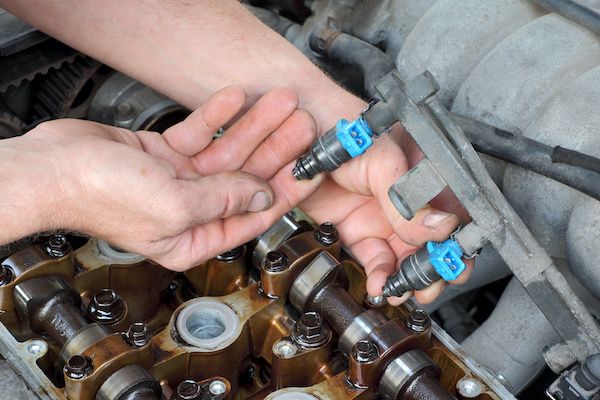
Before direct injection became common, it was mostly a performance-car thing. You found it in sports cars, luxury models, and a few high-end engines that were built to squeeze out more power and better fuel economy. Today, though, direct injection is everywhere. It shows up in family sedans, compact commuters, SUVs, and even budget-friendly cars.
That is good news for efficiency, but it also means more drivers are dealing with injector-related issues. And when those injectors get dirty, the car usually does not stay quiet about it. One of the first warning signs is often the check engine light.
If you have been wondering whether dirty fuel injectors check engine light problems are connected, the short answer is yes. A clogged or dirty injector can throw the whole fuel delivery process off balance. Once that happens, the engine may run rough, misfire, hesitate, or lose power. Modern engines notice that change fast, and the onboard computer usually responds by turning on the warning light.
In the real world, this often starts small. Maybe the car feels a little sluggish on the way to work. Maybe it idles a little rough at a stoplight. Then one day the light comes on, and now you are dealing with an issue that should not be ignored.
Why Dirty Fuel Injectors Can Turn On the Check Engine Light
Fuel injectors have one job: deliver the right amount of fuel at the right time in the right spray pattern. When they are clean, the engine gets a proper air-fuel mix and runs smoothly. When they are dirty, that spray can become weak, uneven, or blocked entirely.
Here is the thing. The engine control unit, or ECU, keeps a close eye on combustion. If the engine is getting too much fuel, too little fuel, or inconsistent fuel delivery, the computer sees the mismatch. That can trigger the check engine light long before the engine completely fails.
A dirty injector does not always mean one dramatic failure. Sometimes the problem develops slowly. Deposits build up over time, fuel flow gets restricted, and the engine starts adjusting to compensate. That is why some drivers notice symptoms for weeks before the light appears.
Once the computer recognizes the problem, it stores a trouble code. In many cases, the code points toward a misfire or fuel delivery issue. That is the car saying, in its own mechanical way, something is not right here.
What Dirty Fuel Injectors Actually Do to the Engine
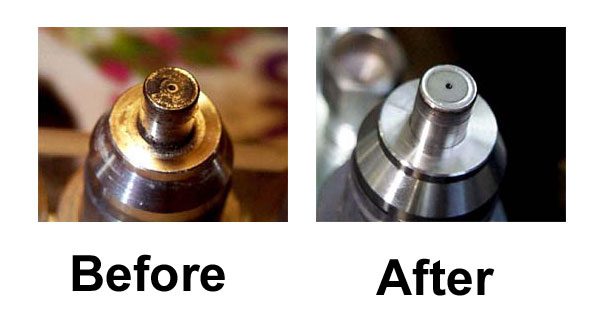
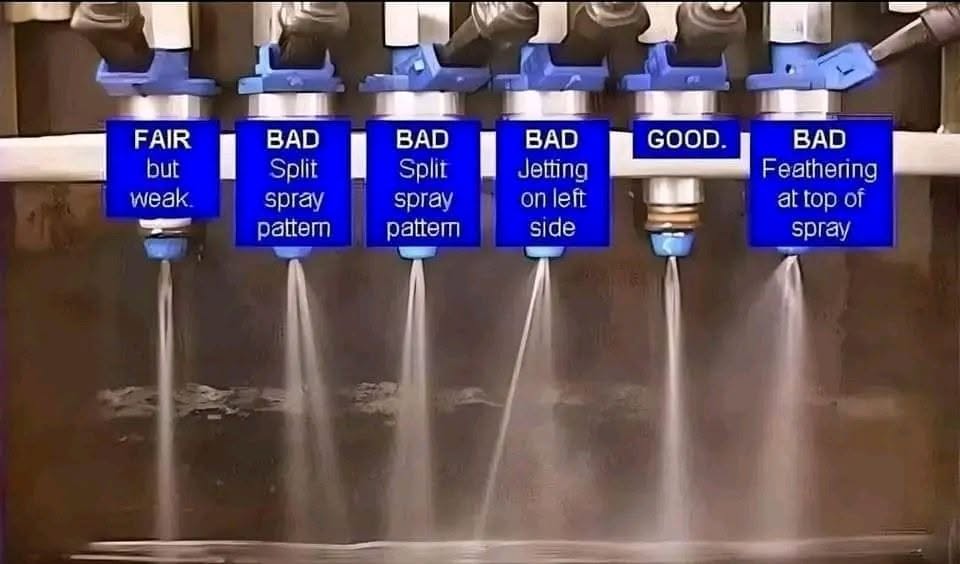
To understand the warning light, it helps to understand what dirt and buildup are doing inside the injector. A clean injector sends a fine mist of fuel into the combustion chamber. That mist burns efficiently and helps the engine produce smooth, reliable power.
A dirty injector can change that spray pattern. Instead of a fine mist, you may get a weak stream, an uneven spray, or a partially blocked flow. That creates an imbalance in combustion. The engine may run lean, run rich, or misfire depending on the situation.
That is why small injector problems can cause a chain reaction. A little dirt leads to poor fuel atomization. Poor atomization leads to rough combustion. Rough combustion leads to symptoms you can feel from the driver seat. Then the computer steps in and lights up the dash.
Common Symptoms of Dirty Fuel Injectors
Dirty injectors do not always announce themselves in the same way, but they often leave a trail of clues. Some of those clues are easy to feel. Others are easier to hear or smell. If you are trying to figure out whether the injectors are the problem, these are the signs worth paying attention to.
1. The Check Engine Light Comes On
This is usually the first thing people notice. A dirty or malfunctioning injector can absolutely trigger the check engine light. Depending on the severity of the problem, the code may point to a single cylinder misfire, multiple misfires, or a fuel system issue.
The light does not tell you the injector is dirty by itself. It only tells you the ECU found something outside the normal range. But if the light shows up alongside rough running or hesitation, the injectors deserve a close look.
2. Rough Idling
A healthy engine should idle with a steady, fairly calm rhythm. You will feel a little vibration because the engine is running, but it should not shake, rattle, or sound uneven. When fuel injectors are clogged, the engine may idle as if one cylinder is not pulling its weight.
That rough idle often shows up at stoplights, in park, or right after a cold start. The engine might sound louder than normal or feel like it is stumbling slightly. A dirty injector is not the only possible cause, but it is one of the first places to check.
Other issues can mimic the same symptom. Worn spark plugs, vacuum leaks, dirty air filters, and weak ignition coils can all create a rough idle. Even so, injectors should be high on the suspect list if the problem appears with a check engine light.
3. Engine Misfires
Misfires happen when combustion does not occur the way it should in one or more cylinders. If a dirty injector is not delivering enough fuel, the air-fuel ratio gets thrown off and the cylinder may fail to fire properly.
That can feel like a stumble when you accelerate. Sometimes it feels like the car briefly loses power and then catches itself. Other times the engine shakes enough that you notice it right away.
Misfires are not something to brush off. If they happen often, they can damage the catalytic converter and make the car harder to drive. If the check engine light is flashing, that is even more serious. Pull over and get the issue diagnosed as soon as possible.
4. Leaking Fuel
A fuel smell inside or around the vehicle is never a good sign. If you catch a sharp gasoline odor in the cabin, around the engine bay, or near the car after parking, fuel may be leaking somewhere in the system.
Old or neglected injectors can leak as seals wear out or internal parts fail. This is more common in high-mileage vehicles, but age is not the only factor. Poor maintenance, contaminated fuel, and heat cycles can all take a toll.
If the smell shows up along with rough idling or misfires, do not keep driving as if nothing is wrong. Fuel leaks create a fire risk and should be checked quickly.
5. Unstable RPM Needle
Your tachometer, or RPM gauge, should move in a predictable way. At idle it should sit steady. When you press the gas, it should climb smoothly. When you shift gears, it should respond naturally.
Dirty injectors can make the needle bounce or flutter more than normal. If the engine is struggling to maintain a consistent idle or smooth acceleration, the RPMs may jump around in a way that does not match what your right foot is doing.
That kind of needle movement can be easy to miss at first. But once you notice it, it becomes hard to ignore. It is one of those small dashboard clues that often points back to an engine running unevenly.
Will Bad Fuel Injectors Throw a Code?
Yes, bad fuel injectors can throw a code. The onboard diagnostics system monitors engine performance all the time. When it sees signs that combustion is not happening correctly, it stores trouble codes to help identify the problem.
With dirty injectors, the most common codes are often related to misfires. These usually show up in the P0300 to P0308 range. A P0300 code means random or multiple misfires. Codes from P0301 through P0308 usually point to a specific cylinder.
That can help narrow things down, but it does not always mean the injector is the only issue. A misfire code can also come from spark plugs, ignition coils, compression problems, or vacuum leaks. Still, if the injector is dirty, clogged, or leaking, it can absolutely be the reason the code appeared.
How to Tell Whether the Injector Is Dirty or Something Else Is Wrong
This is where people can get stuck. A check engine light does not automatically mean dirty injectors. Plenty of engine problems can trigger the same warning. The trick is looking at the full picture instead of guessing from one symptom.
Here are a few signs that point more strongly toward injectors:
- Misfires that happen at idle or under acceleration
- Hard starting, especially after the car sits for a while
- Poor fuel economy that appears suddenly
- Engine hesitation when merging or passing
- Gasoline smell near the vehicle
- Rough running that improves slightly at higher RPMs
If your car has a rough idle but new spark plugs and a clean air filter did not solve it, the injectors become even more suspicious. That is especially true on higher-mileage vehicles or cars that have been run on poor-quality fuel for years.
Can Fuel Injector Cleaner Clear the Check Engine Light?
Yes, fuel injector cleaner can clear the check engine light, but only if dirty injectors are the real problem and the issue is mild enough for the cleaner to help. If the injectors are only partially clogged, a cleaner added to the fuel tank may improve spray patterns and restore normal operation.
That said, cleaner is not magic. It will not fix a cracked injector, a failed electrical connector, a dead coil, or a misfire caused by low compression. If the issue is deeper than dirt buildup, the light may stay on until the actual fault is repaired.
A lot depends on timing. If you catch the problem early, a cleaner may do the trick. If you have been driving with symptoms for a long time, the situation is less likely to be solved by a bottle from the parts store.
What Happens If You Ignore Dirty Fuel Injectors?
Some car problems can wait a little while. Dirty injectors are not one of the best things to ignore. The longer the fuel delivery issue goes on, the more strain it can put on the engine and related components.
If you keep driving without addressing the issue, you may eventually deal with:
- Engine knocking
- Persistent rough idling
- Engine surging
- Gas leaks
- More frequent misfires
- Poor fuel economy
- Possible damage to the catalytic converter
Knocking and surging are especially annoying because they can make the car feel unpredictable. One moment it runs okay. The next moment it feels like the engine cannot decide what it wants to do. That kind of inconsistency is a sign the fuel system needs attention.
Think of it like trying to drink through a straw that keeps getting pinched. You can still pull some liquid through, but not smoothly. The engine feels the same frustration when fuel delivery is uneven.
The Easiest Way to Clean Fuel Injectors
For many drivers, the simplest first step is to use a fuel injector cleaning kit or a quality fuel injector cleaner. If the injectors are not badly damaged, this can save time and money. The process is not especially complicated, but you still need to follow the instructions carefully.
In many cases, you can clean them without removing the injectors from the engine. That is one reason people like this method. It is less invasive and can be done in the driveway if you know your way around basic car maintenance.
Basic Cleaning Steps
- Turn off the fuel supply and relieve fuel pressure.
- Disconnect the pressure regulators if the vehicle setup requires it.
- Attach the cleaning kit to the fuel port with the fuel cap removed.
- Start the car and let it run for 6 to 10 minutes, or as directed by the kit instructions.
- Remove the kit and reconnect everything you disconnected.
- Test-drive the car and listen for changes in idle, throttle response, and engine sound.
Be careful here. Fuel is flammable, and the pressure in a fuel system can be dangerous if handled the wrong way. If you are not comfortable working around pressurized fuel, let a shop handle it.
When Fuel Injector Cleaner Is Worth Trying
Fuel injector cleaner makes the most sense when the problem is still mild. If the engine only started acting up recently, and the check engine light came on after a period of rough running, cleaning is a reasonable first move.
It is also worth trying if you have not had the injectors serviced in a long time. Vehicles that do a lot of stop-and-go driving, short trips, or low-quality fuel use are more likely to build up deposits over time.
One common example is a commuter car that spends years in city traffic. It idles a lot, sees lots of short runs, and rarely gets a long highway stretch. That kind of driving can leave more deposits behind than people expect.
When Cleaning Will Not Be Enough
There are times when the injectors are too far gone for cleaner to help. If the injector is electrically failed, physically damaged, or heavily clogged, it may need professional cleaning or replacement.
That is especially true if you are dealing with:
- Repeated misfire codes after cleaning
- Strong fuel odor that does not go away
- One cylinder that keeps acting up
- Severe loss of power
- Hard starting that keeps returning
If the check engine light goes off after cleaning but returns soon after, the problem was probably not solved. At that point, a deeper diagnosis is the smart move.
Do You Need to Replace Dirty Fuel Injectors?
Not always. Many injectors last for a long time, sometimes for the life of the vehicle. But lifespan depends heavily on fuel quality, driving conditions, and regular maintenance. Some vehicles will go well past 100,000 miles without injector trouble. Others begin showing problems sooner.
A good rule of thumb is to have the injectors inspected somewhere around 60,000 to 90,000 miles, or sooner if symptoms show up. If the engine is already misfiring, leaking fuel, or running badly after cleaning, replacement may be the better choice.
Replacement costs vary widely. On average, you might pay around $210 for fuel injector replacement on some vehicles. On others, especially models with more labor-intensive engine designs, the job can run much higher and may approach $1,000.
Why Replacement Costs Can Be So Different
| Factor | How It Affects Cost |
|---|---|
| Vehicle make and model | Some engines are easier to access than others. |
| Injector type | Direct injection systems can be more expensive than older setups. |
| Labor time | Hard-to-reach injectors take longer to replace. |
| Number of injectors replaced | Sometimes one injector is bad, sometimes several need attention. |
| Shop rates | Different repair shops charge different hourly labor costs. |
What a Mechanic Will Usually Check First
If you bring the car in for a check engine light and possible injector trouble, a good mechanic will not jump straight to replacement. That would be a waste of time and money. Instead, the diagnosis usually starts with the codes, then moves to the fuel system, ignition system, and air intake.
Here is what often gets checked:
- Stored diagnostic trouble codes
- Live fuel trim data
- Injector pulse and electrical signal
- Fuel pressure and fuel delivery
- Spark plugs and ignition coils
- Vacuum leaks
- Air filter condition
This matters because not every misfire is caused by dirty injectors. A careful diagnosis can save you from replacing parts that are still fine.
Simple Ways to Reduce Injector Problems
Dirty injectors are not always preventable, but you can lower the odds. A little attention goes a long way here. The goal is to keep deposits from building up and to catch trouble early before the engine starts complaining.
Good Habits That Help
- Use quality fuel from reliable stations.
- Keep up with regular maintenance.
- Replace air and fuel filters on schedule.
- Drive the car long enough for the engine to reach normal operating temperature.
- Use fuel injector cleaner when recommended, not as a random guess.
- Fix misfires and fuel leaks quickly instead of waiting.
Short trips, low-grade fuel, and neglected maintenance are a rough combination for any fuel system. On the other hand, regular service and decent fuel go a long way toward keeping injectors in better shape.
Real-World Example: What Dirty Injectors Feel Like on the Road
Picture a driver who starts the car every morning and notices a tiny shake at idle. At first, it seems harmless. The car still gets to work, the light is off, and there are no major noises. A few weeks later, the engine feels hesitant pulling away from a stop. Then the check engine light finally appears.
That is a classic pattern. The injectors did not fail overnight. They got dirty little by little until the engine could not compensate anymore. In that situation, a cleaner might help if the buildup is not severe. If the car has been driven like that for too long, a repair or replacement may be the only real fix.
Another example is a high-mileage SUV that idles rough after sitting in traffic all day. The owner notices a fuel smell, a slightly bouncing RPM needle, and occasional engine stumble when accelerating onto the highway. That is the kind of pattern that should put injectors near the top of the diagnosis list.
Should You Keep Driving with a Dirty Injector?
That depends on how bad the symptoms are, but in most cases, the answer is not for long. If the car is only showing mild signs and still runs normally, you may have a little time to diagnose and clean it. If the engine is misfiring heavily, leaking fuel, or shaking badly, stop putting it off.
The risk is not just inconvenience. Driving with a fuel delivery problem can make the engine work harder than it should. It can also cause extra wear on other parts, which turns one repair into several.
If the check engine light is flashing, treat that as urgent. A flashing light usually means the misfire is active enough to potentially cause damage. That is the car asking for immediate attention, not a suggestion for later.
Symptoms, Causes, and Best Response
| Symptom | Possible Injector Cause | Best First Step |
|---|---|---|
| Check engine light | Fuel delivery imbalance or misfire | Read the codes and inspect the fuel system |
| Rough idle | Restricted injector spray | Check injectors, spark plugs, and air intake |
| Misfire | Uneven fuel delivery | Scan codes and test the injector circuit |
| Fuel smell | Leaking injector or seal | Inspect for leaks immediately |
| Bouncing RPM needle | Unstable combustion | Check for injector and ignition issues |
Why This Problem Shows Up More in Modern Engines
Modern engines are tuned to be efficient, clean, and responsive. That means they often run with tighter tolerances than older engines. A small change in fuel delivery can have a bigger impact than many drivers expect.
Direct injection systems, in particular, rely on precise fuel spray. When deposits interfere with that pattern, the engine may react faster and more noticeably than an older setup might. That is part of the tradeoff. You get better performance and fuel economy, but you also need to stay ahead of maintenance.
It is not that the system is fragile. It is just more exact. And exact systems tend to complain when something is off.
When a DIY Fix Makes Sense and When It Does Not
DIY cleaning makes sense if the issue is early, symptoms are mild, and you are comfortable with basic maintenance. It is a fair first step, especially if the car still drives reasonably well and the light is not flashing.
But if the engine is shaking, the fuel smell is strong, or the car keeps throwing the same codes after a cleaning attempt, you are better off having a professional take over. Sometimes the problem is not just dirt. Sometimes it is a failing injector, an electrical fault, or a separate issue that happens to look similar.
That is where a proper diagnosis saves money. Guessing can get expensive fast.
What to Remember About Dirty Fuel Injectors and the Check Engine Light
Dirty injectors can absolutely trigger the check engine light. They can also cause rough idling, misfires, fuel smell, unstable RPM behavior, and weak acceleration. If the problem is caught early, fuel injector cleaner may help. If it is more serious, cleaning might not be enough.
Replacement is not always necessary, but it is sometimes the smartest fix when cleaning does not restore proper fuel delivery. The best move is to pay attention to the symptoms, read the codes, and act before a small injector issue turns into a bigger engine problem.
Dirty fuel injectors do not get better on their own, and the sooner you deal with them, the less likely you are to end up with a costly repair bill.
What is your car trying to tell you right now?