
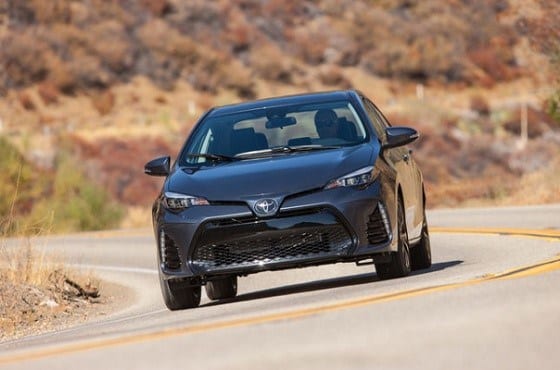
Toyota rolled out the new Corolla to replace the aging Auris nameplate, and honestly, it needed to happen. The Corolla name carries decades of goodwill behind it, the kind of reputation that gets built one reliable oil change at a time, not through flashy marketing. But here is the thing: just because a car wears a trusted badge does not mean it is automatically the right fit for every driver.
If you are shopping for a compact car this year, you owe it to yourself to look beyond the obvious choice. There is a whole lineup of vehicles out there that go toe to toe with the Corolla on price, fuel economy, safety tech, and even resale value. Some are hybrids that will make your fuel bill practically disappear. Others lean into performance or interior space instead.
As a mechanic who has spent plenty of time under the hoods of these exact models, I want to walk you through the strongest alternatives to the Toyota Corolla. We will cover specs, real-world driving impressions, and the kind of practical details that actually matter once you own the car, not just when you are standing on a dealership lot.
Why Cross-Shopping the Corolla Actually Makes Sense
Compact cars have become the battleground segment of the entire auto industry. Every major manufacturer wants a piece of that market because buyers in this category tend to be practical, budget-conscious, and loyal once they find a brand they trust.
That competition is good news for you. It means Honda, Mazda, Hyundai, Kia, and even Toyota itself (through other models like the C-HR and Ioniq comparisons) are all fighting hard to earn your money. When companies compete this aggressively, features that used to be optional extras, like automatic emergency braking or adaptive cruise control, start showing up as standard equipment even in base trims.
In the real world, this means you have genuine leverage as a shopper. Do not settle for the first compact sedan a salesperson pushes toward you. Take the time to compare.
The Full List of Corolla Alternatives Worth Considering
Before we get into the deep dive, here is the complete lineup of vehicles that go head to head with the Toyota Corolla in one way or another:
- Honda Civic
- Mazda 3
- Chevrolet Cruze
- Kia Forte
- Hyundai Elantra
- Subaru Impreza
- Toyota Prius
- Kia Soul
- Toyota Yaris iA
- Toyota Camry
- Toyota Corolla Hybrid
- Lexus CT 200h
- Seat Leon
- Kia Ceed
- Toyota C-HR
- Hyundai Ioniq
- Honda HR-V
That is a lot of options, and not all of them deserve equal attention. Below, we are going to focus deeply on the three cars that stand out the most from this list, then run through several other solid alternatives that deserve a mention.
Quick Comparison Table: Corolla Alternatives at a Glance
| Model | Powertrain | Horsepower | Fuel Economy | Price Range |
|---|---|---|---|---|
| Lexus CT 200h | Hybrid, FWD | 134 hp | 40 mpg | $18,525 to $21,250 |
| Toyota Corolla Hybrid | Hybrid, CVT, FWD | 178 hp | 52 mpg | Around $21,200 |
| Honda Civic | Petrol, Sedan | 158 hp | 40 mpg | $21,700 to $37,895 |
| Mazda 3 | Petrol, Compact | Varies by trim | Varies by trim | Comparable to Corolla |
| Seat Leon | Petrol, low-consumption engines | Varies by trim | Strong fuel economy | Comparable to Corolla |
| Toyota C-HR | Hybrid SUV, FWD | Varies by trim | Solid hybrid economy | Slightly above Corolla |
| Hyundai Ioniq | Electric, Hybrid, Plug-in Hybrid | Varies by variant | Excellent across variants | Competitive with Corolla |
| Kia Ceed | Petrol, Compact | Varies by trim | Efficient | Comparable to Corolla |
Numbers help, but they only tell part of the story. Let us break down the top three contenders properly, because these are the cars most likely to actually pull a buyer away from the Corolla showroom.
Lexus CT 200h: Premium Feel Without the Premium Headache
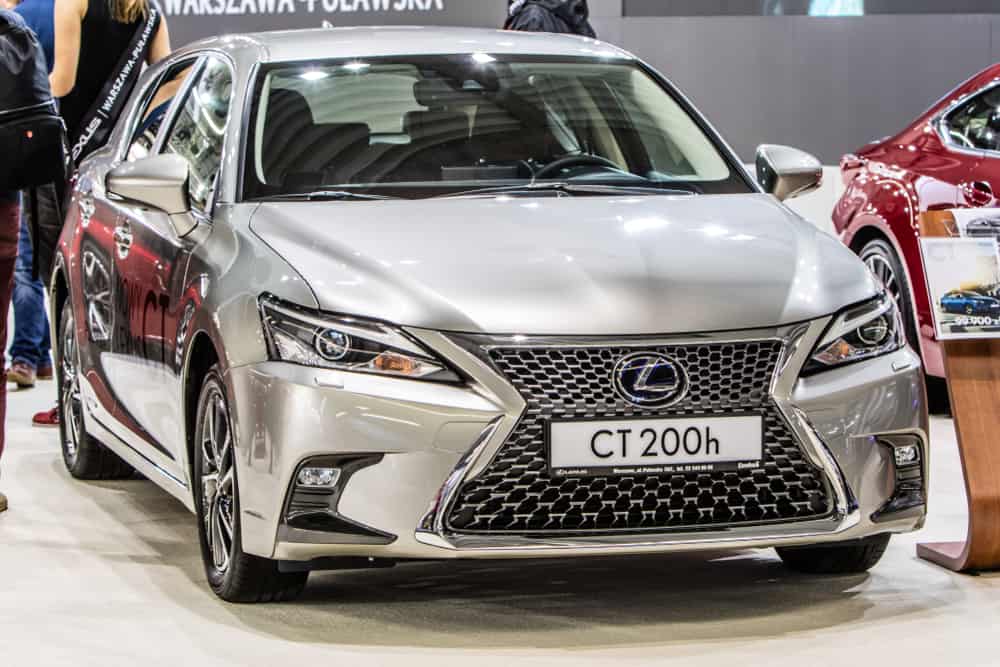
The Lexus CT 200h is not a budget car, and it is not trying to be. This is the option for someone who wants Corolla-level reliability but is willing to spend a little more for a nicer cabin, quieter ride, and that Lexus badge on the trunk lid.
Originally launched back in 2011, the CT 200h got a proper facelift in 2017 that brought it back into fighting shape against newer competitors. Even now, it holds up well. Under the skin, it shares its platform architecture with Toyota vehicles (Lexus is Toyota’s luxury division, after all), which explains why the fuel efficiency numbers land so close to what you would expect from a Corolla Hybrid.
Here is what stands out about this car:
- Hybrid electric powertrain with front-wheel drive and a CVT gearbox
- 134 horsepower from a four-cylinder engine
- Top speed around 112 mph
- Seating for five passengers
- Fuel efficiency rated at 40 mpg
- Price range between $18,525 and $21,250 for 2016 to 2017 model years
The interior is where this car really earns its keep. Lexus paid attention to the small details, soft-touch materials, tight panel gaps, thoughtful button placement, the kind of stuff you only notice after living with a cheaper car for a few years and feeling every rattle and squeak.
It is worth noting the CT 200h is not quite as roomy inside as the Corolla, particularly in rear legroom. If you regularly haul adult passengers in the back seat, take that into account before falling in love with the badge. Adaptive cruise control comes standard on most trims, which is a genuinely useful feature for anyone who spends a lot of time in stop-and-go highway traffic.
Toyota Corolla Hybrid: The Upgrade Toyota Fans Have Been Waiting For
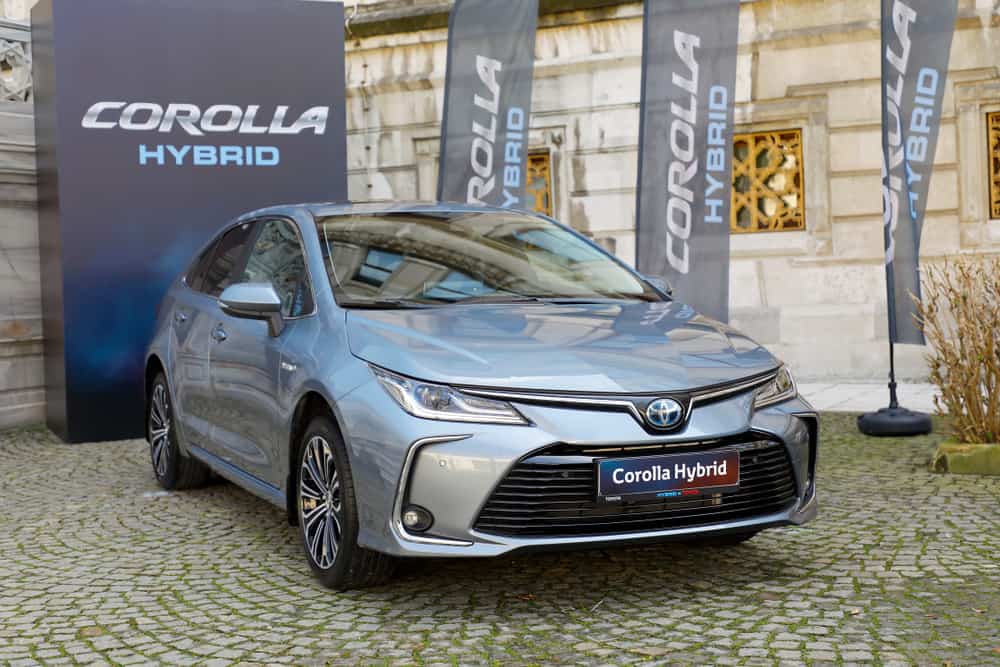
Yes, technically this is still a Corolla, but the hybrid version deserves its own spotlight because it represents such a massive leap over the standard gas-only model. If you liked the idea of a Corolla but wanted better fuel numbers and a more refined ride, this is exactly what Toyota built for you.
This model replaced the Auris nameplate entirely and brought real improvements across the board, better fit and finish, more usable trunk space, and a genuinely upgraded features list. Toyota made the smart decision to offer this generation exclusively with hybrid powertrains, and that decision alone tells you how confident the company was in the technology.
The specs back up the confidence:
- Hybrid electric system paired with a CVT and front-wheel drive
- Four-cylinder engine producing 178 brake horsepower
- Seating for five people comfortably
- Starting price around $21,200 for a new model
- Fuel efficiency rated at an impressive 52 mpg
That efficiency number deserves a moment of attention. Fifty-two miles per gallon is genuinely excellent for a compact sedan, and it puts real money back in your pocket over the life of the car. Picture a driver who commutes 30 miles round trip five days a week. Over a year, the difference between 40 mpg and 52 mpg on that commute alone can save well over a hundred dollars in fuel costs, and that gap only widens the longer you keep the car.
You also have flexibility in how you buy one. Toyota offers the traditional new car purchase route, but there is also the used market, low-mileage stock vehicles with less than a year of age and under 2,000 miles, and leasing options if you would rather not commit long term.
If you already own an older Corolla and are wondering whether the upgrade is worth it, Toyota provides direct comparison tools between generations. Both versions live in the same compact category and target the same type of buyer, but the differences in horsepower, lane departure alert capability, trim availability, and overall engine technology are significant enough to matter.
Honda Civic: The Reliability Rival That Refuses to Lose Ground
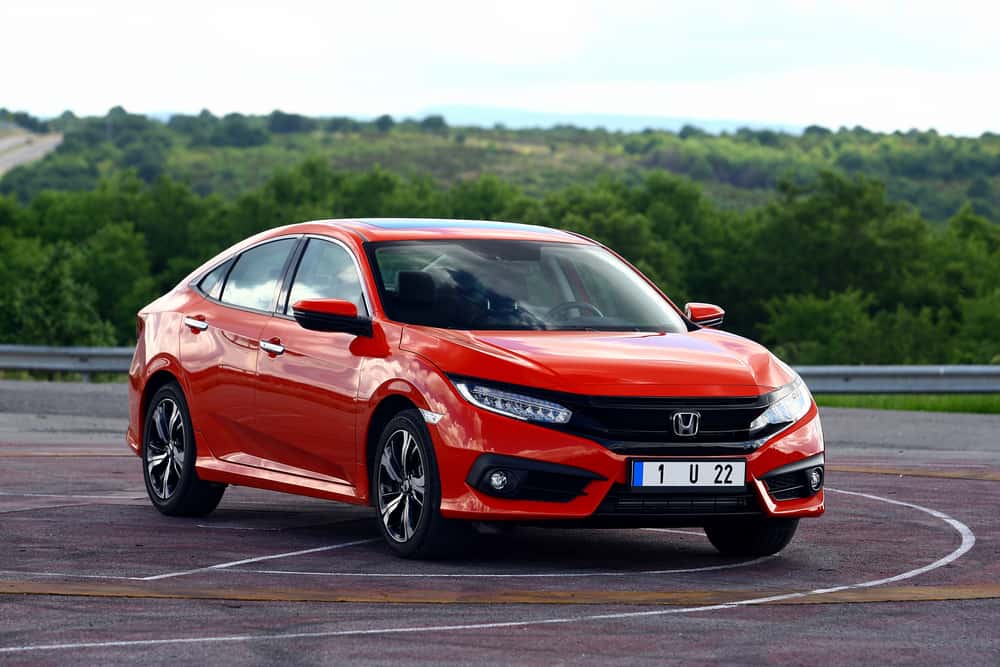
No conversation about Corolla alternatives is complete without the Honda Civic showing up, because these two cars have been fighting for the same buyers since the 1970s. The latest generation Civic actually grew beyond 4.5 meters in length, pushing it slightly outside the traditional compact class and closer to midsize territory.
What impresses most mechanics and reviewers alike is how much equipment Honda includes even at the base trim level. You are not paying extra just to get basic safety features here, and the interior space genuinely feels larger than the exterior dimensions might suggest.
Civic specs worth knowing:
- Body style: Midsize four-door sedan with a petrol engine
- Horsepower: 158 hp with 138 lb-ft of torque
- Top speed: Around 180 mph (manufacturer rated, though real-world driving rarely approaches this)
- Seating: Five passengers
- Fuel efficiency: 40 mpg
- Price range: $21,700 to $37,895 depending on trim
Just like with the Corolla, you have plenty of purchasing flexibility. Used Civics hold their value remarkably well, low-mileage stock units are widely available, and leasing remains a popular option for buyers who like to switch cars every few years.
When you put the Honda Civic and Toyota Corolla side by side, the differences come down to details rather than dramatic gaps. Infotainment system layout, the sophistication of the pre-collision braking system, available trim levels, and small engine tuning differences separate these two more than any single dealbreaker feature. Both are excellent choices, and honestly, the right pick often comes down to which one feels better after an actual test drive.
Other Corolla Alternatives That Deserve Your Attention
The three cars above tend to get the most cross-shopping traffic, but do not sleep on these other options. Each one brings something a little different to the table.
Mazda 3: The Compact That Feels Like a Luxury Car
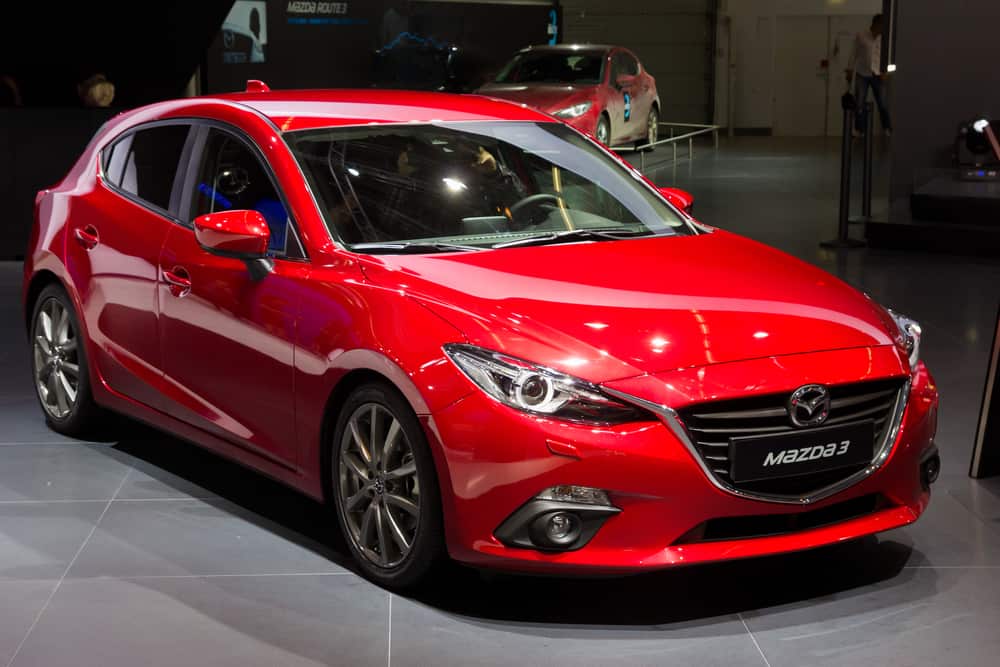
The Mazda 3 recently went through a full redesign, and the result is a five-door compact with proportions that remind you more of a Volkswagen Golf than a typical economy car. Mazda has quietly built one of the best interiors in this entire price bracket, seriously, sit in one and compare it to a similarly priced Corolla and you will notice the difference immediately.
Rear seat space is genuinely generous too, which matters if you regularly drive with passengers in the back. Buyers can access this car through standard purchase, leasing, or low-mileage stock options just like the other vehicles on this list.
In a direct Mazda 3 versus Corolla comparison, both cars have legitimate strengths. Mazda leans harder into driving feel and cabin quality, while Toyota leans on long-term reliability data and hybrid efficiency options. Neither approach is wrong, it just depends on what you personally value more.
Seat Leon: The European Option With Serious Fuel Efficiency
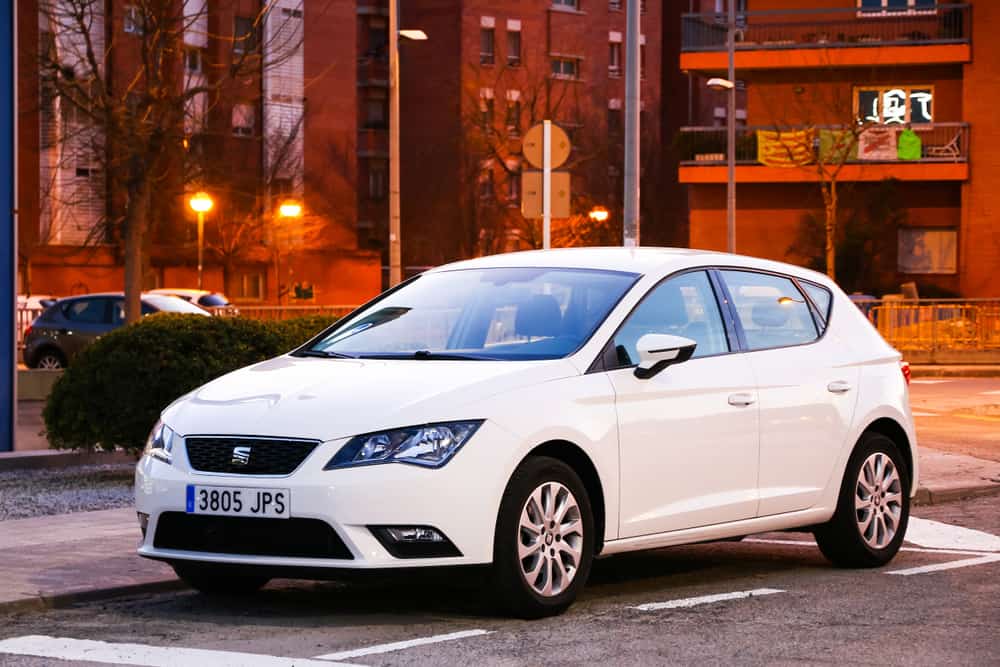
The Seat Leon might not be a household name in every market, but it deserves a spot on this list because of its genuinely low-consumption gasoline engine lineup. While the Corolla answers the efficiency question with hybrid technology, Seat tackles it through smart engine engineering on traditional gas power alone.
The Leon includes an automatic emergency braking system standard, along with solid rear legroom and generous cargo space. It consistently ranks among the better-selling compacts in markets where it is available, and that popularity is not an accident.
Toyota C-HR: When an SUV Sneaks Into the Compact Conversation
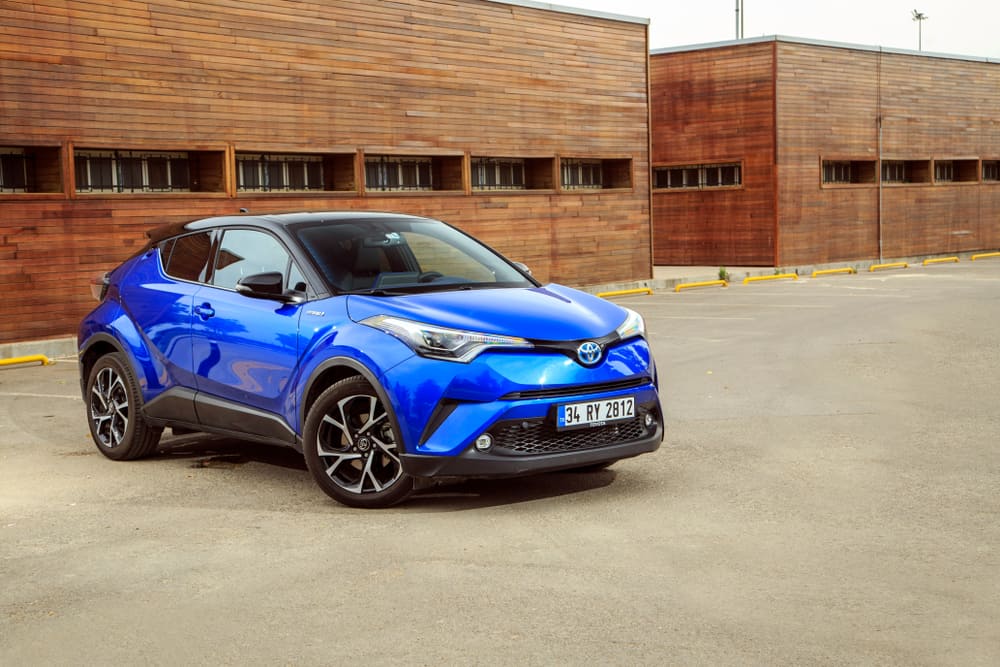
Technically, the Toyota C-HR is a crossover SUV, not a sedan or hatchback. But here is the thing: its price point and hybrid capabilities put it directly in competition with the Corolla for a lot of shoppers, especially those who want slightly more ground clearance and a commanding driving position.
The design turns heads, the technology inside feels genuinely modern, and the price tag stays surprisingly reasonable for what you get. It would not be unusual for someone who walked into a Toyota dealership specifically looking at a Corolla to leave with a C-HR instead, purely because the styling and hybrid drivetrain won them over on the spot.
With front-wheel drive, strong fuel economy, a proper hatchback layout, and enough torque to handle both daily commuting and the occasional light off-road detour, the C-HR makes a compelling case for buyers who want something a little different from the standard sedan formula.
Hyundai Ioniq: Three Powertrains, One Very Smart Sedan
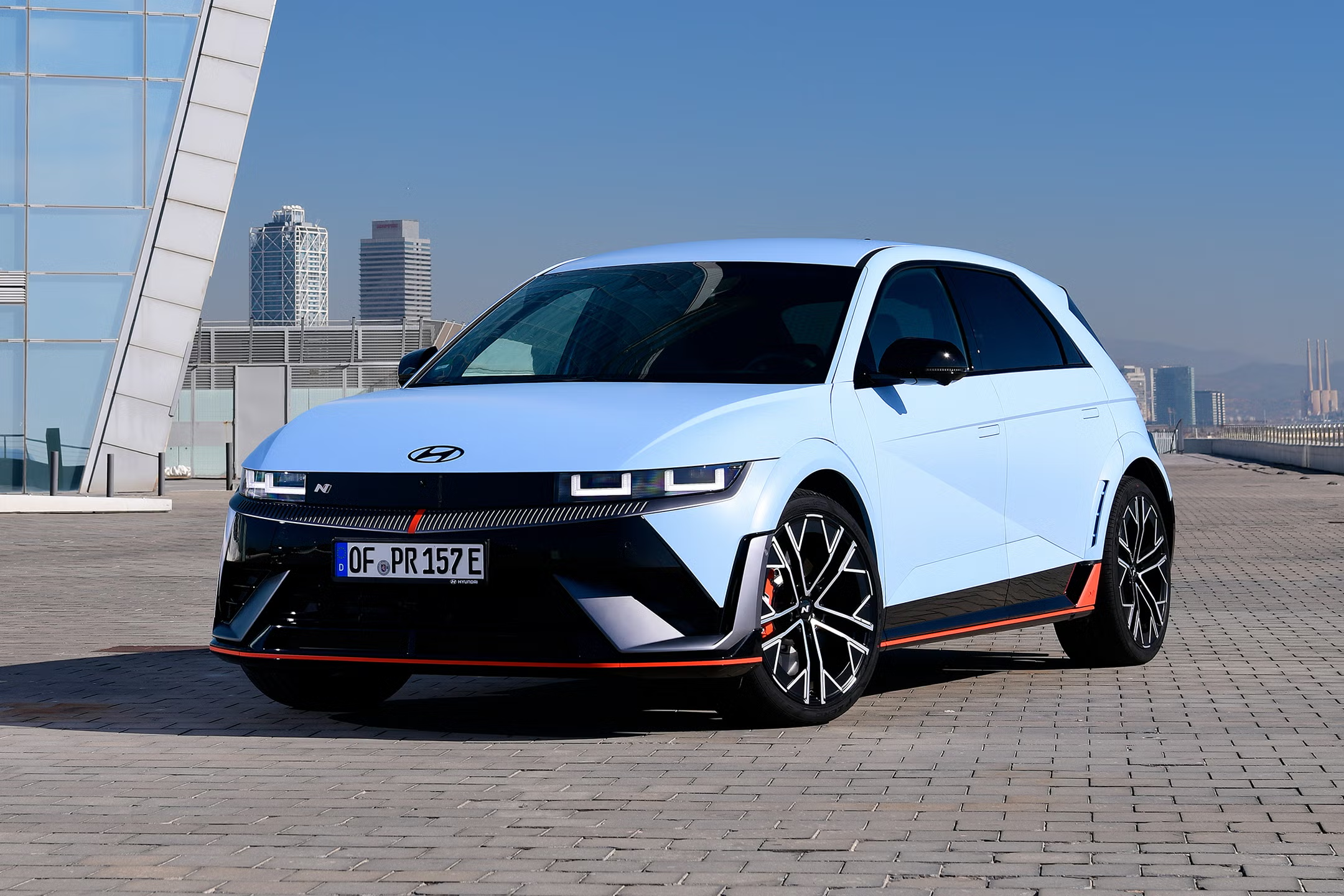
Hyundai took an interesting approach with the Ioniq by offering it in three distinct flavors: fully electric, standard hybrid, and plug-in hybrid. That flexibility alone makes it worth a look, since it lets you pick exactly how much electrification you want without switching to a completely different model.
The hybrid variant specifically competes with both the Corolla and the larger Toyota Camry. Technically speaking, the Ioniq is more of a liftback than a true hatchback, but the driving experience remains impressive regardless of what you call the body style.
Given its competitive pricing and generous interior space, the Ioniq has genuinely started pulling sales away from established Japanese competitors. That is not marketing talk, dealers in several markets have confirmed cross-shopping between these exact models has increased significantly in recent years.
Kia Ceed: Proof That Value and Quality Are Not Mutually Exclusive
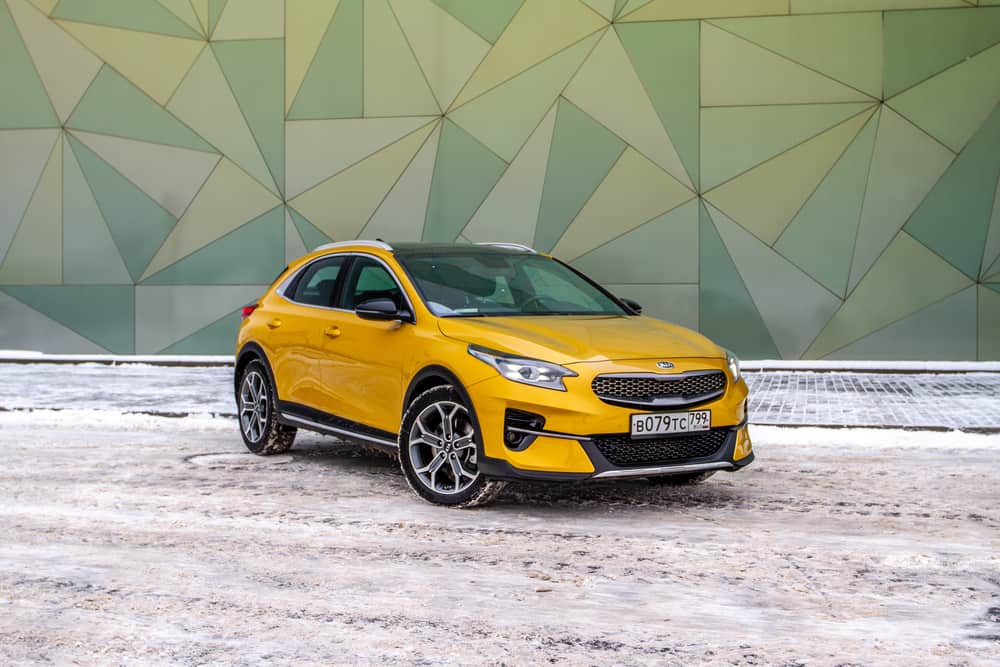
The Kia Ceed occupies similar territory to the Seat Leon in terms of value proposition. This is one of the strongest quality-to-price ratios in the entire compact segment, and the latest generation shows just how far Kia has come as a manufacturer over the past decade.
Loaded with modern technology and offering generous cargo space, the Ceed genuinely competes with most Toyota models on features while often undercutting them on price. If budget flexibility matters as much as feature count to you, this is a name worth researching further.
Beyond the Big Names: A Few More Worth a Passing Glance
The list of Corolla competitors runs deeper than the cars we have covered in detail. Here are a few more that deserve at least a quick mention if you are casting a wide net during your shopping process.
| Model | Why It Is Worth Considering |
|---|---|
| Chevrolet Cruze | Competitive pricing with a comfortable ride quality for daily commuting |
| Kia Forte | Long warranty coverage paired with a surprisingly upscale interior for the price |
| Hyundai Elantra | Sharp styling and strong safety ratings across most trim levels |
| Subaru Impreza | Standard all-wheel drive, a rare feature in this segment |
| Toyota Prius | The original hybrid benchmark, still relevant for maximum fuel efficiency |
| Kia Soul | Boxy shape delivers unexpectedly generous cargo and headroom |
| Toyota Yaris iA | A smaller, budget-friendly option for city driving |
| Toyota Camry | A step up in size for buyers who outgrow the compact category |
| Honda HR-V | Small SUV footprint with Civic-like reliability underneath |
Even so, do not feel pressured to test drive all seventeen cars on this list before making a decision. Pick the three or four that match your budget and priorities, then go from there.
How to Actually Narrow Down Your Choice
With this many solid options on the table, decision paralysis becomes a real risk. Here is a practical framework I recommend to customers who come into the shop asking for advice on compact car shopping.
- Start with your commute. If you drive long highway distances daily, prioritize fuel economy and cruise control features. The Corolla Hybrid or Ioniq hybrid variant would serve you well here.
- Think about who rides with you. Families need rear seat space and cargo room. The Mazda 3 and Seat Leon both perform well in this area.
- Consider your climate. If you deal with snow regularly, the Subaru Impreza’s standard all-wheel drive becomes a genuine advantage over front-wheel-drive competitors.
- Be honest about your budget ceiling. The Lexus CT 200h and higher Civic trims push well past $30,000. Do not stretch your finances just for a badge.
- Test drive before you decide. Specs on paper cannot tell you how a seat feels after two hours of driving, or how the infotainment system responds to real use.
That last point matters more than people realize. I have had customers fall in love with a car based purely on spec sheets, only to complain six months later about seat comfort or road noise that never showed up in any brochure.
A Quick Word on Maintenance Costs Across These Models
Since I spend most of my working hours with a wrench in hand rather than behind a keyboard, I would be doing you a disservice if I did not mention maintenance realities here.
Hybrid models like the Corolla Hybrid, Lexus CT 200h, and Ioniq generally cost a bit more upfront for specialized service, particularly anything involving the hybrid battery system or regenerative braking components. That said, they also tend to need brake pad replacements less frequently since regenerative braking takes some of the workload off the physical brake pads.
Traditional gas-powered compacts like the Honda Civic, Mazda 3, and Kia Ceed generally cost less to maintain at independent shops, and parts availability tends to be excellent across the board given how popular these models are worldwide.
Whatever you choose, budget for routine maintenance from day one. Oil changes, tire rotations, and brake inspections are not optional extras, they are what keep any of these cars running well past the 150,000 mile mark.
The Bottom Line for Your Next Compact Car Purchase
The Toyota Corolla earned its reputation honestly, through decades of reliability and smart engineering decisions. But reputation alone should not be the only factor driving your next car purchase. Every model on this list brings genuine strengths to the table, whether that is the Lexus CT 200h’s premium interior, the Corolla Hybrid’s outstanding fuel economy, or the Honda Civic’s blend of space and dependability.
Take the time to drive at least two or three of these cars back to back. Pay attention to how the seat feels after thirty minutes, how the infotainment system responds when you are trying to change a song at a red light, and whether the trunk actually fits your weekly grocery haul. Which one feels right when you picture yourself driving it home tonight?