

An Allison transmission that shifts hard, hangs in one gear or drops into a reduced-power mode can make a truck feel unsafe fast. The transmission control module (TCM) is often the first suspect, and sometimes it deserves the blame. Other times the fault sits in the wiring, the fluid or something bolted to the engine that the owner added years ago.
The TCM regulates the electronic side of the transmission to improve performance and efficiency. When it fails, or when it can’t talk to the rest of the truck, you can get limp mode, communication codes and a long list of shifting complaints. Knowing what those symptoms look like helps you decide whether you’re facing a quick check or a shop visit.
This guide covers the warning signs, the codes that matter, the GMC and Chevrolet Duramax trucks that had a well-known TCM problem, and the diagnostic steps worth doing first. I’ll also go through costs, mistakes I see people make, and where DIY ends. I’ve worked on enough of these to have opinions, and I’ll share them where they help.
The short answer
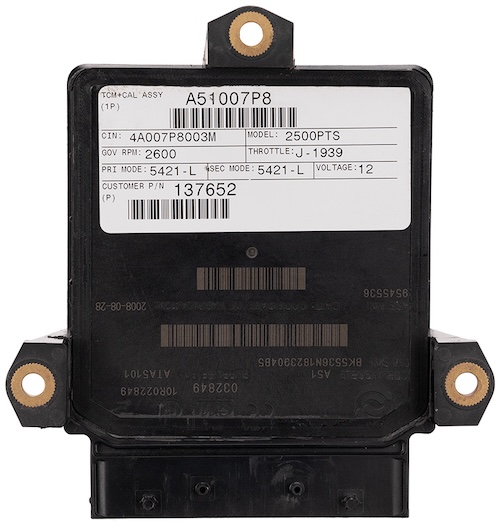
Common signs of a failing Allison TCM include hard or erratic shifting, limp mode, a check engine or transmission warning light, poor fuel economy, being stuck in gear and high transmission fluid temperatures. Codes such as U0101, U0100, P0700 and T14 show up often, and U0101 points to lost communication between the TCM and other parts of the truck. On 2008 to 2015 GMC and Chevrolet 2500 and 3500 trucks with the 6.6 L Duramax, the TCM had a high failure rate.
Start with the basics before you condemn the module. Read every code, check the fuses, inspect wiring and connectors, and look at the fluid. Programming or replacing a TCM needs specialized equipment and training, so most owners will end up handing that part to a technician.
A TCM replacement can cost real money, so diagnose first. A part in the range of $200 to $1,000 plus labor is a bad bet if the actual fault is a corroded connector.
What the transmission control module does
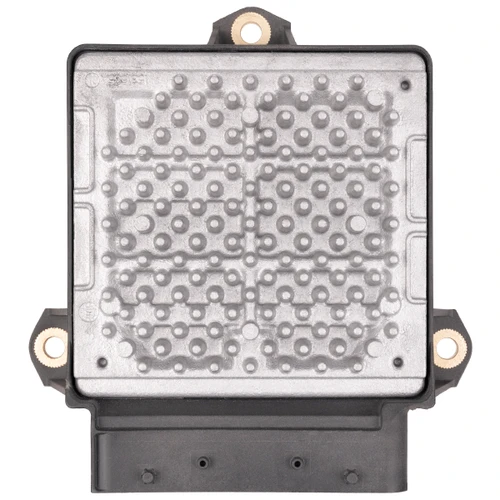
The TCM is the computer that manages the electronic controls of your transmission. It reads inputs from sensors and other modules, then decides when and how the transmission should shift. It also watches for conditions that could damage the transmission and can limit operation to protect it.
That last part matters. When the TCM sees something it doesn’t like, such as severe overheating or a communication fault, it can put the transmission into limp mode. So a driver who feels the truck suddenly behaving differently is often feeling the TCM do its protective job, not a gearbox that has failed internally.
Because the TCM talks constantly with other modules, a problem anywhere in that network can look like a TCM fault. A bad connection, a weak power supply or electrical interference can cause the same symptoms as a dead module. That’s why codes and testing come before parts.
Signs of Allison TCM problems
Not every symptom below means the module is bad. They’re clues, and several together carry more weight than one alone.
Shifting problems
Hard or erratic shifting is a classic sign. Since the TCM regulates gear changes, a fault in the module can show up as harsh engagement, flare between gears or shifts at odd moments. Don’t leave this alone, because rough shifting can lead to further damage inside the transmission and even to your driveshaft U-joints.
I’ve had trucks come in where the owner had been putting up with a bang on every shift for weeks. By the time we looked, they were also asking about a vibration that turned out to be a worn U-joint. The shifting had been hammering the driveline the whole time.
Limp mode
Limp mode is a safety feature that, on these transmissions, locks the Allison into third gear to protect it from damage. Triggers include severe overheating, towing a very heavy load and other conditions that could harm the transmission. A TCM malfunction can also put the transmission in this state.
If you’re in limp mode, take it seriously, but don’t assume the module is the cause. The mode is a symptom, and the stored codes will tell you what the truck was reacting to. Write them down before anything gets cleared.
Warning lights
The check engine light or a specific transmission warning light can point to a TCM problem. When a light comes on along with shifting trouble, have the transmission checked by someone who can read the codes properly. A light with no symptoms still deserves a scan, since ignoring it can lead to more extensive damage later.
A generic code reader may only show part of the picture. Transmission codes, including manufacturer-specific ones, sometimes need a better tool to read fully.
Poor fuel economy
A TCM that isn’t working properly can hurt fuel economy, since it’s responsible for optimizing transmission performance. If the module is holding the wrong gear or shifting at the wrong time, efficiency drops. Keep an eye on your mileage, and if you see a significant drop alongside other symptoms, have the system inspected.
Fuel economy changes have plenty of other causes, from tires to towing to weather. Treat this one as a supporting clue, not proof.
Stuck in gear
Getting stuck in a specific gear, or failing to shift at all, can result from a malfunctioning TCM. The truck may start off fine and then refuse to move up through the gears. Deal with this as soon as you can, because driving in the wrong gear strains the transmission.
High transmission temperatures
High transmission fluid temperatures may indicate that the TCM isn’t controlling the transmission’s performance as it should. Excess heat damages a transmission quickly. Monitor the fluid temperature regularly if your truck has a gauge or display for it, and get help if it stays high.
Heat can also be the cause of limp mode, not only a result. Towing hard in hot weather, for example, can push temperatures up without any module fault at all. Ask yourself what the truck was doing when the problem started.
Symptoms at a glance
| Symptom | What it may point to | First thing to check |
|---|---|---|
| Hard or erratic shifting | TCM fault, wiring issue, fluid problem | Read codes and inspect connectors |
| Limp mode, locked in third gear | Overheating, heavy load, TCM malfunction, incorrectly hooked up module | Record codes and check fluid temperature history |
| Warning light on | Stored fault in the TCM or related system | Scan for codes before clearing anything |
| Worse fuel economy | Poor shift control, wrong gear selection | Rule out tires, load and driving changes |
| Stuck in gear or won’t shift | TCM fault, communication loss | Check for U0101 and similar codes |
| High fluid temperature | Poor TCM control, heavy use, cooling issue | Check fluid condition and cooling |
Use this as a starting map. Two or three of these appearing together, especially with a communication code, is when the TCM moves up the list of suspects.
Common codes: U0101, T14 and others
Codes turn a vague complaint into something testable. Here’s a video that walks through the topic, followed by the codes the source material highlights.

U0101: lost communication
U0101 is associated with lost communication between the TCM and other system components. It can lead to limp mode and gear shifting problems. Potential causes include wiring problems, a faulty TCM, or other components interfering with communication between the TCM and the rest of the truck.
Start with the wiring and connections in the transmission system. Make sure everything is securely connected and free of corrosion or damage, and repair or replace anything that isn’t. If the wiring looks good, move on to the TCM and the engine control module (ECM), which might need to be reprogrammed, updated or replaced in some cases.
T14: Allison A50 TCM failure
The T14 code is linked to Allison A50 TCM failure, which can come from a variety of factors. Related diagnostic trouble codes mentioned by UpFix in its Allison TCM repair article include U0101, U0100 and P0700. In most cases, the source says problems with this code trace back to the TCM itself, which means repair or replacement.
To address it, determine the root cause. Check all the diagnostic trouble codes to see whether additional codes are present alongside T14, since the pattern can show whether the module or something around it is at fault. If you can’t narrow it down, see a qualified technician.
P0604 and P0605: internal module codes
The source also lists P0604 (Internal Control Module RAM Error) and P0605 (Internal Control Module) as common codes for Allison TCMs. Both point to a problem inside the module itself. Once you have a code like this, research the proper repair procedure for your exact truck rather than guessing.
P0880 and the Duramax trucks
For the GMC and Chevrolet trucks covered below, the source lists P0880 and/or U0101 as the diagnostic trouble codes that go with the TCM failure. If you see either of them on one of those trucks, treat the module as a leading suspect and confirm with testing.
| Code | How the source describes it | Where to look |
|---|---|---|
| U0101 | Lost communication between the TCM and other components | Wiring, connectors, TCM, ECM |
| U0100 | Listed alongside T14 failure | Communication network and TCM |
| P0700 | Listed alongside T14 failure | Stored transmission codes and the TCM |
| T14 | Linked to Allison A50 TCM failure | The TCM itself, plus any other codes present |
| P0604 | Internal Control Module RAM Error | The TCM |
| P0605 | Internal Control Module | The TCM |
| P0880 | Listed with Duramax TCM failures | The TCM and its power supply |
Remember that a code describes what the system noticed, not always what caused it. These are examples, and other codes can show up too. If you aren’t sure how to proceed, a professional technician with the right scan tool will save you time.
Affected trucks: 2008 to 2015 GMC and Chevrolet
From 2008 to 2015, General Motors built several model years of GMC and Chevrolet trucks with a TCM that failed at a high rate. The affected vehicles include the Chevrolet Silverado and the GMC Sierra 2500 and 3500 series with the 6.6 L Duramax engine. The module in question carries part number 24256861.
Owners reported a mix of symptoms, and several of them will sound familiar by now:
- Loss of communication with the TCM, which links to an NHTSA technical service bulletin
- Intermittent transmission hesitation
- Reduced torque
- Range inhibit
- Clunk noises
- Stuck in gear or neutral
- Won’t shift
- Diagnostic trouble codes P0880 and/or U0101
If you own one of these trucks and see any of this, get it looked at by a professional mechanic. They can confirm whether the TCM is the cause and recommend a repair. In many cases the fix is a software update or a TCM replacement.
The Allison 1000 and limp mode
The Allison 1000 transmission was used in these trucks. It has a limp mode feature that locks it into third gear when it detects a potential problem that could cause severe damage. The source lists several common triggers for it:
- Severe overheating
- Very heavy load
- An incorrectly hooked up TCM module
That last trigger is worth a second look. If the module was replaced or disturbed recently and limp mode showed up afterward, check how it was installed and connected. A simple wiring or connector mistake can mimic a failed part.
The 2500 and 3500 trucks with the Allison 1000 and the Duramax are prone to TCM failure and related transmission issues. Don’t wait for the problem to get worse on one of these. A truck that hesitates or clunks today can leave you stuck in neutral on the highway next month.
Electrostatic discharge, aftermarket belts and TCM location
One of the more useful details in the source material has to do with communication loss. When a truck loses communication with the TCM and shows hesitation, reduced torque and difficulty shifting, the source suggests inspecting for electrostatic discharge from aftermarket serpentine belts and added equipment. The listed remedies are installing OEM belts or relocating the TCM.
I’d treat this as a real possibility on trucks with a history of belt replacements or added accessories. Static electricity can build up on a belt and discharge into nearby electronics. If the module sits close to where that happens, repeated failures aren’t a surprise.
Here’s why this matters for your wallet. Replacing a TCM without addressing the cause can leave you with a second failed module. If you’ve already replaced one and the problem came back, ask the technician whether the belts, added equipment or the module’s location were considered.
- Review what’s been added or changed. Think about aftermarket belts and any extra equipment installed near the engine. Note when the symptoms began relative to that work.
- Inspect the belts. Check whether the serpentine belt is an OEM part or an aftermarket one. If it’s aftermarket and the problem fits the pattern, discuss swapping to an OEM belt with your mechanic.
- Ask about relocating the TCM. Moving the module is one of the remedies the source lists. It’s a job for a technician, since wiring and mounting need to be done correctly.
- Retest after the change. Clear nothing until you’ve recorded the old codes, then check whether communication errors return after the fix.
Diagnostic steps to take before replacing the TCM
Work from cheap and simple to expensive and complicated. Most of these checks take little time, and they can save you from buying a module you didn’t need.
Scan for trouble codes
Scanning is the easiest way to find out what the system thinks is wrong. Use a diagnostic scan tool to read the diagnostic trouble codes stored in the system. Once you’ve identified the code, research the appropriate repair procedure for that fault.
Record every code, active or stored, before clearing anything. If a code returns right after you clear it, that tells you something too. Intermittent faults are far easier to track when you have the history.
Check the fuses
A blown fuse can cut power to the module and cause transmission trouble. Find the fuse panel and check every fuse tied to the TCM. Replace any damaged fuse and see whether the problem is fixed.
If a fuse blows again right away, don’t keep feeding it fuses. That means a short or a failing component somewhere, and it needs proper diagnosis.
Inspect wiring and connectors
Since U0101 and related codes often come from communication problems, wiring deserves real attention. Look for chafed wires, loose plugs, corrosion and signs of water. A connector that looks fine can still have a bad pin, so wiggle-test harnesses gently while watching live data if you can.
I once chased a no-communication complaint for an hour before finding a green, crusty pin in a connector that looked clean from the outside. Cleaning it fixed a problem that three people had assumed was a bad module. Check the connectors first, every time.
Check the vacuum lines
The source suggests inspecting vacuum lines near the transmission, since loose or damaged lines can cause poor engine performance and shifting problems. Look for cracks and abrasions, and repair or replace any damaged lines. Then see whether performance improves.
How much this matters depends on your vehicle, so check your service information. It’s a cheap inspection, so it’s worth doing, but don’t expect it to explain a hard communication fault.
Check fluid level and condition
Low or burnt fluid can cause shifting trouble and heat, and heat can trigger limp mode on its own. Check the level and condition using the procedure for your truck, since the correct method depends on temperature and the vehicle. Fluid that smells burnt or looks dirty points toward a deeper transmission problem, not only the TCM.
Consider programming or replacement
Programming a TCM keeps it up to date and working properly. The source is clear that you need specialized training, precision equipment and many hours of work to do it successfully. A professional service technician is the right person for this job.
If the module has failed outright, replacement may be necessary, and a new or updated module may need programming to match your truck. Ask whether the quote includes programming, because it’s easy to forget until the bill arrives.
Costs and time
Costs depend on the shop, the truck and what’s actually wrong. Here’s the video from the source on cost factors, followed by the numbers it gives.

Labor
Labor for an Allison TCM problem depends on the shop and how long diagnosis and repair take. The source gives a ballpark of $100 to $200 per hour, and notes that it varies with the complexity of the repair, the mechanic’s experience and your location. Treat it as a rough guide only.
Look for a shop that knows Allison transmissions or your specific truck. A mechanic who has seen this TCM problem before will usually diagnose it faster than someone meeting it for the first time.
Parts
Transmission control modules can range from $200 to $1,000, depending on the make and model. If the TCM is the problem, replacement may be necessary. Sometimes, though, the fault is in a different component or sensor, and those costs vary widely.
| Cost factor | Range from the source | What affects it |
|---|---|---|
| Labor | $100 to $200 per hour | Shop, location, complexity, mechanic experience |
| TCM part | $200 to $1,000 | Make and model of the vehicle |
| Other parts | Varies greatly | Which sensor, wire or component is at fault |
When you budget, add labor and parts together and leave room for programming and diagnosis time. Ask for an itemized estimate that separates diagnosis, parts, programming and labor. If a quote seems high, ask what tests support it.
Mistakes to avoid
- Replacing the TCM without reading codes. A module is an expensive guess if the fault is a connector.
- Clearing codes before recording them. You throw away the history a technician needs.
- Driving for weeks with harsh shifts. It can damage internal parts and U-joints.
- Ignoring limp mode. Third gear only is a protective mode, and the truck is telling you something is wrong.
- Overlooking the cause of a repeat failure. Aftermarket belts, added equipment and module location may matter.
- Skipping the fuses and wiring. They’re the cheapest checks and often the answer.
- Hauling heavy loads while overheating. Severe heat can trigger limp mode and damage the transmission.
- Attempting TCM programming without equipment. It needs specialized training and tools.
DIY or see a mechanic?
Some work is reasonable for a careful owner. Reading codes with a scan tool, checking fuses, inspecting vacuum lines, looking over wiring and connectors, and checking fluid all fit. They need basic tools, and they give you good information before you spend money.
See a mechanic if you’ve got limp mode, a communication code you can’t clear up, stuck gears, clunks or high temperatures that keep returning. Programming and replacing a TCM belongs with a technician, since the source says it takes specialized training, precision equipment and many hours. Relocating the module or chasing electrostatic discharge issues is also shop work.
If you own one of the 2008 to 2015 Duramax trucks, mention the known TCM issue when you call. It may speed up diagnosis, and it’s worth asking the dealer whether any technical service bulletin applies to your truck. You can also check the NHTSA bulletin linked above.
Common questions about Allison TCM problems
What are the signs of a bad Allison TCM?
Common signs are hard or erratic shifting, limp mode, a warning light, poor fuel economy, being stuck in gear and high transmission temperatures. Communication codes such as U0101 are another strong clue. Confirm with a scan before replacing anything.
What does limp mode do on an Allison transmission?
It locks the transmission into third gear to protect it from damage. Triggers include severe overheating, very heavy loads and a TCM malfunction. An incorrectly hooked up TCM can also cause it.
What does U0101 mean?
It’s associated with lost communication between the TCM and other system components. Causes include wiring problems, a faulty TCM or other components interfering with communication. Check wiring and connectors first, then the TCM and ECM.
What is the T14 code?
It’s linked to Allison A50 TCM failure. Related codes include U0101, U0100 and P0700. Check for additional codes and get a technician involved if the cause isn’t clear.
Which trucks had the TCM problem?
The source names 2008 to 2015 Chevrolet Silverado and GMC Sierra 2500 and 3500 trucks with the 6.6 L Duramax. The TCM part number mentioned is 24256861. Those trucks use the Allison 1000 transmission.
Can aftermarket belts cause TCM problems?
The source suggests electrostatic discharge from aftermarket serpentine belts and added equipment can contribute to communication loss. Remedies include installing OEM belts or relocating the TCM. A technician can help work out whether that applies to your truck.
How much does it cost to fix an Allison TCM?
The source gives roughly $100 to $200 per hour for labor and $200 to $1,000 for a TCM, depending on the vehicle. Programming and diagnosis add to the total. Ask for an itemized estimate before agreeing to the work.
Can I program the TCM myself?
It isn’t practical for most owners. The source says it needs specialized training, precision equipment and many hours of work. Use a professional service technician.
The expert verdict
Allison TCM problems show up as shifting trouble, limp mode, warning lights, stuck gears, poor fuel economy and high temperatures. The codes to watch include U0101, U0100, P0700, T14, P0604, P0605 and, on the Duramax trucks, P0880. The 2008 to 2015 GMC and Chevrolet 2500 and 3500 trucks with the Allison 1000 had a high TCM failure rate, so owners of those trucks should take symptoms seriously.
Your next step is to scan and record the codes, then check fuses, wiring, connectors, vacuum lines and fluid. If a TCM replacement is needed, ask about programming and consider whether aftermarket belts, added equipment or module location could cause a repeat failure. Get an itemized estimate from a shop that knows these transmissions.
DIY is reasonable for scanning, fuse checks and visual inspections. Leave programming, replacement and relocation to a technician with the right equipment.
One clear takeaway: diagnose the cause of the fault before buying a new TCM, because a new module won’t last if the problem that killed the old one is still there.