
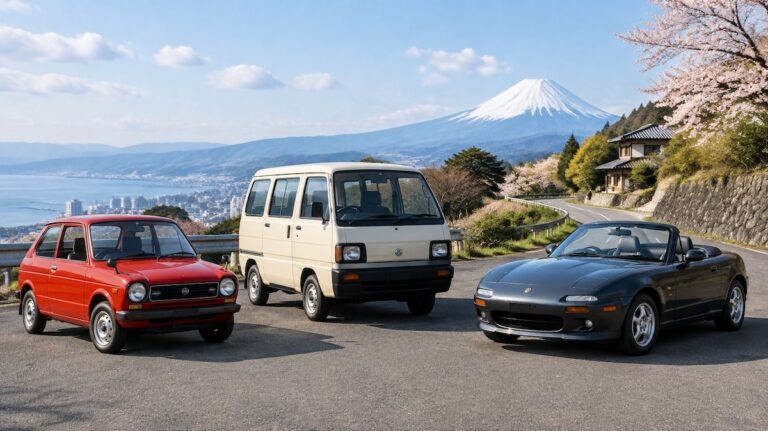
Some of Japan’s most memorable cars are barely larger than a parking space. Kei cars range from tiny work trucks and practical city runabouts to turbocharged roadsters and a sports car with gullwing doors. Their appeal is the mix of clever packaging, low weight, distinctive styling, and the sense that their designers had fun with the brief.
If you’d like to see some in person, Japfest Goodwood features kei cars in a variety of forms, from small sports cars to everyday runabouts. It’s a good chance to see the size and details up close, especially if you’ve only known these cars from photos.
Thinking about one as your next used car purchase? Before choosing a model, it helps to understand what makes a car a kei, how the rules shaped the class, and what to check when buying an import. Then we can get to the fun part: the cars themselves.
What makes a kei car a kei car?
Kei is a Japanese vehicle class with limits on engine size, power, and dimensions. The specifications described here allow an engine of up to 660cc and no more than 63hp, with a maximum length of 3.3 metres and width of 1.5 metres. The rules have changed over the years, so the exact classification depends on the model and the regulations in effect when it was built.
Those limits shaped the way manufacturers approached small cars. A kei vehicle has to make good use of its space, and its engine has to work within a strict capacity limit. That hasn’t stopped Japanese makers from building convertibles, performance hatchbacks, practical vans, and electric city cars within the class.
Kei is a Japanese classification, but the cars aren’t found only in Japan. Some models were sold in export markets, and others are now imported by enthusiasts. There’s a catch: a particular model may have different versions, and not every version qualifies as a kei. The 1.3-litre Daihatsu Copen, for example, sits outside the 660cc limit.
How the kei car became a Japanese mainstay
The kei car began as a practical answer to post-war needs. Japan needed affordable transport that could help people get around and support families and businesses, while also giving the developing domestic car industry room to grow. With tax allowances helping to keep ownership costs down, small cars could offer more usefulness than a motorcycle without the price of a larger car.
The first regulations, introduced in 1949, limited engines to 150cc. That figure rose to 360cc in the 1950s, making room for cars such as the Subaru 360. It’s a small, simple-looking car, but it became one of the class’s best-known early examples.
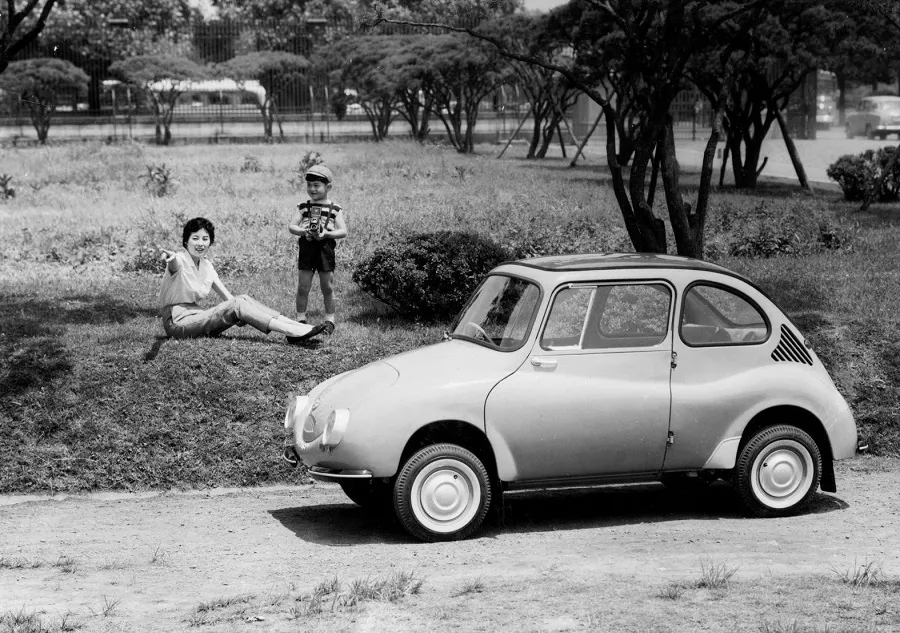
In 1976, the engine limit increased again, this time to 550cc. Cars such as the Suzuki Cervo, known in some markets as the Whizzkid, came from this period. The next big change arrived in 1990, when the limit moved to 660cc and the power cap was set at 63hp.
In 1998, the permitted length and width allowances each grew by 10 centimetres. Those changes helped the class keep pace with changing expectations while staying compact. The basic idea remained the same: small dimensions, modest engine capacity, and a vehicle designed to make everyday driving more accessible.
The 2014 tax increase changed the ownership equation
One of the most recent changes discussed in this history wasn’t a change to the vehicles themselves. Between 2013 and 2014, tax on kei cars rose by around 50%, a move that drew criticism from Japanese drivers who valued the class’s lower ownership costs.
Even after the increase, kei cars remained less expensive than a regular supermini or hatchback in many cases. They continued to serve a practical role in Japan, while their unusual styling and small-car engineering helped build an enthusiast following at home and overseas.
What to check before buying a kei car from Japan
There’s a wide gap between buying a newer local runabout and importing an older, unusual sports car. Start by deciding how you’ll use it. A two-seat roadster can be a great weekend car, but it won’t replace a practical daily driver if you regularly need room for passengers or luggage.
Check the exact model and version
Model names can cover several generations, engines, and trim levels. Confirm which engine and drivetrain the car has, and whether that version meets the kei rules in Japan. If you’re importing it elsewhere, check local registration, emissions, lighting, insurance, and inspection requirements before you buy.
This matters with cars such as the Copen, which was offered with both a kei-spec 660cc engine and a larger 1.3-litre engine. The badge alone doesn’t tell you which version you’re looking at. Ask for the chassis and engine details, not just the seller’s description.
Inspect the actual car, not just the photos
Look for rust, accident repairs, damaged underbody parts, leaks, and signs of poor-quality modifications. On a convertible, check how the roof panels, seals, and latches fit. On a truck or van, look closely at the working areas and the condition of the body underneath.
For turbocharged or supercharged models, ask about service history and listen for unusual noises during a proper inspection. A performance badge doesn’t make an old engine trouble-free. If the car has been modified, find out what was changed and whether the original parts are included.
Work out the full cost, not just the purchase price
An import’s total cost may include the purchase, shipping, customs or other charges, local inspections, registration, transport, and any repairs needed before the car can be driven. Those costs depend on the country, the vehicle, and the importing arrangement, so there’s no useful one-size price for every model here. Ask for an itemized, door-to-door estimate before committing.
Also set aside money for maintenance and parts. A common model may be easier to support than a rare sports car with unusual bodywork or trim. Check parts availability before buying, particularly if the car is your only transport.
Use a specialist when the details get complicated
You can do plenty of useful research yourself: confirm the model, check the paperwork, compare photographs, and ask for a service history. A specialist who knows Japanese imports can help with a pre-purchase inspection, unusual equipment, and import documentation. For an older or heavily modified car, that inspection is money well spent.
Best kei cars to import from Japan
This isn’t a strict ranking. The cars below make the list for different reasons, and the best choice depends on whether you want a sports car, a useful city vehicle, a small off-roader, or a truck that happens to be a show-car favourite.
Suzuki Cappuccino
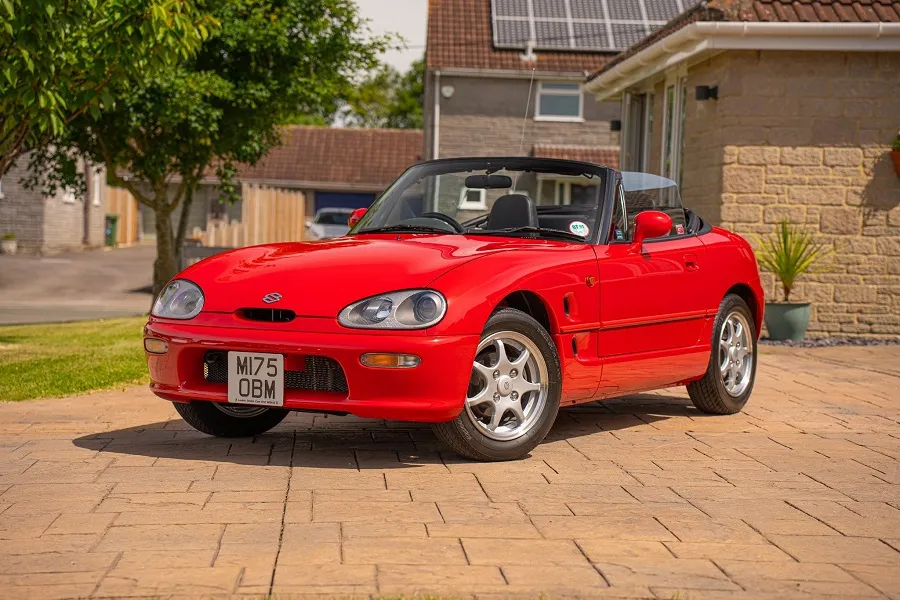
The Suzuki Cappuccino is probably the best-known kei sports car on this list. It arrived in 1992 and looked modern next to roadsters such as the first-generation Mazda MX-5. The small size is part of its charm, but the driving hardware is what keeps enthusiasts interested.
Its turbocharged, 12-valve three-cylinder engine is described as revving to 8,500rpm, with useful response from around 2,000rpm. A short-throw five-speed manual sends power to the rear wheels through a limited-slip differential. Independent suspension at each corner, a kerb weight of 679kg, and a 50:50 weight distribution make it lively on a winding road, even though its top speed is below 90mph.
The three-piece aluminium hardtop gives the Cappuccino a few different ways to enjoy the weather. You can run it fully closed, remove the panels for an open setup, or use a targa-style arrangement. The roof is a clever feature, but on an older car I’d check the panels, seals, latches, and storage condition carefully.
The Cappuccino was sold in limited numbers outside Japan, which makes it more familiar in some export markets than many kei cars. When inspecting one, look beyond the paint and test drive the car properly. A turbo engine and a removable roof are great fun, but they also make service history and a careful check of the car’s condition worth your time.
Mugen N-One
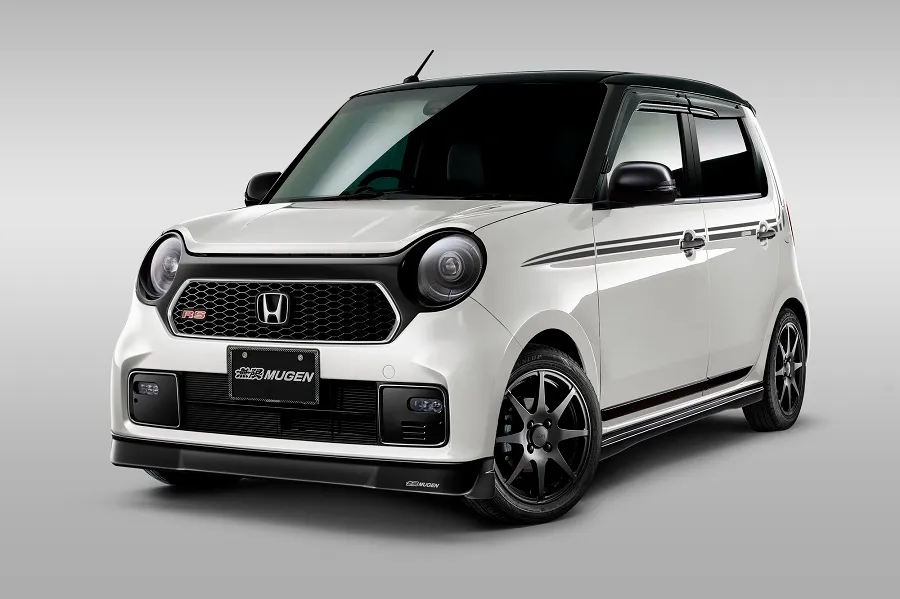
Honda’s N series is a popular part of modern Japan’s kei-car scene. The N-One gives the small runabout a retro-inspired shape, and the Mugen version adds a set of factory-associated upgrades for drivers who want something with a bit more attitude. The Mugen setup described here was available in yellow or white.
The parts list reads like a sensible first project-car wish list: a stainless-steel performance exhaust with different tip finishes, a splitter, side skirts, and a rear spoiler extension that Mugen calls a Gurney Flap. There are also 15-inch forged FR8 wheels, upgraded dampers, and cabin extras such as floor mats, gear knobs, and pedals.
The appeal is that it looks and feels like a personal car without needing a major build. The N-One even has its own amateur racing series, which James May experienced in a recent Amazon docuseries. If you’re buying a modified example, check which parts are genuine and whether the original equipment comes with the car.
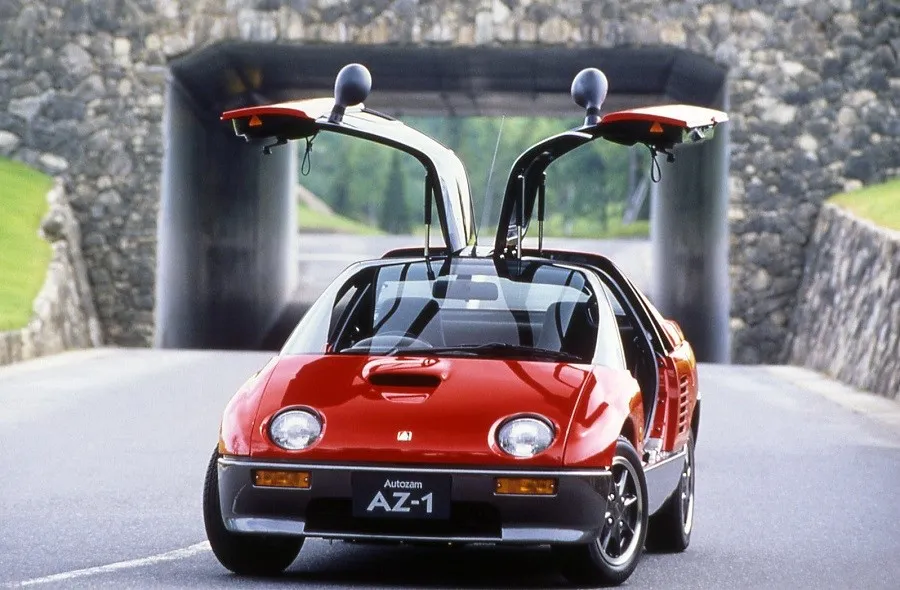
Autozam AZ-1
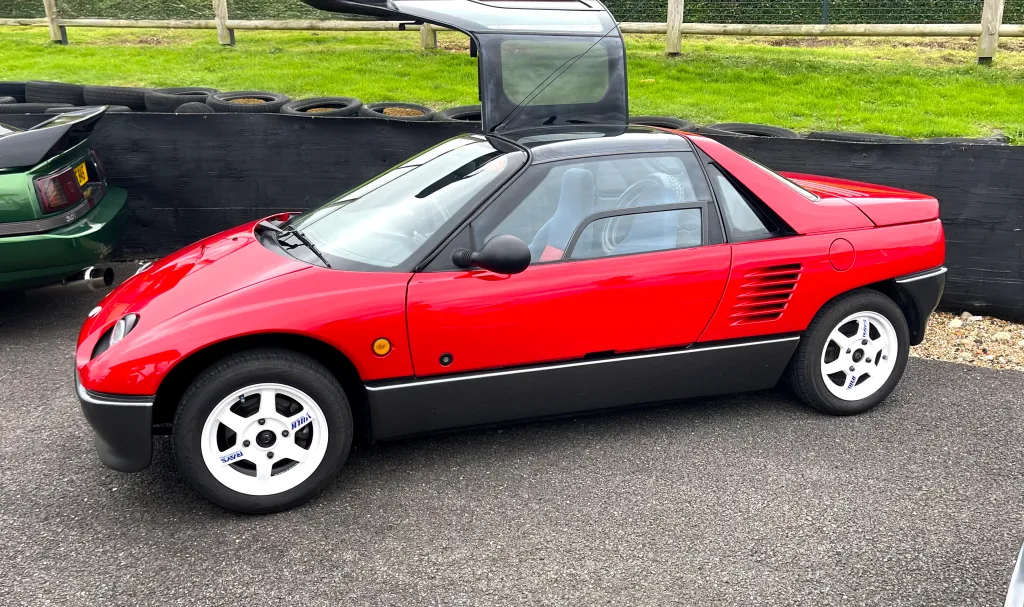
The Autozam AZ-1 came from an era when Mazda was experimenting with several sub-brands. Eunos was aimed at fun and youthful cars, ɛ̃fini sat toward the luxury end, and Autozam focused on smaller vehicles. Those identities didn’t last, but the AZ-1 did, becoming one of the most recognisable kei sports cars.
Mazda developed the two-seat AZ-1 with Suzuki, which also sold a badge-engineered version called the Cara. The gullwing doors and supercar-like shape make it hard to mistake for anything else. At launch, its ambitious price and unusual looks helped steer many buyers toward the Suzuki Cappuccino or Honda Beat instead.
On the road, the AZ-1 has a focused, go-kart feel. That sharp character is a big part of its appeal, though it’s a very different proposition from a practical everyday car. The RE-Amemiya GReddy demo vehicle is well worth a look if you want to see how far the AZ-1’s styling can be pushed.
For a used example, check the doors and their hardware, the body, and the availability of replacement parts before buying. A rare car can be brilliant to own, but a small repair may take more planning than it would on a common hatchback.
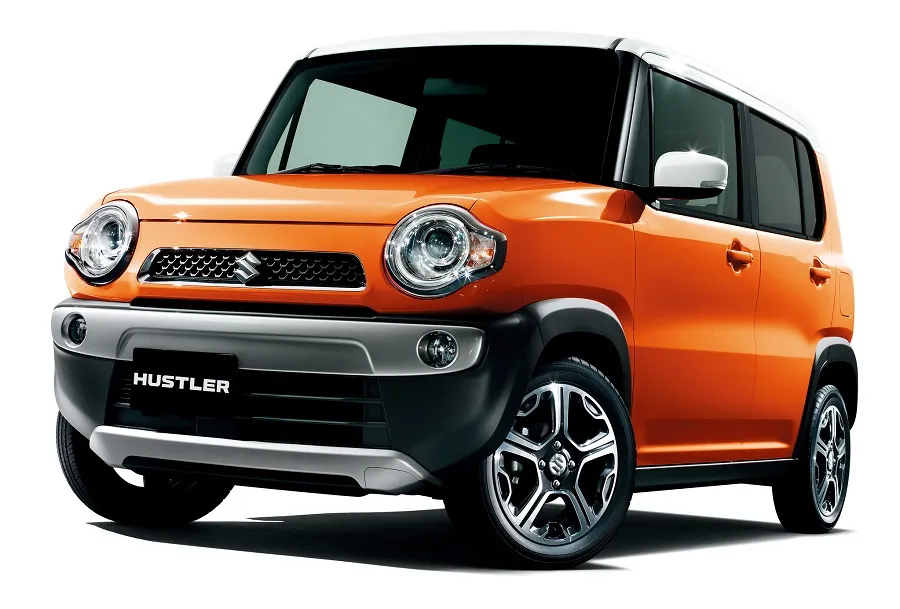
Suzuki Hustler
The Suzuki Hustler earns its place by being useful as well as charming. It has the upright, rugged look of a small adventure vehicle and competes with the similarly characterful Daihatsu Taft. Buyers can find different styling packages, from city-friendly trim to a more utilitarian look.
It isn’t a Jimny in disguise. The Hustler uses a monocoque body, while the Jimny has a chassis-on-frame design. That helps make the Hustler more suited to ordinary daily driving, and optional four-wheel drive gives it extra ability when the surface gets slippery or rough.
The Jimny remains the one to choose if serious off-road capability is the priority. Some Jimny versions with a larger engine or extended wheel arches also fall outside kei classification. With a Hustler, check which drivetrain the car has and make sure the equipment matches the sort of use you have in mind.
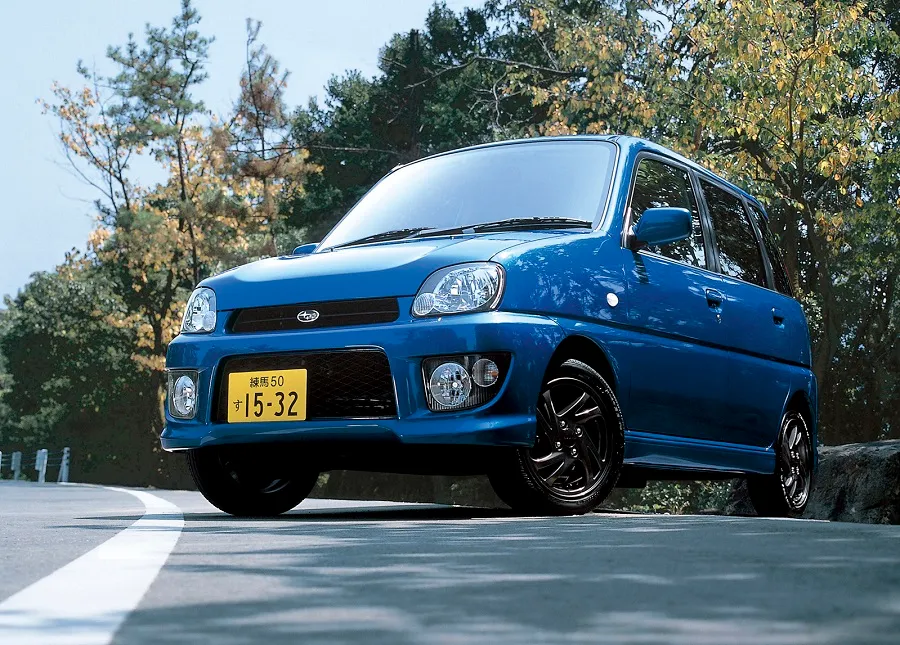
Subaru Pleo RS
If the look of a small Subaru with a hint of WRX attitude appeals to you, the Pleo RS is a fun oddball. This practical little kei car has a supercharged 660cc four-cylinder engine, a five-speed manual gearbox, and all-wheel drive. The engine is described as revving to 8,000rpm, which makes for an unusual package in such a small car.
It isn’t as sharp through corners as the sportier kei roadsters, but that’s not really the point. The boxy shape, aggressive bodywork, and black-and-blue two-tone interior give it plenty of character, while the extra practicality makes it more useful around town.
Before buying, pay attention to the condition of the supercharged engine and the all-wheel-drive system. A tidy, well-documented car is a better bet than one with unknown modifications, especially if you plan to use it regularly.
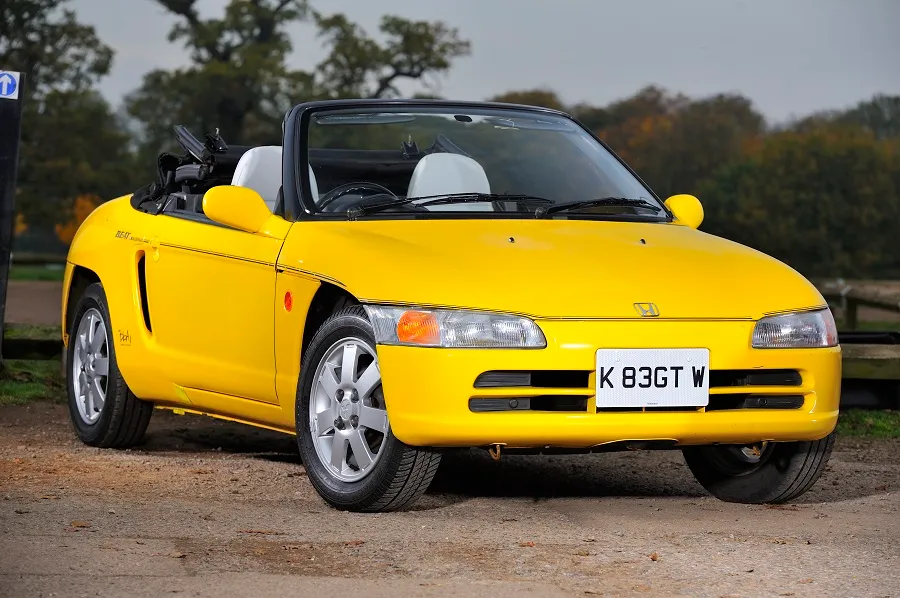
Honda Beat
The Honda Beat is the other great 1990s kei convertible on this list. Unlike the turbocharged Cappuccino, the Beat uses a naturally aspirated mid-mounted engine. It’s known for a 9,000rpm redline and a five-speed manual gearbox, so its character comes from enjoying the engine’s revs rather than waiting for turbo boost.
At 1,680lb, or about 760kg, it’s light enough to feel nimble, but don’t overestimate what a small sports car can do on old or poor tires. A good set of tires makes a real difference to the way a car like this feels. The Beat is also often noted for being one of the last cars Soichiro Honda personally approved.
The Beat wasn’t sold in overseas markets, which makes imported examples an appealing find for enthusiasts. Some could be ordered with zebra-print seats, an option that suits the car’s playful personality. If you’re looking at one, inspect the body and service history closely, and make sure you can source the parts you might need.
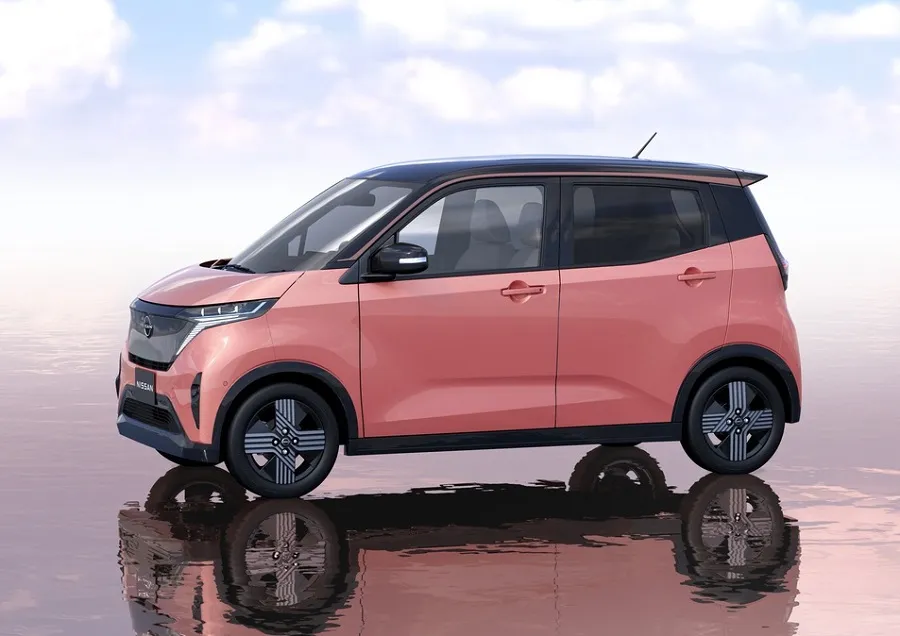
Nissan Sakura
The Nissan Sakura shows how the kei idea has moved into electric cars. It keeps the small dimensions of a kei vehicle, but there’s no combustion engine, so the 660cc engine-size limit doesn’t apply. The power is capped at the equivalent of 62hp.
The figures quoted for the Sakura here are a range of 112 miles, a fast-charge time of about 40 minutes to reach 80% battery capacity, and around eight hours for a full charge on a home charger. Those figures are useful for understanding its role as a city commuter, though actual range and charging time depend on the version and conditions.
The styling draws on Nissan’s Ariya, and the pastel two-tone paint gives the car a bright, friendly look. For an imported example, check the battery condition and charging compatibility before you buy. It makes most sense when your regular driving is local and you have a suitable way to charge it.
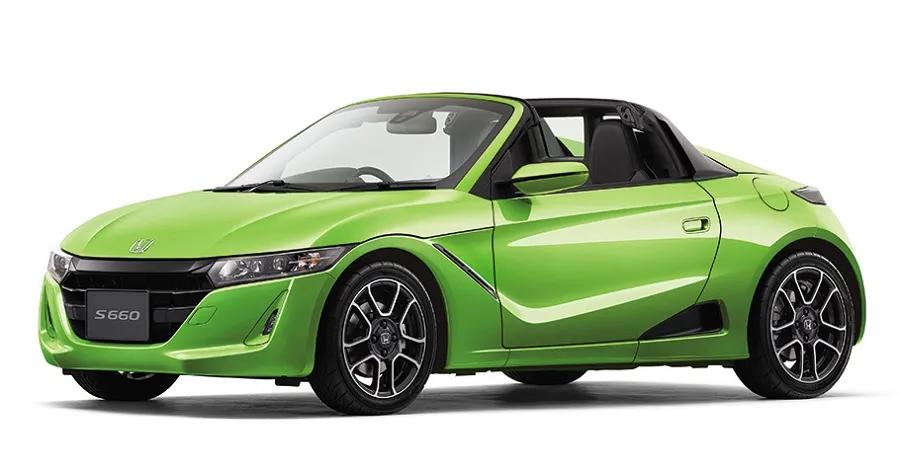
Honda S660
The Honda S660 proves that small sports convertibles didn’t disappear after the 1990s. Its shape has a baby-NSX quality, and its name nods to the older Honda S600. It’s often seen as a spiritual successor to the Beat, with a similar emphasis on lightness and playful driving.
The S660 uses a turbocharged 660cc three-cylinder engine. There’s also a healthy tuning aftermarket, so owners can personalise the car, but modifications should be approached with a bit of care. Ask what has been changed, who did the work, and whether the car has been maintained properly since.
When the car launched, there were rumours of a 1.0-litre turbo version for export markets. That version never came to fruition. The S660 remains a compact, distinctly kei-sized sports car, which is exactly why it has such a devoted following.
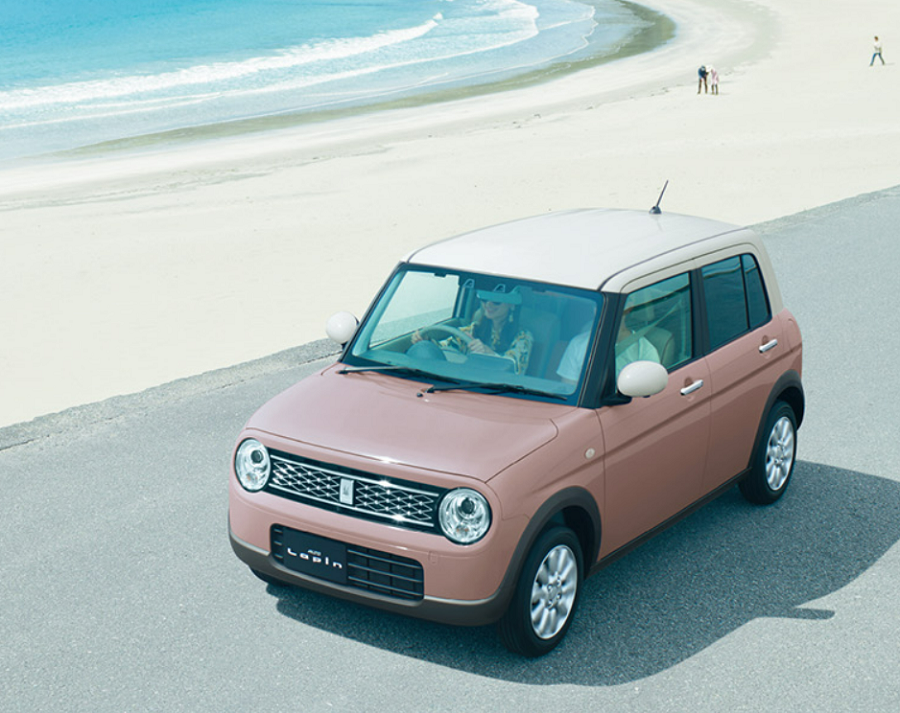
Suzuki Alto Lapin and Lapin LC
The Alto Lapin is the pick for anyone who wants a small city car with a softer, more playful personality. Its rounded, cartoon-like styling and pastel colours give it a storybook look, while the cabin is bright and surprisingly roomy for a little runabout. It isn’t quick, but it has the kind of everyday charm that’s hard to put into a spec sheet.
Lapin is French for rabbit, and Suzuki carried the theme through the details. Look for bunny-ear line art around the rear-window trim and an animated rabbit on the dashboard display, which can even offer seasonal greetings such as Happy New Year. Those touches make the car feel thoughtfully designed rather than simply small.
The Lapin LC is a more retro-styled version, aimed at drivers who want a slightly different look. I’m more drawn to the regular Lapin, but either one makes sense as a daily city car. When buying, check the interior controls and electronics work as they should, since the small design details are a big part of the appeal.
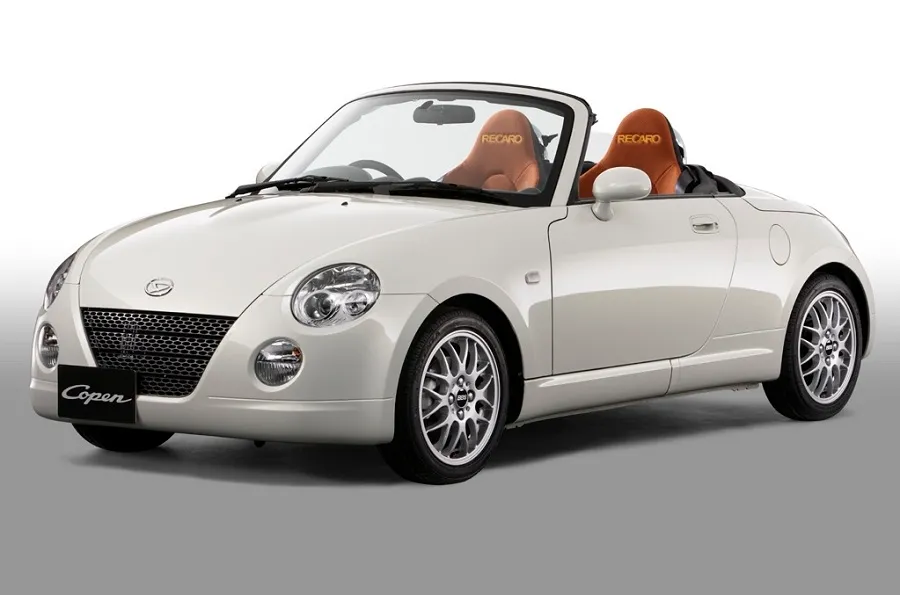
Daihatsu Copen
The Daihatsu Copen bridges the 1990s kei roadsters and newer cars such as the Honda S660. It was offered with a kei-spec 660cc engine as well as a larger 1.3-litre engine, and it found buyers in Japan and export markets. Remember that the larger-engine version isn’t a kei car under the 660cc limit.
The Copen’s electronic folding aluminium roof is one of its standout features, and higher-spec versions could include heated seats. Some versions also combine rear-wheel drive, a manual gearbox, and an 8,000rpm redline. It’s a fun car to drive without being intimidating, which makes it a good choice for someone who wants to get more confident behind the wheel.
Compared with some of the rarer kei cars, the Copen is easier to find outside Japan. Still, check the roof mechanism carefully and make sure it opens and closes correctly. A convertible with a complicated roof is only a bargain if the roof works properly.
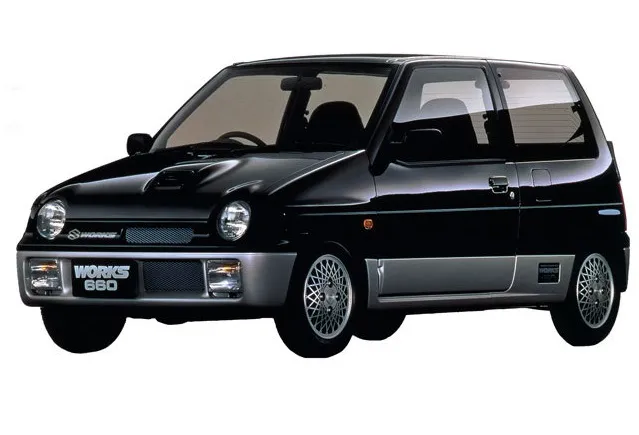
Suzuki Alto Works
The Alto Works is a kei hot hatch, and the idea is as good as it sounds. The model appeared in several forms over the years, but the third generation gets special attention from enthusiasts, helped along by its appearance in the Gran Turismo video game series.
Its turbocharged setup is signalled by a prominent hood scoop that feeds air toward the intercooler. The RS/R version also came with all-wheel drive, an unusual feature for a small hot hatch of its age. The cabin is basic, but the upholstery in some examples has a pattern that looks like a mix of Recaro Confetti and HKS oil-splash graphics.
The car’s own plaque has a memorable line: “We offer the ultimate Works to those who really appreciate performance keep on moving.” It’s an awkward slogan, but it fits the Alto Works’ enthusiastic character. If you’re considering one, check for modifications and make sure the work has been done carefully.
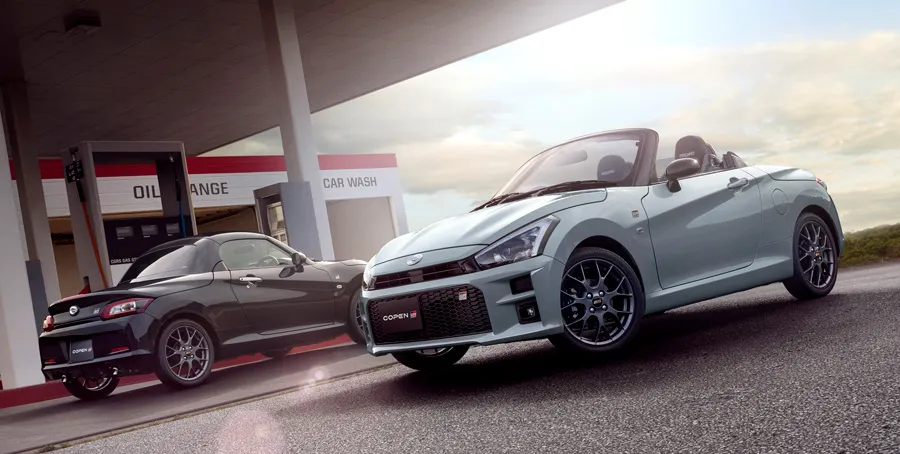
Toyota Copen GR Sport
The Copen has continued through several body styles. The Robe has a more modern front end, the Cero uses round headlights and a softer expression, and the XPLAY wears crossover-style cladding. The GR Sport sits at the top of the range.
GR stands for Gazoo Racing, Toyota’s performance division. The Copen GR Sport keeps the regular Copen’s kei-spec mechanical package, so the main changes are visual and equipment focused. They include a front bumper with a GR Yaris flavour, 16-inch BBS wheels, a Momo steering wheel, and GR Recaro bucket seats.
It’s a fun choice if you want a special-looking small roadster without expecting a major jump in power. The Copen’s size and character do most of the work. Check the car’s condition and the folding roof, just as you would with any Copen.
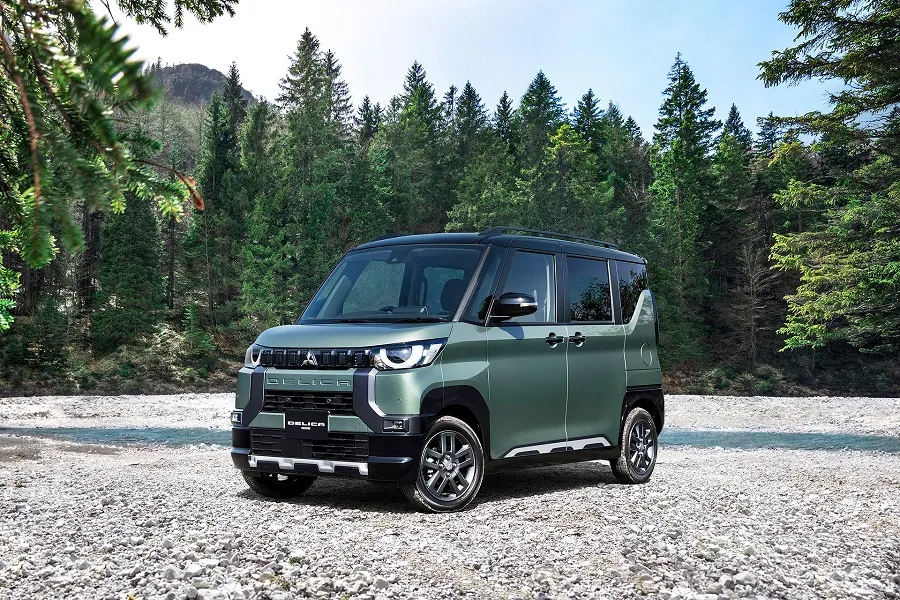
Mitsubishi Delica Mini
The full-size Mitsubishi Delica mixes people-carrier practicality with an off-road-inspired look. The Delica Mini brings some of that idea into a kei-sized package. It’s a small adventure-themed vehicle rather than a scaled-down replacement for a serious off-roader.
Four-wheel drive is optional. In that version, the equipment includes specially tuned dampers, Hill Descent Assist, and Grip Control to help on slippery or rough surfaces. The boxy shape and upright cabin give it a useful feel for daily driving too.
The interior is described as water-repellent and stain-resistant, which suits the outdoorsy theme, though I wouldn’t hose it out. There’s plenty of electronics in a modern car, and water still has a way of finding the wrong place. Sliding rear doors are another practical touch, especially in tight parking spaces.
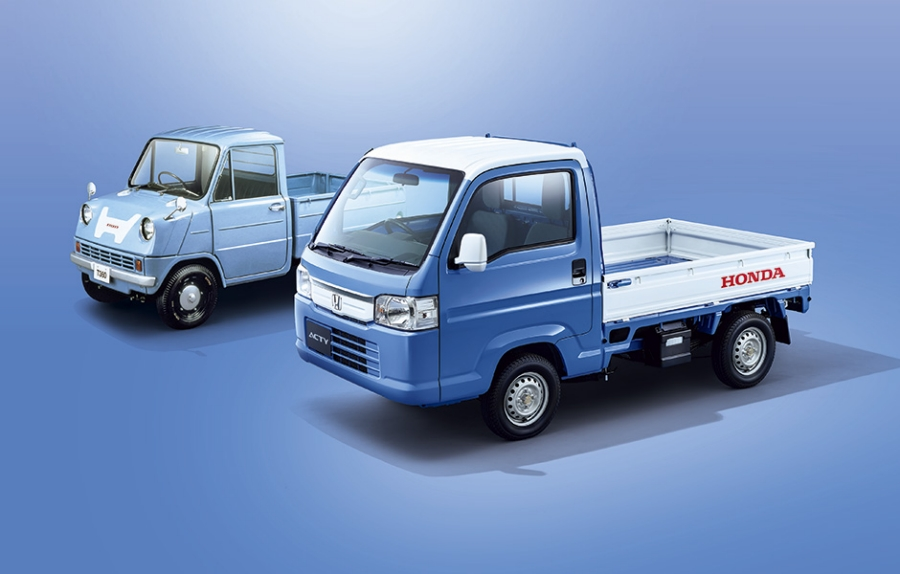
Honda Acty
The Honda Acty is a classic kei workhorse. It has been around in different forms for decades, including flatbed trucks, vans, and minivans. That range of body styles is a reminder that kei cars were built to do everyday jobs, not only to look cute or entertain enthusiasts.
Kei trucks have become increasingly popular with enthusiasts outside Japan. Some owners keep them as practical little haulers, while others tune, lower, or build them into show cars. This modified Honda Acty shows just how far the scene can take one.
If you’re buying an Acty to work, inspect the bed, underside, body condition, and any previous repairs. If it’s been modified, check that the work still makes sense for the way you plan to use it. A tiny truck can be charming, but it still needs to be sound underneath.
Which kei car fits the way you drive?
| If you want… | Models to consider | Trade-off to keep in mind |
|---|---|---|
| A small open-top sports car | Suzuki Cappuccino, Honda Beat, Honda S660, Daihatsu Copen | Older convertibles need careful checks of roofs, seals, service history, and parts availability. |
| An unusual collector’s car | Autozam AZ-1 | Its rarity and unusual hardware can make ownership more involved. |
| A practical city car | Honda N-One, Suzuki Alto Lapin, Nissan Sakura | Choose around your daily needs, equipment, and, for the Sakura, charging access. |
| A boxy vehicle with extra utility | Suzuki Hustler, Mitsubishi Delica Mini, Subaru Pleo RS, Honda Acty | These models vary widely in drivetrain and purpose, so check the exact version. |
| A small hot hatch | Suzuki Alto Works | Modified examples need a close look at the quality of the work and maintenance. |
What ownership costs can look like
There’s no single price that covers every kei car. The cost of buying and keeping one depends on the model, condition, location, import requirements, parts availability, and how much work it needs. A common runabout and a rare gullwing sports car are very different purchases, even if both fall under the kei-car umbrella.
When comparing cars, account for more than the asking price. You may need to budget for shipping, local registration, inspections, insurance, transport, and repairs. For a specialist model, check the cost and availability of body panels, roof components, drivetrain parts, and interior trim before you commit.
Some features deserve extra attention during inspection. On a convertible, check the roof and seals. On a turbo or supercharged model, ask for service records and have the engine inspected. On an electric car, verify battery condition and charging compatibility. On a work truck, look closely at the bed and underside.
I’d also be cautious about treating modifications as a bonus. A well-documented upgrade can suit the car, but an undocumented build can make maintenance and registration harder. Ask what has been changed, who did the work, and whether the original parts are available.
See these little cars in person
Photos make kei cars look small. Standing next to one helps you understand how cleverly the space is used and why the different body styles have such distinct appeal. The original event listing points to Japfest Goodwood on 3 October, but check the organizer’s current schedule before making plans.
If you’re curious about kei-car racing, the video below starts at the section linked in the original feature.
My pick depends on the job
For a weekend drive, I’d be looking hardest at the Cappuccino, Beat, or Copen. The Cappuccino has a turbo, a manual gearbox, and clever roof options; the Beat is all about a high-revving naturally aspirated engine; and the Copen is the more practical choice if you want a convertible that’s easier to find outside Japan.
For a daily runabout, the N-One or Lapin makes more sense. If you want something useful with a bit of adventure-car flavour, look at the Hustler or Delica Mini. For a genuinely unusual import, the AZ-1 is hard to beat, but I’d only buy one after a specialist inspection.