
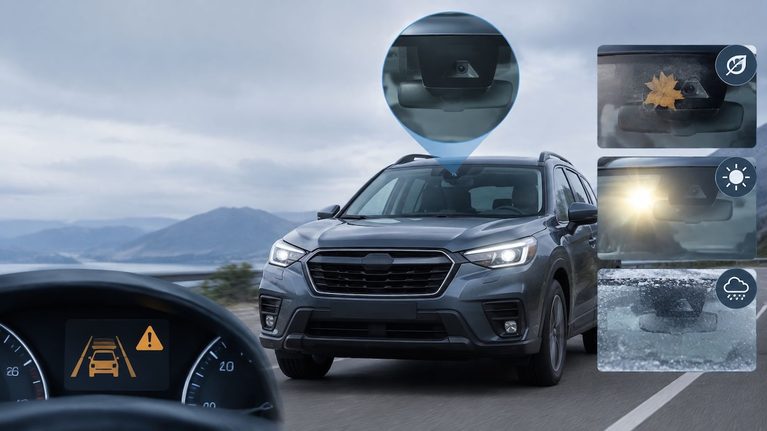
Your Subaru’s EyeSight system is one of those features you barely notice until it quits. Then the dash lights up with a warning, the adaptive cruise won’t engage, and you start wondering whether this is a ten-minute fix or a very bad week. The good news is that many EyeSight complaints trace back to something simple, like a dirty windshield or a sticker in the wrong place.
The original problem list for this topic includes defective brake lights, the system shutting off suddenly, camera obstruction, software glitches, damage and weather. I’ve organized those into a practical order, with the cheap checks first and the dealer-only work last. I’ll also cover warranty basics, what owners report about repair costs, and the mistakes I see people make.
I’m a mechanic, not a Subaru engineer, so I won’t pretend to know the inside of the software. What I can do is tell you what to look at in your driveway, what to write down before you call the service department, and where trying to be handy will cost you more than it saves.
Start here: the quick checklist
Run through this list before you book anything. It takes about ten minutes, and it catches a surprising number of cases.
- Look at the windshield area in front of the camera housing near the rearview mirror, inside and out.
- Wipe the glass with a soft cloth and a gentle cleaning solution, and remove any sticker, tag or dash cam bracket in that zone.
- Check that your headlights, tail lights and brake lights all work.
- Think about the weather. Heavy rain, snow, fog or low, bright sun can make the system back off temporarily.
- Note whether the warning came after a windshield replacement or other service.
- Write down the exact message on the dash and when it appears.
If cleaning and clearing the glass fixes it, you’re done. If the message returns on a clear day with a clean windshield, the next steps involve a professional.
What Subaru EyeSight is
EyeSight is Subaru’s driver assist technology, built to add safety and convenience. It uses cameras to support functions like adaptive cruise control and collision avoidance. Because the whole system depends on what the cameras can see, anything that blocks or disturbs their view shows up as a problem.
History and development
Subaru introduced EyeSight in 2008. The aim was a safer driving experience by using cameras to monitor traffic and the vehicle’s surroundings. It launched first in Japan and gradually rolled out to other markets, including the United States.
Over the years Subaru kept adding to it, including lane keep assist and pre-collision braking. Today EyeSight is standard on many Subaru models. That wide spread is part of why so many owners end up asking about it.
Core features and functions
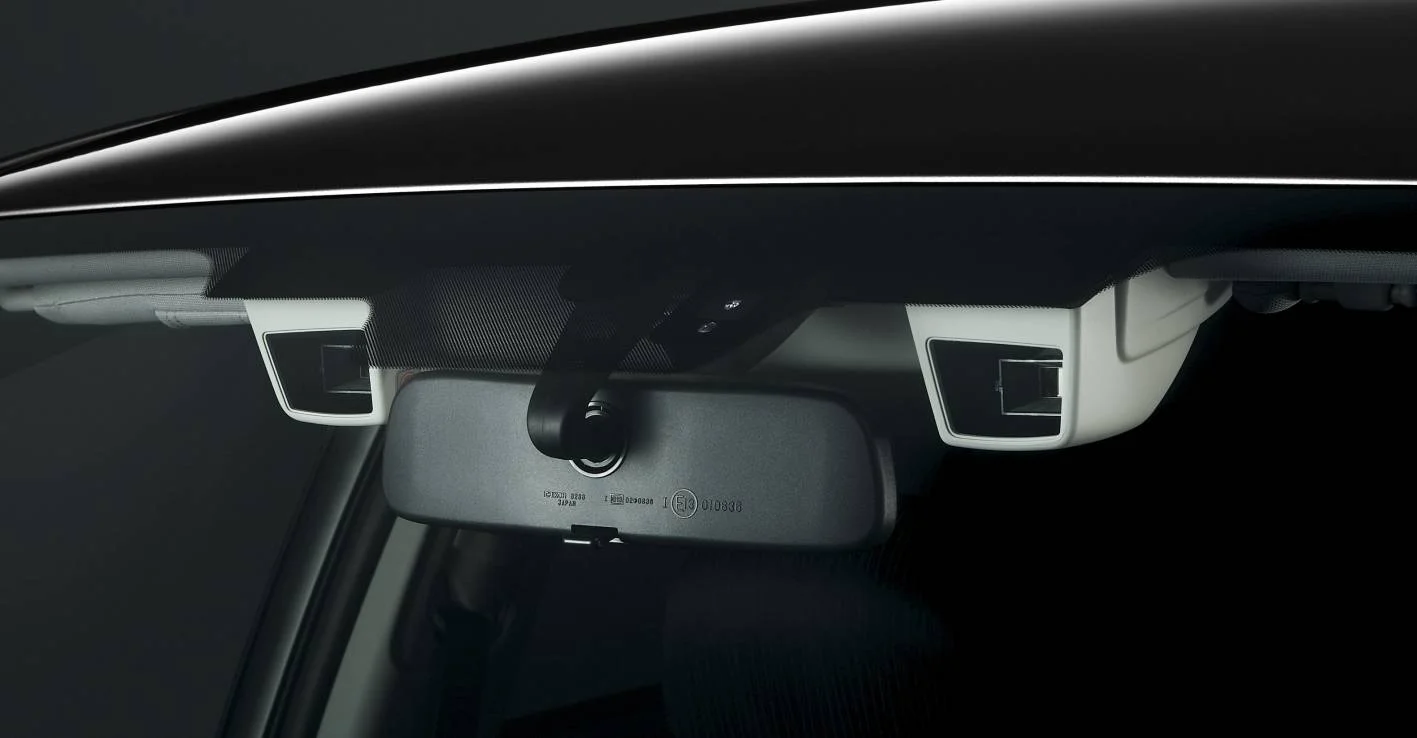
The heart of the system is a pair of stereo cameras mounted near the rearview mirror. They detect traffic movement, support the cruise control, and warn you when you drift outside your lane. Adaptive cruise control is especially useful on the highway, where it helps maintain a safe distance from the vehicle ahead.
Pre-collision braking is designed to help avoid a collision by applying the brakes when necessary. EyeSight also includes lane departure and sway warning, which alert you when you drift from your lane without signaling. These pieces work together as a safety net, but they’re aids, and the driver is still the one responsible for the car.
Common Subaru EyeSight problems
EyeSight gets plenty of praise, but owners do report problems. These issues can affect both safety and the everyday driving experience, so understanding them helps you manage or avoid trouble. Here are the main categories, roughly in the order I’d suspect them.
Camera obstruction and misalignment
The cameras are crucial for tracking road conditions, and they can easily get blocked or misaligned. Dirt, snow or a sticker covering part of the camera view can cause the system to stop working. Check and clean the camera area of the windshield regularly.
Misaligned cameras may need recalibration by a professional to restore accuracy and function. You can’t see misalignment with your eyes, which is why a car can look fine and still behave oddly. If the system seems to misjudge lane lines or traffic, alignment is a reasonable suspect, especially after windshield or other work.
The obstruction side is the one I’d start with, because it’s free. I’ve seen owners chase a warning for weeks when the real cause was a film of road grime on the inside of the glass from a hot dash. Clean both sides of the glass in front of the camera before you assume something is broken.
Software glitches and updates
Sometimes the system suffers from software glitches. They can make EyeSight shut off suddenly or show warnings that don’t match what’s really happening. Keeping the car’s software up to date helps prevent these problems.
Watch for recall notices or software updates from Subaru that address known issues. If a warning keeps returning, get it checked by a professional rather than clearing it and hoping. A dealer can look for updates that apply to your car, which isn’t something you can do from the driveway.
Sensor and camera damage
Besides obstruction, sensors and cameras can be damaged by impact or normal wear. Even small scratches or cracks on a lens can impede function. Look over the area now and then for visible damage.
If something is damaged, get it repaired or replaced by certified technicians so the work is handled properly and the system is recalibrated afterward. A repair that restores the part but skips calibration can leave the system working poorly. Ask the shop directly whether calibration is included.
Adverse weather conditions
Heavy rain, snow, fog and bright sunlight can all impair EyeSight. You may notice a delay or a failure in detection when conditions are severe. Even a well-maintained system can be temporarily unreliable in these situations.
My advice is simple. When the weather is bad, drive as if the assist features aren’t there, because they may step aside without much notice. If the message clears when conditions improve, that’s usually the system being honest about its limits, not a failure.
Lights and warning lamps
The original problem list mentions defective brake lights as one of the headaches owners run into. Faulty lights can sometimes interfere with how EyeSight detects signals, so it’s worth checking that your headlights, tail lights and brake lights all work. Have a helper stand behind the car while you press the brake pedal, since you can’t see your own brake lights from the driver’s seat.
Some drivers also report the engine light coming on when the EyeSight system fails. That’s frustrating, especially if you rely on EyeSight for safety. If you see a check engine light along with an EyeSight message, don’t assume they’re the same issue, and have the car scanned so you know what each one is about.
How the symptom points to the cause
The way EyeSight misbehaves says a lot. This table matches what you notice to the likely cause and the sensible next step. It’s a guide, not a diagnosis, because only a scan and a camera check can confirm the answer.
| What you notice | Likely cause | Next step |
|---|---|---|
| Warning appears in rain, snow, fog or glare and clears later | Weather limiting the cameras | Drive manually, wait for conditions to improve |
| Warning appears with a dirty or covered windshield area | Camera obstruction | Clean glass, remove stickers or accessories |
| System misjudges lanes or traffic after windshield work | Camera misalignment or missing calibration | Return to the dealer for recalibration |
| System shuts off suddenly, then returns | Software glitch | Ask the dealer about updates and recalls |
| Visible scratch or crack near the camera | Lens or glass damage | Have it repaired by a certified technician |
| EyeSight message with a burned-out bulb | Lighting fault interfering with detection | Replace the bulb, then recheck |
| EyeSight failure with the check engine light on | Separate fault codes possible | Scan for codes and get a proper diagnosis |
Troubleshooting and fixing the problem
Dealing with EyeSight trouble is frustrating, but there are practical steps. Keep the system clean, and consider recalibration when it applies. Regular maintenance prevents a lot of common complaints.
Recalibration of Subaru EyeSight
Your EyeSight system may need recalibration, especially after maintenance or a windshield replacement. The first step is finding your nearest Subaru dealer or service department. They have the tools to adjust the system correctly, and recalibration can fix problems like trouble detecting traffic or unclear lane markings.
During recalibration, technicians align the EyeSight camera to the system’s specifications. I wouldn’t try this yourself, since it takes specialized equipment and expertise. If problems persist, addressing them early saves time and hassle later.
If you’re ever offered a windshield replacement, ask who will handle the camera afterward. A cheap glass job that skips recalibration can turn into a bigger bill when EyeSight acts up. Get the answer before the work starts, and keep the paperwork.
Cleaning and maintenance tips
Clean cameras are crucial for good performance. Regularly inspect the windshield area where the cameras sit, and wipe away grime with a soft cloth and a gentle cleaning solution. That helps prevent problems like front camera obstruction and lane detection trouble.
Check that your headlights, tail lights and brake lights are working. Faulty lights can interfere with how the system detects signals. Look at Subaru’s maintenance schedule for your vehicle and have the system checked during routine dealer visits.
A few small habits help here. Keep the inside of the windshield clean, because film from interior plastics builds up over time. Don’t mount accessories or stick anything on the glass in front of the cameras, and avoid harsh abrasives or dirty rags that could scratch the glass.
A sensible troubleshooting order
Here’s the order I’d follow if you called me from the driveway. Each step is quick, and each one narrows things down.
- Clean the glass in front of the camera housing, inside and out.
- Remove anything stuck to the windshield in that area.
- Confirm all exterior lights, including brake lights, work.
- Think about conditions. If it’s raining, foggy or snowy, wait and retry in better weather.
- Turn the car off, restart it and see whether the message returns.
- If it comes back on a clear day, book a dealer visit and bring your notes.
Restarting the car is a quick way to see whether the issue was a one-time hiccup. Don’t treat a restart as a repair, though. If the same warning returns, something is causing it, and it’s worth finding out what.
Windshield replacement and EyeSight
Windshield work deserves its own section, because it’s one of the most common times EyeSight trouble appears. The cameras look through the glass, so the glass and the camera position both matter. After a replacement, the system may need recalibration to work as intended.
The practical advice is to plan for that step. Tell the glass shop you have EyeSight before they start, and ask how calibration will be handled and who does it. If the system acts strangely afterward, such as missed lane markings or odd warnings, go back to the dealer and mention the glass work.
I’d also keep the receipt and any notes about the repair. If a problem develops later, that history helps the technician connect the dots. It also helps if there’s a dispute about who’s responsible for what.
Dealer and manufacturer support
For EyeSight problems, both the dealership and the manufacturer can offer real support. That ranges from understanding what your warranty covers to finding an authorized dealership. The right help is often closer than you’d think.
Warranty information
Your Subaru comes with a warranty that may cover EyeSight issues. Most new Subarus are offered with a 3-year/36,000-mile limited warranty. Check the specific details of your warranty to see what’s covered, because terms can differ.
If you’re having trouble, the first step is contacting your dealer, who can tell you whether the problem is covered. Some dealerships also offer extended warranties, which may extend coverage for the EyeSight system beyond the standard terms. Read the fine print on any extended plan, since coverage for driver assist components can vary.
Finding authorized dealerships
Finding an authorized Subaru dealership matters for EyeSight problems. Authorized dealers have the right equipment and trained technicians for the job. To find one near you, visit Subaru’s official website and use the “Find a Retailer” tool to search by location.
That also gets you professional service and genuine parts, which matter for the system’s performance and safety. Some local authorized dealers offer loaner vehicles and shuttle services, which makes the repair more convenient. Make sure whichever dealer you pick is certified to handle EyeSight work.
What to bring to the appointment
Technicians can’t fix what they can’t reproduce, so detail helps. Write down what the dash said, when it appeared and what the weather was like. Mention any recent windshield work, accidents or accessories you added to the glass.
Tell them what you’ve already tried, such as cleaning the glass or checking the lights. Ask whether there are open recalls or software updates for your vehicle, and ask for warranty coverage in writing if it applies. A clear description can save diagnostic time, and that matters if you’re paying by the hour.
What owners say about EyeSight
EyeSight has made a real impact on drivers. Many find it a helpful addition, while others have faced challenges. Looking at both sides gives you a fairer picture before you spend money.
Positive feedback
Many people like EyeSight for its safety features. It includes adaptive cruise control and lane departure warning, which can make driving smoother and help avoid accidents. Drivers often describe it as a second pair of eyes that gives them more confidence in tricky situations.
Owners appreciate how it helps them stay safe, especially on long trips where fatigue can be an issue. Dealers also like to point out the higher safety ratings cars receive because of EyeSight. Over time, plenty of drivers come to rely on the system and share good experiences online.
Challenges and criticisms
EyeSight does have problems. Some drivers report the engine light coming on when the system fails, which is frustrating when you depend on it for safety. Others have run into expensive repairs.
According to users on a Subaru forum thread, fixing a failed system can cost up to a few thousand dollars. That’s owner-reported, so treat it as a ballpark warning, not a quote. Despite the complaints, many owners feel the benefits outweigh the drawbacks.
I’d read forum posts the same way I read any shop story. They show you patterns, and they can warn you what to ask, but they can’t tell you what your car needs. Get a diagnosis from a qualified technician before you spend big money.
What it costs and how long it takes
I won’t quote prices, because they vary by model, shop, parts and the work involved. The shape of the cost is easy to describe, though. Cleaning the glass and replacing a bulb cost little, while camera or system replacement can reach into the thousands according to owner reports.
Recalibration sits between those two, and the price depends on the shop and the service needed. Ask for a written estimate and ask what’s included. If the car is under warranty, ask the dealer whether the repair is covered before you approve it.
On time, the driveway checks take minutes. A dealer visit for diagnosis or calibration can take longer, since the car may need to stay in the shop. Ask about a loaner or shuttle when you book, because some dealers offer them.
Common mistakes to avoid
These are the slip-ups I see most. None of them is hard to avoid, but each can cost money or time.
- Ignoring a dirty windshield: the cheapest fix gets skipped, and a repair gets scheduled for nothing.
- Sticking things on the glass: tags, stickers and dash cam mounts in the camera zone can block the view.
- Skipping recalibration after glass work: the system may behave poorly if it isn’t calibrated afterward.
- Trying to recalibrate it yourself: it needs specialized equipment and expertise.
- Trusting it in bad weather: rain, snow, fog and glare can limit the cameras, so stay alert.
- Clearing warnings and moving on: a returning message means something is causing it.
- Using a non-certified shop for camera work: repairs should be handled and recalibrated by certified technicians.
- Not checking warranty first: coverage may apply, and paying out of pocket for a covered repair is a waste.
The common thread is skipping the cheap checks and the paperwork. Spending ten minutes on the checklist and a few minutes on the warranty question can save a lot.
When DIY makes sense and when it doesn’t
The easy checks are fair game for anyone. Cleaning the glass, removing stickers, checking the lights and keeping a note of the warnings need no special tools. They’re also the steps that most often solve the problem.
Once you’re past those, the work moves to the dealer. Recalibration needs specialized equipment, camera repair needs certified handling, and software updates and recall work happen at the service department. Trying to shortcut that can leave the system working poorly, and its a safety system, so it’s not the place to experiment.
If your EyeSight is acting up and you can’t tell why, don’t keep driving as though nothing’s wrong. Treat the assist features as unavailable until the system is sorted out. Drive the way you would in an older car without them, and get an appointment on the calendar.
The expert verdict
Here’s what I’d do. Clean the windshield in front of the camera, clear anything stuck to the glass, check every exterior light, and note the weather when the warning appears. If the problem goes away, you saved yourself a trip.
If it doesn’t, book the dealer. Mention any windshield replacement, ask about recalls and software updates, and find out whether your warranty applies. The 3-year/36,000-mile limited warranty is the starting point for most new Subarus, so check your own paperwork for the details.
DIY is reasonable for cleaning, removing obstructions and replacing a burned-out bulb. Go to a shop for recalibration, camera damage, software issues and anything involving a repeating warning. Keep the repair cost reports in perspective, since the figures owners mention are only a warning that a bad failure can get expensive.
One clear takeaway: start with a clean windshield and working lights, and take any EyeSight warning that keeps coming back to an authorized Subaru dealer for diagnosis and calibration.