
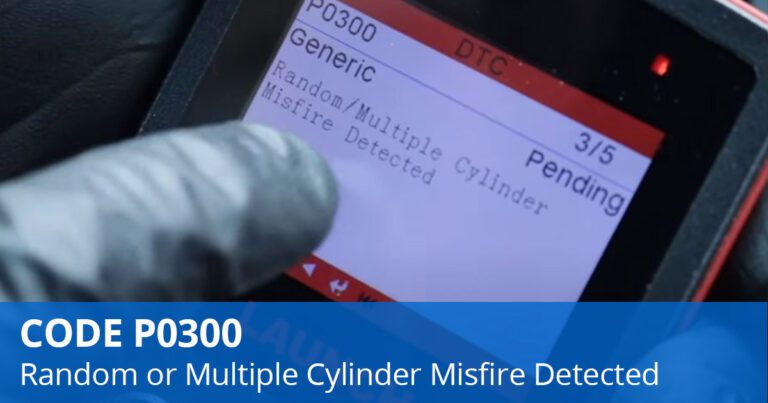
A P0300 code on your Mini Cooper is one of those fault codes that demands immediate attention. It is not a minor inconvenience you can log and forget. This code means one or more of your engine’s cylinders are misfiring, and if you keep driving without addressing it, you are setting yourself up for a repair bill that will make the original fix look cheap by comparison.
The good news is that misfires on a Mini Cooper follow a predictable set of causes, and most of them can be diagnosed and fixed without an exotic toolkit or a dealer-level scan tool. But you do need to approach it systematically. Guessing and swapping parts at random gets expensive fast.
Here is everything you need to know about what the P0300 code means on a Mini Cooper, what causes it, how to diagnose it correctly, and what happens if you ignore it.
What Does the P0300 Code Actually Mean?
P0300 stands for “Random or Multiple Cylinder Misfire Detected.” When the engine control module (ECM) detects that one or more cylinders are not firing correctly, it stores this code and triggers the check engine light.
Here is the distinction worth knowing. If the code were P0301, P0302, P0303, or P0304, the last digit would tell you exactly which cylinder is misfiring. A P0300 means the misfire is either happening across multiple cylinders or randomly jumping between them, which points more toward a system-wide issue rather than a single cylinder-specific fault.
A misfire happens when the combustion process inside a cylinder does not complete properly. For normal combustion to occur, three things need to happen in the right order and at the right time: the correct amount of air and fuel needs to enter the cylinder, a spark needs to ignite that mixture, and the resulting explosion needs to push the piston down at the right moment. If any part of that sequence fails, you have a misfire. The cylinder produces little or no power, the ECM detects the irregularity in crankshaft rotation, and the code is stored.
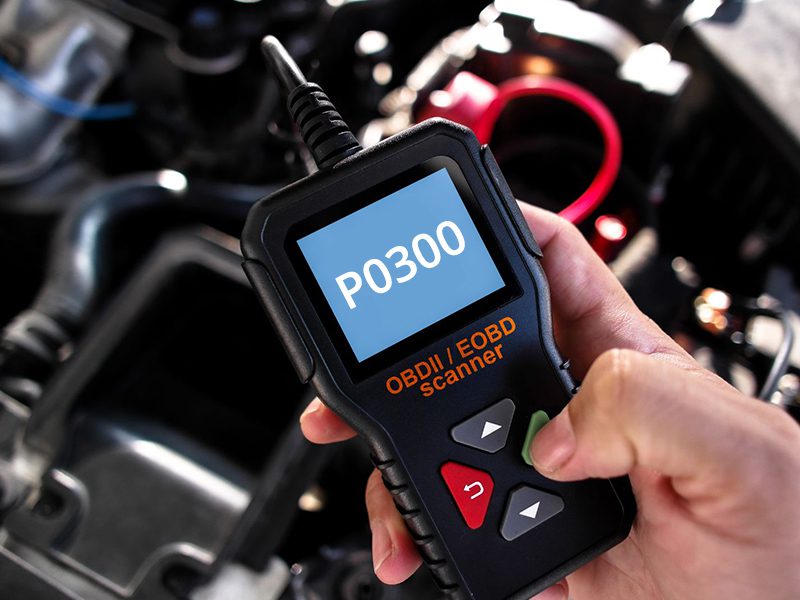
What You Will Feel When Your Mini Cooper Has a P0300 Code
The symptoms of a misfiring engine are usually hard to miss. Here is what to watch for:
- Engine shaking or vibrating: This is the most noticeable symptom. When a cylinder misfires, the engine runs unevenly. You will feel it as a rough, shuddering sensation, especially at idle or low RPMs. Park the car, let it idle, and place your hand lightly on the gear selector or steering wheel. If you feel an irregular vibration that you have not felt before, that is the misfire.
- Check engine light: This will almost certainly be illuminated. On some Mini Cooper models, especially if the misfire is severe enough, the check engine light may flash rather than just staying on steady. A flashing check engine light indicates an active, severe misfire that is currently happening and is potentially damaging the catalytic converter. Do not drive aggressively with a flashing check engine light.
- Reduced power and poor acceleration: When cylinders are not firing correctly, the engine cannot produce its rated power output. You will notice the car feels sluggish, takes longer to accelerate, and may struggle on hills or when merging onto a highway.
- Increased fuel consumption: Misfires mean incomplete combustion. Unburned fuel gets pushed out of the cylinder and into the exhaust system. Your fuel economy drops noticeably because the engine is using more fuel to accomplish less work.
- Rough or uneven idle: If the misfire is bad enough, the engine will not settle into a smooth idle. It may hunt up and down in RPM or feel like it is about to stall.
Every Common Cause of P0300 on a Mini Cooper
1. Worn or Fouled Spark Plugs
This is the most common cause of a P0300 on a Mini Cooper, and it is often the right starting point for diagnosis. Spark plugs have a finite service life. Over time, the electrode wears down, the gap widens beyond specification, and the plug’s ability to produce a strong, consistent spark diminishes.
A spark plug that is not firing reliably causes a misfire in that cylinder. When multiple plugs are worn at similar rates, which is typical when they have all been in service for the same period of time, you can get misfires across multiple cylinders simultaneously, which is exactly what the P0300 code represents.
Mini Cooper engines, particularly the turbocharged variants, can be hard on spark plugs. The factory recommended interval is typically around 30,000 to 60,000 miles depending on the engine and plug type, but if your plugs have never been changed and the mileage is anywhere near that range, they should be the first thing you replace.
Fouled spark plugs are a related issue. Oil contamination, carbon buildup from rich running conditions, or coolant intrusion can coat the spark plug tip and prevent it from firing cleanly. When you pull the plugs for inspection, the condition of the electrode and the tip tells you a lot about what is happening inside that cylinder.
2. Defective Ignition Coils
Modern Mini Cooper engines use a coil-on-plug ignition system, meaning there is a separate ignition coil sitting directly on top of each spark plug. Each coil is responsible for generating the high voltage charge that fires its spark plug. When a coil fails, the spark plug it serves cannot fire, and that cylinder misfires.
Ignition coil failures on Mini Cooper engines are not rare. Heat cycling, vibration, and age all take a toll on the coil’s internal components. A coil does not always fail completely all at once. It often degrades gradually, producing weaker and weaker sparks until the misfire becomes consistent enough to trigger a code.
One effective diagnostic trick is to swap the coil from a cylinder that is misfiring with one from a cylinder that is not. If the misfire moves to the new cylinder, the coil you swapped is the bad one. If the misfire stays in the same cylinder, the coil is not the problem and you need to look elsewhere.
3. Vacuum Leaks and Intake Gasket Issues
This is a particularly important cause to understand on the Mini Cooper, especially on the R56 generation engines. A vacuum leak allows unmetered air to enter the intake system downstream of the mass airflow sensor. The ECM does not account for this extra air, so the air-to-fuel ratio becomes too lean. Lean conditions can cause misfires across multiple cylinders, which is one reason why a multi-cylinder misfire code like P0300 often points toward a vacuum leak as the root cause.
Intake manifold gaskets are a known weak point on some Mini Cooper engines. A failing gasket can create a vacuum leak right at the cylinder head, affecting one or more cylinders depending on how far the gasket has deteriorated. The walnut blasting service commonly performed on direct injection Mini Cooper engines can also disturb intake port seals if not done carefully.
To check for vacuum leaks, listen for a hissing sound from the engine bay at idle. You can also use a can of carburetor cleaner or propane, carefully directed around intake hoses and gasket surfaces while the engine idles. If the idle smooths out briefly when you hit a particular spot, you have found your leak. Use this method with caution, as both substances are flammable.
4. Damaged or Clogged Fuel Injectors
Fuel injectors need to deliver a precise, finely atomized spray of fuel into the combustion chamber at exactly the right moment. When an injector becomes clogged, it delivers less fuel than commanded. When it becomes damaged, it may deliver no fuel at all, or it may dribble fuel continuously when it should be closed. Either condition disrupts combustion and causes a misfire.
Mini Cooper engines, particularly the direct injection variants, are susceptible to carbon buildup on the injector tips over time. This buildup restricts the spray pattern and reduces fuel delivery. In some cases, a professional fuel injector cleaning service can restore performance without requiring replacement. In more severe cases, the injectors need to come out and be bench-tested or replaced.
5. Low Fuel Pressure
The fuel system needs to maintain a specific pressure range to deliver the correct amount of fuel for combustion. If the fuel pump is weakening, the fuel pressure regulator is failing, or the fuel filter is significantly restricted, the pressure drops below the required range. The injectors cannot deliver enough fuel, the mixture goes lean, and misfires follow.
Low fuel pressure misfires often get worse under load, such as during acceleration or highway driving, because that is when the engine demands the most fuel. At idle with a lighter load, the system may manage adequately, but push it harder and the misfires intensify.
6. VANOS System Issues
The VANOS system is BMW and Mini Cooper’s variable valve timing system. It adjusts the timing of the intake and exhaust camshafts to optimize engine performance and efficiency across different RPM ranges. When the VANOS solenoids become clogged with sludge or fail electrically, the valve timing shifts away from its optimal position. Poor valve timing means the cylinders do not fill with the correct mixture at the right time, which can cause rough running and misfires.
VANOS issues on Mini Cooper engines sometimes accompany a P0300 code alongside VANOS-specific fault codes. If your scan tool pulls both types of codes together, the VANOS system becomes a primary suspect. Regular oil changes with quality oil are the best prevention for VANOS solenoid clogging.
7. Throttle Position Sensor Problems (R56 Specifically)
On the R56 generation Mini Cooper, a faulty throttle position sensor can contribute to misfire conditions. The throttle position sensor tells the ECM how far open the throttle is, which the ECM uses to calculate how much fuel to inject. If the sensor sends inaccurate data, the fuel delivery gets thrown off, potentially creating lean or rich conditions that cause misfires.
A throttle position sensor fault will usually generate its own fault code alongside the P0300, which makes it easier to identify. If you pull codes and see both a throttle position sensor code and a P0300, addressing the sensor issue first is the logical starting point.
8. Failing Oxygen Sensors
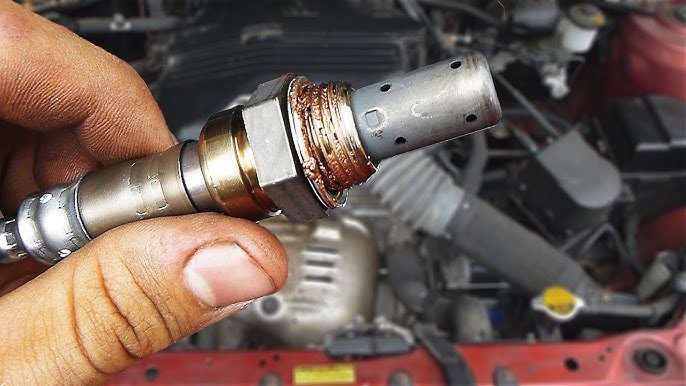
Oxygen sensors monitor the exhaust gases and send feedback to the ECM about whether the engine is running rich or lean. The ECM uses this data to adjust fuel delivery in real time. When an oxygen sensor fails or starts reading inaccurately, the ECM receives bad feedback and makes incorrect fuel trim adjustments. This can push the mixture too far in either direction and create misfire conditions.
Oxygen sensor failures tend to create gradually worsening conditions rather than sudden sharp misfires. You might notice progressively declining fuel economy and a slowly roughening idle before the misfire becomes severe enough to store a code.
How to Diagnose the P0300 Code on Your Mini Cooper
Random and multiple cylinder misfires are harder to pin down than single-cylinder misfires because there are more potential causes. Here is the methodical approach that gives you the best chance of finding the real problem without wasting money on parts you do not need.
Step 1: Pull All the Fault Codes
Do not just read the P0300 and stop there. Pull every code that is stored in the ECM. Additional codes alongside the P0300 are clues. A P0301 alongside a P0300 tells you cylinder one is involved. A VANOS code tells you to look at valve timing. A fuel pressure code points you toward the fuel system. More information means faster diagnosis.
A professional-grade scan tool will also allow you to look at live data, including misfire counts per cylinder. This data shows you which cylinder is misfiring most frequently and is invaluable for narrowing down the cause when you are dealing with a multi-cylinder issue.
Step 2: Inspect the Spark Plugs
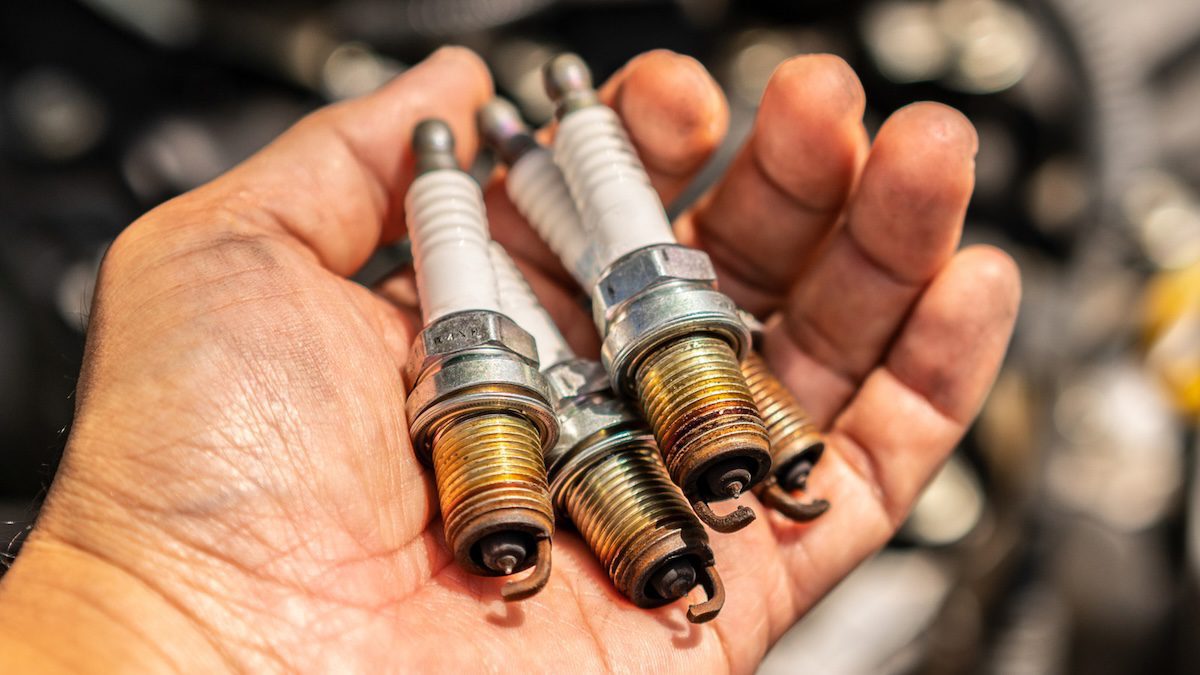
Pull all four spark plugs and examine them. Here is what to look for:
- A normal plug should have a light tan or gray deposit on the tip. This is the baseline.
- Black, sooty deposits indicate a rich-running condition or oil fouling.
- White or chalky deposits suggest the engine has been running lean or overheating.
- Wet, oily plugs indicate oil is getting into the combustion chamber, often from worn valve seals or piston rings.
- A heavily worn electrode with a large gap is simply an old plug that needs replacement.
If the plugs are at or near the service interval, replace them regardless of what else you find. Fresh spark plugs with proper gaps eliminate one of the most common misfire causes and give you a cleaner baseline for diagnosing any remaining issues.
Step 3: Test the Ignition Coils
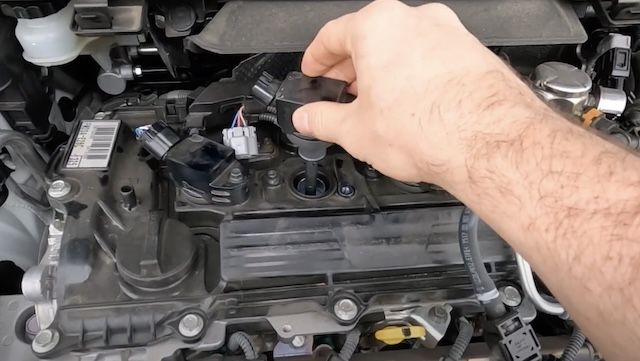
With the spark plugs out, this is the ideal time to inspect and test the ignition coils. Each coil-on-plug unit should have no cracks in the boot, no corrosion on the connector, and no signs of arcing (small burn marks around the base).
Use an ohmmeter to test the primary and secondary resistance of each coil and compare the readings to the manufacturer’s specifications. A coil with readings outside the specified range is suspect. The swap test described earlier, moving a coil from a known-bad cylinder to a known-good one and watching whether the misfire moves, is one of the most reliable field diagnosis methods available.
Step 4: Check Fuel Pressure
Connect a fuel pressure gauge to the fuel rail test port. Start the engine and let it idle. Compare the reading to the specification in your service manual. Most Mini Cooper engines require fuel pressure in a specific range depending on the engine type. Low pressure at idle that drops further under load is a strong indicator of a failing fuel pump or restricted fuel filter.
Also watch whether the pressure holds when the engine is shut off. On a healthy fuel system, pressure should hold for several minutes after shutdown. Rapid pressure drop points to a leaking fuel pressure regulator or a leaking injector.
Step 5: Inspect the Fuel Injectors
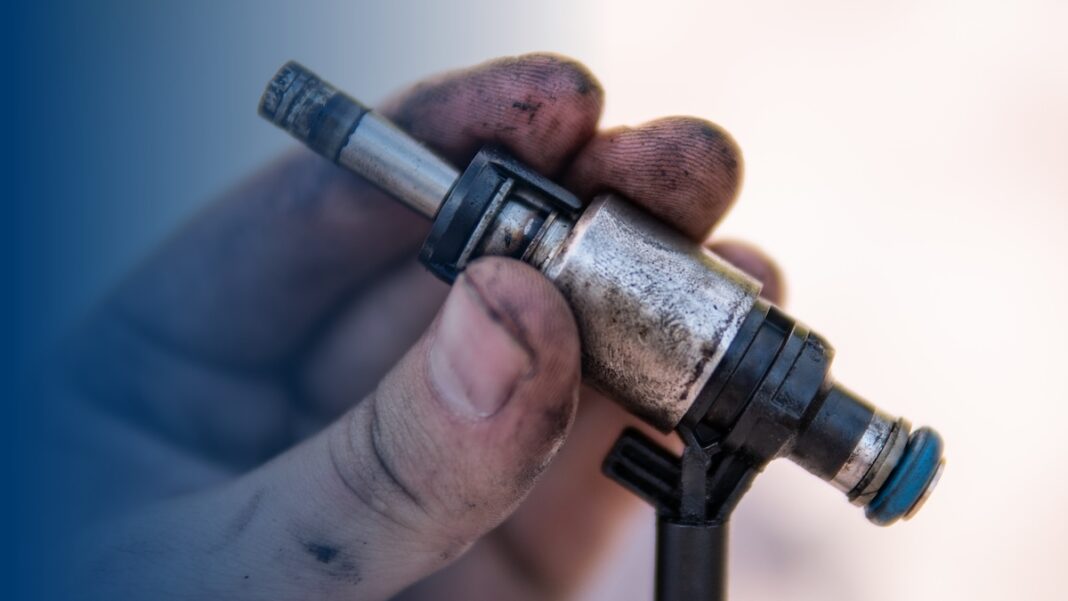
Use a noid light to verify that each injector is receiving its pulse signal from the ECM. A noid light plugs into the injector connector and flashes each time the ECM sends a pulse. If one injector is not getting a signal, the issue is in the wiring or the ECM output rather than the injector itself.
For injectors that are receiving a signal but may be delivering the wrong amount of fuel, a professional injector flow test is the definitive diagnostic. This test measures exactly how much fuel each injector delivers and verifies the spray pattern. Injectors that are significantly outside the flow specification need to be cleaned or replaced.
Step 6: Check for Vacuum Leaks
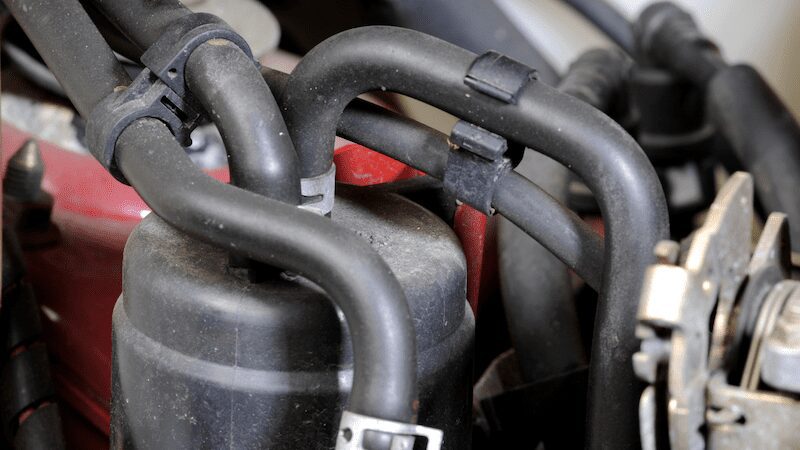
With the engine idling, do a thorough inspection of all intake hoses, clamps, and gasket surfaces. The most common vacuum leak locations on Mini Cooper engines are:
- The large intake boot between the air filter housing and the throttle body
- The PCV system hoses and connections
- The intake manifold gasket at the cylinder head
- Small vacuum hoses that connect to the brake booster, fuel pressure regulator, or other vacuum-operated components
A professional smoke machine test is the most reliable way to find leaks, especially small ones. The technician pressurizes the intake system with harmless smoke and watches where the smoke escapes. It finds leaks that the ear and the spray can method sometimes miss.
Step 7: Evaluate the Oxygen Sensors
Using a scan tool, pull up live data from the upstream oxygen sensors. With the engine at normal operating temperature and at idle, the upstream O2 sensor signal should be switching rapidly between rich and lean readings, typically oscillating several times per second. A sensor that is stuck at a fixed reading or switching very slowly is failing and needs to be replaced.
A multimeter can also be used to test the sensor directly, but the live data method through the scan tool is faster and gives you a real-world picture of how the sensor is behaving under actual running conditions.
What Happens If You Ignore a P0300 on Your Mini Cooper
This section matters, because some people see a check engine light and decide to deal with it later. With a misfire code, later can get very expensive very quickly.
Catalytic Converter Damage
Every misfire sends unburned fuel into the exhaust stream. That fuel ignites inside the catalytic converter, which is not designed to handle that kind of thermal load. The converter overheats. The ceramic substrate inside can melt and collapse, permanently destroying it. A catalytic converter replacement on a Mini Cooper is not cheap, often running several hundred to over a thousand dollars in parts and labor. Fixing a misfire early costs a fraction of that.
Powertrain Control Module Stress
The PCM is constantly trying to compensate for the misfires by adjusting fuel delivery and timing. Running in this compensating state for extended periods stresses the module’s processing cycles and can contribute to premature failure, although direct PCM failure from misfires alone is less common than the other damage types listed here.
Head Gasket Failure
A misfiring cylinder creates abnormal pressure conditions. Combustion that is poorly timed or incomplete generates heat and pressure spikes that the engine was not designed to sustain continuously. Over time, these abnormal conditions can damage the head gasket, which seals the joint between the cylinder head and the engine block. A blown head gasket on a Mini Cooper is a major repair. Coolant leaks internally, oil gets contaminated, the engine overheats, and the repair can run into thousands of dollars if not caught quickly.
Engine Oil Contamination
In some misfire scenarios, particularly where the fuel injector is stuck open and over-fueling, raw fuel can work its way past the piston rings and into the engine oil. Fuel-diluted oil loses its viscosity and its ability to lubricate engine components properly. Bearings, camshafts, and other critical components wear faster. If you pull the oil dipstick and the oil level seems higher than it should be and smells of fuel, this is happening.
An immediate oil change is required in that case, and the root cause of the over-fueling needs to be fixed before the fresh oil gets contaminated as well.
Estimated Repair Costs for Mini Cooper P0300
| Repair | Estimated Cost |
|---|---|
| Spark plug replacement (all four) | $80 to $200 |
| Ignition coil replacement (single) | $80 to $200 |
| Ignition coil replacement (all four) | $250 to $600 |
| Fuel injector cleaning (professional) | $100 to $200 |
| Fuel injector replacement (single) | $150 to $350 |
| Vacuum leak repair (hose or gasket) | $50 to $300 depending on location |
| Fuel pump replacement | $300 to $700 |
| VANOS solenoid replacement | $200 to $500 |
| Oxygen sensor replacement | $100 to $300 per sensor |
| Catalytic converter replacement (if damaged) | $600 to $1,500+ |
Work through the diagnosis before committing to any repair. Spark plugs and ignition coils are worth replacing proactively if they are due, but beyond that, you need the diagnostic data to guide you.
When to Call in a Professional
Spark plug and ignition coil replacement are within reach for most confident DIYers. Checking for vacuum leaks with a can of carburetor cleaner is something careful owners can do safely. But fuel injector testing, VANOS diagnosis, fuel pressure testing, and anything involving the ECM or wiring harness is better handled by someone with the right tools and experience.
Mini Cooper engines, particularly the turbocharged variants, have tight packaging under the hood and specific torque requirements on critical fasteners. If you are not familiar with working on these engines, it is easy to create new problems while trying to fix the original one.
A P0300 that returns immediately after you have replaced the spark plugs and coils is telling you the problem is deeper than the ignition system. At that point, professional diagnostic equipment and expertise will save you time and money compared to continued guessing on your own.
The P0300 code on a Mini Cooper is a solvable problem, but it requires the right diagnosis before you start spending. Pull the codes, inspect the plugs, test the coils, check the fuel pressure, look for vacuum leaks, and work through the list methodically. Address it now and you protect your catalytic converter, your head gasket, your engine oil, and your wallet. Leave it and each drive makes the eventual repair more expensive.