
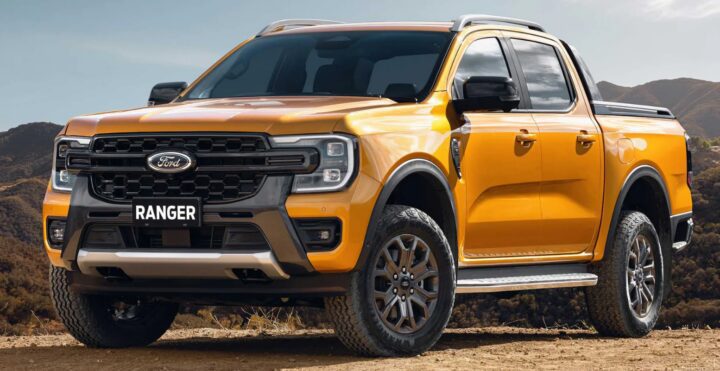
If your Ford Ranger starts jerking on acceleration or the temperature gauge climbs faster than you expect, it’s hard to stay confident. I’ve had customers tell me, “It feels like something’s wrong with the motor,” and then we find out it’s a cooling issue, a misfire, or a problem that triggers limp mode. The frustrating part is that a lot of engine issues share the same early symptoms.
This guide is here to help you make sense of the most common Ford Ranger engine problems and the reliability questions people worry about. We’ll cover the basics of how Ranger engines work, the typical trouble spots (coolant leaks, misfires, EGR problems), and how limp mode fits into the story. Then I’ll walk you through maintenance habits that actually prevent issues, plus what to check if you own a 2019 Ranger.
Along the way, I’ll include the same kind of practical troubleshooting I’d do in the shop: what to inspect first, what to ignore, and when it’s time to stop driving and get it diagnosed. If you’ve got a warning light, a specific error code, or a symptom pattern, you’ll be able to match it to what’s most likely going on.
Understanding Ford Ranger engine basics
Before you chase symptoms, it helps to know what the Ranger engine is doing day to day. That way, you’re not guessing between “fuel problem vs. coolant problem vs. emissions problem” with no direction. Most engine failures are preceded by warning signs like overheating, rough idle, sluggish power, or a check engine light that keeps coming back.
The Ford Ranger is a popular mid-size pickup, and it’s usually offered with multiple engine options, including gas and diesel variants. The diesel choice is often picked for fuel efficiency and torque. In the real world, torque is great for towing and hauling, but it also means the engine management system has to be right, especially with fuel and emissions components.
Overview of the Ford Ranger
The Ford Ranger is known as a work-capable pickup that can also be comfortable for daily driving. Many models come with different engine setups depending on year and configuration. Diesel versions are typically chosen for better fuel efficiency and strong low-end pull.
One thing that matters for reliability is how well the engine is maintained. When the cooling system, fuel system, and emissions controls are kept in good shape, most issues become less frequent and less expensive. When one system starts acting up, it can affect the others through how the engine management responds.
The role of the engine in vehicle performance
Your Ranger engine is the heart of the truck, and it directly impacts acceleration, towing ability, and fuel economy. A diesel or turbocharged powertrain relies on precise fuel delivery and consistent airflow. If anything disrupts combustion, you’ll feel it as rough running, poor power, or misfires.
So when you’re trying to understand why your Ranger “won’t hold up,” don’t just look at the engine as a single part. Think about the supporting systems that keep it happy: cooling, fuel supply, ignition components (for gas engines), and emissions hardware. A cooling issue can cause overheating, overheating can damage components, and then you’re dealing with bigger failures.
Common engine problems and reliability issues
Ford Ranger engine problems tend to show up in predictable ways. Owners often report coolant system leaks that lead to engine overheating, engine misfires that cause rough idle, and EGR valve failures that hurt performance. Another common theme is limp mode, which is your truck’s protective strategy when it detects something serious.
Let’s break these down into the kinds of symptoms you’ll notice and the likely causes behind them. I’ll also tell you what to check first so you don’t end up paying for parts you don’t actually need.
Typical coolant system issues that lead to overheating
One of the biggest Ranger engine problems is coolant leaks. These can lead to engine overheating, and overheating is one of those “small leak today, expensive failure later” problems. You might notice coolant puddles under the truck, a drop in coolant level, or the temperature gauge climbing during normal driving.
Coolant leaks often come from a damaged radiator, worn hoses, or sometimes a water pump issue. Hoses can look fine until they’re hot, pressurized, and then they start weeping. Radiators can develop weak spots from vibration and heat cycling over time.
My advice is simple: check coolant levels regularly and inspect hoses for wear. If you spot leaks early, you can usually prevent the kind of heat damage that turns into a major engine repair. The sooner you deal with the leak, the less damage it has time to cause.
The impact of engine misfires
Engine misfires on a Ford Ranger can have multiple causes, including faulty spark plugs, fuel injector problems, or ignition coil issues. Misfires can feel like the truck is shaking at idle, stumbling on acceleration, or running rough under load. You may also notice reduced fuel economy when the engine is not combusting properly.
Misfires are more than an annoyance. If they keep happening, they can lead to additional problems, like damage to other engine components or increased wear on emissions parts. That’s why it’s smart to address misfires promptly rather than waiting for the “check engine” light to disappear on its own.
A practical approach is to inspect the ignition components and consider replacing spark plugs at the right interval for your engine. For fuel injector-related misfires, a scan tool plus proper testing matters. Don’t rely only on what the engine “feels like,” because misfires can mimic other problems.
If you’re unsure where to start, check the codes and freeze-frame data. Freeze-frame tells you the engine conditions when the fault happened, like RPM and load, which helps narrow the cause. If you just clear the light and drive, you lose that valuable clue.
Investigating EGR valve failures
The EGR (Exhaust Gas Recirculation) valve reduces emissions by recirculating some exhaust gases back into the engine. On Ranger engines, an EGR valve that’s stuck, clogged, or failing can lead to poor performance and increased emissions concerns. You might notice rough idle, stalling, or a lack of power depending on how the valve is behaving.
EGR valve failures can happen due to carbon buildup, which can restrict airflow and upset engine combustion control. Cleaning the EGR system or replacing the valve when needed can help restore proper operation. If you see drivability symptoms like rough idle or stalling, don’t ignore them, because emissions control issues often worsen over time.
In the shop, I usually don’t treat “EGR” like a guess. I verify it with codes and live data where possible, then inspect for carbon buildup and other signs of restriction. That’s how you avoid swapping parts when the real issue was something else.
Dealing with limp mode challenges
Limp mode is a protective feature that limits power when the Ranger detects a serious engine or emissions issue. If your Ford Ranger enters limp mode, it’s basically telling you, “Something detected is outside expected limits, and I’m trying to prevent damage.” In many cases, limp mode can be triggered by engine overheating, sensor problems, or an engine management fault.
Yes, it’s inconvenient because the truck feels slow and doesn’t respond the way you expect. But limp mode is there for a reason, and it’s often smarter to treat it as a warning to stop driving it like normal. The best move is to consult a mechanic for diagnosis so you can address the underlying problem instead of just resetting the light.
Regular maintenance and fixing issues early can reduce how often the truck hits limp mode. When drivers delay, the problem can progress until the engine control system has to step in more aggressively.
Maintenance tips for prolonging engine life
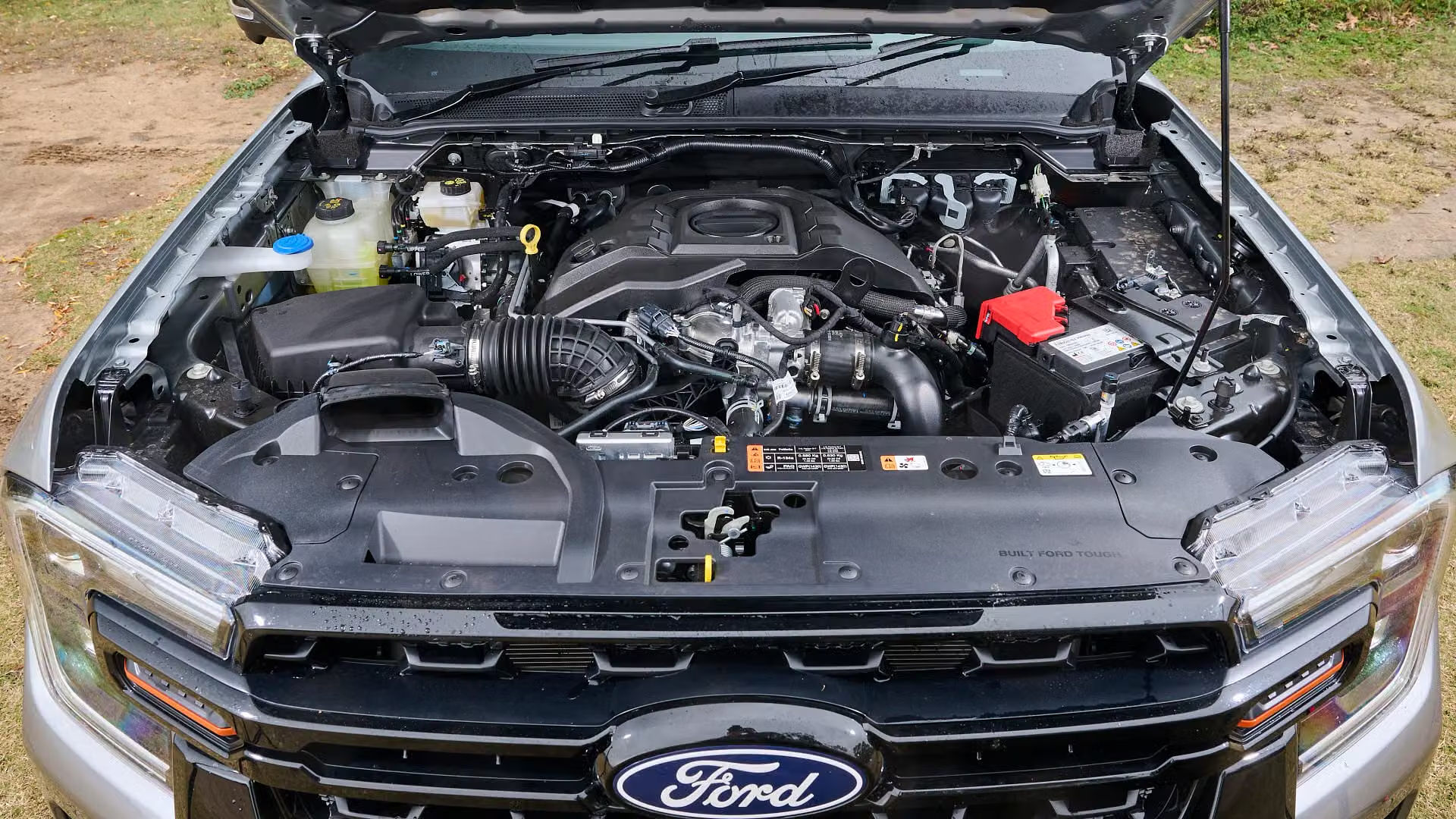
If you want your Ranger to last, the boring maintenance beats the dramatic repairs. Most engine failures come from neglect or a problem that went unnoticed. If you focus on oil changes, cooling system checks, and the basics of fuel and transmission care, you avoid a lot of the most common breakdown paths.
Here’s the same maintenance breakdown I’d give a customer, with attention to what actually prevents failures rather than just “checking boxes.”
The importance of regular oil changes
Changing your engine oil regularly is crucial. Oil lubricates engine parts, reduces friction, and helps keep the engine cool. When oil gets dirty, it loses effectiveness, and that increases wear and overheating risk.
Check your owner’s manual for the recommended interval, but a standard suggestion is every 3,000 to 5,000 miles. The exact number depends on your engine and driving conditions, but the key idea is you shouldn’t stretch intervals if you’re doing heavy stop-and-go driving or towing.
Using the correct oil matters too. You want an oil that meets Ford specifications for your Ranger. Synthetic oils are often more durable, offering better protection, especially across temperature swings.
Don’t forget to change the oil filter too. A filter that stays too long can’t clean contaminants effectively, and then the new oil starts out contaminated. It’s a small service detail that makes a real difference over time.
Maintaining the cooling system
Your engine’s cooling system prevents overheating, and overheating can cause severe damage. Regularly check the coolant levels and top up using the correct type for your vehicle. Coolant degrades over time and loses its corrosion and freeze protection benefits.
Old coolant should be flushed and replaced according to the manual recommendations. If you don’t, you can end up with corrosion issues inside the cooling passages and a higher chance of overheating.
Inspect the radiator and hoses for leaks or wear. Look for rust and other signs of chemical reaction issues, like “brown goo” around components. If you see it, don’t wait. Addressing cooling issues early prevents clogged passages and repeat overheating.
One shop note that helps: if the truck overheats, don’t open a hot radiator cap. Let the engine cool first. I know it’s tempting to check quickly, but thermal burns are one of the most common “oops” injuries I see people create for themselves.
Selecting the right transmission fluid (yes, it matters to the engine too)
The transmission fluid keeps the transmission lubricated and functioning correctly. If it’s not at the right level or it’s degraded, you can get shifting problems that make the truck feel sluggish. Even though this is technically a transmission topic, it affects how the engine works because shifting behavior changes how the engine loads during acceleration.
Your Ford Ranger needs a specific type of transmission fluid, so refer to your manual for the correct spec. Replace the fluid at recommended intervals to maintain its protective properties. Ignoring transmission fluid maintenance can lead to costly drivability problems that drivers blame on the engine.
Managing fuel system components
A healthy fuel system helps the engine combust efficiently and reduces misfire risk. Regularly inspect the fuel injectors to make sure they’re clean and spraying properly. Dirty injectors can cause misfires and poor fuel economy.
Fuel additives sometimes help, but they’re not a substitute for proper inspection when you’re already having misfire or performance issues. If the injectors are faulty, you need diagnosis first, not random “cleaner” guessing.
Also monitor the high-pressure fuel pump, especially if you notice a drop in fuel pressure or poor acceleration. If the pump can’t deliver pressure reliably, the engine might stumble, misfire, or feel weak even with a healthy battery and clean air filter. Fuel system maintenance is often overlooked, but it’s one of the biggest reasons some Rangers run smooth for years while others don’t.
Specific issues with the 2019 Ford Ranger model
If you own a 2019 Ranger, there are some specific concerns that tend to come up. Owners sometimes report stalling and error codes that affect driving feel. When you’re dealing with a particular model year, it’s smart to check warranty and recall coverage so you don’t pay out of pocket for something the manufacturer already addressed.
In many cases, error codes can point you in the right direction quickly, especially when paired with symptoms like overheating, rough idle, or reduced power. But codes still need interpretation. Two different issues can sometimes trigger similar drivability complaints.
Warranty and recall information for the 2019 Ford Ranger
If you own a 2019 Ranger and you’re worried about engine issues, the warranty question is always step one. Ford often provides warranties on these vehicles, but what’s covered depends on what the issue is and what caused it.
You can check for recalls by contacting your local dealer or using the official Ford recall page: Ford recall website. It’s also worth checking the official NHTSA database because it lists safety recalls and related information at the federal level, which can be useful when you’re cross-checking: NHTSA recall lookup.
If the problem you’re dealing with is tied to a recall, it’s usually the smartest place to start. That’s because recalls can sometimes address known issues that owners reported, and remedies are often handled without cost to the owner.
If the concern is common, there may also be a Technical Service Bulletin (TSB) issued to help fix it. A TSB provides solutions the manufacturer identified. TSB fixes may involve specific repairs, part replacements, or updates, sometimes at reduced or no cost depending on circumstances.
Addressing the error code P00BD
The error code P00BD can definitely make you nervous when it shows up. This code typically relates to issues with the mass airflow sensor. When P00BD is present, it can mean there’s an incorrect air-fuel mixture in the engine, which can lead to rough operation.
If your Ranger shows this code, start with the basics: check for a dirty or faulty mass airflow sensor. Cleaning is sometimes a fix if the sensor is contaminated, but if it’s failing electrically or responding incorrectly, it may need replacement. It’s smart to use an OBD-II scanner to verify the code and check for related codes as well, since other faults can point toward the real cause.
Trying to ignore a P00BD issue is risky because the air-fuel mixture problem can lead to further mechanical issues. The best plan is to address it promptly, especially if the truck is running rough, stalling, or consuming fuel unusually fast.
If you want a reference point for what owners have reported about this code, here’s the carcomplaints link included in the original source: P00BD error code on CarComplaints. Use it to understand how the symptoms show up, not as your only diagnostic source.
The Ford Ranger Duratorq engine analysis
Duratorq engines are where owners tend to ask the “will it hold up?” question the most. The concerns described here include intake pipe cracking and the possibility of catastrophic engine failure. When you combine an intake leak with the right conditions, you can get performance issues, misfires, and eventually more serious damage if cooling problems are also involved.
What matters most is recognizing the early signs and checking the known weak points instead of waiting until the engine fails completely. This is one of those situations where a quick inspection can save you from a much bigger repair.
Intake pipe cracking issues
One common problem with Duratorq engines is intake pipe cracking. When the intake pipe cracks, it can allow unfiltered air to enter the engine, which disrupts normal air measurement and fuel delivery. That can cause a range of drivability problems because the engine is trying to compensate for air that wasn’t accounted for properly.
You might notice a decrease in power, strange noises coming from the engine compartment, or other performance changes that show up under acceleration. The problem can be spotted through inspections, especially if you know where the intake pipe runs and you look for cracks or signs of leaking air.
Ignoring intake pipe cracking can lead to further engine damage, especially because the engine may run out of its intended operating targets. Repairing the intake pipe is important to prevent substantial engine damage. If the intake system isn’t sealed correctly, the engine can’t reliably do its job.
In the shop, I usually tell people this: if you hear “hissing,” see a crack, or the truck runs worse after you’ve had air intake work done, check that intake piping before replacing more expensive parts. It’s a straightforward inspection that can prevent a lot of wasted troubleshooting.
The impact of catastrophic engine failure
Catastrophic engine failure is the most serious issue mentioned for Duratorq engines. The described causes can include coolant leaks or other major problems that compromise the engine. When coolant leaks go unchecked, overheating can follow, and overheating can lead to engine failure.
Symptoms that may show up include white smoke, engine overheating, or consistent loss of coolant without visible leaks. That “no visible leaks” part is important, because coolant can sometimes leak in ways that only show up after driving or only show up when the engine is hot and pressurized.
If you suspect a coolant leak, check coolant levels regularly and address the issue promptly. Don’t wait for the problem to get worse. Waiting can lead to catastrophic failure, which can leave your truck immobile and force you into extensive repairs.
If you’re hunting this kind of problem, I recommend using a methodical approach: verify coolant level trends, inspect hoses and connections when hot (carefully), and confirm whether the coolant loss correlates with overheating events. If you see coolant disappearing repeatedly, it’s not a “watch it for a while” issue.
How to troubleshoot your Ranger engine like a mechanic
If you want fewer surprises, troubleshoot based on evidence instead of guessing. When you’re dealing with overheating and rough running, the right order of operations saves time. In the shop, we usually start with what can be checked quickly: warning lights, fluids, obvious leaks, basic visual inspections, and then codes and live data.
Here’s a practical checklist you can follow at home, and then the steps a shop would take after.
Step 1: Confirm the pattern of symptoms
Write down when the problem happens. Is it worse on cold starts, during highway driving, or only after towing? Does it happen with acceleration, or does it show up at idle and just stays there?
Overheating that shows up after 15 minutes of driving is different from overheating that happens right after starting. Misfires that show up only under load can point to fuel delivery, while rough idling can point toward sensor or ignition issues. The pattern helps narrow the cause.
Step 2: Check cooling and obvious leaks first
If you’re worried about overheating, check coolant level when the engine is cool and inspect for leaks underneath. Look at hoses, radiator seams, and the water pump area if accessible. Don’t just top it off and drive, because if there’s an active leak, it will drop again.
If the coolant is disappearing, focus on finding the source. That can be the radiator, a hose, the pump, or another cooling component. Fix the leak, then retest.
Step 3: Use a scan tool and don’t clear codes too quickly
A scan tool helps you see stored and pending codes. Don’t rely on “it has a check engine light.” You need the specific code(s), and you need to note freeze-frame if your tool provides it.
If you get code P00BD, that points you toward the mass airflow sensor area and air-fuel mixture problems. But if you also see other codes, like related sensor or emissions faults, you may find the true root cause is upstream of what you’re focused on.
If you’re using a basic OBD-II reader, it’s still useful to pull codes, but for detailed diagnosis, a shop scan tool can be better because it accesses more module data.
Step 4: Inspect EGR and related emissions parts when performance is off
If you’re noticing rough idle, stalling, or performance issues along with EGR-related fault codes, inspect the EGR system for carbon buildup. The EGR valve reduces emissions by recirculating exhaust gases, and if it fails, it can mess with engine control. Cleaning or replacing the EGR valve when needed can restore performance.
Don’t treat it as “just emissions,” because it affects driveability. A failing EGR valve can push the engine to run out of normal targets, and then you get misfires, stumbles, and limp mode.
Step 5: If limp mode is active, treat it as urgent
If your Ranger drops into limp mode, avoid continuing to drive it like nothing happened. Limp mode exists to prevent more serious damage. If it happens repeatedly, that’s a strong sign the underlying issue needs diagnosis right away.
Depending on what triggers limp mode, you might be dealing with overheating, a fuel delivery fault, sensor problems, or emissions control failures. Either way, the fix is to diagnose the root cause, not just reset the light.
What not to do (common Ranger engine mistakes)
These are the mistakes I see most when owners try to “save money” by doing the wrong thing first. Sometimes it costs more than a proper diagnosis because the engine continues to run while it’s out of spec.
- Don’t keep driving when the engine overheats. Overheating isn’t a “maybe it’ll be fine” situation.
- Don’t clear codes immediately. Write down P00BD or any other codes first so you keep the evidence.
- Don’t assume every rough idle is a misfire. EGR issues and airflow problems can mimic misfire symptoms.
- Don’t ignore coolant loss without chasing the source. Topping off is temporary, not a fix.
- Don’t replace intake parts or sensors randomly on Duratorq issues. Intake pipe cracking is often visible and fixable with inspection.
When to DIY vs when to see a mechanic
You can handle some checks on your own without specialist tools. For example, you can inspect coolant level when cold, look for visible leaks, and check whether hoses show wear. You can also monitor when limp mode happens and what driving conditions trigger it.
But engine misfires, EGR failures, and diagnosing limp mode really benefit from scan data and proper tests. If you see P00BD, overheating warnings, white smoke, stalling, or catastrophic failure signs, that’s mechanic territory. A certified tech can verify what’s actually causing the issue instead of chasing symptoms.
If you want to set yourself up for better outcomes, use your owner’s manual for maintenance schedules and fluid specs. If you don’t have it handy, Ford provides owner manual resources here: Ford owner manuals. That’s where you confirm the correct intervals and fluid types for your exact Ranger.
Expert verdict: the most common Ford Ranger engine problems described here come down to coolant system leaks (overheating), engine misfires, EGR valve failures, and limp mode triggered by those issues. For the 2019 Ranger, code P00BD points toward mass airflow sensor and air-fuel mixture concerns, so don’t ignore it. For Duratorq engines, intake pipe cracking and cooling-related failure risks mean inspection and early repair matter.
What to do next: if you’re dealing with overheating, check coolant level and inspect for leaks right away, then scan for codes once it’s safe. If you get P00BD or EGR-related symptoms, diagnose with a scan tool and verify intake and sensor conditions before replacing parts. If limp mode is active repeatedly or you see signs like white smoke and coolant loss, stop driving and get it inspected.
One clear takeaway: don’t treat Ranger engine symptoms as “one-size-fits-all.” Follow the symptom pattern, check cooling and airflow-related issues, and use diagnosis to stop the problem early before it turns into a bigger repair.